
Review · RAPA NUI
Two days of Full Day Tour of Rapa Nui + Sunrise in Tongariki
Rapa Nui feels like a living open-air museum. This two full days plus sunrise tour centers on the island’s signature moai and volcanic terrain, with certified local guides who explain the stories, rituals, and legends behind what you see. I like how the day plans push you past quick photo stops and toward real understanding.
I especially like the pickup and drop-off convenience, because Rapa Nui logistics can eat time. You also get practical extras like rain ponchos, pre and post-sales support, and help finding the best activities beyond the tour itself.
One thing to watch is that the national park entrance ticket is not included, and the Tongariki sunrise timing can feel tight depending on the guide and the day’s schedule.
In This Review
- Quick takes before you go
- Two full days plus sunrise: how this format helps you see Rapa Nui properly
- Certified local guides, and why hearing different voices is valuable
- Ahu Tongariki and the moai you will keep turning back to
- Tongariki sunrise timing: worth it, but plan for pressure
- What the rest of the day tours add beyond sightseeing
- Getting the national park ticket right, before you waste time
- What to bring on Rapa Nui: small items that save big headaches
- Pick-up logistics and group size: how to make it run smoothly
- Languages and communication: English, Spanish, French
- Price and value: what $250 really buys on Rapa Nui
- Who this tour suits best
- Should you book this Rapa Nui Dream tour?
- FAQ
- What does the tour include?
- What is the price and duration?
- Is the national park entrance ticket included?
- What languages are the guides available in?
- Do I need to bring food?
- What should I bring?
- Are there any shoe restrictions?
- What is the cancellation policy?
- Is pickup included, and what if I am not ready?
- Is it private or in a group?
Quick takes before you go
- Certified local guides who switch perspectives across the days, so you hear more than one theory.
- Ahu Tongariki is the anchor site, and it is the one you will plan your sunrise around.
- Early mornings are real for the Tongariki sunrise, so layers and patience matter.
- No food included, so bring drinks and snacks even if you are not hungry yet.
- Small groups or private options help you get more time for questions.
- National park ticket required before day one, so buy it in advance to avoid stress.
Deeper into Rapa Nui: the other island tours
- From Hanga Roa: Rapa Nui Culture Sightseeing Tour
★ 4.6 · 307 reviews - From Hanga Roa: Easter Island Highlights 2-Day Tour
★ 4.3 · 205 reviews - From Hanga Roa: Journey from Orongo to Ana Te Pahu
★ 4.3 · 75 reviews - Two days of Full Day Tour of Rapa Nui + Sunrise in Tongariki
★ 4.8 · 55 reviews
Two full days plus sunrise: how this format helps you see Rapa Nui properly
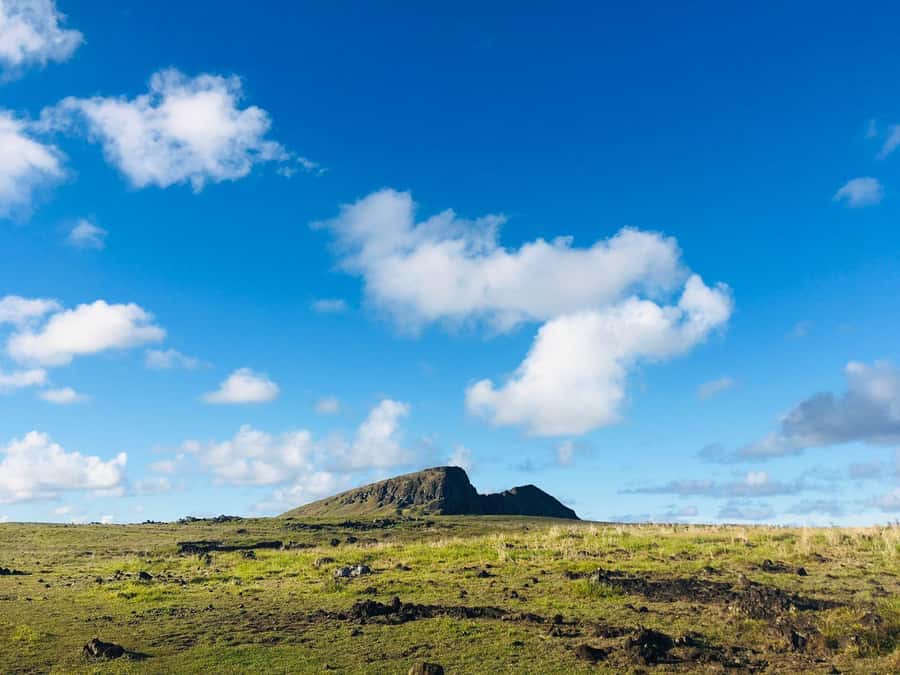
Rapa Nui is small on a map, but it is big on meaning. Doing two full days of full-day touring means you can connect the dots between the moai sites, the island’s volcanic landscape, and the human stories people attach to it. A single half-day would be pretty, but it would leave you with loose ends.
What I like about the structure is that it gives you time for repetition without boredom. You can return to the same theme, like why moai were placed where they were, and compare how each guide explains it. That matters because some of the island’s past has no written record, so interpretation is part of the experience.
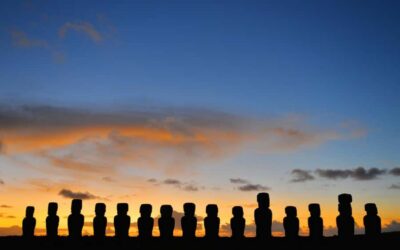
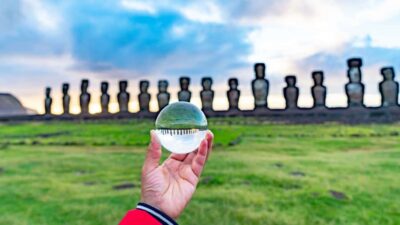
The sunrise add-on at Tongariki turns the tour into a rhythm, not just a checklist. You are not only seeing the famous lineup, you are seeing it in the best light the island can offer, with the sky doing its slow work before you even start the rest of your day.
Certified local guides, and why hearing different voices is valuable
This experience leans hard on certified local guides, and that is a good sign. On many tours, you get a guide and a microphone. Here, you get an explanation style that sounds rooted in local knowledge and local community context.
One nice pattern: guides can differ each day. You might meet Alex, who focuses on logic and answers with confidence. You might also hear Alejandro, who can be more debate-style and thought provoking. Another day could bring David with an inventive angle, and the sunrise guide might have a different job entirely, like Ariki being more of a focused logistics attendant on the early start.
That variety is not a problem. It is the point. When history gets fuzzy, multiple perspectives help you build a working picture instead of one rigid script. You leave with questions, not just captions.
Ahu Tongariki and the moai you will keep turning back to
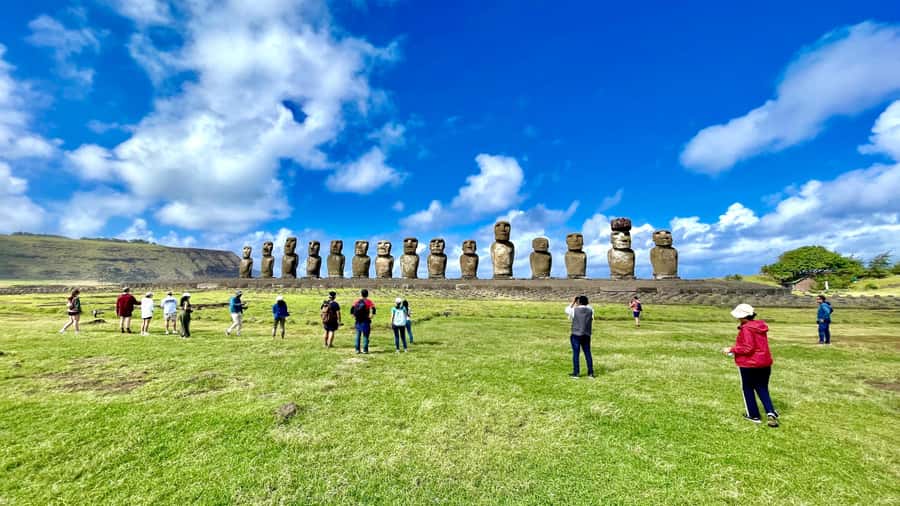
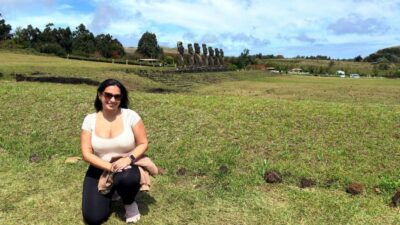
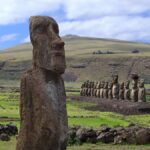
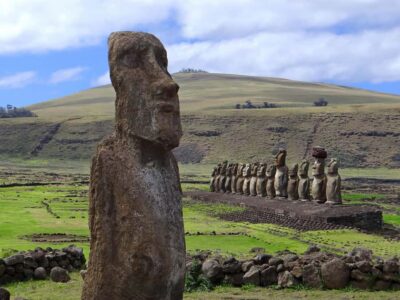
If Rapa Nui is a stage, Ahu Tongariki is one of its main acts. Even before sunrise, it is the island’s most recognizable moai setting, with the dramatic volcanic backdrop doing half the talking for you. The tour’s emphasis on this site is smart, because you can see how the moai line works in relation to the land.
Here is what you should pay attention to during the visit. Look at the placement and the spacing, then listen to how your guide connects that layout to ritual, identity, and community memory. You are not just spotting stone faces. You are learning how people read meaning into a landscape.
Practical note: the best views and angles matter a lot at Tongariki. If you end up too far from the ideal spot, the sunrise can still be gorgeous, but the experience feels less “locked in.” I recommend you arrive with a clear plan, and ask your guide where to stand before the sky turns.
Tongariki sunrise timing: worth it, but plan for pressure
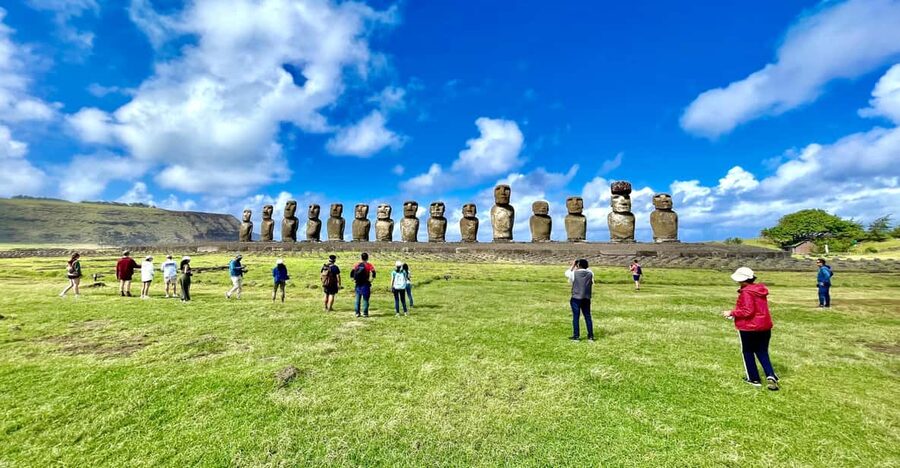
The Tongariki sunrise piece is the headline because it is the island’s grand mood shift. You will be picked up very early, and one schedule example had pickup around 6am while the sunrise itself began around 8am. That gap can feel long in the dark, but it also means you have time to settle in and stay ready.
The tradeoff is that sunrise tours can come with strict timing, especially when the provider needs you back for the next block of the day. One guide experience described being rushed, with limited time to watch the full sunrise finish. That is the main risk with early starts: the early busyness can steal some of the slow magic.
So how do you protect the experience? Keep it simple:
- Bring warm layers and be ready to wait.
- Stay flexible if the guide has to move you to the best timing.
- If your guide provides a viewpoint choice, take it seriously and confirm where you should stand.
If you want a longer sunrise moment, it helps to stay calm even if the plan feels brisk at first. When you know what you are looking for, you notice it faster, and the rush matters less.
What the rest of the day tours add beyond sightseeing
Two full days do more than repeat the island’s top photos. This tour is built around certified guidance that connects moai, volcanic terrain, and community traditions into one story you can actually follow.
You will likely spend time moving through the most famous attractions, then shifting into the “why” behind them. That includes understanding legends and rituals that shaped Rapa Nui’s unique culture, plus learning the kinds of stories people use to explain what they can still see today. It is part museum teaching, part cultural conversation.
This is also where the tour value gets real. The guide is not just moving you from stop to stop. You are getting help you can use after the tour, like what panoramas to chase next and what activities fit your remaining time on the island.
One extra benefit: rain ponchos are included. Rapa Nui weather can change fast, and getting caught without proper gear can wreck the day. With ponchos ready, you stay out and keep learning instead of sprinting back to a vehicle.
Getting the national park ticket right, before you waste time
One of the biggest practical points here is simple: the entrance ticket to the national park is not included. The tour requires that you have your ticket before starting day one, and it is available from Ma’u Henua offices in person or through the rapanuinationalpark.com purchase link.
The cost is listed as:
- Local nation rate: 20,000 CLP
- Foreign nation rate: 72,000 CLP
Even if you do not love paperwork, this is a must. A park ticket can be the difference between a smooth start and a stressful first morning. Buy it ahead of time so your guide day can actually begin when it should.
Also, plan your budget with the ticket in mind. The published tour price is not the whole cost of entry to the experience, because the national park portion is separate.
What to bring on Rapa Nui: small items that save big headaches
This tour asks for straightforward packing, and it helps to take it seriously. Wear comfortable shoes, and do not bring high-heeled shoes. Bring a towel and comfortable clothes, because water and weather swings are normal here.
Food is not included, so you need to carry your own drinks and snacks. One practical lesson from guide experience: people who skip snacks can run into trouble, especially on long days with early starts. You do not want a low-energy spiral when the best viewpoints are waiting.
For sunrise, think beyond “pretty sunrise photos.” You will be out early, possibly waiting in colder air. Warm layers, plus something to keep you comfortable while standing, make a real difference.
Pick-up logistics and group size: how to make it run smoothly
Pick-up and drop-off are included, which is a big plus on an island where time is precious. You wait in the reception or lobby area, and the team does not enter accommodations to knock on rooms. Pickup times are set, and if you are not ready, the provider cannot wait for you to respect other travelers.
That means your best strategy is to be ready early. Put shoes by the door the night before. Confirm your pickup spot and be there a bit ahead of time. When your start time is fixed, being late becomes a chain reaction for you and the group.
Group size can be private or small groups, so you should feel a difference in how much question time you get. A smaller group usually means you can ask follow-ups instead of saving questions for the end.
One operational detail to expect: transfers can involve picking up multiple people, sometimes with less direct routing. If you hate delays, just mentally pack patience. You are on Rapa Nui, not a highway city.
Languages and communication: English, Spanish, French
The live tour guide works in English, Spanish, and French. That matters because the tour is information-heavy, and the guide’s ability to explain the stories behind moai is central to the value.
If you are choosing between languages, pick what lets you think in details. You will likely want to ask follow-up questions about meaning, legends, and the way different guides interpret what you see. Your enjoyment rises when you can catch the small points instead of only the big ones.
The day before your first activity, you receive a message with instructions for the following day. Read it. These tours run on timing, and sunrise schedules are unforgiving.
Price and value: what $250 really buys on Rapa Nui
At $250 per person, this tour sits in the “reasonable for a guided multi-day experience” zone, especially because guides are certified and pickup is included. You are paying for more than transportation. You are paying for interpretation, timing, and local context that you cannot easily replicate on your own.
However, the park entrance ticket is separate. So the real budget check is:
- Tour price: 250 USD per person
- Plus national park ticket: 20,000 CLP local or 72,000 CLP foreign nation
That is the honest math you should do before you fall in love with the idea of the tour. If you already planned for park entry, the guided value can feel strong. If you forget the ticket, you might feel surprised by the total.
Also, the tour includes rain ponchos, pre and post-sales support, and an emphasis on giving you confidence for what to do during your stay beyond the tour. That type of support matters because Rapa Nui is not just “see and leave.” It is about planning your days in a place that is remote and time-sensitive.
Who this tour suits best
I think this experience fits best if you want guided context, not just photos. If you enjoy learning how locals connect moai placements to legends, rituals, and community memory, the guide-led approach will feel worth it.
You should also like structured timing. The sunrise is early, and the rest of the day follows a plan. If you prefer total spontaneity, you might find the schedule a little strict, especially around sunrise.
On the other hand, if you are comfortable with moderate physical fitness and long days, this is a strong choice. You get full-day touring for two days, plus the signature Tongariki sunrise.
Should you book this Rapa Nui Dream tour?
Book it if you want two full days of guided storytelling, plus the Tongariki sunrise that turns the moai into something more than scenery. The certified local guides, pickup and drop-off, and added support beyond the tour are the kind of “invisible value” that makes a trip feel smoother.
Skip or reconsider if sunrise timing disappointment would ruin your day. If you know you hate feeling rushed, ask questions before booking about sunrise timing at Tongariki and viewpoint expectations. Also, budget for the national park ticket now, so you do not get caught mid-trip.
If you handle early mornings with good humor, and you pack snacks, you are setting yourself up for a truly memorable Rapa Nui experience.
FAQ
What does the tour include?
It includes certified local guides, pickup and drop-off at your accommodation, rain ponchos in case of rain, and pre and post-sales support. It also includes guide availability to answer questions and aims to guarantee an exceptional experience.
What is the price and duration?
The price is $250 per person, and the experience is listed as lasting 3 days (two full days plus a sunrise).
Is the national park entrance ticket included?
No. The entrance ticket to the national park is not included. You need to have your ticket before starting the first day, and it can be purchased in person at Ma’u Henua offices or via rapanuinationalpark.com.
What languages are the guides available in?
The live tour guide is available in English, Spanish, and French.
Do I need to bring food?
Food is not included, but there are points where you can buy. You should plan to bring drinks and snacks for long days.
What should I bring?
Bring comfortable shoes, a towel, and comfortable clothes.
Are there any shoe restrictions?
High-heeled shoes are not allowed.
What is the cancellation policy?
You can cancel up to 24 hours in advance for a full refund.
Is pickup included, and what if I am not ready?
Pickup and drop-off are included. You wait in the reception or lobby area, and the pick-up time is set, so if you are not ready they cannot wait.
Is it private or in a group?
Private or small groups are available.
The Rest Of Our Chile Tours


Everything Else We Have Reviewed In Chile

Rapa Nui, Three More Ways
Not quite it? Here is the rest of what we have reviewed around Chile

More in Easter Island & the Moai.
 ★ 4.6Rapa Nui Culture Sightseeing TourFrom $80307 reviews
 ★ 4.3Easter Island Highlights 2-Day TourFrom $170205 reviews
 ★ 4.5Easter Island Sightseeing Full Day TourFrom $70189 reviews
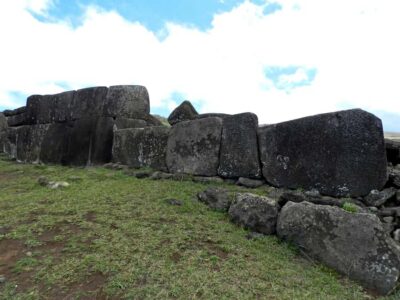 ★ 4.3Journey from Orongo to Ana Te PahuFrom $7075 reviews
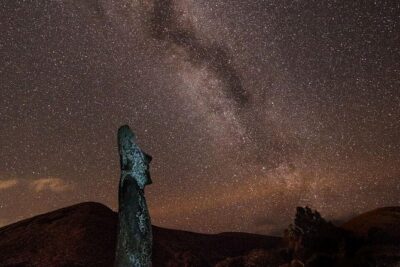 ★ 4.5Rapa Nui StargazingFrom $14062 reviews
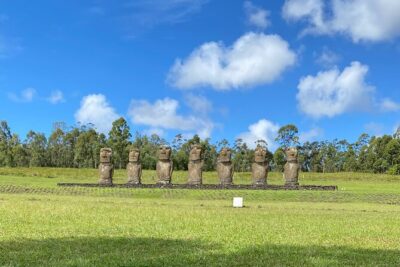 ★ 5.0Half Day Tour in Rapa NuiFrom $1,50048 reviews
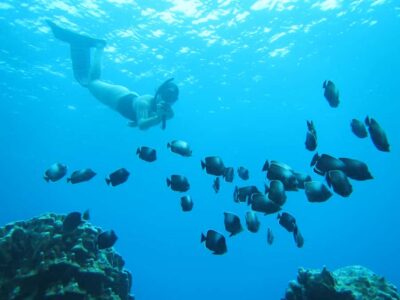 ★ 4.4Easter island: Snorqueling tour on coral reefsFrom $11047 reviews
 ★ 4.5Sunrise Tongariki: Sunrise at Tongariki Park Private TourFrom $12047 reviews
Browse the lists this tour appears in