
Review · RAPA NUI
From Hanga Roa: Easter Island Sightseeing Full Day Tour
Moai feel closer with a great guide. This full-day Rapa Nui tour hits the island’s most important moai sites with clear storytelling in English and Spanish, and it keeps the day easy with hotel pickup and drop-off.
I like that it is built for efficiency, but still leaves time at each stop so the details land, not just the photos. One practical consideration: lunch is not included, and the national park ticket is also not included, so bring what you need before you go.
In This Review
- Key points that make this tour work
- A Full-Day Moai Loop That Saves Your Time on Rapa Nui
- Pickup, Transport, and the Real Benefit of a Small Group
- Vaihu: Where the Moai Start Feeling Personal
- Akahanga: Toppled Moai and Village Remains
- Rano Raraku: The Moai Quarry That Turns Questions Into Clarity
- Tongariki: The Classic Coastal Lineup for Big Moai Energy
- Te Pito Kura: Closing With a Magnetic Stone Mystery
- Price and Value: Is $70 Worth It?
- What to Bring: Pass, Water, and the Small Stuff That Prevents Headaches
- Pace, Comfort, and the One Thing You Should Watch For
- Who This Tour Fits Best (and Who Might Be Happier Elsewhere)
- Should You Book This Easter Island Full Day Tour?
- FAQ
- How long is the Easter Island Sightseeing Full Day Tour?
- Does the tour include hotel pickup and drop-off?
- What sites are visited during the tour?
- What languages does the live guide speak?
- Is lunch included in the price?
- Do I need a national park ticket?
- How big is the group?
Key points that make this tour work
- Small group size (up to 14), so your guide can actually answer questions
- Hotel pickup and drop-off means less hassle in a place where driving takes time
- A strong lineup of moai sites in one day: Vaihu, Akahanga, Rano Raraku, Tongariki, Te Pito Kura
- English and Spanish live guide for a smoother, more detailed experience
- Te Pito Kura closes the loop with a geological mystery, not just statues
- You’ll cover a lot in 8 hours, which is ideal for first-timers with limited time
Deeper into Rapa Nui: the other island tours
- Private tour: where the history of the Moai was born
★ 4.7 · 13 reviews
A Full-Day Moai Loop That Saves Your Time on Rapa Nui
If you only have one day on Easter Island, this kind of route is exactly what you want. The big value is simple: you get the main moai highlights in a single, organized day, instead of trying to stitch together separate half-days, taxis, and timed entries.
The schedule is built around a logical flow. You start with moai at Vaihu, shift to archaeological remnants at Akhahanga, then move to the quarry at Rano Raraku. After that, you get the famous coastal “stand in front of them” moment at Tongariki, and you finish with the Te Pito Kura site and its strange magnetic-stone story. That arc matters, because it helps you connect the dots: where the moai came from, how communities lived, and why some places feel more sacred than others.
The tour also runs with a live guide and dedicated transport, so the day feels smoother than a do-it-yourself plan when you are tired, jet-lagged, or simply not sure about timing.
Pickup, Transport, and the Real Benefit of a Small Group
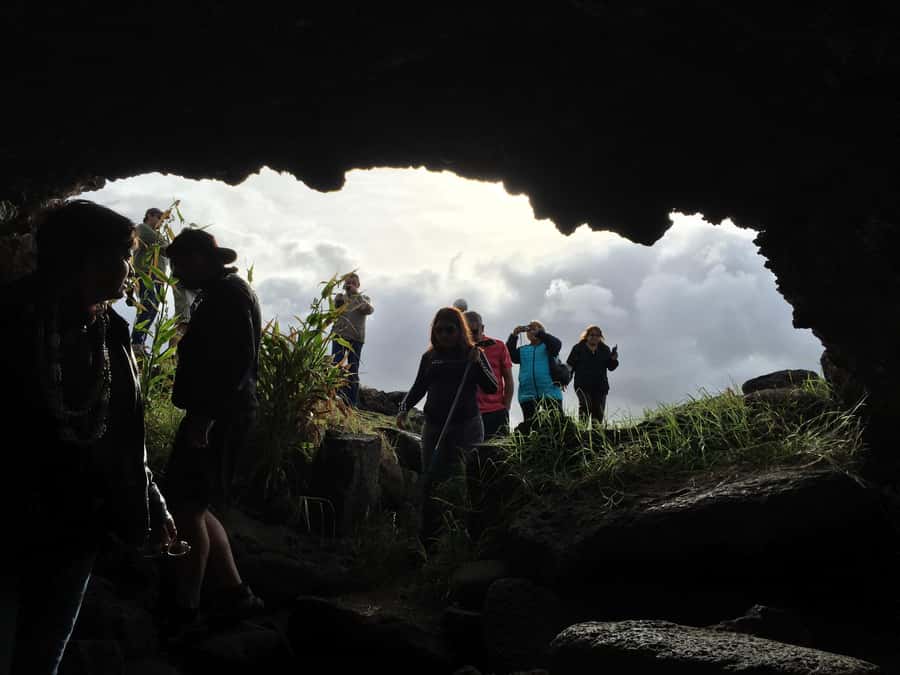
Hotumatur Rapa Nui runs this as a small group tour limited to 14 people, and that small size shows in how the stops play out. Even when a site is busy or the road is rough, your guide can keep the group together without treating everyone like a number.
The guide is live and speaks both English and Spanish. In practice, different guides have run the day (I’ve seen names like Hiva, Franc, Enrique, Ata, Angel, and Fernanda tied to excellent experiences), and what stands out is consistency in how they explain what you are seeing. Some guides are especially noted for balancing languages and for answering questions without rushing you through the viewpoints.
The vehicle and timing matter too. Hotel pickup and drop-off are included, which saves time and stress. Just plan for the fact that pickup can happen within a time window rather than one exact minute, so get ready early and be outside when the driver arrives.
One small note that can affect comfort: seating can vary by where you end up in the vehicle. If you care a lot about window views for photos, try to be among the first ready at pickup.
Vaihu: Where the Moai Start Feeling Personal
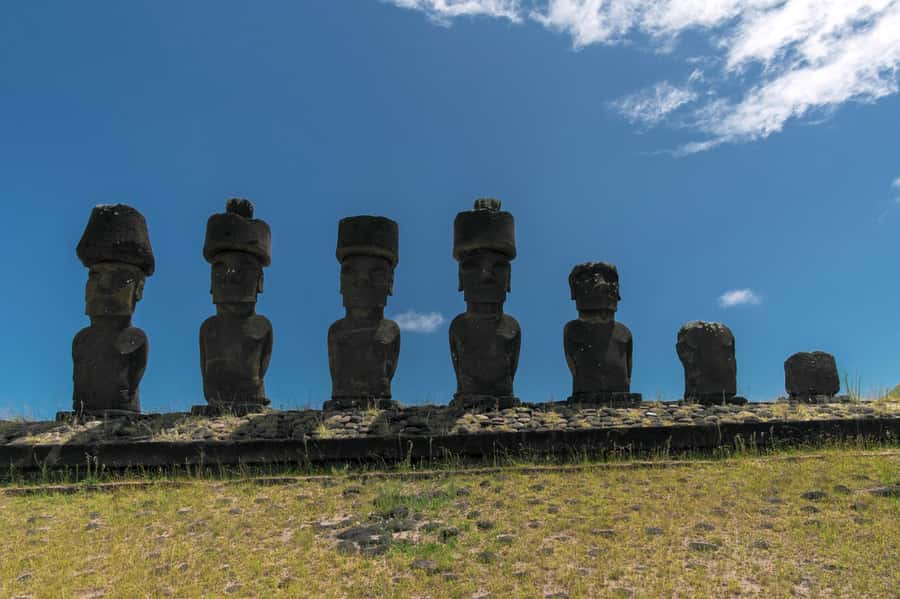
Your day begins at Vaihu, a site that makes the moai feel less like postcards and more like monuments with personality. Expect to see moai statues in a setting that feels sacred, not staged. Your guide walks you through the basic story of the statues and helps you understand what you are looking at, including how and why these figures mattered.
What I like about starting here is pacing. You are not overwhelmed by everything at once. You get a foundation, so later stops like Rano Raraku (the carving source) feel more meaningful. This is also the moment when your brain starts noticing details: angles, scale, and how the statues relate to the surrounding space.
This is a good fit if you want context, not just a quick walk. The tour format usually gives you time to stand in front of the moai and absorb them, rather than treating every stop as a photo sprint.
Akahanga: Toppled Moai and Village Remains
Next is Akhahanga, where the mood shifts from intact sacred imagery to a more human, archaeological story. Here you explore remnants of traditional Polynesian village life and you also see toppled moai.
Akhahanga is special because it helps you understand that moai did not live only in myths. They were part of communities, daily life, and public identity. When you see toppled statues alongside village ruins, it stops being abstract history and starts feeling like a snapshot of a real place that changed over time.
A potential drawback here is physical effort. Stops usually include short walks and some steps, so wear shoes with grip. The good news is you are not facing a huge trek, just enough uneven terrain to make sensible footwear worth it.
Rano Raraku: The Moai Quarry That Turns Questions Into Clarity
Then comes Rano Raraku, the moai quarry and the birthplace of the island’s iconic statues. If you have ever wondered how these figures were made, this stop is where the story clicks.
Rano Raraku is not only about moai standing in view. It is about the fact that these colossal figures were carved from the rock itself. Your guide explains what that means for the process, the labor, and why the quarry matters to the broader story of Rapa Nui.
This is also where you can start seeing how site choices shape the final effect. Quarry stone has a different feel than finished stone you see elsewhere. The shape of the terrain also changes how moai look and how they relate to each other. Even if you are not a “stones and tools” person, the quarry makes the island’s history feel real.
If you are bringing your national park ticket, keep it handy for this type of access. One review note highlighted that the stone carving area can be visited once on your national park pass, so don’t leave your ticket behind and expect a second chance.
Tongariki: The Classic Coastal Lineup for Big Moai Energy
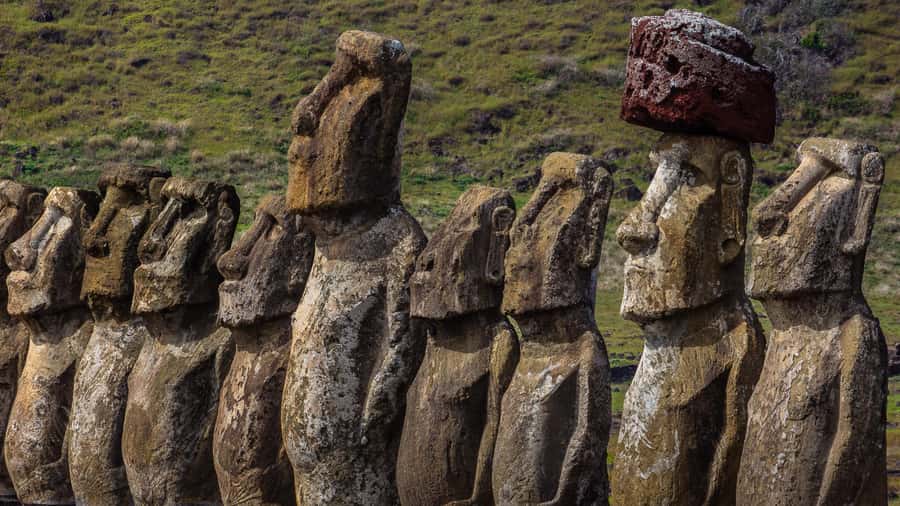
After the quarry, you get Tongariki, famous for a long lineup of moai along the coastline. This stop is basically a visual wall of stone, with the Pacific ocean as a backdrop.
Tongariki is where you go for that “wow” moment. It is also a rare chance to see moai arranged in a way that makes scale obvious. Your guide helps you read the site, but the main job is letting your eyes adjust to the repeating forms.
This is also a great place for photos, because the coastline framing gives your pictures depth. If the wind is up, keep your camera strap secure and take a moment to wait for stable light. Coastal weather can shift quickly on Easter Island, so layers and a light rain layer are smart if you want to feel comfortable outdoors.
Te Pito Kura: Closing With a Magnetic Stone Mystery
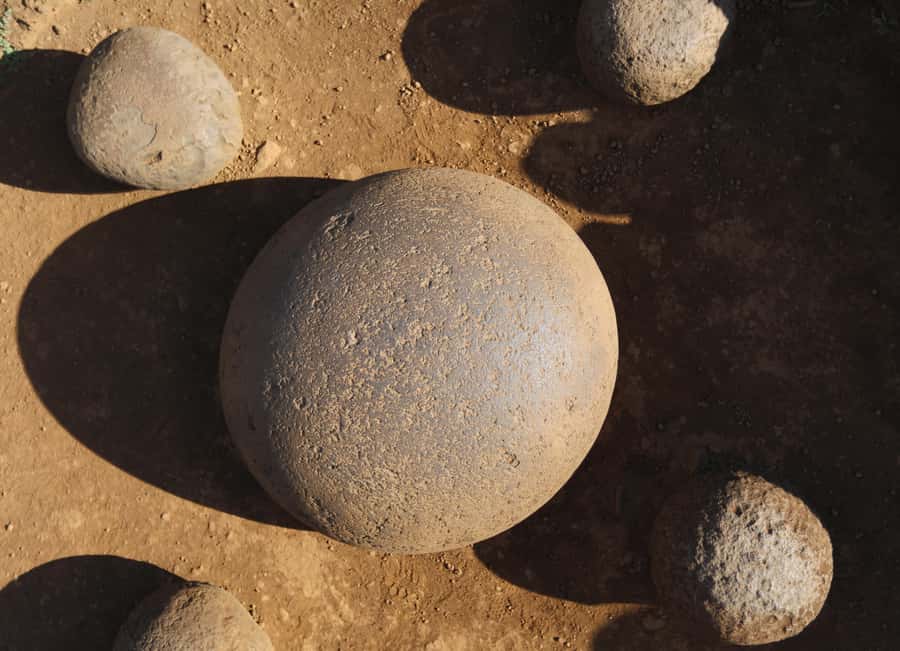
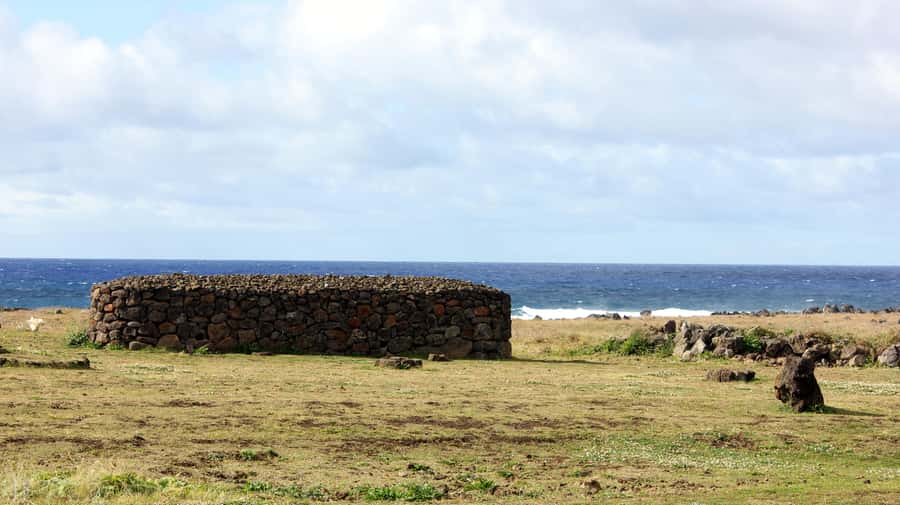
The day ends at Te Pito Kura, where you hear stories tied to the site and a geological oddity often described as a magnetic stone. The point here is that the tour does not only chase moai. It ends with a mystery that connects culture, symbolism, and the island’s unusual natural features.
Finishing here works because it gives your brain a different kind of question. Earlier stops teach you how moai were made and where they belonged. Te Pito Kura gives you something to wonder about, something less “only history” and more “why does this place feel strange.”
Depending on timing and conditions, you may also get a scenic end-of-day moment by the coast. Some guides and schedules create a chance for extra relax time, and if you want that option, pack a swimsuit and a small towel.
Price and Value: Is $70 Worth It?
At $70 per person for an 8-hour, guided, hotel-pickup day, the question is less about the number and more about what you get for it.
You get three things that are hard to replace with casual planning:
- Time savings: You cover several major sites without having to coordinate transport between them.
- Interpretation: A guide helps you understand what you are seeing at each moai location, not just where to stand.
- Risk reduction: On a remote island, being uncertain about access, timing, and what needs a pass can eat up your day.
Some reviews call it pricier than some alternative guide options, but the common thread is that the day is smooth, well-paced, and covers the big attractions you need for a first visit. If you value organization and clear explanations, $70 starts to look reasonable.
If you already know the island and prefer slow wandering, you might feel the cost more. This is a full-day tour with a lot of stops, so you should be ready for structured pacing rather than long stays at just one site.
What to Bring: Pass, Water, and the Small Stuff That Prevents Headaches
This tour is outdoors and moves between multiple stops, so a few practical items make a big difference.
Bring:
- Passport or ID card (required for the day)
- Sunscreen and a hat, because you can burn fast even when conditions feel mild
- Water and snacks, especially since lunch is not included
- Comfortable shoes for short walks and steps
Also, bring your national park ticket. It is not included in the tour price, and some stops depend on your pass for entry or access.
If you like collecting memories in a low-effort way, ask your guide whether you can get a souvenir passport stamp at stops. One review mentioned this as an option, and it is the kind of small detail that feels fun without adding pressure.
Pace, Comfort, and the One Thing You Should Watch For
Overall, the day is described as well organized and professionally run, with guides noted for managing time and keeping the group moving without being overbearing. Many guests specifically praised how the tour feels neither rushed nor under-explained.
Still, there are a few real-world considerations:
- Pickup timing can have a wide window. Be outside and ready when pickup happens.
- Not every seat is equal. If you care about photo angles, aim to get a better position when the group boards.
- Bathroom and meal breaks are limited. Plan ahead, because there may not be many chances to stop for food or wait out sudden weather.
If you are the type who likes to linger for a long time at every viewpoint, this itinerary might feel like “see it all” rather than “stay with it.” You can fix that by focusing your attention: spend your longest moments at the stops that matter most to your interests, like Rano Raraku for the moai-making story or Tongariki for the visual lineup.
Who This Tour Fits Best (and Who Might Be Happier Elsewhere)
This tour is a great match if:
- You have limited time and want the must-see moai sites in one go
- You want a guide who can explain in English and Spanish
- You prefer hotel pickup and drop-off over figuring out transport
It may not be ideal if:
- You want an unstructured day with lots of free time at one or two sites
- You are very sensitive to schedule changes, because full-day routes run on a tight flow
- You count on meals being provided, since lunch is not included
Should You Book This Easter Island Full Day Tour?
Yes, I think you should book it if you want a high-confidence way to see the core moai sites without wasting precious daylight. The lineup is strong, the small group size helps the guide interact with you, and the day is built to connect the story from quarry to statues to coastal display.
If you do book, prepare like a pro: bring your park ticket, carry water and snacks, and dress for sudden weather. Then you’ll get the best version of this tour, where the moai feel like a story you can actually follow, not just stones you rush past.
FAQ
How long is the Easter Island Sightseeing Full Day Tour?
The tour duration is 8 hours.
Does the tour include hotel pickup and drop-off?
Yes. Hotel pickup and drop-off are included.
What sites are visited during the tour?
The tour visits Vaihu, Akahanga, Rano Raraku, Tongariki, and Te Pito Kura.
What languages does the live guide speak?
The live guide speaks English and Spanish.
Is lunch included in the price?
No. Lunch is not included.
Do I need a national park ticket?
The national park ticket is not included, so you should plan on having it separately.
How big is the group?
The group is limited to 14 participants.
The Rest Of Our Chile Tours
Everything Else We Have Reviewed In Chile
Rapa Nui, Three More Ways
Not quite it? Here is the rest of what we have reviewed around Chile
More in Easter Island & the Moai.
 ★ 4.6Rapa Nui Culture Sightseeing TourFrom $80307 reviews
 ★ 4.3Easter Island Highlights 2-Day TourFrom $170205 reviews
 ★ 4.3Journey from Orongo to Ana Te PahuFrom $7075 reviews
 ★ 4.5Rapa Nui StargazingFrom $14062 reviews
 ★ 4.8Two days of Full Day Tour of Rapa Nui + Sunrise in TongarikiFrom $25055 reviews
 ★ 5.0Half Day Tour in Rapa NuiFrom $1,50048 reviews
 ★ 4.5Sunrise Tongariki: Sunrise at Tongariki Park Private TourFrom $12047 reviews
 ★ 4.4Easter island: Snorqueling tour on coral reefsFrom $11047 reviews
Browse the lists this tour appears in