
Review · RAPA NUI
Rapa Nui Dreams: Experiencie Pack 3 Days
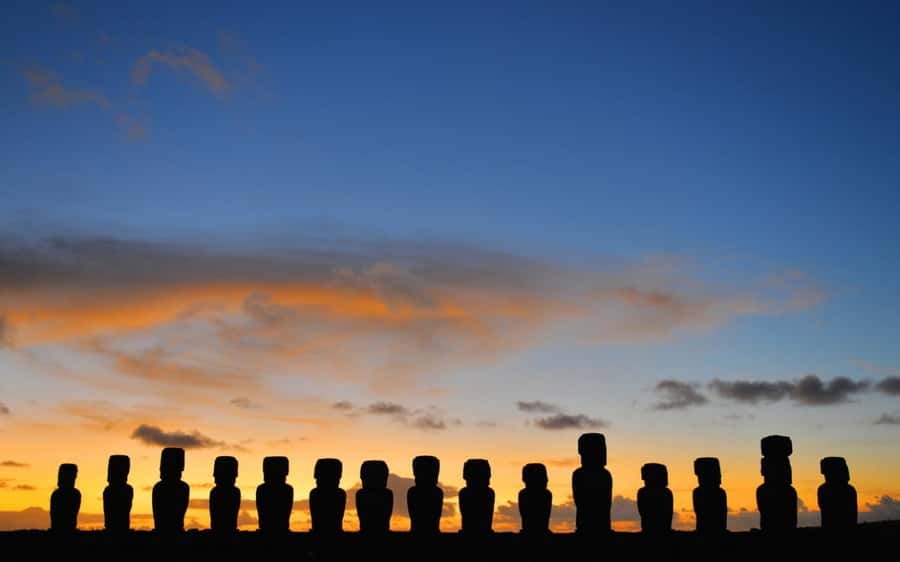
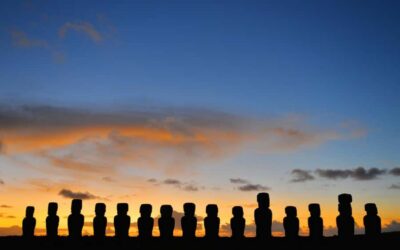
Moai at sunrise feels like a time machine. This Rapa Nui Dreams 3 days plan is built around two big wins for me, the sunrise at Ahu Tongariki behind the 15 moai and a schedule that mixes major sites with real Rapa Nui culture. One thing to factor in, the Rapa Nui National Park entrance is not included, and pickup timing can stretch out (it may take about an hour).
I also like the pacing because you are not just hopping from photo stop to photo stop. Between the Curanto ancestral ceremony, traditional prayers, and ceremonial dance, you get context for what you are looking at. The day structure gives you plenty of different scenery types too, volcanic craters, coastal ahu, and cave areas, which is handy on a rainy subtropical island.
The value question is the real one. Yes, you get transport for activities for people staying in central Hanga Roa, a certified local guide, dinner, and show elements, but lunch and park entry are on you. If you are sensitive to early starts and walking, read the suitability notes closely before you book.
In This Review
- Key things that make this package worth a look
- What this 3-day Rapa Nui Dreams package actually delivers
- Your full Day Dreams: Vaihu, Akahanga, Rano Raraku, and the moai spine of the island
- Your full Day Explore: Rano Kau, Orongo, Vinapu, Ahu Akivi, and the cave system
- Tongariki sunrise: why 15 moai in the first light hits harder
- Curanto ancestral ceremony, prayers, and ceremonial dance (plus dinner)
- Transportation, pickup reality, and the national park entrance you must budget
- Guides and small group size: the best part can be the person leading you
- Weather, walking limits, and what to bring on an island that can rain
- Who should book, and who should skip this 3-day plan
- Should you book Rapa Nui Dreams Pack 3 Days?
- FAQ
- Is the Rapa Nui National Park entrance included?
- What’s included in the Curanto ancestral ceremony?
- Is lunch included?
- Are drinks included with dinner?
- How many people are in the group?
- What languages are the live guides?
- Do I get transportation to the activities?
- Is the Tongariki sunrise visit guaranteed?
- What should I bring and what is not allowed?
Key things that make this package worth a look
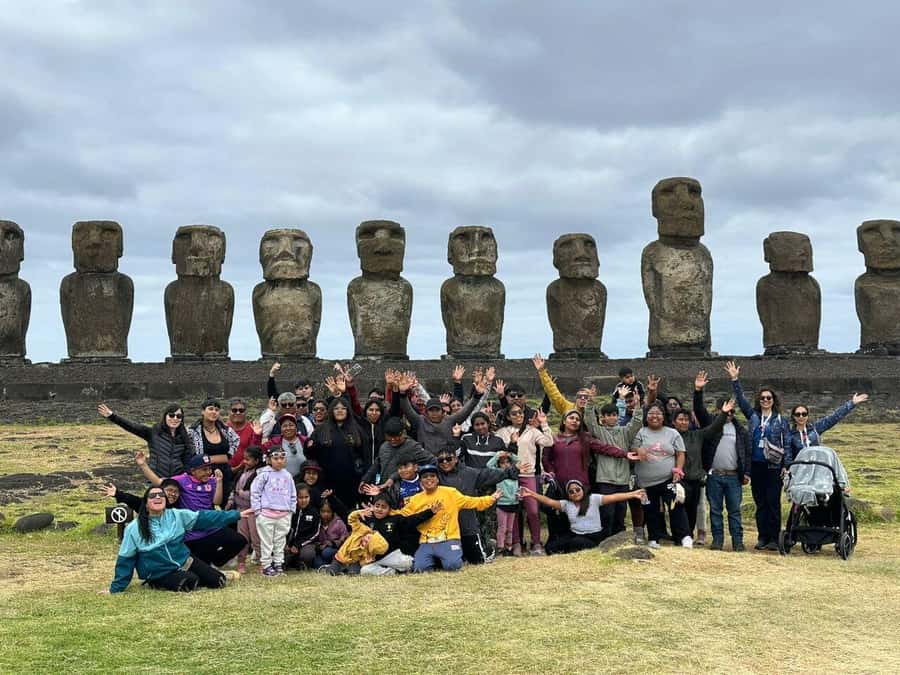
- Sunrise at Ahu Tongariki with 15 moai in the first light (weather dependent)
- Curanto ancestral ceremony plus traditional prayers and ceremonial Rapa Nui dance
- Two full guided days that hit both iconic moai sites and crater, cave, and ceremonial grounds
- Small group size of 15 with English or Spanish live guidance
- Included transportation only for accommodations in the central sector of Hanga Roa
- Dinner included, with drinks not included (so plan on that)
Deeper into Rapa Nui: the other island tours
- From Hanga Roa: Rapa Nui Culture Sightseeing Tour
★ 4.6 · 307 reviews - From Hanga Roa: Easter Island Highlights 2-Day Tour
★ 4.3 · 205 reviews - From Hanga Roa: Journey from Orongo to Ana Te Pahu
★ 4.3 · 75 reviews - Two days of Full Day Tour of Rapa Nui + Sunrise in Tongariki
★ 4.8 · 55 reviews
What this 3-day Rapa Nui Dreams package actually delivers
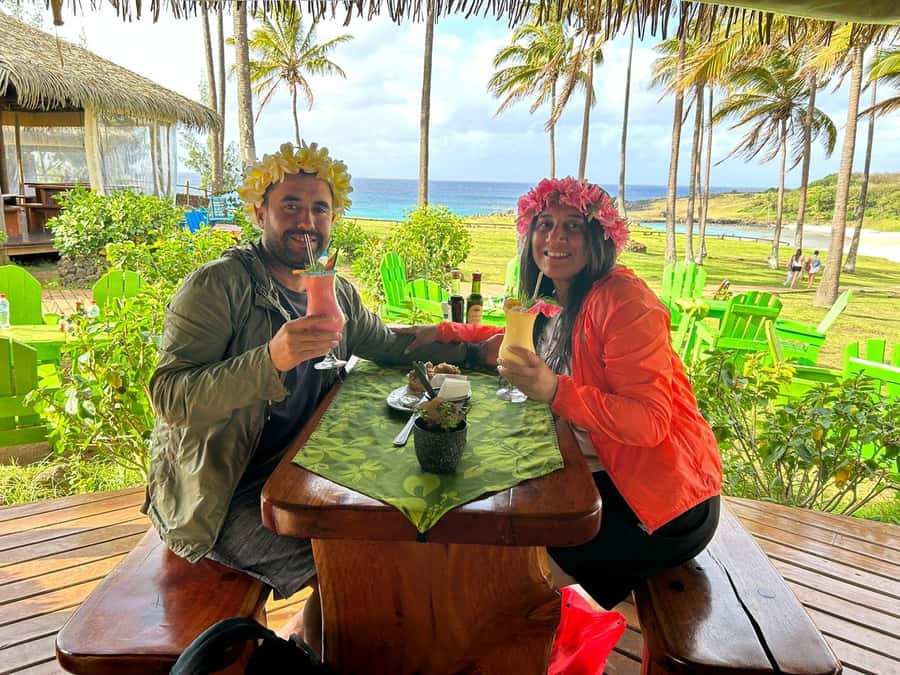
This is a tightly scheduled 3-day route on Easter Island, aimed at getting you from the headline moai stops to the everyday cultural pieces. You get a full Day Dreams Experience and a full Day Explore Experience, then a separate Sunrise Tongariki route. Add in the Curanto ancestral ceremony, ceremonial dance, and a buffet-style dinner, and you have a mix that feels more like an island introduction than a checklist.
The price is $375 per person, and on a remote island like Rapa Nui that matters. You are not just buying entry tickets and a guide, you are also paying for the “logistics layer” that can otherwise eat your vacation time, especially with the included transfers from central Hanga Roa. The trade-off is you still need to budget for the national park entrance and lunch, so the real cost is closer to a total that you should calculate before you commit.
Group size is a big part of the comfort here. With a maximum of 15 people, you are less likely to feel like a number in a bus full of strangers, and you get more chances to ask questions about what you are seeing.
Your full Day Dreams: Vaihu, Akahanga, Rano Raraku, and the moai spine of the island
This day focuses on the moai story arc, where the monuments come from and what different sites communicate. You will visit Vaihu, Akahanga, and Rano raraku, then move through important ceremonial and coastal points including Ahu Tongariki, Te pito kura, Ahu Nau Nau, and Anakena.
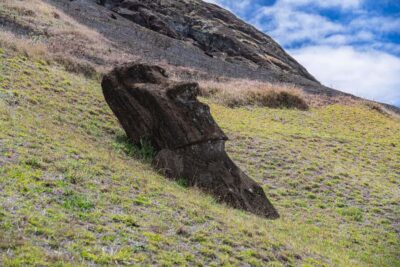
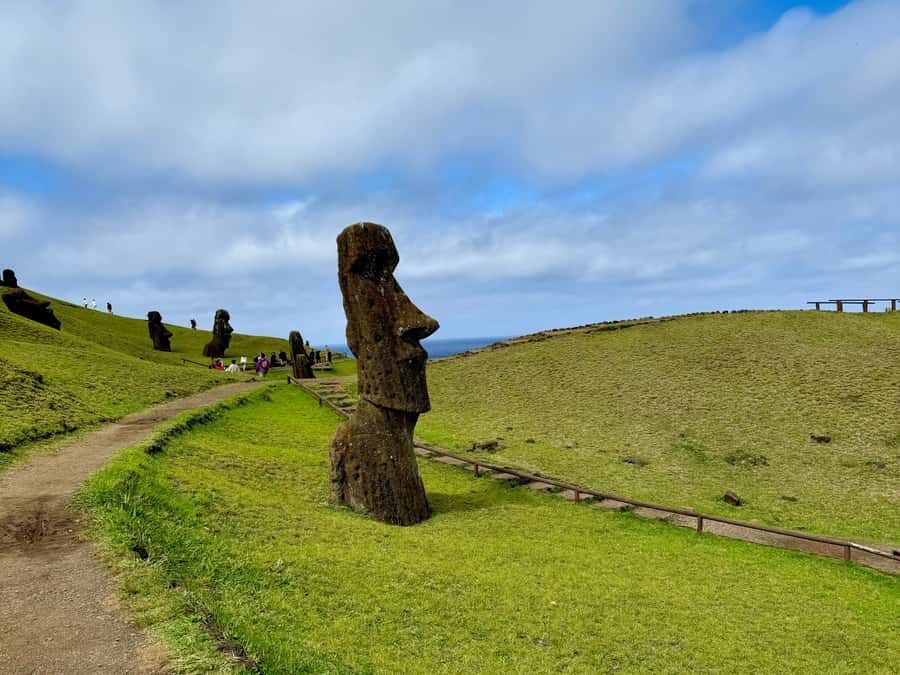
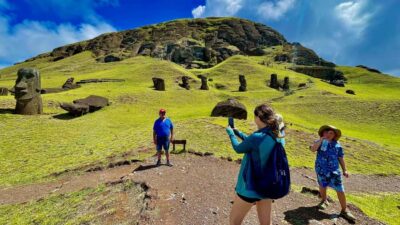
Rano raraku is the anchor stop. It is tied to where the moai material comes from, and seeing it after you have already been introduced to other ahu areas helps the whole island feel connected. If you want your photos to make sense later, this is a great day to slow down and pay attention to how the sites relate.
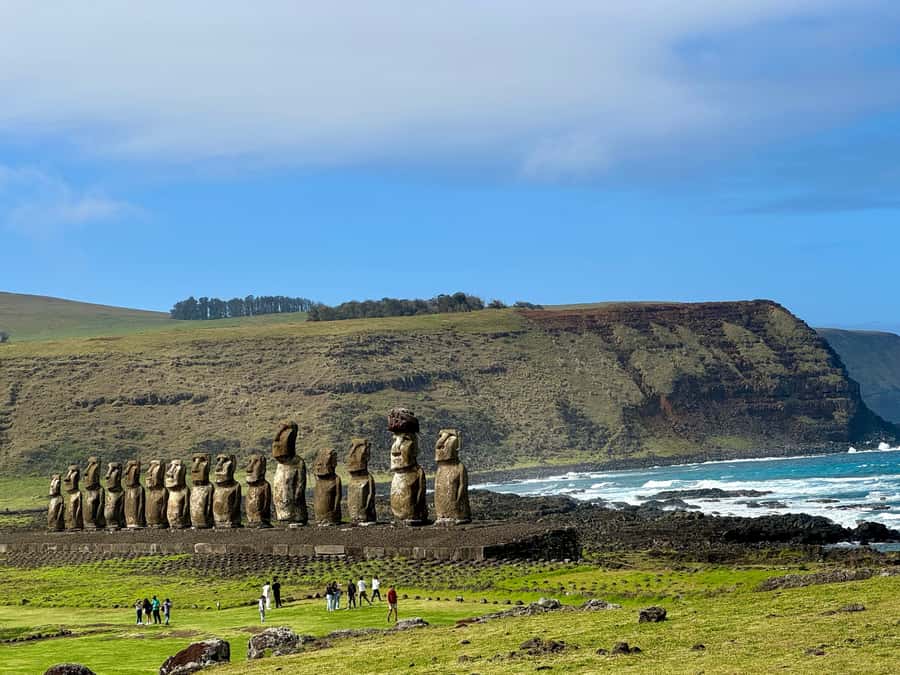
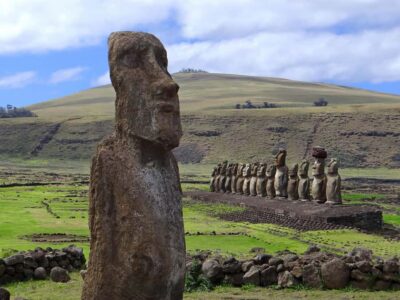
Then you land at Ahu Tongariki, which is one of the most iconic moai platforms on the island. It is included as part of this full day experience and also as a separate sunrise route later, so you get the “daylight version” and the “first-light version.” That double dip is a smart way to understand how lighting changes the drama, and it lets you appreciate scale beyond a quick stop.
The coastal pieces matter too. Te pito kura and Ahu Nau Nau bring you back to the sacred and ceremonial feel of the island, while Anakena is the moment when the trip starts to feel like a vacation again. If the day seems long, that is normal. The upside is that you get a full, coherent overview of the island’s key moai locations in one guided flow.
Practical tip: since Rapa Nui has rainy subtropical weather, bring rain gear and expect some muddy or slick patches around trail sections. Comfortable clothes are not optional here, you will want layers.
Your full Day Explore: Rano Kau, Orongo, Vinapu, Ahu Akivi, and the cave system
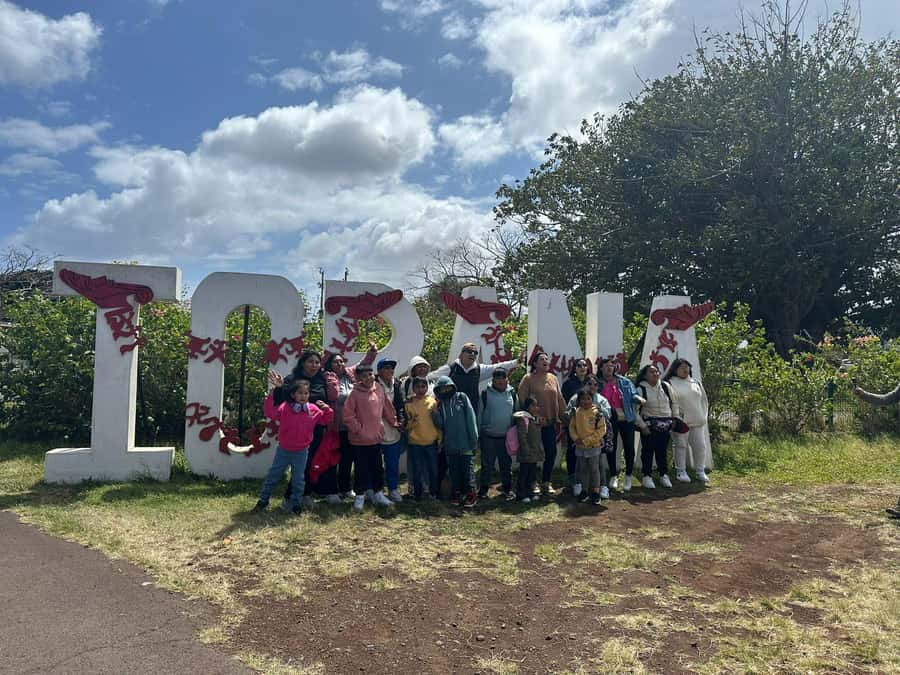
This second guided day shifts from moai creation and classic platforms to volcanic craters, ceremonial grounds, and the cave areas. You will visit Rano Kau and Orongo, then Vinapu and Ahu Akivi, and later multiple cave sites: Ana vai teka, Ana Tapa Iri, Ana Ohoka, and Ana te pahu.
Rano Kau and Orongo give you a different look at the island’s sacred geography. Where the moai era is heavy in some places, this part of the island reads more like a landscape shaped by volcanic life and ceremonial space. It is also a good change of pace after your first day, because the viewpoints and terrain feel different even when you are still learning the same island culture.
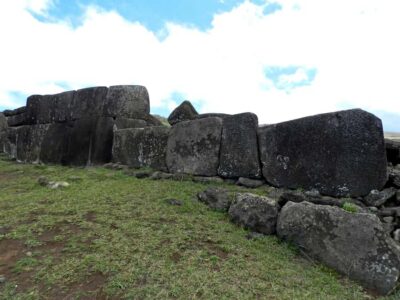
Vinapu and Ahu Akivi add architectural and “community” context. Ahu Akivi is famous for its moai arrangement and the way it stands in relation to the broader island. Pair that with Vinapu, and you get more than one kind of monumental craftsmanship.
Now the cave sites. The cave stops sound straightforward on paper, but your comfort depends on your footing and your willingness to move carefully. The operator specifically asks you to respect trail limits and not rush. In real life, this is the area where a late start or a communication gap can affect how much time you actually spend in each cave section, so it is worth staying patient and asking your guide to show you the route plan early on.
Practical tip: pack something grippy for wet ground, and keep your phone or camera secure. Caves and crater areas can feel damp even when the sky looks mild.
Tongariki sunrise: why 15 moai in the first light hits harder
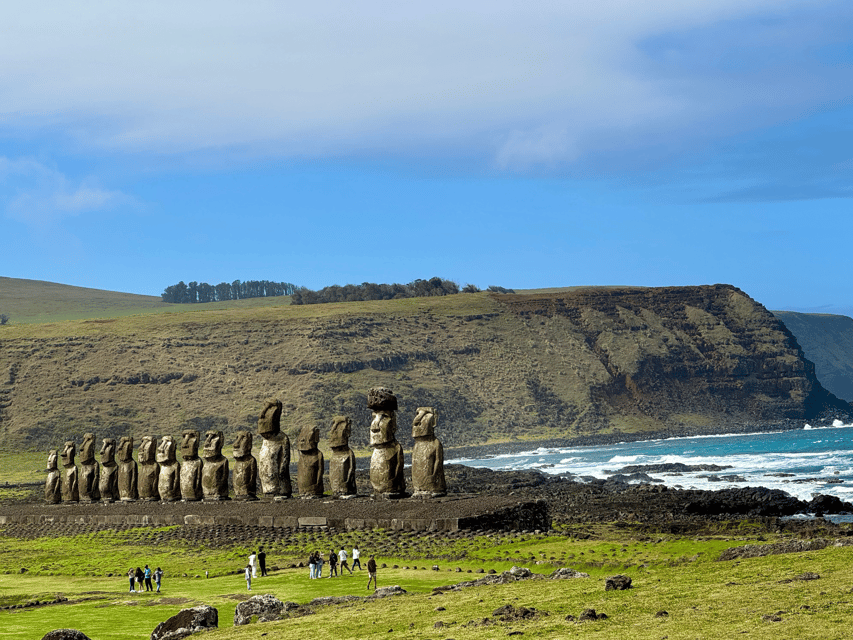
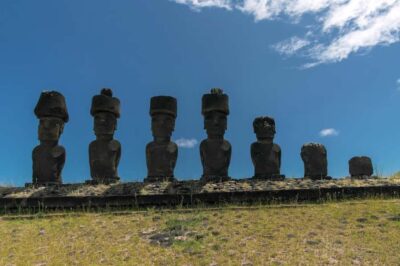
The sunrise route is one of the most memorable pieces of this package. You go to Ahu Tongariki at dawn to see the 15 moai with the sunrise behind them. Weather matters, and the route is noted as subject to weather conditions, so the plan can shift with wind and cloud cover.
Here is the value of doing sunrise instead of only daytime. During the day, Tongariki is impressive, no doubt. At dawn, you feel the rhythm of the island, and the moai silhouettes look different against the changing sky. Even if you have seen Tongariki in photos, sunrise gives you a stronger sense of scale and spacing.
Timing also works in your favor. The sunrise component is relatively short compared with the full-day blocks, so you often end up with part of the morning free afterward. For planning, think of the sunrise route as a “reset button” that makes the rest of the day more flexible.
Tip: bring a layer for early morning air and protect your eyes. On a windy coast, sunrise can feel colder than midday.
Curanto ancestral ceremony, prayers, and ceremonial dance (plus dinner)

Cultural programming is a core part of this package, not just a side activity. You get Ancestral Curanto, described as a ceremony and an introduction to culture and the preparation of local products using traditional cooking. You also have ceremonial Rapa Nui dance and ancestral prayers.
This is valuable because it helps you interpret what you saw earlier. When you understand that certain ceremonies connect food, community, and spiritual practice, the monuments stop feeling like separate landmarks. You start seeing them as pieces of a living social system.
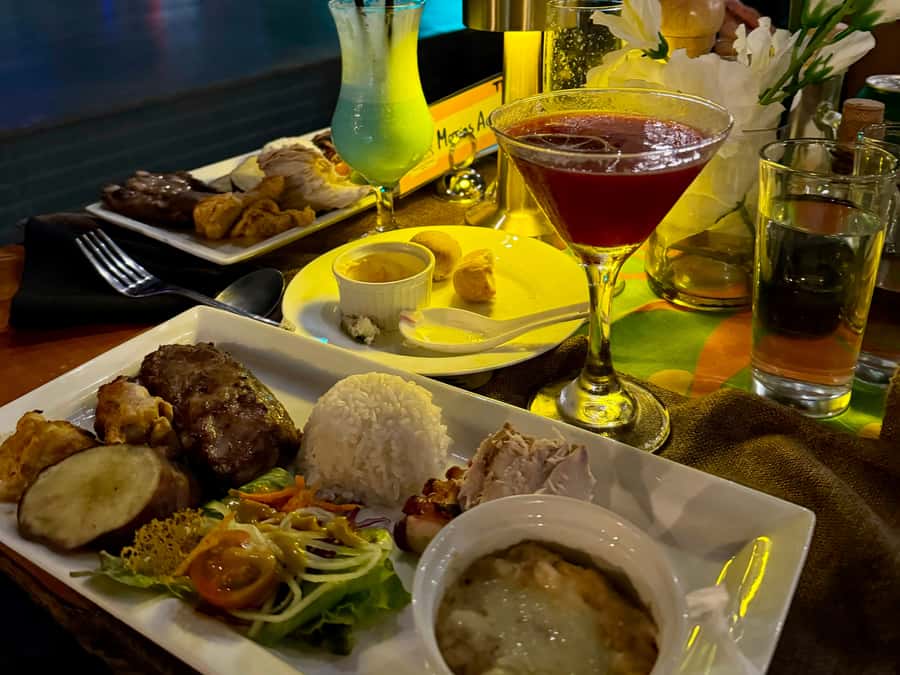
Dinner is included as a buffet-style meal, with options like chicken and ribs. Drinks are not included, so if you want a beer or a soda with your meal, budget for it. If you are booking for food lovers, this is a legitimate convenience, because you do not need to hunt for a meal between long guided blocks.
One more practical note from real-world disruptions: events on the island can affect scheduled shows. In at least one recent booking, a festival time led to a cancellation of dinner or show programming, and the operator replaced it with an activity of choice. That is not guaranteed for every departure, but it is a good example of why it helps to have flexibility in your expectations.
Transportation, pickup reality, and the national park entrance you must budget
Transport is one of the biggest “hidden” costs on Rapa Nui, which is why this package includes transfers. You get transportation for activities for accommodations in the central sector of Hanga Roa only, so if you are staying far from the center, confirm that your lodging qualifies.
Pickup details matter because timing can slip. You wait at the entrance, and the pickup is timed so that they are there about 10 minutes before departure. You also receive pickup timing via WhatsApp, and the pickup window may take approximately 1 hour depending on the group.
The national park entrance is not included. The fee is listed as approximately 80,000 Chilean pesos, and this is something you should plan for before you show up at ticket points. If you do not, you can lose time at the start of the day or feel rushed when you would rather focus on the site.
FAQ readers tip: if you do not already know whether your hotel is in the central sector of Hanga Roa, ask before booking. That one detail can determine whether the included transport actually saves you money.
Guides and small group size: the best part can be the person leading you
This package includes a local certified guide, and the languages are English and Spanish. With a maximum of 15 participants, you are more likely to get real conversation instead of just listening to headphones through a handheld mic.
A practical reality: your experience depends partly on guide assignment. I’ve seen examples where a guide with very fluent English made the moai talk feel easy and fun. I’ve also seen a case where a last-minute guide did not speak English well, which reduced the chance to cover all the advertised cave sections. The good news is that when the guide is strong, the whole day becomes more than a route through famous sites.
If you care about explanations, ask your guide at the start of the day what the “must notice” points are for that section. It gets you oriented fast and makes photos more meaningful later.
Weather, walking limits, and what to bring on an island that can rain
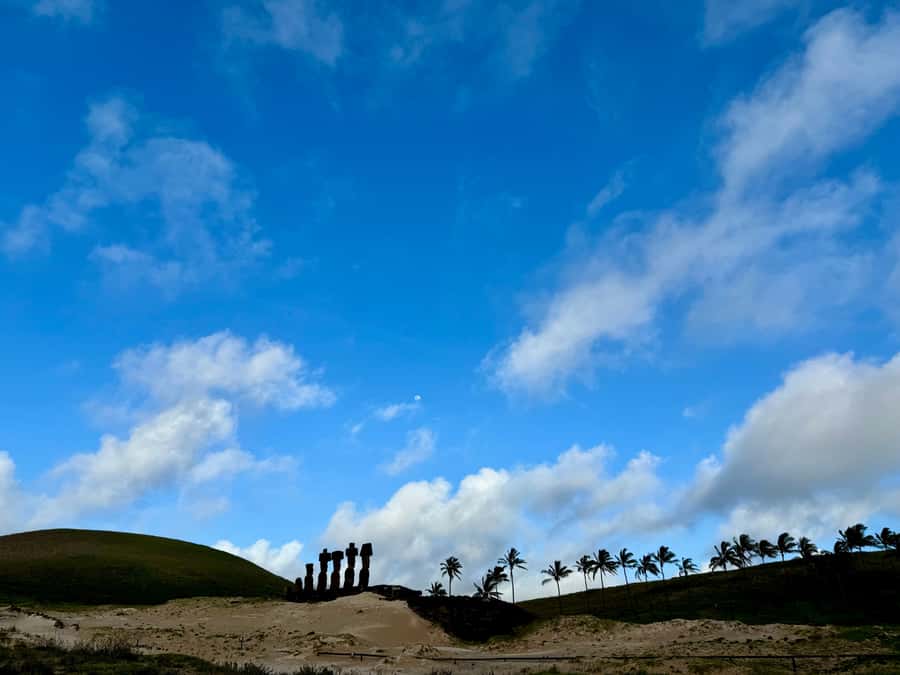
Rapa Nui is listed as having a rainy subtropical climate. That affects everything: trail surfaces, visibility, comfort, and how long it takes to move carefully in cave areas.
Bring:
- Camera
- Sunscreen
- Rain gear
- Comfortable clothes
Also follow the site rules. You cannot litter or feed animals, and you should respect culture and trail limits. Those are not just “polite rules.” They affect how safe you feel and whether the guide can keep the group on schedule.
One more comfort detail: with long guided days, you might want a small daypack. The data you have does not specify what is allowed to be carried, so keep it simple and follow local instructions.
Who should book, and who should skip this 3-day plan
This package lists wheelchair accessible, but it also says it is not suitable for people with mobility impairments. That contradiction is worth taking seriously. If mobility is part of your needs, contact the operator or your travel agent and confirm whether this route’s trail sections, cave segments, and timing work for you.
It is also not suitable for people with altitude sickness. Rapa Nui is not known for high altitude the way Andes cities are, but if you have a history of altitude issues, the operator has still flagged this as a mismatch.
Best fit:
- You want both moai icons and cultural experiences, not just monuments.
- You like guided days with a clear schedule and included transport.
- You enjoy early mornings, especially for Tongariki sunrise.
- You are traveling with an open mind, including food and ceremony.
If you only care about moai photos and you hate long days, you might find better value with a shorter tour and a separate show plan. This package does more than one kind of experience, and that is great, but you pay for that variety.
Should you book Rapa Nui Dreams Pack 3 Days?
Book it if you want one organized solution to Easter Island with real cultural components, not just a drive-by list of famous stops. The included pieces that matter most are the sunrise Tongariki route, the Curanto ancestral ceremony, and the fact that you are not managing transport between scattered sites on your own.
Consider skipping or comparing alternatives if you are budget tight once you add the national park entrance and lunch. Also think twice if you know you will struggle with walking on uneven or wet ground, because the cave day is active, and the schedule depends on everyone moving safely.
My decision rule is simple: if you want a guided island “full picture” and you are okay paying for organization, this is a strong match. If your goal is just moai highlights and minimal time commitment, a shorter or more flexible option may stretch your money further.
FAQ
Is the Rapa Nui National Park entrance included?
No. The entrance to Rapa Nui National Park is not included and is listed as approximately 80,000 Chilean pesos.
What’s included in the Curanto ancestral ceremony?
It includes the Ancestral Curanto ceremony and an introduction to culture and the preparation of local products using traditional cooking.
Is lunch included?
No. Lunch is not included. A buffet-style dinner is included, but lunch is not.
Are drinks included with dinner?
Drinks are not included with the buffet-style dinner.
How many people are in the group?
The group is small, limited to 15 participants.
What languages are the live guides?
The live tour guide is offered in English and Spanish.
Do I get transportation to the activities?
Yes, transportation for activities is included for accommodations in the central sector of Hanga Roa.
Is the Tongariki sunrise visit guaranteed?
It is subject to weather conditions, so it can depend on conditions at dawn.
What should I bring and what is not allowed?
Bring a camera, sunscreen, rain gear, and comfortable clothes. Do not litter or feed animals.
Everything Else We Have Reviewed In Chile

Rapa Nui, Three More Ways
Not quite it? Here is the rest of what we have reviewed around Chile
More in Easter Island & the Moai.
 ★ 4.6Rapa Nui Culture Sightseeing TourFrom $80307 reviews
 ★ 4.3Easter Island Highlights 2-Day TourFrom $170205 reviews
 ★ 4.5Easter Island Sightseeing Full Day TourFrom $70189 reviews
 ★ 4.3Journey from Orongo to Ana Te PahuFrom $7075 reviews
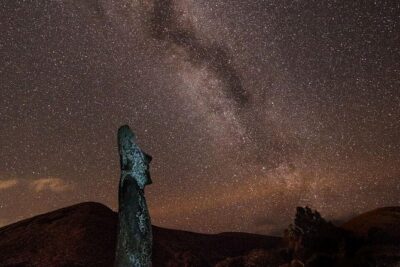 ★ 4.5Rapa Nui StargazingFrom $14062 reviews
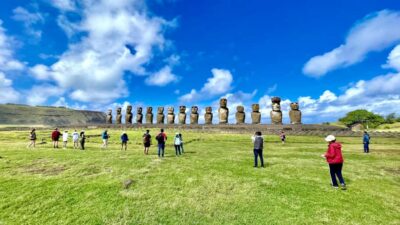 ★ 4.8Two days of Full Day Tour of Rapa Nui + Sunrise in TongarikiFrom $25055 reviews
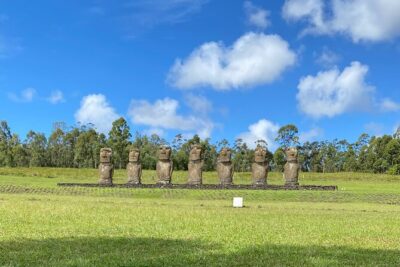 ★ 5.0Half Day Tour in Rapa NuiFrom $1,50048 reviews
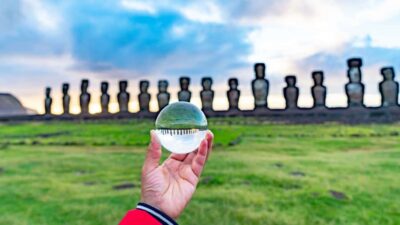 ★ 4.5Sunrise Tongariki: Sunrise at Tongariki Park Private TourFrom $12047 reviews
Browse the lists this tour appears in