
Review · RAPA NUI
From Hanga Roa: Easter Island Highlights 2-Day Tour
Moai aren’t just statues here. This 2-day Rapa Nui highlights tour strings together the island’s biggest archaeological hits, plus some quieter cave time, with native expert guides who explain culture and moai theories in plain terms.
What I like most is the small group size (up to 14) and the way guides connect sites to daily life, not just dates and facts. It also helps that pickup is from your accommodation, so you lose less time wrangling buses or finding trailheads yourself.
One consideration: the tour runs mostly outdoors in bright sun, and on the second day there may be fewer chances to stop for food, so plan for that.
In This Review
- Quick Hits Before You Go
- Why a 2-Day Highlights Tour Makes Sense on Rapa Nui
- Pickup, Minibus Comfort, and What Small Groups Really Change
- Day 1 on the South Coast: Vaihu to Anakena
- Day 2 in the East: Orongo, Vinapu, Puna Pau, and Ahu Akivi
- Lanterns and Rain Capes: Small Extras With Big Impact
- Guides Who Translate Culture, Not Just Moai
- Lunch, Entrance Fees, and How the Price Actually Works
- Timing, Pace, and the One Thing You Should Watch
- Who This Tour Fits Best (and Who Might Want a Different Plan)
- Should You Book It?
- FAQ
- How long is the Easter Island Highlights tour?
- What’s included in the tour besides transportation?
- Are lunch and entrance fees included?
- What languages are offered for the live guide?
- Is this tour wheelchair accessible?
- Are drones allowed during the tour?
- Can I cancel and get a full refund?
Quick Hits Before You Go
- Native guides who explain moai theories clearly and often connect them to real island life
- Small group comfort (limited to 14) with a calmer pace than DIY hopping
- Lanterns included for cave areas like Ana Te Pahu, where lighting actually matters
- Rain capes provided, and the guides can adjust when weather turns
- Big-sight coverage in two days, including Tongariki, Orongo, Vinapu, Puna Pau, and Ahu Akivi
- Entrance fees not included, so budget for ticketing on-site
Deeper into Rapa Nui: the other island tours
- From Hanga Roa: Rapa Nui Culture Sightseeing Tour
★ 4.6 · 307 reviews - From Hanga Roa: Easter Island Highlights 2-Day Tour
★ 4.3 · 205 reviews - From Hanga Roa: Journey from Orongo to Ana Te Pahu
★ 4.3 · 75 reviews - Two days of Full Day Tour of Rapa Nui + Sunrise in Tongariki
★ 4.8 · 55 reviews
Why a 2-Day Highlights Tour Makes Sense on Rapa Nui
Rapa Nui is compact on a map, but it takes time to do right. Many of the most important places fall inside a protected landscape, and the best way to understand them is with someone who can interpret what you are seeing.
This two-day format is a strong value play because it turns the island into a sequence. You see where moai were made (quarries), where they were placed (ahu platforms), and where ritual life happened (Orongo and cave networks). If you only have a short window on the island, this keeps your days from feeling like a checklist.
Also, you do not have to figure out logistics or timing between scattered sites. Pickup from your accommodation, plus transport in a spacious minibus, makes the whole trip feel like someone else is holding the map for you.
Pickup, Minibus Comfort, and What Small Groups Really Change
Pickup is included directly from where you stay in Hanga Roa, and you ride in a spacious minibus. That matters because Rapa Nui drives can be long, and a few extra stops can eat hours if you are doing it on your own.
Small-group tours also mean you can ask follow-up questions without turning every question into a classroom moment. Many visitors praise the guides for being patient and for translating well across English and Spanish, which makes the commentary more useful instead of repetitive.
One practical heads-up: with up to 14 people, pickup routing can stretch a bit. If you are the type who likes a strict schedule, ask your guide at the start of the day about the order of stops and lunch timing, so there are no surprises.
Day 1 on the South Coast: Vaihu to Anakena
Day 1 focuses on the rugged south and the island’s best-known stoneworks and ahu sites. You get the sense of how dramatic Rapa Nui feels when you move along the coast, where ocean and rock cliffs shape the mood of every stop.
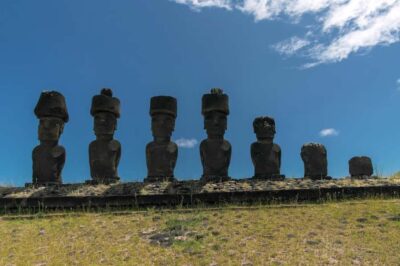
You start at Vaihu, where moai stand against a wide Pacific horizon. It is a strong opener because it shows moai in their natural setting, not as isolated museum pieces. Pay attention to how the coast frames faces and silhouettes.
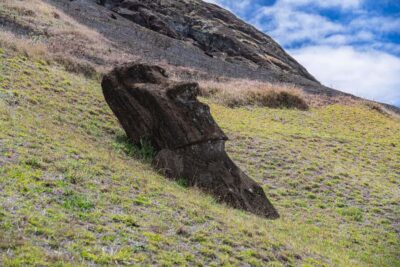
Next is Akahanga, a real archaeological “moment.” You will see toppled moai resting where history left them, which can be emotionally jarring but also clarifying. It helps you understand that the island’s story was not always about perfect statues standing upright.
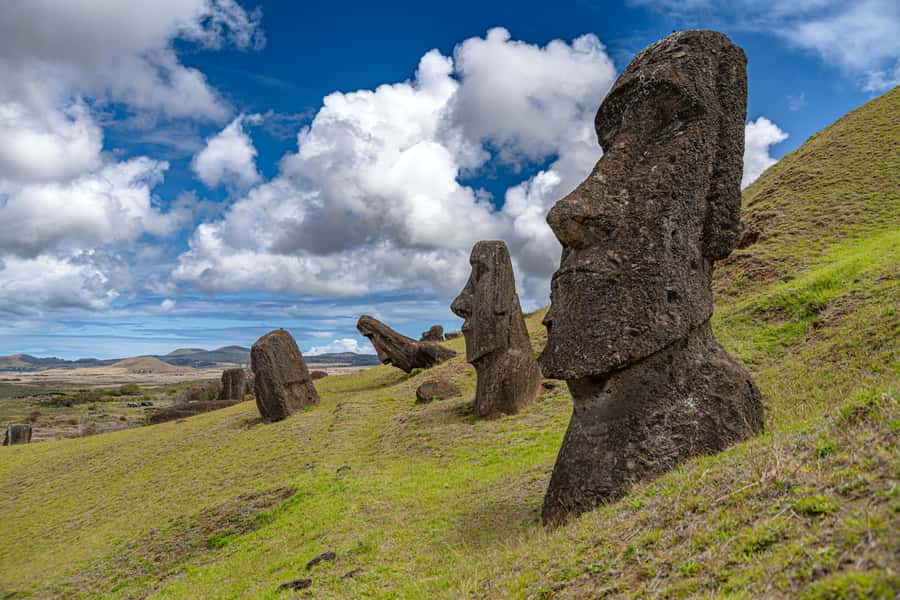
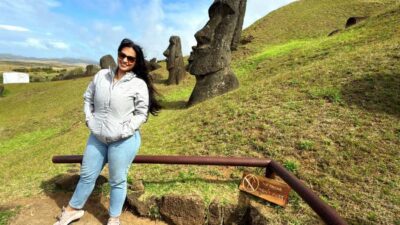
Then you head to Rano Raraku, the famous volcanic quarry where many moai were carved. This is the place where the island starts to make sense: you connect raw stone, tools, and human effort to the final result you see elsewhere. Try to look at the unfinished and broken pieces too, since that is where the process becomes visible.
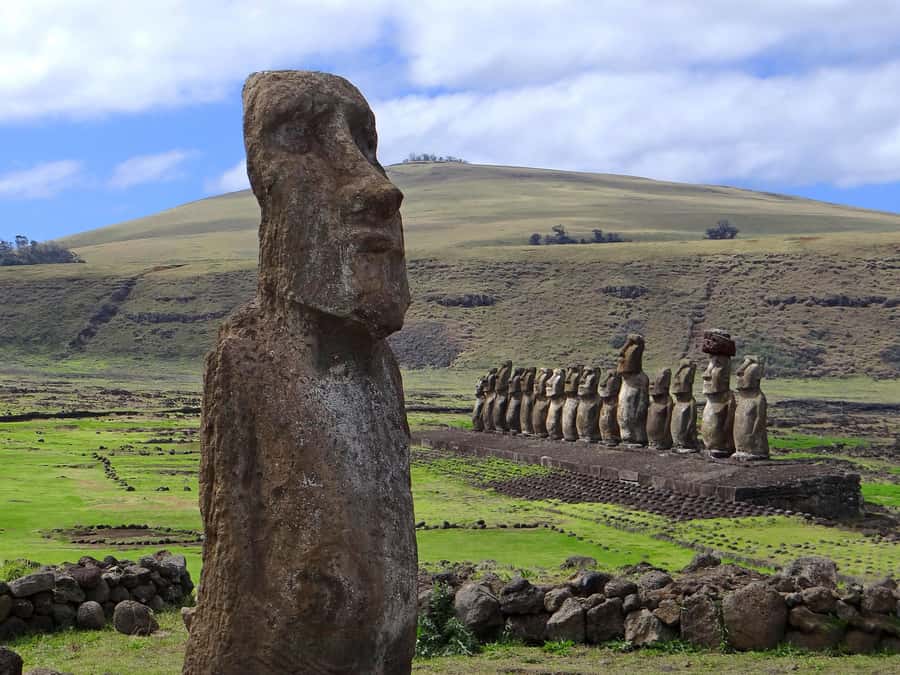
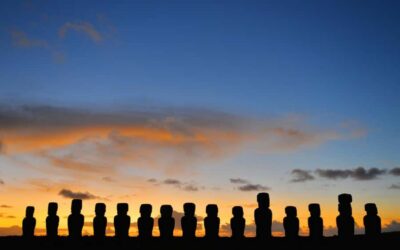
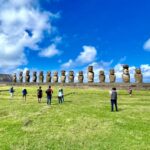
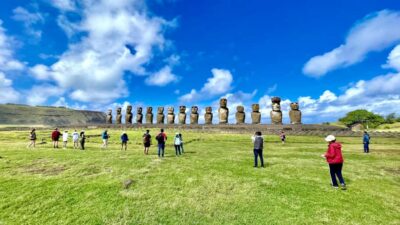
After that, Tongariki delivers big scale. You see a platform crowned by 15 tall moai, all positioned for maximum visual impact. This is one of those stops where you will feel your brain switch from “facts” to “composition,” because the alignment is part of the message.
You also visit Te Pito Kura, a sacred site tied to legend. It is not just about the site shape. A good guide will translate what the location meant culturally, so it feels less like a random stop and more like a story beat.
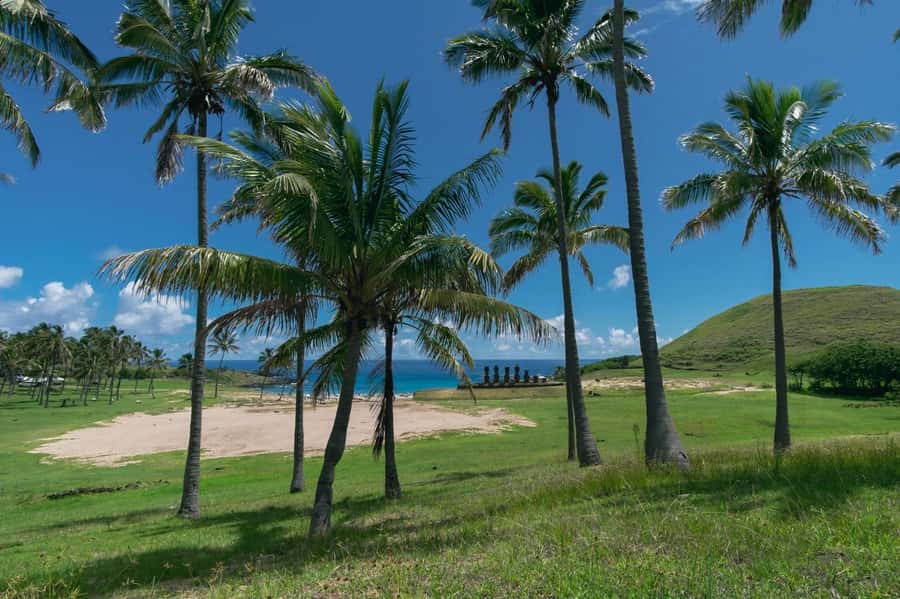
Finally, day 1 ends with Anakena, the sunlit beach area with palm trees and moai nearby. You get a calmer contrast to the quarry and platforms. It is also a good place to slow down, take photos, and reset before day 2.
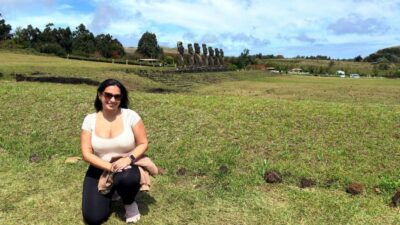
Day 2 in the East: Orongo, Vinapu, Puna Pau, and Ahu Akivi
Day 2 shifts to the eastern side and the island’s ritual and engineering highlights. This is where you move from the “where moai came from” story into “how people lived and believed.”
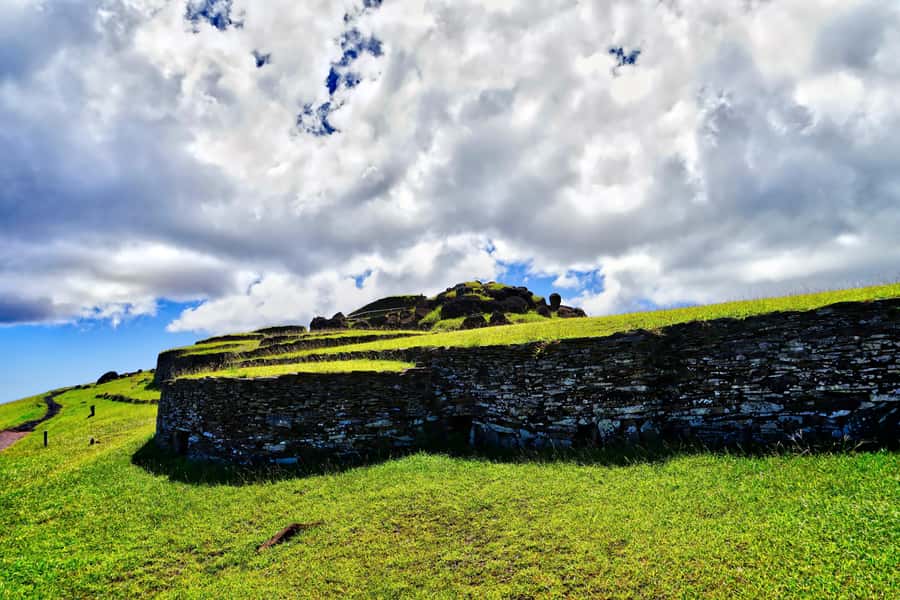
You start at Orongo, a historic village perched above cliffs near Rano Kau. Even if you have seen photos, being up there changes the scale. The crater views help you understand why this spot mattered for observing and ritual activity.
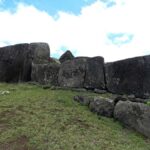
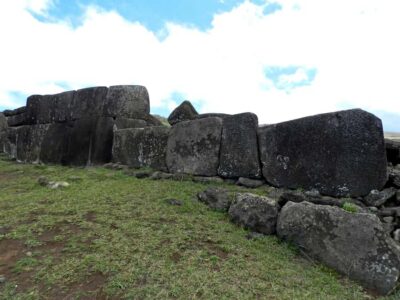
From Orongo, you go to Vinapu, known for its very precise stone masonry. The way blocks fit together gives you a clear sense of advanced construction technique. It also helps explain why many people connect Rapa Nui building methods to wider patterns across South America, even if theories vary.
Next comes Puna Pau, the red scoria quarry. This stop adds a different layer to the moai story because it connects to the topknots, the red “hats” that finished some statues. Seeing the source material makes the whole look feel more logical, not mystical.
Then you visit Ana Te Pahu, a cave network where lanterns matter. Caves can feel spooky in a good way, and the tour includes personal lanterns so you can actually see petroglyphs and hidden chambers. A cave stop is one of the most memorable parts of the two-day structure because it slows everything down and turns the experience inward.
The day ends at Ahu Akivi, where seven moai gaze toward the ocean. It is a satisfying closing note because it shows moai in a more orderly, intentional arrangement. Plus, you get a final “big picture” interpretation from your guide, tying day 1 and day 2 together.
Lanterns and Rain Capes: Small Extras With Big Impact
This tour includes personal lanterns for cave exploring. That is not just a nice-to-have. It directly affects what you can see at Ana Te Pahu, where dim light can otherwise flatten the experience.
Rain capes are also included. Rapa Nui weather can change quickly, and several visitors note that guides react well when it rains, adjusting plans so you do not lose the day. That kind of flexibility is worth something, because wet conditions can turn cave time and coastal viewpoints into a misery test.
If you tend to get cold easily, bring a light layer anyway. Capes help with rain, but they do not replace warmth.
Guides Who Translate Culture, Not Just Moai
The biggest praise across guides is consistent: native island guides bring pride and a deep love for Rapa Nui’s history. Named guides like Jeremías, Enerike Hey, Zoe, Roberto, Simon, Franko, Javier’s Hucke, and others are mentioned for clear explanations and patience with English and Spanish.
This matters because moai discussions can get abstract fast. A great guide helps you hold multiple theories at once, without turning the conversation into a debate you cannot follow. You also hear about daily life and indigenous perspectives, which is what makes the sites feel lived-in.
If you are traveling solo or with mixed language needs, look for guides who can handle both English and Spanish smoothly. Some groups report that bilingual delivery can slow the introductions, but the upside is that everyone gets the full story instead of half the group hearing it in a scramble.
My advice: at the first stop, ask your guide one question about what you are supposed to notice most. Then keep that question in your head as you move through the day.
Lunch, Entrance Fees, and How the Price Actually Works
The tour costs $170 per person for two days. That is not cheap, but on Rapa Nui it is often fair value because a licensed guide and transport save real time. Many major sites benefit from guidance, and that guidance can prevent you from just taking photos without understanding what matters.
Two budget items are important:
- Lunch is not included.
- Site entrance fees are not included.
On top of that, day 1 seems to include a lunch break tied to the itinerary, but day 2 can be tighter. Some visitors specifically recommend packing snacks or bringing refreshments, especially because there may be fewer food stops on the second day.
So, what is the smart move? Bring a flexible day-pack with sunscreen, water, and easy snacks. Then budget separately for entrance fees. With that setup, the tour cost becomes less of a shock and more of a predictable spend for guided access.
Timing, Pace, and the One Thing You Should Watch
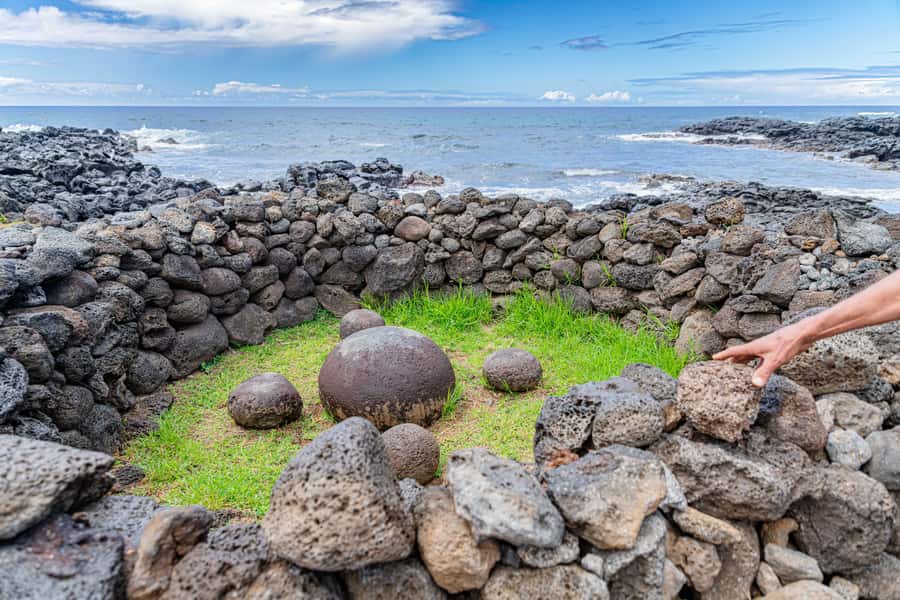
This is a highlights tour, which means you will be moving. Day 1 feels full but manageable, with a clear sequence from south coast sights into quarry and platforms.
Day 2 can feel more rushed for some people, and with a mixed group language approach it can take longer to deliver introductions. There are also reports that the tour can end around mid-afternoon, so do not count on the day stretching late into the evening.
If you like breathing room at each site, you might want to add a little extra time on your own later. The tour gets you the overview and the meaning, but it cannot replace slow wandering if you want every detail.
Who This Tour Fits Best (and Who Might Want a Different Plan)
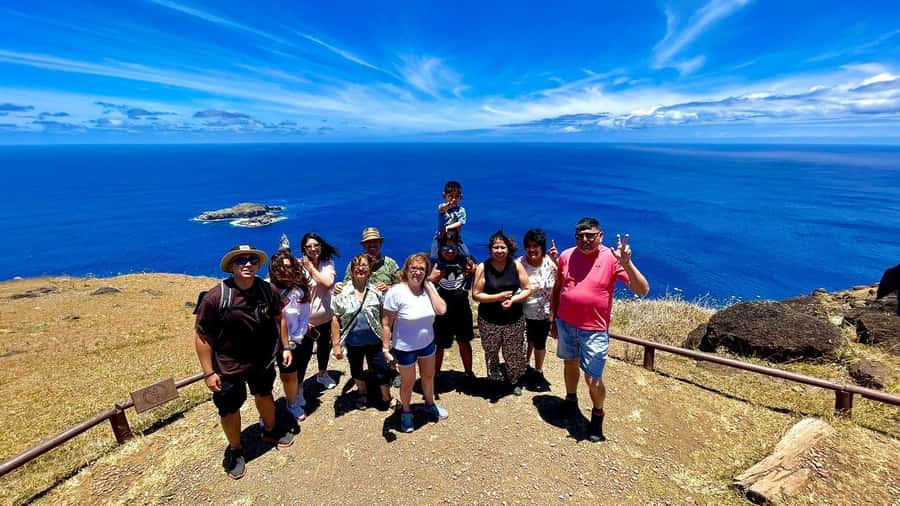
This tour is ideal for first-time visitors who want the main moai sites in two days with strong interpretation. It also fits couples, small families, and friends who prefer guided timing instead of navigating long drives and multiple entry points alone.
It is also a good choice if you care about cultural context, not just archaeology. Guides explain culture and daily life themes, and cave time adds a more spiritual, less purely monumental feel.
It may not be perfect if you:
- Want long free time at each site
- Need very clear, separate language handling (bilingual groups can mean slower narration)
- Are extremely sensitive to sun and long outdoor stretches, since much of it is open-air
The tour is wheelchair accessible, which is a real plus for travelers who need mobility-friendly planning.
Should You Book It?
I think you should book this tour if you want a structured way to see Rapa Nui’s most important moai locations plus Orongo and Ana Te Pahu in just two days. For the price, the value comes from time saved, transport handled, and guides who explain culture and moai theories with real care.
Before you go, pack for the practical realities: sun protection, snacks for the second day, and a willingness to move at a highlights-tour pace. If you do that, you will come away with a much clearer picture of how the island’s rock, ritual, and community life connect.
If you already know you will prefer DIY wandering, then you might be happier with a slower plan. But for most first timers, this is a smart way to use limited time on Rapa Nui.
FAQ
How long is the Easter Island Highlights tour?
It runs for 2 days.
What’s included in the tour besides transportation?
The tour includes pickup from your accommodation, use of personal lanterns for cave areas, and rain capes.
Are lunch and entrance fees included?
Lunch is not included, and entrance fees are not included.
What languages are offered for the live guide?
The live guide works in English and Spanish.
Is this tour wheelchair accessible?
Yes, it is wheelchair accessible.
Are drones allowed during the tour?
No, drones are not allowed.
Can I cancel and get a full refund?
Yes. Free cancellation is available up to 24 hours in advance for a full refund.
The Rest Of Our Chile Tours


Everything Else We Have Reviewed In Chile

Rapa Nui, Three More Ways
Not quite it? Here is the rest of what we have reviewed around Chile


More in Easter Island & the Moai.
 ★ 4.6Rapa Nui Culture Sightseeing TourFrom $80307 reviews
 ★ 4.5Easter Island Sightseeing Full Day TourFrom $70189 reviews
 ★ 4.3Journey from Orongo to Ana Te PahuFrom $7075 reviews
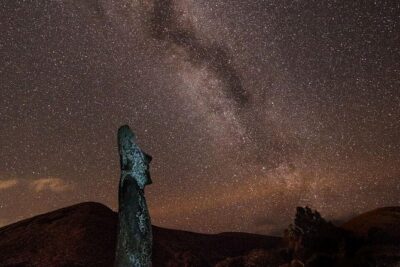 ★ 4.5Rapa Nui StargazingFrom $14062 reviews
 ★ 4.8Two days of Full Day Tour of Rapa Nui + Sunrise in TongarikiFrom $25055 reviews
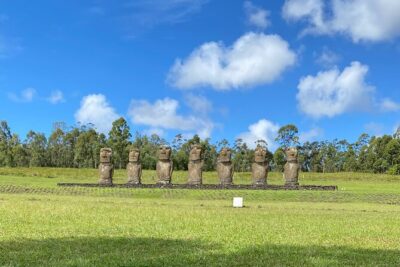 ★ 5.0Half Day Tour in Rapa NuiFrom $1,50048 reviews
 ★ 4.4Easter island: Snorqueling tour on coral reefsFrom $11047 reviews
 ★ 4.5Sunrise Tongariki: Sunrise at Tongariki Park Private TourFrom $12047 reviews
Browse the lists this tour appears in