
Review · RAPA NUI
Easter Island: Tropical Diving
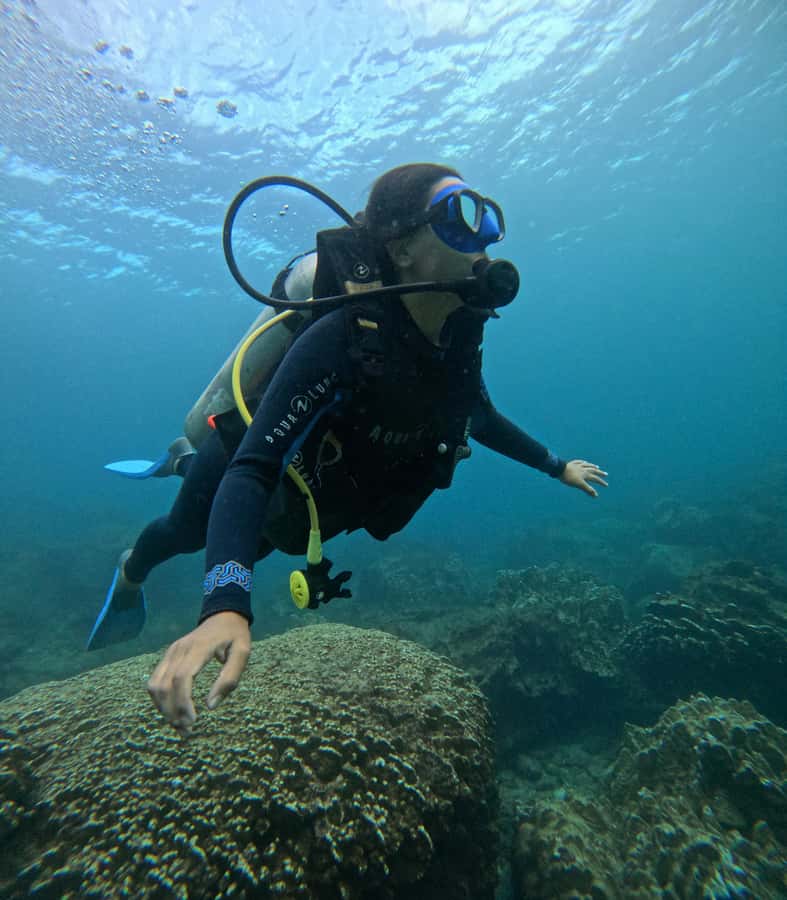
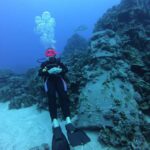
A Pacific swim with moai in the background is a rare treat. This Easter Island scuba intro runs from Hanga Piko and is built around safety-first guidance, plus time in clear water where you can spot turtles and tropical fish. I especially like the small-group setup and the fact that you get a proper start-up briefing before you go in, though timing can slip if the sea is acting up.
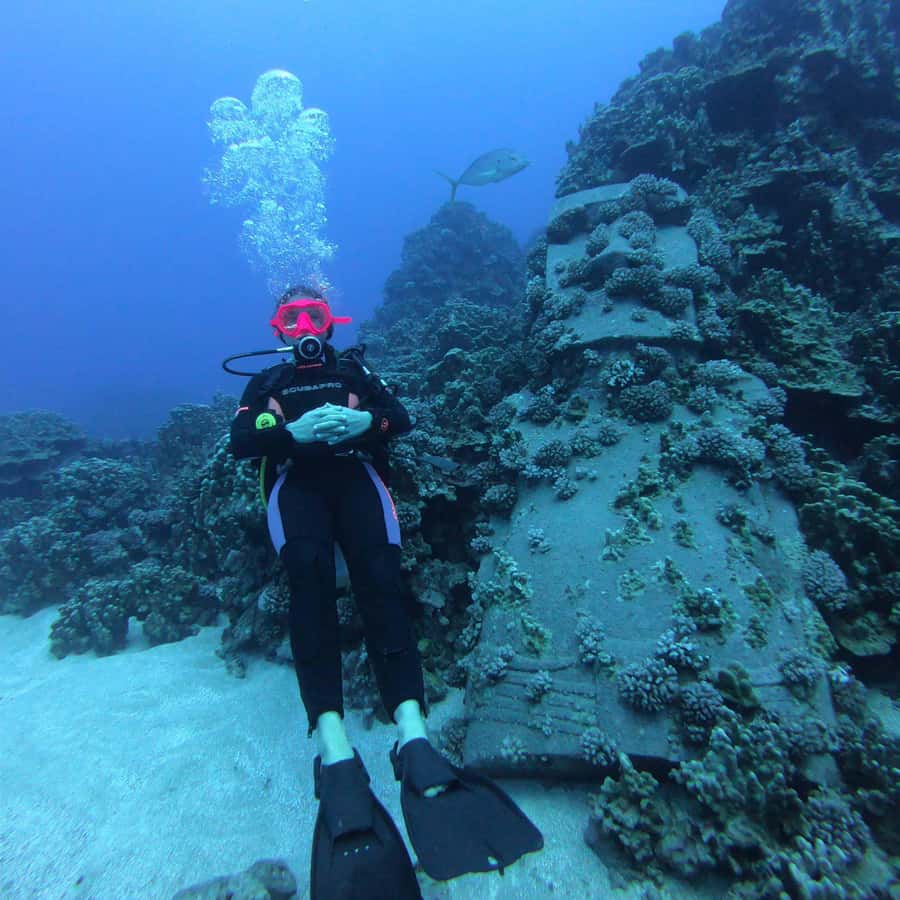
You also get underwater scenery that goes past plain scenery. If you’re lucky with conditions and depth options, you may be able to visit the area tied to submerged moai statues, and the wildlife tends to show up as a mix of colors and movement, not just a quick look.
One consideration: this is not for everyone health-wise, and there’s a hard rule about flying before your session. If you’ve flown within 12 hours, you cannot do the underwater part, so plan your schedule around that.
In This Review
- Key things I think you’ll care about most
- Hanga Piko, the cove start, and why transfers matter
- The 150-minute flow, including your safety briefing and water time
- What you’re really looking for underwater: turtles, fish, and clear visibility
- The moai question: what you can see without overreaching
- Gear, instructor support, and the extras that help you keep memories
- Price and value: what $139 buys you on Easter Island
- Who this suits, and who should skip it
- Should you book this Hanga Piko underwater intro?
- FAQ
- Where does the activity start?
- How long is the experience from start to finish?
- How much time is spent underwater?
- Do I need to know how to swim?
- What equipment is included?
- Is transportation included?
- Are there any flight or health rules I should know?
Key things I think you’ll care about most
- Hanga Piko launch point with transfers by boat or vehicle based on conditions
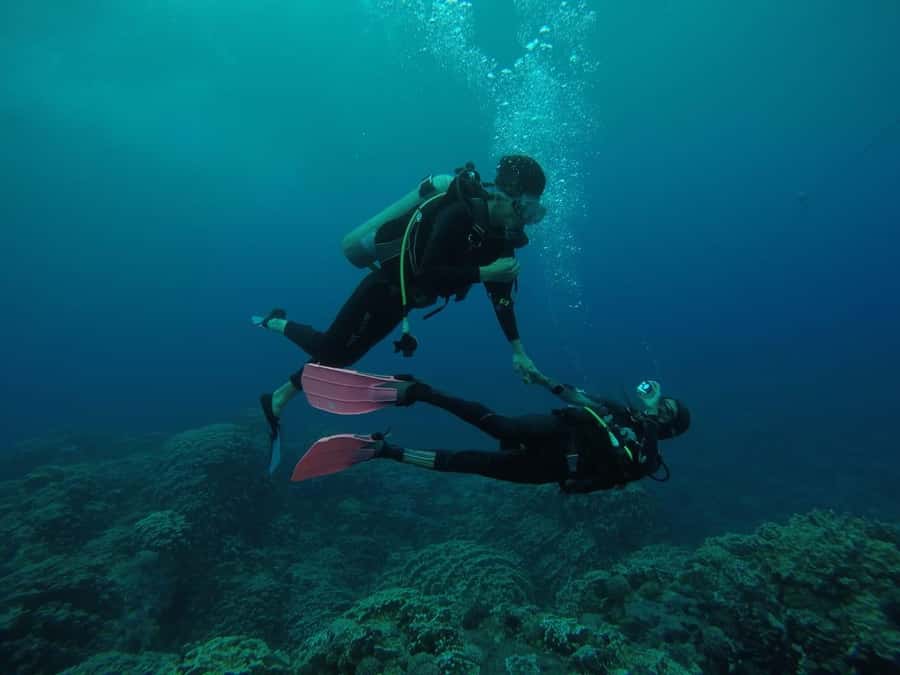
- 30-minute safety briefing plus an instructor who stays with you for the whole experience
- About 1 hour underwater with exceptional visibility when conditions cooperate
- Marine life focus with turtles and tropical fish as the main stars
- Moai at depth, certification matters for going far enough to reach the submerged statues
Deeper into Rapa Nui: the other island tours
- From Hanga Roa: Rapa Nui Culture Sightseeing Tour
★ 4.6 · 307 reviews - From Hanga Roa: Easter Island Highlights 2-Day Tour
★ 4.3 · 205 reviews - From Hanga Roa: Journey from Orongo to Ana Te Pahu
★ 4.3 · 75 reviews - Two days of Full Day Tour of Rapa Nui + Sunrise in Tongariki
★ 4.8 · 55 reviews
Hanga Piko, the cove start, and why transfers matter
Your session starts at Hanga Piko, a familiar cove base that’s practical for getting you into the water area on time. What I like is that the operator expects real ocean variability here. They transfer you from the Hanga Piko cove to the underwater point by boat or vehicle, depending on maritime conditions.
That detail matters more than it sounds. Easter Island weather and sea state can change quickly, and the move determines how quickly you settle in, how you feel about the water, and how smooth the start feels. A transfer by boat usually means more motion. A transfer by vehicle might mean less rocking but potentially a longer ride. Either way, you’re not left guessing, because the plan explicitly accounts for conditions.
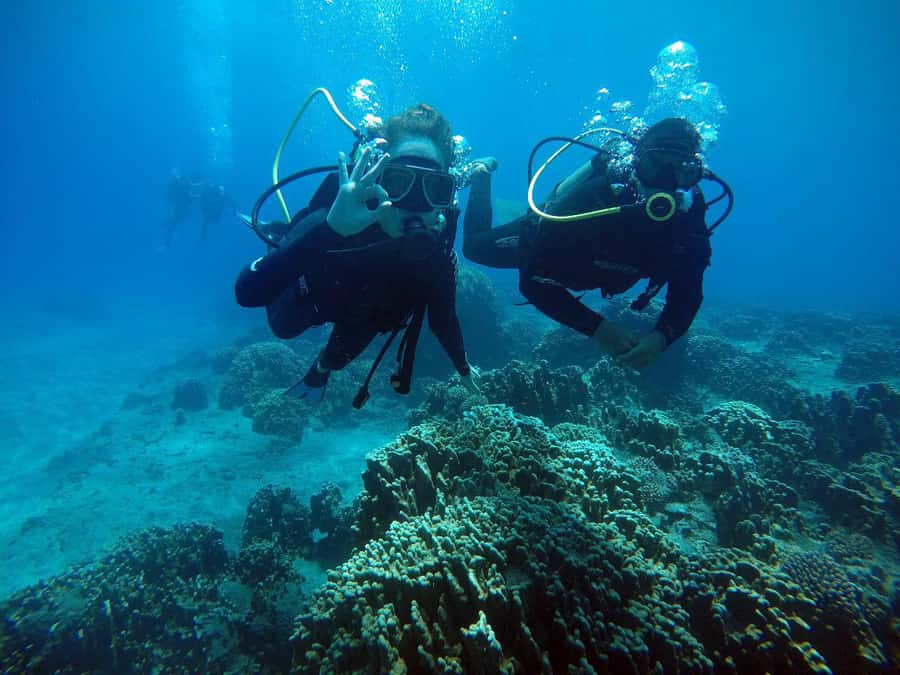
Also, this is a small group capped at 10, so you’re not in a big crowd with scattered attention. The instructor accompanies you personally through the experience, which is a big deal when you want your first time in scuba gear to feel calm and supervised.
The 150-minute flow, including your safety briefing and water time
The total time on the clock is 150 minutes, and it’s structured so you’re not just rushing from gear to water. The session goes like this:
- 30 minutes: safety briefing at Hanga Piko
- 30 minutes: transfer to the water area
- 1 hour: your underwater time
- 30 minutes: return transfer
That rhythm is useful if you’re new, because you get time to understand what to expect before you’re underwater. The safety briefing is not treated like a formality. It’s built into the schedule, which helps you absorb gear use and basic procedures without feeling rushed.
You also should know this is designed so you don’t need to know how to swim to take part. That doesn’t mean you’re ignored, it means the experience is set up for people who are comfortable following instructions and staying within the guided setup.
Timing can still be a variable. One of the practical takeaways from real-world operation is that if the team has to adjust for sea conditions, you might feel a start delay and end up with less of your day unplanned free time. If you’re the type who needs a perfectly strict schedule, build in buffer time before and after your booking.
What you’re really looking for underwater: turtles, fish, and clear visibility
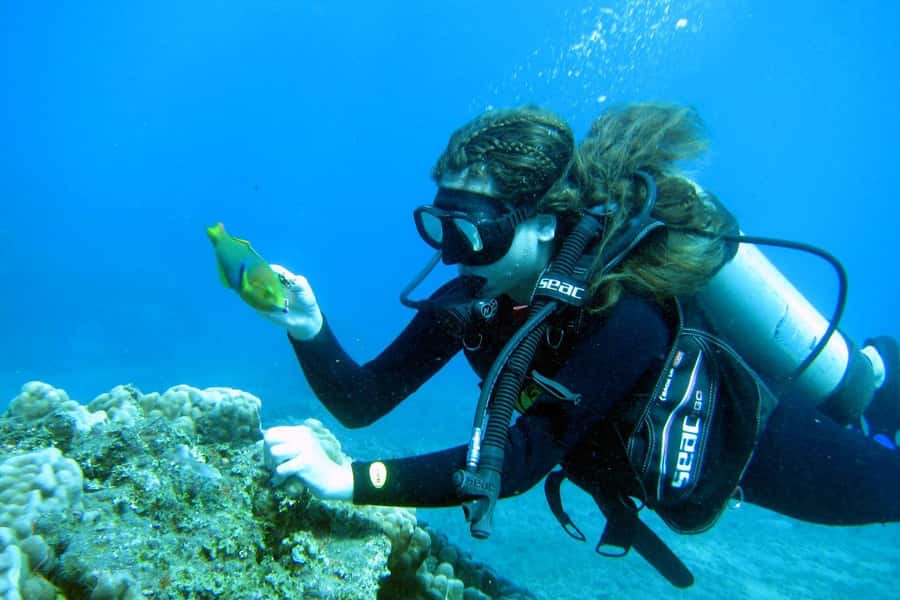
The big selling point here is exceptional visibility. On a good day, that changes the whole experience. When you can see farther, you spend less time staring at your own hands, and you spend more time scanning for life.
In this area, the underwater spotlight tends to be:
- tropical fish that keep moving through the water column and along the reef
- turtles that you can sometimes watch long enough to get a better sense of how they move
- coral and reef-style scenery that gives you depth and variety, not just a single flat view
One booking noted that the water was surprisingly comfortable even in November while using the required suits. That’s useful information for your packing mindset. Even if you’re used to warm-weather snorkeling, scuba gear can make a difference in perceived temperature.
The operator also emphasizes that this is appropriate for all skill levels. That’s not just marketing language. Your instructor is there throughout, and your 1-hour underwater block is set up like an intro rather than a long, exhausting endurance session.
Practical tip: bring a calm mindset. The best underwater viewing moments usually happen when you slow down, breathe steadily, and keep your attention on where the life is moving rather than trying to force the scene to happen on your timeline.
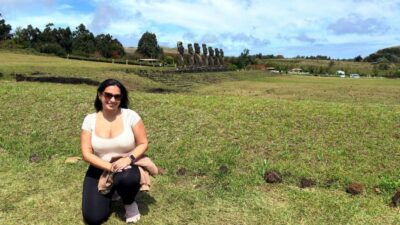
The moai question: what you can see without overreaching
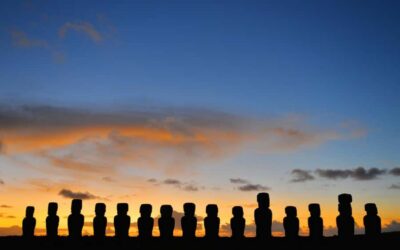
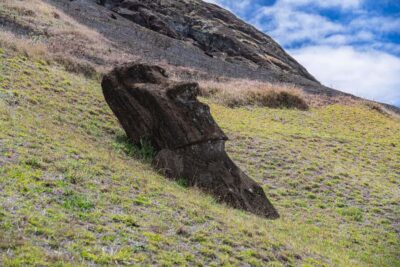
Easter Island’s famous history can follow you underwater here. The experience includes the idea of uncovering what’s out there beneath the surface, and a key part of that is the possibility of submerged moai statues.
But here’s the clear boundary: to reach the moai area described as far enough to view them, you need scuba certification, and you might not be able to go to that depth range without it. In other words, your session may focus on the easier, safer viewing zones, while the deeper moai options depend on training level and what the site conditions allow.
This is one of the reasons I like the operator’s honesty. It prevents the common disappointment of thinking you’re booked for a guaranteed moai encounter. Instead, you get an intro experience first, with a chance of more if your certification and conditions line up.
If you’re not certified, don’t assume you’ll never see anything interesting. The underwater wildlife and visibility alone can still be a strong goal. Just set your expectations correctly for the moai depth piece.
Gear, instructor support, and the extras that help you keep memories
You’re provided with full equipment rental, including:
- suit
- mascara (the item is listed this way, along with the rest of the gear)
- fins
- vest
- a rented bottle setup for your air
That matters for value. Paying for a full gear package on a remote island like Rapa Nui can easily add up if you’re forced to shop at the last minute. Here, you’re not left piecing together rentals across multiple stops.
Another standout is that you also get photos and video of the activity. You’ll want to bring a pendrive, memory card, or a cable to transfer images to your phone if you’re using an Android or iPhone. That small prep step can save you from the usual letdown of, great, you have the photos, but now how do I get them?
Instructor language options are English and Spanish, and the group is kept small enough that communication stays clear.
Safety care also comes through in how the team behaves. One booking emphasized that the company is careful about diver safety, and another highlighted good communication before the day. In real life, that can be the difference between feeling like a number and feeling like your needs are tracked.
Price and value: what $139 buys you on Easter Island
The price is $139 per person for a 150-minute total session. That sounds straightforward until you think about what’s included.
You’re getting:
- a structured safety briefing
- an instructor who stays with you personally
- transfer time from Hanga Piko to the site and back, depending on maritime conditions
- full equipment rental
- photos and video, with a simple way to transfer files afterward
- a small group limited to 10
What you’re not getting is transportation to the meeting point. The meeting point is set and shared 48 hours prior to the activity, and you’ll need to handle getting yourself there.
So where does the value land? For me, it’s in the balance between supervision and inclusions. On an island where most visitors want a guided underwater experience, paying for an operator that provides gear plus a guided format and media capture is often more cost-effective than piecing together rentals and trying to manage a solo plan.
If you’re comparing options, don’t just compare price per hour. Compare how much real guidance and included gear you get for that money.
Who this suits, and who should skip it
This experience has a clear safety profile. It is not suitable for:
- children under 12 years
- people with heart problems
- people with altitude sickness
- people with high blood pressure
You also must follow the on-site rules. Alcohol and drugs are not allowed, which is a standard safety rule for anything underwater.
One more important rule is schedule-related: you cannot do the underwater activity if you fly within 12 hours. That’s not a suggestion. It’s a hard eligibility requirement. If your itinerary includes flights on the same day, you’ll want to rework it so your scuba session happens far enough from air travel.
On the positive side, you don’t need to be a strong swimmer to participate, since the experience is built with instructor support and a guided plan.
There’s also a flexibility note worth knowing: if you end up ill and can’t do the scuba portion, the operator has in the past agreed to swap to snorkeling. That doesn’t guarantee every situation, but it does tell you the team is willing to adjust within safety limits.
Should you book this Hanga Piko underwater intro?
Book it if you want a guided, first-time-friendly scuba experience on Easter Island with a strong chance of seeing tropical fish and turtles, plus the excitement of possibly checking out the moai area depending on conditions and your training.
Don’t book it if any of the health limitations apply, or if your schedule includes a flight within 12 hours. Also, if you’re the type who needs a strict itinerary with zero wiggle room, factor in that the operator transfers by boat or vehicle based on maritime conditions, and that can affect timing.
If you decide to go, here’s my practical checklist:
- Plan your day so you’re not fighting tight connections before or after.
- Bring a way to transfer the photo and video files.
- Set expectations: the moai experience may depend on scuba certification and depth, while the wildlife and visibility are the consistent payoff.
FAQ
Where does the activity start?
The session starts at Hanga Piko.
How long is the experience from start to finish?
The total duration is 150 minutes.
How much time is spent underwater?
You have about 1 hour for the scuba activity.
Do I need to know how to swim?
No, it is not necessary to know how to swim to do this discipline.
What equipment is included?
Equipment rental includes suit, mascara, fins, vest, and a diving bottle (listed as such).
Is transportation included?
Transportation is not included for getting to the meeting point. The meeting point is set and shared 48 hours prior.
Are there any flight or health rules I should know?
Yes. You cannot do the underwater activity if you fly within 12 hours. It is also not suitable for people with heart problems, altitude sickness, or high blood pressure, and children under 12 are not allowed.
Everything Else We Have Reviewed In Chile


Rapa Nui, Three More Ways
Not quite it? Here is the rest of what we have reviewed around Chile


More in Easter Island & the Moai.
 ★ 4.6Rapa Nui Culture Sightseeing TourFrom $80307 reviews
 ★ 4.3Easter Island Highlights 2-Day TourFrom $170205 reviews
 ★ 4.5Easter Island Sightseeing Full Day TourFrom $70189 reviews
 ★ 4.3Journey from Orongo to Ana Te PahuFrom $7075 reviews
 ★ 4.5Rapa Nui StargazingFrom $14062 reviews
 ★ 4.8Two days of Full Day Tour of Rapa Nui + Sunrise in TongarikiFrom $25055 reviews
 ★ 5.0Half Day Tour in Rapa NuiFrom $1,50048 reviews
 ★ 4.5Sunrise Tongariki: Sunrise at Tongariki Park Private TourFrom $12047 reviews
Browse the lists this tour appears in