
Review · RAPA NUI
Half Day Tour in Rapa Nui
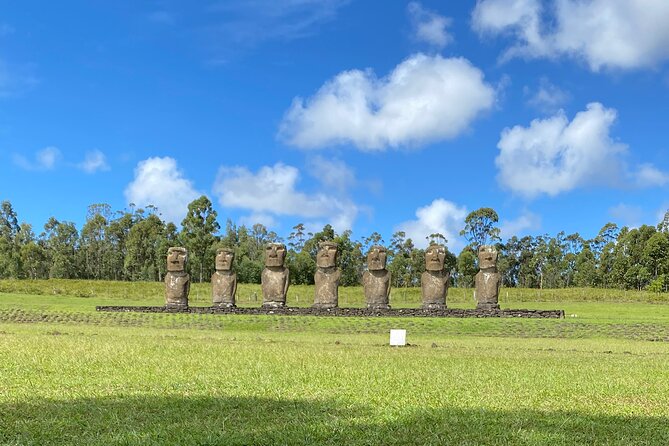
Moai, volcano, and myth in one half-day. This cultural beginning tour focuses on the northern and central parts of Rapa Nui, with oral tradition woven into every stop. I love how Ahu Akivi shows moai facing the sea, a detail that makes the stories feel oddly personal, especially with Nicolás guiding the meaning behind each place.
I also like the practical comfort. You get pickup, a small group (maximum 6), and a private air-conditioned vehicle, plus snacks and soda. Even with only a half-day on the clock, the pacing is calm.
One consideration: not every entrance fee is included. Tickets are included for Ahu Akivi and the Pukao quarry, but Rano Kau and Orongo are listed as not included, so you’ll want to plan for that and bring your own preferred water.
In This Review
- Key takeaways
- Ahu Akivi: the sea-facing moai that changes how you read the island
- Puna Pau and the Pukao quarry: why the red tops matter
- Rano Kau: a crater story that feels practical, not just myth
- Orongo: Birdman competition ground, plus the climb to earn the views
- Getting around: pickup, small group limits, and the comfort details you notice
- Tickets, water, and meals: the practical side of a 2 to 4 hour plan
- Price and value: how $1,500 per person can make sense
- Should you book this Cultural Beginning Half-Day tour?
- FAQ
- What does this half-day tour include?
- Are entrance tickets included for every stop?
- How long is the tour?
- What time does the tour run?
- Should I bring my own water?
- Is free cancellation available?
Key takeaways
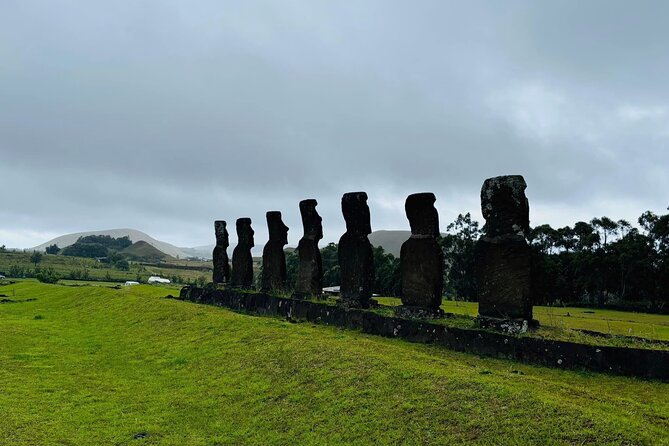
- Sea-facing moai at Ahu Akivi: a rare orientation that sharpens the oral-tradition explanations
- Pukao quarry panoramic views: you’ll see the 180-degree sweep that connects to the red cylinder story
- Rano Kau volcanic crater and greenhouse idea: a single stop that blends geology with myth
- Orongo ceremonial village on the Birdman trail: climb time plus the story of the Supreme Leader contest
- Small group comfort: pickup, snacks, soda, and a private, air-conditioned ride
Deeper into Rapa Nui: the other island tours
- Rapa Nui Stargazing
★ 4.5 · 62 reviews - Half Day Tour in Rapa Nui
★ 5.0 · 48 reviews - Terevaka Horse Excursion: The highest point and 360° view.
★ 4.7 · 38 reviews - Adventures in Rapa Nui: High-quality tourism with Easter Island Your Tour.
★ 4.9 · 28 reviews
Ahu Akivi: the sea-facing moai that changes how you read the island
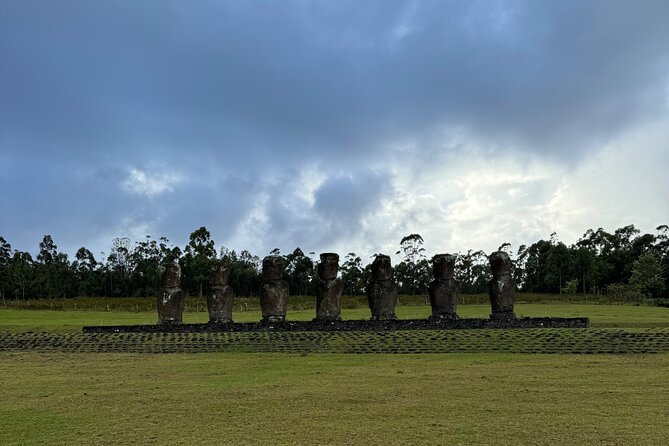
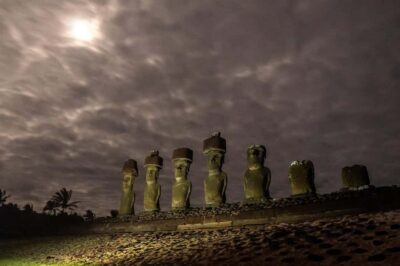
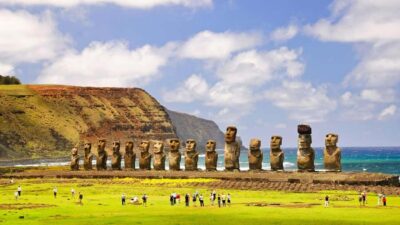
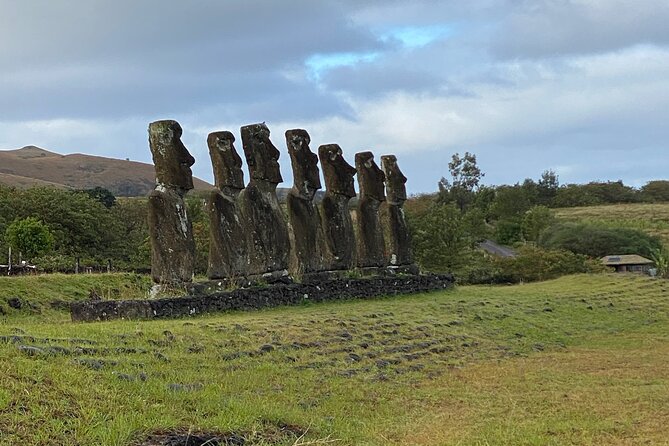
Ahu Akivi is where the tour sets its tone. You’ll drive about 30 minutes from pickup, then spend around an hour walking and looking with your guide’s explanations in mind. The key detail is that this is the only place on Rapa Nui where the moai are described as facing the sea. That single choice of direction makes you pay attention to the relationship between people, ancestors, and what lay beyond the shore.
The hour here is not just photo time. You should expect stories tied to oral tradition, plus the idea that even in a remote, wind-shaped setting, people kept meaning alive through speech and memory. It’s also an ideal stop if you want something a bit different from the most obvious “big moai” circuits, because the focus is on interpretation, not speed.
Practical tip: wear shoes with good grip. Ahu sites can be uneven and dusty, and you’ll enjoy the hour more if you can move without thinking about your footing.
Puna Pau and the Pukao quarry: why the red tops matter
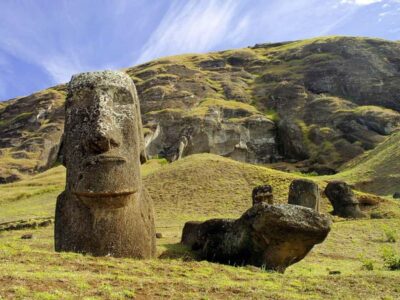
Next comes Puna Pau, and specifically the area tied to the Pukao quarry. Plan for about an hour here, with time built in for the ticket included for this stop. This is the place connected to the famous red cylinders placed on top of moai, and the tour makes the quarry feel more than a scenic break.
The best part is the view. The guide frames the Pukao quarry as a spot where you can see about 180 degrees of the island. When you stand there, you start to understand how quarrying, transport, and status were linked to geography. Even if you already know what Pukao are, this stop gives you the “why” behind the material and the effort.
One small drawback to keep in mind: this is a quarry viewpoint, so expect sun exposure. If your trip lands on a brighter day, bring sun protection and plan your water habits. The tour carries local bottled water (rainwater), but it’s still smart to bring your own preferred water.
Rano Kau: a crater story that feels practical, not just myth
Rano Kau is where the tour leans into the island’s volcanic personality. You’re given about 30 minutes here, and entrance is not included for this stop. That means you should plan ahead if you want to avoid scrambling at the site.
The tour’s framing is strong: you’re there for the stories of the volcano, including its largest crater on Rapa Nui. You’ll also hear a “natural greenhouse” idea, which is a useful concept because it connects climate and food potential to how people may have read the island’s resources. On top of that, oral tradition is included through the mention that an important figure named Haumaka visits this area.
Even with only half an hour, Rano Kau can feel like a lot if your guide explains what to look for. Listen for the connections between the crater, the vegetation, and the way oral tradition anchors key figures to real places.
Practical note: since entrance is not included, you might spend extra time on the ticket moment depending on how the group is handled. If you prefer a smooth flow, confirm what fees you’re expected to cover before you leave your hotel.

Orongo: Birdman competition ground, plus the climb to earn the views
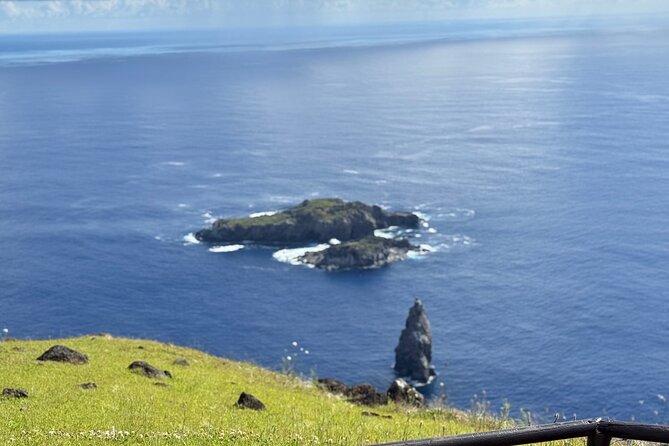
Orongo is the emotional payoff for many people. The tour includes a climb associated with Rano Kau Volcano and then time in the ceremonial village, with about an hour for the climb and another hour for Orongo itself. Entrance is not included here, so again, plan on additional on-site costs if you want to go in.
This stop is built around the Birdman competition story. The tour explains that the best warriors risked their lives to try to become Supreme Leader. You also get the sense that Orongo was designed for spectacle, because the village setting makes you look outward, not just at buildings. The point is to understand the competition as a system, tied to risk, status, and seasonal meaning.
If you go on a day with wind or light rain, Orongo can also feel more challenging underfoot. It’s not described as extreme, but the climb portion is real. I’d treat it as moderate effort, and I’d decide based on your comfort with uneven terrain.
What I like here as a “cultural beginning” choice: Orongo isn’t just legends on a screen. It’s a physical stage, and the timing fits well after Rano Kau. By the time you reach Orongo, the volcano is no longer an abstract feature. It becomes part of the story engine.
Getting around: pickup, small group limits, and the comfort details you notice
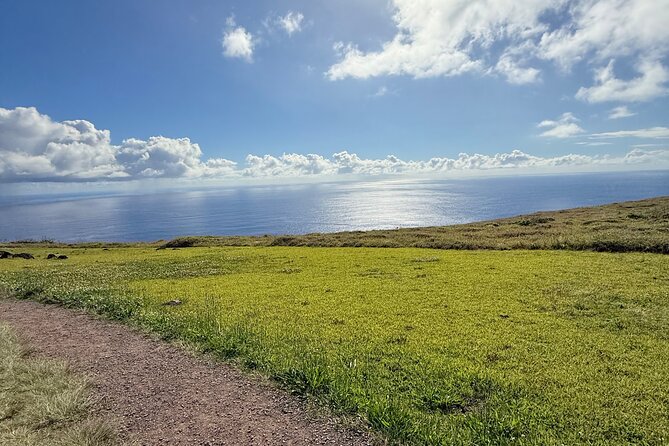
This tour runs with private transportation in an air-conditioned vehicle. Pickup is offered, and the maximum group size is 6, which matters more on Easter Island than it might elsewhere. On a small island, crowded vans can turn learning into waiting. Here, the small number of people makes it easier for the guide to keep the group together without rushing.
You’ll also get snacks and soda. That sounds minor until you’re on the island and the hours compress. Half-day tours can feel hungry fast, especially if you’re outside. This one is designed to keep energy steady so you can focus on the stories at each stop.
There’s also a comfort angle that comes up in the way the tour experience is described, including WiFi on board, with Starlink mentioned in support messages. That’s not the reason to book the tour, but it is a nice bonus for messaging, navigation help, or just keeping things easy during the ride.
Timing-wise, there’s a daily start window from 9:30 AM to 10:00 AM, Monday through Sunday. If your day is tight, this is one of the calmer ways to build a schedule because it gives a predictable morning slot.
Tickets, water, and meals: the practical side of a 2 to 4 hour plan
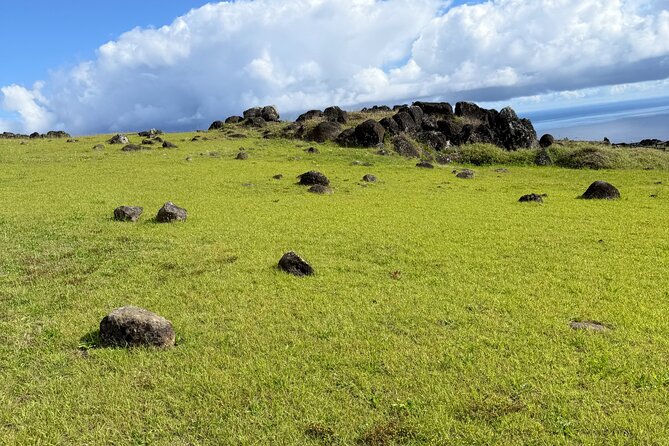
The tour spans about 2 to 4 hours, depending on pace and conditions. That wide range is normal on Rapa Nui, because weather and walking comfort can change the feel of a short day.
Here’s what’s included for entrance fees: admission tickets are included for Ahu Akivi and for the Pukao quarry. Rano Kau and Orongo are listed as not included. So you’re not paying full price at every stop, but you are budgeting for two additional entrance moments. If you like to travel with fewer unknowns, I’d set aside extra cash or have payment ready for those sites.
Water is another practical point. The tour mentions local bottled water (rainwater) is carried, and it’s recommended you bring your own specific water. I’m glad they say this plainly. On Easter Island, water preferences can vary, and you’ll feel better if you’re not stuck trying to adjust during a climb.
Lunch is not included. The plan simply allows you to leave at the end of the excursion to find a place to eat. That works well if you want to choose a restaurant based on where you’ll be staying and what looks good that day.
Price and value: how $1,500 per person can make sense
$1,500 per person is not a casual price, so you should ask what you’re really buying. In this case, you’re paying for a guided interpretation route focused on the northern and central sectors, private transport, and a small group cap, plus snacks and soda.
The value logic is straightforward. You get multiple named stops with included entrances at two of them, and the rest are culturally central sites where guidance matters. Ahu Akivi is not just moai as objects, it’s moai as direction and symbolism. Puna Pau is not just a quarry overlook, it’s a connection to why red Pukao matter. Rano Kau and Orongo are where oral tradition becomes concrete in place and movement.
You’re also buying time that a self-drive plan often wastes. With a guide, you spend less time figuring out what to look for and more time understanding it. And with a private vehicle and pickup, you don’t lose your half-day to logistics.
Who this tour suits best: people who want context. If you enjoy learning the “how” and “why” behind Rapa Nui’s storytelling, this tour matches that mindset. If you only care about a checklist of sites, you might find a faster route more satisfying. But if you want a guided narrative across moai direction, quarry meaning, volcanic crater stories, and Orongo’s Birdman contest, this format is hard to beat for a half-day.
Should you book this Cultural Beginning Half-Day tour?
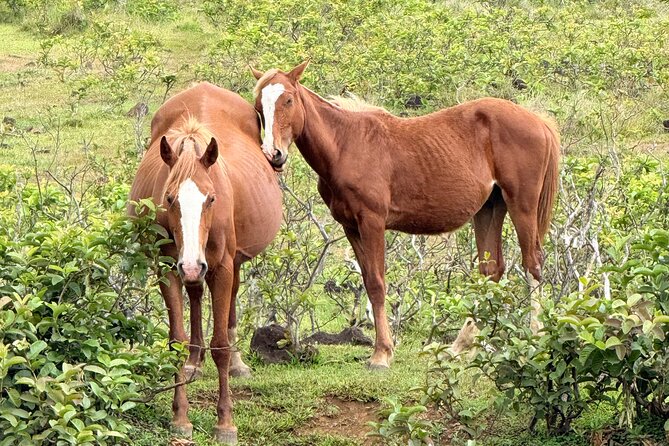
Book it if you want an organized morning that links moai, materials, volcano, and ritual into one clear thread. I’d choose it when your itinerary is tight and you still want more than the usual highlights. The combination of Ahu Akivi sea-facing moai, the Pukao quarry panorama, and the Orongo Birdman story gives you variety without adding extra days.
Skip or at least reconsider if you’re price-sensitive, because the cost is high even before you account for Rano Kau and Orongo entrance fees. Also think about your comfort with the Orongo climb portion. If you prefer flat walking only, you may feel more strain than you expected.
My final take: if you want your first taste of Rapa Nui culture to feel intentional, this half-day plan is built for that. You’ll leave with more than pictures. You’ll leave with a way to read the island’s choices.
FAQ
What does this half-day tour include?
The tour includes pickup, private transportation in an air-conditioned vehicle, snacks, and soda/pop. You also visit Ahu Akivi, Puna Pau (Pukao quarry), Rano Kau, and Orongo, with guided exploration at each stop.
Are entrance tickets included for every stop?
Admission tickets are included for Ahu Akivi and the Pukao quarry. Admission tickets are not included for Rano Kau and Orongo.
How long is the tour?
The duration is listed as approximately 2 to 4 hours.
What time does the tour run?
Tours are scheduled between 9:30 AM and 10:00 AM, Monday through Sunday.
Should I bring my own water?
The tour carries local bottled water (rainwater), but it is recommended that you bring your own specific water. Bottled water is not listed as included for the tour.
Is free cancellation available?
Yes. You can cancel up to 24 hours in advance for a full refund. If you cancel less than 24 hours before the experience starts, the amount paid is not refunded.
The Rest Of Our Chile Tours
Everything Else We Have Reviewed In Chile
Rapa Nui, Three More Ways

Not quite it? Here is the rest of what we have reviewed around Chile
More in Easter Island & the Moai.
 ★ 4.6Rapa Nui Culture Sightseeing TourFrom $80307 reviews
 ★ 4.3Easter Island Highlights 2-Day TourFrom $170205 reviews
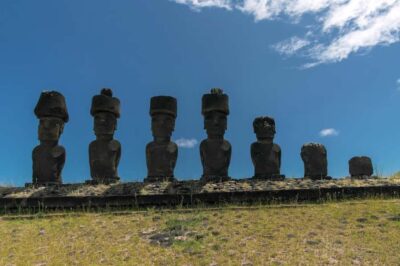 ★ 4.5Easter Island Sightseeing Full Day TourFrom $70189 reviews
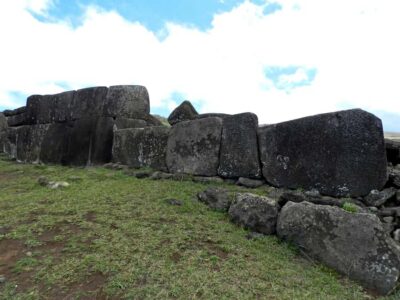 ★ 4.3Journey from Orongo to Ana Te PahuFrom $7075 reviews
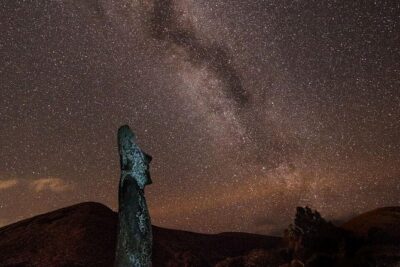 ★ 4.5Rapa Nui StargazingFrom $14062 reviews
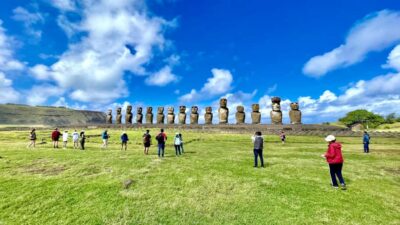 ★ 4.8Two days of Full Day Tour of Rapa Nui + Sunrise in TongarikiFrom $25055 reviews
 ★ 4.4Easter island: Snorqueling tour on coral reefsFrom $11047 reviews
 ★ 4.5Sunrise Tongariki: Sunrise at Tongariki Park Private TourFrom $12047 reviews
Browse the lists this tour appears in