
Review · RAPA NUI
Ancestral fishing: Fishing with an experienced Rapa Nui
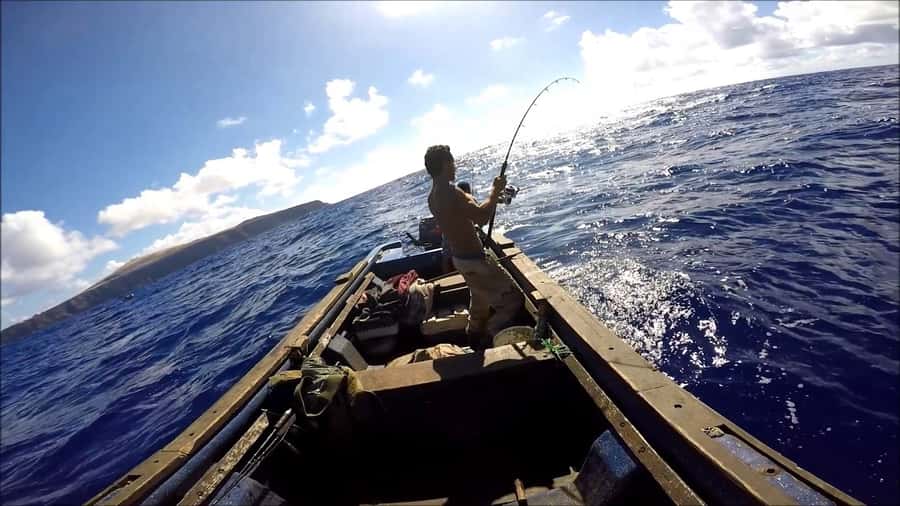
Ancestral fishing feels like time travel. You’re out on the Pacific Ocean with a native Rapa Nui fisherman, learning techniques and hearing the island story as you work the water. I especially like the human pace here, it feels more like you’re joining a local routine than doing a staged activity, and I also love the bonus of island views while the crew keeps hunting for fish.
The main consideration is language. Even though the guide can work in English and Spanish, the experience can lean more smoothly if you can handle at least some Spanish, since the on-the-spot coaching is part of what makes the day feel authentic.
In This Review
- Key takeaways before you go
- What ancestral fishing off Hanga Roa really feels like
- A tight 3-hour itinerary, and what each stop is for
- Pickup in Hanga Roa
- Hanga Piko (about 10 minutes)
- Ana Kai Tangata photo stop (about 10 minutes)
- The main guided block around 2 hours
- Return to Hanga Roa
- The boat and the Rapa Nui coaching style
- Language matters more than you think
- What you’ll do with the ocean: fishing and optional snorkeling time
- When the fish cooperate, and when they do not
- The real win is the crew’s persistence
- Your catch, storage, and the dinner question
- Gear that’s included, and the comfort items you provide
- Price and value: is $180 for 3 hours worth it?
- Who should book this, and who might want a different plan
- Booking advice that will save you disappointment
- Should you book Kapua Tours & Experience for ancestral fishing?
- FAQ
- FAQ
- How long is the ancestral fishing tour?
- How much does it cost?
- Where does the tour start and where do you pick me up?
- Is this tour private?
- What languages does the guide speak?
- What equipment is included?
- Is food included?
- What should I bring?
- Can I reserve now and pay later?
- What is the cancellation policy?
Key takeaways before you go
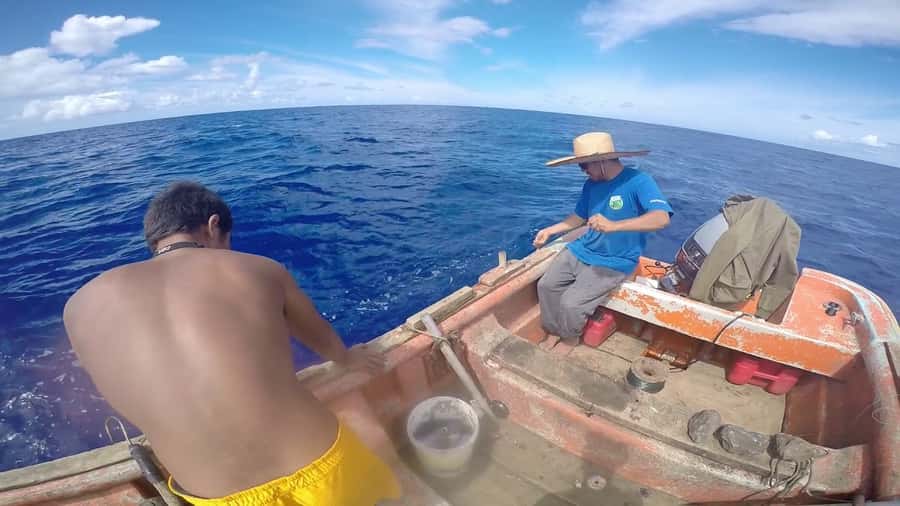
- A real Rapa Nui fisherman leads the action, with step-by-step help from gear prep to the moment you land a fish
- Short, focused timing (3 hours), so it’s great if you want an unforgettable ocean moment without a whole day commitment
- Weather can affect fishing, but the crew still works different areas and keeps things moving
- You get snorkeling gear and a lifejacket, so the ocean time can be flexible if conditions allow
- Your catch may not be filleted, so plan storage if you want to take fish back with you
- It’s private-group friendly, which makes it easier to ask questions and learn at your pace
Deeper into Rapa Nui: the other island tours
- From Hanga Roa: Rapa Nui Culture Sightseeing Tour
★ 4.6 · 307 reviews - From Hanga Roa: Easter Island Highlights 2-Day Tour
★ 4.3 · 205 reviews - From Hanga Roa: Journey from Orongo to Ana Te Pahu
★ 4.3 · 75 reviews - Two days of Full Day Tour of Rapa Nui + Sunrise in Tongariki
★ 4.8 · 55 reviews
What ancestral fishing off Hanga Roa really feels like
Easter Island has a “must-do” list. Moai sights are the big headline, sure. But I like adding something that connects you to how people used to live with the ocean, not just how they built monuments.
This tour is built around ancestral fishing led by a native Rapa Nui. That matters because you are learning technique from someone who grew up around the sea, not just a guide reading off a script. The value is in the details: how the equipment is handled, how the crew talks through what they’re doing, and how they decide where to try next.
Also, you are not stuck in one spot. The experience is structured for ocean time, so you get out beyond the immediate harbor feel and into the broader view where you can spot the islands in the distance. One day may be fish-heavy, another day may test your patience, but the ocean setting itself is part of the payoff.
A tight 3-hour itinerary, and what each stop is for
This is a compact tour, so every minute has a job. Here’s how the timing usually lands.
Pickup in Hanga Roa
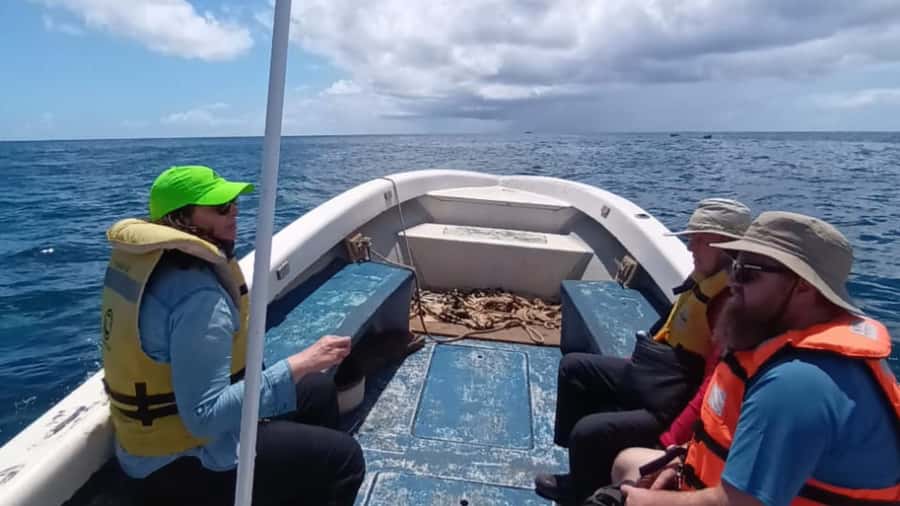
You’re picked up in Hanga Roa, and pickup is included at the place you choose. Because it’s private, you’re not getting bundled into a big lineup, which helps on a small island where time really matters.
Practical tip: bring your beachwear and sunscreen already accessible. When the day is short, you’ll waste less time getting ready.
Hanga Piko (about 10 minutes)
You’ll have a guided orientation stop at Hanga Piko. It’s not long, so don’t expect a full explanation. Think of it as getting your bearings and hearing a bit of context before you move into the more hands-on part of the day.
Why it’s worth it: this first touch gives you a better frame for what you’re about to learn. Even if you only catch part of the story, you’ll still understand the flow.
Ana Kai Tangata photo stop (about 10 minutes)
Next is a photo stop at Ana Kai Tangata. Ten minutes can feel quick, but it keeps the tour moving while still letting you get a visual memory point.
If photos matter to you, I’d treat this as a “quick shoot and move” moment, not a long linger. The best part of the day is what happens after you head to the main ocean activity.
The main guided block around 2 hours
Your schedule includes a two-hour guided block at the site marked 554GVCR7+PCW. In plain terms, this is where the core of the experience happens, the time slot that supports the fishing and the ocean work.
What you can expect here: the crew guides you through preparing the equipment and the process of fishing. If conditions are slow, you’ll still be kept busy and directed to where they think chances are better. In other words, it’s not a “sit and wait” outing. The guide works the plan, not just the stopwatch.
Return to Hanga Roa
At the end, you’re back in Hanga Roa. With only 3 hours total, you can stack this with a Moai day, a beach afternoon, or a cultural evening without burning half your island.
The boat and the Rapa Nui coaching style
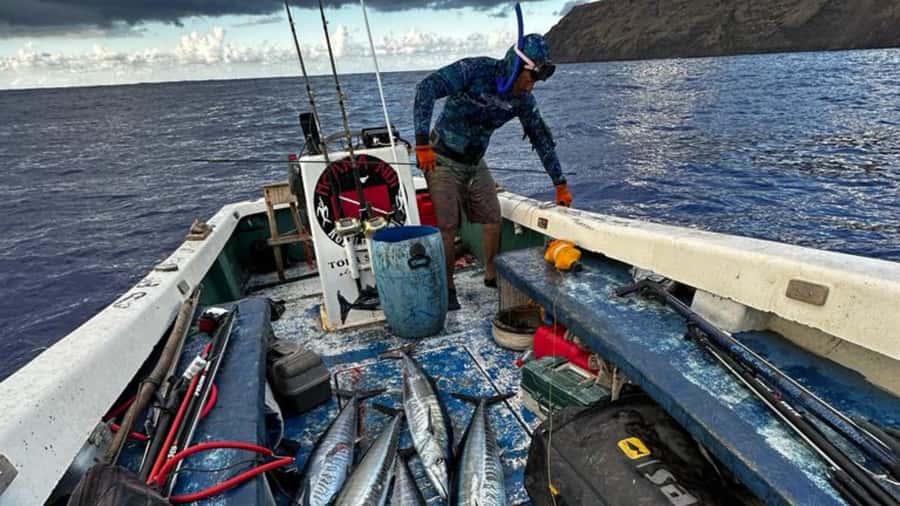
This is the heart of the experience. You go out on a boat with a native Rapa Nui fishing team, and you get coaching as you go. The guide walks you through preparing the gear, handling the setup, and the steps that lead to catching fish.
Two things I like about how this is set up:
First, the crew stays practical. You learn by doing, not by watching. Even when fishing is tough, you still feel like you’re part of the workflow.
Second, the day is designed to connect technique with island understanding. The tour includes time to learn about Rapa Nui history and culture while you’re sharing the moment with the fishermen. That cultural thread is what keeps the tour from becoming just a generic fishing trip.
Language matters more than you think
Even with English and Spanish available, fishing is very hands-on. Most of the real learning happens fast, with short instructions tied directly to what your hands are doing.
If you are comfortable with basic Spanish, you’ll likely feel less “lost” when the crew switches into their most natural rhythm. If Spanish is not your thing, it can still work, but be ready for a higher chance of missing small pieces of the explanation.
What you’ll do with the ocean: fishing and optional snorkeling time
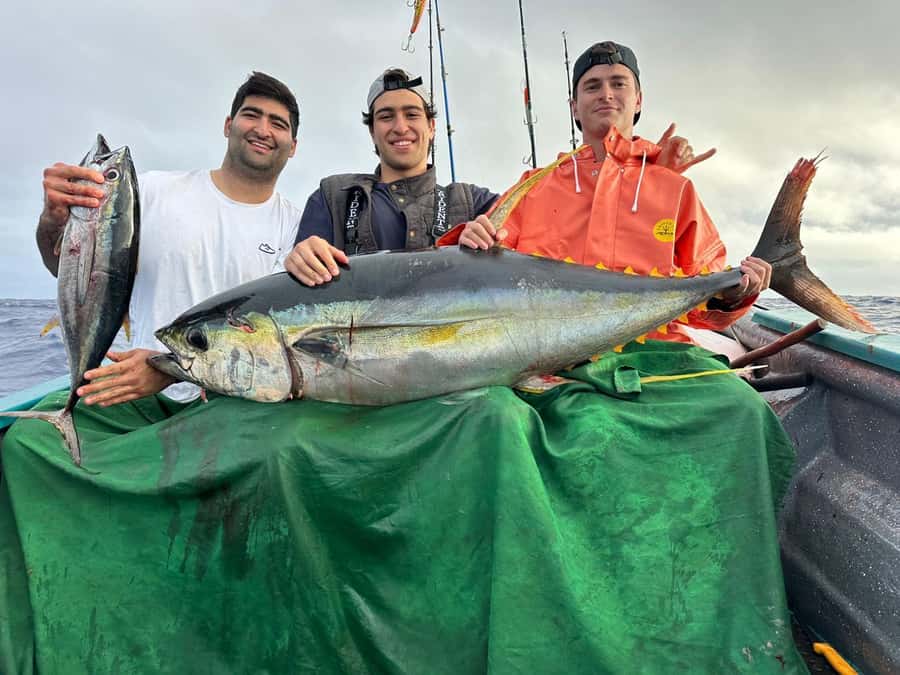
You’re given snorkeling equipment and a lifejacket. That’s a strong clue about the design of the ocean portion, even if snorkeling is not always the main plan.
Here’s a sensible way to think about it:
- You should expect ocean exposure and time on the water.
- You should use the snorkeling gear if the crew recommends it and conditions allow.
- You should treat the lifejacket as part of the standard gear, not a backup.
Also, the ocean isn’t just scenery. It’s where the tour earns its keep. If the fish are cooperating, you get the thrill of catching your own meal. If not, the guide’s job turns into finding the right areas and keeping the effort moving.
When the fish cooperate, and when they do not
Fishing is never guaranteed. This tour won’t pretend otherwise.
On days when the fish are slow, the crew keeps working different spots they know can be more productive. In one case, the group ended up close to the birdman area zone and still saw the islands, even while fishing was not easy. That’s a helpful mental shift: you might go home with fish, or you might go home with a story and great ocean views from real effort.
The real win is the crew’s persistence
I like that the guide does not treat the outing as a single fixed cast. When the bite is not happening, you see the team adjust and search. That makes the experience feel more serious, more local.
Your catch, storage, and the dinner question
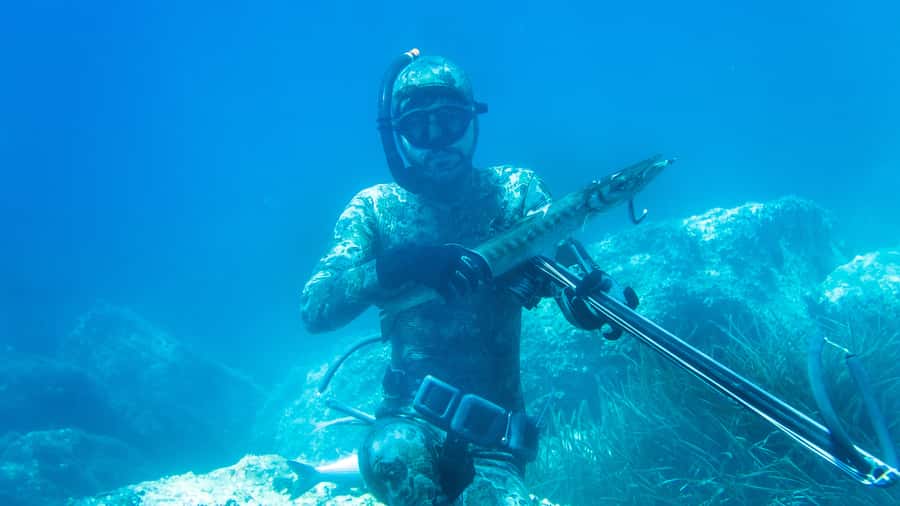
One detail can make or break your satisfaction: how the fish is handled after you catch it.
The tour description says the fish you catch will be prepared by the fishermen so you can enjoy it as a local dinner. But the information list you get also says food is not included. So you should plan for this as a “you may handle dinner plans” situation.
What I’d do in your shoes:
- Assume you might get the fish prepared, but don’t plan your entire meal budget on it being provided.
- If you want to take fish back to cook later, plan transport. One important tip from experience is that the fish may not be filleted, and mess can happen if you use improvised containers.
In fact, there’s a real-world lesson here: bringing a cooler and sealed bags (or something that can stay contained) helps. If you instead improvise with an open bucket method, you can end up dealing with a lot of water and mess on the way back.
If you want the simplest experience, eat it where you can after preparation, and avoid trying to carry everything around unless you have proper storage.
Gear that’s included, and the comfort items you provide
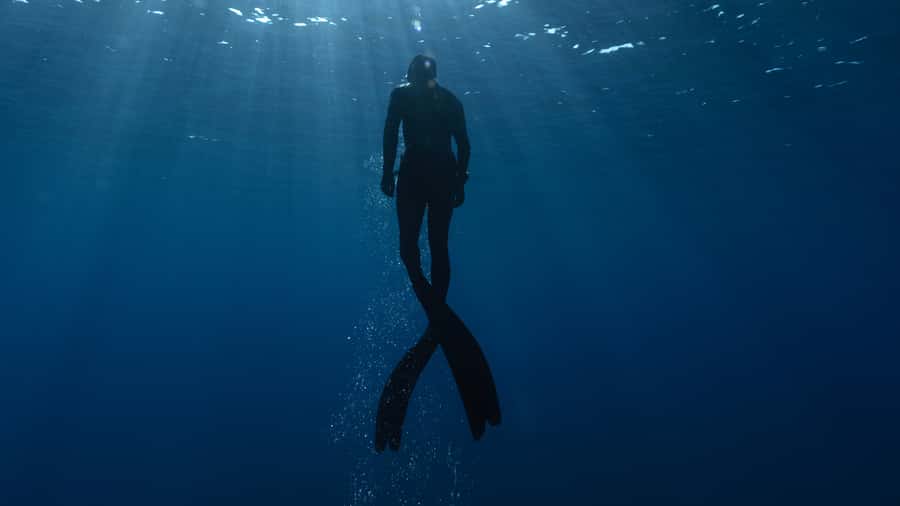
The tour includes:
- Snorkeling equipment
- Lifejacket
- Fishing equipment
- Pickup and return to your hotel
That’s good value because you don’t need to pack bulky fishing gear or hunt down basic safety gear.
For what you bring, the list is straightforward:
- Comfortable shoes
- Change of clothes
- Sandals
- Sunscreen
- Beachwear
I strongly recommend treating the change of clothes as non-optional. Water days on small boats happen fast, and you’ll feel better once you’re back on land.
Price and value: is $180 for 3 hours worth it?
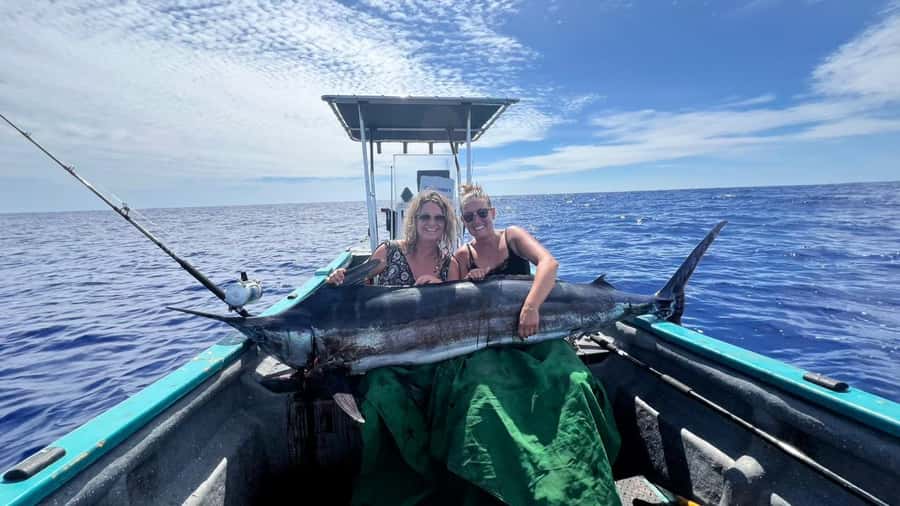
At $180 per person for a 3-hour private outing, you’re paying for three things:
1) a private group setup
2) live coaching from a native Rapa Nui fisherman
3) included equipment for the ocean portion
If you compare that to self-guided fishing or generic group tours, this price starts to look more reasonable. The real cost driver is not the boat alone. It’s the human expertise, the time on the water, and the included gear that removes friction for you.
The downside of short tours is that you can’t stretch time if conditions are rough. When the fish are not biting, you still get your ocean time and learning, but you won’t “make up for it” with an extra hour of fishing. That said, with the crew actively searching better areas, you are not stuck doing nothing.
Bottom line: I think it’s a fair value if you want a hands-on, culture-connected experience and you’re comfortable with the realities of fishing.
Who should book this, and who might want a different plan
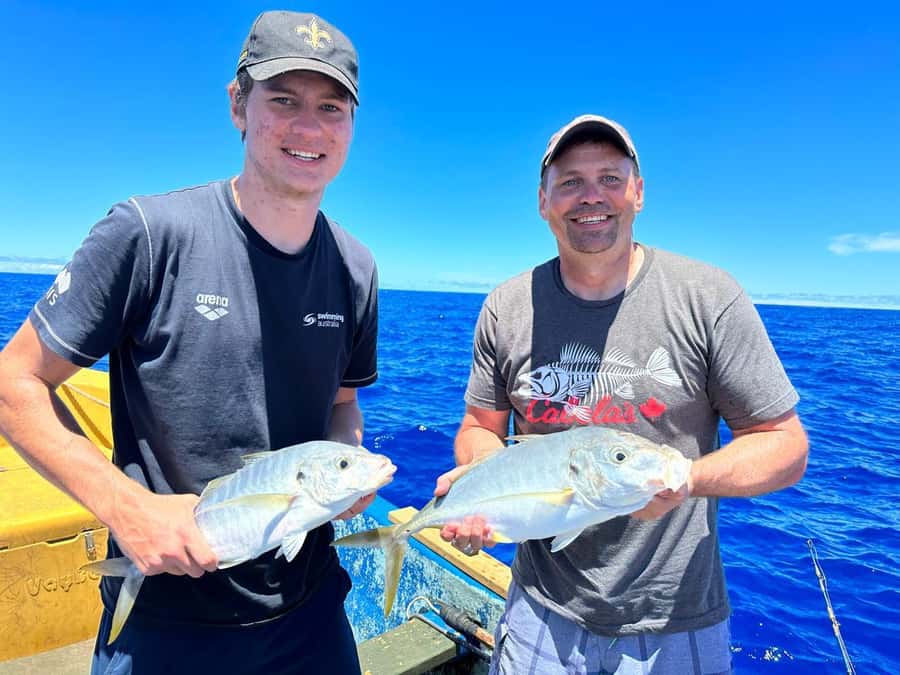
This tour fits best if you:
- want ancestral fishing specifically, not just offshore fishing
- enjoy learning from locals, especially through hands-on work
- like ocean views and don’t need every minute to produce a catch
- are okay with a short, well-paced 3-hour window
I’d think twice if:
- you only speak English and want deeper explanation without effort, because language can affect how much of the cultural coaching you catch
- you are very strict about taking fish home, since storage and filleting details can get messy if you are unprepared
- you expect a guaranteed meal outcome. Fishing depends on the day
Booking advice that will save you disappointment
This is the practical part. Fishing is weather and water dependent, and the experience is short enough that conditions matter.
Two smart moves:
- Book the day you’re most flexible with. If the ocean is rough or fish are scarce, you’ll still get a memorable experience, but you’ll feel it more on a half-day schedule.
- Plan your meals with options. If food is not included, have a backup plan for dinner even if you hope the fish will be prepared for you.
Also, consider language prep. Even simple Spanish phrases can help you follow directions faster, which makes the whole outing feel smoother.
Should you book Kapua Tours & Experience for ancestral fishing?
Yes, if what you want is a genuine, practical connection to island fishing culture. I like this because it’s not a museum lesson. It’s real-time coaching in the ocean setting, with the fishermen leading the process and the day staying focused.
If you’re sensitive about language, you can still do it, but go in with a plan to communicate with smiles, patience, and willingness to follow what you can even when you miss some details. And if you want to take fish home, pack for storage, because the catch may not be filleted and transport can get messy without the right setup.
FAQ
FAQ
How long is the ancestral fishing tour?
The tour duration is 3 hours.
How much does it cost?
The price is $180 per person.
Where does the tour start and where do you pick me up?
Pickup is in Hanga Roa, and pickup and return to your hotel are included. The pickup is available from any place you want.
Is this tour private?
Yes, it is a private group.
What languages does the guide speak?
The live tour guide speaks English and Spanish.
What equipment is included?
The tour includes snorkeling equipment, a lifejacket, and fishing equipment.
Is food included?
Food is not included.
What should I bring?
Bring comfortable shoes, a change of clothes, sandals, sunscreen, and beachwear.
Can I reserve now and pay later?
Yes. You can reserve now and pay nothing today.
What is the cancellation policy?
You can cancel up to 24 hours in advance for a full refund.
Everything Else We Have Reviewed In Chile
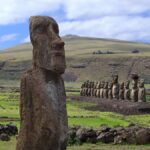
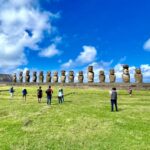


Rapa Nui, Three More Ways
Not quite it? Here is the rest of what we have reviewed around Chile
More in Easter Island & the Moai.
 ★ 4.6Rapa Nui Culture Sightseeing TourFrom $80307 reviews
 ★ 4.3Easter Island Highlights 2-Day TourFrom $170205 reviews
 ★ 4.5Easter Island Sightseeing Full Day TourFrom $70189 reviews
 ★ 4.3Journey from Orongo to Ana Te PahuFrom $7075 reviews
 ★ 4.5Rapa Nui StargazingFrom $14062 reviews
 ★ 4.8Two days of Full Day Tour of Rapa Nui + Sunrise in TongarikiFrom $25055 reviews
 ★ 5.0Half Day Tour in Rapa NuiFrom $1,50048 reviews
 ★ 4.4Easter island: Snorqueling tour on coral reefsFrom $11047 reviews
Browse the lists this tour appears in