
Review · RAPA NUI
From Hanga Roa: Journey from Orongo to Ana Te Pahu
Volcano views set the mood fast. This Orongo to Ana Te Pahu outing connects Rano Kau crater drama with story-led ruins tied to moai life on Easter Island, including the famous Bird Man legend. I like the pacing, with enough time to actually look around, and I also appreciate how guides such as Ata and Javiera tend to answer questions with real detail.
One thing to watch: if you end up toward the back, it can be harder to hear every explanation clearly, so try to stay closer to the front when you can.
In This Review
- Key points at a glance
- Getting oriented in Hanga Roa, then up to Rano Kau
- Rano Kau viewpoints: the volcanic rim and why Orongo mattered
- Orongo’s ceremonial grounds and the Bird Man story
- Ahu Vinapu’s stone fitting and the thrill of seeing the method
- Ahu Akivi’s seven moai, plus the mood shift at Ana Te Pahu
- Puna Pau quarry and how the red topknots complete the moai look
- Price and pacing: is it worth $70, and how to get the most?
- Who should book this Orongo to Ana Te Pahu route
- Should you book this tour?
- FAQ
- How long is the tour?
- Where does the tour pick you up and drop you off?
- Do I need a national park ticket?
- What sites are included?
- What languages are the guides?
- Will the tour run in bad weather?
- Is there internet in the park?
- Are drones allowed?
Key points at a glance
- Rano Kau crater views first, so you understand the setting before the legends
- Orongo’s ceremonial grounds and the Bird Man story tied to the island’s rituals
- Vinapu’s stonework that makes you stop and stare at how blocks were fitted
- Ahu Akivi’s seven moai and the human meaning behind the statues
- Ana Te Pahu caves for a cooler, quieter stop that shifts the mood from outdoors
- Puna Pau red scoria quarry and how the topknots finish the moai silhouette
Deeper into Rapa Nui: the other island tours
- From Hanga Roa: Rapa Nui Culture Sightseeing Tour
★ 4.6 · 307 reviews - From Hanga Roa: Easter Island Highlights 2-Day Tour
★ 4.3 · 205 reviews - From Hanga Roa: Journey from Orongo to Ana Te Pahu
★ 4.3 · 75 reviews - Two days of Full Day Tour of Rapa Nui + Sunrise in Tongariki
★ 4.8 · 55 reviews
Getting oriented in Hanga Roa, then up to Rano Kau
Most people start the day in Hanga Roa, and this tour keeps things simple: you get picked up, then you’re on the move. The drive is short, roughly 15 minutes, which matters because you’re not wasting your limited Rapa Nui time sitting on a bus.
Once you reach the crater area, the first big win is order. You don’t get thrown straight into ruins. You start with the volcanic setting around Rano Kau, which helps the rest of the sites make sense. On Easter Island, the geology is not background scenery. It shapes the sacred places, the routes people took, and the way structures were built and used.
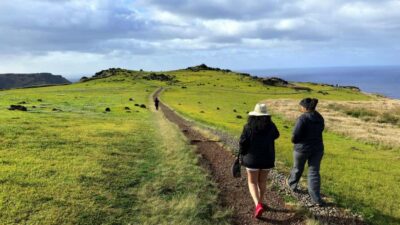
Plan on a total day of about 7 hours. It’s long enough to cover the main cluster of archaeological sites, but not so long that you’re completely cooked by the end. Still, be realistic about comfort. You’ll wear comfortable shoes and you’ll do some walking at multiple stops, including stretches where you might move for about an hour in certain areas.
Rano Kau viewpoints: the volcanic rim and why Orongo mattered
At Rano Kau, the guided stop is your “okay, I get it” moment. The crater rim gives you the wide-angle view you’ll keep thinking about later when you hear the stories. You can see how the island’s volcanic shape shapes travel, sightlines, and the way people could gather and watch important events.
Why this start works: when a guide explains the Bird Man legend or the ceremonial culture at Orongo, you’re already standing in the landscape that made those rituals feel meaningful. Without that, it can all feel like scattered sites. With it, it clicks.
This part is also a good time to slow down and look. You’ll be surrounded by volcanic terrain, and you’ll notice how much Easter Island depends on stone, not greenery. That’s not a complaint. It’s a clue. The island’s materials and harsh conditions shaped everything from construction methods to how communities stored supplies.
If you’re photographing, you’ll want to pace yourself. The views are the payoff, but there are also ruins and details later in the day that you don’t want to rush through while your camera is still busy.
Orongo’s ceremonial grounds and the Bird Man story
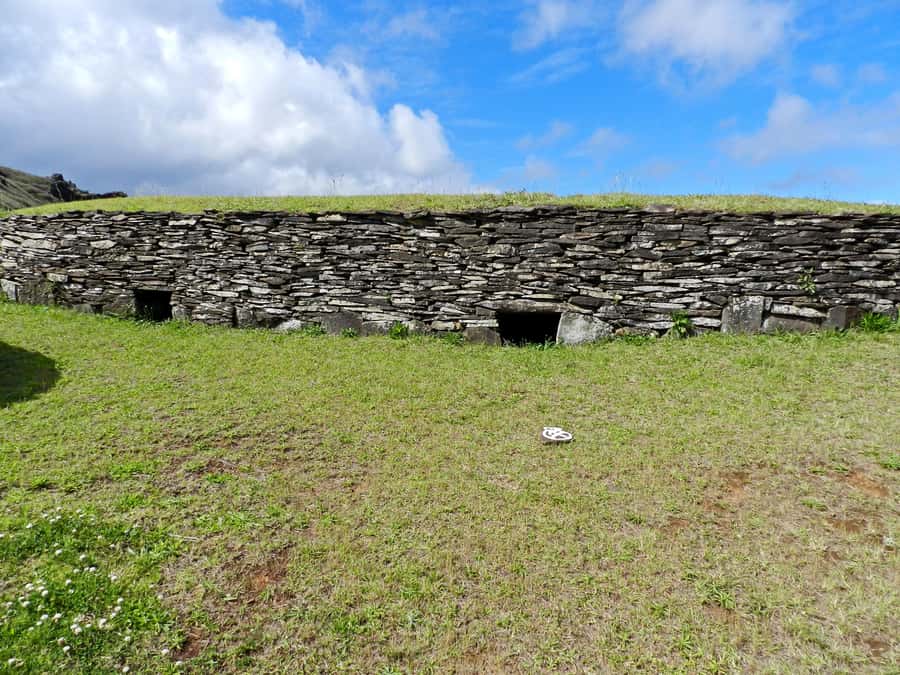
Orongo is where the day’s most myth-shaped energy shows up. The site sits dramatically on the rim of the volcanic crater, and the setting alone puts you in the right mood before a single legend is explained. This is the place associated with the Bird Man tradition, a story that’s central to how many people understand Rapa Nui ceremonial life.
Here’s what I like about doing Orongo in a guided format: the guide connects what you see with the meaning behind the story. It’s not just reciting. It’s pointing out how sacred spaces, ritual purpose, and the island’s volcanic geography work together.
And you’ll get time to move through the area rather than being herded at high speed. That’s important because Orongo rewards attention. The whole point is that it feels like a ceremonial stage set by nature, not a random open-air museum.
One small practical tip: if you know you’re going to be the type who asks questions, Orongo is a great place to use that. The guide’s explanations often feel most relevant here than later stops when you’re already tired.
Ahu Vinapu’s stone fitting and the thrill of seeing the method
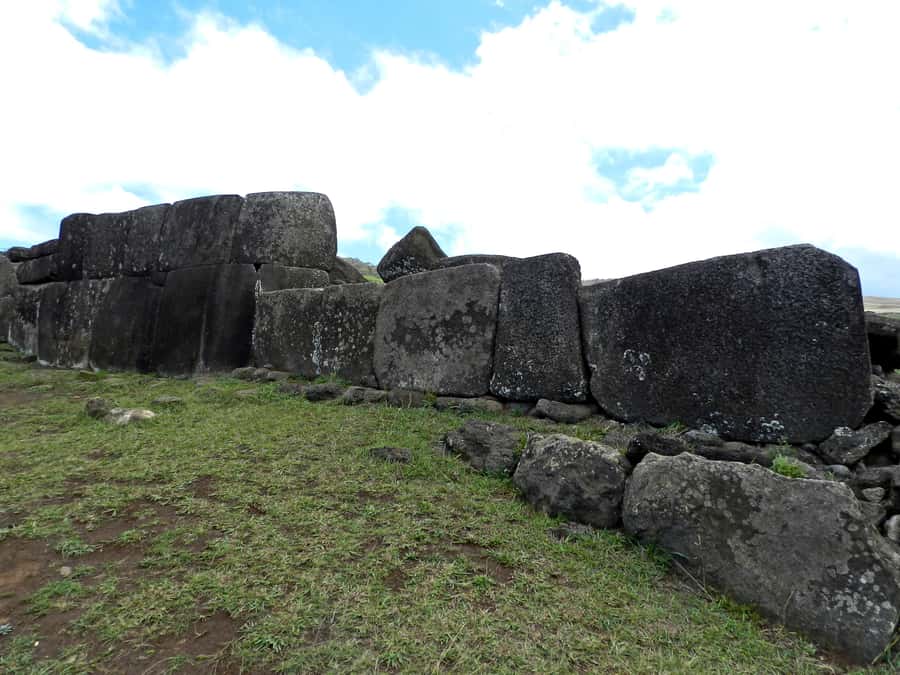
Next up is Ahu Vinapu, and this is the stop for stone people, history nerds, and anyone who enjoys puzzle-like craftsmanship. You’ll see colossal stone structures, and the attention goes to how the blocks were placed and shaped.
What makes Vinapu satisfying is that it challenges your assumptions. Even if you don’t know the technical vocabulary, you can feel the precision. The guide’s job is to make you notice specific placement details, not just the overall size.
I tend to love stops like this because you don’t need a background course. You just need good light, a bit of patience, and a willingness to look at corners and edges. Vinapu gives you that. It’s also a helpful counterbalance to Orongo. Orongo is myth and ritual energy. Vinapu is the builder’s side of the island’s identity.
A practical note: if your group is moving steadily, stay close enough to catch the explanation while you’re also taking in the stones. Vinapu is the kind of place where you’ll want a few seconds to yourself, but not so many that you miss the guided points.
Ahu Akivi’s seven moai, plus the mood shift at Ana Te Pahu
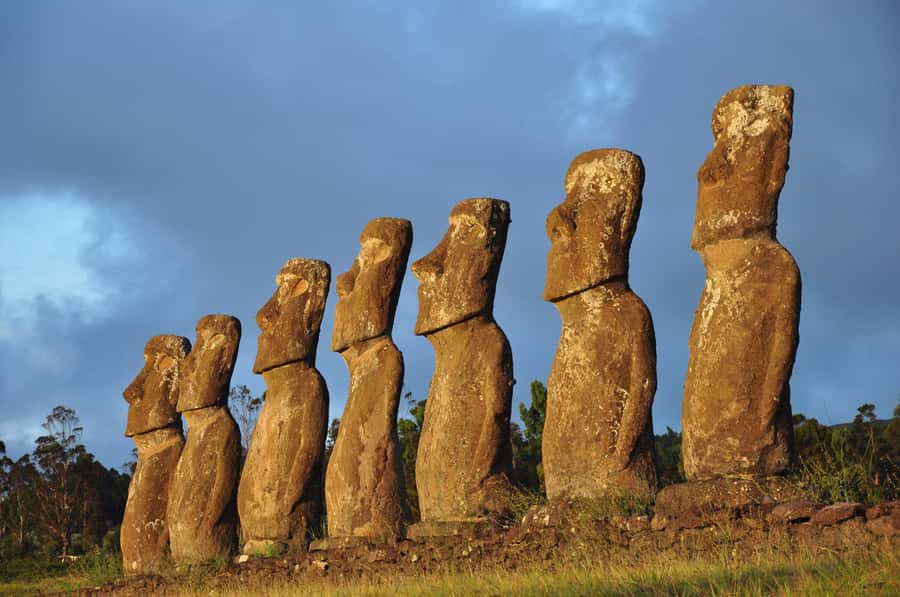
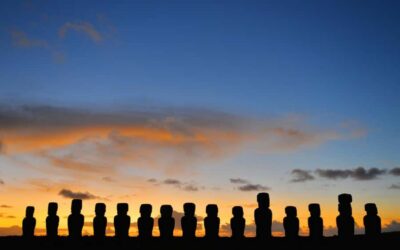
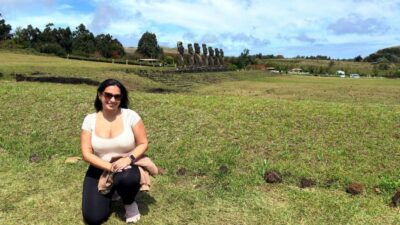
Then comes Ahu Akivi, one of the more striking moai settings because of its concept. Instead of moai facing the ocean or a quarry-like direction, Akivi is associated with a platform that holds seven moai, tied to the story of seven explorers. Your guide will walk you through the significance of those figures and why this arrangement matters in Rapa Nui understanding of memory and navigation.
Even if you’ve seen moai before, Akivi tends to hit differently because it’s more interpretive. The guide isn’t only showing you statues. They’re explaining what the statues are meant to represent.
After Akivi, you go to Ana Te Pahu, and this is where the day changes tempo. This is a cave system used for shelter and storage, so the atmosphere becomes cooler and more enclosed than the open-air sites. You can feel the shift in the experience as volcanic rock walls surround you.
This stop is valuable because it adds everyday function to the legend-heavy day. You get a sense of survival needs: where people might hide from weather and where they might keep important goods. That context makes the ceremonial sites easier to understand. Ritual doesn’t exist in a vacuum. It sits on top of real needs.
Also, cave tours are the kind of place where you should keep your eyes open and follow the guide’s pace. The goal is to understand the space as a system, not just to walk through it for photos.
Puna Pau quarry and how the red topknots complete the moai look
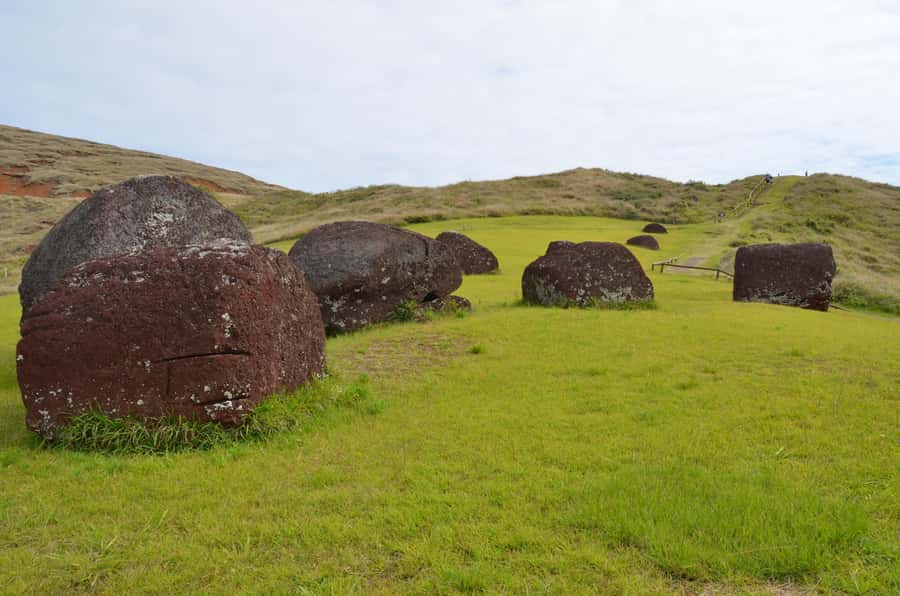
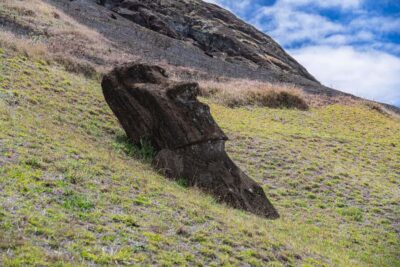
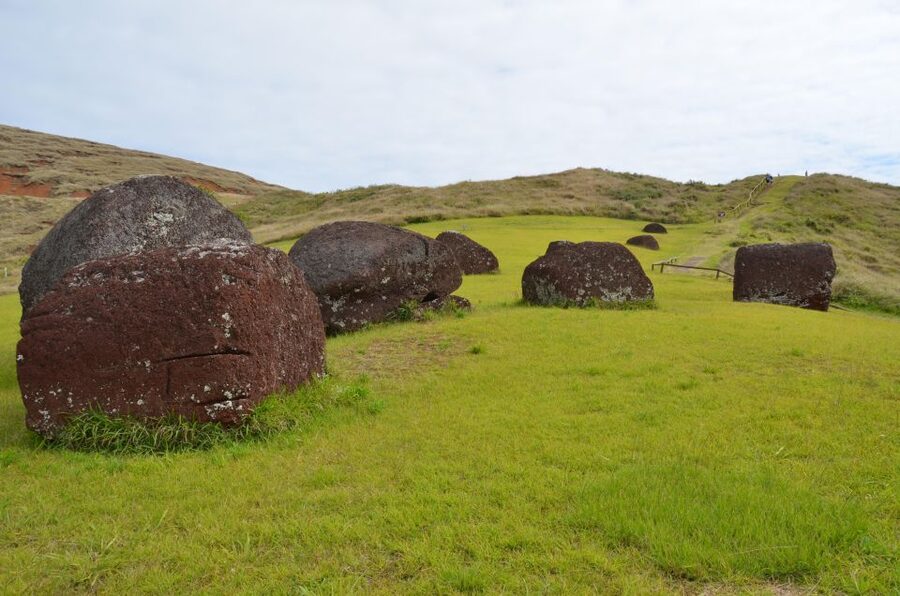
The final major stop is Puna Pau, known as a quarry for the red scoria used to make the iconic topknots that crown many moai. This is your “wait, how did they finish the statues?” moment.
Why it matters: the moai silhouette is famous, but the topknots are what make the statues feel finished. Puna Pau connects the visible result to a real source and real material. Your guide explains the significance of these red pieces and the process behind their creation.
Visually, Puna Pau also helps you see the island’s color palette differently. The red scoria doesn’t look like much on the ground, but once you tie it to the moai tops you’ve seen elsewhere, your brain starts completing the full picture.
If you like detail, you’ll probably enjoy this stop most. It’s more technical than the legends, but still story-driven: material, labor, and the final effect on monumental art.
Price and pacing: is it worth $70, and how to get the most?
At $70 per person for a roughly 7-hour tour, this is the kind of price point that can be a good deal if you value guidance and saved time. You’re getting hotel pickup and drop-off plus a tour leader guide. That’s not nothing on a small island where daily logistics can eat up your energy fast.
The one cost you need to plan for is the National Park ticket, which is not included. Buy it before the tour starts. That detail matters because it’s one less thing to solve mid-day while everyone else is waiting. It also helps you start smoothly rather than spending part of your limited time figuring out entrance rules.
Pacing is a big part of the value here. In the feedback you’ll see a theme: people liked that the tour feels properly paced, especially around the crater. That’s a real quality marker. On Rapa Nui, too-fast tours are frustrating. Too-slow tours make you miserable. The sweet spot is enough time to look and enough structure so you don’t wander in a blur of “moai, stones, and caves.”
One more pacing reality check: because it’s a group experience, you may need to position yourself for good audio. I’d choose a spot closer to the front if hearing every explanation is important to you. If you tend to hear fine wherever you stand, you’ll still get a lot from the guide’s storytelling.
This tour tends to suit best if you want a “big picture day” without doing a complicated self-planned route. If you’re short on time, or you just don’t want to guess how to link the sites together, this works nicely.
If you’re the type who loves exploring alone for hours, you might find the structure limiting. But even then, the Bird Man context, the cave function, and the quarry connection are hard to replicate perfectly without interpretation.
Who should book this Orongo to Ana Te Pahu route
Book it if you want a guided day that connects the dots. You’ll like it if you enjoy:
- Moai sites but also want the story behind them, not just the photos
- Volcanic settings, especially the dramatic crater area at Rano Kau
- Both “myth and meaning” stops like Orongo and “how it worked” stops like Vinapu and the Puna Pau quarry
- A mood change, outdoors to caves, from open views to Ana Te Pahu’s enclosed quiet
Consider skipping it, or at least adjusting expectations, if:
- You need very flexible timing and long solo wandering
- You’re extremely sensitive to walking or don’t handle uneven outdoor ground well
- You want a super silent, no-explanations kind of visit
Should you book this tour?
Yes, if you want the classic Rapa Nui highlights in one guided day, and you care about interpretation as much as seeing the sites. The strongest argument is the way the route links crater views, ceremonial culture, construction style, everyday cave function, and the quarry that explains why the moai look finished.
My decision advice is simple: book it if you’re likely to appreciate a guide answering questions and keeping the day at a livable pace. Skip it only if you prefer total independence over structure, or if you know you’ll struggle with group audio from the back. Either way, bring comfortable shoes, a reusable water bottle, and your ID, because you’ll be ready to walk and look for most of the day.
FAQ
How long is the tour?
The duration is 7 hours.
Where does the tour pick you up and drop you off?
It includes hotel pickup and drop-off, and the meeting point is in Hanga Roa.
Do I need a national park ticket?
Yes. The National Park Ticket is not included, so you should buy it before the tour starts.
What sites are included?
The tour includes Rano Kau, Orongo, Ahu Vinapu, Puna Pau, Ahu Akivi, and Ana Te Pahu.
What languages are the guides?
The live tour guide is available in English and Spanish.
Will the tour run in bad weather?
The tour takes place rain or shine.
Is there internet in the park?
No internet is available in the park.
Are drones allowed?
No, drones are not allowed.
Everything Else We Have Reviewed In Chile



Rapa Nui, Three More Ways
Not quite it? Here is the rest of what we have reviewed around Chile


More in Easter Island & the Moai.
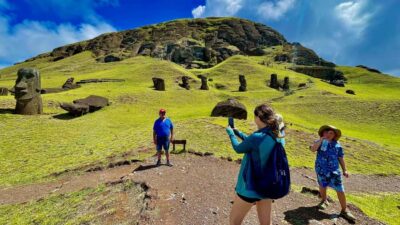 ★ 4.6Rapa Nui Culture Sightseeing TourFrom $80307 reviews
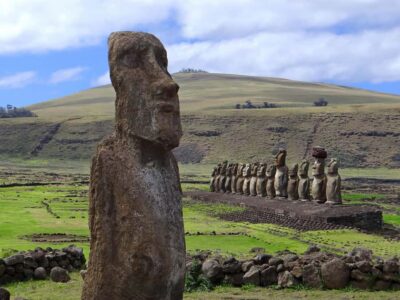 ★ 4.3Easter Island Highlights 2-Day TourFrom $170205 reviews
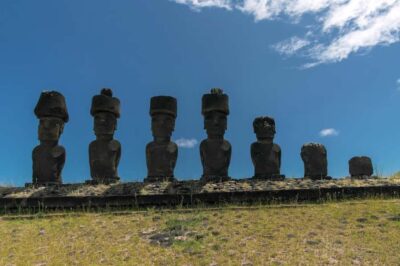 ★ 4.5Easter Island Sightseeing Full Day TourFrom $70189 reviews
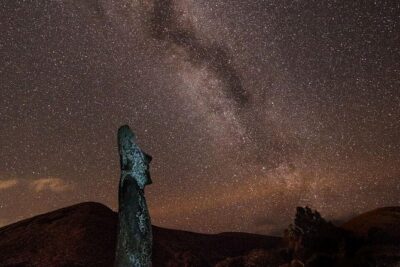 ★ 4.5Rapa Nui StargazingFrom $14062 reviews
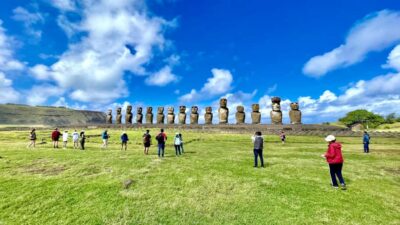 ★ 4.8Two days of Full Day Tour of Rapa Nui + Sunrise in TongarikiFrom $25055 reviews
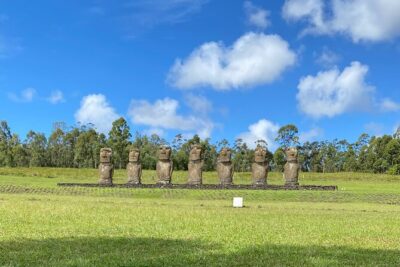 ★ 5.0Half Day Tour in Rapa NuiFrom $1,50048 reviews
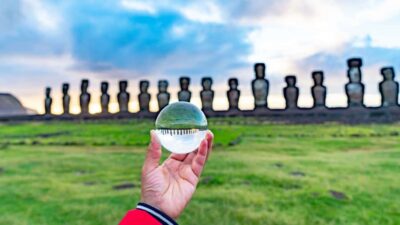 ★ 4.5Sunrise Tongariki: Sunrise at Tongariki Park Private TourFrom $12047 reviews
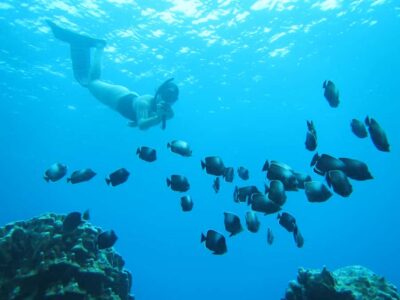 ★ 4.4Easter island: Snorqueling tour on coral reefsFrom $11047 reviews
Browse the lists this tour appears in