
Review · RAPA NUI
Rapa Nui Highlights Program: 3 incredible tours to discover!
First, the island tells a story. This program strings together Rapa Nui’s key sites with English and Spanish guide storytelling, so you are not just looking at moai, you are following the people behind them. I also like how the visits are paced for real learning, with time to stop, ask questions, and take in the dramatic island views.
One thing to keep in mind: you will need to plan for extra costs like the National Park ticket, plus your own food and drinks. Also, it is not set up for wheelchair users, and the walking can be uneven at archaeological stops.
In This Review
- Key highlights worth centering in your plan
- Why the Rapa Nui Highlights program fits an efficient 2-day visit
- Morning at Ahu Akivi: ocean-facing moai and the Hotu Matu’a story
- Puna Pau and Ahu Uri Aurenga: winter solstice direction and fishing taboos
- Half-day Orongo: Vinapu’s fitted basalt slabs and how Rano Kau feels in person
- Orongo ceremonial village and the Birdman contest zone
- Full day east-side hits: Ahu Vaihu, Akahanga, Rano Raraku, and Anakena
- Rano Raraku: the moai workshop crater with a lagoon inside
- Ahu Tongariki and Te Pito Kura: 15 moai scale versus the massive Moai Paro
- Anakena beach: classic views plus moai facing away from the sea
- What makes the guides effective, based on real-world cues
- Value check: is $220 for 2 days worth it?
- Timing and which days you should pick
- How to get the most out of the moai platforms and volcanic sites
- Who should book this program
- Should you book Rapa Nui Highlights Program in 2 days?
- FAQ
- How long is the Rapa Nui Highlights Program?
- What does the program cost?
- What languages are the guides?
- How many people are in the group?
- What is included and what is not included?
- Which days are each tour available?
- Is this tour suitable for wheelchair users or pregnant women?
Key highlights worth centering in your plan
- Small group size (max 15) helps the guide keep things clear and personal
- Three core areas in 2 days means less logistics time, more time on the ground
- Ahu Akivi, Puna Pau, and Uri Aurenga connect moai to calendar and ritual
- Vinapu and Rano Kau add the “how it was built” angle, not just the finished monuments
- Rano Raraku and Anakena hit both the moai workshop and the classic beach payoff
Deeper into Rapa Nui: the other island tours
- From Hanga Roa: Rapa Nui Culture Sightseeing Tour
★ 4.6 · 307 reviews - From Hanga Roa: Easter Island Highlights 2-Day Tour
★ 4.3 · 205 reviews - From Hanga Roa: Journey from Orongo to Ana Te Pahu
★ 4.3 · 75 reviews - Two days of Full Day Tour of Rapa Nui + Sunrise in Tongariki
★ 4.8 · 55 reviews
Why the Rapa Nui Highlights program fits an efficient 2-day visit
If you only have a short window on Rapa Nui, this is a smart way to spend it. You get three tours that cover the island’s main spiritual and archaeological themes: moai platforms and orientations, volcanic carving and materials, and the Orongo ceremonial world.
The pacing matters here. A site like Rano Raraku is not a quick photo stop, and Orongo is not either. The program gives you time to be in place, listen, and make sense of what you are seeing, instead of sprinting from one viewpoint to the next.
Morning at Ahu Akivi: ocean-facing moai and the Hotu Matu’a story
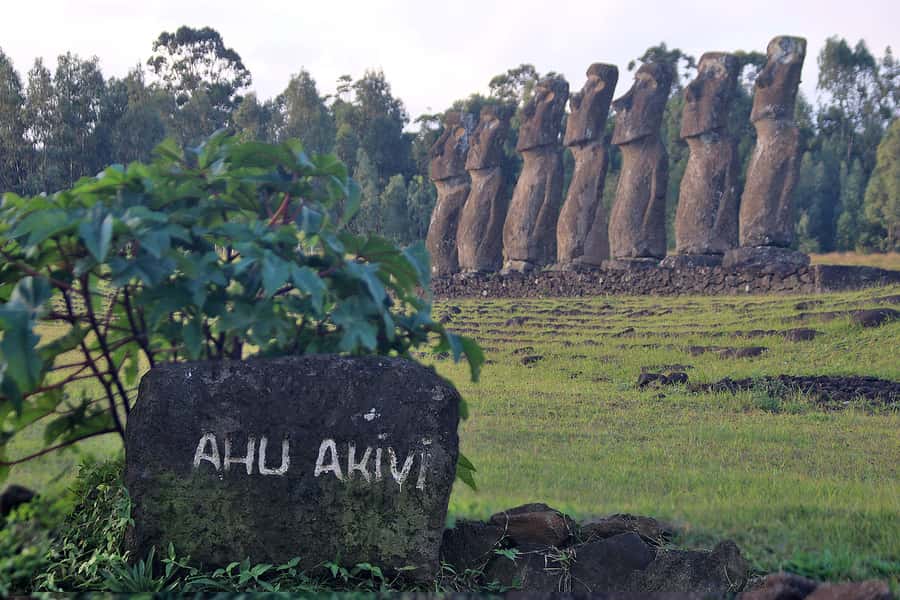
The half-day start takes you to Ahu Akivi, known for being one of the few places where the moai face the ocean. That detail alone changes how you experience it. You are not looking at statues turned inward, you are reading them as part of a wider seascape and navigation in ancient life.
The guide frames Ahu Akivi through the legend of the seven explorers linked to King Hotu Matu’a before his colonization voyage. That myth-to-stone connection is the kind of context that makes the platform feel purposeful, not random.
From there you move toward Puna Pau, a small volcanic crater with red slag. This is where the pukao were made, the “hats” that top the moai. Seeing where the materials came from helps you understand why some moai look like complete figures while others are missing their tops today.
Puna Pau and Ahu Uri Aurenga: winter solstice direction and fishing taboos
The stop at Ahu Uri Aurenga brings a different kind of detail to the day. This platform has a single statue, but its big claim is orientation, in line with the winter solstice. In the guide’s telling, it marks not only the start of the season (tonga), but also the time for different taboos that governed fishing and other activities.
You also get an astronomical angle. Uri Aurenga faces east and aligns with neighboring hills, including Maunga Mataengo and Maunga Tararaina, plus nearby smaller ahu. It is one of those experiences where you start noticing lines, not just sculptures.
If you love the “why here, why this way” side of history, this segment is a standout.
Half-day Orongo: Vinapu’s fitted basalt slabs and how Rano Kau feels in person
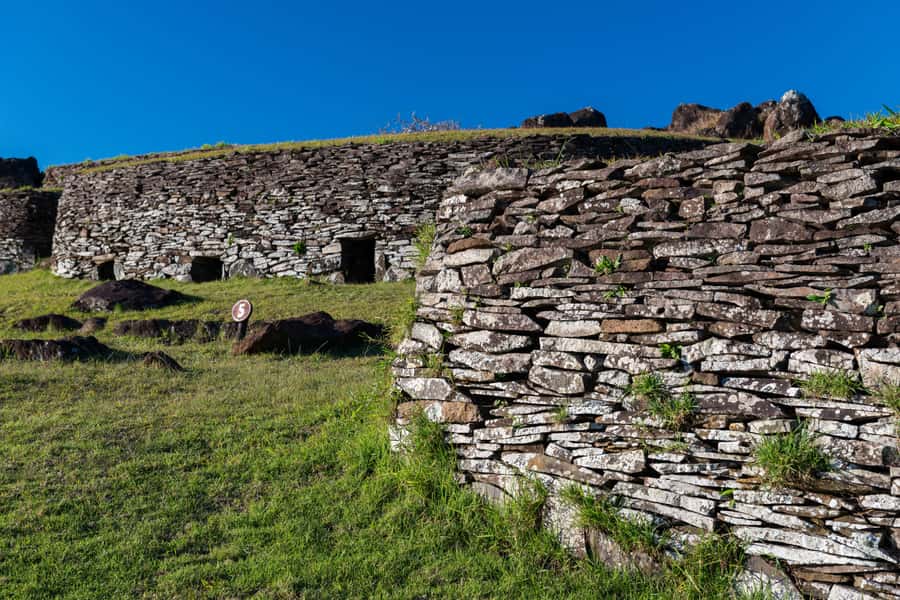
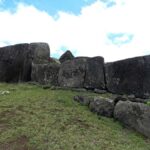
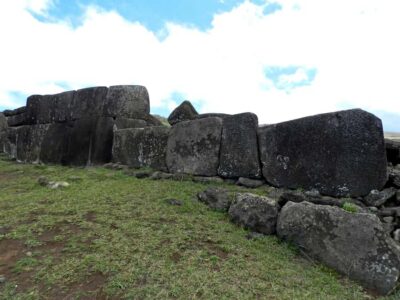
After the first day’s moai-and-materials focus, the Orongo half-day shifts to buildings, water, and ceremony. The first key stop is Vinapu, an archaeological sector known for its large basalt roof tiles that fit together in a way that has been compared to Inca-style construction at Machu Picchu.
Even if you have seen impressive masonry elsewhere, Vinapu has a useful effect. It reminds you these sites were not just stone piles. People worked carefully with heavy materials, and the fitting shows planning.
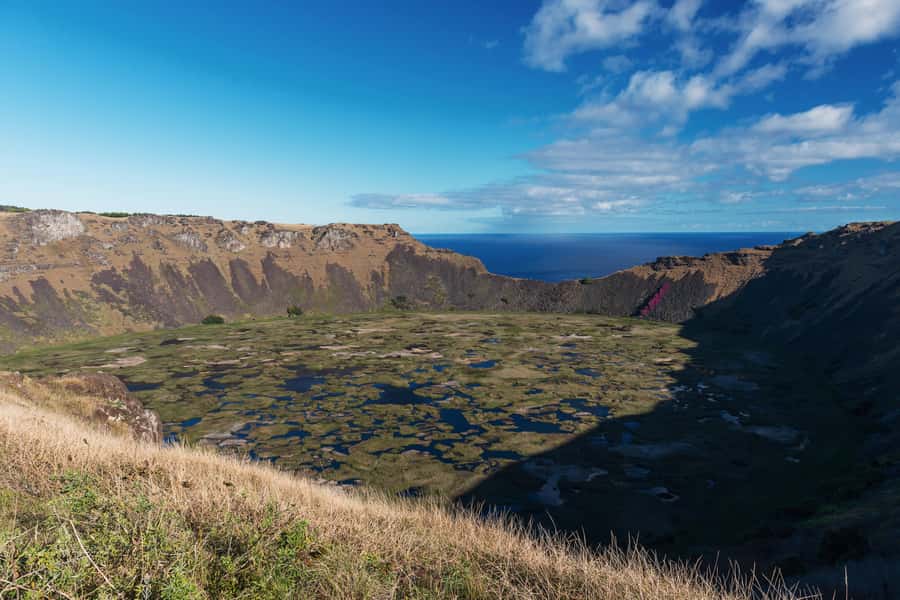
Next comes Rano Kau, where you will find a lake with small islands of reeds and areas of lush vegetation. It also has micro-fauna, which is a nice reminder that these volcanic basins are living ecosystems, not only ruins.
Orongo ceremonial village and the Birdman contest zone
The half-day ends in Orongo, the ceremonial village tied to the Birdman contest. This is where Rapa Nui shifts from “moai everywhere” to “a whole different ritual geography.”
Orongo helps you understand that the island’s culture was not only about statues on platforms. There was a seasonal rhythm, a ceremonial system, and a place designed for it. Even if you do not know the details in advance, the guide’s story gives you hooks you can remember after you leave.
One more plus: the whole day has a sensible flow. You cover big names like Vinapu and Rano Kau without feeling like you are being dropped into a museum queue.
Full day east-side hits: Ahu Vaihu, Akahanga, Rano Raraku, and Anakena
The full-day tour is where the island’s drama peaks. You travel across the east side to several platforms and volcanic zones, ending with Anakena, a beach that is famous for its combination of sand beauty and moai presence.
The day starts with Ahu Vaihu and Ahu Akahanga. These are described as temples built as stone altars or platforms where moais and pukao were gathered. That matters because it connects the “hat making” story from Puna Pau to the wider movement of ceremonial objects.
Rano Raraku: the moai workshop crater with a lagoon inside
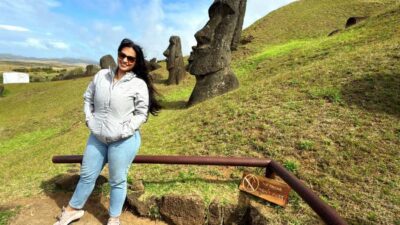
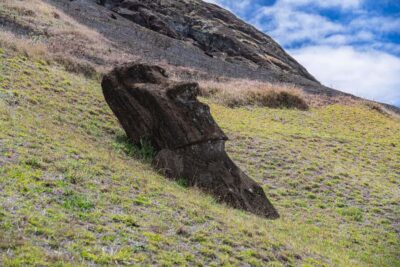
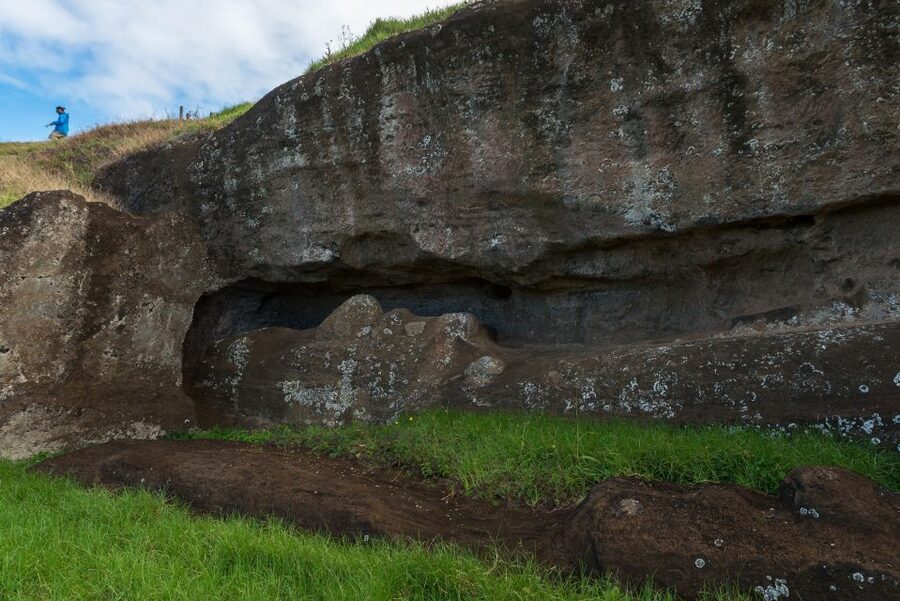
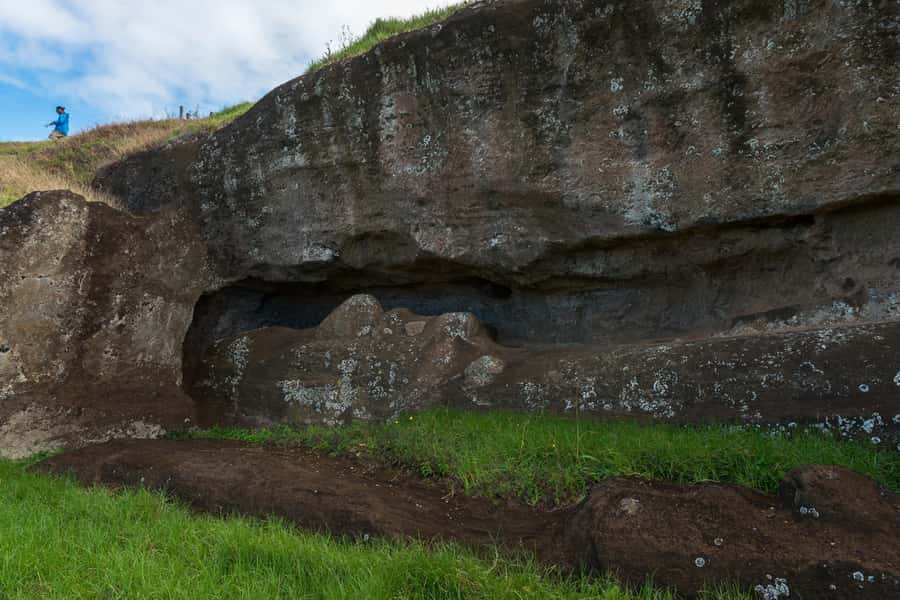
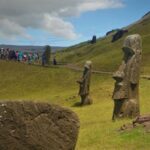
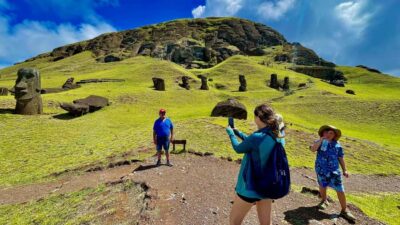
Then you arrive at Rano Raraku, a volcanic crater formed by consolidated ash, with a lagoon. The island’s moai-making history is right here, because moais were sculpted on the slopes.
The program gives you a hard number: 397 moais remain at the quarry slopes. That statistic changes the vibe of the crater. It stops being just a viewpoint and becomes an open workshop, with tools, unfinished pieces, and a landscape of creation.
If you like archaeology, this is the part you will remember long after the photos. You start seeing the quarry work as an engineering challenge, not a vague “they carved stones” idea.
Ahu Tongariki and Te Pito Kura: 15 moai scale versus the massive Moai Paro
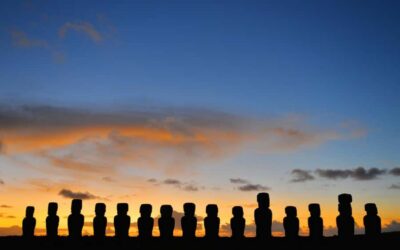
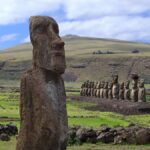
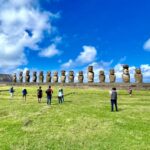
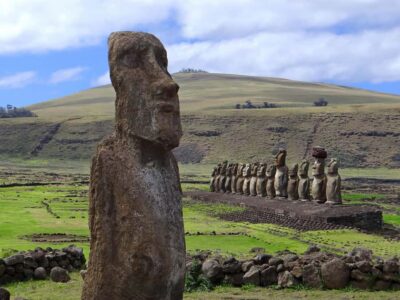
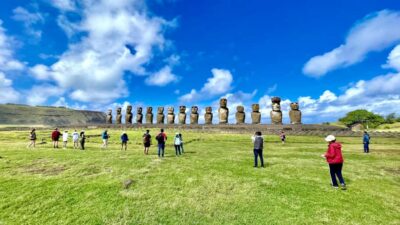
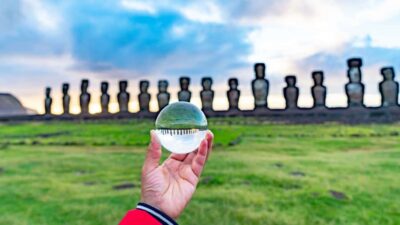
After Rano Raraku, the moai stage shifts to big ceremonial platforms. Ahu Tongariki is the famous one for having 15 huge moai. It is the kind of place where the scale hits you even if you have already seen moai photos.
Then the tour makes sure you do not miss Te Pito Kura, tied to the largest erected moai, the Moai Paro. The details are striking: it is about 10 meters high and weighs around 85 tons. That is a lot of power in a single sentence, and it helps you grasp why these monuments took serious planning.
Right next to Te Pito Kura is the spherical stone called Te Pito o Te Henua, identified as the navel of the world. Even if you treat it as symbolic rather than literal, it adds a philosophical layer to the day.
Anakena beach: classic views plus moai facing away from the sea
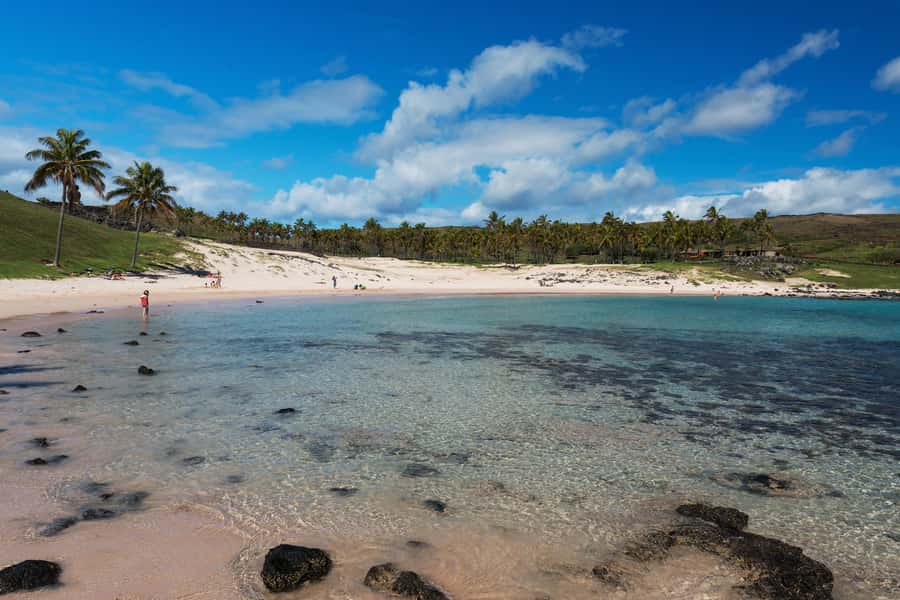
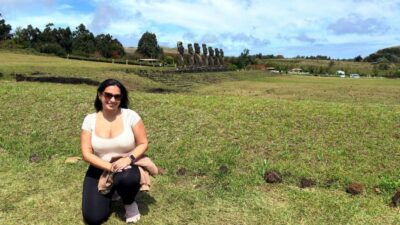
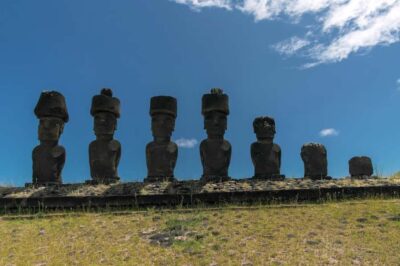
The day closes with Anakena, the island’s most popular beach. It is easy to see why. You get the signature palm-and-sand feel, and you also get the special touch: a row of moai that turn their backs to the sea.
That choice of orientation is a good capstone for everything you learned earlier. Earlier you saw moai facing ocean (Ahu Akivi). Here you see a reverse relationship. The island seems to play with direction as part of meaning.
What makes the guides effective, based on real-world cues
The biggest reason this program rates high is communication and pacing. The tours are run by live guides speaking English and Spanish, and the small group size helps the guide answer questions without rushing.
Guide names that show up in experience feedback include Ugo for a day tour and Jaime for another, plus Gennaro credited for an incredible guide experience in one case. You are not relying on a scripted audio track, which matters on Rapa Nui where details like orientations, seasonal markers, and material sourcing change how you interpret the sites.
I also appreciate the practical side. One highlight from the experience feedback is that there are breaks with decent bathroom facilities, and the day does not feel like a stress test. Another is punctual pickup behavior.
Practical tip: you should wait in the hotel lobby 10 minutes before pickup. When you are in a small group schedule, those early minutes help everything run smoothly.
Value check: is $220 for 2 days worth it?
At $220 per person for a 2-day program, you are paying for three guided experiences that cover the island’s major archaeological zones. The value comes from the “coverage per day” and the guide context, especially when you see the links between places.
But budget for what is not included. National Park tickets are not included, and neither are food and drinks. Also, pickup and drop-off from Explora Hotel is not included, which can affect where you meet the group.
So the true cost is really: tour price plus park ticket plus meals and snacks. If you compare that to booking separate private tours or spending full days on transportation with limited guidance, this format usually works out well for most short-stay visitors.
I also like the risk-reducer options that make planning easier, including the ability to cancel within a window for a full refund, and the reserve now, pay later approach.
Timing and which days you should pick
The tours run on specific weekday patterns:
- Ahu Akivi is available Monday, Wednesday, and Friday
- Orongo is available Monday, Wednesday, and Friday
- The Full Day Anakena tour runs Tuesday, Thursday, and Saturday
Because the full day is only on certain days, you want to build your Easter Island plan around those blocks. If you are choosing between starting days, pick the combination that lets you catch the full-day itinerary plus one of the half-day options.
How to get the most out of the moai platforms and volcanic sites
Rapa Nui is sun and rock, so plan like it is a physical day. Wear comfortable, grippy shoes for uneven terrain and limestone dust. Bring sunscreen and a hat, since you will be outdoors for long stretches.
Also, do not treat the itinerary like a checklist. The most satisfying moments tend to happen when you connect the dots:
- Materials and manufacturing, from Puna Pau to pukao
- Orientation and seasons, from Ahu Uri Aurenga winter solstice alignment to fishing taboos
- Creation and quarry logic, from Rano Raraku to the remaining moai there
- Ritual geography, from Orongo and the Birdman contest setting to the island’s seasonal feel
If you go in curious and ask the guide why directions matter, you will come away with a clearer mental map.
Who should book this program
This program fits best if you:
- Want the major Rapa Nui sites in two days without a car rental
- Like guided context, especially the mix of myth, orientation, and construction detail
- Prefer small group energy, max 15 people
- Are comfortable with walking at archaeological sites
It is not suitable for wheelchair users, pregnant women, and cruise ship guests.
Should you book Rapa Nui Highlights Program in 2 days?
If you have limited time on the island and you want your effort to translate into real understanding, I think this is a strong booking. The mix of Ahu Akivi plus Ahu Uri Aurenga, the Orongo ceremonial world, and the Rano Raraku to Anakena full day covers the island’s story from several angles.
Book it if you value efficient coverage and a guide who can explain the meaning behind moai direction, seasonal markers, and the materials that shaped the final look. Skip it if you have mobility constraints that make uneven ground difficult, or if you want total independence with no group pacing.
If you do book, I suggest you pack a simple day kit: water, snacks, sun protection, and your park ticket plan. Then show up ready to look past the obvious and focus on the details the guides point out, because that is where Rapa Nui gets interesting fast.
FAQ
How long is the Rapa Nui Highlights Program?
It lasts 2 days.
What does the program cost?
The price is $220 per person.
What languages are the guides?
The tours are guided in English and Spanish.
How many people are in the group?
The program is a small group with a limit of 15 participants.
What is included and what is not included?
Included: the three guided experiences. Not included: National Park ticket, food and drinks, and pickup and drop-off from Explora Hotel.
Which days are each tour available?
Ahu Akivi is available Monday, Wednesday, and Friday. Orongo is available Monday, Wednesday, and Friday. The full day Anakena tour is available Tuesday, Thursday, and Saturday.
Is this tour suitable for wheelchair users or pregnant women?
No. It is not suitable for wheelchair users or pregnant women. It is also not suitable for cruise ship guests.
The Rest Of Our Chile Tours

Everything Else We Have Reviewed In Chile

Rapa Nui, Three More Ways
Not quite it? Here is the rest of what we have reviewed around Chile

More in Easter Island & the Moai.
 ★ 4.6Rapa Nui Culture Sightseeing TourFrom $80307 reviews
 ★ 4.3Easter Island Highlights 2-Day TourFrom $170205 reviews
 ★ 4.5Easter Island Sightseeing Full Day TourFrom $70189 reviews
 ★ 4.3Journey from Orongo to Ana Te PahuFrom $7075 reviews
 ★ 4.5Rapa Nui StargazingFrom $14062 reviews
 ★ 4.8Two days of Full Day Tour of Rapa Nui + Sunrise in TongarikiFrom $25055 reviews
 ★ 5.0Half Day Tour in Rapa NuiFrom $1,50048 reviews
 ★ 4.5Sunrise Tongariki: Sunrise at Tongariki Park Private TourFrom $12047 reviews
Browse the lists this tour appears in