
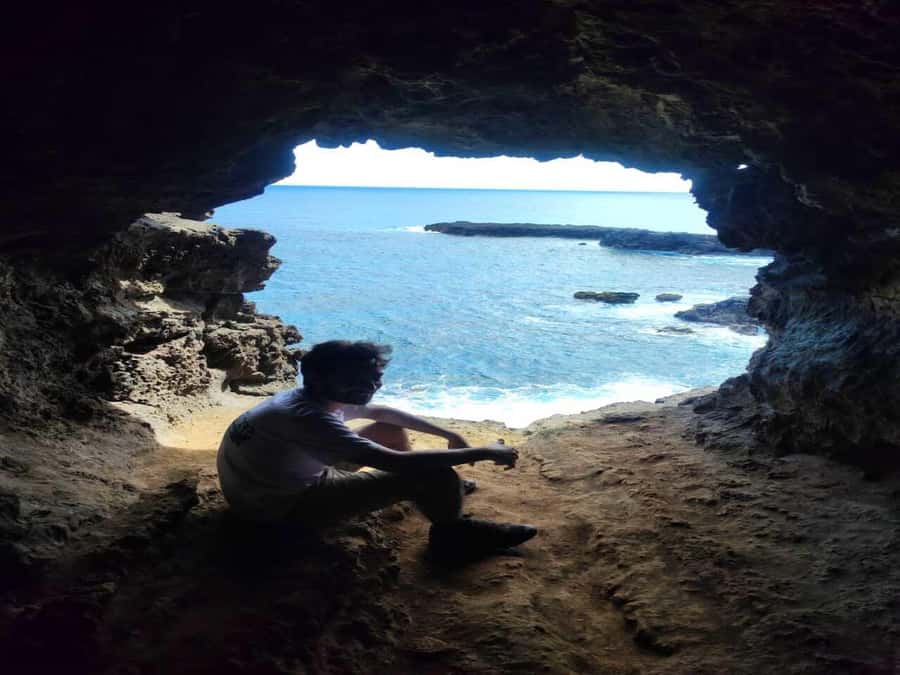
Review · RAPA NUI
Private Tour: The Underground World of Rapa Nui Caves
You walk into Rapa Nui’s underworld. This private tour links volcanic caves, sacred stone, and coastal views, guided by a native host who keeps the story grounded in Rapa Nui life and beliefs. Lava tubes and ceremonial stops make it feel like you are moving through layers of the island at once.
I love the way the Ana Kakenga lava tube turns geology into something you can actually feel, cool and dark, with formations you notice more closely by lantern light. I also like how the Ahu Te Peu moai platform is explained so the stones feel connected to rituals, not just famous statues.
One consideration: a couple of cave entrances can be tight, so you may need to crouch or even crawl. Plan for that with comfortable shoes and clothes you can move in.
In This Review
- Key points to know before you go
- The Underground World of Rapa Nui Caves: why it works as a half-day
- Ana Kakenga lava tube: your first walk into volcanic time
- Ana Te Pora: light, shadow, and the cultural story behind the cave
- Ahu Te Peu moai platform: sacred stone and what craftsmanship meant
- Ana Te Pahu and the sound of the past
- Coastal vistas and the relaxed rhythm of the route
- Native guide hospitality: what you should expect from the human part
- Price and value at $150 per person
- What to bring, and how to prep for tight cave entrances
- Who this private Rapa Nui cave tour suits best
- Should you book the Underground World of Rapa Nui Caves?
- FAQ
- How long is the private tour?
- Is this tour private or shared?
- What languages is the live guide available in?
- What is included in the tour price?
- Do I need to buy the National Park ticket separately?
- What should I bring?
- Are lanterns provided for the caves?
- Is there rain protection if the weather turns?
- What is the cancellation policy?
Key points to know before you go
- Ana Kakenga lava tube first: a cool start that sets the tone for the underground world.
- Lantern-led caves: you get the lighting you need to see formations up close.
- Ana Te Pora and Rapa Nui beliefs: light, shadow, and cultural meaning go together.
- Ahu Te Peu moai platform: craftsmanship and ceremonial purpose explained at human scale.
- Ana Te Pahu natural acoustics: sound helps you feel the island’s past.
- Coastal cliff scenery: the tour is not all underground, and the pace stays relaxed.
Deeper into Rapa Nui: the other island tours
- Rapa Nui Stargazing
★ 4.5 · 62 reviews - Half Day Tour in Rapa Nui
★ 5.0 · 48 reviews - Terevaka Horse Excursion: The highest point and 360° view.
★ 4.7 · 38 reviews - Adventures in Rapa Nui: High-quality tourism with Easter Island Your Tour.
★ 4.9 · 28 reviews
The Underground World of Rapa Nui Caves: why it works as a half-day
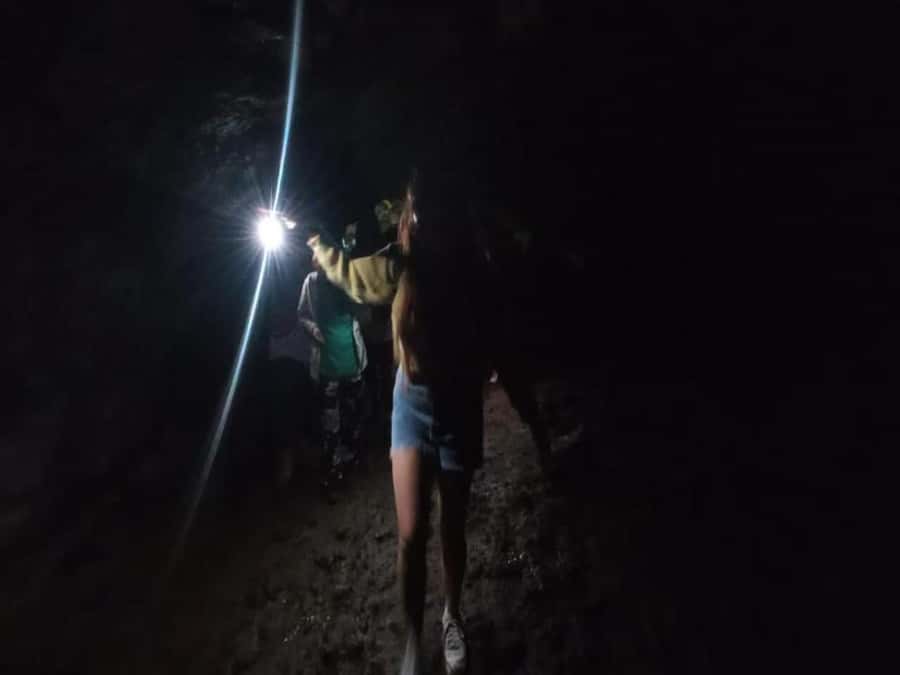
Rapa Nui is famous for moai, but the island has another side that is just as memorable if you like your history to have texture. This 5-hour private outing is built around the island’s volcanic plumbing, lava tubes that formed when ancient eruptions shaped tunnels later carved by time. You are not just walking from one sight to another. You are moving between spaces that feel different in temperature, sound, and mood.
For me, the best part is that the tour treats the caves and the moai sites as connected. The guide links the physical setting, the island’s volcanic origin, and the cultural meaning of sacred places. That is a big value-add versus a checklist approach.
Another reason it works well: you get a true change of scenery in one outing. Yes, you go underground. You also get coastal views along the way, so the day does not feel one-note. It stays adventurous, but not exhausting.
Ana Kakenga lava tube: your first walk into volcanic time
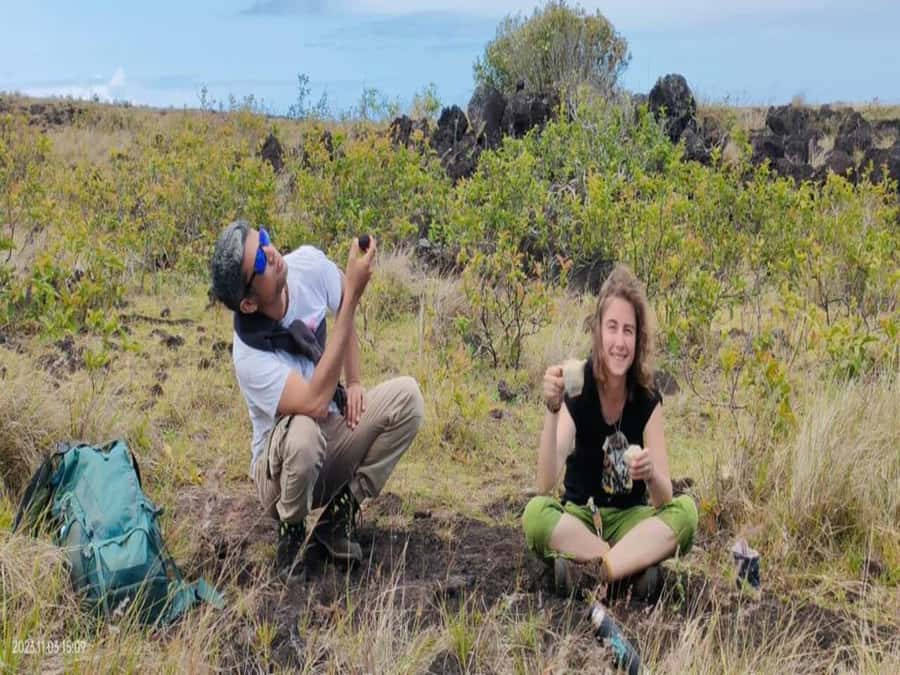
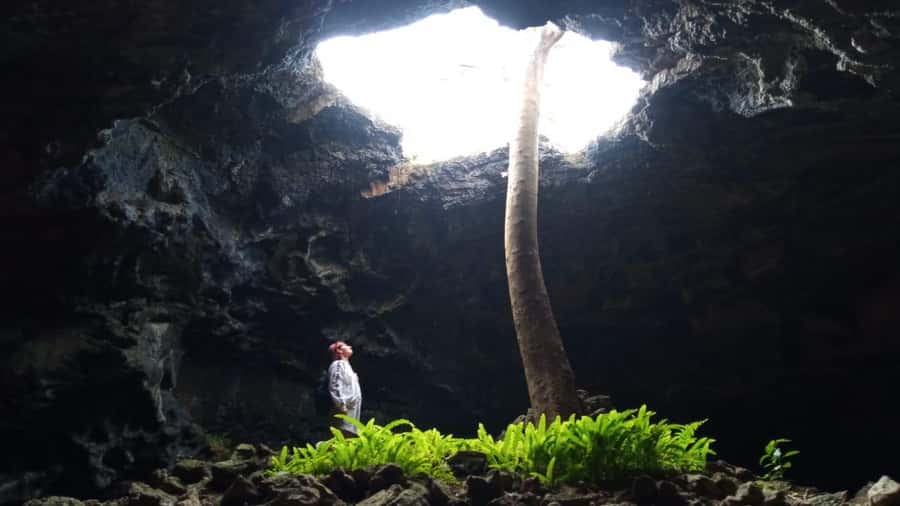
The tour begins at Ana Kakenga, the kind of cave stop that immediately reframes the island. Outside, Rapa Nui can feel sun-bright and open. Inside the lava tube, the air feels cooler and the light changes everything. You will walk into a tunnel formed by old volcanic activity, where nature has added its own artwork over centuries.
What makes Ana Kakenga special is how practical the experience feels. You have lanterns, so you are not depending on weak daylight to make sense of shapes. With the extra light, you start noticing the details of the cave walls and the way formations catch and break the shadows.
This is also where the tour’s pace starts to make sense. You are not racing. You are getting time to look, listen, and ask questions, and the guide can point out what matters about the space rather than just saying it is a cave.
Small heads up: if you are claustrophobic or you prefer wide, open spaces, think about the tightness issue early. One or two entrances can require bending, and you might need to move carefully. Good grip shoes help a lot.
Ana Te Pora: light, shadow, and the cultural story behind the cave
After Ana Kakenga, you head to Ana Te Pora, another lava cave with a strong sense of atmosphere. This stop leans into what the island does well, turning simple darkness into a visual experience. The guide pays attention to the way light and shadow behave in the cave, which helps you see why people have long treated places like this as more than geography.
Ana Te Pora also brings the cultural side into clearer focus. You will learn why the caves mattered to the ancient Rapa Nui people, with explanations that connect the subterranean world to belief and practice. Instead of feeling like you are only learning about rocks, you are understanding why these spaces carried meaning.
For you, that means the tour will probably feel more personal. It is easier to remember moments when they have a “why” attached. Even if geology is not usually your thing, the combination of physical setting plus cultural interpretation makes it click.
If you like quiet experiences, you are in luck. This part of the tour tends to feel calm once you are inside, and the guide’s approach helps the cave become an experience you can slow down inside, not a line you push through.
Other private runs through Chile
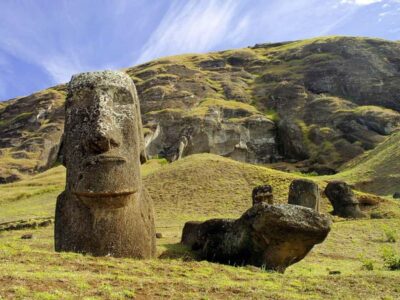
Ahu Te Peu moai platform: sacred stone and what craftsmanship meant
Next comes Ahu Te Peu, a sacred site where moai figures are part of an older ceremonial system. This section shifts you from inside the cave to the kind of place where people gathered. That contrast matters. You can feel how the island’s spiritual landscape works across environments, not just at one signature location.
At Ahu Te Peu, you will explore the remnants of the ceremonial platform and hear how the moai were crafted with meticulous effort. The guide also explains the rituals and ceremonies that once took place there, which helps you understand why the moai are more than famous faces.
I like this stop because it grounds the adventure. After crawling and crouching through volcanic tunnels, you end up back in the context of community and ceremony. You start to connect the caves to the broader way the island organized meaning in stone.
Practical detail: you will be outside for this part of the tour, so sunscreen and comfortable clothes matter. The cave experience can be cool and dim, then the sunlight returns fast, and you will want to be ready.
Ana Te Pahu and the sound of the past
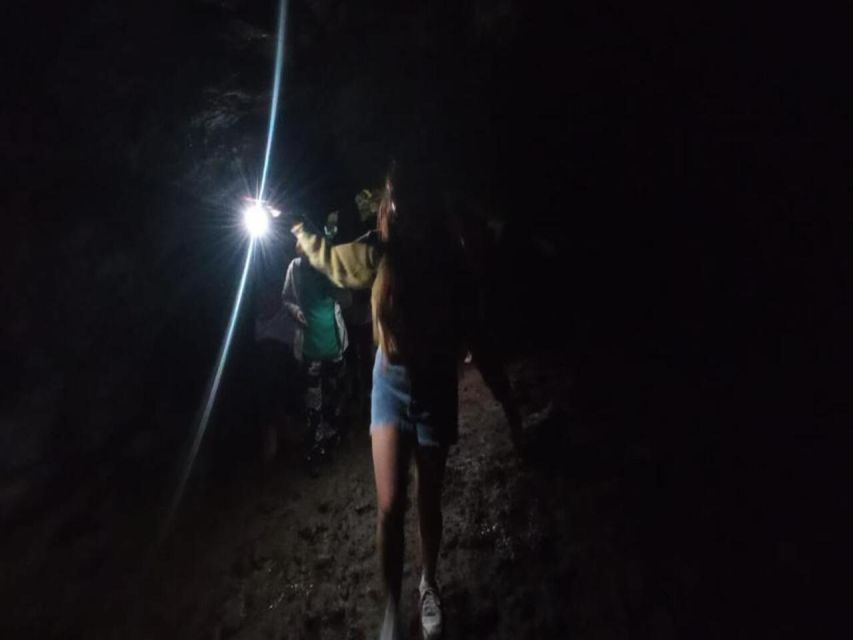
The final cave stop is Ana Te Pahu, a cave with a different kind of pull. This one comes with historical resonance and a sensory twist: natural acoustics. That means the cave can change how sound travels, and you will get a moment where the space itself becomes part of the experience.
For me, sound-based moments stick. They are not just visual. They make the cave feel alive, and they help you understand why people might have treated caves as special places even beyond their physical features.
Your guide will narrate stories about the island’s past as you move through the cave. The combination of narrative plus the cave’s natural acoustics helps you “place” the moment in your mind. It is a simple concept, but it works well because you are not only hearing facts, you are experiencing the environment those facts relate to.
Again, consider the movement factor. Caves can be uneven and you may need to handle your body carefully in tighter sections. You do not want to be thinking about your footing while you should be focused on the guide’s story.
Coastal vistas and the relaxed rhythm of the route
Even though this is a cave-focused tour, it does not ignore the island’s coastal beauty. Along the way, you get views from the coastline and cliff areas, which is a big part of why the experience feels balanced.
This is also where the tour’s “adventure but not stressful” rhythm shows up. The walk segments can feel peaceful, more like a slow scenic approach than a forced march. That matters on Rapa Nui, where the weather can shift and the sun can feel intense.
If you are the type who likes to take photos but hates sprinting between stops, you will probably enjoy this rhythm. The route gives you time to look, breathe, and then move back into the underground world.
Native guide hospitality: what you should expect from the human part
A big reason this tour lands well is the native guide element. You get more than translations of facts. You get a personal way of explaining how the island connects geology, sacred sites, and everyday understanding.
The guide’s job here is especially important because the stops can feel abstract if you only see the physical pieces. Lava tubes can look like “cool caves,” moai sites can look like “cool ruins.” When the guide explains the cultural significance and ties the spaces together, everything starts to feel coherent.
Language options are also clear. The tour runs with live interpretation in English and Spanish, so you can follow the story without guessing. For a private experience, this matters because you can ask questions when something clicks in your head.
Price and value at $150 per person
At $150 per person, you are paying for a private, guided half-day with real logistics built in. That includes transportation, pick up and drop off, and the key gear for the caves: lanterns plus a rain cape.
When I look at value on tours like this, I ask one question: what are you saving yourself? Here, you are saving time and confusion. Getting access and guidance for multiple cave sites is not the kind of thing you casually piece together alone, and the included gear makes it easier to focus on the experience rather than preparation.
One cost to plan for separately: the National Park ticket is not included. If you want to avoid last-minute hassle, budget for that upfront.
If your goal is a “big Rapa Nui day” without spending your whole daylight schedule, this is one of the better ways to do it. Five hours is long enough to feel substantial, but short enough that you do not feel worn out by the end.
What to bring, and how to prep for tight cave entrances
The tour gives you lanterns and a rain cape, but your comfort depends on what you wear. Bring comfortable shoes with grip. If cave entrances get tight, you will want to move easily without risking slips.
Wear comfortable clothes you can bend and crouch in. You will also want sunscreen, because parts of the tour are outdoors with open sky and coastal views.
If you are sensitive to enclosed spaces, mentally prepare for that in advance. A couple of cave entry points can be small, and the practical reality is that you may need to crawl or at least shuffle through awkward angles. Going in prepared is the difference between “I’m glad I did this” and “I spent the whole time worried.”
Who this private Rapa Nui cave tour suits best
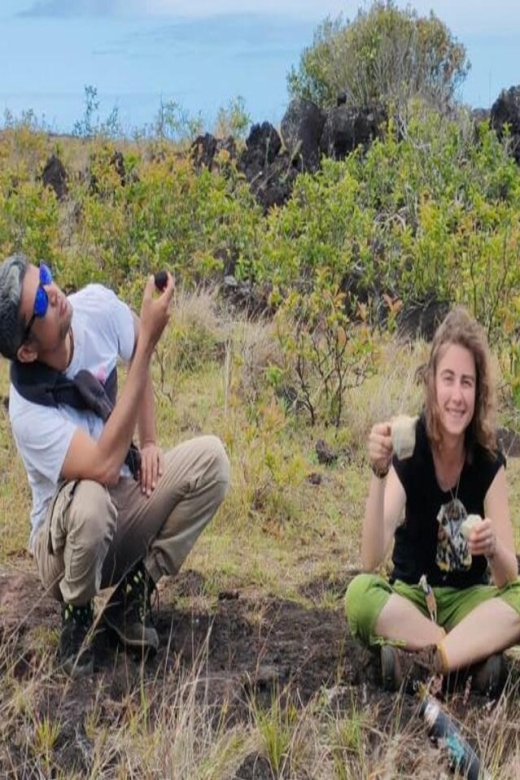
This tour is a strong fit if you:
- Want a private experience with a native guide and time for questions.
- Like geology and want it explained through culture, not just dates and formations.
- Prefer a half-day outing that mixes underground adventure with coastal scenery.
- Enjoy calm, story-led travel more than fast photo stops.
It may be less ideal if you dislike enclosed spaces, have mobility concerns, or you want only wide, easy terrain. The tour is built around cave entry, and some sections can require careful movement.
Should you book the Underground World of Rapa Nui Caves?
If you want the real Rapa Nui feeling beyond the signature moai views, I think you should seriously consider booking. This tour connects volcanic caves like Ana Kakenga and Ana Te Pora with sacred context at Ahu Te Peu, then finishes with Ana Te Pahu and its memorable acoustics. It is the kind of experience that makes the island feel layered, not just photographed.
Book it if you are comfortable with the idea of tight cave entrances and you want a guided story that brings meaning to both underground and above-ground sites. Skip it if you only want open, wide spaces, because the caves are part of the whole point.
If you are ready for an island that changes mood as you go, this is a great use of your time.
FAQ
How long is the private tour?
The tour duration is 5 hours.
Is this tour private or shared?
It is a private group experience.
What languages is the live guide available in?
The live tour guide speaks English and Spanish.
What is included in the tour price?
It includes a native guide, transportation, lanterns, pick up, drop off, and a rain cape.
Do I need to buy the National Park ticket separately?
Yes. The National Park ticket is not included.
What should I bring?
Bring comfortable shoes, sunscreen, and comfortable clothes.
Are lanterns provided for the caves?
Yes, lanterns are included.
Is there rain protection if the weather turns?
A rain cape is included.
What is the cancellation policy?
You can cancel up to 24 hours in advance for a full refund.
The Rest Of Our Chile Tours
Everything Else We Have Reviewed In Chile
Rapa Nui, Three More Ways

Not quite it? Here is the rest of what we have reviewed around Chile
More in Easter Island & the Moai.
 ★ 4.6Rapa Nui Culture Sightseeing TourFrom $80307 reviews
 ★ 4.3Easter Island Highlights 2-Day TourFrom $170205 reviews
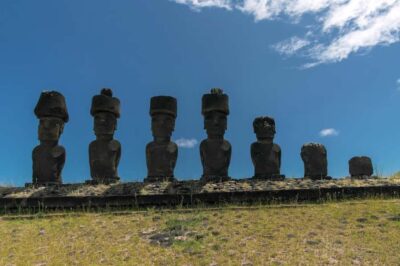 ★ 4.5Easter Island Sightseeing Full Day TourFrom $70189 reviews
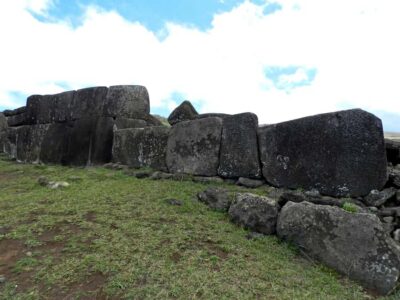 ★ 4.3Journey from Orongo to Ana Te PahuFrom $7075 reviews
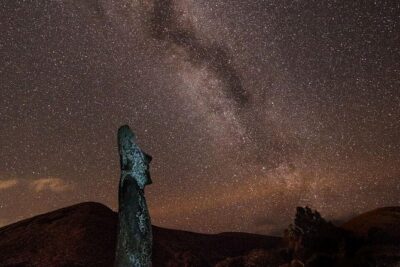 ★ 4.5Rapa Nui StargazingFrom $14062 reviews
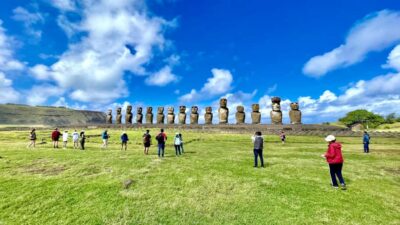 ★ 4.8Two days of Full Day Tour of Rapa Nui + Sunrise in TongarikiFrom $25055 reviews
 ★ 5.0Half Day Tour in Rapa NuiFrom $1,50048 reviews
 ★ 4.5Sunrise Tongariki: Sunrise at Tongariki Park Private TourFrom $12047 reviews
Browse the lists this tour appears in