
Review · RAPA NUI
Easter Island: Moai Full Day Private Tour
Moai secrets, packed into one clean route. I like how this private day threads mysterious Ahu sites with the island’s biggest Moai moments, from Ahu Vinapu to Ahu Tongariki, without turning the day into a blur. You also get a smart mix of the famous stops and the less-visited places that feel more personal and more puzzling.
I love that the guide explains what you’re seeing in plain, human terms, not just statue trivia. And I really appreciate the small comfort touch of a private-group pickup and a bottle of water so you start the day ready to move. The main drawback to plan for is that meals and park entries are not included, so you’ll need to budget a bit extra and handle snacks on your own.
In This Review
- Key things I’d write on the back of your ticket
- Moai on Rapa Nui, without the scattershot feeling
- Starting with hotel pickup, and why it changes your day
- Ahu Vinapu: the first “how did they do that?” wall
- Ahu Ahahanga: Moai still sitting like ceremony
- Te Pito Kura: sacred meaning, one of the island’s largest Moai
- One Makihi: the supine Moai stop that changes your perspective
- Ahu Tongariki: 15 Moai in original place
- Rano Raraku, the Moai factory: walking among the work
- Ovahe rose sand, then Anakena beach for the slow landing
- Price and value: $219 for a private, full-day Moai route
- Who this tour fits best (and who might want a different style)
- What to bring so your day feels easy
- Should you book this Easter Island Moai private tour?
- FAQ
- How long is the Easter Island Moai full day private tour?
- Does the tour include hotel pickup and drop-off?
- Is the tour private?
- What languages are the live guides available in?
- Is water provided?
- Are meals included in the price?
- Do I need to pay for park entries?
- What is the cancellation policy?
- Where on the tour can I do snorkeling?
Key things I’d write on the back of your ticket
- Ahu Vinapu’s Inca-like stonework gives you an immediate “wait, what?” moment right away
- Ahu Tongariki’s 15 Moai lets you see the scale of Rapa Nui ceremony in one view
- Te Pito Kura and One Makihi add sacred context beyond the headline sites
- Rano Raraku (the Moai factory) puts you close to how the Moai were built
- Ovahe rose sand and Anakena beach finish the day with relaxed air, views, and water play like snorkeling
Deeper into Rapa Nui: the other island tours
- Rapa Nui Stargazing
★ 4.5 · 62 reviews - Half Day Tour in Rapa Nui
★ 5.0 · 48 reviews - Terevaka Horse Excursion: The highest point and 360° view.
★ 4.7 · 38 reviews - Adventures in Rapa Nui: High-quality tourism with Easter Island Your Tour.
★ 4.9 · 28 reviews
Moai on Rapa Nui, without the scattershot feeling
Rapa Nui is the kind of place that can overwhelm you fast. You arrive, you see the statues, and suddenly you want the whole story, including the odd details that don’t fit into a simple postcard. This full-day private tour is built for that exact feeling. It strings together the island’s big ceremonial anchors and a set of darker, quieter stops that help the Moai make sense as culture, not just stone.
Because it’s private, you also get a more adjustable pace. That matters on Easter Island, where roads and weather can change how long certain spots feel. One guide who impressed with that approach is Enrique, who tailored the day to fit the group’s needs. That kind of flexibility makes the history feel less like a script and more like something you can actually use.
The route also respects what makes Rapa Nui unique: the Moai are not floating icons. They’re tied to where they sit, where stone came from, and how people moved through ceremonial space. You’ll spend real time looking at those connections.
Starting with hotel pickup, and why it changes your day
The tour includes pickup and return to your hotel, which is a bigger deal than it sounds. On Rapa Nui, time is precious because travel distances between major sites add up. When you start with a planned pickup, you avoid that stressful scramble of figuring out transport, meeting points, and the timing math.
You also get one individual bottle of water. It’s not a hydration miracle for a full day, but it’s a helpful start. I suggest you treat that bottle as the first step, not the only step. Bring extra if you know you get thirsty in the sun.
Finally, the guide is a live person in English, French, or Spanish, depending on what you select. That matters because Rapa Nui history is full of uncertainty and interpretation. You’ll get the best experience when you can actually ask questions in the language you’re thinking in.
Ahu Vinapu: the first “how did they do that?” wall
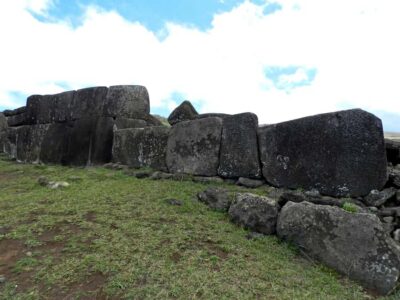
You begin with Ahu Vinapu, and the impact is immediate. This site includes a wall that’s very similar to Inca-style stonework, the kind of tight-fitting masonry that makes you stop walking and stare. Even if you’ve seen other megalithic sites elsewhere, there’s something about the way this wall looks in the Rapa Nui setting that feels unusual.
What I like about starting here is that it reframes the day early. Yes, you’re here for Moai. But you’re also here for the broader human story, the engineering choices, and the way different cultures and styles can echo through time. Ahu Vinapu sets a tone of mystery without needing long lectures.
Potential downside: it’s a good “first stop,” but it can also set a high bar for the rest of the day. If you’re the type who loves variety, you’ll want to keep your eyes open at every subsequent Ahu rather than waiting for the next wow moment.
Other private runs through Chile
Ahu Ahahanga: Moai still sitting like ceremony
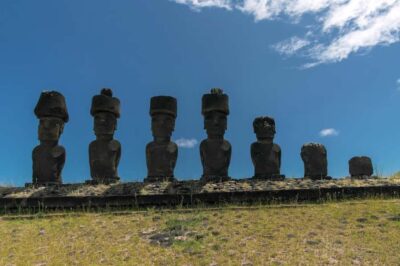
Next comes Ahu Ahahanga, where you can see Moai in their original positions raised on a ceremonial platform. This is where the tour shifts from “look at the stone” to “understand the placement.”
When Moai are upright on a platform, you can feel the intended relationship between people, landscape, and ritual space. Even without deep technical detail, placement gives you clues. You can look for lines of sight, the way the platform frames the statue, and how it changes the atmosphere of the location.
What makes this stop valuable for your brain: it makes the Moai feel less like objects and more like participants in a ceremony.
Te Pito Kura: sacred meaning, one of the island’s largest Moai
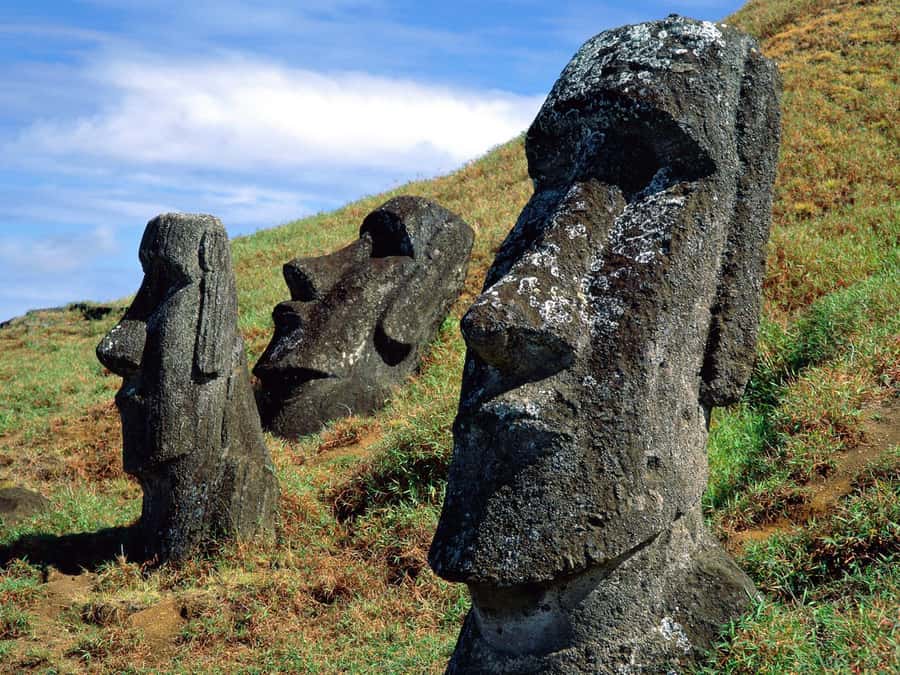
Then you move to Te Pito Kura, described as a sacred place and home to one of the largest Moai on the island. The scale here helps, but the real value is what your guide adds about cultural importance.
Sacred spaces work differently from monuments. They’re not just “impressive.” They’re places with rules, meaning, and memory. When the guide explains why the statues mattered to the Rapa Nui culture, you’ll start connecting dots between different Ahu sites you see later in the day.
Practical note: this is still part of a 7-hour day, so you’ll want to stay present. Don’t treat Te Pito Kura like a photo stop. Pause, look longer than you think you need to, and you’ll understand why this matters.
One Makihi: the supine Moai stop that changes your perspective
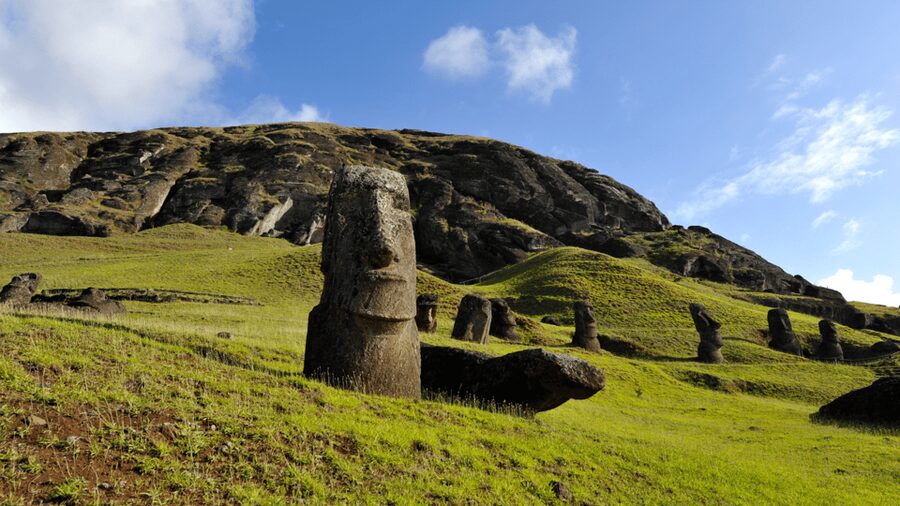
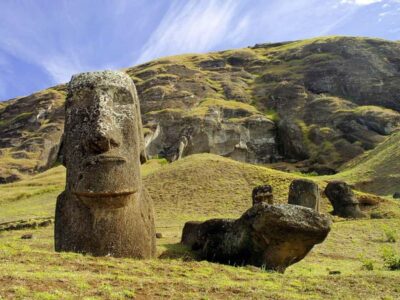
Before Ahu Tongariki, you make a stop at One Makihi, a supine (lying down) form of a finely chiseled Moai.
This is a clever inclusion because it adds a different emotional angle. Standing Moai can feel like triumph. A lying Moai can feel like disruption, change, and loss. One Makihi helps you understand that the Moai story is not only about construction. It’s also about what happened after, and how the island’s people experienced those changes.
If you’re only chasing the most famous images, this stop might feel small at first. But it often becomes one of the most memorable moments because it complicates the story in a useful way.
Ahu Tongariki: 15 Moai in original place
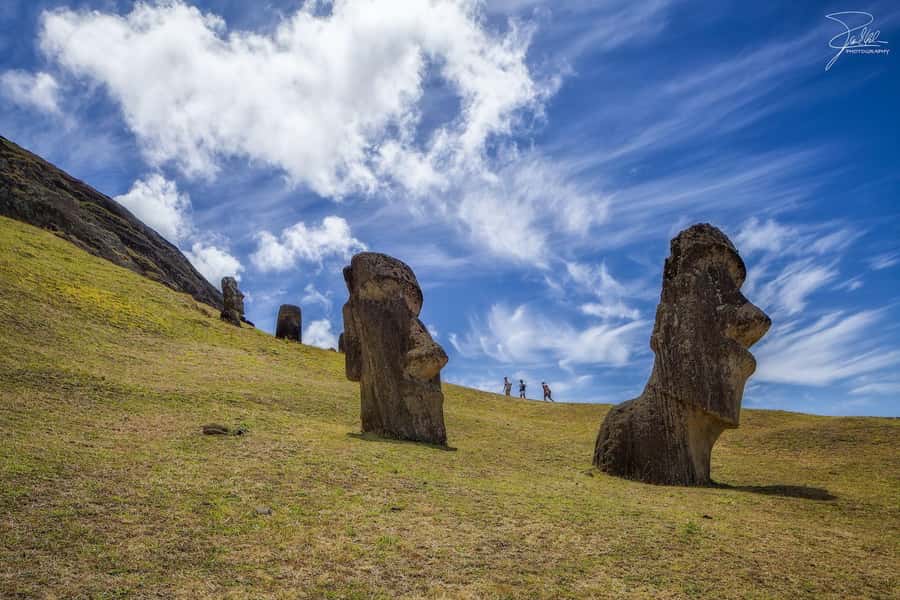
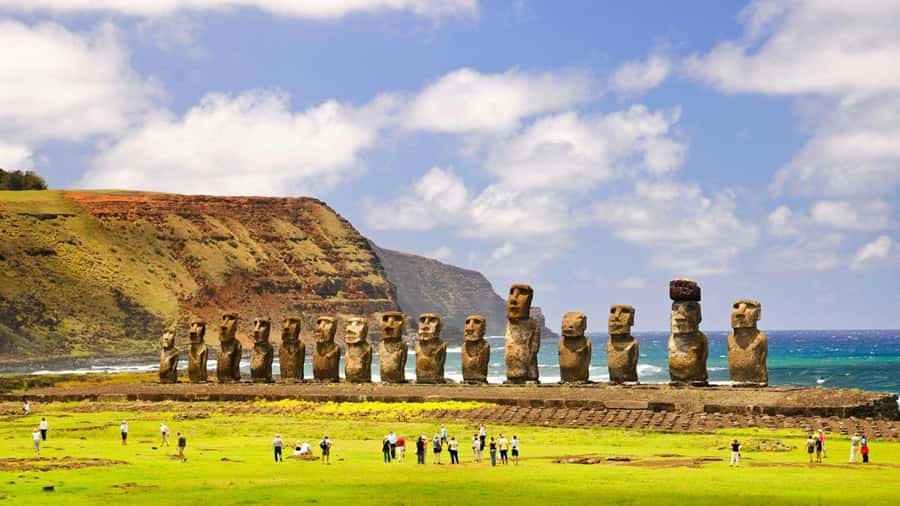
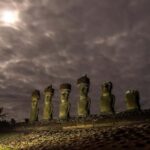
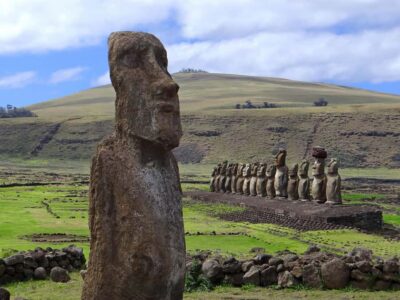
Ahu Tongariki is the headline, and for a reason. It’s the largest group of Moai on the island and one of the most impressive places on Rapa Nui. Here you can see 15 imposing Moai in their original place.
This is where scale turns into meaning. A single Moai can feel powerful. A full ceremonial ensemble is different. You see how the island’s sacred architecture creates a shared statement, and you understand why groups matter in ritual.
What I recommend: give yourself a moment before photos. Look across the line, then look back at the stone details. The Moai are not identical copies, and noticing small differences makes the site feel more alive. When your guide shares the history and meaning, you’ll get more out of it because you’ve already made your own visual comparisons.
Rano Raraku, the Moai factory: walking among the work
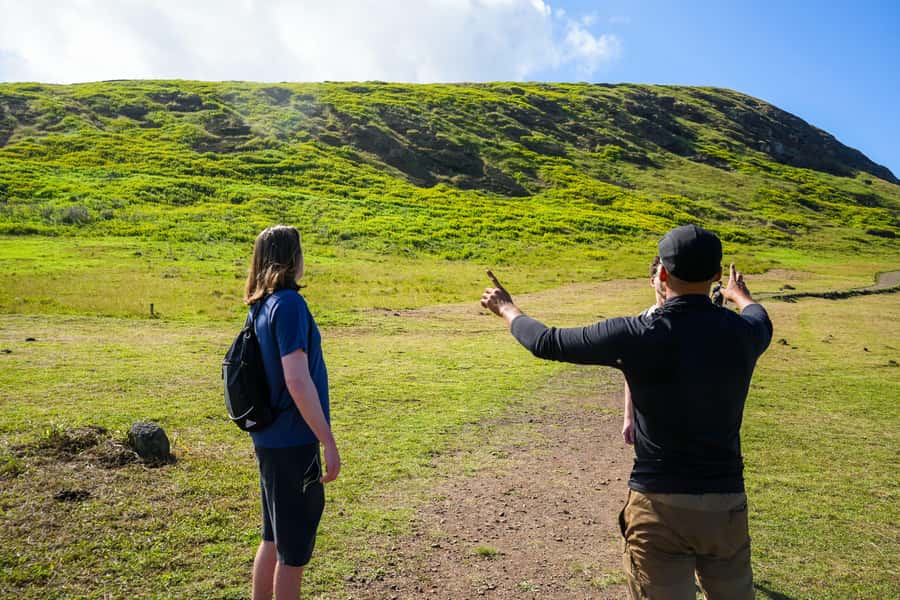
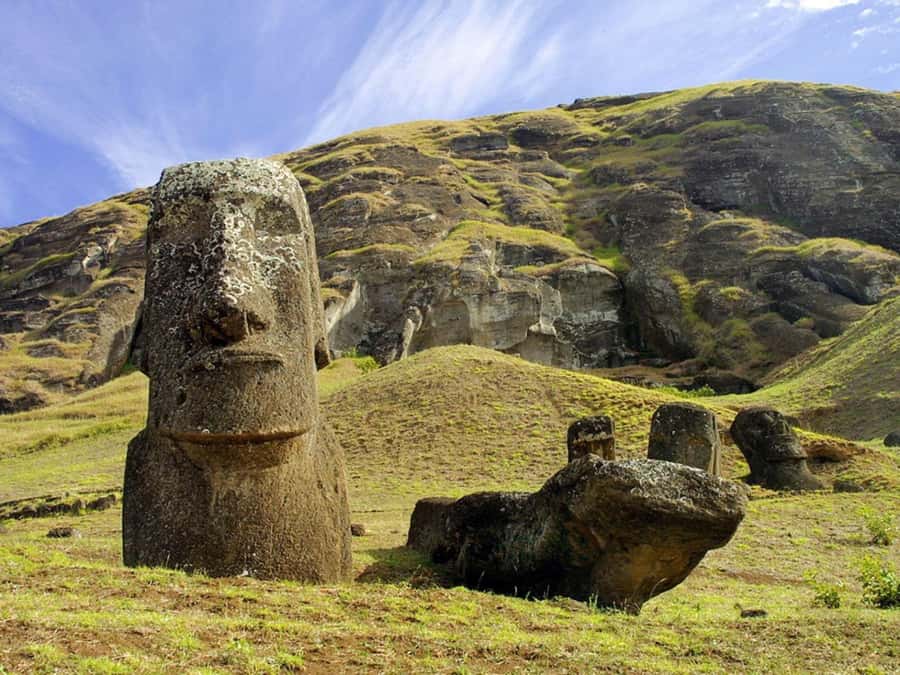
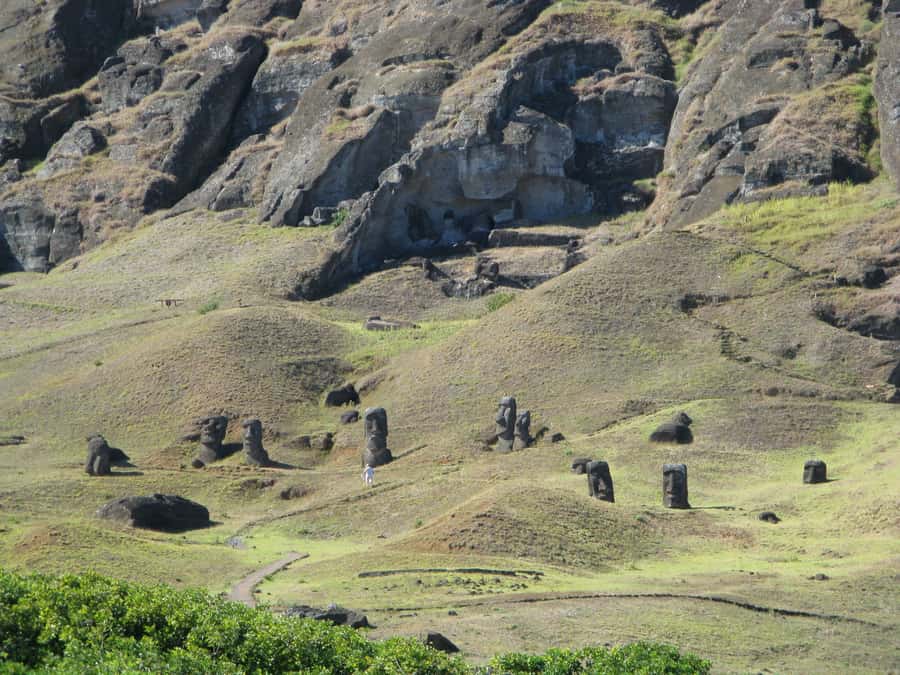
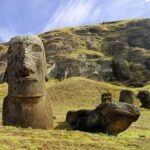
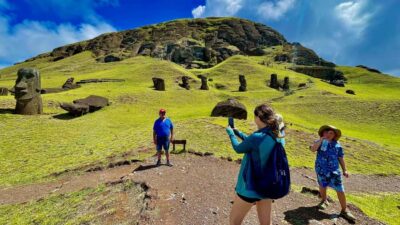
Next you reach Rano Raraku volcano, also known as the Moai factory. This is the part of the tour that tends to feel most practical, because it’s about production, not just display.
You’ll have the unique chance to walk among Moai in the process of being made, which changes how you understand the statues. Up close, you can start imagining the planning, the shaping, and the labor behind the final figures you later see standing.
Why this stop is so valuable: it breaks the illusion that Moai arrived fully formed. You see the workflow. Even if you don’t know the exact methods, the physical evidence helps you understand that this was craft work tied to a specific landscape.
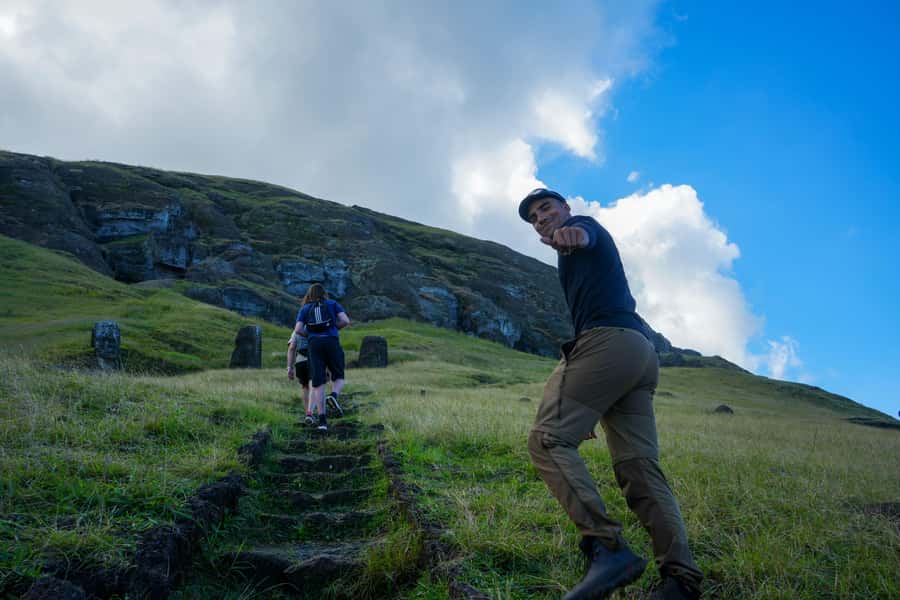
One consideration: expect more uneven ground and walking than the smoother ceremonial areas. If you’re used to easy city walking, bring comfortable shoes and take it steady.
Ovahe rose sand, then Anakena beach for the slow landing
After the quarry, you finish with a softer, more relaxing contrast. First is Ovahe beach, where you can see rose sand. The color is a fun sensory break after all the stone and sculpted geometry. It also reminds you the tour is not only about statues. It’s about the island as a whole system.
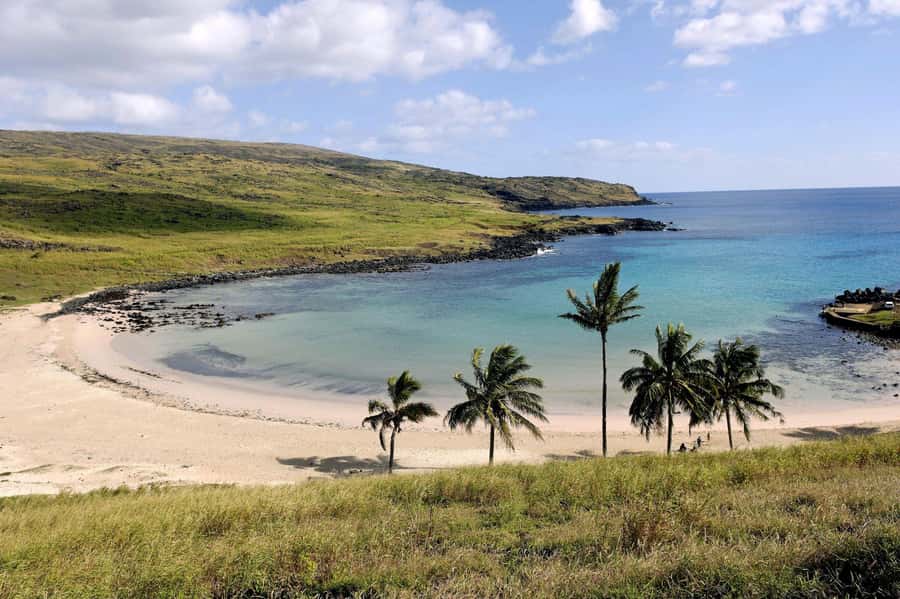
Finally you arrive at Anakena beach, described as having crystal clear waters and a wide variety of water activities such as snorkeling. This is a great place to slow down. If you want a picnic, the tour notes that it’s ideal to relax in the open air while enjoying the views of Rapa Nui.
How I’d handle this final stretch: plan your energy. Save your questions for earlier stops, then use the beach time for decompressing. If you do snorkeling or any water play, don’t treat it as a bonus on top of fatigue. Treat it as the activity, and let the rest be rest.
Price and value: $219 for a private, full-day Moai route
At $219 per person for a 7-hour private tour, you’re paying for three things: access to the key sites in one day, a live multilingual guide, and hotel pickup and return. On Rapa Nui, where you can spend time just getting between places, that kind of bundled routing often turns out to be good value.
What is not included matters for budgeting. Food is not included, and entry to the parks is not included. So if you’re comparing prices, don’t just compare the $219. Think about what you’ll add on top, like snacks, a simple lunch, and the park entry costs when you reach the relevant sites.
Still, the structure feels fair. You’re not paying for a long bus day where you barely learn anything. The focus is Moai sites with explanation at each stop, including the lesser-known ones that help the story click.
Who this tour fits best (and who might want a different style)
This private full-day experience is a strong fit if you:
- want the major Moai highlights plus the quieter, more complicated sites
- care about understanding context, not just collecting photos
- prefer private flexibility over group pacing
- like the idea of seeing how Moai were created at Rano Raraku
It might not be ideal if you:
- hate long days and prefer slower, shorter outings
- want meals fully handled for you, since food isn’t included
- need a very lightweight schedule with minimal walking, because Rano Raraku adds more movement
If you’re coming for your one key day on Rapa Nui, this style is efficient. If you have multiple days, you can use this as your “core story” day and then add a lighter beach or cultural activity on the side.
What to bring so your day feels easy
You’ll be outside for most of the day, so pack like you’re going to be in sun and wind. At minimum, I’d bring:
- comfortable walking shoes for quarry terrain at Rano Raraku
- sunscreen and a hat
- a light layer in case it cools down
- your own snacks, since meals are not included
Also, since the tour provides one bottle of water per person, I recommend a plan for how you’ll top up after that. You’ll enjoy the stops more if you’re not thinking about thirst every 20 minutes.
Should you book this Easter Island Moai private tour?
I’d book it if you want one well-organized day that connects the Moai’s meaning to where they sit, where they were made, and how the island’s sacred spaces work. Starting with Ahu Vinapu, moving through Ahu Ahahanga and Te Pito Kura, including One Makihi, then finishing with Ahu Tongariki, Rano Raraku, and the beaches gives you a full spectrum of Rapa Nui.
The decision comes down to your budget and your pace. If you’re okay planning for extra costs like park entries and food, and you don’t mind walking and a 7-hour schedule, this is a smart private choice. If you want everything included and a very light day, look for a different format.
FAQ
How long is the Easter Island Moai full day private tour?
It lasts about 7 hours.
Does the tour include hotel pickup and drop-off?
Yes. Pickup and return to your hotel are included.
Is the tour private?
Yes. It is a private group tour.
What languages are the live guides available in?
The live tour guide is available in English, French, and Spanish.
Is water provided?
Yes. You receive an individual bottle of water.
Are meals included in the price?
No. Foods are not included.
Do I need to pay for park entries?
Yes. Entry to the parks is not included.
What is the cancellation policy?
Free cancellation is available up to 24 hours in advance for a full refund.
Where on the tour can I do snorkeling?
At Anakena beach, the tour notes water activities such as snorkeling.
The Rest Of Our Chile Tours
Everything Else We Have Reviewed In Chile

Rapa Nui, Three More Ways

Not quite it? Here is the rest of what we have reviewed around Chile
More in Easter Island & the Moai.
 ★ 4.6Rapa Nui Culture Sightseeing TourFrom $80307 reviews
 ★ 4.3Easter Island Highlights 2-Day TourFrom $170205 reviews
 ★ 4.5Easter Island Sightseeing Full Day TourFrom $70189 reviews
 ★ 4.3Journey from Orongo to Ana Te PahuFrom $7075 reviews
 ★ 4.5Rapa Nui StargazingFrom $14062 reviews
 ★ 4.8Two days of Full Day Tour of Rapa Nui + Sunrise in TongarikiFrom $25055 reviews
 ★ 5.0Half Day Tour in Rapa NuiFrom $1,50048 reviews
 ★ 4.4Easter island: Snorqueling tour on coral reefsFrom $11047 reviews
Browse the lists this tour appears in