
Review · RAPA NUI
Easter Island: Full Day Ancestral Caves and Orongo Village
Orongo and the caves change how you picture Easter Island. This is a fast, well-paced loop through Orongo and the island’s ancestral cave spaces, plus several major ahu sites along the way. Two things I like a lot: you get story tied to place at Orongo, and you also get rock art and cave interiors, not just open-air stops. One thing to keep in mind is that it is a jeep-based day with several stops, so if you want a slow, minimal-walking visit, you may find the schedule a bit tight.
What makes this day feel especially worth it is the way it links the Birdman era setting with the everyday world of cave dwellings. You’ll hear context from a certified guide (English, French, or Spanish), and you’ll spend focused time at the caves where petroglyphs and engravings sit where people lived. The potential drawback is that entry to the park is not included, so you need to plan ahead to buy the Rapa Nui National Ticket before you go.
This tour is offered as a private group with hotel pickup and drop-off, so you can focus on the sites instead of route planning. Reviews also highlight strong guiding, including a particularly professional explanation from Melinka, plus impressive viewpoint time connected to the volcano area. If you prefer a totally relaxed day with no rules, note that alcohol and drugs are not allowed on the experience.
In This Review
- Key highlights you should know before you book
- A day built around Orongo, caves, and ahu platforms
- How the jeep loop works in 6 hours
- Rano Kau guided stop: a quick context stop before Orongo
- Orongo village: the Birdman setting and the last-village finale
- Ancestral caves and petroglyphs: where the island gets personal
- Ahu Vinapu: the first seven explorers in stone
- Ahu Akivi and Puna Pau: more guided context, more viewpoints
- Ana Te Pahu cave time: the finishing act for rock art
- Price and what you really get for $219 per person
- What’s included, and the one thing you must arrange yourself
- Guide quality, languages, and the private-group feel
- Who should book this caves and Orongo day
- Should you book this Easter Island Caves and Orongo tour?
- FAQ
- How long is the Easter Island Caves and Orongo Village tour?
- Is this a private tour?
- Where does pickup happen?
- What transportation is included?
- Do I need to buy the Rapa Nui National Ticket?
- Is the park entrance fee included?
- What languages are available for the live guide?
- Is there a cancellation option if my plans change?
- Can I reserve now and pay later?
- Is the tour suitable for wheelchair users or older travelers?
Key highlights you should know before you book
- Orongo is the last village you visit, giving the day a strong finale feeling
- Ancestral caves with petroglyphs and engravings, where history is visible on the rock
- Birdman or Tangata Manu competition setting at Orongo, so you connect story to location
- Ahu Vinapu photo time, including the platform tied to the first seven explorers
- Private-group pacing, so the day moves on your guide’s rhythm, not a mass schedule
- Hotel transportation included, meaning fewer moving parts for your day
Deeper into Rapa Nui: the other island tours
- Birdman Cult and Caves
★ 4.0 · 5 reviews - Easter Island: Full Day Ancestral Caves and Orongo Village
★ 5.0 · 3 reviews
A day built around Orongo, caves, and ahu platforms
This is a focused cultural day, not a “drive past and snap photos” situation. The core idea is simple: start with a guided look at the volcanic area at Rano Kau, then move into Orongo, and afterward keep building your understanding through major sacred sites and cave spaces. You get a mix of photo stops and longer guided moments, so you are never only standing around waiting for the next photo.
The big win is how the day mixes ceremonial and domestic spaces. Orongo is tied to the Birdman or Tangata Manu competition setting, which helps you see the island’s seasonal cultural life as something grounded in a real landscape. Then the caves bring you closer to daily life and personal expression, with petroglyphs and engravings on the rock where people once lived. It is a useful combination because Easter Island is often reduced to monuments alone, and this tour insists on the human side.
The route is also time-efficient. In about six hours, you hit multiple sites using jeep transport between stops, which matters on Easter Island when distances can eat your day.
How the jeep loop works in 6 hours
Your day starts in Hanga Roa with pickup. The tour moves by jeep or SUV, and there are short transfer blocks between stops. That matters because it keeps the pacing active without turning the day into constant rushing.
Here is the flow, in plain language:
- A short drive from your pickup point into the first viewpoint area
- A guided stop that gives you context before you reach Orongo
- Then a longer Orongo visit with photo time and guided explanations
- After Orongo, you loop through several iconic ahu stops and finish with cave time, then back to Hanga Roa
The balance is good: you are not stuck only in vehicles, and you are not left only with long walks either. Still, because it is a jeep-based day with multiple sites, I would treat it as a “active sightseeing” half day, not a slow wander.
Rano Kau guided stop: a quick context stop before Orongo
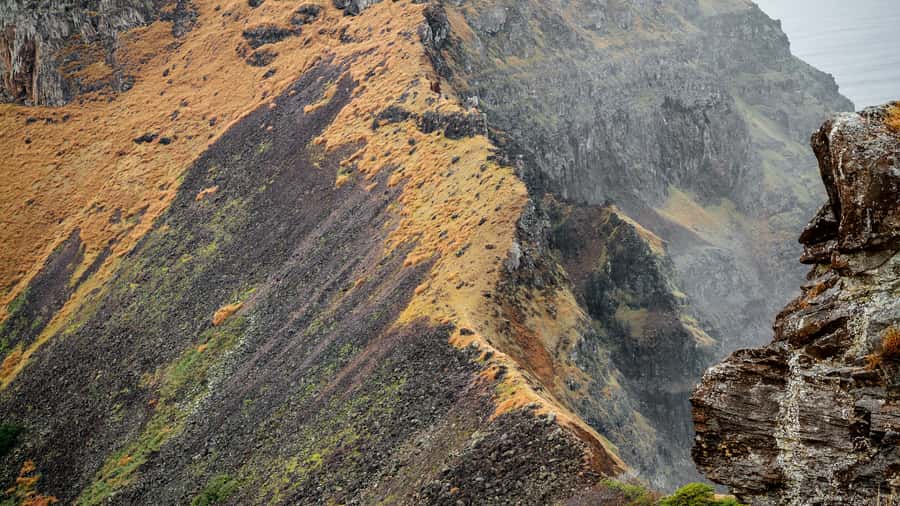
Rano Kau is your first guided moment. You have about 20 minutes here, which is just enough time to get oriented and understand why this area matters before you head to the Orongo side of the island story. If you’ve been reading about the island, this first stop helps you connect the dots so Orongo feels less like a standalone place.
The travel rhythm also helps. You get a short transport segment, then you are out with the guide for a focused block, rather than arriving straight at the busiest or most visually intense site of the day. One of the reviews mentions that the volcano viewpoint was grand, and this stop is the most logical place for that kind of payoff, since it is the tour’s first guided landscape moment.
Orongo village: the Birdman setting and the last-village finale
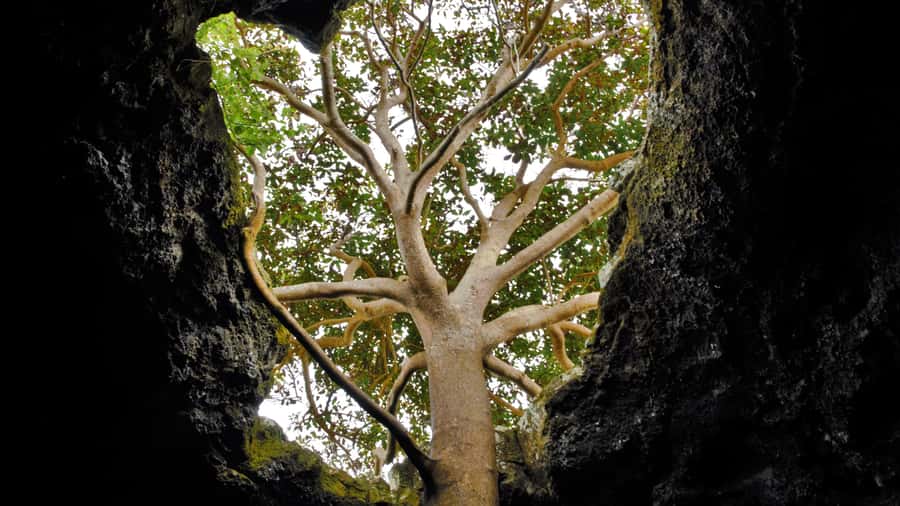
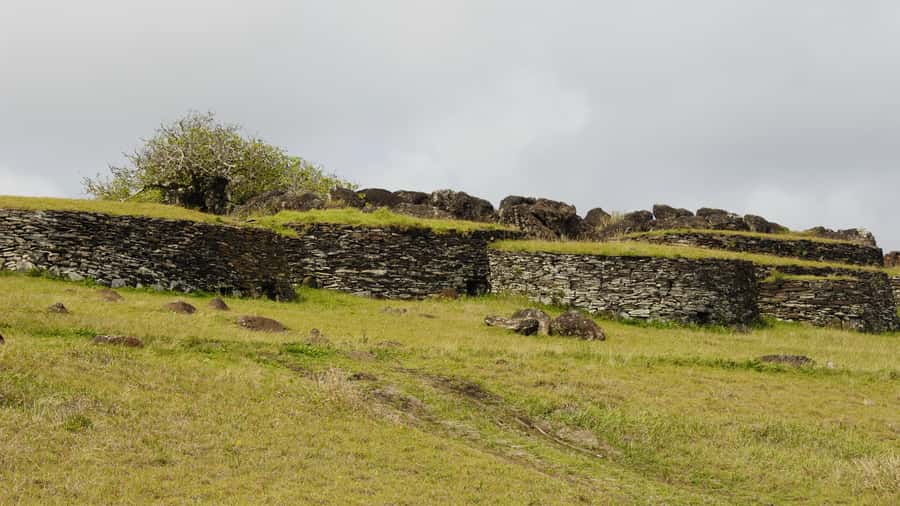
Orongo is where the day turns serious. You get both a photo stop and about one hour of guided time here. The tour description is clear that this is the ancestral city where the Birdman or Tangata Manu competition was held, and the experience also calls out Orongo as an important ceremonial village area.
Two practical benefits for you:
- Orongo is the last-village feel in this itinerary, so if you love saving the most “story-heavy” site for later, this tour does that.
- The guided hour means you are not just looking at structures and cliffs, you are also learning what the setting meant.
Also, Orongo is a place where the views are part of the message. Even if you are not chasing scenic photo angles, you’ll likely understand why this location was chosen for ceremonial life. Your guide is there to connect what you see to the cultural context, which is where a private-group format really helps.
Potential drawback: if you dislike photo stops, Orongo still includes dedicated photo time. It’s not the entire hour, but it is part of the plan, so you should expect some stop-and-go time around viewpoints.
Ancestral caves and petroglyphs: where the island gets personal
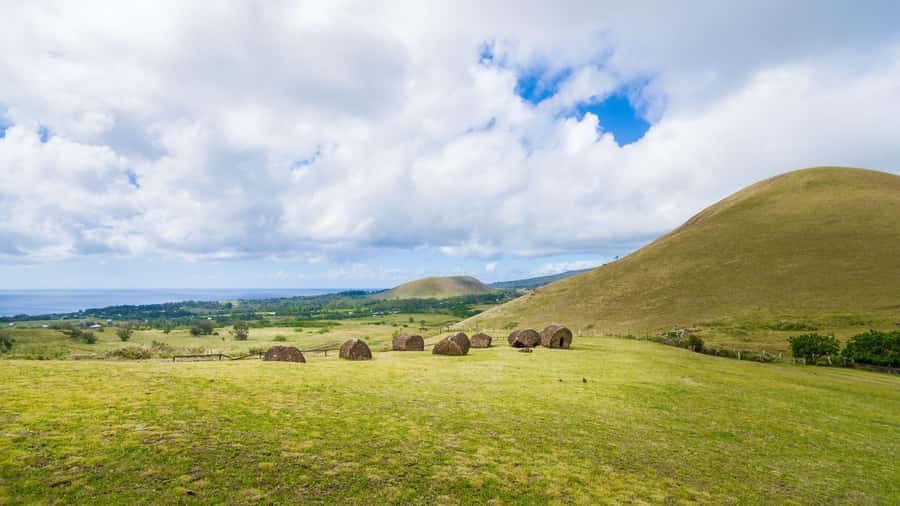
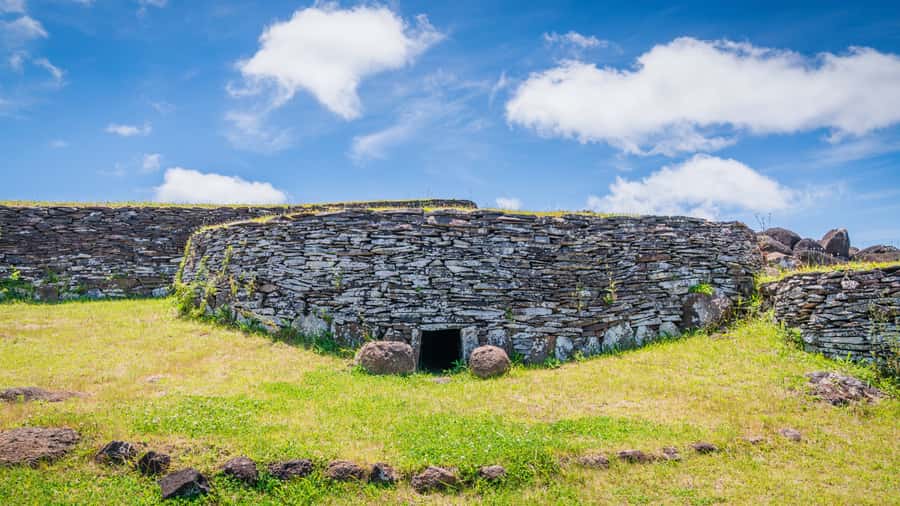
After Orongo, the day shifts from open ceremonial space to closer, more intimate history. This tour specifically includes ancestral caves where natives used to live, plus time with petroglyphs and engravings. That is the heart of what makes this experience different from a simple monument circuit.
Here’s what to look for, and why it matters:
- Look for petroglyphs and engravings as “messages,” not decorations. You’ll be hearing explanations from your guide about what they represent in the island’s ancestral context.
- Notice how cave space changes your sense of scale. In the cave setting, the rock becomes the surface of meaning, not just a backdrop.
- Use the guided time to connect cave life to what you learned at Orongo. Even though these are different spaces, the tour is designed to link ceremonial culture with everyday dwelling evidence.
You also get about one hour guided at the cave stop at Ana Te Pahu. That length matters because cave art can be easy to rush past when you are only there for a photo. A longer guided block gives you a chance to slow down and actually see what is carved into the rock.
If you want one strong takeaway from the day, it is that the caves help you understand Easter Island as more than statues. You get to experience the island’s human imprint in the places where people once lived.
Ahu Vinapu: the first seven explorers in stone
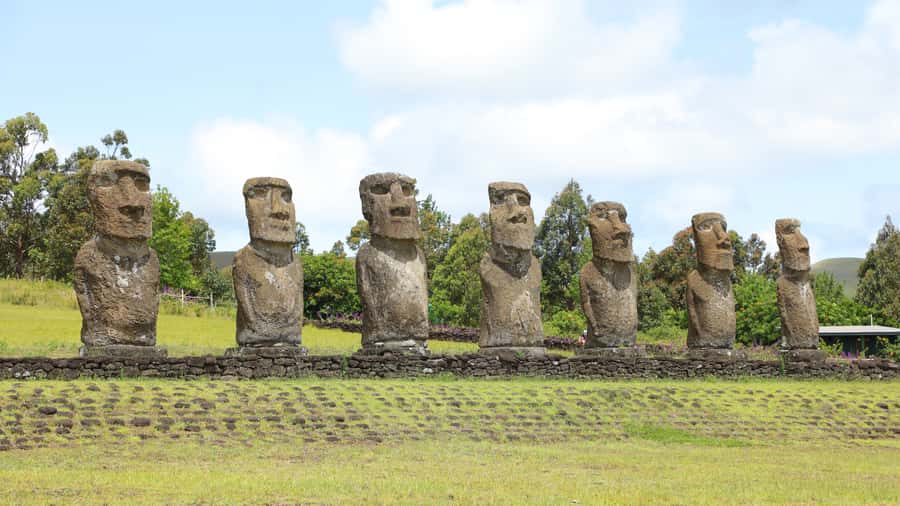
Ahu sites are everywhere on Easter Island, but this tour points you toward specific meaning at Ahu Vinapu. You’ll have a photo stop plus about 30 minutes of guided time here, and the description highlights an ahu platform representing the first seven explorers.
This is valuable because it adds a narrative layer to what could otherwise feel like “another platform.” With a guide giving context, the stones become easier to read. You’re not just collecting images, you’re building a story for why each site belongs in the same day.
Another practical upside: you’re getting this after Orongo, so your brain has already been introduced to competition-era culture and ancestral setting. By the time you reach Vinapu, you are better prepared to see how legends and historical memory get expressed through monuments.
Ahu Akivi and Puna Pau: more guided context, more viewpoints
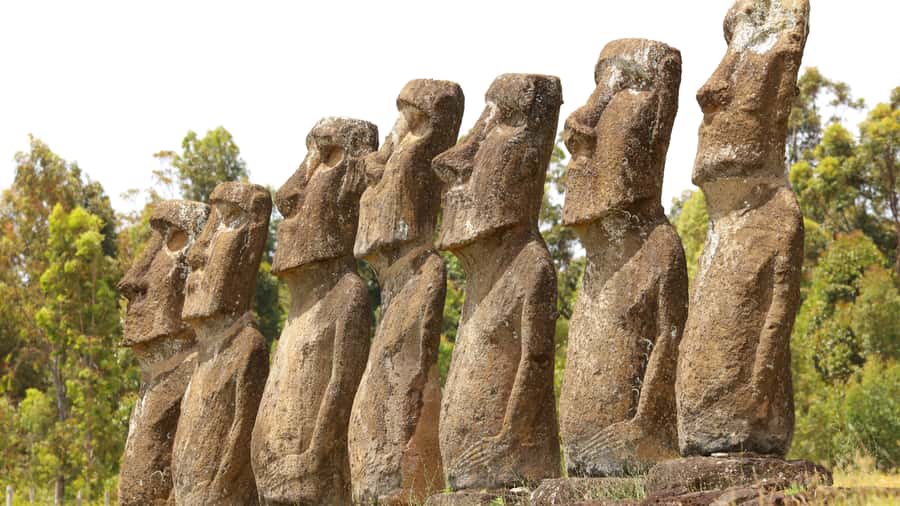
Next you move to Ahu Akivi for a photo stop and about 30 minutes guided. Like Vinapu, it is part of the same “read the island” approach. Even if you do not know the details ahead of time, the guide’s explanations help you make sense of what you’re seeing and why it matters in the bigger pattern of sacred sites.
Then you head to Puna Pau, with a photo stop and about 40 minutes of guided time. This is a longer block than some of the other photo stops, which suggests the tour is giving you time to understand the site properly rather than using it as a quick checkpoint.
The day’s design here is smart. It alternates between:
- guided time that explains meaning
- photo stops that let you reset and capture views
- and then longer guided blocks that keep the story moving
If you’re the type who learns best by listening while looking, this pattern works well.
Ana Te Pahu cave time: the finishing act for rock art
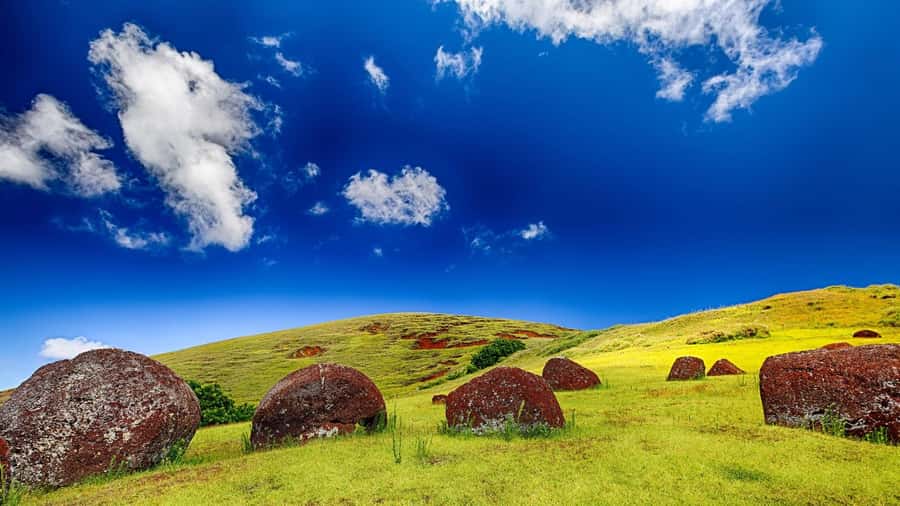
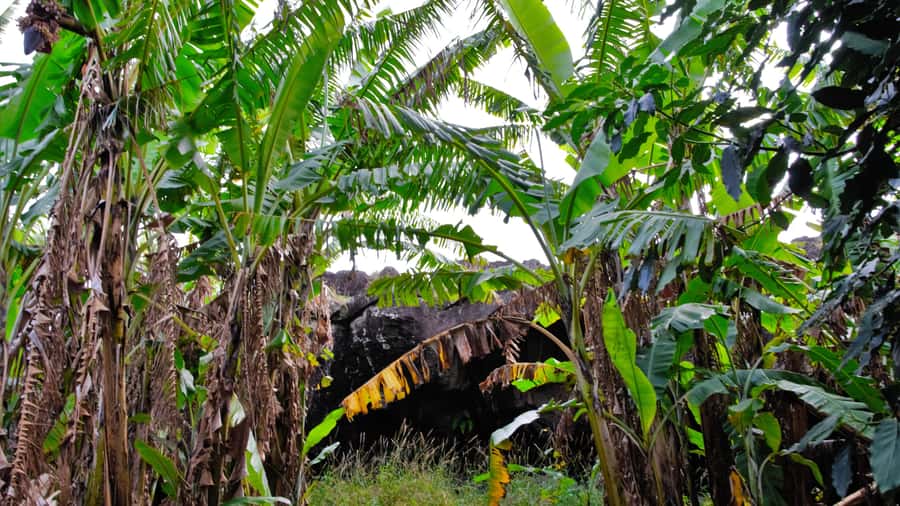
You end the itinerary back toward cave-focused experience at Ana Te Pahu, with about one hour guided. This stop is positioned after the key ahu viewpoints, so you arrive at the cave with a better sense of the island’s ceremonial and monument culture. Then you switch back to the intimate scale of caves and carvings.
In a way, this ending makes the day feel complete. Orongo gives you the competition setting. The ahu stops give you anchored points in sacred memory. The cave stop gives you human evidence close up, including petroglyphs and engravings connected to ancestral life.
If you are trying to decide what kind of Easter Island day you want, this is it. This is the tour for you if you want to see the island through its carvings and its living spaces, not just its platforms.
Price and what you really get for $219 per person
At $219 per person for a 6-hour private tour, the price is not “cheap,” but it isn’t random either. You’re paying for three main things that actually reduce your hassle and improve the experience:
- Transportation from your hotel and back, using jeep or SUV
- A certified guide by Mauhenua and Sernatur, with live interpretation in English, French, or Spanish
- A private group format, which generally means more flexibility and less time wasted waiting
On an island like Easter Island, transport and timed site access can be where the real costs stack up. This tour bundles those pieces so you don’t spend your day coordinating rides or worrying about moving between sites.
Where the value might feel weaker is if you already have a strong plan for monuments and only want one small cultural stop. Since this is built as a multi-site day, you’re paying for breadth. If you only care about one theme, you may prefer a shorter, more focused tour.
What’s included, and the one thing you must arrange yourself
This experience includes transportation and the certified guide plus the private tour structure. It also includes pickup in Hanga Roa.
What is not included is park entrance, which means you must buy the Rapa Nui National Ticket before your tour. That is not a detail to ignore. If you forget, you can end up waiting or needing to sort it out on the spot, which can steal time from the guided moments.
So my advice is straightforward: sort your national ticket before the day arrives, then show up ready to go.
Guide quality, languages, and the private-group feel
Your guide is live on the tour, and the experience is available in English, French, and Spanish. That matters because interpretive guides do most of the heavy lifting here. The caves and the petroglyphs are not the sort of thing you can fully appreciate with only general sightseeing notes.
The private-group setup also changes how the day feels. Instead of being pulled along by a large group, your guide can keep the explanation paced with the questions you have in the moment. One review specifically praised Melinka for professionalism and for sharing lots of new information, which matches the tour’s core value proposition, explanations tied to each stop.
There is also an obvious practical bonus: with a private group, the route sequencing and time at each stop is designed around the tour, not around multiple groups competing for attention.
Who should book this caves and Orongo day
This is a great fit if you:
- want both ceremonial setting (Birdman or Tangata Manu at Orongo) and human evidence (ancestral caves with petroglyphs)
- like guided explanations enough that you’d rather learn the story than just take photos
- prefer hotel pickup and a planned route, so you can relax and focus on the sites
It may not be a great fit if you:
- want a wheelchair-friendly experience (the tour is not suitable for wheelchair users)
- want an extremely slow pace (the day is built around multiple stops in about six hours)
- are traveling with restrictions around alcohol, since alcohol and drugs are not allowed during the experience
Also, it is not suitable for people over 95 years old, so check that before booking.
Should you book this Easter Island Caves and Orongo tour?
Book it if you want a guided day that connects the island’s major ceremonial world with the rock art and cave spaces where you can actually see ancestral expression. I think this tour is strong for first-timers who want an efficient sampling of key sites, but also strong for repeat visitors who want something more specific than statues, like the cave carvings and petroglyphs.
Skip it if your top priority is only monuments from far away, or if you are uncomfortable with a structured multi-stop half day. This tour is for people who like learning while looking, and who want the cave and petroglyph portion to be real time, not a quick stop.
If you’re deciding between options, use this simple test: do you want Orongo’s Birdman setting, plus caves and petroglyphs, in one planned day with hotel transport? If yes, it’s an easy “go.”
FAQ
How long is the Easter Island Caves and Orongo Village tour?
The tour lasts 6 hours.
Is this a private tour?
Yes. It is listed as a private group.
Where does pickup happen?
Pickup starts in Hanga Roa.
What transportation is included?
Transportation is included, and the tour uses a jeep or SUV.
Do I need to buy the Rapa Nui National Ticket?
Yes. You must buy the Rapa Nui National Ticket before the tour.
Is the park entrance fee included?
No. Entrance to the park is not included.
What languages are available for the live guide?
The live tour guide is available in English, French, and Spanish.
Is there a cancellation option if my plans change?
Yes. You can cancel up to 24 hours in advance for a full refund.
Can I reserve now and pay later?
Yes. The option to reserve now and pay later is offered.
Is the tour suitable for wheelchair users or older travelers?
No. It is not suitable for wheelchair users, and it is not suitable for people over 95 years. Alcohol and drugs are also not allowed.
Everything Else We Have Reviewed In Chile
Rapa Nui, Three More Ways
Not quite it? Here is the rest of what we have reviewed around Chile
More in Easter Island & the Moai.
 ★ 4.6Rapa Nui Culture Sightseeing TourFrom $80307 reviews
 ★ 4.3Easter Island Highlights 2-Day TourFrom $170205 reviews
 ★ 4.5Easter Island Sightseeing Full Day TourFrom $70189 reviews
 ★ 4.3Journey from Orongo to Ana Te PahuFrom $7075 reviews
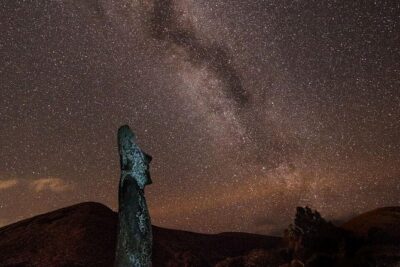 ★ 4.5Rapa Nui StargazingFrom $14062 reviews
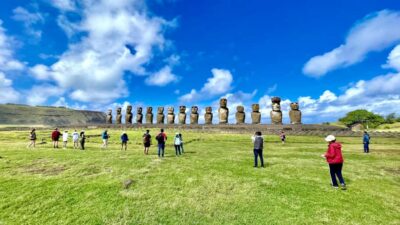 ★ 4.8Two days of Full Day Tour of Rapa Nui + Sunrise in TongarikiFrom $25055 reviews
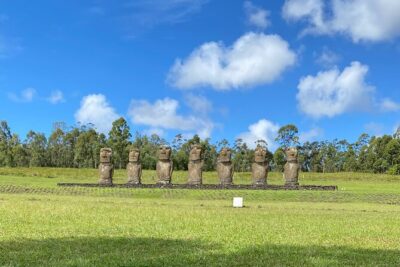 ★ 5.0Half Day Tour in Rapa NuiFrom $1,50048 reviews
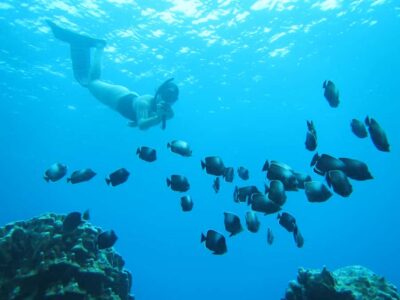 ★ 4.4Easter island: Snorqueling tour on coral reefsFrom $11047 reviews
Browse the lists this tour appears in