
Review · RAPA NUI
Private tour: where the history of the Moai was born
Moai origin stories are easier to follow than you think. This 7-hour route links the main moai sites in a tight, small-group day, guided in English or Spanish, with Native Guide storytelling at every stop.
I like how the tour gives you real time at big set pieces, not just a quick drive-by. And when a guide like Tete, Sophia, or Hella is leading, the day often feels friendly and personal, with humor, context, and even small language moments like Chilean Spanish. One consideration: the pace can vary, and a day can feel shorter or more rushed than the 7-hour listing if timing is tight.
In This Review
- Key moments you should care about
- Why this Moai-history tour starts at Vaihu
- Akahanga’s toppled moai and what it means for your questions
- Rano Raraku quarry is the “birthplace” stop you came for
- Tongariki and the sunrise-style arrangement that makes photos easy
- Te Pito Kura, where legend and big stone do the talking
- Anakena Beach ends the day on a human scale
- Native guide quality is the real differentiator
- Price and value, including the ticket you must budget
- Pace check: when a 7-hour plan can feel different
- What this tour is best for
- Should you book this Moai-history tour?
- FAQ
- What sites are included in this tour?
- How long is the tour?
- How many people are in the group?
- What languages is the live guide available in?
- Is pickup and drop-off included?
- What is included in the price?
- Is the National Park Ticket included?
- Is there free cancellation?
- Can I reserve and pay later?
- Where does this tour take place?
Key moments you should care about
- Vaihu’s scattered moai lets you study how the statues look when they are not all standing in a perfect line
- Akahanga shows moai in toppled stages, which changes how you read the island’s work and decisions
- Rano Raraku quarry is the practical highlight, since it’s described as the moai birthplace
- Tongariki is the classic sunrise row, with the largest standing collection in one direction
- Te Pito Kura adds legend energy with the massive moai and the spherical stone
- Anakena Beach is the payoff stop, where the moai meet the ocean for a reset after stone and history
Deeper into Rapa Nui: the other island tours
- Private tour: where the history of the Moai was born
★ 4.7 · 13 reviews
Why this Moai-history tour starts at Vaihu
If you want to understand moai, you need to see them in more than one mood. Vaihu is where the day starts with scattered statues across the ground. Seeing them this way helps you notice proportions, tool marks, and the general scale before you move to the more “arranged” views later.
It also sets expectations for the whole trip: this is not just a checklist. The goal is to help you connect how the moai were made and how people placed them around the island. With a small group of up to 4, you can ask questions as the guide moves from site to site.
Tip: wear shoes you trust on uneven ground. Even the short walks between viewpoint areas can feel like they are on old rock, not flat paths.
Akahanga’s toppled moai and what it means for your questions
Next comes Akhahanga, and the key difference here is attitude. Instead of pristine “look at this monument” moments, you’re dealing with remnants: platforms, settlement traces, and moai lying toppled in different stages.
This is a powerful stop because it changes the story from statue admiration to lived impact. You start thinking less about the final pose and more about effort, engineering, and what happens when things do not end up exactly as planned.
Possible drawback: if you mainly want a big, straight lecture about the people of Rapa Nui and how they settled the island, you might find Akahanga and the rest of the route focuses more on site-specific moai questions than on every background detail. If that matters to you, you’ll get better value by asking pointed questions early in the day, while your guide is still building the framework for you.
Rano Raraku quarry is the “birthplace” stop you came for
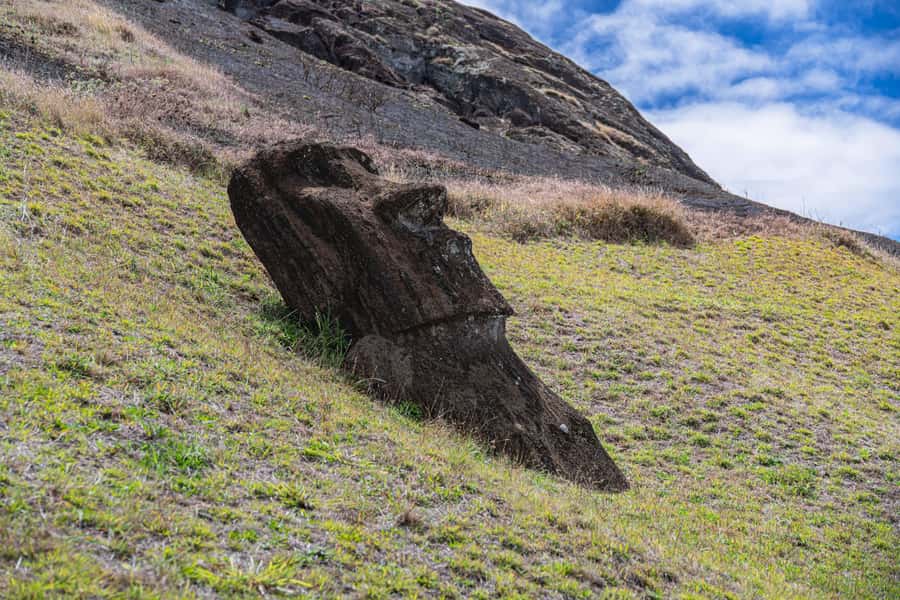
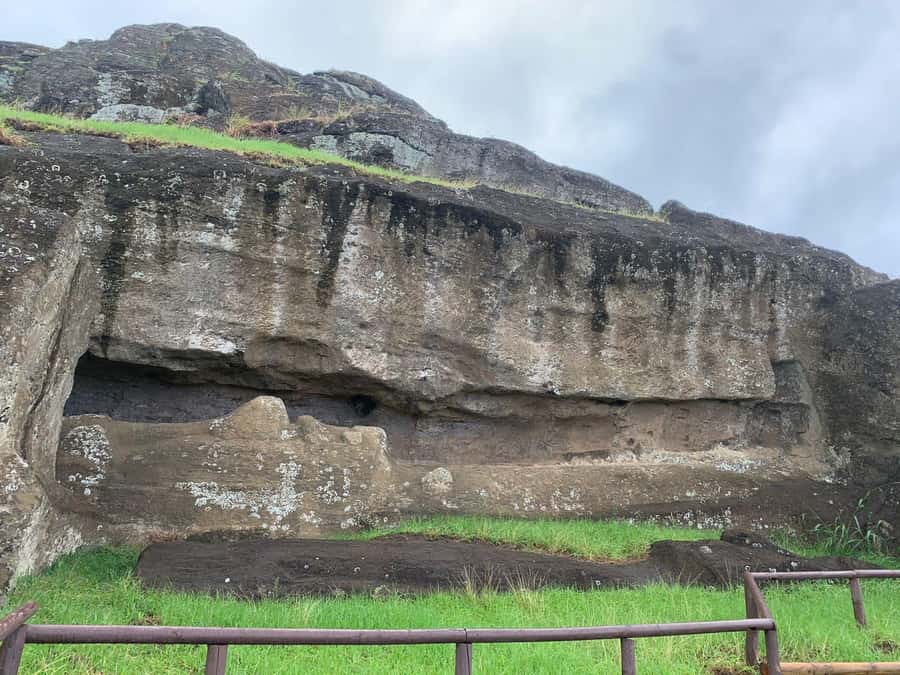
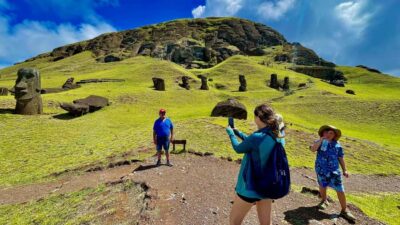
If I had to pick the anchor site, it’s Rano Raraku. This volcanic crater quarry is described as the moai birthplace, and it makes sense why it becomes the emotional center of the itinerary.
The reason this stop works for most people is simple: you can see moai in multiple creation stages. Rough-hewn blocks appear alongside more finished figures, so you are not only learning the final product. You are watching the process by reading the rock itself.
Practical note: Rano Raraku is the kind of place where time feels different. Even when the schedule is structured, you’ll likely slow down here because the quarry invites close attention. If you are the type who likes to photograph carvings and stone textures, this is where you’ll want your camera ready.
Tongariki and the sunrise-style arrangement that makes photos easy
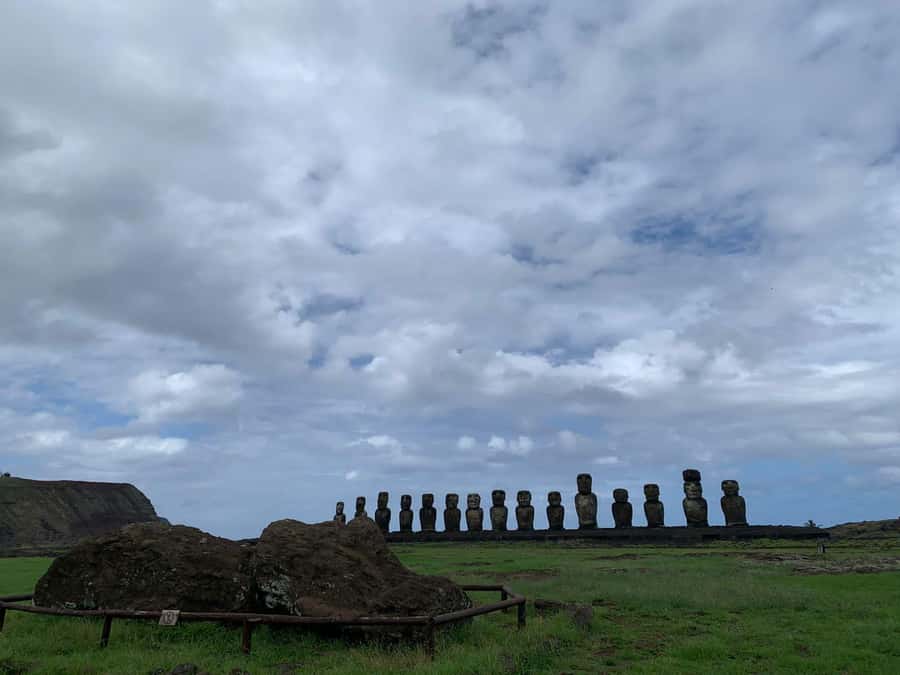
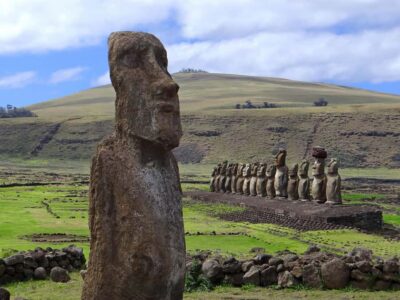
Tongariki is the big “standing row” moment, and it is hard to beat. You’re looking at the largest and most impressive collection of moai in standing position, aligned in a way that faces the sunrise.
That direction matters. When statues face the morning light, they look more dimensional, and shadows help you read faces and stone surfaces. It’s also one of the easiest places to frame a clean photo, especially if you like strong symmetry.
What you’ll probably enjoy most: this stop gives you contrast after the quarry. At Rano Raraku you saw making and in-progress work. At Tongariki you see placement and ceremony, the moai as a visual statement.
If you’re sensitive to crowds, the small group format helps. With up to 4 participants, it’s less of a stampede moment and more of a shared observation.
Te Pito Kura, where legend and big stone do the talking
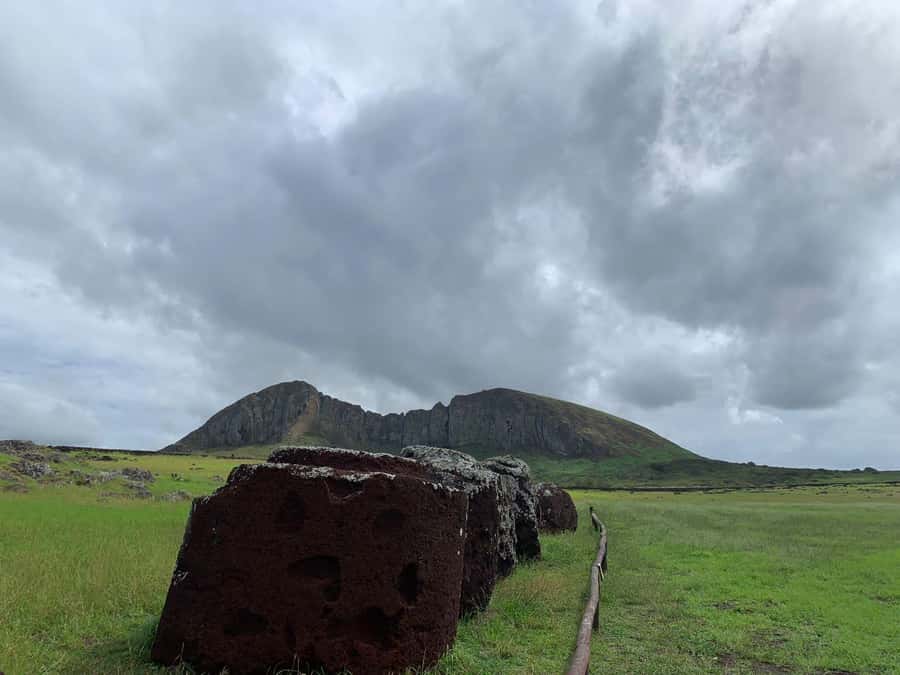
After the structured power of Tongariki, Te Pito Kura brings mystery back into the conversation. Here you’ll see an enormous moai and a unique spherical stone that is believed to hold special significance.
This stop is less about “how to build it” and more about “why people assigned meaning to it.” Even when you do not catch every myth detail, the physical scale does the work. A giant statue plus a strange stone shape is enough to make you ask questions, and a good native guide will help you put those questions in context.
Consideration: if your personal interest is strictly technical moai history, this may feel softer than the quarry. But if you like the cultural layer, this is where the day feels more like Rapa Nui storytelling and less like museum history.
Anakena Beach ends the day on a human scale
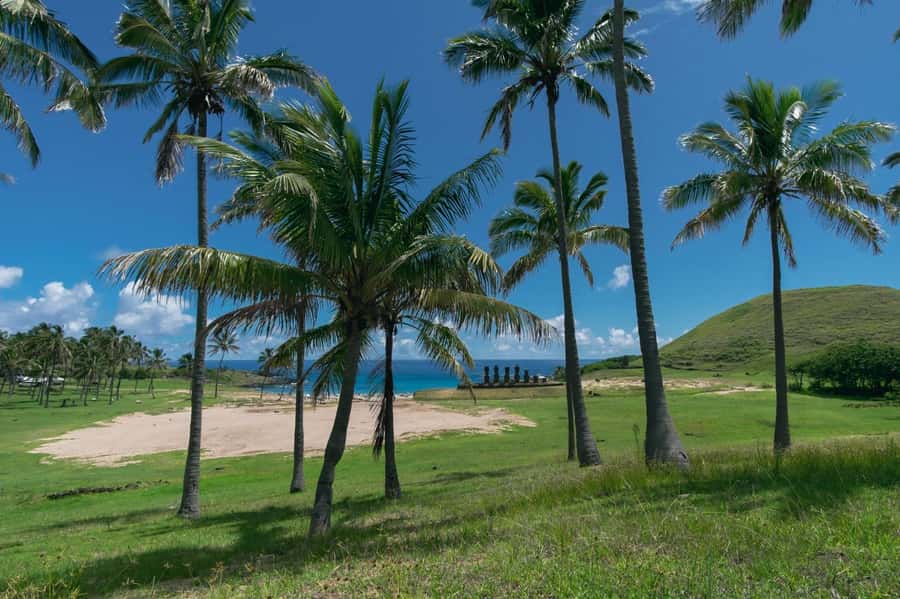
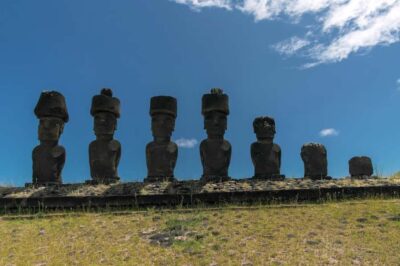
Then you reach Anakena, and the tone changes. You get white sand, palm trees, and moai standing near the ocean backdrop. This is a welcome reset after hours of stone sites and volcanic ground.
It also makes the tour feel complete. The moai can be studied as art, engineering, and symbolism, but at Anakena they sit in the everyday view of sea air, bright light, and people taking time to relax.
If you want the full experience, plan to actually stay a bit, not just take photos and rush back. The beach is the payoff stop for most people because it turns the story outward, to the island environment rather than keeping you locked inside crater and quarry thinking.
Native guide quality is the real differentiator
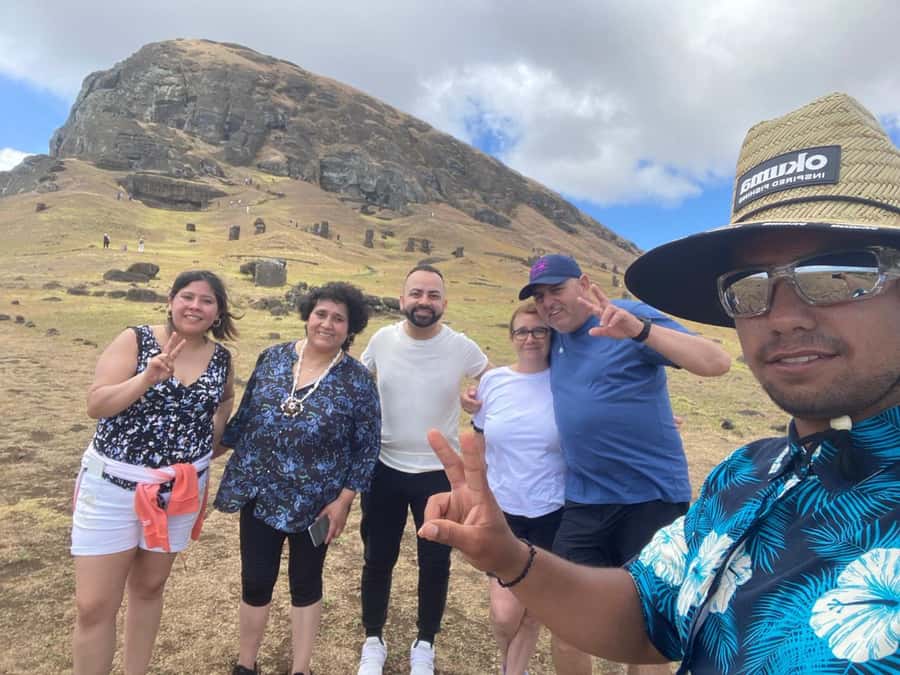
The tour’s headline is moai history, but the real engine is the Native Guide. That shows up in three common ways.
First, guides can adjust the mood. One guide was described as funny and entertaining, which matters because moai history can turn dry if the storyteller leans too academic. Second, strong guides pace the day. Some departures are described as having enough time at all stations, which is what you want on a day that includes multiple major sites. Third, guides can add daily-life context. One guide taught Chilean Spanish and also shared insights about life today on Rapa Nui, not just what the stones mean.
Who this works best for: people who enjoy a human voice explaining what you’re seeing and why it might have mattered. If you prefer audio-only self-guided sites, this might not be your style, since you get the most value through questions and conversation.
Small group value: with a limit of 4 participants, you are more likely to get direct answers and less likely to get stuck waiting behind a crowd.
Price and value, including the ticket you must budget
The price is $150 per person for a 7-hour tour. For Easter Island, that pricing makes sense if you want guided interpretation across multiple sites in one day, with pickup and drop-off included.
Here’s the value math I use when deciding:
- You are getting transportation plus a native guide for a full run across the main moai areas.
- You are visiting several named sites that each take time to appreciate: Vaihu, Akahanga, Rano Raraku, Tongariki, Te Pito Kura, and Anakena.
- You are traveling with a small group, which can improve comfort and make stops less chaotic.
One thing you need to plan separately: the National Park Ticket is not included. If you forget that, you can end up scrambling at the entrance. I’d rather you budget for it upfront so the day stays calm.
Pace check: when a 7-hour plan can feel different
A tour can be perfectly arranged on paper and still feel off if timing runs tight on the day. In the feedback, there’s a clear message: sometimes the schedule can feel rushed or end earlier than expected.
That does not automatically mean every departure is like that. But it is a real consideration if your ideal day is unhurried, with time to read details at each site and ask follow-ups.
How to protect yourself:
- Ask your guide at the start how they plan to handle time at each stop, especially if you care about Rano Raraku quarry details or Tongariki photography.
- If you have a hard deadline later in the day, build in buffer time.
Also, keep an eye on vehicle comfort. One experience described a dirty car and an emergency replacement situation. You cannot control that completely, but you can reduce stress by setting expectations and checking in if anything feels off at pickup.
What this tour is best for
This is a strong choice if you want a guided route that connects the moai story in physical terms:
- Birthplace and making at Rano Raraku quarry
- Placement and arrangement at Tongariki
- Meaning and legend at Te Pito Kura
- Human scale and downtime at Anakena
It is also a good fit for small-group travelers who like conversation. The guides here work in English and Spanish, and that language range can matter if you are traveling with someone who wants to participate fully.
Who might not love it: if you want a deep academic lecture on Rapa Nui settlement and anthropology for the entire day, you may need to add your own reading or ask specific questions to get that context.
Should you book this Moai-history tour?
I’d book it if you want a single-day plan that hits the named moai highlights with a native guide who can talk through what you’re seeing. The $150 price feels fair when you factor in transportation, pickup and drop-off, and multiple major sites, especially with a small group size capped at 4.
I would think twice if your top priority is a slow, perfectly timed day with zero schedule pressure. The pacing can vary, and you’ll get the best experience if you’re flexible and willing to guide the conversation with your questions.
If you want one practical rule: plan your day around the tour, not around strict later commitments. That way you can enjoy moai origin stories without feeling rushed when the clock starts doing its thing.
FAQ
What sites are included in this tour?
The tour includes Vaihu, Akahanga, Rano Raraku, Tongariki, Te Pito Kura, and Anakena Beach.
How long is the tour?
The duration is 7 hours.
How many people are in the group?
The group is limited to 4 participants.
What languages is the live guide available in?
The live tour guide speaks English and Spanish.
Is pickup and drop-off included?
Yes, pickup and drop-off are included.
What is included in the price?
The tour includes a native guide, transportation, pickup, and drop-off.
Is the National Park Ticket included?
No, the National Park Ticket is not included.
Is there free cancellation?
Yes. You can cancel up to 24 hours in advance for a full refund.
Can I reserve and pay later?
Yes. You can reserve now and pay later.
Where does this tour take place?
It takes place on Easter Island, in the Valparaiso Region of Chile.
The Rest Of Our Chile Tours
Everything Else We Have Reviewed In Chile
Rapa Nui, Three More Ways
Not quite it? Here is the rest of what we have reviewed around Chile
More in Easter Island & the Moai.
 ★ 4.6Rapa Nui Culture Sightseeing TourFrom $80307 reviews
 ★ 4.3Easter Island Highlights 2-Day TourFrom $170205 reviews
 ★ 4.5Easter Island Sightseeing Full Day TourFrom $70189 reviews
 ★ 4.3Journey from Orongo to Ana Te PahuFrom $7075 reviews
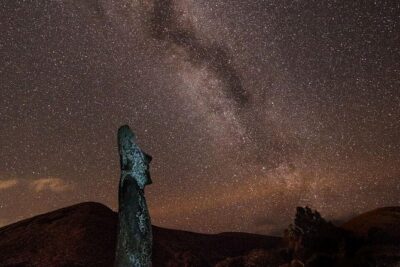 ★ 4.5Rapa Nui StargazingFrom $14062 reviews
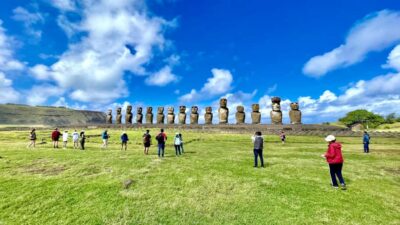 ★ 4.8Two days of Full Day Tour of Rapa Nui + Sunrise in TongarikiFrom $25055 reviews
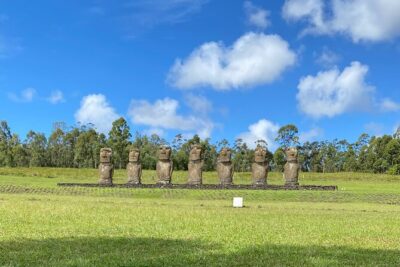 ★ 5.0Half Day Tour in Rapa NuiFrom $1,50048 reviews
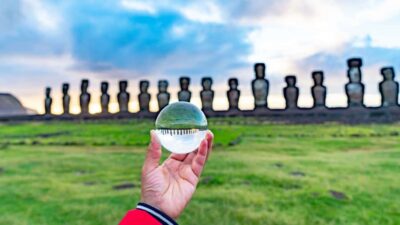 ★ 4.5Sunrise Tongariki: Sunrise at Tongariki Park Private TourFrom $12047 reviews
Browse the lists this tour appears in