
Review · ATACAMA
Small-Group Tour to Moon Valley from San Pedro de Atacama
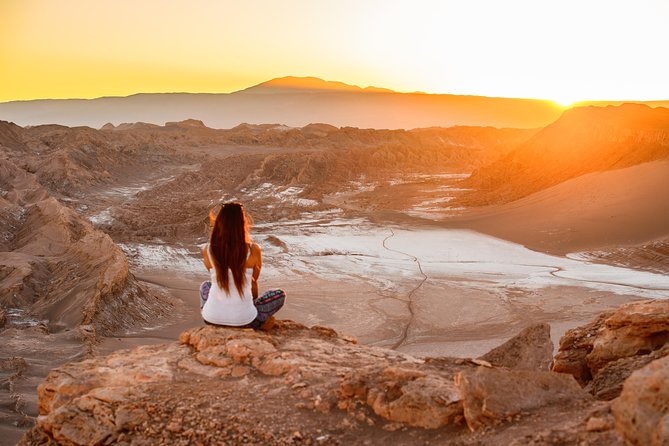
Moon Valley looks like another planet.
What makes this tour so appealing is the small group pace and the way you get set up for the Valle de la Luna sunset without rushing. I love seeing the salt and clay formations up close, and I love how the guide ties the geology to what you are looking at, step by step. One thing to factor in: you are at altitude, and the Great Dune has some slope, so comfortable shoes and a slow pace matter.
You start in the afternoon in San Pedro de Atacama, ride in an air-conditioned vehicle, and then spend the bulk of your time walking short segments plus viewpoint stops. If you book with the right expectations, this feels like a focused circuit through the most dramatic hits of the Atacama Desert, not a long haul where you spend half the time stuck in the van.
In This Review
- Key things to know before you go
- Valle de la Luna, explained in plain terms
- Getting there from San Pedro de Atacama, and why the timing works
- Inside the reserve: starting with salt and clay formations
- Salt Mountain Range and the Amphitheatre viewpoint stop
- Las Tres Marías: where salt and mud turn into figures
- Duna Mayor: the Great Dune walk and what to expect
- Mirador de Kari, Piedra del Coyote: your sunset closer
- Guides, bilingual explanations, and pacing that keeps it fun
- Price and value: the math that matters in the Atacama
- Practical tips that make the day easier
- Should you book this Moon Valley small-group tour?
- FAQ
- How long is the Moon Valley small-group tour?
- How many people are on this tour?
- Is the Valle de la Luna reserve entrance fee included?
- Do they pick you up from your hotel?
- How difficult is the walking?
- Is it safe for everyone, including pregnant travelers?
Key things to know before you go
- Max 15 people: small-group format means more time for questions and photos at key stops
- Altitude reaches 2,550 masl: take it easy if you feel winded or headachy
- Entrance fee is extra: Moon Valley Reserve charges CLP 11,000 per person
- Easy with a dune slope: the Great Dune walk is doable but not flat
- Sunset is the finish: Kari lookout gives you the classic color-change payoff
Other ways out of San Pedro into the desert
- San Pedro de Atacama: El Tatio Geysers Tour
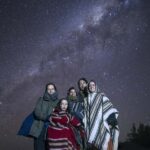
★ 4.7 · 943 reviews - San Pedro de Atacama: Etno-Stargazing Tour with Transfer
★ 4.8 · 629 reviews - San Pedro de Atacama: Stargazing Experience
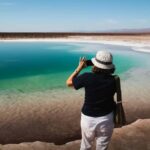
★ 4.7 · 489 reviews - San Pedro Atacama: Baltinache Lagoons
★ 4.6 · 359 reviews
Valle de la Luna, explained in plain terms
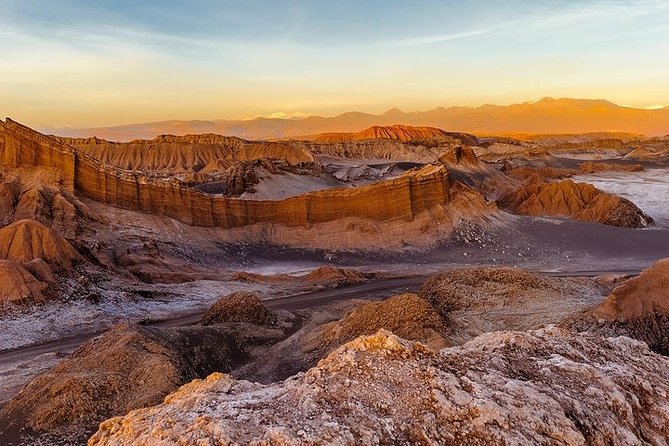
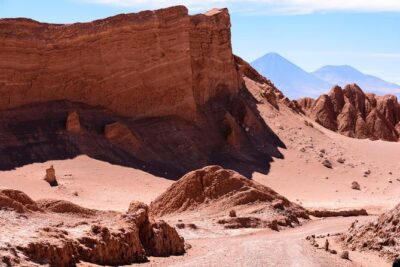
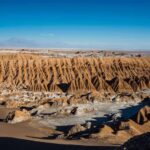
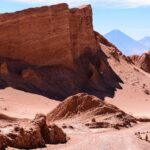
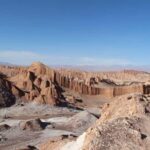
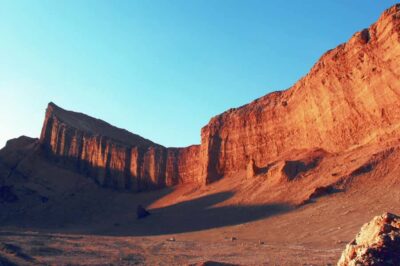
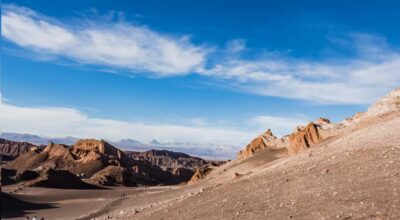
Valle de la Luna, the Valley of the Moon inside the Moon Valley Reserve, earns its nickname honestly. The place is a tangle of salt, clay, and rock shaped over time into ridges, bowls, and finger-like forms. From a distance, it looks surreal, almost staged. Up close, it’s weird in a different way, like nature is playing with textures rather than building scenery.
What you are really paying for here is not just photos, it’s context. The best guides make the geology feel personal. They help you look at the same spot two ways: first as a dramatic view, then as a result of how salt and clay interact in a desert that rarely cuts you any slack.
Getting there from San Pedro de Atacama, and why the timing works
This is a half-day style outing, about 4 to 5 hours, running in the afternoon. The schedule is built around getting you into the reserve, covering several distinct zones, then arriving at the dusk viewpoints when the light turns dramatic.
Because hotel pickup and drop-off are not included for the standard group option, you will want to be ready at the start point in San Pedro de Atacama and plan to return to the same area at the end. In a small town, that is not a big deal, but it does matter: you will not be wandering off to meet the van wherever you happen to be.
The air-conditioned vehicle is a real comfort in the Atacama. Even when it’s cool in the afternoon, you can still get hit with dry wind and temperature swings, and you do not want to save your energy for the wrong things.
Inside the reserve: starting with salt and clay formations
Your first time in the Moon Valley circuit begins with the big Atacama story, how this desert creates formations out of clay and salt. You start with time to orient yourself, including a short stop in San Pedro de Atacama before the reserve entry.
Once you are inside, you move through several signature areas. The pace is typically short walks and viewpoint pauses, which is ideal if you are dealing with altitude. You get enough time on foot to feel the terrain, without turning the day into a hike marathon.
The big value of this structure is that you can keep your energy for where you actually want to stand still: the moments when the light hits the salt ridges and the sky starts to shift.
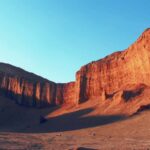
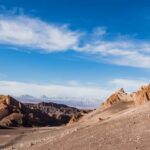
The other coloured valleys within reach of San Pedro
Salt Mountain Range and the Amphitheatre viewpoint stop
One of the standout parts of this outing is the walk and viewing around the Salt Mountain Range and the Amphitheatre. The Amphitheatre is made of rock and salt, and it’s more than just a pretty shape. It has that bold, layered look that reads almost like architecture from a distance, the kind that makes you tilt your head and say, okay, nature has an art degree.
At this stage of the tour, your guide’s job matters a lot. If they do a good job, you understand why the ridges look the way they do, and you start spotting patterns instead of just staring at a single angle.
A practical note: bring sun protection even if the day is not brutally hot. Salt and light can feel intense, and you will be standing in the open.
Las Tres Marías: where salt and mud turn into figures
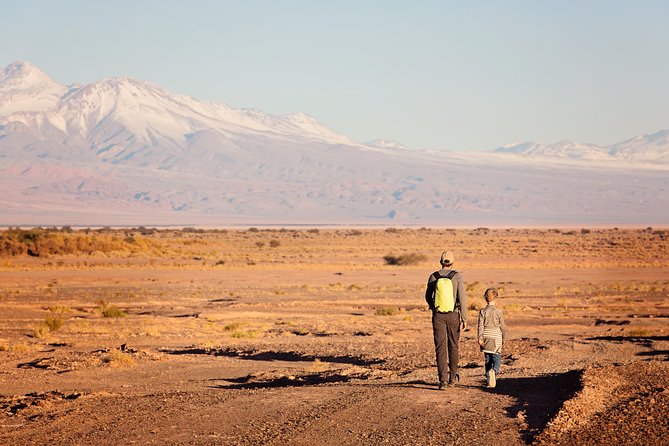
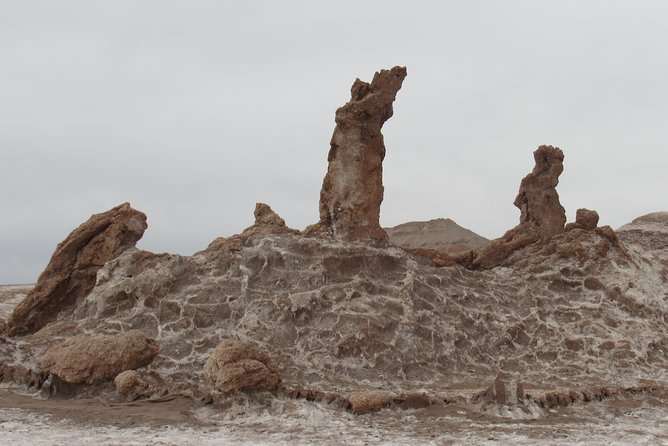
Next comes Las Tres Marías, a zone where salt and mud forms begin to stand out as you approach. This stop is short, which is fine because the visuals are the point. You get to see those sculpted shapes and learn how the clay delicacy plays into what you are seeing.
This is also where I’d slow down mentally. In a place like this, it’s easy to treat it as a photo checklist. If you take a breath, you notice how the “figures” change shape as the light shifts. That is the whole desert trick: the same formation can look different an hour later.
Duna Mayor: the Great Dune walk and what to expect
Then you get to Duna Mayor, the Great Dune. This is the most physical moment on the tour. The walk is an easy difficulty experience overall, but there is some slope, so it is not just strolling on flat sand.
If you have sturdy closed or trekking shoes, this part becomes much easier. If you wear sandals or shoes with slick soles, you will regret it on the incline. Sand can grab, and footing gets tricky when you are tired.
This is also a great viewpoint opportunity. From the dune area, you can see the Andes, the Domeyko mountain range, and the salt mountain range. It’s one of those moments where you understand why the Atacama looks big from inside the desert, not just big on maps.
Mirador de Kari, Piedra del Coyote: your sunset closer
The finale stop is at Mirador de Kari, also known as Piedra del Coyote. It sits at about 2,550 masl, which means the air can feel thinner just as the sunset colors start to roll in.
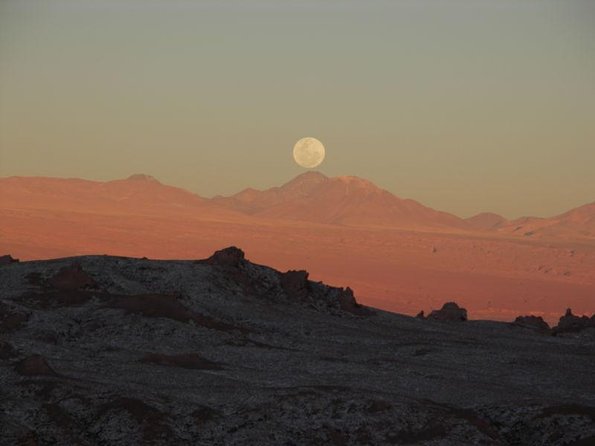
This is the classic “postcard” viewpoint for a reason. Water, wind, and temperature have shaped the canyon and the colors tend to change fast as dusk hits. You get a panoramic view of the Salt Mountain Range and the surrounding features that make this region feel like a lunar set.
One honest consideration: if the sky is cloudless, sunset can be a little different than what you might expect back home. Still, in a place like the Atacama, the shifting light over pale salt creates its own drama. Plan to take a seat, keep your phone battery charged, and let your eyes adjust. The best shots usually come a few minutes after you think you’ve already got the moment.
Guides, bilingual explanations, and pacing that keeps it fun
The guides are a huge part of why this type of tour works well. In past experiences, names like Alex, Ernesto, Javier, Felipe, Dani, and Philippe have been mentioned for clear guiding, bilingual storytelling, and thoughtful pacing.
You can feel the difference when a guide keeps the group moving but still makes time for questions. Many of the best moments on this kind of trip come from small explanations that turn a “cool view” into “I know what I’m looking at and why it formed.”
Also, the pacing tends to be efficient. Even when the day is short, the flow is set up so you hit several major spots without cramming in too many long walks.
Price and value: the math that matters in the Atacama
The tour price is listed at $65.00 per person, and that sounds straightforward until you look at what’s extra. The Moon Valley Reserve entrance fee is CLP 11,000 per person, and it is not included in the tour price.
So how do you judge value fairly? For me, the value comes from three things:
- You save time and hassle by having transport and a planned circuit rather than figuring out when and where to go
- You get a bilingual driver-guide, which is useful when you want context for salt ridges, clay forms, and dune viewpoints
- You get sunset timing handled for you, so you are in the right place near dusk without guessing
If you are the kind of traveler who enjoys self-guided wandering, you might decide to do it on your own. But if you want a structured half-day with a smooth pace and interpretation, the cost plus the reserve fee is easier to justify.
Practical tips that make the day easier
This tour asks you to be comfortable outdoors in a desert, with altitude and changing temperatures. I’d treat it like a layered-morning plus layered-evening plan.
Bring:
- Closed or trekking shoes, especially for the Great Dune slope
- A jacket and hat, even if you start in pleasant afternoon weather
- Sunglasses and sunscreen because salt and sun glare are real
- Water, and snacks if you like having a backup
Also, you will climb to around 2,550 masl. Some people feel altitude, even if they are generally fit. If you get a headache, nausea, or feel unusually winded, slow down, drink water, and speak up to your guide.
Health and restrictions are worth respecting. This excursion is not allowed for pregnant women. If you have hypertension, edema, or embolism, the data provided says you need medical authorization. And since the park visit involves walking and viewpoints, anyone with mobility concerns should plan ahead.
One more smart move: avoid booking flights the same day. The day is half-day long, but travel delays happen, and altitude plus dust plus rushed timing is not the combo you want.
Should you book this Moon Valley small-group tour?
Book it if you want a focused, small-group route through Valle de la Luna with a guide who can explain what you are seeing. If you are visiting San Pedro de Atacama for a few days and want one “big visual payoff” outing that still feels organized, this is a strong choice.
Skip it or reconsider if you dislike any walking on slopes, or if altitude is a known issue for you. The reserve is not a sit-and-watch attraction, and the Duna Mayor segment can be tiring.
If you do book, do two things that improve the experience fast: confirm the meeting point clearly with your hotel details in the form process, and pay attention to the reserve entrance fee requirement ahead of time. Those small steps help you avoid stress, so you can spend your energy on the salt ridges and that last burst of color at Piedra del Coyote.
FAQ
How long is the Moon Valley small-group tour?
It lasts about 4 to 5 hours on average.
How many people are on this tour?
The group is limited to a maximum of 15 travelers.
Is the Valle de la Luna reserve entrance fee included?
No. The Moon Valley Reserve entrance fee is CLP 11,000 per person and is not included in the tour price.
Do they pick you up from your hotel?
Hotel pick-up and drop-off are not included on this standard tour. This is a start at San Pedro de Atacama meeting point experience, and it ends back at the meeting point. (Private tour options may include hotel transfers.)
How difficult is the walking?
This is an easy tour overall, but there is some slope on the Great Dune. Closed or trekking shoes are recommended.
Is it safe for everyone, including pregnant travelers?
Pregnant women are not allowed on this excursion. The tour reaches about 2,550 masl, so altitude sickness is possible for some people. If you have hypertension, edema, or embolism, you need medical authorization.
Everything Else We Have Reviewed In Chile
The Coloured Valleys Near San Pedro

Out Of San Pedro Again
Not quite it? Here is the rest of what we have reviewed around Chile

More in San Pedro de Atacama Tours.
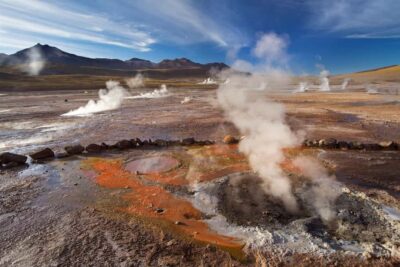 ★ 4.7El Tatio Geysers TourFrom $70943 reviews
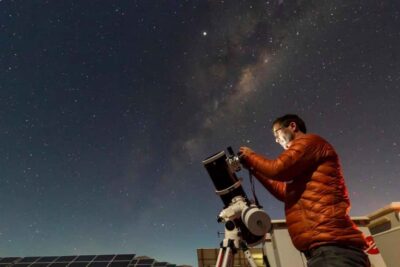 ★ 4.8Etno-Stargazing Tour with TransferFrom $41629 reviews
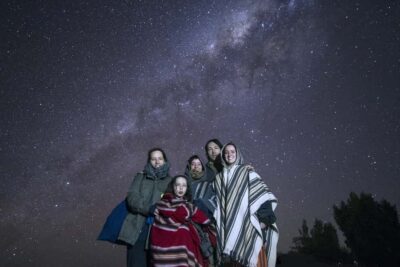 ★ 4.7Stargazing ExperienceFrom $35489 reviews
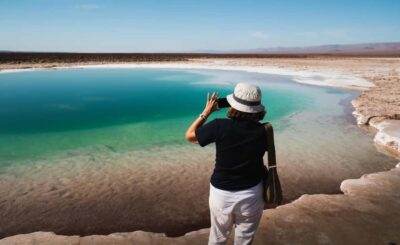 ★ 4.6Baltinache LagoonsFrom $70359 reviews
 ★ 4.4Valle de la Luna Guided TourFrom $63312 reviews
 ★ 4.63-Day Activity Combo with 4 ToursFrom $233247 reviews
 ★ 4.5Valle de la Luna (Moon Valley) from San Pedro de AtacamaFrom $47145 reviews
 ★ 4.5Astronomical Tour with Guide and Pick Up San Pedro de AtacamaFrom $38145 reviews
Browse the lists this tour appears in