
Review · ATACAMA
Astronomical Tour with Guide and Pick Up San Pedro de Atacama
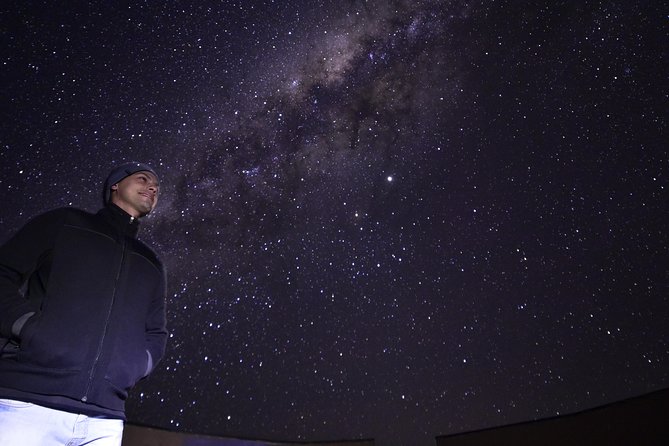
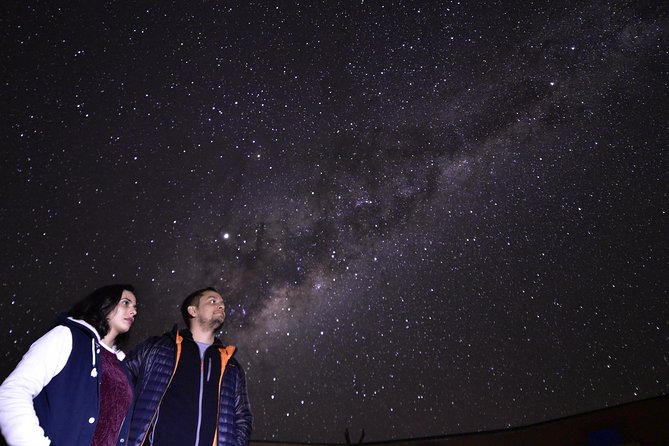
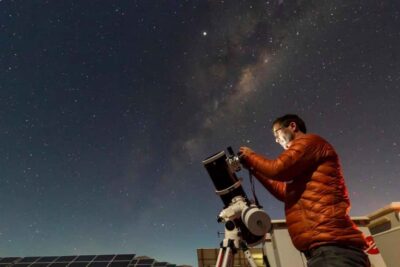
The stars feel close here. In San Pedro de Atacama, you get picked up at night and guided through the southern sky with computerized and manual telescopes, plus a laser pointer that helps you follow constellations as the darkness locks in.
I love the hands-on rhythm of the evening: you are not just staring at a blank sky, you are actively finding targets through the eyepiece while the guide explains what you are seeing and why it looks the way it does. I also love the added comfort and keepsakes, with blankets and chairs ready for you, plus snacks and drinks that make the cold feel manageable.
One thing to plan for: the experience can include some waiting for telescope time, and if the moon is bright, you may not see the Milky Way as clearly as you hoped.
In This Review
- Key highlights worth your attention
- San Pedro de Atacama at 9:30 pm, when the sky does the talking
- Pickup and the short ride to the observation setup
- How the 2.5 hours usually play out at night
- Telescopes, targets, and what makes Atacama viewing feel different
- Planets and clusters: the part that feels most magical
- The moon question: when you might lose the Milky Way
- Snacks, coffee, drinks, and the small comforts that matter at altitude
- Photography: the souvenir piece and how to think about it
- Language and group mix: your experience can swing based on the night
- Price and value: what $38 buys in Atacama
- Who should book this astronomy tour
- Weather reality in the desert: why the night can change fast
- Should you book this San Pedro astronomy tour?
Key highlights worth your attention
- Computerized and manual telescope time so you get different ways of viewing the same targets
- Southern hemisphere constellation laser guidance to help you actually orient yourself in real time
- Small-group feel (max 16) geared for questions and a calmer pace than big party tours
- Included blankets, chairs, snacks, coffee or tea, and soda so you stay comfortable in the cold
- Alcoholic beverages included for a cozy nightcap under the stars
- Professional astro photos included for a souvenir moment, with the tour listing photography without moonlight
Other ways out of San Pedro into the desert
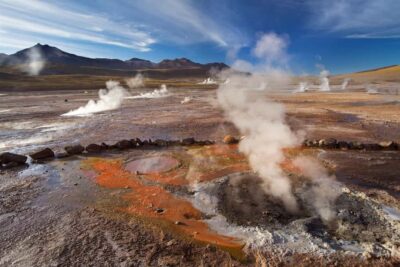
- San Pedro de Atacama: El Tatio Geysers Tour
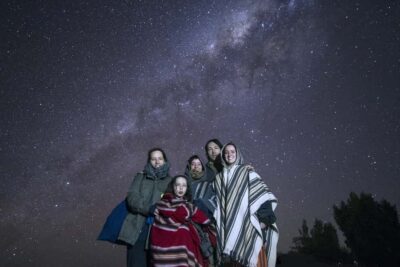
★ 4.7 · 943 reviews - San Pedro de Atacama: Etno-Stargazing Tour with Transfer
★ 4.8 · 629 reviews - San Pedro de Atacama: Stargazing Experience
★ 4.7 · 489 reviews - San Pedro Atacama: Baltinache Lagoons
★ 4.6 · 359 reviews
San Pedro de Atacama at 9:30 pm, when the sky does the talking
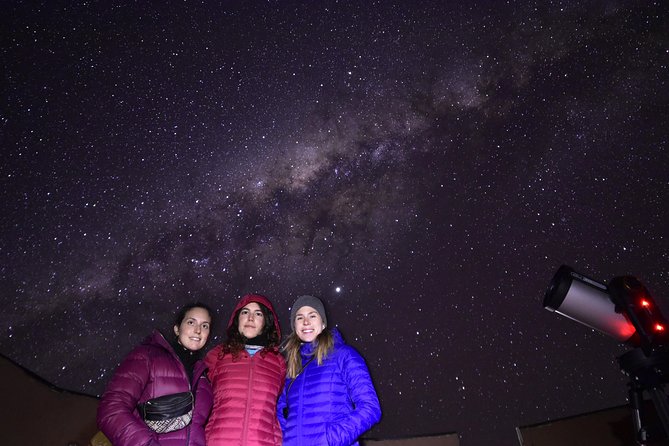
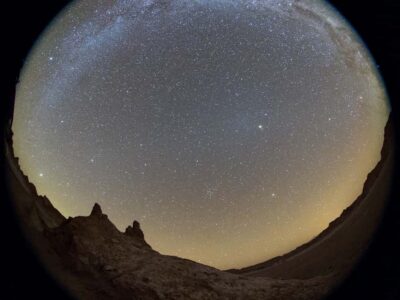
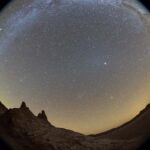
San Pedro de Atacama is famous for clear skies, and this tour times itself for the moment when darkness actually works in your favor. The start is 9:30 pm, which matters here, because you want the sky to settle and your eyes to adjust before the guide starts pointing out planets, clusters, galaxies, and star patterns.
The best part is that the whole experience is built around seeing, not just hearing about astronomy. You get a structured observing session with an astronomy guide who keeps the night grounded in practical explanations. Then you get the payoff: watching distant objects through high-quality telescopes, with both the overview of where you are in the sky and the step-by-step experience of how telescopes reveal detail you cannot get with the naked eye.
Pickup and the short ride to the observation setup
You start with pickup from your accommodation in San Pedro de Atacama. The tour also notes that it does not pick up from en ayllu de Cucuter, Tulor, Coyo, Solor, or Quitor, so if you are staying outside the main pickup zone, double-check your exact address when you book.
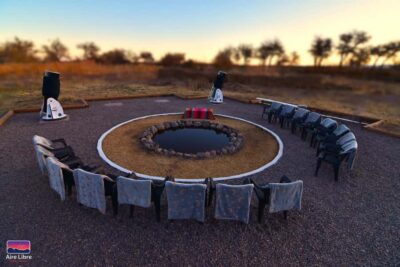
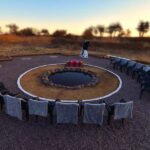
After pickup, you head to the observation area. Guests describe it as a setup a short distance from the center, with telescopes arranged in a courtyard or similar viewing space. That detail is useful. It means you spend less time commuting and more time under the sky, which helps when you are already cold and ready to look up.
How the 2.5 hours usually play out at night
This is listed at about 2 hours 30 minutes. In that time, expect a flow that looks something like this:
First comes the welcome and a sky briefing. The guide helps you read what is above you, using an astronomical laser pointer to track key constellations of the southern hemisphere. This is not just a gimmick. When you understand the star patterns and where planets tend to show up, your telescope viewing feels more like a guided exploration and less like random peeking.
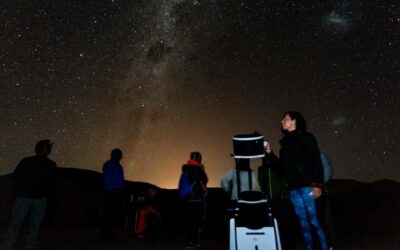
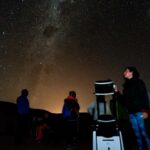
Then the telescopes come into play. The evening is structured around aiming the scopes at specific objects and rotating through viewing time. You will likely spend some minutes listening while the guide explains what you are seeing, then you will get your turn to look through the telescope with the object locked in.
One practical note based on real timing: if you are in a small group, turns usually feel smooth. But if your night is busier, telescope time can mean some waiting. That is normal for any guided astronomy setup with limited eyepieces, but it is still worth managing your expectations.
More nights under the clearest skies in Chile
Telescopes, targets, and what makes Atacama viewing feel different
The tour uses high-end equipment, including both computerized and manual telescopes. That matters because it changes how the targets appear and how you experience the hunt. With computerized help, the scope can find the object quickly. With manual control, you often get a more intimate feeling for how an eyepiece view locks into focus and reveals structure.
What you can see depends on the time of year and conditions, but the tour description is clear about the range: planets, clusters, galaxies, and stars, with unique shapes and colors when the sky quality allows it. In a place like Atacama, the sky itself is the star, and your guide is there to translate the weirdness into something you can actually recognize.
A few guide details worth knowing:
- Patricio, often described as energetic and fast at targeting, shows up as a common host name. Guests mention both his teaching style and how quickly he can get telescopes pointed at the right spots.
- Another host name that got strong praise is Nathan. One guest specifically noted that he helped them understand and even set up their own camera for amateur astrophotography.
Also, you are not just told where to look. You get an explanation of what the guide is doing as they aim the telescopes. That makes the experience more satisfying if you care about details, but it still stays friendly if you do not.
Planets and clusters: the part that feels most magical
For me, the most reliable wow factor on an Atacama stargazing night is the combination of planets plus clusters. Planets tend to be easier to find and often give you a clear sense of scale and brightness. Star clusters and certain galaxies can look like small, faint “patches” to your eyes until the telescope makes the detail pop.
When conditions are good, the difference between naked-eye sky and telescope viewing becomes obvious fast. When conditions are average or the moon is bright, it becomes more about appreciating what the telescope can still pull out anyway.
The moon question: when you might lose the Milky Way
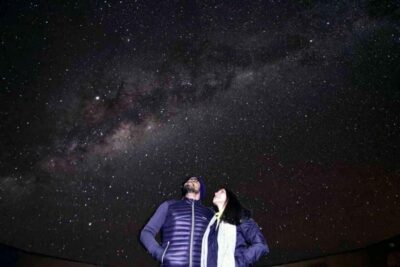
Here is the honest trade-off. The tour listing says astro photography is provided without moon. Reviews also echo a common reality: a bright moon can wash out the fainter parts of the Milky Way.
That can feel disappointing if your mental picture is a perfect band of stars across the sky. But it is also why this kind of tour can still be worth it even when the moon is up.
- With a full or bright moon, you will often see the moon itself in impressive detail through the telescope, and you can still catch planets and certain standout objects.
- With a new moon or minimal moonlight, you have the best chance to see more of the Milky Way and faint sky structure.
My advice: if you are booking only one astronomy night in San Pedro, try to pick a date with minimal moonlight. If your schedule forces you into a lunar phase, do not cancel your excitement. Planets and the moon can still deliver that wow factor, and your guide can shift targets to match what the sky is willing to show.
Snacks, coffee, drinks, and the small comforts that matter at altitude
This tour is thoughtfully set up for nighttime comfort. You get blankets and chairs, and you also get snacks plus coffee and/or tea, and soda. Alcoholic beverages are included too.
That sounds casual, but it matters in the real world. Nights in the desert can feel brutally cold once you stop moving. Having a place to sit, something warm to sip, and a drink if you want it changes the vibe from survival mode to actually enjoying the sky.
One more important detail: the tour includes a restroom (listed as W.C.). That is not glamorous, but it is practical for a 2.5 hour night session when you are settling in for telescope turns.
Photography: the souvenir piece and how to think about it
Astro photography is included, and the listing specifies it is without moon. In practice, guests describe receiving professional photos as a souvenir, including images paired with the stars and moon even on nights when moonlight was strong.
So here is how I would treat the photo part when you are deciding if it is worth it:
- If moonlight is low, you are more likely to get the kind of sky photo you imagined.
- If the moon is bright, expect the moon and brighter targets to play a bigger role in the final photo.
Also, you should not count on the photo process eating up your entire evening. Still, be prepared for at least some time where people step away and gather for the camera moment. If you hate waiting, that is something to factor in.
If you are into your own photography, there is a silver lining: one review mentions the guide helped them set up their camera for amateur astrophotography. If you bring a camera, it is worth asking if they can offer a quick positioning tip.
Language and group mix: your experience can swing based on the night
The tour is aimed at different audiences, from families to couples to photographers. Reviews show that language can vary by guide and group composition.
Common pattern from guest reports:
- Patricio or the primary guide provides explanations in Spanish.
- A secondary guide translates into English, though the exact timing can feel uneven if multiple people are asking questions while telescope time is happening.
What this means for you: if you rely on English explanations, go in with the mindset that some parts may be quicker or more condensed than you want, especially during the busiest viewing moments. On the flip side, many guests praise guides who manage to keep things inclusive and educational in English.
Price and value: what $38 buys in Atacama
At $38 per person, the headline value is not just the telescope. It is the whole package: pickup, seating, blankets, snacks, drinks (including alcoholic beverages), and the photo souvenir piece.
Astronomy tours in remote places can get expensive fast, especially when you factor in transportation out of town and the cost of specialized equipment. Here, the price sits in a range that makes it realistic for families and budget-minded travelers, while still giving you the core experience, telescope viewing plus a guide who points out objects and explains what you are seeing.
If you want a solo stargazing night, you can sometimes do it yourself. But you would have to solve transport, find a truly dark area, and figure out targets without the laser pointer guidance and telescope alignment. Paying for this tour is mostly paying for someone else to handle the aiming, the interpretation, and the night logistics, while you focus on looking.
Who should book this astronomy tour
This tour is a great match if you want:
- A guided stargazing experience in San Pedro de Atacama without doing the planning work yourself
- Telescope viewing that is structured and easy to follow
- A family-friendly format with comfortable seating, blankets, and snacks
- Couples or friends who want a relaxing evening that also feels educational
It is also a good fit for photographers. Even if you do not bring a serious setup, you will benefit from understanding what to look for. If you do bring a camera, you might get help with setup or practical tips during the evening.
Where it might disappoint you is if you expect a long, uninterrupted personal telescope session. Some guests found that the time is partly spent waiting your turn, and the number of objects viewed can feel limited if you were hoping for a deeper “observatory style” session. That is the trade-off for a guided group tour.
Weather reality in the desert: why the night can change fast
This tour depends on the sky. The experience notes that it requires good weather, and if it is canceled due to poor conditions, you will be offered a different date or a full refund.
That is not just a polite disclaimer. In Atacama, wind, humidity, and cloud cover can spoil the night fast. If you are planning your schedule around this, pick a date with some flexibility.
My practical approach: book it, but keep a backup day free, if possible. That way, when the forecast shifts, you still get your shot at the clearest sky.
Should you book this San Pedro astronomy tour?
If you want a guided, small-group night under Atacama skies, I think this is an easy yes. The value is strong for what is included, and the core experience is real: telescopes, a guided constellation map with a laser pointer, and explanations that turn the sky from random dots into something you can recognize.
Book it if:
- You can handle a bit of waiting for telescope turns
- You want comfort included, blankets, chairs, snacks, warm drinks, and a restroom
- You are okay with the moon being a factor, and you are willing to go for the targets available that night
- You like learning while you look, not just looking silently
Skip it or treat it cautiously if:
- You are expecting guaranteed Milky Way visibility every time
- You hate group dynamics and want total control of your viewing time
- You are extremely sensitive to language pacing and need fully detailed English for every moment
If you choose the right night for moonlight and you go in expecting a guided rotation rather than a private observatory session, you will leave feeling like the sky made sense. And that is the point of spending the evening here.
Everything Else We Have Reviewed In Chile
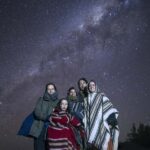
More Chilean Skies Worth Staying Up For
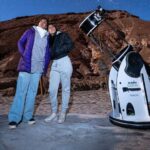
Out Of San Pedro Again
Not quite it? Here is the rest of what we have reviewed around Chile
More in San Pedro de Atacama Tours.
 ★ 4.7El Tatio Geysers TourFrom $70943 reviews
 ★ 4.8Etno-Stargazing Tour with TransferFrom $41629 reviews
 ★ 4.7Stargazing ExperienceFrom $35489 reviews
 ★ 4.6Baltinache LagoonsFrom $70359 reviews
 ★ 4.4Valle de la Luna Guided TourFrom $63312 reviews
 ★ 4.63-Day Activity Combo with 4 ToursFrom $233247 reviews
 ★ 4.5Valle de la Luna (Moon Valley) from San Pedro de AtacamaFrom $47145 reviews
 ★ 4.5El Tatio Geyser Field & WetlandsFrom $76141 reviews
Browse the lists this tour appears in