
Review · ATACAMA
San Pedro de Atacama: Shared Moon Valley Tour
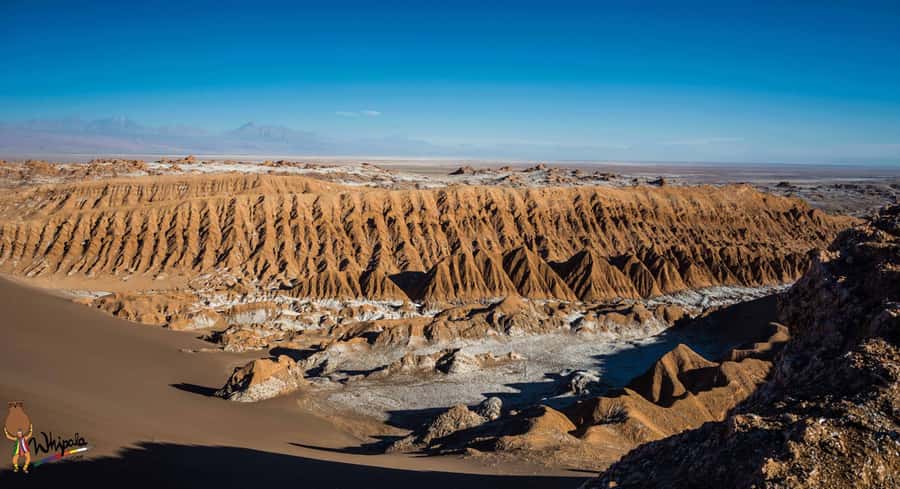
A desert tour that feels like a science lesson. This shared half-day in Valle de la Luna mixes short hikes, big stops, and a true sunset payoff. I like that the day is paced with photo moments plus actual walking, so you get both views and context.
Two things I especially like are the guided stops at Duna Mayor and Las Tres Marías, plus the late-session viewpoint at Mirador de Ckari, where the light turns the whole area dramatic. The main thing to consider is that it is still a desert hike with sandy terrain, so comfortable shoes and a steady pace matter.
In This Review
- Key things to notice before you go
- Moon Valley at Sunset: Why this 4-hour outing is so popular
- Price and Entrance Ticket Math (what you should budget)
- Meet at Tocopilla 418, then get your desert rhythm right
- Stop-by-stop: Duna Mayor, Las Tres Marías, and the amphitheater
- First big block: Duna Mayor
- Then: Valle de la Luna photo stops and short walks
- The amphitheater observation
- Quebrada Honda and Piedra del Coyote at Ckari
- How the sunset timing actually feels (and what to do with it)
- Guides and group vibe: what makes it feel worth $32
- What to bring, so you do not suffer for the photos
- Who should book (and who should skip this one)
- Should you book the Shared Moon Valley Tour?
- FAQ
- Where do I meet for the Shared Moon Valley Tour?
- What time should I arrive?
- How long is the tour?
- Is the entrance ticket to the National Reserve included in the price?
- Where do I buy the entrance ticket?
- What languages are the guides?
- What should I bring for the hike?
- Is this tour suitable for children or people with mobility limits?
- Are drones or alcohol allowed?
- What is the cancellation policy and payment option?
Key things to notice before you go
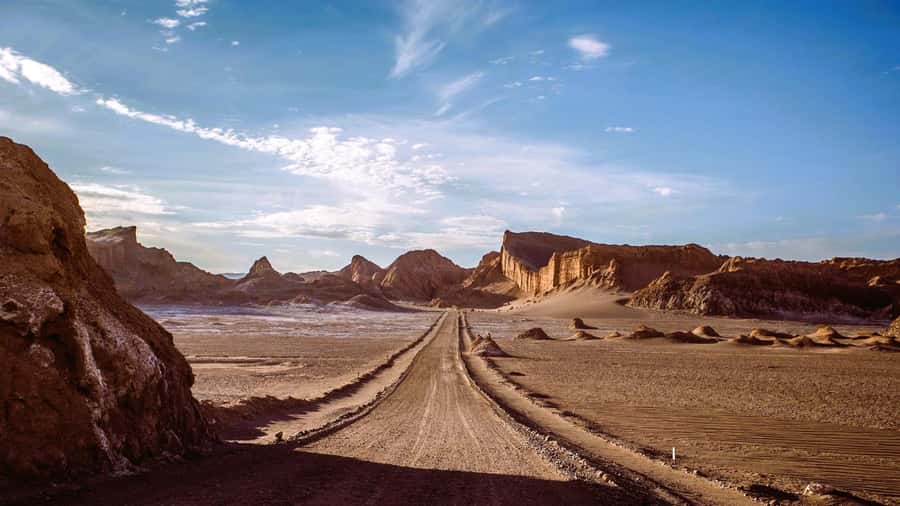
- Duna Mayor hike is the biggest walking chunk, with guided viewpoints along the way.
- Las Tres Marías (Los Tres Vigilantes) gets treated like a must-see landmark, not a quick photo.
- You will get multiple Valle de la Luna photo stops, then short guided walks between them.
- Sunset is at Mirador de Ckari (Piedras del Coyote), with a longer viewing block.
- The tour runs as a shared experience with a live guide in English or Spanish.
- The park entrance ticket is not included, so plan to buy it in advance.
Other ways out of San Pedro into the desert
- San Pedro de Atacama: El Tatio Geysers Tour
★ 4.7 · 943 reviews - San Pedro de Atacama: Etno-Stargazing Tour with Transfer
★ 4.8 · 629 reviews - San Pedro de Atacama: Stargazing Experience
★ 4.7 · 489 reviews - San Pedro Atacama: Baltinache Lagoons
★ 4.6 · 359 reviews
Moon Valley at Sunset: Why this 4-hour outing is so popular
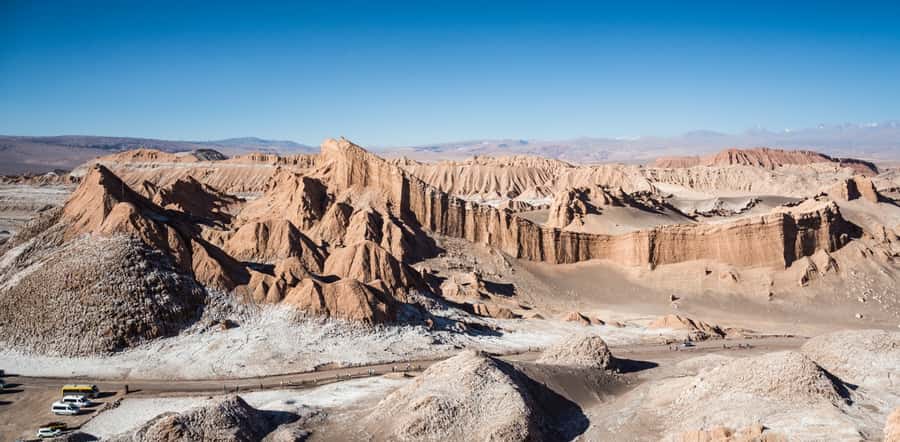
San Pedro de Atacama is famous for big skies and weirder-than-fiction geology. This shared Moon Valley tour is built for exactly that: you start in town, drive into the reserve, then spend the next few hours moving through the highlights of Valle de la Luna. It is a classic “desert + science + golden hour” combo.
The timing matters. You are not just watching the sun set from a bus window. The itinerary saves a longer stretch of hiking and scenic time for the end, so the light changes as you walk and stop. That is when the dunes and rock formations start looking most different from one minute to the next.
What you are really buying is convenience plus a guide who puts the pieces together. When you understand what you are looking at, the dunes stop being just sand and start feeling like a story you can trace.
Price and Entrance Ticket Math (what you should budget)
The tour price is $32 per person for about 4 hours of guided visiting in the reserve area. That is the part the tour operator charges.
The key catch is the entrance ticket to the National Reserve. It costs 10,800 CLP per person, and it is not included. You need to buy it ahead of time on valledelaluna.com. If you forget, you may lose time right when you want to be outside.
So here is the practical way to think about value:
- You pay $32 for the tour, transport, and guide time.
- You pay 10,800 CLP on top for the reserve access.
- If you already know you will do Valle de la Luna anyway, this tour is a straightforward way to handle logistics and hit the main points efficiently.
Meet at Tocopilla 418, then get your desert rhythm right
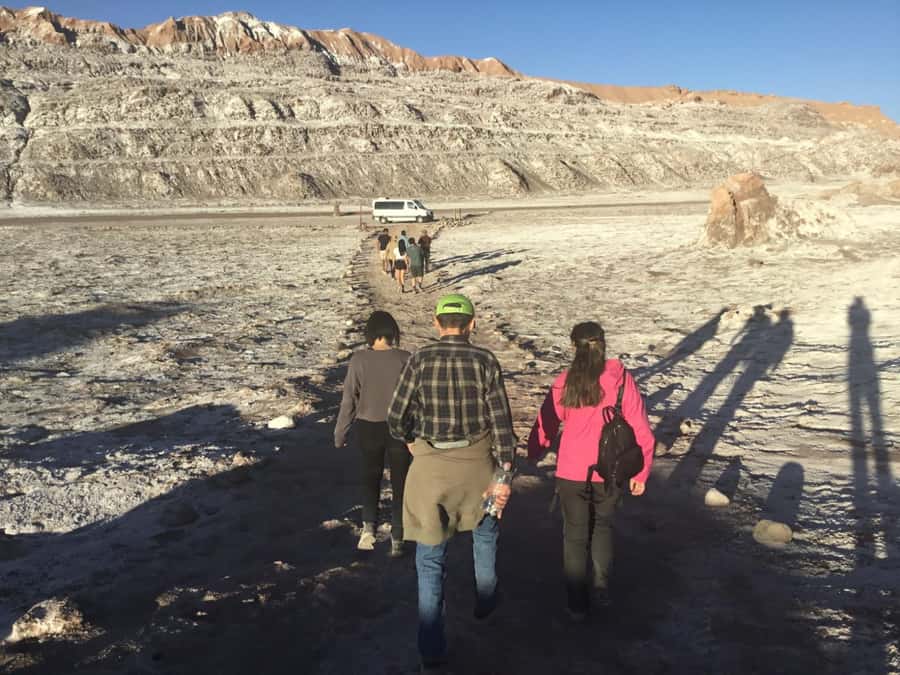
You meet at the agency location in downtown San Pedro de Atacama: Tocopilla #418. Plan to arrive early for the presentation time.
- Summer: presentation at 15:50
- Winter: presentation at 14:50
From there, the group boards a coach and you will have short drives between stops. The itinerary includes a quick safety briefing early on, plus a couple of short “secret” style stops along the way. None of it is meant to waste your day. It is there so the walking routes and timing stay manageable.
A shared tour also means you should expect a group pace. If you naturally walk faster, keep your own pace steady anyway, because the dunes do not care how excited you are. Sand is slow, and the heat can change your breathing fast if you are unprepared.
The other coloured valleys within reach of San Pedro
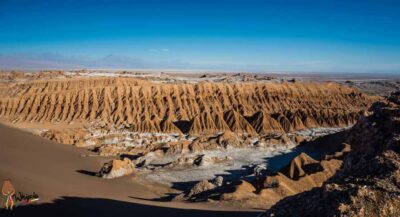

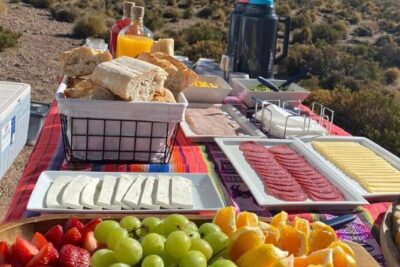
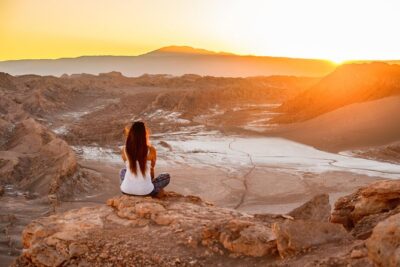
Stop-by-stop: Duna Mayor, Las Tres Marías, and the amphitheater
This tour is structured around a handful of big names, then repeated photo and walk segments that keep you moving without feeling rushed.
First big block: Duna Mayor
The stop at Duna Mayor includes:
- a photo stop
- a guided tour
- hiking (about 40 minutes)
- scenic viewpoints en route
This is where you feel the “Valley of the Moon” theme in your legs. You are hiking in desert terrain, looking at dunes and ridges, and learning what makes this area so geologically interesting. If you love photos, you also get those in-between moments where your angle changes as you move.
Then: Valle de la Luna photo stops and short walks
After Duna Mayor, you head into Valle de la Luna with a sequence of quick hits. The schedule stacks multiple short segments, each one giving you a different angle and a bit more context:
- a brief guided stop and short hiking segment (around 15 minutes)
- another photo stop plus walking/hiking (around 20 minutes)
- another photo stop plus a smaller guided hiking block (around 10 minutes)
The benefit of this format is that you do not just stare. You move, stop, and listen in the same rhythm, so the formations connect in your mind. The drawback is obvious: if you do not enjoy walking, the repeated “short walks” can add up.
The amphitheater observation
The tour includes an amphitheater stop as part of the visit. You can expect it to be a guided viewpoint moment rather than a long hike. Think of it as one of those spots where the geography shapes your perspective, and the guide helps you notice why.
Quebrada Honda and Piedra del Coyote at Ckari
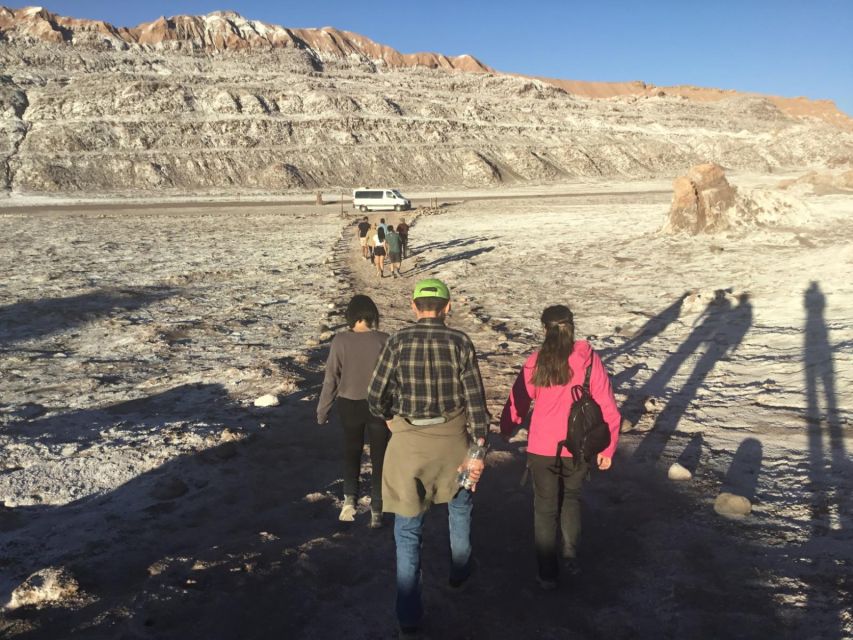
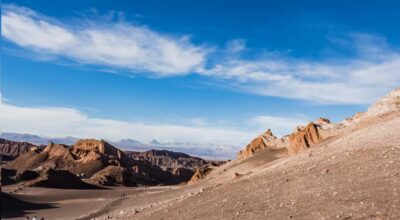
One of the most distinctive highlights is the late viewpoint at Mirador de Ckari. It is also described as Piedras del Coyote.
This is not just a single photo. The schedule gives you a longer window at the end, including:
- hiking time
- sunset
- scenic viewpoints on the way
(around 70 minutes for this final block)
Why it matters: “Piedra del Coyote” is the kind of landmark where your brain wants to guess the shape first, then your guide helps you understand what you are seeing. That shift turns a pretty view into a remembered moment. And at sunset, contrast makes the rock and sand features look sharper.
If you are going for photos, arrive mentally ready to move slowly and reposition. Sunset angles change quickly, and you will get the best results by not rushing straight to one spot and staying there.
How the sunset timing actually feels (and what to do with it)
The tour is built for light. The end of the trip is where you should focus your attention and energy.
By the time you reach the Mirador de Ckari viewpoint, the day’s colors shift and the terrain starts looking more dimensional. The guide typically uses the moment to explain what you are seeing, so the sunset becomes part of the story instead of just a postcard.
Practical tip: treat the sunset like a mini hiking session. Wear footwear you trust, bring enough water, and do not assume the temperature will behave the way it did earlier.
Also, this is a desert setting. Even when it feels calm, the ground can be uneven underfoot. Take your time on the sand and watch your footing, especially if the group is stringing out for photos.
Guides and group vibe: what makes it feel worth $32
A big part of why this tour scores so well is the guide energy and the ability to explain the area clearly. Different guides have different styles, but the pattern is consistent: they keep you moving and give you context as you go.
Some guide names you may see on this kind of tour include Sheryl, Ernie, Cris, Nicolas, and Cris again in different bookings. Many also bring a strong mix of fun and facts, with explanations that include how the Andes formed over millions of years and what minerals and geology you are likely to notice in the reserve.
If you want a tour where you can ask questions on the spot, this is the type that works well. You are outdoors, the guide has time to point, and the itinerary has built-in stops that make questions natural.
One note for expectations: the walking is part of the package. If you prefer your sightseeing mostly from one spot, you might find the amount of sand and walking a bit much.
What to bring, so you do not suffer for the photos
This tour is outdoors for hours, in a desert environment. Here is what you should bring based on the operator’s guidance:
- Hiking shoes (not just sneakers that work in town)
- Sunscreen
- Water
- weather-appropriate clothing
It is also smart to plan for sun exposure even late in the afternoon. The desert can keep blasting you. A hat and sunglasses help, even though they are not listed explicitly, because they solve the exact problems you are likely to feel.
What is not allowed:
- drones
- alcohol and drugs
- alcoholic drinks in the vehicle
So if you were imagining a celebratory drink with sunset, save it for later. The tour keeps it straightforward.
Who should book (and who should skip this one)
This shared Moon Valley tour is a good fit if you:
- enjoy short hikes and frequent viewpoint stops
- want a guided explanation while you walk
- like the idea of ending with a true sunset at Mirador de Ckari
It is not suitable for:
- children under 8
- pregnant women
- people with mobility impairments
- people over 70
Also keep in mind the reserve is administered by Indigenous communities. In case of bad weather or emergencies, they may close areas or adjust hours, and that is not the agency’s fault.
Finally, the operator requires a minimum group size of 6 people. If they do not hit the minimum, they may join another partner agency. You still get the experience, but it may not be the exact solo group you imagined.
Should you book the Shared Moon Valley Tour?
I would book it if you want a well-timed, guided Valle de la Luna visit with the big hits: Duna Mayor, Las Tres Marías, amphitheater observation, and the sunset viewpoint at Mirador de Ckari. The tour is also priced accessibly for what you get, as long as you budget for the reserve entrance ticket.
Skip or reconsider if:
- you hate walking on sand
- you are sensitive to heat and sun and do not want to manage that with proper gear
- you need a more stationary experience from one viewpoint
If you are comfortable hiking for about an hour across desert terrain and you like being outdoors in the late light, this is the kind of tour that turns a famous name into a set of images you actually remember.
FAQ
Where do I meet for the Shared Moon Valley Tour?
You meet at the agency in downtown San Pedro de Atacama at Tocopilla #418.
What time should I arrive?
Presentation time is 15:50 in summer and 14:50 in winter.
How long is the tour?
The tour duration is 4 hours.
Is the entrance ticket to the National Reserve included in the price?
No. The entrance ticket to the National Reserve is 10,800 CLP per person and must be purchased separately.
Where do I buy the entrance ticket?
You buy it before the tour at valledelaluna.com.
What languages are the guides?
The live tour guide is available in English and Spanish.
What should I bring for the hike?
Bring hiking shoes, sunscreen, water, and weather-appropriate clothing.
Is this tour suitable for children or people with mobility limits?
It is not suitable for children under 8, pregnant women, people with mobility impairments, or people over 70.
Are drones or alcohol allowed?
No. Drones are not allowed, and alcohol and drugs are not allowed, including alcoholic drinks in the vehicle.
What is the cancellation policy and payment option?
You can cancel up to 24 hours in advance for a full refund. There is also a reserve now & pay later option.
Everything Else We Have Reviewed In Chile
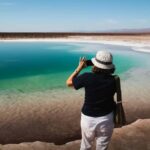
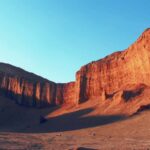
The Coloured Valleys Near San Pedro
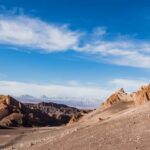

Out Of San Pedro Again
Not quite it? Here is the rest of what we have reviewed around Chile


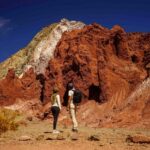
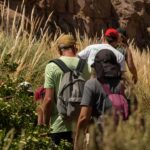
More in San Pedro de Atacama Tours.
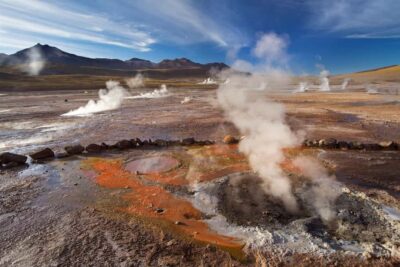 ★ 4.7El Tatio Geysers TourFrom $70943 reviews
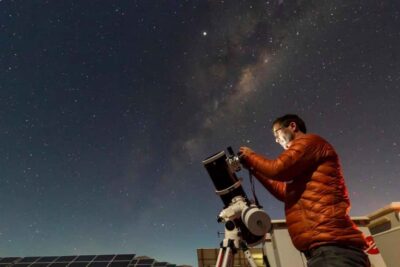 ★ 4.8Etno-Stargazing Tour with TransferFrom $41629 reviews
 ★ 4.7Stargazing ExperienceFrom $35489 reviews
 ★ 4.6Baltinache LagoonsFrom $70359 reviews
 ★ 4.4Valle de la Luna Guided TourFrom $63312 reviews
 ★ 4.63-Day Activity Combo with 4 ToursFrom $233247 reviews
 ★ 4.5Valle de la Luna (Moon Valley) from San Pedro de AtacamaFrom $47145 reviews
 ★ 4.5Astronomical Tour with Guide and Pick Up San Pedro de AtacamaFrom $38145 reviews
Browse the lists this tour appears in