
Review · ATACAMA
San Pedro de Atacama: Valle de la luna
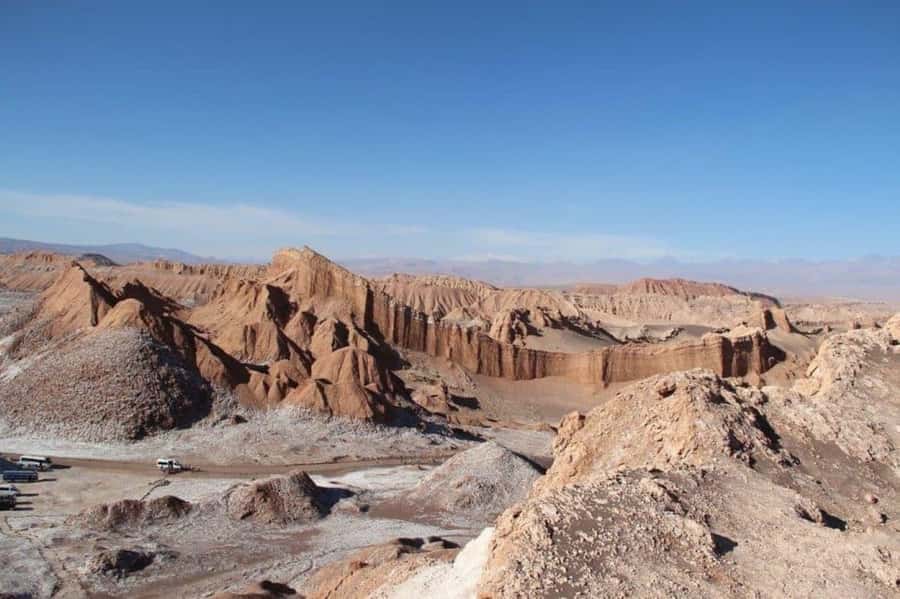
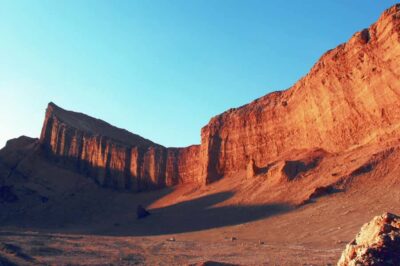
The desert here looks unreal. Valle de la Luna, just 10 kilometers from San Pedro de Atacama, turns the Atacama into a moon-like stage at about 2,500 meters. I like how the tour is built around key photo stops and short walks, so you feel the place instead of just driving past it. A standout from the real-world experience is the guide, Christian, who keeps an eye on the group and checks in person by person.
I love the way you earn the views. The Gran Dune climb is the big payoff, and it’s paired with the sky-shifting moment as the sun drops and the rocks warm up. One thing to plan for: the area can be windy and the temperature can swing, so pack layers and expect gusts during the more open stretches.
If you’re short on time, this is a smart way to cover the Moon Valley’s main hits. With transfers, a live guide, and even a cocktail included, it can feel like a complete mini-adventure. Just remember the park entrance is not included, so you’ll pay that separately at the gate.
In This Review
- Key moments you will hit in Valle de la Luna
- Why Valle de la Luna feels like another world near San Pedro
- Salt of Sal, Three Marys, and the rock stops that shape your walk
- Salt of Sal: mountains of salt you can actually walk through
- Three Marys: statue views with cultural meaning
- Amphitheater: play with natural acoustics
- Gran Dune sunset climb, plus why the view feels bigger than it looks
- How the climb usually feels
- The sunset “color show” payoff
- Coyote Stone and Ckari Mirador: the viewpoints that close the loop
- Coyote Stone: a short walk with big framing
- Ckari Mirador: the final look where the scale hits
- Price and included perks: is $65 good value for Valle de la Luna?
- The value question I’d ask you
- Timing, wind, and what to wear for a 4-hour desert circuit
- Sunset matters, so check your start time
- Who should book this Valle de la Luna tour, and who might skip it
- Best for
- Consider skipping or choosing something else if
- Should you book this Valle de la Luna tour?
- FAQ
- How long is the Valle de la Luna tour?
- What is included in the $65 per person price?
- Is the park entrance fee included?
- What languages does the guide speak?
- Is there free cancellation?
- Does the tour include the Gran Dune sunset viewpoint?
Key moments you will hit in Valle de la Luna
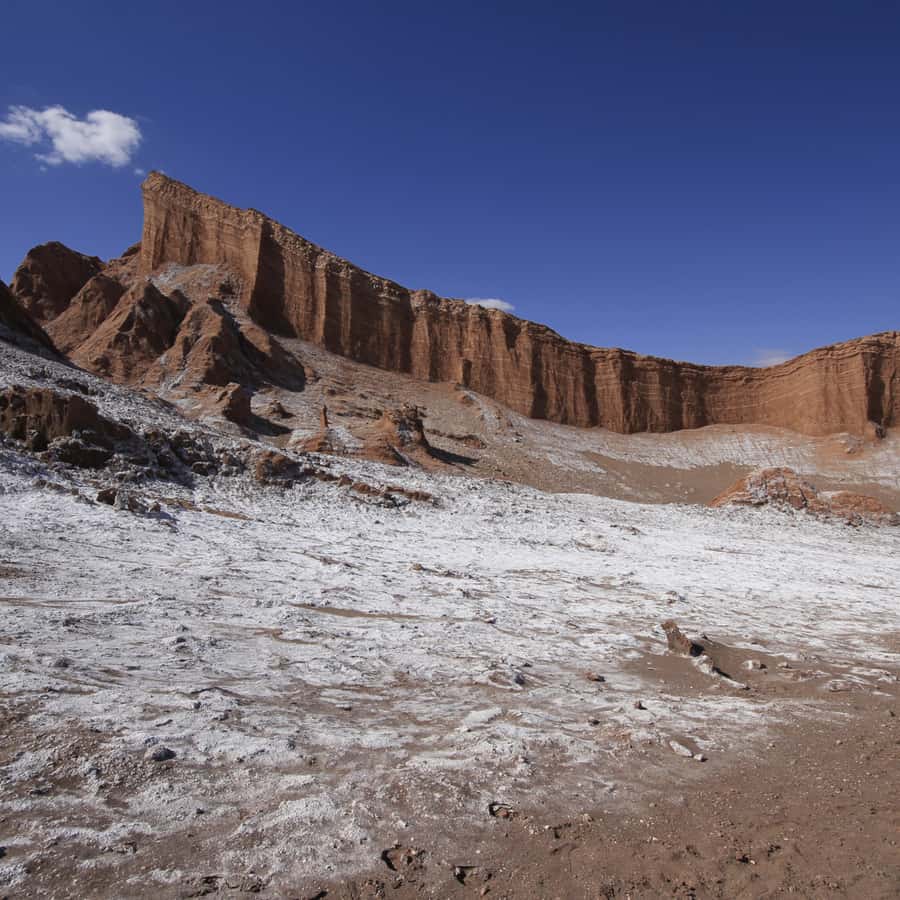
- Salt of Sal: Walk among mountains of salt in a surreal, pale setting.
- Three Marys: See the statue and take in the meaning behind this iconic stop.
- Gran Dune: Climb up for panoramic views, with sunset as the visual reward.
- Amphitheater: Test the natural acoustics by speaking or calling.
- Coyote Stone and Ckari Mirador: Finish with more viewpoints where the valley keeps stretching out.
Other ways out of San Pedro into the desert
- San Pedro de Atacama: El Tatio Geysers Tour
★ 4.7 · 943 reviews - San Pedro de Atacama: Etno-Stargazing Tour with Transfer
★ 4.8 · 629 reviews - San Pedro de Atacama: Stargazing Experience
★ 4.7 · 489 reviews - San Pedro Atacama: Baltinache Lagoons
★ 4.6 · 359 reviews
Why Valle de la Luna feels like another world near San Pedro

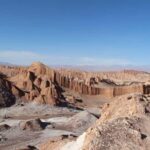
Valle de la Luna, or Moon Valley, is one of those places where your brain keeps asking, how is this real? It is volcanic terrain shaped by time, with wind and extreme temperature changes doing the sculpting. And there’s a strong geologic story too: the area is often described as a former seabed, which helps explain why the surface can look both ancient and oddly theatrical.
What makes this tour work for most visitors is that it’s not just scenery. You walk through the forms that created the drama, and you get enough viewpoints to understand the scale. Since it sits at about 2,500 meters, the elevation is the same range as San Pedro, so it is a great “first days in town” outing when you want your bearings without going far into higher altitudes.
The best part is the rhythm: you move, pause, and look again from a new angle. That matters in the Moon Valley. From one spot the colors and shapes can look muted, then you step a few minutes and suddenly the light hits the salt, the ridges, and the ridged rock textures in a totally different way. You start to see how the wind carved everything into lines and walls.
And yes, it feels dramatic even in a short window. This is a 4-hour experience, which means you can fit it without blowing up your whole day in San Pedro.
Salt of Sal, Three Marys, and the rock stops that shape your walk
Your tour route is built around the valley’s signature “named” features, which is helpful because you always know what you are looking at. Instead of wandering, you are guided from one point of interest to the next, and the guide helps you connect the visuals to the meaning.
Salt of Sal: mountains of salt you can actually walk through
The Salt of Sal stop is a key introduction. You are surrounded by pale salt formations that look like they were painted on. Visually, it’s stark, but up close it’s not flat. There are small ridges and stacked-looking sections, and those details catch the light as you move.
This stop is valuable for two reasons. First, it shows you the valley’s “texture,” not only its height. Second, it sets the tone for the rest of the tour. Once you have the salt colors in your eyes, the darker volcanic pieces later feel even more intense.
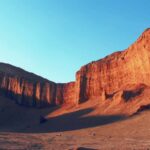
The other coloured valleys within reach of San Pedro
Three Marys: statue views with cultural meaning
Next up is the Three Marys, a statue that people come for because it’s both beautiful and meaningful. The vibe here is different from the salt. The rock geometry becomes a backdrop, and the statue gives you a focal point so the view reads like a scene, not just a surface.
If you’re the kind of traveler who loves knowing what you are looking at, this is one of your best stops. It turns the valley from an abstract photo location into something you can interpret.
Amphitheater: play with natural acoustics
After the more visual stops, you get the amphitheater, a natural rock formation designed by shape and wind action. The practical fun here is that it echoes your voice. This is not about being loud for the sake of it. It is about experiencing how the land affects sound, which makes the amphitheater feel more interactive than a simple viewpoint.
For me, that kind of “do something small” moment is what makes a short tour memorable.
Gran Dune sunset climb, plus why the view feels bigger than it looks
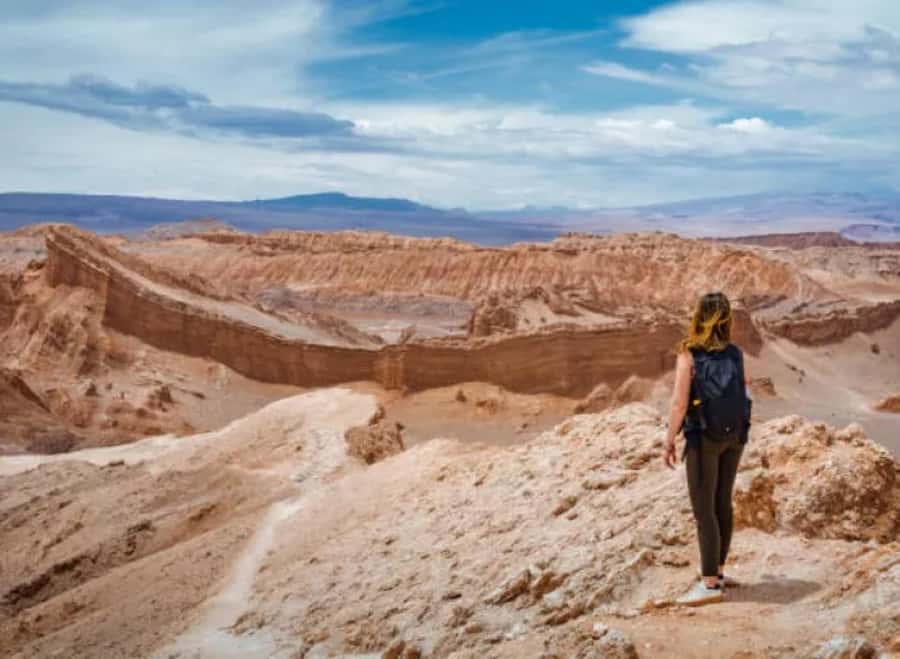
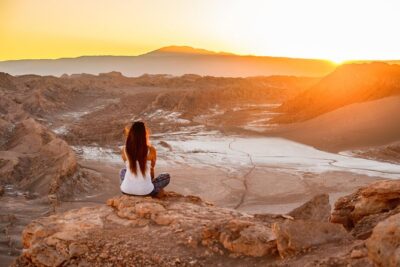
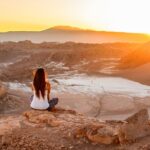
When the tour reaches the Gran Dune, you are heading for the moment most people remember. The dune is built for panoramas, and the plan is to climb up and enjoy the view as the sun sets. That timing matters because the light changes fast here. The valley goes from bright and sharp to warmer and softer, and suddenly details stand out in new ways.
How the climb usually feels
You are walking and hiking at a reasonable level, not an all-day trek. One review described the hike as reasonable, and that matches what you should expect from a 4-hour outing. Still, the dune climb can feel harder than it looks on a phone screen because you are on uneven ground and you are working against wind and shifting sand-like surfaces.
If you want an easy win, take your time. Short steps and steady breathing beat speed here. The guides also help the group pace so you do not feel like you are racing anyone.
The sunset “color show” payoff
The best practical reason to aim for sunset is how the valley reads visually. The rocks and salt pick up color as the light angle changes. People talk about it like it’s dramatic because it is. But the real value is that you get multiple looks at the same area during the transition, not just one snapshot.
If you’re traveling with someone who gets restless at fixed viewpoints, this stop is a good compromise. It’s active enough to keep attention, and the payoff is clear.
Coyote Stone and Ckari Mirador: the viewpoints that close the loop
The tour does not end at the dune and call it a day. It moves into additional rock and viewpoint stops that help you understand how wide the Moon Valley is.
Coyote Stone: a short walk with big framing
At Coyote Stone, you walk to a feature that gives you a wide-angle feel. The point of it is framing. From here, you can often see how the ridges and formations relate to each other, which makes earlier stops click into place in your mind.
This stop is valuable if you like photography and also if you want a mental map. You start connecting the “named” features into one bigger picture of the valley.
Ckari Mirador: the final look where the scale hits
Then comes Ckari Mirador, one more viewpoint designed for sweeping views. This is the place where the valley’s scale becomes obvious. You can see how the terrain stretches and how the light keeps shifting across surfaces.
If you only have one chance for a final photo, this is a strong candidate because it often feels like the valley’s widest perspective. It also serves a practical purpose: it helps you finish the tour with a sense of completion, rather than leaving with only a single dominant memory.
Price and included perks: is $65 good value for Valle de la Luna?
At $65 per person for a roughly 4-hour guided outing, this sits in the “worth it if you’ll actually use the guide” category.
Here’s what you get in the base package:
- Transfer
- Guide
- Cocktail
- Live tour guide speaking Portuguese and Spanish
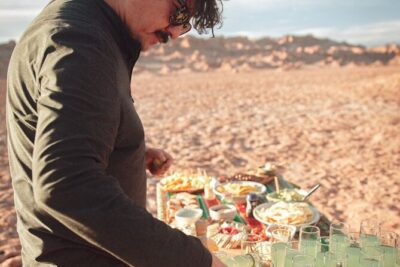
That cocktail inclusion is a small detail, but it contributes to the feeling that the tour is meant to be a complete experience, not just a hike with a checklist.
Now the key catch: the park entrance is not included. The cost listed is CLP 20 pesos, paid separately at the gate. That means your real total is slightly higher than the headline price, but it is still usually a minor add-on compared to the overall tour cost.
The value question I’d ask you
If you like geologic places and named photo stops, a guided tour is worth paying for because it helps you connect the dots quickly. If you are the type who would just drive and wander, you might save money on your own. But if you want the route to make sense in a short window and you care about what you are seeing, the guide time plus transfers are what you are really buying.
Also, there’s a practical booking advantage: free cancellation up to 24 hours in advance and reserve now, pay later. That helps if you are still locking in your day-to-day plan in San Pedro.
Timing, wind, and what to wear for a 4-hour desert circuit
Valle de la Luna is beautiful, but it is not a gentle place. The Atacama is known for strong winds and extreme temperature changes, and that shows up in this tour experience.
Here’s how to think about it so you are comfortable:
- Dress in layers. Warm sun can turn cold quickly once the light angle drops.
- Expect wind during open sections, including around viewpoints and dunes.
- Wear footwear that handles uneven ground, since the route involves walking and climbing.
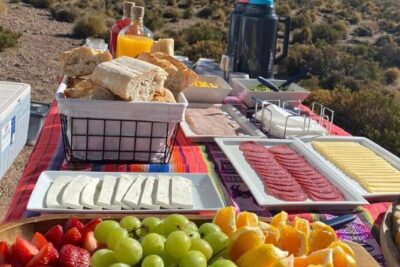
One review specifically called out strong winds and still enjoyed the picnic in the desert area. That’s a good clue that the operation continues even when the weather is a bit wild. Your job is to be ready, not to fight it.
Sunset matters, so check your start time
The dune stop is tied to the sun setting. That means your start time is not only a schedule detail. If you pick a slot that is too early or too late, you could miss the full visual payoff. The tour duration is 4 hours, and starting times depend on availability, so select the slot that aligns best with your sunset window in your travel dates.
Who should book this Valle de la Luna tour, and who might skip it
This tour fits a lot of people because it balances movement with time to look. You are not stuck on a bus for the whole afternoon, and you are not in an all-day trek either.
Best for
- First-time visitors to San Pedro who want the Moon Valley highlights in one go
- People who want views plus a bit of interpretation at the Three Marys and other named points
- Travelers who like photography and want the sunset moment from Gran Dune
- Anyone who prefers a guide to manage the route, pacing, and key stops
Consider skipping or choosing something else if
- You hate windy environments and would rather avoid open, exposed viewpoints
- You want a very slow, easy walk with minimal climbing
- You are looking for a deep, multi-day expedition rather than a focused 4-hour loop
The altitude here is about the same as San Pedro, which helps. But the desert still has its own discomforts, and wind is the big one to respect.
Should you book this Valle de la Luna tour?

Yes, book it if you want the classic Valle de la Luna experience packed into a manageable half-day. The mix of Salt of Sal, Three Marys, and the Gran Dune sunset climb gives you a strong set of memories, not just one viewpoint. Add in the fact that the tour includes transfer, a live guide, and a cocktail, and it’s a pretty tidy deal for the time you spend.
I’d especially recommend it if your schedule is tight in San Pedro and you want someone to steer you to the named places without overthinking logistics. The guide experience also seems to matter here. Christian’s style, with personal check-ins and group pacing, is the kind of service that turns a windy desert outing into something you feel safe and comfortable doing.
If you are sensitive to wind and cold at sunset, bring better layers than you think you need. If you can handle that, this tour is one of the most efficient ways to understand why Valle de la Luna is famous.
FAQ
How long is the Valle de la Luna tour?
The tour duration is 4 hours.
What is included in the $65 per person price?
It includes transfer, a live guide, and a cocktail.
Is the park entrance fee included?
No. The park entrance is paid separately at the gate, listed as CLP 20 pesos.
What languages does the guide speak?
The live tour guide offers Portuguese and Spanish.
Is there free cancellation?
Yes. You can cancel up to 24 hours in advance for a full refund.
Does the tour include the Gran Dune sunset viewpoint?
Yes. You climb the Gran Dune and enjoy panoramic views as the sun sets and the sky changes color.
Everything Else We Have Reviewed In Chile
The Coloured Valleys Near San Pedro

Out Of San Pedro Again
Not quite it? Here is the rest of what we have reviewed around Chile

More in San Pedro de Atacama Tours.
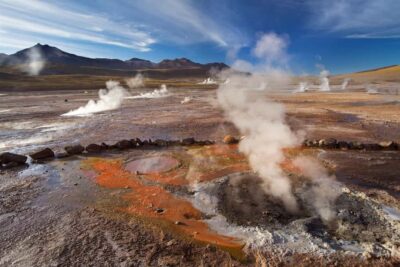 ★ 4.7El Tatio Geysers TourFrom $70943 reviews
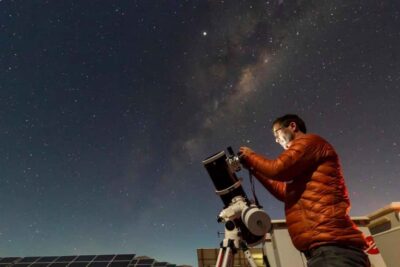 ★ 4.8Etno-Stargazing Tour with TransferFrom $41629 reviews
 ★ 4.7Stargazing ExperienceFrom $35489 reviews
 ★ 4.6Baltinache LagoonsFrom $70359 reviews
 ★ 4.4Valle de la Luna Guided TourFrom $63312 reviews
 ★ 4.63-Day Activity Combo with 4 ToursFrom $233247 reviews
 ★ 4.5Astronomical Tour with Guide and Pick Up San Pedro de AtacamaFrom $38145 reviews
 ★ 4.5Valle de la Luna (Moon Valley) from San Pedro de AtacamaFrom $47145 reviews
Browse the lists this tour appears in