
Review · ATACAMA
San Pedro de Atacama: Astronomical Tour
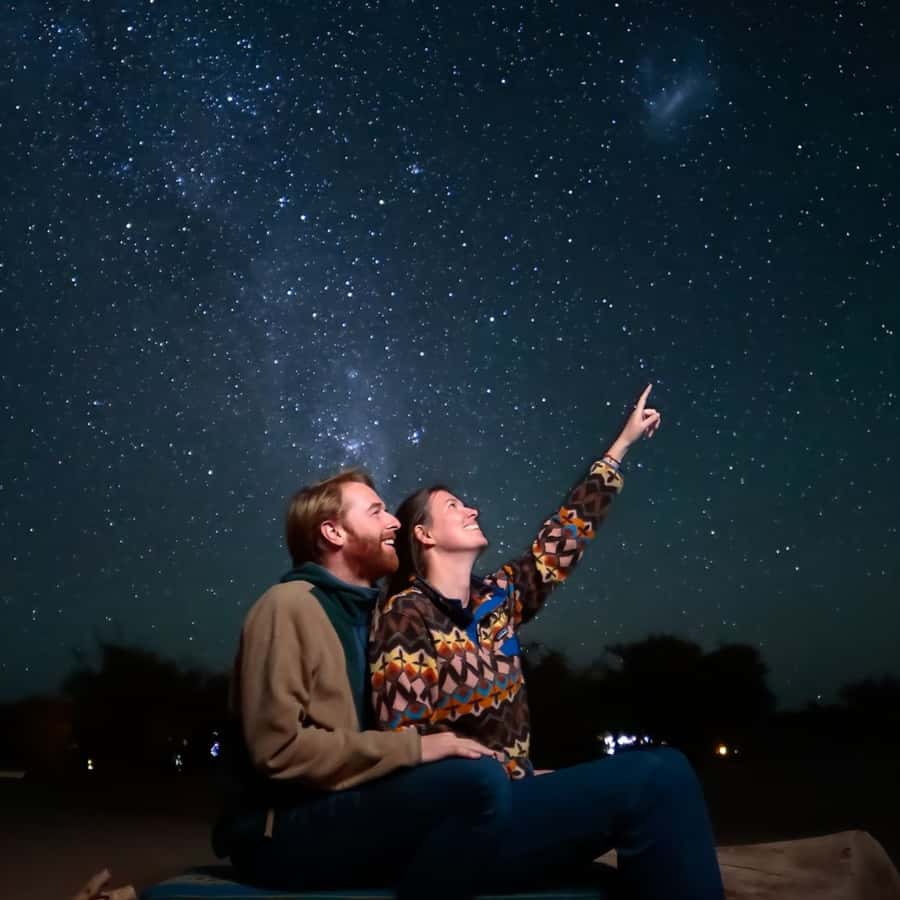
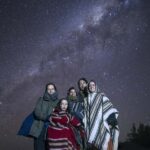
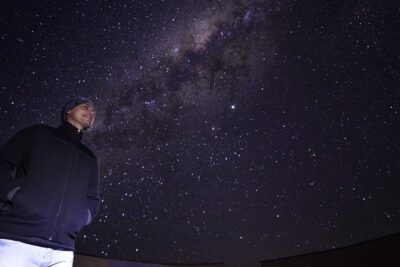
The night sky here is unreal. This short stargazing tour in San Pedro de Atacama takes you out past town lights into the Atacama Desert, where clear skies are the norm, not the exception. It is built for people who want to understand what they see, not just point at stars.
I love the pairing of telescopes and a guide who helps you focus. I also like that you get hot beverages while you watch the sky, so the experience feels like desert night comfort, not a cold endurance test.
One consideration: the tour has rules around beverages. Drinks are not allowed, and alcohol is explicitly out, so plan to enjoy what they provide and keep the night simple.
In This Review
- Key things I’d zero in on before you go
- Why the Atacama Desert makes stargazing different
- From Plaza Turistour to the desert: what the night feels like
- Telescopes on board: seeing more than pinpricks
- The Andean sky stories: constellations with meaning
- Hot drinks under the stars: a smart comfort plan
- Price and value: is $65 worth 2 hours?
- The small-group advantage when the sky matters
- Language options that actually help you learn
- What I’d watch out for based on a real customer concern
- Who should book this astronomy tour?
- Practical tips to get the most from 2 hours under clear skies
- Should you book this San Pedro stargazing tour?
- FAQ
- How long is the astronomical tour in San Pedro de Atacama?
- How much does the tour cost?
- Where does the tour start?
- What is included in the price?
- Is alcohol included or allowed?
- What languages is the guide available in?
- Is the group small?
- Is the tour wheelchair accessible?
- Is there a cancellation policy?
- How do starting times work?
Key things I’d zero in on before you go
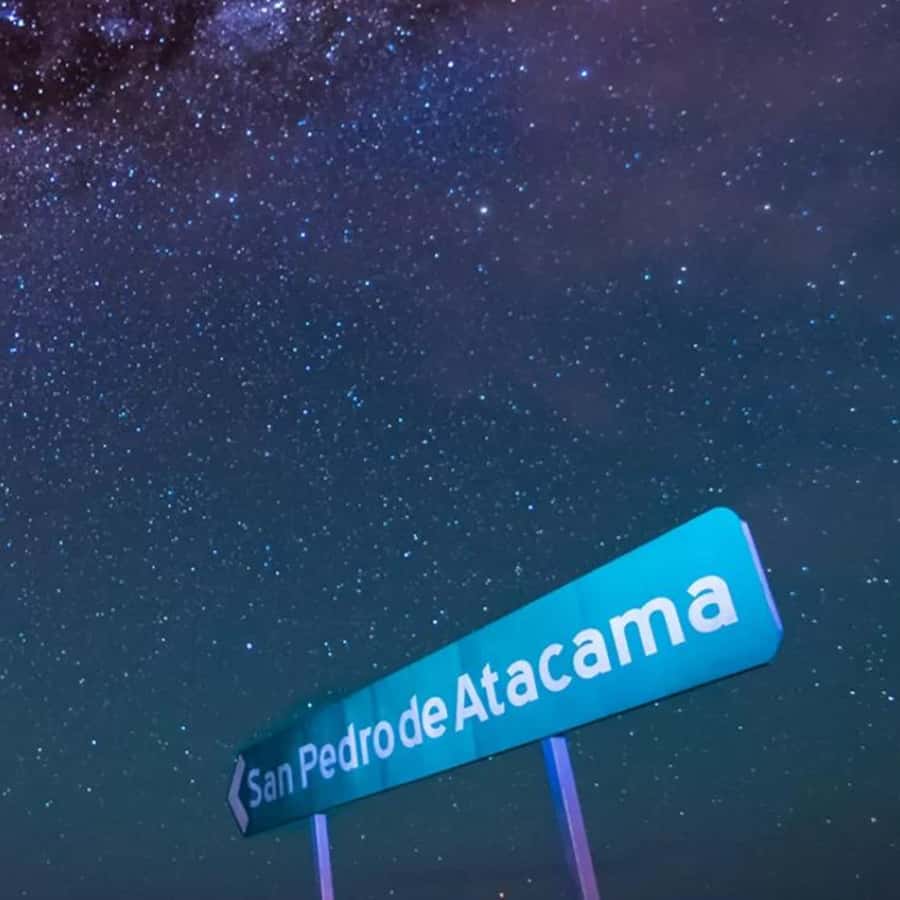
- 300 days without rain in this desert region means you have a great shot at clear skies
- Small group (up to 10) makes it easier to see through equipment and ask questions
- Telescopic equipment is included, so you are not relying on naked-eye guessing
- Andean wisdom adds meaning to the constellations you are shown
- Hot drinks are included, a practical plus for desert nights
Other ways out of San Pedro into the desert
- San Pedro de Atacama: El Tatio Geysers Tour
★ 4.7 · 943 reviews - San Pedro de Atacama: Etno-Stargazing Tour with Transfer
★ 4.8 · 629 reviews - San Pedro de Atacama: Stargazing Experience
★ 4.7 · 489 reviews - San Pedro Atacama: Baltinache Lagoons
★ 4.6 · 359 reviews
Why the Atacama Desert makes stargazing different
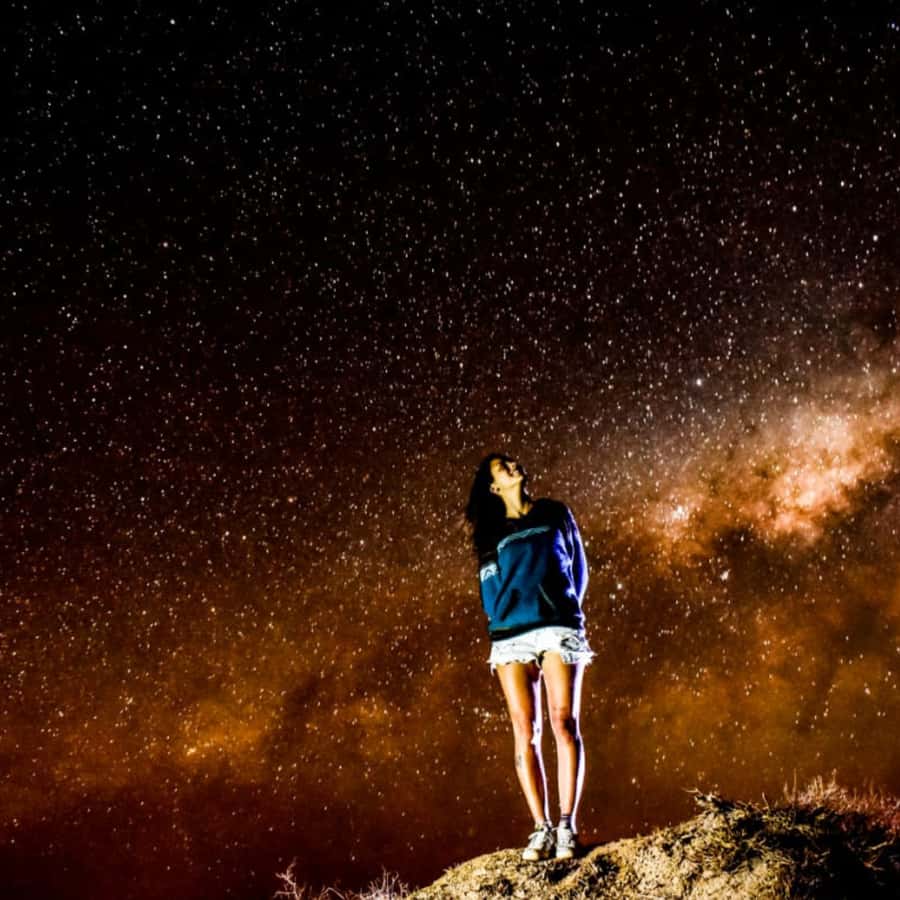
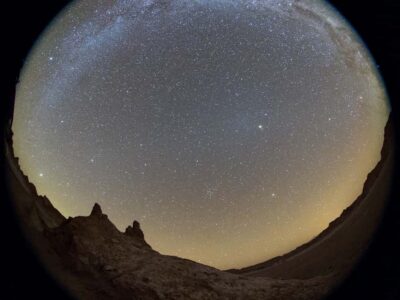
If you are choosing between star tours in multiple countries, the Atacama Desert has a major advantage: it is famously arid, with some sources noting it as the most dry climate on Earth. The tour’s pitch is not subtle, and the reasoning holds up. When the air is dry and skies are often clear, stars look sharper and the night feels steadier.
The tour also leans into the reason Atacama is so sought after. You are there for observation, not just a scenic stop. With the desert habit of 300 days without rain, the local night sky becomes the main event. Even if you come without deep astronomy knowledge, you should still feel like you are getting a front-row seat.
From Plaza Turistour to the desert: what the night feels like
Your night starts in San Pedro de Atacama, at Plaza Turistour, where you meet the guide. From there, you head out toward a viewing site in the desert. This transfer matters more than it sounds. In San Pedro, even modest light sources can blur what you are trying to see. Leaving town is what helps you get those high-contrast views.
The whole experience is 2 hours, which is an important practical detail. You will not have time for a long itinerary with multiple distant stops. Instead, you get one main window for stargazing, plus time for explanation, equipment, and a slow rhythm to let your eyes and expectations adjust.
The guide is bilingual and you should expect interpretation during the experience. The tour notes languages of English, Esperanto, and Portuguese, which is great if your group includes different language backgrounds. You also get a local guide element, which usually means the astronomy talk comes with cultural context, not only technical facts.
Telescopes on board: seeing more than pinpricks
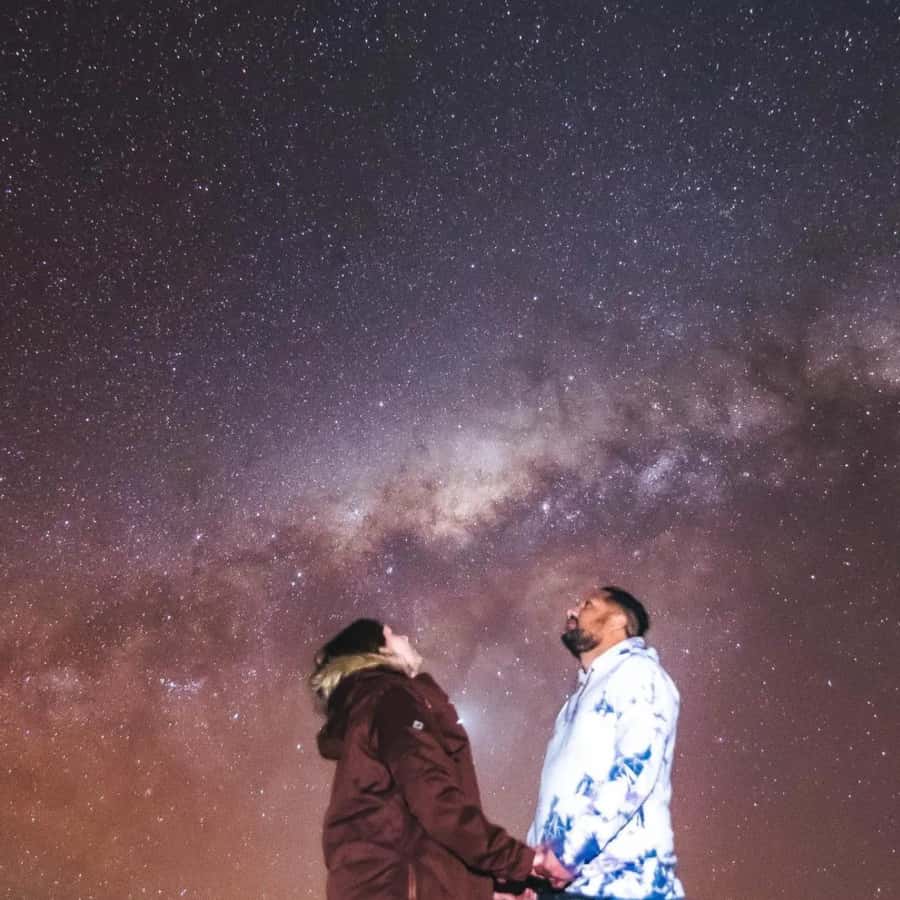
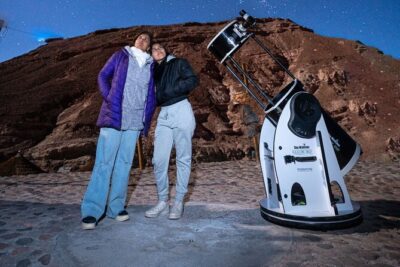
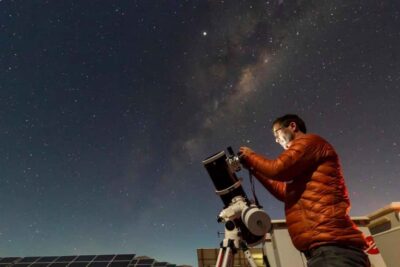
The biggest practical upgrade in this tour is that telescopic equipment is included. That is the difference between looking at a sky full of dots and actually understanding what you are seeing.
In a 2-hour format, telescopes are most helpful when the guide keeps things focused. Here, the concept is clear: you use the equipment to get closer to stars and celestial features, while the guide directs attention so you do not spend the whole time searching the sky blindly.
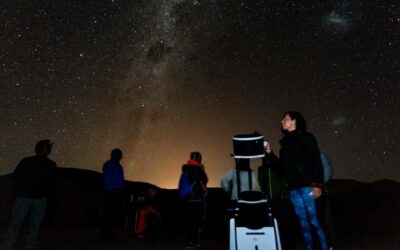
Also, the group is limited to 10 participants. In stargazing, small group size is not just a comfort perk. It helps with visibility and timing around the telescopes. You are more likely to get repeated chances to look, and less likely to feel like you are stuck waiting behind a line.
More nights under the clearest skies in Chile
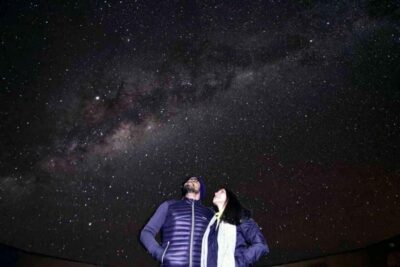
The Andean sky stories: constellations with meaning
This tour does not treat the night sky as a set of random points. It includes Andean wisdom, explaining how local cultures interpreted the stars over centuries. For you, that can be the difference between a successful night and a forgettable one.
Why does this matter? Because astronomy gets easier to remember when you attach meaning to what you see. If the guide connects particular constellations to traditional stories or perspectives, your brain has an anchor. You might leave able to recognize shapes again later, even without equipment.
It also changes the vibe. Instead of only chasing scientific facts, you get a cultural framework. The guide’s role is not to turn you into an expert, it is to help you look carefully and interpret what is in front of you, using local interpretation.
Hot drinks under the stars: a smart comfort plan
Desert nights can be chilly, even when the day feels warm. This tour gives you hot beverages included, served while you are out under the sky.
I like this detail because it acknowledges reality. If you are out for star viewing, comfort affects your attention span. The second you feel cold or distracted, it becomes harder to slow down and look. Hot drinks give you a simple way to stay present.
There is also a clear beverage rule. Drinks are listed as not allowed, and alcohol is discouraged with an explicit no alcohol note. Translation for you: you can expect cozy warmth, but not a party atmosphere. The experience is geared toward observation.
Price and value: is $65 worth 2 hours?
At $65 per person for a 2-hour guided stargazing outing, the value depends on what you want from the night.
Here is the practical way I’d judge it:
- Included equipment (telescopes) means you are paying for experience design, not just a guide walking you around.
- Transfer and return in San Pedro matter because getting away from light pollution is half the battle.
- Hot beverages and a small group make it feel intentional rather than rushed.
If you are the type of traveler who simply wants to say you saw stars, you might feel this is too structured. If you want a guide to help you understand and actually look through equipment, the price looks more reasonable.
Also consider what you are not paying for. The tour includes telescopes and guidance, and it does not mention extra add-ons in the basic info you have here. For many people, that makes the total feel easier to swallow on a short trip.
The small-group advantage when the sky matters
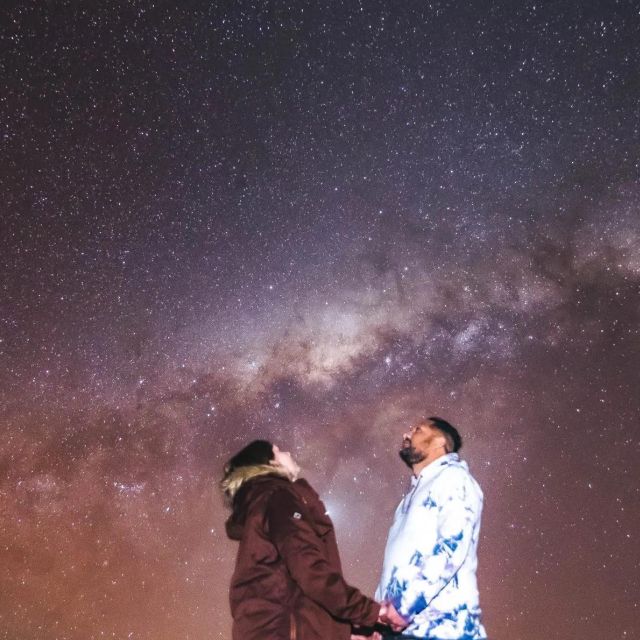
A big part of the tour’s setup is the small group size, limited to 10 participants. In a star tour, that has real knock-on effects.
First, it is easier to manage telescope time. When groups are larger, you often get only a quick glance before the next person steps in. With fewer people, you get more likely repeats, plus more time for your questions.
Second, you get a better chance to actually see what the guide is pointing out. In a wide-open desert, confusion can happen fast. A smaller group means the guide can keep everyone aligned.
Finally, it keeps the atmosphere calmer. Star observation is a slow skill. You want time to adjust, focus, and look again.
Language options that actually help you learn
The tour lists English, Esperanto, and Portuguese as available languages. That is a nice spread for an international destination.
If you are comfortable in one of those languages, the biggest value is not only comprehension, it is confidence. When you can follow the guide’s explanations, you are more likely to connect the sky to recognizable patterns. That is when a stargazing tour becomes a memory you keep, not an image you forget.
If your group includes multiple language preferences, a bilingual setup can still work well because the guide can tailor moments of instruction. You still might catch key points even if you are not fully fluent, since astronomy talk often includes repeated cues like positions and what to look for.
What I’d watch out for based on a real customer concern
While I can’t predict how every operator runs night after night, one practical concern has shown up around post-tour follow-up. A recent customer account complained that photos from the experience were not provided after the tour and that support was slow to respond.
That matters for you only if photos are a big part of your expectations. If you care about getting images afterward, I’d be proactive: ask the provider directly what is promised, when you should expect it, and how delivery works. It is a simple question that can save frustration later.
Who should book this astronomy tour?
This is a strong match if:
- You want a guided stargazing experience rather than self-driving to a viewpoint
- You care about understanding what you see through telescopes and explanations
- You like cultural learning, especially Andean sky interpretations
- You prefer a small group and a short, focused night
It might be less ideal if:
- You want a long, multi-stop tour with lots of different sites
- You expect a social scene or alcohol to be part of the vibe
- You are hoping for a very long astronomy lecture, since the whole experience is 2 hours
Practical tips to get the most from 2 hours under clear skies
You only have a short window, so a few small choices make the night better.
Wear layers. Desert nights can turn cool fast, even if you are comfortable during the day. Use the hot drinks strategically, take a few minutes between telescope looks to let your eyes adjust, and keep your movement calm when the guide is directing attention.
Be ready to look up and be patient. When the guide explains constellations and traditional interpretations, it helps to follow along instead of multitasking on your phone. You will also get more out of the telescopes if you let your guide guide you, instead of rushing from object to object.
Finally, keep expectations realistic: this is a guided night observation experience, not a guarantee of a specific celestial object. The tour is designed to capitalize on Atacama’s clear-sky potential, but the sky is still the sky.
Should you book this San Pedro stargazing tour?
I think you should book it if you want a compact, well-supported night of star observation in one of the best places on Earth for it. The mix of telescopes, hot beverages, a small group, and Andean sky explanations is exactly the kind of structure that turns a night from pretty to meaningful.
Skip it or choose carefully if you are mainly looking for a casual, free-range viewpoint experience, or if you care a lot about post-tour photo delivery and want strong, fast communication. If photos matter to you, ask upfront what you should expect.
If you match the vibe, this is the kind of tour that leaves you with more than a photo. It leaves you with names, patterns, and a sense of why the Atacama sky has earned its reputation.
FAQ
How long is the astronomical tour in San Pedro de Atacama?
The tour duration is 2 hours.
How much does the tour cost?
The price is $65 per person.
Where does the tour start?
You meet at Plaza Turistour in San Pedro de Atacama.
What is included in the price?
Included are transfer, a bilingual guide, hot beverages, telescopic equipment, a local guide, and exit and return in San Pedro de Atacama.
Is alcohol included or allowed?
Alcohol is not included, and you are told not to ingest alcohol.
What languages is the guide available in?
The tour is offered in English, Esperanto, and Portuguese.
Is the group small?
Yes, the tour is listed as a small group limited to 10 participants.
Is the tour wheelchair accessible?
Yes, it is listed as wheelchair accessible.
Is there a cancellation policy?
You can cancel up to 24 hours in advance for a full refund.
How do starting times work?
The tour notes that starting times depend on availability, so you should check available start times when you book.
Everything Else We Have Reviewed In Chile
More Chilean Skies Worth Staying Up For
Out Of San Pedro Again
Not quite it? Here is the rest of what we have reviewed around Chile
More in San Pedro de Atacama Tours.
 ★ 4.7El Tatio Geysers TourFrom $70943 reviews
 ★ 4.8Etno-Stargazing Tour with TransferFrom $41629 reviews
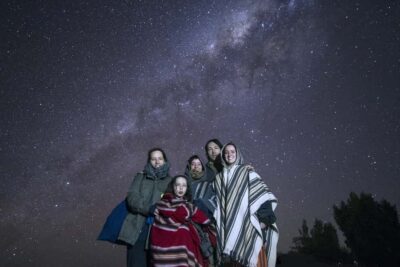 ★ 4.7Stargazing ExperienceFrom $35489 reviews
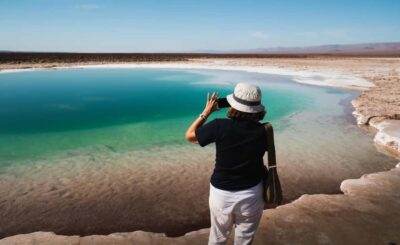 ★ 4.6Baltinache LagoonsFrom $70359 reviews
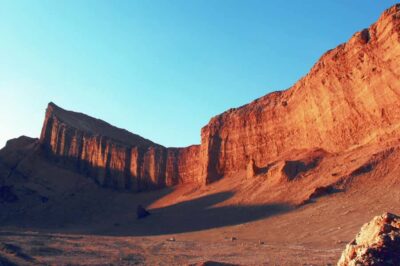 ★ 4.4Valle de la Luna Guided TourFrom $63312 reviews
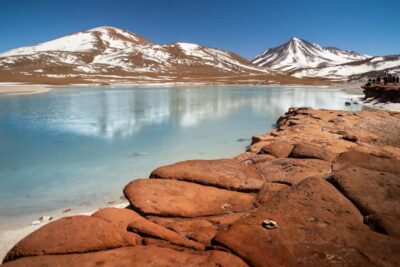 ★ 4.63-Day Activity Combo with 4 ToursFrom $233247 reviews
 ★ 4.5Valle de la Luna (Moon Valley) from San Pedro de AtacamaFrom $47145 reviews
 ★ 4.5Astronomical Tour with Guide and Pick Up San Pedro de AtacamaFrom $38145 reviews
Browse the lists this tour appears in