
Review · ATACAMA
San Pedro de Atacama: Etno-Stargazing Tour with Transfer
San Pedro night feels like classroom in the dark, and the telescope makes it real. I love that the lesson is split into a Western view of the cosmos, then an Andean ethno-astronomy journey that connects constellations to real life and meaning. It is also a great value at $41 for a full 150 minutes of guided observing.
My second favorite thing is the guide style. Guides like Felipe and Claudio are praised for turning star facts into something you can actually picture, with clear explanations and time for questions while you look up. You get both modern astronomy basics and older sky-reading traditions, including how people observed the Milky Way and the Southern Cross.
One possible drawback: this is a desert night, so you will feel the cold, even if you start the tour in town. Also, if the moon is bright, star contrast drops, and the included photo may be taken only through the telescope eyepiece.
In This Review
- Key points before you book
- Why this stargazing tour feels different in San Pedro
- Pickup timing and the short ride out to darker skies
- The Western sky lesson: stars, planets, and a fast route through the cosmos
- Andean ethno-astronomy: the Milky Way as a map for daily life
- Telescope time at Observatory Licanatay: what you can see depends on the season
- Your courtesy photo, and why bright moon nights change everything
- Drinks by the fire: turning stargazing into an easy social evening
- Weather rules, schedule changes, and the smart way to plan
- Price and value: why $41 can make sense here
- Who should book this tour, and who might skip it
- Should you book this stargazing tour with transfer?
- FAQ
- How long is the tour?
- Where are the pickup locations in San Pedro de Atacama?
- What time do they pick you up?
- What is included besides the guide and telescope?
- What languages are offered?
- What should I bring for this night tour?
- What happens if weather conditions are bad?
- How does the moon affect the tour and the photo?
- Is smoking or alcohol allowed?
Key points before you book
- Two sky perspectives in one evening: a Western astronomy segment, then Andean sky interpretations.
- You actually use the telescope: not just a lecture, you get help aiming and focusing.
- Southern Cross plus Milky Way stories: cultural astronomy is part of the experience, not an add-on.
- Drink and photo souvenir included: coffee, tea, or red wine, plus a courtesy photo sent by email.
- Cold weather is real: bring warm layers, because the desert gets very chilly at night.
- Moonlight changes the night: check the lunar calendar, and expect different visibility on brighter nights.
Other ways out of San Pedro into the desert
- San Pedro de Atacama: El Tatio Geysers Tour
★ 4.7 · 943 reviews - San Pedro de Atacama: Etno-Stargazing Tour with Transfer
★ 4.8 · 629 reviews - San Pedro de Atacama: Stargazing Experience
★ 4.7 · 489 reviews - San Pedro Atacama: Baltinache Lagoons
★ 4.6 · 359 reviews
Why this stargazing tour feels different in San Pedro
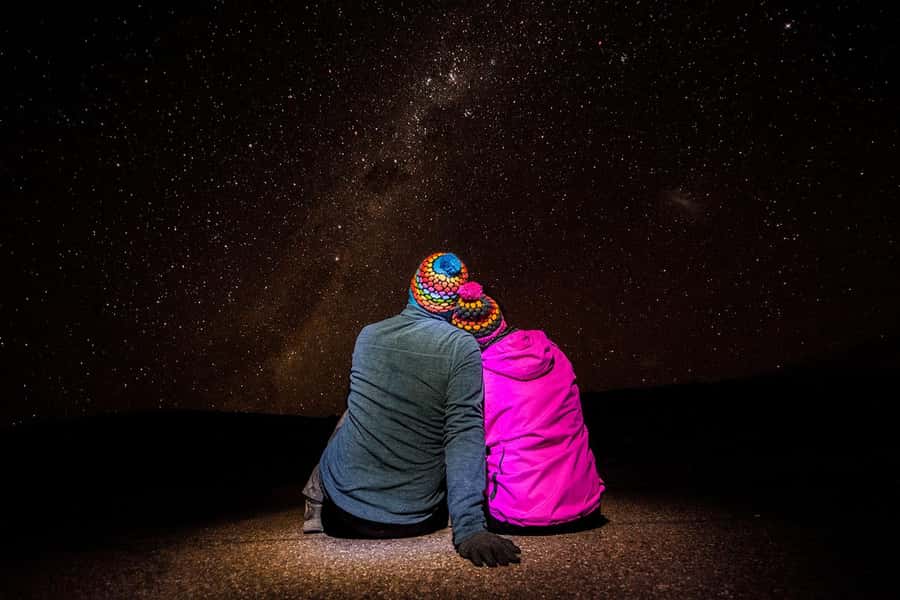
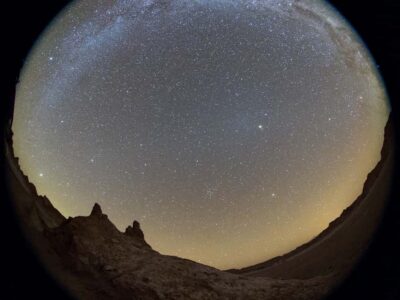
San Pedro de Atacama is already famous for clear skies. This tour is special because it does not treat stargazing like a single theme. It gives you two ways to read the sky, first like a science lesson, then like a cultural mapping exercise.
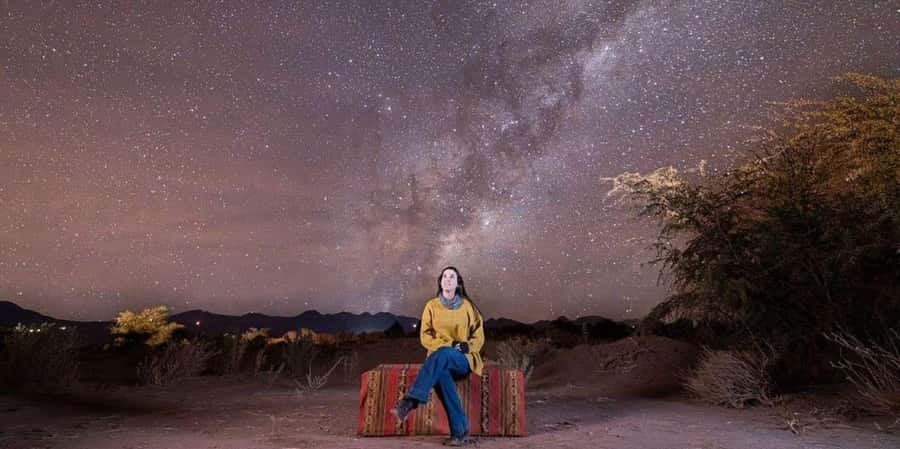
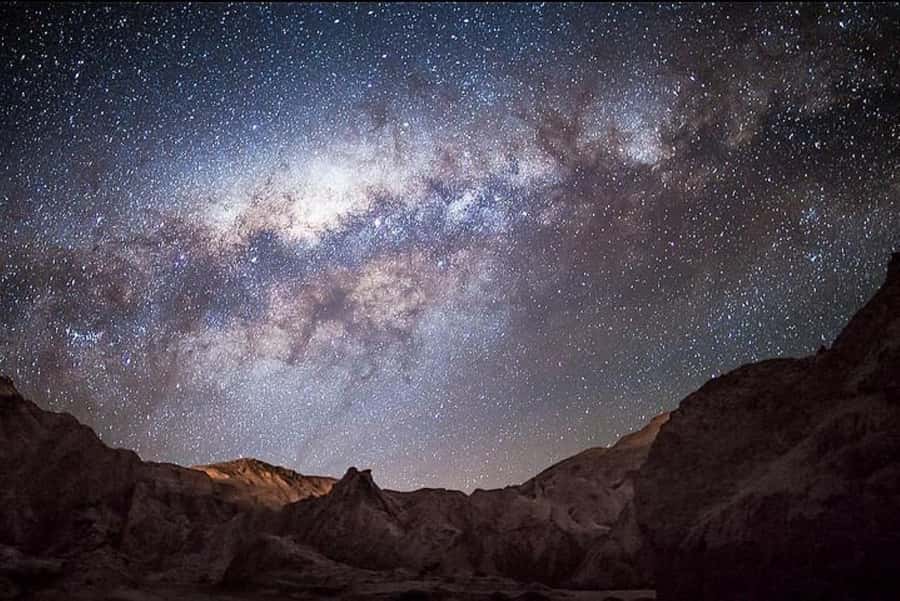
In the first part, you look at the universe through a Western lens. You learn what makes stars look brighter, how planets show up, and how constellations work as patterns. Then the night shifts gears. The guide walks you through how ancient Andean observers interpreted the sky, the Milky Way, and the Southern Cross, including how star shapes and sky events could relate to animals, water, rivers, schedules, and even life after death.
That second half is what makes the tour feel more human. You are not just memorizing names like a classroom drill. You are learning why people cared about the sky in the first place.
Pickup timing and the short ride out to darker skies
The tour starts with pickup in San Pedro de Atacama. You can meet at Restaurant Tara (Licancabur 10) or at Licancabur 10. Pickup is part of the value, and you also avoid the hassle of finding the dark-spot area yourself.
Timing depends on the season:
- In April through August, pickup is listed as 7 PM.
- In summer time in Chile, pickup is 9:00 to 9:20 PM.
After pickup, you hop into a van for about 15 minutes, then you spend around 1.5 hours with the guided program in San Pedro de Atacama. Later, there is another van ride of about 25 minutes, then drop-off back at the same two locations.
One small practical note: this is a late night. Even with a smooth schedule, you will likely feel it the next morning, so do not plan anything heroic at dawn unless you are naturally a morning person.
Also, this is an astronomy-focused evening. It does not include an ayllu visit, so think of it as a straightforward stargazing night, not a multi-stop cultural tour.
The Western sky lesson: stars, planets, and a fast route through the cosmos
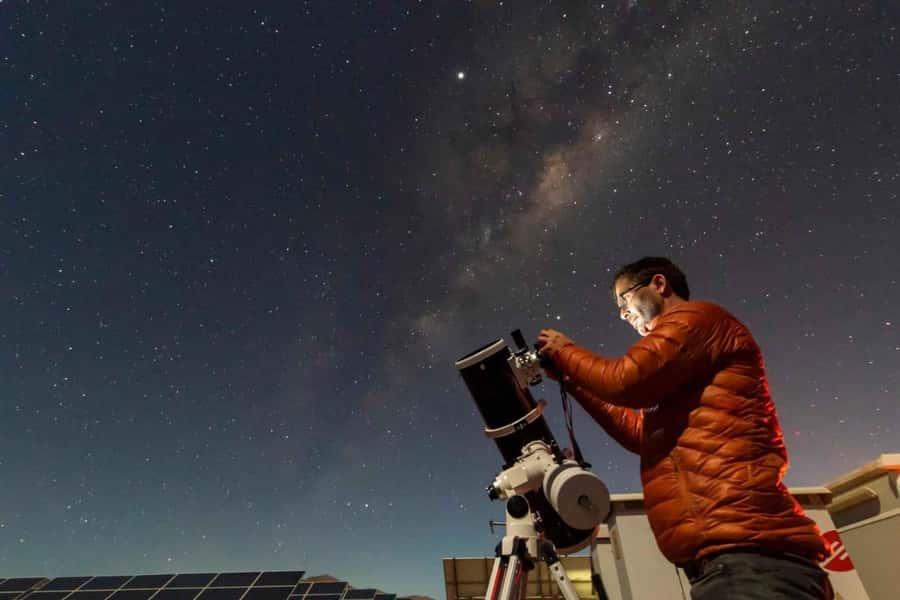
The early part of the tour is built like a guided orientation to the night sky. You start with what the guide calls the Western vision, a way of studying the universe and understanding why some objects are easier to spot than others.
What you will do during this phase:
- Learn about the brightness of stars and how visibility works.
- Go through planets, constellations, and basic ideas of how the cosmos forms.
- Hear a “how to look at the sky” approach that makes telescope time feel less mysterious.
- Use the telescope with your guide, so you know what you are aiming at.
One highlight is the connection to ancient Greece. You get a historical angle on how people tried to make sense of the heavens, which makes the modern science part feel less like a pile of facts and more like a story people have been telling for centuries.
A practical benefit here: if you have never used a telescope before, the guide helps you translate the sky map into a real view. That reduces the classic stargazing frustration, the feeling that the universe is just a lot of tiny dots.
More nights under the clearest skies in Chile
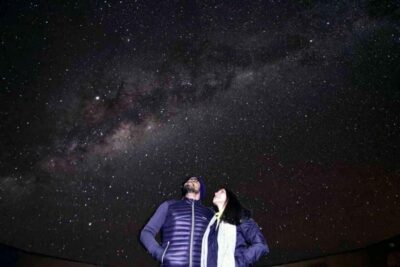
Andean ethno-astronomy: the Milky Way as a map for daily life
After the Western science segment, the tour moves into an ethnic astronomical journey. The goal is not to “replace” astronomy. It is to show you a different way humans have interpreted the same sky.
The guide explains that long before the Spanish arrived, ancient observers in the Andes watched the night sky and saw meaningful shapes in the dark spaces. Those sky interpretations were linked to daily life: animals, water, rivers, schedules, and beliefs about life after death.
This part also includes Southern Cross viewing in the lesson. In the Southern Hemisphere, that constellation is one of the anchors that helps you orient the sky fast. It is also a great bridge between culture and science, since you can connect a lived tradition with what modern astronomy tells you about the stars themselves.
If you like travel that feels more than scenery, this is where the tour earns its keep. You leave with a framework for “reading” the sky, not just a checklist of objects.
Telescope time at Observatory Licanatay: what you can see depends on the season
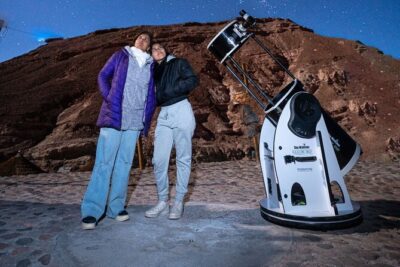
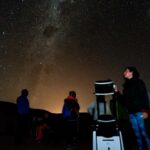
Once you reach the observing phase, telescope time becomes the main event. This is where the tour earns its reputation, because you are not waiting in a long line or doing the whole thing from behind glass.
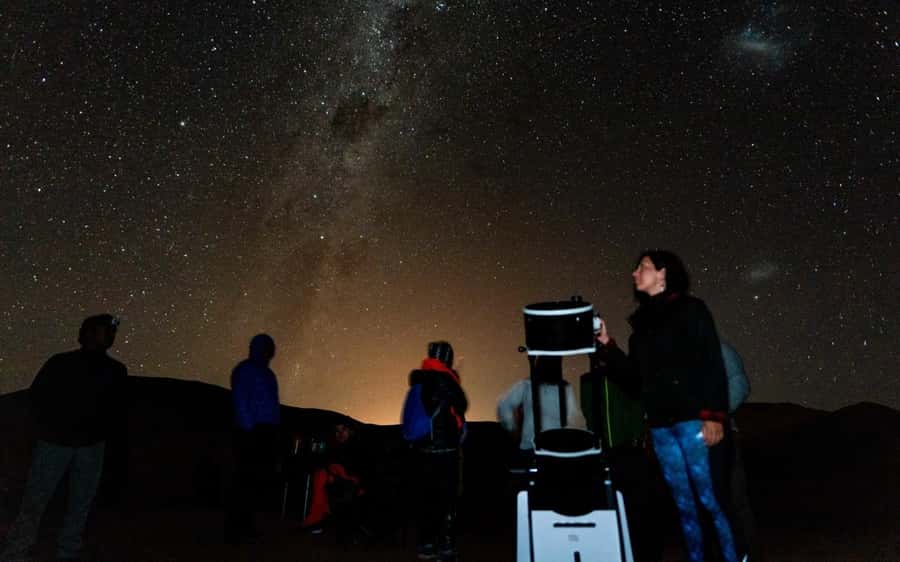
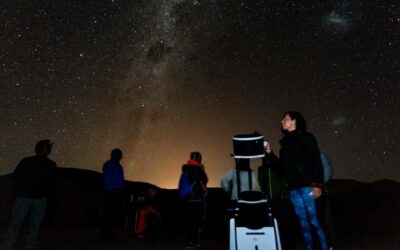
Telescope viewing is guided. The guide helps you focus and point, and you get time to look at different categories of objects. The specific targets depend on the time of year, but the types of things you may see include:
- Planets
- Stars
- Binary stars
- Star clusters
- Nebulae
- Galaxies
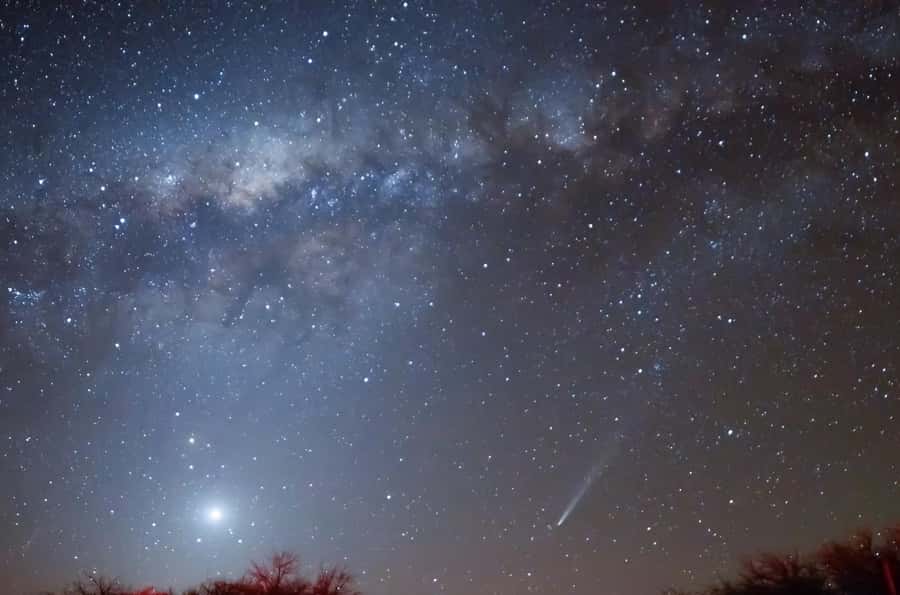
That range matters. It means you can get more than one kind of “wow” moment. A planet view can be crisp and immediate. Star clusters and nebulae often feel more like ghostly patches of light. Galaxies can be smaller and fainter, which makes the guide’s focusing time especially useful.
In colder nights, they also try to keep you comfortable. Reviews mention ponchos and blankets being provided, and those small items make a big difference when you are outside under a wind-free but still freezing sky.
Your courtesy photo, and why bright moon nights change everything
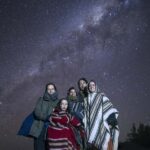
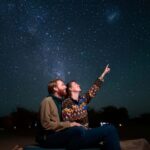
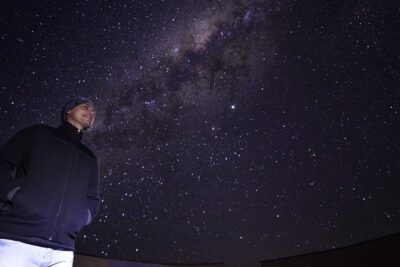
At the end, the tour includes a photo souvenir. The included courtesy photo with the sky is sent by email.
The moon matters for that moment. The tour notes that you should check the lunar calendar before booking. On moonlit nights, the sky may vary. And in periods of high moonlight, the included photo will be taken only through the eyepiece of the telescope.
So here is the practical way to think about it:
- If the moon is bright, your stars may look fewer and less contrasty.
- The tour adjusts the photo process, but you should still expect different results than on a darker night.
If you are the type who plans trips around photo lighting, I recommend you treat this as a “conditions night,” not a guarantee of a perfect Milky Way shot every time.
Drinks by the fire: turning stargazing into an easy social evening
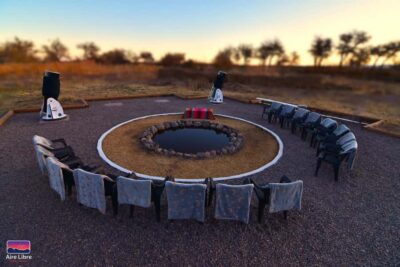
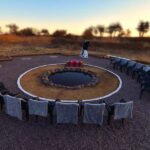
The tour includes a warm reset after the observing. You can get coffee, tea, or red wine. Reviews also describe a bonfire setup, snacks, and a cozy end-of-night vibe.
This part is not just food. It is the decompression you need after staring at tiny points of light for a long time. You get a place to warm up, ask questions while the night still feels fresh, and talk about what you saw with the people in your group.
Some nights include extra cultural touches around the fire, and guides can be very personable about the stories they told earlier.
Just remember: alcohol rules are clearly stated as part of the tour guidelines, even though red wine is listed as an included option. The safe approach is to stick to what the guide serves and follow the staff instructions.
Weather rules, schedule changes, and the smart way to plan
Weather can change everything in the desert. The tour schedule and execution are subject to weather conditions. If conditions are bad, the tour may be changed to a later time for the same night or the next night, and you will be notified.
For planning, that means you should:
- Leave room on your calendar for a late-night timing shift.
- Keep your next day flexible if possible, since changes can happen the same night.
If you are traveling in the rainy season or during unstable weather, you still have a good chance because the company is set up to respond. Still, you should plan like the sky is the boss.
Price and value: why $41 can make sense here
At $41 per person for 150 minutes, you are paying for more than “stargazing.” You are paying for:
- Pickup and drop-off in San Pedro de Atacama
- An astronomy specialist guide
- Telescope equipment
- A two-part guided lesson that includes cultural astronomy
- Drinks, plus a courtesy photo souvenir
That combination is the value. A telescope rental alone is often expensive, and a professional guide is what turns random sky spotting into structured observing. The guide helps you focus and point, so you see more than you would on your own.
The tour also has a strong track record, with a 4.8 rating across 629 reviews, which usually means the basics work: the viewing happens, the guides keep things organized, and people leave feeling like the time was worth it.
Who should book this tour, and who might skip it
This experience fits best if you want both science and culture. You will enjoy it if you like:
- Learning how to find things in the night sky
- Using a telescope with real guidance
- Seeing how ancient observers understood the sky, not only how astronomers measure it today
It also works well for mixed groups. Reviews mention families with kids, and the guides are described as keeping explanations clear and engaging while still covering real astronomy.
You might want to pick a different option if:
- You hate very cold outdoor evenings, and you do not want to bundle up
- You are expecting a guaranteed ultra-dark-sky photo every time, because the moon can affect visibility
Should you book this stargazing tour with transfer?
Yes, if you are visiting San Pedro de Atacama and you want a guided night that goes beyond just looking up. The two-part format is the big win: Western astronomy basics on one side, Andean ethno-astronomy on the other, plus telescope time you can actually use.
Book it especially if you like structure. The guide does the hard work of explaining what you are seeing and helps you focus the telescope so you are not just guessing.
But do not wing the cold or the moon. Bring warm layers, and check the lunar timing before you commit if you care about star contrast and photo results.
If you want a single “do it once and you’ll talk about it later” night in the Atacama, this is a very solid bet.
FAQ
How long is the tour?
The duration is listed as 150 minutes.
Where are the pickup locations in San Pedro de Atacama?
You can meet at Restaurant Tara (Licancabur 10) or at Licancabur 10.
What time do they pick you up?
Pickup is listed as 7 PM during April, May, June, July, and August. During summer time Chile, pickup is 9:00 to 9:20 PM.
What is included besides the guide and telescope?
The tour includes pickup and drop-off, an astronomy specialist guide, coffee tea or red wine, telescope equipment, and a courtesy photo with the sky sent by email.
What languages are offered?
The live tour guide is available in English and Spanish.
What should I bring for this night tour?
Bring a passport or ID card, comfortable shoes, warm clothing, comfortable clothes, and binoculars.
What happens if weather conditions are bad?
The schedule and execution are subject to weather. If the tour is canceled due to conditions, other options are offered, and the tour may be moved to a later time for the same or next night. You will be notified.
How does the moon affect the tour and the photo?
You are encouraged to check the lunar calendar before booking. On moonlit nights the sky may vary, and during high moonlight the included photo is taken only through the telescope eyepiece.
Is smoking or alcohol allowed?
Smoking and alcohol and drugs are listed as not allowed. Drinks served during the tour are listed as coffee, tea, or red wine, so you should follow what the guide provides and the tour rules.
Everything Else We Have Reviewed In Chile
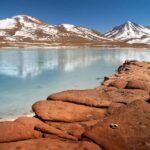
More Chilean Skies Worth Staying Up For
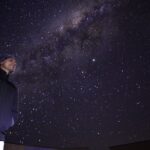
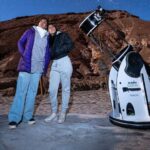
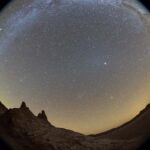
Out Of San Pedro Again
Not quite it? Here is the rest of what we have reviewed around Chile
More in San Pedro de Atacama Tours.
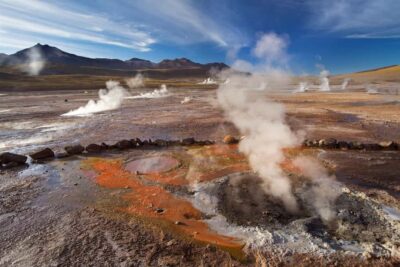 ★ 4.7El Tatio Geysers TourFrom $70943 reviews
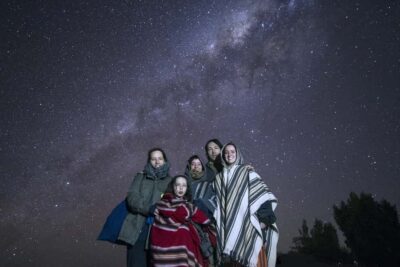 ★ 4.7Stargazing ExperienceFrom $35489 reviews
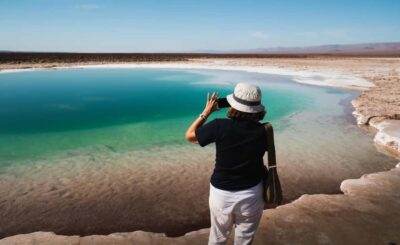 ★ 4.6Baltinache LagoonsFrom $70359 reviews
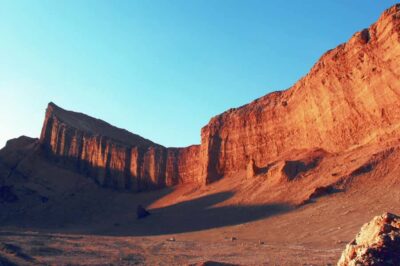 ★ 4.4Valle de la Luna Guided TourFrom $63312 reviews
 ★ 4.63-Day Activity Combo with 4 ToursFrom $233247 reviews
 ★ 4.5Valle de la Luna (Moon Valley) from San Pedro de AtacamaFrom $47145 reviews
 ★ 4.5Astronomical Tour with Guide and Pick Up San Pedro de AtacamaFrom $38145 reviews
 ★ 4.5El Tatio Geyser Field & WetlandsFrom $76141 reviews
Browse the lists this tour appears in