
Review · SANTIAGO
Santiago Center Cultural Bike Tour
Santiago clicks into focus on two wheels. In about three hours, this small-group bike tour threads together parks, markets, and downtown monuments, with a guide who can answer your questions as you pedal.
I love the way the route uses bike-friendly stretches by the Metropolitan Park of Santiago, which means you get real city atmosphere without a walking slog. You also get quick hits of Bellavista and Pablo Neruda’s La Chascona, then land at the big squares and markets.
One consideration: there is no hotel pickup, so you’ll need to make it on your own to El Comendador 2060 in Providencia.
In This Review
- Key Things I’d Plan Around
- Why This Bike Tour Works in Santiago (And Not Just on Paper)
- Meeting at El Comendador 2060, Plus the One Logistics Tip That Saves Time
- Your Bike, Helmet, and Gloves: Small Comforts That Matter
- The Ride Starts by Metropolitan Park: A Smart Way to Get Your Bearings
- Bellavista in 10 Minutes: Bohemian Energy Without the Long Detour
- La Chascona (Outside View) and Pablo Neruda’s Presence
- Mercado Tirso de Molina: Murals, Fruit, Veg, and Fresh Natural Juices
- Mercado Central: Fish Market Views That Tell a Different Story
- Plaza de Armas and the Cathedral: The City’s Formal Core
- La Moneda and Plaza de La Constitución: Politics Up Close, From the Sidewalk
- Ex Congreso Nacional and the Supreme Court: Quick Stops, Big Institutions
- Forestal Park to the National Museum of Fine Arts: Culture Takes a Breather
- Barrio Lastarria and Plaza Italia: Art, Culture, Nightlife Mood
- How Hard Is It? Fitness Level, Crowd Moments, and Heat
- Price and Value: What $88 Buys You (and What It Doesn’t)
- Guides Make It: Claudio, Augustin, Tomas, Baltazar, Jenni, Sebastian
- Who Should Book This Tour, and Who Might Skip It
- Should You Book It?
- FAQ
- How long is the Santiago Center Cultural Bike Tour?
- What is the price per person?
- How many people are in the group?
- Are hotel pickup and drop-off included?
- What’s included in the tour?
- Are admission tickets included at each stop?
- What are the age and height requirements?
Key Things I’d Plan Around
- Max 15 riders keeps the ride personal and makes questions easy
- Markets plus monuments in one loop, with time for murals, fish, and fresh juices
- La Chascona and La Moneda add culture and politics, even when entry tickets are separate
- Helmet, gloves, and water are included, which lowers your pre-trip hassle
- Early timing helps, since the day can turn hot later on
- Real streets, real mix of bike paths and short crowd sections means stay alert and ride calmly
Other ways to walk the capital, reviewed
- Private Santiago City Half Day Tour
★ 4.0 · 414 reviews - Museo Chileno de Arte Precolombino Admission Ticket
★ 4.5 · 118 reviews - Half-Day Small-Group Panoramic Santiago Tour
★ 4.0 · 89 reviews - 2-Hour Walking Tour of Yungay The Coolest Neighborhood in Chile
★ 5.0 · 85 reviews
Why This Bike Tour Works in Santiago (And Not Just on Paper)
Santiago can feel big and spread out when you’re on foot, even if you’re staying central. This tour solves that problem with a simple idea: cover a lot of ground without turning your day into a sprint. You move city blocks and neighborhoods at a human pace, and you still stop often enough to absorb what you’re seeing.
The second reason I like it is the mix. You’re not just doing monuments. You also hit working markets, murals, and local food stands, plus a neighborhood feel change as you go from bohemian Bellavista to the formal center around Plaza de Armas, then toward artsier Lastarria.
The small group size, capped at 15, matters more than it sounds. When you’re riding, it’s not the time to wait in line for a lesson. It’s the time to ask questions when you’re staring at a building, a mural, or a market scene. This tour is built for that.
Meeting at El Comendador 2060, Plus the One Logistics Tip That Saves Time
You meet at El Comendador 2060, in Providencia (right near Santiago’s central action). The start is straightforward: a quick intro, then you get your bike and gear.
Here’s a practical tip from real on-the-ground experience: some booking pages can list the meeting point wrong. Before you leave your hotel or rental, double-check the address and aim to arrive a few minutes early so you don’t feel rushed during setup.
Because there’s no hotel pickup, plan your transport to Providencia with buffer time. If you’re taking public transit, it’s still easy since you’re near public transportation, but you’ll want to be there on time to start the ride together.
Your Bike, Helmet, and Gloves: Small Comforts That Matter
This isn’t a sketchy rental setup where you’re borrowing someone’s ancient cruiser. You get a mountain bike (Trek 3900 or Mongoose), plus a helmet and biking gloves. There’s also a water bottle and an emergency kit.
Why you should care: gloves and helmet help a lot on longer city rides, especially if your hands get tired from handling the bars. The water bottle also helps you avoid the classic Santiago mistake, starting hydrated and then forgetting you’ll be outside under sun and wind.
And the fact it’s a guided ride for about three hours means you’re not wasting time figuring out where to turn. The guide handles route flow, stop timing, and the practical side of keeping a group moving.
More of Chile from the saddle
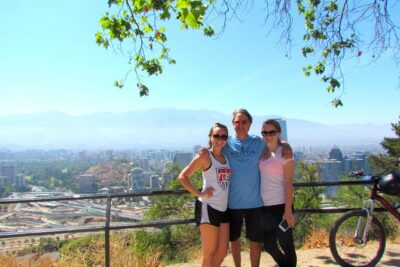
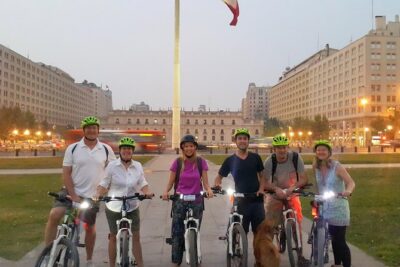
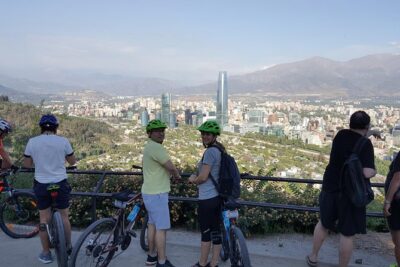
The Ride Starts by Metropolitan Park: A Smart Way to Get Your Bearings
The tour kicks off by heading toward the city center along biking trails bordering the Metropolitan Park of Santiago. This section does two useful jobs at once.
First, it transitions you from “arrived in Santiago” mode into “I understand the rhythm of this city” mode. Second, it’s a good warm-up. Even if the ride is easy overall, you still want those first miles to feel calm and predictable.
In reviews, people praise the ride as manageable and fairly flat, and that matches the overall plan here. You’re not climbing a mountain for souvenirs. You’re learning Santiago at street speed, then turning that momentum into real stops.
Bellavista in 10 Minutes: Bohemian Energy Without the Long Detour
Bellavista is the first neighborhood stop. It’s described as bohemian and cultural, and that typically means you’re looking for street life, creative energy, and the kind of atmosphere you can’t get from a single photo.
You’ll have around 10 minutes here, which is short, but that’s kind to your day. It prevents the common problem where your “quick neighborhood stop” becomes an hour of wandering. Instead, you get a sense of the area and then move on while the tour still has momentum.
La Chascona (Outside View) and Pablo Neruda’s Presence
Next up is a stop at Casa Museo La Chascona, the home associated with national poet Pablo Neruda. The plan here is a look from the outside, plus guide context about his life. Admission is marked not included, which lines up with the outside viewing approach.
Even with limited time, this stop adds meaning. Without turning it into a museum day, you get a direct thread to one of Chile’s best-known literary figures and a sense of why places like this matter beyond their walls.
Mercado Tirso de Molina: Murals, Fruit, Veg, and Fresh Natural Juices
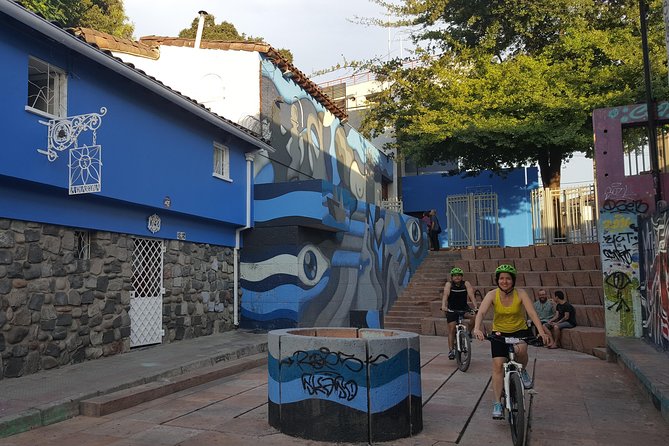
Then you bike into a lively market stop at Tirso de Molina, with a note that the route includes colorful murals while you ride toward Patronato and Tirso de Molina.
You’ll spend about 15 minutes here. This is one of the most practical stops on the whole tour because it gives you something to taste and see beyond souvenirs.
The highlight is the fruit and vegetable market feel, plus the chance to try fresh natural juices. That’s valuable in a place like Santiago because it’s hard to hunt for these things efficiently on your own in limited time. Here, the guide brings you straight to a real local food setting.
If you’re sensitive to spice, strong scents, or busy crowds, pace yourself through the market area. The time is short, so you don’t want to feel trapped at the wrong moment.
Mercado Central: Fish Market Views That Tell a Different Story
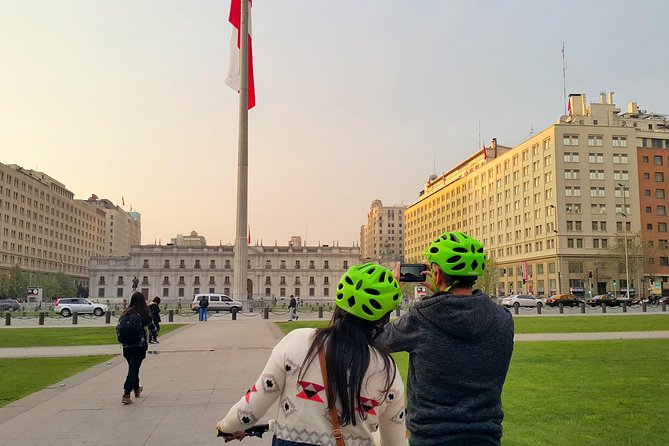
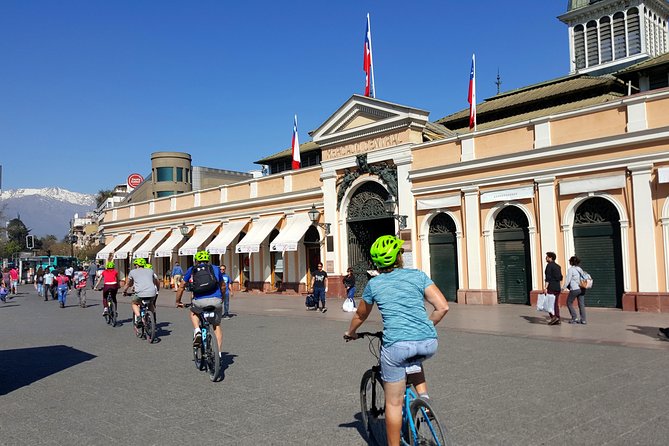
After Tirso de Molina, the tour moves to the Central Market, Mercado Central, described as Santiago’s main fish market. You get around 15 minutes.
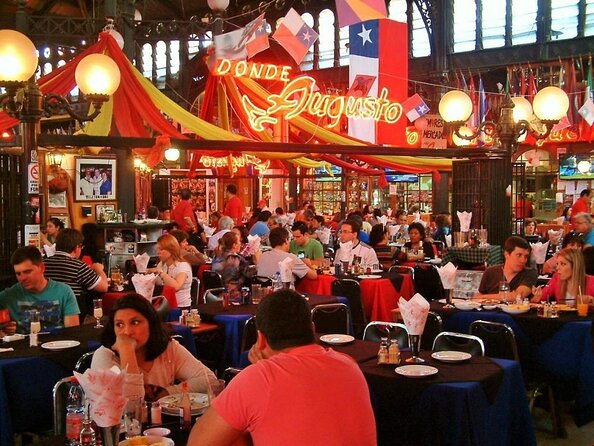
This stop works because fish markets show you daily life in a way landmark buildings can’t. You see the speed of business, the mix of people, and the sheer variety. It’s also one of those places where your camera will get a workout, even if you don’t plan on buying anything.
Admission is listed as free here, so your time is mostly about observation. If you want to taste things, go with what makes sense for your appetite and budget in the moment.
Plaza de Armas and the Cathedral: The City’s Formal Core
Once you reach Plaza de Armas, the tour slows its big “pedal forward” energy and leans into the historic center. You have about 15 minutes at the square.
Then comes the Metropolitan Cathedral (Catedral Metropolitana). You’ll get about 10 minutes and a chance to visit the main cathedral. Admission here is free, which is a nice bonus because it keeps your planning simple.
The square and cathedral combination is a good reality check: Santiago isn’t just markets and neighborhoods. It also has a formal civic identity, and this area is where that shows.
There’s also a quick stop connected to Santiago City Hall. Expect a brief exterior look and context rather than a long interior tour.
La Moneda and Plaza de La Constitución: Politics Up Close, From the Sidewalk
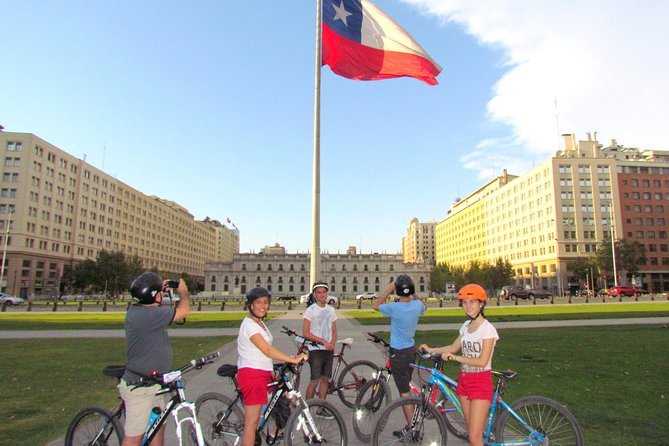
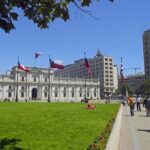
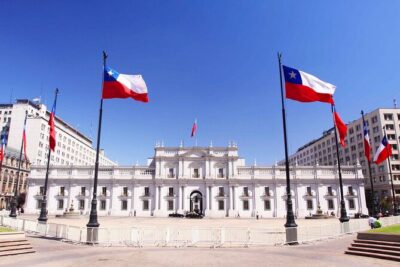
Next, the ride continues through the commercial center and heads to La Moneda, the presidential palace. You’ll spend about 15 minutes, and admission is listed not included.
This is one of the stops where the guide’s framing really matters. The tour includes stories that connect La Moneda to the years surrounding the military coup in Chile. Even without long museum time, you’re learning why these buildings are more than architecture.
Then you stop at Plaza de La Constitución in front of La Moneda. You get about 10 minutes to appreciate the view and hear about the Chilean political situation.
A small but important tip for this part: take a moment to look around before you talk. Standing in a square like this helps the stories land faster, because you can connect street-level sightlines to the political meaning your guide explains.
Ex Congreso Nacional and the Supreme Court: Quick Stops, Big Institutions
From there, the tour includes two quick institutional stops.
- Ex Congreso Nacional, about 5 minutes
- Palacio de Tribunales de Justicia (Supreme Court building), about 2 minutes
Both are marked free for the tour experience timeline except the justice building, which lists admission not included.
These are short by design. The value is in getting your bearings around the major seats of government without spending half a day in paperwork-level architecture. Even if you only notice the façade details, the guide’s context helps you understand what role these places play.
Forestal Park to the National Museum of Fine Arts: Culture Takes a Breather
After the constitutional-and-institutions stretch, the tour shifts into a greener break with Forestal Park. Then you head to the National Museum of Fine Arts for a brief visit, about 10 minutes.
Admission here is free for the tour stop. This is another “taste not marathon” moment, which I appreciate. In three hours, you can’t realistically do a full museum day, but you can still step into the museum world and decide later if you want a deeper visit.
Barrio Lastarria and Plaza Italia: Art, Culture, Nightlife Mood
The final neighborhood stop in the tour flow is Barrio Lastarria. It’s described as a street offering art, culture, and nightlife atmosphere, with about 10 minutes allocated.
Lastarria is the kind of place where you’ll feel the tone shift. Instead of formal center, you get a more social neighborhood vibe, which makes the ride feel like a living city rather than a photo checklist.
Then the route continues to Plaza Italia (with a stop noted), and you bike back toward Providencia along the principal parks of the district until you reach the meeting point again.
How Hard Is It? Fitness Level, Crowd Moments, and Heat
The tour is labeled for travelers with a moderate physical fitness level. That’s realistic: you’re biking continuously for three hours with stop-and-start segments. You don’t need to be a cyclist athlete, but you do need to be comfortable riding in a city environment.
What I’d plan for based on real feedback patterns:
- The ride is generally paced to stay easy, and many people describe the route as fairly flat
- You may share spaces with crowds and experience short stretches that involve some car interaction, so situational awareness matters
- Some people recommend starting earlier because the later part of the day can get hot
If you’re going in warm months, treat your planning like a local: bring sunscreen, wear light clothing, and plan to finish feeling like you had a good morning, not like you survived the afternoon.
Also check the height and age rules before you commit. Minimum height is 4’5″ (1.37 m) and maximum height is 6’6″ (2 m). Minimum age is 12 years.
Price and Value: What $88 Buys You (and What It Doesn’t)
At $88 per person for about three hours, you’re paying for more than a bike. You’re paying for:
- A guided route across multiple districts
- Helmet, gloves, and a working mountain bike (Trek 3900 or Mongoose)
- A water bottle and an emergency kit
- A small-group experience with space to ask questions
That’s value because it reduces the hidden costs of doing this yourself. If you had to rent a bike, manage gear, and figure out a route that connects markets, plazas, and political landmarks in a short time, you’d likely spend time and effort that this tour handles for you.
What’s not included: certain admission tickets are marked not included at specific stops, including Casa Museo La Chascona, La Moneda, and the Supreme Court building. Other stops list admission free.
So you should think of this as a guided cultural sampler with some places you can appreciate from the outside or with free access, plus a few places where entry fees may be separate.
Guides Make It: Claudio, Augustin, Tomas, Baltazar, Jenni, Sebastian
A tour is only as good as the guide, and the names that come up repeatedly in real praise are Claudio, Augustin, Tomas, Baltazar, Jenni, and Sebastian.
What stands out in the feedback pattern:
- Guides explain what you’re seeing, like architecture details and city history cues tied to the route
- They keep the ride well paced and responsive to your questions
- They make the experience feel safe and fun, not intimidating
- People liked how guides helped them cover a lot of Santiago without feeling rushed
One helpful detail: on a Sunday with car traffic restrictions, the ride can feel especially bike-friendly, with more people on bikes, walkers, runners, and rollerbladers. If that lines up with your date, you may find the city feels quieter and more relaxed for cyclists.
Who Should Book This Tour, and Who Might Skip It
This tour is a great match if you want:
- A concentrated introduction to Santiago center and nearby neighborhoods
- Market time plus landmark time, in one outing
- A small-group ride where you can ask questions without waiting
- Bike infrastructure friendly routes, with a realistic pace
You might think twice if:
- You dislike shared public spaces with crowds
- You aren’t comfortable riding for about three hours at a moderate fitness level
- You strongly prefer a fully independent day with no set meeting point
Should You Book It?
If your goal is to understand Santiago quickly, without turning your day into navigation math, I think this is a smart booking. The $88 price feels fair because you get the bike, safety gear, water, and a focused route that connects markets, culture, and major civic landmarks.
Book it if you can arrive on your own at El Comendador 2060 and you’re comfortable biking at a moderate effort in a city setting. If you want one efficient morning that mixes local food energy with real political and cultural context, this is the kind of outing you’ll appreciate more than once.
FAQ
How long is the Santiago Center Cultural Bike Tour?
The tour is approximately 3 hours.
What is the price per person?
The price is $88.00 per person.
How many people are in the group?
The tour has a maximum of 15 travelers.
Are hotel pickup and drop-off included?
No, hotel pickup and drop-off are not included.
What’s included in the tour?
It includes a mountain bike (Trek 3900 or Mongoose), helmet, biking gloves, a water bottle, a 3-hour guided tour, a small-group tour (private option available), and an emergency kit.
Are admission tickets included at each stop?
Not all admissions are included. La Chascona, La Moneda, and Palacio de Tribunales de Justicia list admission as not included, while other stops (like Bellavista, Mercado Tirso de Molina, Mercado Central, Plaza de Armas, and others) list free admission.
What are the age and height requirements?
Minimum age is 12 years. Minimum height is 4’5″ (1.37 m) and maximum height is 6’6″ (2 m).
The Rest Of Our Chile Tours


Everything Else We Have Reviewed In Chile

Santiago, A Few More Ways

Not quite it? Here is the rest of what we have reviewed around Chile



More in Santiago City Tours.
 ★ 4.5Tourist bus around Santiago for a dayFrom $501,857 reviews
 ★ 4.8Guided Walking Tour of the Historical Old TownFrom $25459 reviews
 ★ 4.0Private Santiago City Half Day TourFrom $76414 reviews
 ★ 4.31-Day Hop-On Hop-Off Bus and Cable Car TicketFrom $60332 reviews
 ★ 4.3Sky Costanera Observatory Admission TicketFrom $45208 reviews
 ★ 4.32-Day Hop-On Hop-Off Bus Ticket and Cable CarFrom $69162 reviews
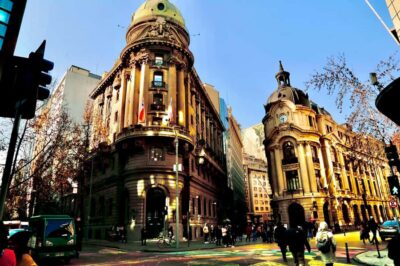 ★ 4.7Santiago Half-Day Walking Tour with Hotel Pick up & BrunchFrom $48148 reviews
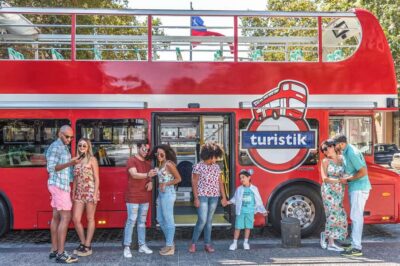 ★ 4.3Hop-on Hop-off Bus Day Ticket with Audio GuideFrom $50137 reviews
Browse the lists this tour appears in