
Review · SANTIAGO
Museo Chileno de Arte Precolombino Admission Ticket
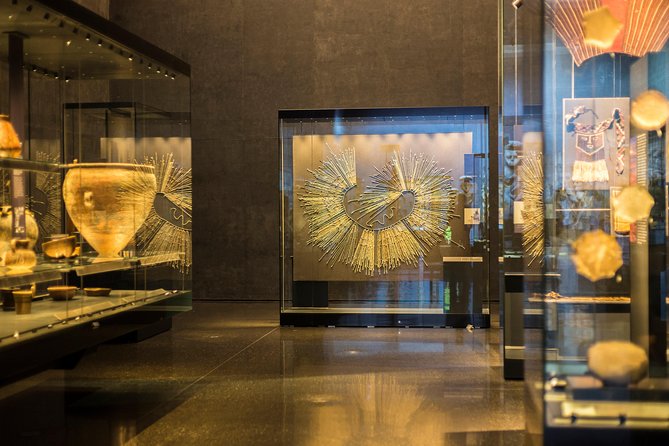
A museum that makes Chile feel personal. This admission ticket lets you step into the Museo Chileno de Arte Precolombino, set inside a major neoclassical landmark from 1805, and focus on the story of Indigenous peoples shaping Chilean identity.
I like two things right away. First, the main permanent exhibition, Chile before Chile, connects deep time in the region (14,000+ years) to the present-day communities behind the art. Second, the museum’s layout supports a smooth, self-paced walk, with item explanations available in both Spanish and English, plus a cafe and small gift shop for a low-key break.
One possible drawback is lighting. The lower level can feel dim, and some signage is harder to read, so plan to take your time and keep your eyes open for labels (or use your phone light). Also, depending on what’s currently open, you might find the museum feels smaller than you imagined.
In This Review
- Key things to know before you go
- The setting: an 1805 customs house in central Santiago
- Ticket value: why this $17 admission works
- Entering with purpose: the Chile before Chile exhibition
- What to look for when the labels are a bit hard
- A colonial building, an Indigenous story: why that pairing matters
- Timing it right: how to build a smooth Santiago day
- Cafe and gift shop: the small comforts that extend the visit
- Who this admission is best for (and who might want a different plan)
- Should you book? My practical call for your Santiago trip
- FAQ
- What is included with the Museo Chileno de Arte Precolombino admission ticket?
- How long should I plan to spend at the museum?
- What are the museum opening hours in 2025 and 2026?
- What exhibition will I see with this ticket?
- Can children visit?
- Are there discounted tickets for Chileans, residents, or students?
- Is free cancellation available?
Key things to know before you go
- A 1805 neoclassical building: the museum sits in a former Royal Customs House.
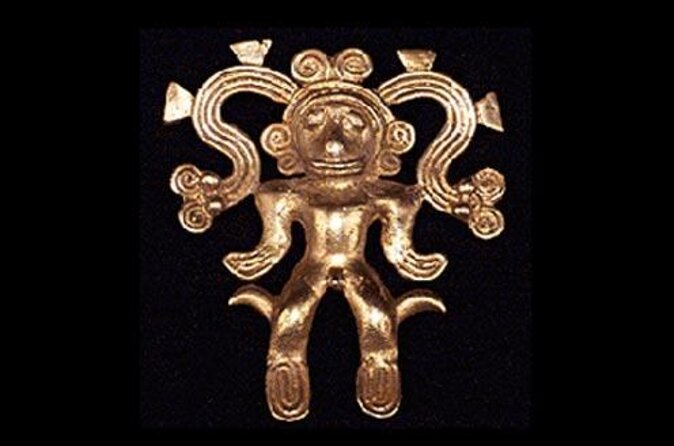
- Chile before Chile as the anchor: one main permanent exhibition centered on “Chilean identity.”
- Time to wander: about 2 hours is a realistic visit length for most people.
- Self-paced exploration: you can move through galleries at your own speed.
- Lighting varies by floor: lower areas may be darker, so labels can take extra effort.
- Small extras matter: a cafe inside and a tidy gift shop can turn this into a full stop, not just a quick glance.
Other ways to walk the capital, reviewed
- Private Santiago City Half Day Tour
★ 4.0 · 414 reviews - Museo Chileno de Arte Precolombino Admission Ticket
★ 4.5 · 118 reviews - Half-Day Small-Group Panoramic Santiago Tour
★ 4.0 · 89 reviews - 2-Hour Walking Tour of Yungay The Coolest Neighborhood in Chile
★ 5.0 · 85 reviews
The setting: an 1805 customs house in central Santiago
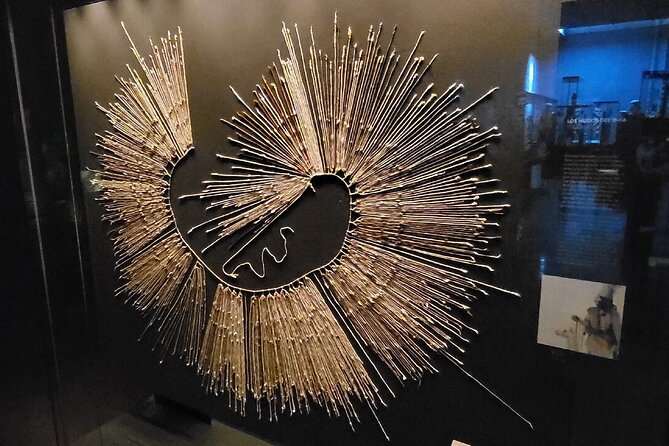
This museum is not just about objects. It’s housed in one of Santiago’s more distinguished colonial buildings, built in 1805 in a neoclassical style. It originally functioned as the colonial government’s Royal Customs House, so you’re walking into a space that has long ties to movement, trade, and official power.
That context helps the visit click. You’re looking at Indigenous art and history, but you’re doing it inside a building that reflects how Chile’s colonial past shaped institutions. Even if you only have a short time in Santiago, the setting makes the museum feel like more than a “collection room.”
Location-wise, the museum is near public transportation, which matters because Santiago days can get crowded fast. If you’re planning a tight itinerary, this is a simple, central stop that won’t eat your whole afternoon.
Ticket value: why this $17 admission works
At $17 per person, this ticket is basically paying for two things: access to the museum’s permanent exhibition and the chance to see the collection in a calm, walk-through format. You’re not buying a long multi-stop tour. You’re buying time in a focused museum.
The visit is listed as about 2 hours (approx.), and the central Chile before Chile exhibition alone is about 30 minutes. In practice, that balance is useful. You can do the show carefully, then slow down for objects that pull you in, and still have time for a pause in the cafe.
The small group size, capped at 15 travelers, is another value point. Even though this is an admission ticket rather than a guided lecture, smaller groups often mean less congestion at popular rooms and fewer bottlenecks around the most interesting displays.
One more practical reason this ticket can be worth it: pre-booking. The booking pace is high (on average it’s booked about 18 days in advance), which usually means timed access or demand is real. If you show up hoping for walk-in luck, you risk losing time. Pre-booking helps you keep your day intact.
Entering with purpose: the Chile before Chile exhibition
The permanent exhibition is the heart of the experience: Chile before Chile. It frames the region as one where people first arrived more than 14,000 years ago, and then it follows the chain of inhabitants and descendants into the present day.
What makes this exhibition especially valuable is how it treats Indigenous art as living identity, not only archaeological evidence. The museum description highlights how genes, artistic expressions, and epic histories link ancient inhabitants to today’s Indigenous communities in Chile. That framing changes the way you read the objects. Instead of asking only what something looks like, you start asking who carried it forward and why.
Expect a guided-by-design flow. The rooms and displays are set up so you can walk without constantly stopping to re-orient yourself. One of the best review takeaways here is the good sense of layout and pacing, with explanations that are available in Spanish and English, so you can match the depth you want.
You can also treat the 30-minute show as a baseline. If you’re the type who wants context before you start looking closely at craft details, do the main exhibition first. If you prefer to jump straight to the objects, you can work around the museum and circle back. Either way, the exhibition provides a thread to keep everything connected.
Other Chilean entries and tickets worth booking ahead
What to look for when the labels are a bit hard
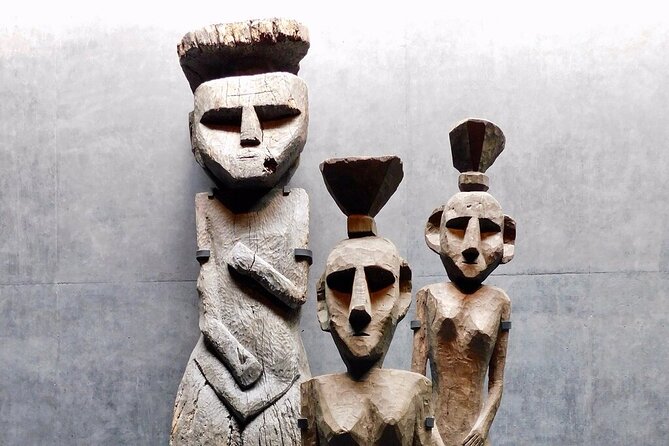
Museums often punish your schedule and reward your attention. This one has a clear challenge: the lower level can be quite dark, and some signage is hard to read.
So here’s the practical approach I’d use to make the visit feel easier:
- Move slowly enough to let your eyes adjust to lighting changes between floors.
- Before you enter darker rooms, take a second to scan signage you can read easily, so you know what terms to look for.
- Use your phone camera or flashlight only if you really need it. The goal is legibility, not flashing strangers.
Also, if you’re someone who likes reading every label, plan on spending extra time in the rooms where it’s harder to see text. If you’re more object-focused, you can still get a lot out of the artifacts themselves, and the dimmer lighting becomes less of a deal.
The good news is that the museum’s overall presentation helps. Reviews mention that pieces are placed well and the walking flow is nice. That matters because a well-designed route reduces the frustration of trying to figure out where to go next.
A colonial building, an Indigenous story: why that pairing matters
One reason this museum can land well even if you’re not a “pre-Columbian art expert” is that it gives you a framework for understanding Chilean identity. The exhibition description is explicit about the goal: you’re invited to learn about ancient inhabitants and their descendants, and then connect that to present-day Indigenous peoples.
That idea hits hardest when you pay attention to patterns across time. Craft details, materials, and motifs often take on new meaning when you remember that they connect living communities to deep roots in the landscape and history of the region. Even if you don’t know the terminology, the objects can still teach you through repetition and variation.
And the building itself reinforces the theme. Inside the former Royal Customs House, the museum quietly reminds you that modern Chile has layered histories. Colonial institutions shaped the country, but Indigenous creativity and identity still shape the present. That contrast can make the experience feel more intellectually grounded, not just visually interesting.
If you enjoy museums that tell you how to think, not only what to look at, you’ll probably appreciate this more than you expect.
Timing it right: how to build a smooth Santiago day
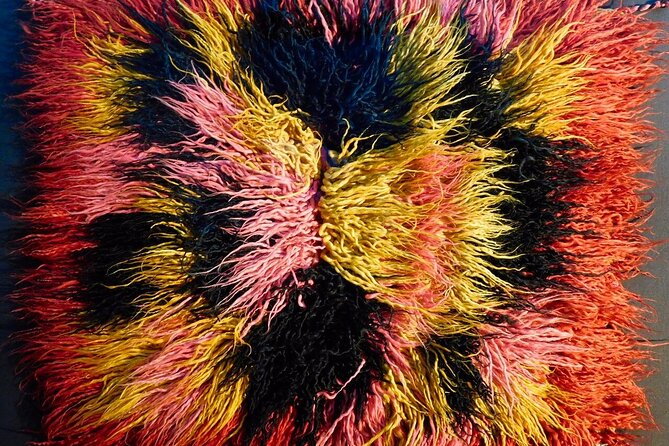
The museum is open Tuesday through Sunday, from 10:00 AM to 5:00 PM. Those hours apply for both 2025 and 2026.
With that schedule, you have a lot of flexibility. If you’re visiting on a weekend, arriving near opening time is a smart move, because it gives you better breathing room to handle darker rooms and smaller signage.
A realistic rhythm for your day:
- Spend about 30 minutes with the Chile before Chile exhibition.
- Add another 60 to 75 minutes for the rest of the collection and the parts you linger on.
- Build in a break, since the museum includes a cafe.
This is also a solid option when the weather is unpredictable. Santiago can shift quickly, and having a warm, central indoor stop that doesn’t require reservations to coordinate with other tours can simplify your itinerary.
Cafe and gift shop: the small comforts that extend the visit
This museum isn’t only about walking and reading. There’s a cafe inside, which can help you slow down instead of rushing through the displays.
That cafe time is more than a snack stop. It turns the museum visit into a proper “stop,” meaning you can come away with a calmer feeling rather than that museum sprint vibe. If you’re traveling with family or you just want a breather between darker rooms and bright ones, it helps a lot.
There’s also a cute gift shop, so if one object really connects with you, you can bring home something small without hunting around the city.
And in at least one instance, there was live music in the hallway outside when the visit ended. You can’t plan on that, but it’s a reminder that the museum can feel alive beyond the display cases.
Who this admission is best for (and who might want a different plan)
This ticket is a strong fit if you:
- Want an educational, identity-focused museum stop in the center of Santiago.
- Like self-paced visits where you can choose how long to spend on objects.
- Have interest in Indigenous art across South and Central America, especially how the museum frames Chilean history and continuity.
It’s also family-friendly in the practical sense that it’s short and contained. The museum notes that children must be accompanied by an adult, and that’s the only hard limitation stated here.
You might consider an alternative if you’re the type who needs very bright, easy-to-read signage in every room. The lighting issue on the lower level is real, and it can slow down label reading.
Also, keep expectations flexible if you’re hoping for multiple temporary exhibitions. One review flagged that the museum sometimes feels like only one exhibition is available. The museum is anchored by the permanent collection, so you’re still covered, but your “size vs. expectation” match can vary.
Should you book? My practical call for your Santiago trip
I’d book this admission if you want a short, high-impact cultural stop that gives you context quickly. For $17, you’re getting access to a major permanent exhibition about Indigenous identity and a museum experience set in a beautiful historic building. The hours are generous, it’s near transit, and the visit can fit cleanly into a half-day plan.
I’d think twice if dim rooms and challenging signage would frustrate you. In that case, you can still go, but plan for slower pacing, and don’t treat reading every label as mandatory.
If you’re deciding between “one more city activity” and a museum that teaches you how Chile’s story is tied to the present, this is a smart pick. It respects your time, stays focused, and leaves you with a clearer sense of what Chilean identity can mean beyond postcards.
FAQ
What is included with the Museo Chileno de Arte Precolombino admission ticket?
Your ticket includes museum admission.
How long should I plan to spend at the museum?
Plan on about 2 hours (approx.) for the visit.
What are the museum opening hours in 2025 and 2026?
Tuesday through Sunday, 10:00 AM to 5:00 PM.
What exhibition will I see with this ticket?
The museum’s permanent exhibition, Chile before Chile, is the main focus.
Can children visit?
Yes, but children must be accompanied by an adult.
Are there discounted tickets for Chileans, residents, or students?
Yes. Chilean nationals, foreign residents in Chile, and students can buy discounted tickets at the museum entrance by showing an ID.
Is free cancellation available?
Yes. You can cancel up to 24 hours in advance for a full refund.
Chilean Tickets Worth Buying Ahead


Everything Else We Have Reviewed In Chile




Santiago, A Few More Ways


Not quite it? Here is the rest of what we have reviewed around Chile





More in Santiago City Tours.
 ★ 4.5Tourist bus around Santiago for a dayFrom $501,857 reviews
 ★ 4.8Guided Walking Tour of the Historical Old TownFrom $25459 reviews
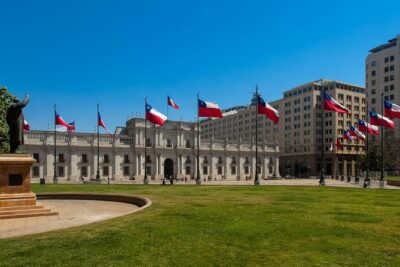 ★ 4.0Private Santiago City Half Day TourFrom $76414 reviews
 ★ 4.31-Day Hop-On Hop-Off Bus and Cable Car TicketFrom $60332 reviews
 ★ 4.3Sky Costanera Observatory Admission TicketFrom $45208 reviews
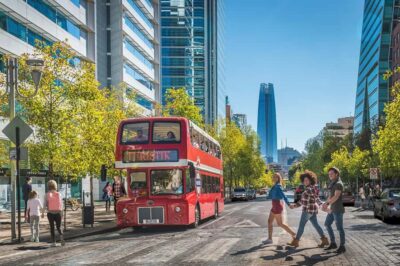 ★ 4.32-Day Hop-On Hop-Off Bus Ticket and Cable CarFrom $69162 reviews
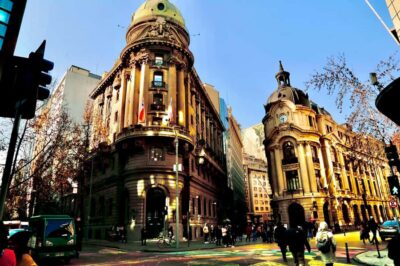 ★ 4.7Santiago Half-Day Walking Tour with Hotel Pick up & BrunchFrom $48148 reviews
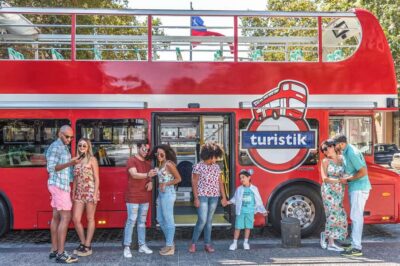 ★ 4.3Hop-on Hop-off Bus Day Ticket with Audio GuideFrom $50137 reviews
Browse the lists this tour appears in