
Review · SANTIAGO
Santiago: Guided Walking Tour of the Historical Old Town
That first look at Santiago can be a lot. This 3-hour walking tour strings the city’s key historic sights together in a way that actually helps you orient fast. I especially like the small group (max 10), because it keeps the pace comfortable and leaves room for questions as you move neighborhood to neighborhood.
You’ll also hit big ticket landmarks without getting stuck in planning mode. The Cathedral of Santiago (dating back to 1748) and the artsy Bellas Artes Museum area give you real context for how the city grew, and the viewpoint from Santa Lucia Hills is the kind of payoff that makes the walking worth it. One caution: it’s a lot of steps for a short time, and it’s not recommended if you’re pregnant or have heart problems, and it depends on good weather.
In This Review
- Key points before you lace up
- Starting at La Moneda, and why that sets the tone
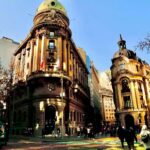
- Stock Exchange, Bandera Avenue, and Court Justices: the downtown power corridor
- Plaza de Armas, the 1748 Cathedral, and City Hall: the heart beats here
- Bellas Artes Neighborhood and the Museum area: a switch from politics to art
- Santa Lucia Hills panoramas, then Lastarria and Forest Park
- Bellavista and Patio Bellavista: finish where you can actually eat
- How the 3 hours is managed: group size, language, and real pacing
- Price and value: is $25 worth it for this many stops?
- What to wear and who should skip it
- What is not included, so you can plan your “next day” list
- Should you book this Santiago walking tour?
- FAQ
- How long is the Santiago guided walking tour?
- Where does the tour start?
- Where does the tour end?
- What is included in the price?
- Is lunch included?
- Do I need tickets for Santa Lucia Hills?
- Are Pablo Neruda’s house and San Cristobal hills included?
- What languages is the live guide available in?
- How large is the group?
- Is there free cancellation?
Key points before you lace up
- Max 10 people means a more personal guide experience and an easy pace for most visitors
- La Moneda to Bellavista covers multiple districts in one loop, so you don’t waste half a day backtracking
- Santa Lucia Hills viewpoints add skyline views, and it’s free Tuesday to Sunday
- Art + architecture mix at Bellas Artes makes this more than just monuments and photos
- Ends at Patio Bellavista, so you finish where food and plans are already lined up
- English, Spanish, Portuguese support helps mixed-language groups stay together
Other ways to walk the capital, reviewed
- Santiago: Guided Walking Tour of the Historical Old Town
★ 4.8 · 459 reviews - Santiago: 1-Day Hop-On Hop-Off Bus and Cable Car Ticket
★ 4.3 · 332 reviews - Santiago: Sky Costanera Observatory Admission Ticket
★ 4.3 · 208 reviews - Santiago: 2-Day Hop-On Hop-Off Bus Ticket and Cable Car
★ 4.3 · 162 reviews
Starting at La Moneda, and why that sets the tone
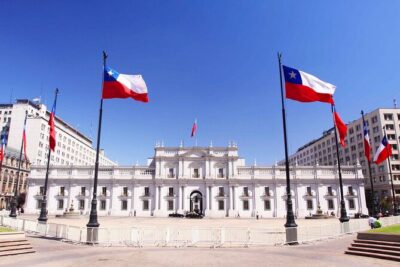
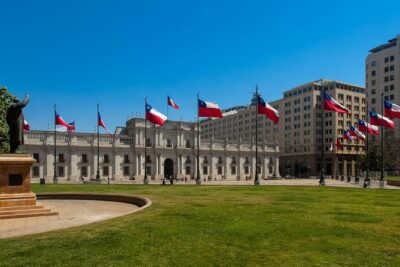
Most first-day tours in Santiago start with “look at that” moments. This one starts with the spine of Chile’s capital: the Palacio de la Moneda area. From there, your route quickly moves into the historic core, so you get a sense of how government, commerce, and public space sit next to each other.
I like that the first stretch is practical. You’re not only collecting sights. You’re also learning the city’s “logic,” where major avenues lead, and how landmarks connect. That helps you later when you want to explore on your own, because the center stops feeling random.
The tour also gives you a nice flow for orientation: after the Moneda area, you transition into the downtown civic and legal world, then you move outward toward arts districts and viewpoints. By the time you reach Bellavista, you’re not just tired. You’re oriented.
Stock Exchange, Bandera Avenue, and Court Justices: the downtown power corridor
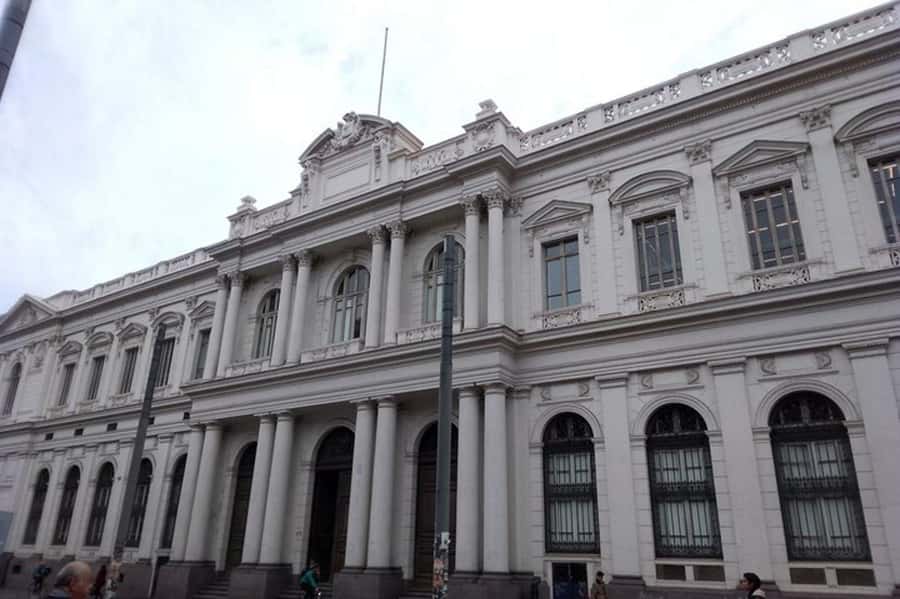
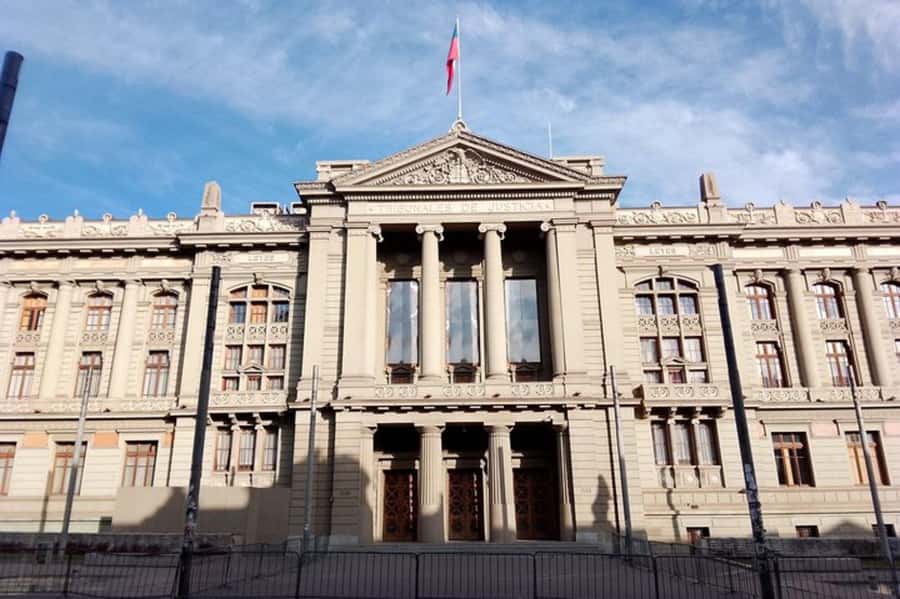
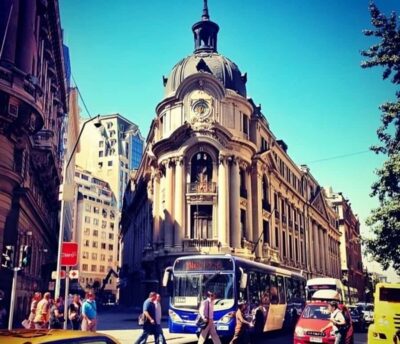
After La Moneda, the walking route takes you past the Stock Exchange Building, down Bandera Avenue, and toward the Court Justices area. This is where Santiago’s downtown identity shows up in buildings and street layout.
The value here is not only seeing older structures. It’s understanding why these places matter in day-to-day life and national history. Even if you don’t love formal buildings, you’ll likely enjoy how the guide links what you see to Chile’s civic story.
A small practical note: this part of downtown can feel more “city” than “touristy.” That’s a good thing. You’ll be walking through real Santiago, not a theme-park version of it.
Plaza de Armas, the 1748 Cathedral, and City Hall: the heart beats here
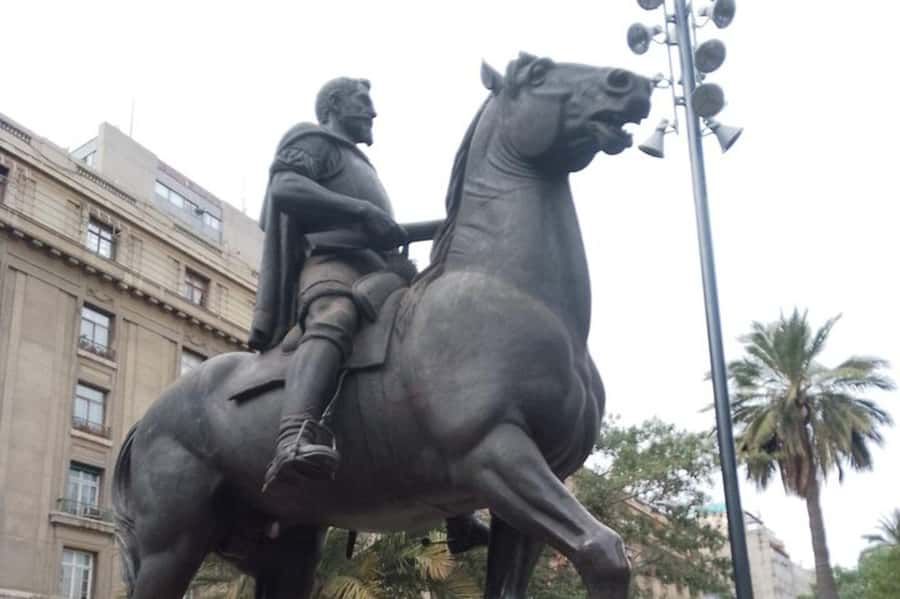
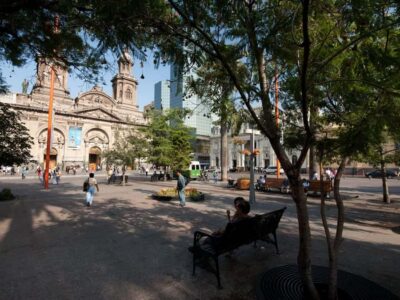
The centerpiece moment is Plaza de Armas, where the Cathedral of Santiago (from 1748) anchors the square. This stop tends to be the emotional center of the whole walk, because it’s where architecture, ceremony, and public life overlap.
Then you continue to the City Hall of Santiago. That pairing matters. The cathedral gives you the long timeline, while the City Hall helps you connect the past to what still runs the city today.
If you care about how cities evolved, you’ll probably appreciate this sequence. It’s a classic way to read a city: religious landmark, then civic landmark, all within an area that’s meant for people to gather. Even if you only stay for the photos, the setting makes it easy to imagine how the space has been used over centuries.
Other Chilean towns worth doing on foot

Bellas Artes Neighborhood and the Museum area: a switch from politics to art
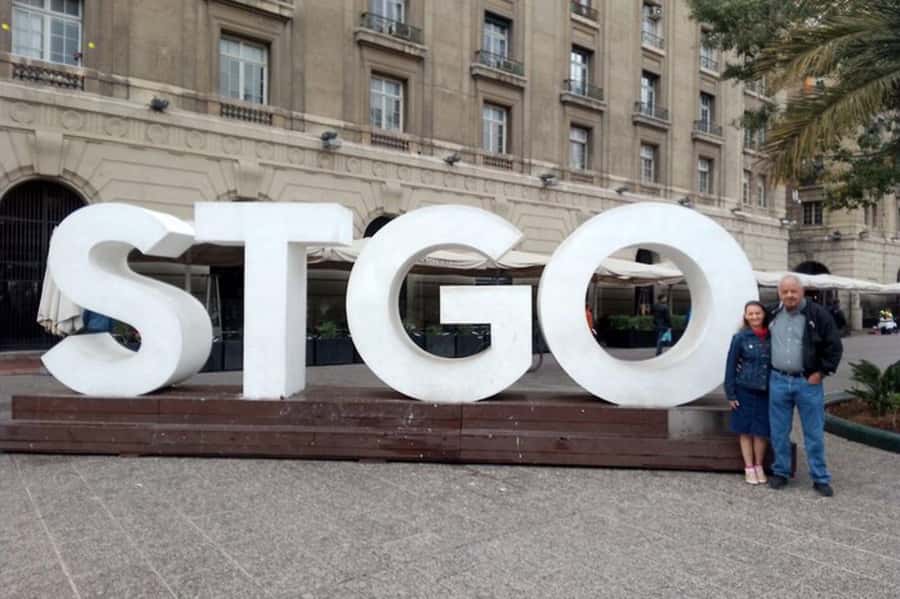
After the main square core, the tour shifts into the Bellas Artes Neighborhood and the area around the Bellas Artes Museum. This is a smart move for a 3-hour tour because it prevents the experience from becoming only stone-and-statue sightseeing.
The neighborhood feel changes too. Expect a more arts-forward vibe where the architecture and streets feel built for galleries, culture, and conversation. If you’re the type who gets restless on walking tours that only hit monuments, this section usually restores your energy.
It also creates an easy mental map. Once you’ve spent time in Bellas Artes, you’ll know where to aim if you want more museums, slower café stops, and that slightly more creative side of Santiago.
Santa Lucia Hills panoramas, then Lastarria and Forest Park
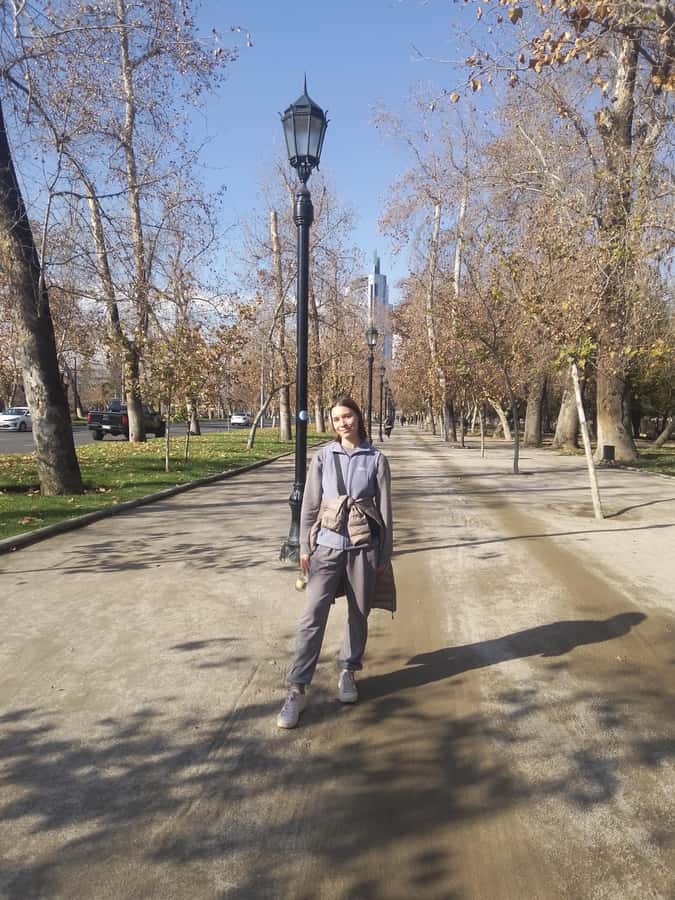
Next comes the climb to Santa Lucia Hills for city views. The big practical detail: entrance is free Tuesday to Sunday. So if your schedule hits those days, you get the viewpoint payoff without needing to pay another ticket.
This stop is also about pacing. You’ll likely have a short uphill stretch, then you’re rewarded with a higher perspective. Even when the weather changes, views from this kind of spot help you understand where everything sits, especially the way Santiago is framed by hills.
From there, the route continues through the Lastarria Neighborhood and then along Forest Park. Lastarria tends to feel more charming and walkable, while Forest Park offers a calmer break from the hardest downtown walking. It’s the part of the route that helps you reset before the lively final stretch.
Bellavista and Patio Bellavista: finish where you can actually eat
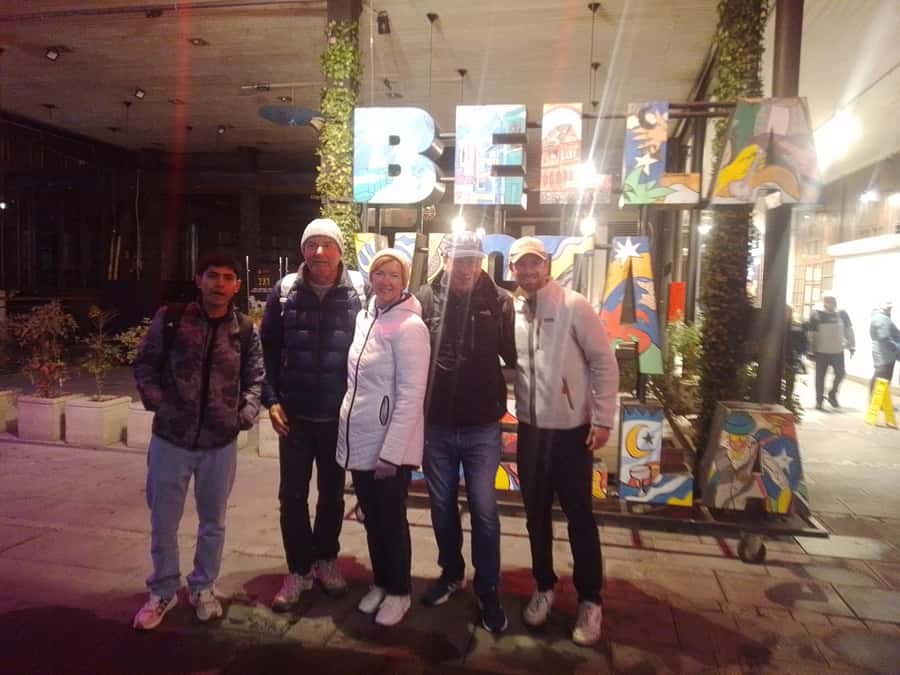
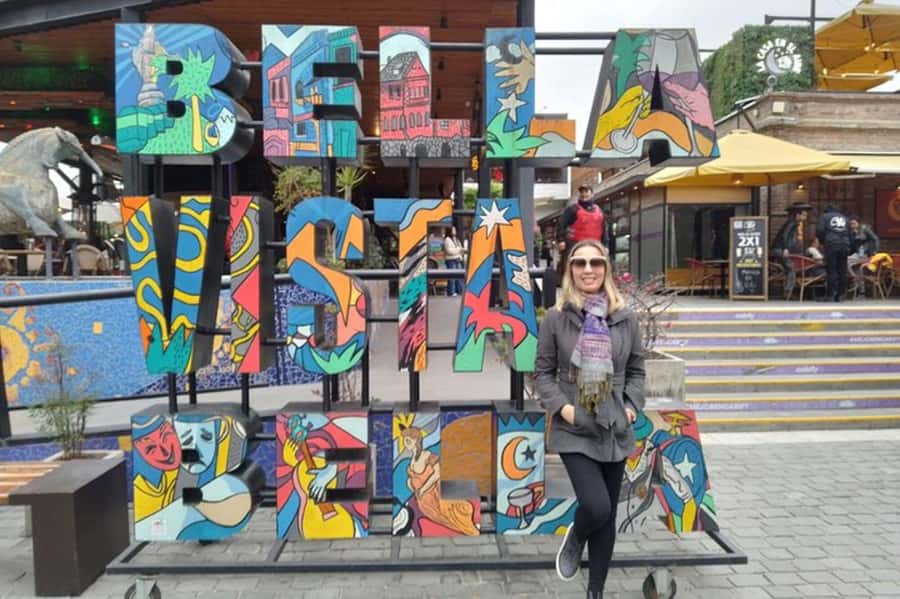
The tour ends in Bellavista, and the final drop-off is at Patio Bellavista. That ending is practical in a way many tours forget. You don’t finish at some random corner and then try to figure out food in a place you just entered.
Bellavista is known as a gastronomic hub, and Patio Bellavista is a convenient launch point. After 3 hours of walking, you’ll appreciate being in an area where it’s normal to grab a meal, wander, or keep going without needing transportation.
If you’re thinking about where to go next, this ending is also helpful. You’re in the kind of neighborhood where planning an evening is easy.
How the 3 hours is managed: group size, language, and real pacing
This tour runs 3 hours and is limited to 10 participants, which makes a big difference on a walking format like this. In a small group, your guide can keep the pace from turning chaotic, and it’s easier for everyone to hear the stories.
The tour is offered in Portuguese, English, and Spanish, and the guide format is designed to keep mixed-language groups together. Based on the guide’s handling style, it’s clear this is not a “check your own understanding” kind of tour. You’ll get explanations that work for the group you’re in.
Also, you’ll have bottled water included. It sounds minor until you’re mid-walk and Santiago’s sun is doing its job. Comfort matters, and this tour builds it in.
Finally, the experience needs good weather. That’s not just a policy line. Views from Santa Lucia and your time in the open center depend on it. If weather turns, the operator offers a different date or a full refund.
Price and value: is $25 worth it for this many stops?

At $25 per person for a 3-hour guided walking tour, this price is usually a strong deal if you value context, not just photos.
Here’s why it feels like value:
- You’re getting a guide for the full duration, not just a quick “meet and greet”
- The route covers multiple major areas: Moneda, historic core landmarks, Bellas Artes, Santa Lucia Hills, Lastarria, Forest Park, and Bellavista
- You’re not paying for the guide’s time and effort of connecting neighborhoods and stories
- Bottled water is included, which helps on a walking day
Could you do parts on your own? Sure. But the cost of doing it solo is time and uncertainty. With a guide, you reduce the friction of deciding what’s important and what order makes sense. For first-timers with limited time, that’s where the money tends to show up as convenience.
What to wear and who should skip it
This is a walking tour, so start with the obvious: comfortable shoes. The route includes a viewpoint climb at Santa Lucia Hills, plus lots of time on sidewalks and in public squares.
It’s also not recommended for pregnant travelers and anyone with heart problems or other serious medical conditions. If that applies to you, it’s worth choosing a less physically demanding option.
For family planning, it’s also not set up for very young kids. It’s listed as not suitable for children under 2 years, under 3 years, under 4 years, and babies under 1 year. If you’re traveling with children, you’ll want to confirm age fit before you book.
And one more real-world tip: bring a way to handle sun and heat. The tour requires good weather, and the route includes outdoor viewpoints and open areas.
What is not included, so you can plan your “next day” list
A clear benefit of doing a focused old-town loop is that it leaves space for the things not included. This tour explicitly does not include entry to Pablo Neruda’s house or San Cristobal hills.
So if those are must-dos for you, plan them separately. The upside is that you won’t feel like you’re paying twice for overlapping activities on the same day. You can split your time into, say, an old-town cultural walk plus a distinct day for Neruda and the hills.
Because the tour ends in Bellavista near Patio Bellavista, you’ll also have an easy place to continue your itinerary without rushing to catch transport.
Should you book this Santiago walking tour?
If you’re arriving with limited time and want a fast, guided way to learn how central Santiago connects, I think this tour makes sense. The route hits the big landmark set (La Moneda area, Plaza de Armas and the 1748 Cathedral, Bellas Artes Museum area, Santa Lucia Hills viewpoints, and a finish in Bellavista), and the small group size helps it feel controlled rather than crowded.
I’d be cautious if you’re dealing with mobility limits, serious health concerns, or if your schedule is likely to land in bad weather. And if you want Pablo Neruda’s house or San Cristobal hills as a single-day block, this isn’t that tour.
Overall, it’s a solid first orientation walk with a good ending location for food, and it’s priced in a way that feels fair for what you get: a guided route, bottled water, and a simple path through Santiago’s must-see core.
FAQ
How long is the Santiago guided walking tour?
The tour lasts 3 hours.
Where does the tour start?
It starts at the Palacio de la Moneda area.
Where does the tour end?
The tour ends in the Bellavista Neighborhood, at Patio Bellavista.
What is included in the price?
Included are the walking tour, a guide, and bottled water.
Is lunch included?
No. Lunch is not included.
Do I need tickets for Santa Lucia Hills?
The tour includes a panoramic stop at Santa Lucia Hills, and entrance is listed as free Tuesday to Sunday. Entry for other places is not included.
Are Pablo Neruda’s house and San Cristobal hills included?
No. The tour does not include entry to Pablo Neruda’s house or San Cristobal hills.
What languages is the live guide available in?
The guide is available in Portuguese, English, and Spanish.
How large is the group?
The group is small, limited to 10 participants.
Is there free cancellation?
Yes. You can cancel up to 24 hours in advance for a full refund.
The Rest Of Our Chile Tours




Everything Else We Have Reviewed In Chile

Santiago, A Few More Ways





Not quite it? Here is the rest of what we have reviewed around Chile





More in Santiago City Tours.
 ★ 4.5Tourist bus around Santiago for a dayFrom $501,857 reviews
 ★ 4.0Private Santiago City Half Day TourFrom $76414 reviews
 ★ 4.31-Day Hop-On Hop-Off Bus and Cable Car TicketFrom $60332 reviews
 ★ 4.3Sky Costanera Observatory Admission TicketFrom $45208 reviews
 ★ 4.32-Day Hop-On Hop-Off Bus Ticket and Cable CarFrom $69162 reviews
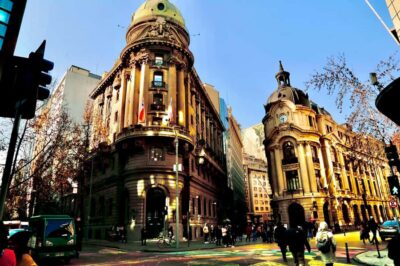 ★ 4.7Santiago Half-Day Walking Tour with Hotel Pick up & BrunchFrom $48148 reviews
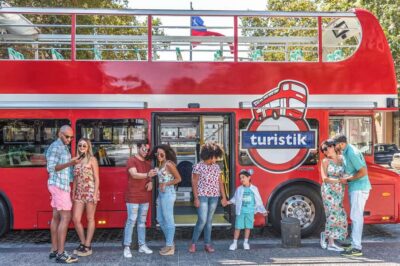 ★ 4.3Hop-on Hop-off Bus Day Ticket with Audio GuideFrom $50137 reviews
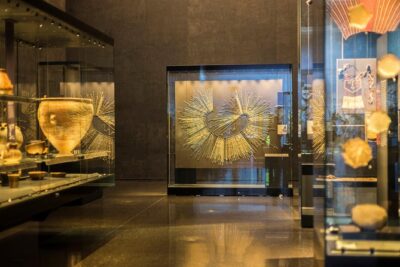 ★ 4.5Museo Chileno de Arte Precolombino Admission TicketFrom $17118 reviews
Browse the lists this tour appears in