
Review · ATACAMA
San Pedro de Atacama: Stargazing Tour in the Atacama Desert
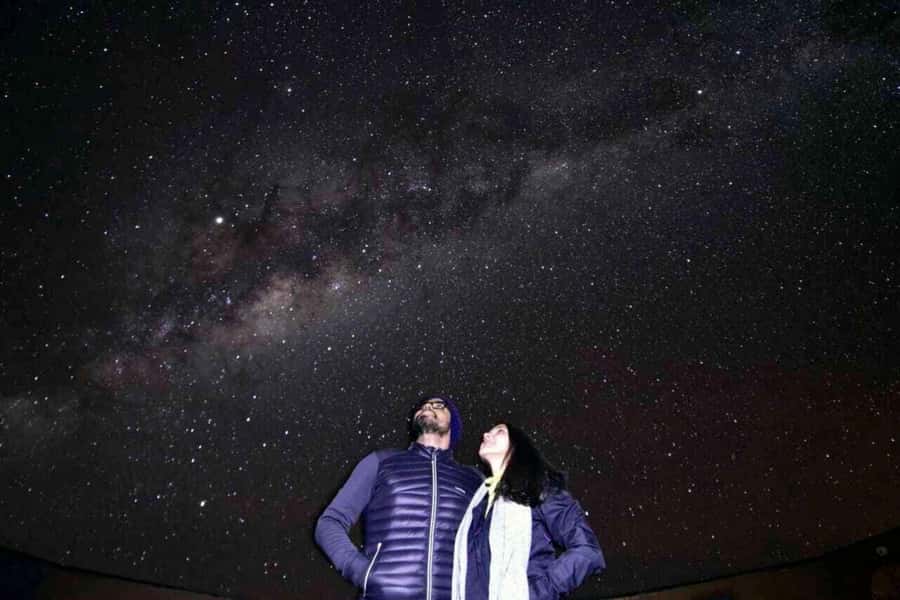
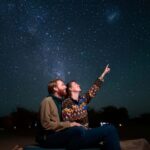
San Pedro de Atacama nights are pure science magic. This stargazing tour takes you from San Pedro to Ayllu de Coyo for a guided session that starts with naked-eye constellations and then moves to electronic telescopes. Guided by Rodrigo Zúñiga, you get an organized way to understand what you are seeing in the southern sky.
I especially like that the night is paced: you first learn the big picture with the naked eye, then you switch to instruments for closer looks like planets, star clusters, nebulae, and stars (depending on the season). The campfire stop also makes the experience feel human, with hot drinks, Chilean red wine, and snacks to keep you comfortable.
One thing to consider is that language quality can be hit or miss. The tour offers Spanish and English, but if you need English, I’d double-check that your guide can actually teach in English, not just be friendly.
In This Review
- Key things to know before you go
- How the stargazing session flows in 150 minutes
- Ayllu de Coyo, and why the short drive matters
- The naked-eye sky: constellations you can actually place
- Electronic telescopes: planets, clusters, nebulae, and the season factor
- The guide experience: Rodrigo Zúñiga, plus what I’d watch for
- Campfire break: wine, hot drinks, and a calmer reset
- Transportation and timing inside San Pedro de Atacama
- Price and value: is $45 worth it?
- Who should book this stargazing tour
- Should you book? My honest decision guide
- FAQ
- Where is the pickup, and is hotel pick-up included?
- How long is the stargazing tour?
- How far do you travel to the observation point?
- What will I see with the naked eye?
- What can I see with the electronic telescopes?
- What drinks and snacks are included?
- What languages is the guide available in?
- What about cancellation and pay later?
Key things to know before you go
- Ayllu de Coyo is close by, about 6 kilometers from San Pedro, so you lose less time in transit.
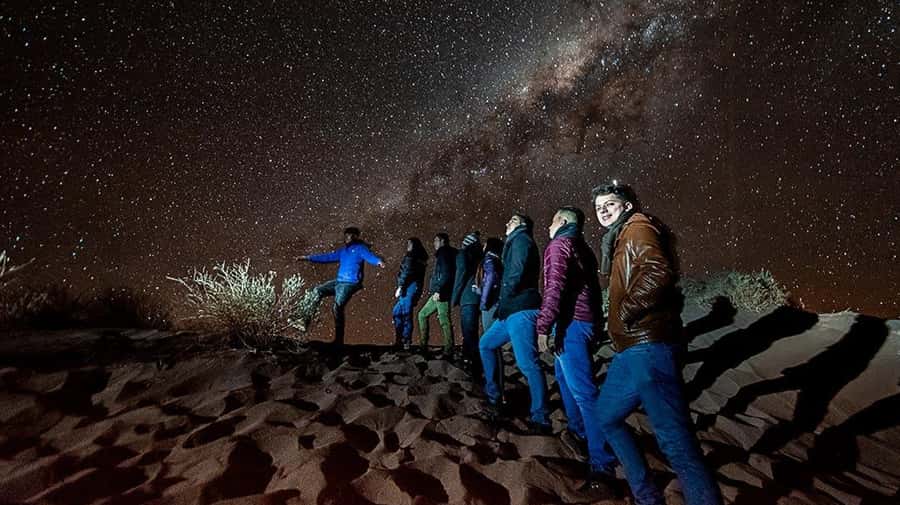
- Naked-eye first, telescopes second helps you orient yourself before you look through any gear.
- What you see changes with the season, including planets, star clusters, nebulae, and stars.
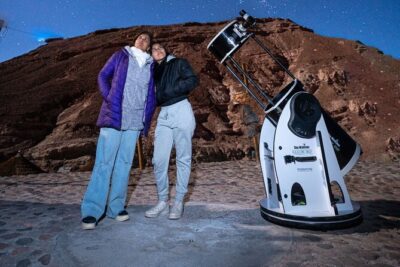
- Electronic telescopes are part of the experience, not just a lecture and a quick look.
- Campfire drinks and snacks are included, which is a big part of the comfort factor.
- English may vary by guide, so clarify if you are booking for English practice.
Other ways out of San Pedro into the desert
- San Pedro de Atacama: El Tatio Geysers Tour
★ 4.7 · 943 reviews - San Pedro de Atacama: Etno-Stargazing Tour with Transfer
★ 4.8 · 629 reviews - San Pedro de Atacama: Stargazing Experience
★ 4.7 · 489 reviews - San Pedro Atacama: Baltinache Lagoons
★ 4.6 · 359 reviews
How the stargazing session flows in 150 minutes
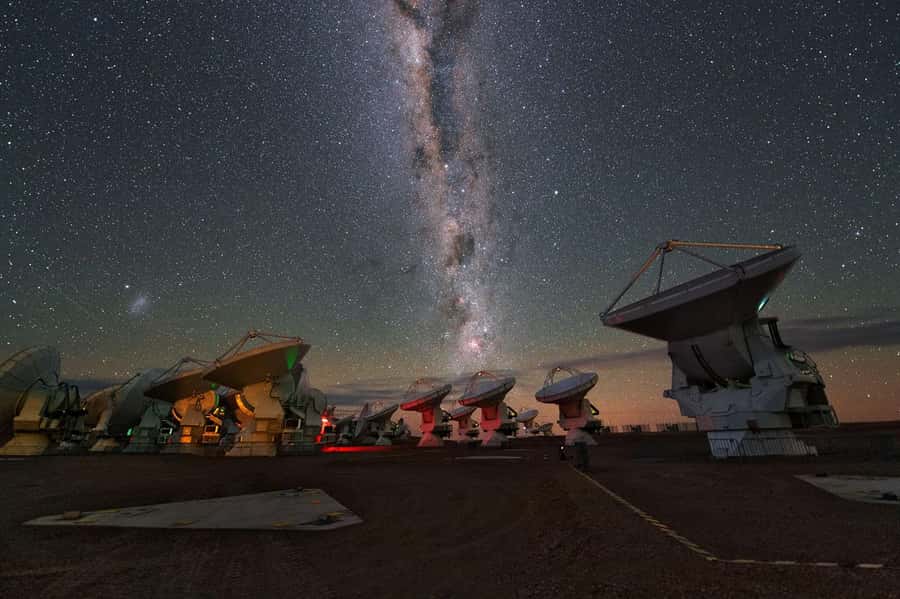
This is not a random “go look up” situation. The tour is built like a mini lesson that runs long enough for you to actually make sense of the sky, without turning into a slog.
You start with a short drive from San Pedro de Atacama to Ayllu de Coyo, then you settle at the observation point. From there, you begin with a first round of looking at the sky with the naked eye. The guide is Rodrigo Zúñiga, who is tied to the book series Bajo la Noche de Atacama and Nine Notes to Recover the Sky. That matters because it signals the focus is on interpretation, not just naming stars.
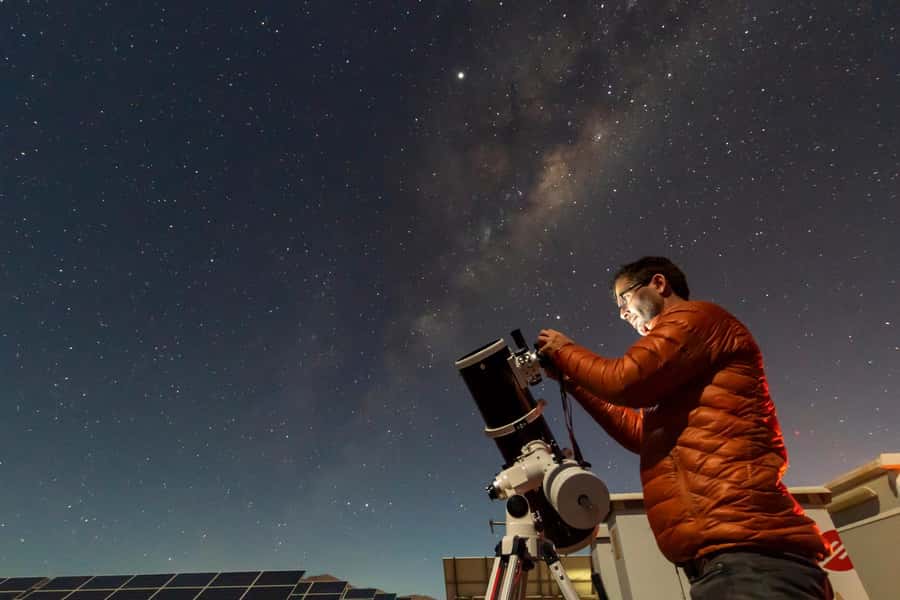
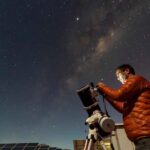
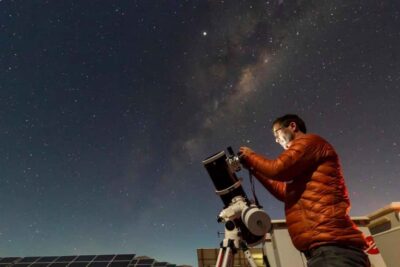
Then you move to electronic telescopes for a different perspective. This is where the tour can feel extra satisfying, because your view changes from “I recognize a few patterns” to “I’m looking at actual objects.” Depending on when you go, you can expect planets and deeper targets like star clusters and nebulae, along with plenty of stars.
The rhythm continues with a campfire break. Hot drinks, Chilean red wine, and snacks are included, which is a practical choice. When you’re outside staring upward, your body needs a reset. After that, you head back to San Pedro de Atacama, with arrival at your hotel scheduled about 2.5 hours after pickup.
Ayllu de Coyo, and why the short drive matters
The observation point, Ayllu de Coyo, is described as a sector about 6 kilometers away. You also get a short drive of about 15 minutes. That might sound small, but it’s one of those details that changes how the night feels.
Less time in the car means more time with your eyes adapting to the dark. It also means the tour schedule is less likely to collapse if the desert roads take a few extra minutes. In other words, you get more of the real product, the sky time.
Once you are there, the setting is set up for stargazing. You start outdoors looking upward, then you switch to instruments. That makes the experience more “step-by-step” than a single long session where everyone is waiting for their turn at the telescope.
If you are the type of traveler who gets impatient when timelines slip, keep it in mind that at least one past booking reported delay. That doesn’t mean it will happen every time, but it is worth acknowledging if you have tight plans later in the night.
The naked-eye sky: constellations you can actually place
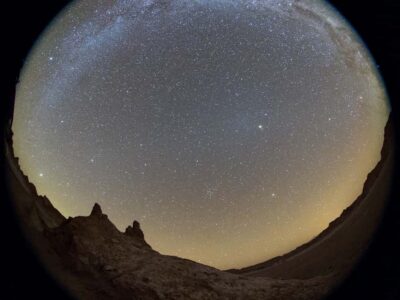
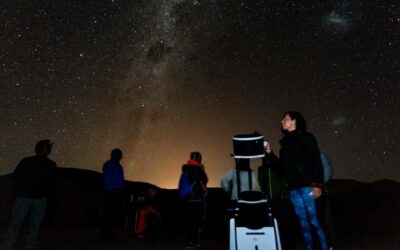
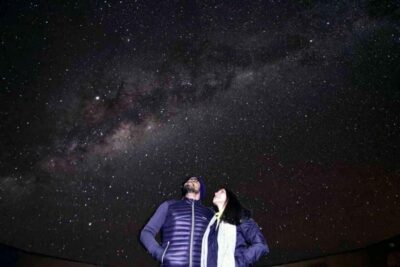
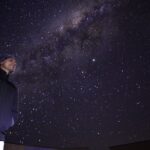
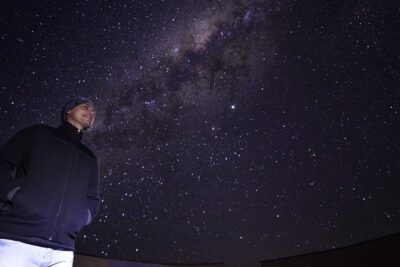
The first part of the experience is designed for orientation. With the naked eye, you’ll see constellations and the main elements visible from the desert sky.
This is where you get the value of a real guide. When you’re outside at night, stars can feel like scattered points. A good explanation changes that quickly. Instead of treating the sky like random dots, you start mapping it in your head.
You’ll likely get help identifying prominent patterns and learning what you should be noticing. The goal is that when you look up later, you are not just admiring the view, you are understanding what you are looking at.
And there’s a practical reason they do it this way first: when you go to electronic telescopes afterward, your brain already has hooks. You can compare what you saw with your naked eye to what the instruments show you next.
More nights under the clearest skies in Chile
Electronic telescopes: planets, clusters, nebulae, and the season factor
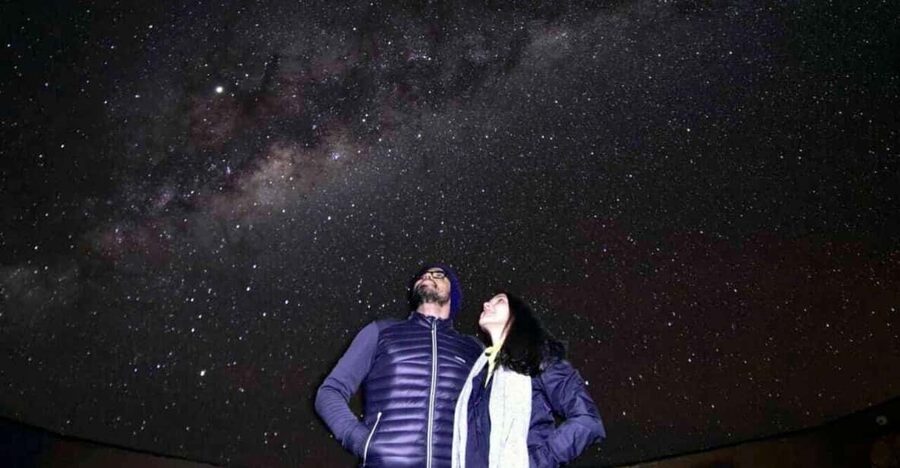
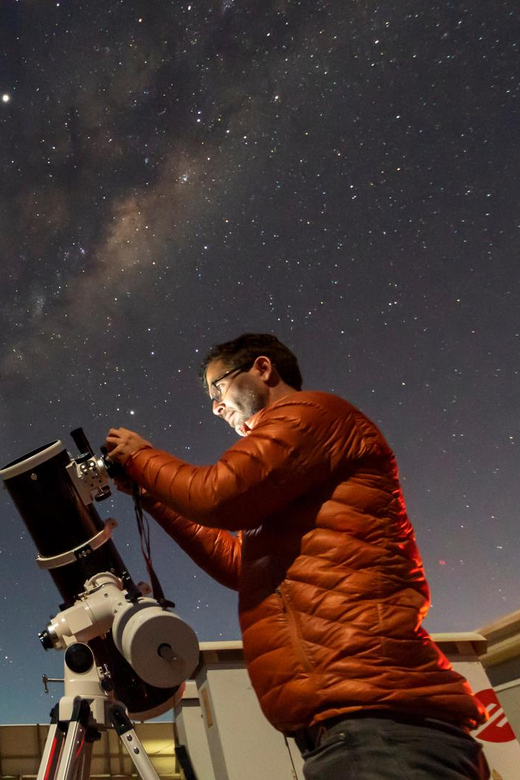
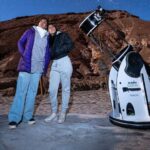
After the initial naked-eye round, you use electronic telescopes for a closer view. This is where the tour can feel more magical, but also more “real.”
What you see depends on the season. The tour description is clear that you might spot planets, star clusters, nebulae, and stars, based on what is available in the night sky during your visit.
This seasonal component is important for your expectations. If you go during a month when planets are less prominent, you might spend more time on clusters and nebulae. If conditions and timing align, planets can take center stage. Either way, the telescopes are the tool that lets you go beyond general star-watching.
One caution from real-world experience: telescope time can be short per person when groups are moving. That doesn’t mean it’s bad, but if you are hoping for long personal time at the eyepiece, manage expectations. The pace is more like a guided viewing with quick turns than a private astronomy session.
The guide experience: Rodrigo Zúñiga, plus what I’d watch for
Rodrigo Zúñiga is the name attached to the first part of the night, the naked-eye observing. With his background and published work connected to Bajo la Noche de Atacama and Nine Notes to Recover the Sky, the tour leans toward teaching you what you are seeing and why it matters.
In addition, other guides have been reported on different bookings, including Alejandro and Raphaël. That’s a big signal for what you should do before you go: focus on guide fit.
Here’s the practical takeaway. One booking praised Alejandro’s warm, welcoming manner but felt the delivered content did not match what was purchased, especially around the depth of star explanations. Another booking praised Raphaël as excellent. That tells me guide quality can make a noticeable difference.
Also, language matching matters. Even if the tour offers Spanish and English, what counts is whether the guide can truly explain at the level you need. If you’re booking for English, I’d treat that as a question to confirm ahead of time.
Campfire break: wine, hot drinks, and a calmer reset
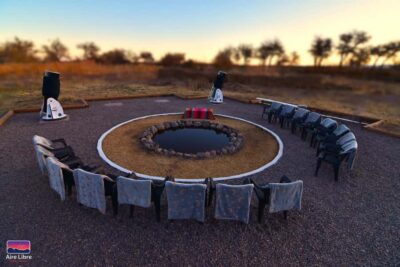
This tour includes hot drinks, Chilean red wine, and snacks served by a campfire after your observing. That is not just a nice add-on. It changes the tone of the whole experience.
Stargazing can be physically draining because you are holding your head up, standing still, and concentrating. The campfire pause gives you a moment to warm up, eat something simple, and chat. It also gives your eyes a little break from constant staring through bright device screens.
If you drink wine, Chilean red wine is included here, which is a thoughtful local touch. If you do not, the hot drinks and snacks still make the break worthwhile.
Transportation and timing inside San Pedro de Atacama
You do not need to start by getting to a remote corner of the desert. Pickup happens at a coordinated meeting point in San Pedro de Atacama, and then you travel about 15 minutes to the observation point roughly 6 kilometers away.
Hotel pick-up is not included, so plan on meeting the group at the meeting point. The tour also returns you to San Pedro, with arrival at your hotel scheduled about 2.5 hours after pickup.
Duration is listed as 150 minutes. That usually means a compact structure: short travel in, a guided stargazing sequence, a campfire snack break, then travel back out. It is a good fit if you want one focused stargazing block without committing to a half day.
Price and value: is $45 worth it?
At about $45 per person for 150 minutes, this is priced like a straightforward, group stargazing outing. The value mostly comes from what is included.
You get:
- Minibus transportation
- An astronomical guide (Spanish and English options)
- Astronomical observation instruments
- Hot drinks, Chilean red wine, and snacks
The “instruments” part is key. A lot of stargazing tours stop at a guided talk and a quick look. Here, electronic telescopes are explicitly part of the experience, which pushes it beyond basic sightseeing.
What could reduce value is if you are expecting a deep, extended explanation in your language and the delivery is shorter or uneven. That is why language confirmation is worth doing. Also, if you want lots of time at the telescope rather than a fast guided rotation, you might feel the session is brisk.
Still, if you go with the right mindset, this can be a strong value. You are paying for access, equipment, and guidance, not just for a view.
Who should book this stargazing tour
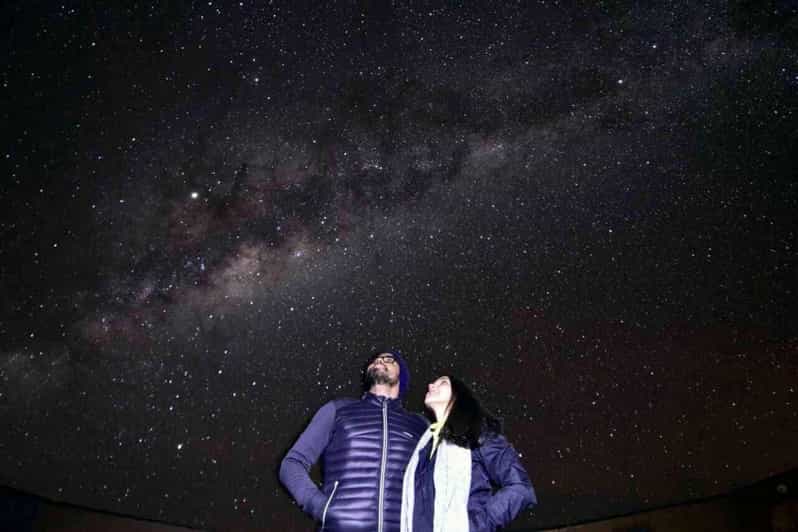
This tour is a good match for you if:
- You want a guided way to recognize constellations and interpret what you see.
- You like structured activities rather than drifting around.
- You want telescopes included, not optional.
- You enjoy the social side of small group night activities, especially with a campfire break.
It may be less ideal if:
- You need highly detailed, long-form instruction in English and want it guaranteed.
- You want extended personal time at telescopes.
- You are very sensitive to delays, since at least one past booking reported tardiness.
Should you book? My honest decision guide
If your priority is a guided stargazing night that includes both naked-eye viewing and electronic telescope observations, I think this is a solid buy. The inclusion of a campfire snack break with hot drinks and Chilean red wine makes it feel complete, not rushed.
Before you book, do one simple thing: if you care about language, confirm you will get a guide who can explain in the language you choose. That one step can protect you from a disappointing mismatch.
If you can go flexible, you’ll likely leave with two wins. First, you’ll recognize more of the sky than you started with. Second, you’ll get a season-based telescope look at real objects like planets, star clusters, and nebulae.
FAQ
Where is the pickup, and is hotel pick-up included?
Pickup happens at a coordinated meeting point in San Pedro de Atacama. Hotel pick-up is not included.
How long is the stargazing tour?
The duration is 150 minutes, and arrival at your hotel is scheduled about 2.5 hours after pickup.
How far do you travel to the observation point?
You take a short trip of about 15 minutes to the Ayllu de Coyo observation point, a sector located about 6 kilometers away.
What will I see with the naked eye?
With the naked eye, you’ll see constellations and the main elements present in the night sky.
What can I see with the electronic telescopes?
Using electronic telescopes, you can see planets, star clusters, nebulae, and stars depending on the season.
What drinks and snacks are included?
Hot drinks, Chilean red wine, and snacks are included, served by a campfire.
What languages is the guide available in?
The tour offers a live guide in Spanish and English.
What about cancellation and pay later?
You can cancel up to 24 hours in advance for a full refund. You can also reserve now and pay later.
Everything Else We Have Reviewed In Chile
More Chilean Skies Worth Staying Up For
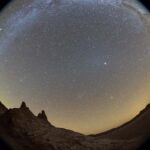
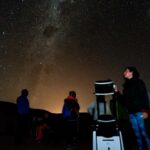
Out Of San Pedro Again
Not quite it? Here is the rest of what we have reviewed around Chile

More in San Pedro de Atacama Tours.
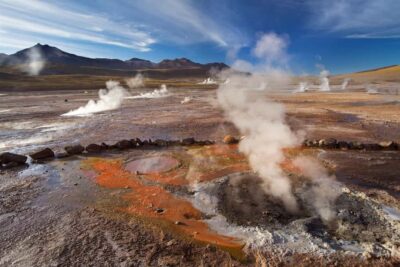 ★ 4.7El Tatio Geysers TourFrom $70943 reviews
 ★ 4.8Etno-Stargazing Tour with TransferFrom $41629 reviews
 ★ 4.7Stargazing ExperienceFrom $35489 reviews
 ★ 4.6Baltinache LagoonsFrom $70359 reviews
 ★ 4.4Valle de la Luna Guided TourFrom $63312 reviews
 ★ 4.63-Day Activity Combo with 4 ToursFrom $233247 reviews
 ★ 4.5Astronomical Tour with Guide and Pick Up San Pedro de AtacamaFrom $38145 reviews
 ★ 4.5Valle de la Luna (Moon Valley) from San Pedro de AtacamaFrom $47145 reviews
Browse the lists this tour appears in