
Review · ATACAMA
“Astronomical Adventure in San Pedro de Atacama”
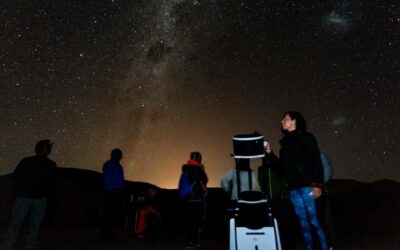
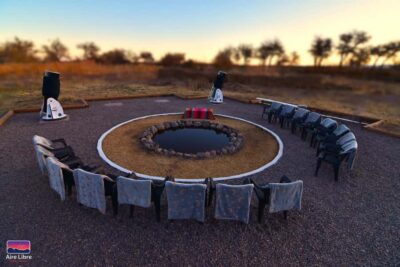
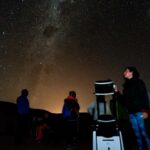
San Pedro at night feels like a planetarium. I like starting at Plazoleta La Apacheta and heading out into the desert for dark skies away from light pollution. You get real night-sky time, not just a quick photo stop.
My second favorite part is the warm-up. You’ll have an audiovisual astronomy talk paired with a cozy cocktail-style setup of hot and cold drinks, plus snacks, wine, and vegan options. One thing to plan around: the tour says you cannot use the high-end telescopes yourself, so it is guided viewing, not hands-on telescope time.
You leave at 9:30 pm and go out for about 2.5 hours, with a Milky Way photo stop after the observatory. Wear warm layers and comfortable shoes, because it gets cold out there even when the sky is clear.
In This Review
- Key things to know before you go
- What $35 gets you in San Pedro’s night sky
- Night logistics: from Plazoleta La Apacheta to the desert observatory
- Audiovisual astronomy talk plus a cocktail-style snack setup
- Constellations and planets with your own eyes
- Telescope rules: seeing 14-inch and 16-inch views, but not operating them
- Milky Way photo stop at Valle de Marte and Valle de la Muerte
- Practical tips for cold, clear-sky success
- Should you book Atacama Deep Sky?
- FAQ
- What time does the tour start?
- How long is the experience?
- Where do we meet?
- Is transportation included?
- What is included in the snacks and drinks?
- Are Milky Way photos included?
- Can I use the telescopes?
- What areas do you visit during the tour?
- What is the group size limit?
- Is public transportation included?
- Is the tour weather-dependent?
Key things to know before you go
- Dark-sky location matters: the observatory is in the desert, away from light pollution, so your eyes get the best chance.
- You get a guided night flow: talk first, then constellations and planets with your own eyes.
- Food and drinks are part of the experience: hot/cold drinks, wine, snacks, and vegan options are included.
- Telescope use is restricted: you’ll see through big telescopes, but you are not allowed to operate them.
- Milky Way photos are included: you get personal and group shots during the Valle de Marte and Valle de la Muerte stop.
- Small group feel: maximum 30 travelers means you should still be able to hear and look without constant crowd noise.
Other ways out of San Pedro into the desert
- San Pedro de Atacama: El Tatio Geysers Tour
★ 4.7 · 943 reviews - San Pedro de Atacama: Etno-Stargazing Tour with Transfer
★ 4.8 · 629 reviews - San Pedro de Atacama: Stargazing Experience
★ 4.7 · 489 reviews - San Pedro Atacama: Baltinache Lagoons
★ 4.6 · 359 reviews
What $35 gets you in San Pedro’s night sky
At $35 per person for about 2.5 hours, this tour is priced like a value play in a town where astronomy experiences can go from fun to pricey fast. What you get here is not just staring at the sky. You get a full night program: transfer, guided astronomy content, snacks and drinks, and included photos for the Milky Way.
The smartest part for me is how the included extras reduce your own planning. You do not have to pack a picnic or figure out where to go for the best sky conditions in the first place. Also, the photo element at the Valle de Marte and Valle de la Muerte area helps because Milky Way shots are hard to time and frame when you are cold and new to the dark.
The only “value trade-off” is the telescope rule. You should expect to observe with the group, but not take control of the 14-inch and 16-inch telescopes yourself. If you dreamed of using big gear, you may feel a little limited. If you just want the sky, plus a smooth program and photos, the price looks fair.
Night logistics: from Plazoleta La Apacheta to the desert observatory
You meet at Plazoleta La Apacheta in San Pedro de Atacama, with a 9:30 pm start. That late time is doing work for you. It aligns with when the sky is dark enough to make constellations and planets pop, and it fits the “clear night or nothing” reality of desert astronomy.
Transportation is included, and it’s in an air-conditioned vehicle. That matters because after dusk, you are not only dealing with the cold. You are also dealing with fatigue, dry air, and the general disorientation of nighttime driving. Having a ride planned keeps the experience from feeling like an extra chore.
One practical caution from past customer accounts I reviewed: some people reported missing the pickup at the meeting spot and not getting timely communication from staff. That does not mean it will happen to you, but it is a good reminder. On the day of your tour, show up a bit early, and make sure you have your booking confirmation handy. If you were told you would receive pickup instructions, check that message thread before heading out.
Audiovisual astronomy talk plus a cocktail-style snack setup
Before you step outside, you get an audiovisual astronomical talk. For me, this is the best way to keep stargazing from becoming random. Instead of guessing what you are seeing, you get a framework that helps your eyes lock onto the right shapes and points in the sky.
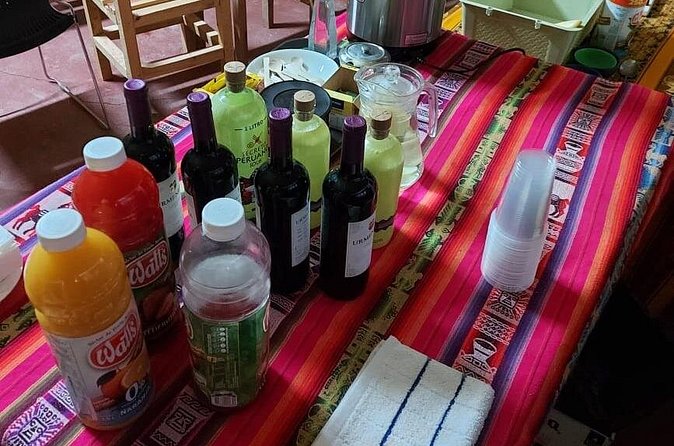
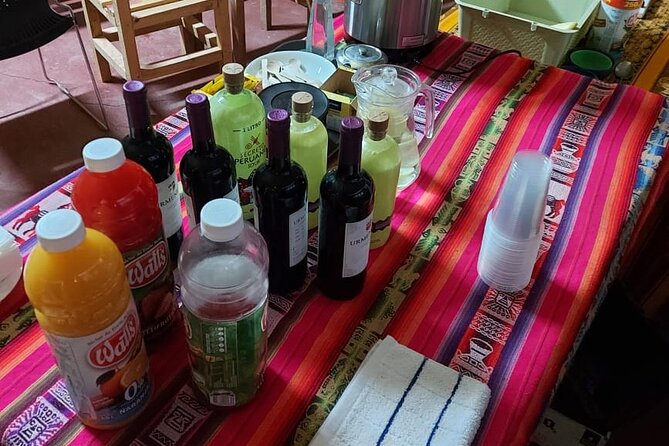
Then the tour shifts into something that feels more like a nighttime social than a classroom. You’ll have a cocktail-style mix of hot and cold drinks, wines, snacks, hummus, and vegetarian and vegan options. That is not just a perk. It solves two real problems of desert nights: hunger and cold. Warm drinks help you stay comfortable long enough to let your eyes adjust, and food keeps you from rushing through the viewing.
The other good detail is that you are not sent off immediately into darkness. The talk and setup create an easy rhythm. You can relax, get oriented, and then step into the constellations with more confidence.
What to watch for: because you are outside for part of the time, the included comfort food only helps if you also dress properly. The drinks will not replace a warm jacket. Layers are your real insurance.
More nights under the clearest skies in Chile
Constellations and planets with your own eyes
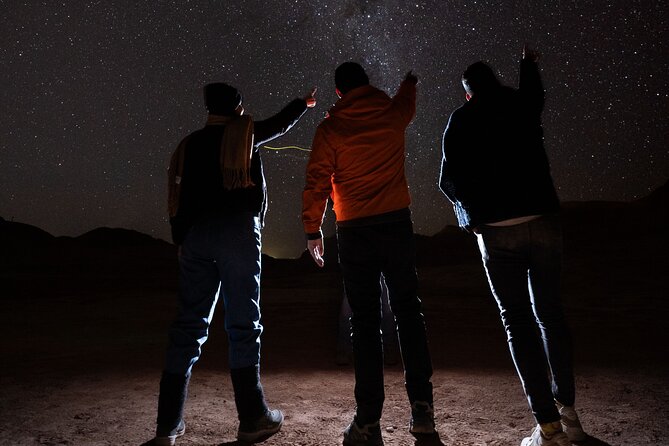
One of the highlights is that you observe constellations and planets with the naked eye. This is exactly the right approach for a first night-sky experience. When you are new, it can be intimidating to rely only on telescopes. Naked-eye viewing teaches you how to find patterns, then confirms what you’re looking at.
This part of the tour is also designed for group learning. Even with different levels of interest, you should be able to follow along because the guide’s job is to help you connect your mental map to the sky in front of you. You are not just paying for equipment, you are paying for direction.
You’ll spend time looking at both nearby familiar items (like recognizable constellations) and planets. Depending on the night, planets can be the easiest “win” for first-timers, because they look like steady points rather than fuzzy stars.
If you want photos too, keep in mind that Milky Way shooting is a separate moment later in the tour. For this stretch, your best plan is to slow down. Let your eyes adjust. Then look at what the guide points out, rather than trying to capture everything on camera immediately.
Telescope rules: seeing 14-inch and 16-inch views, but not operating them
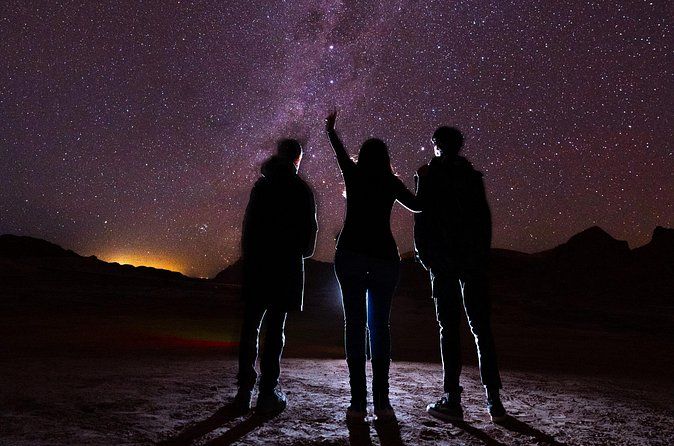
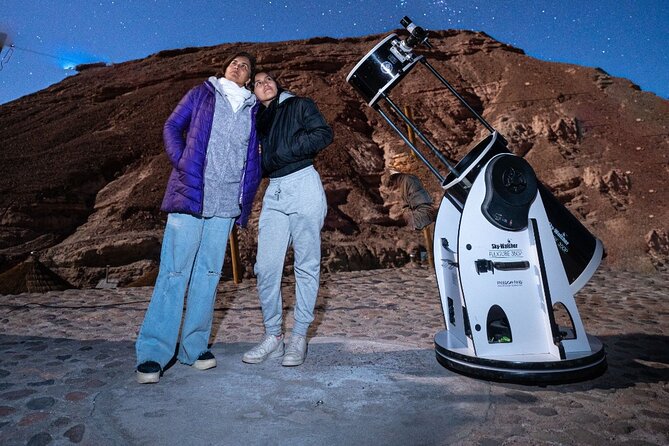
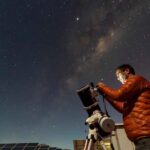
The tour mentions 14-inch and 16-inch telescopes for exploring nebulae and galaxies. That tells you the experience aims higher than beginner stargazing. Nebulae and galaxies are faint, and the desert sky conditions of San Pedro help a lot.
However, there’s a key rule: telescope use is not permitted. The tour specifically asks for cooperation to protect high-value equipment. In other words, you should not expect to touch, adjust, or run the telescopes yourself.
For many people, this is actually a relief. Big telescope equipment takes skill to aim and stabilize, especially in low light and cold conditions. Having staff manage the setup can mean cleaner views and fewer frustrating delays where everyone waits while someone figures out how to operate the gear.
The downside is psychological: if you love technology and wanted hands-on control, you might feel a bit shut out. If your goal is wonder and guidance rather than operation, you’ll probably enjoy this format.
Milky Way photo stop at Valle de Marte and Valle de la Muerte
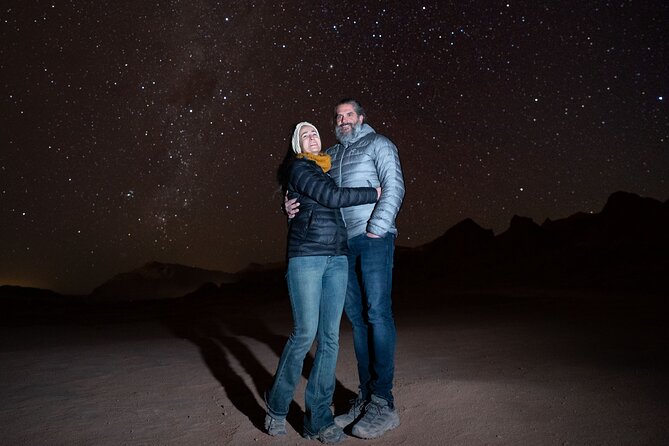
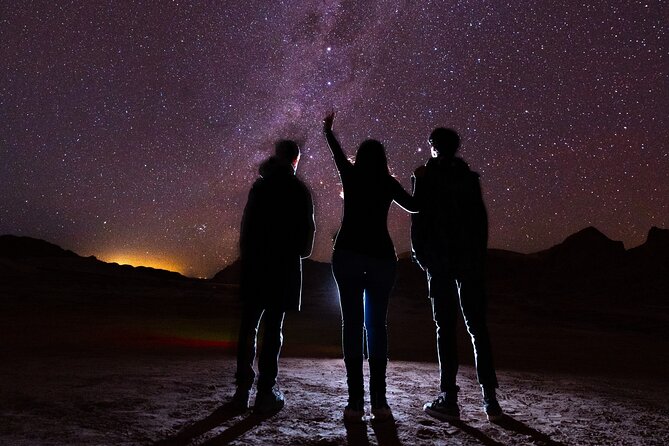
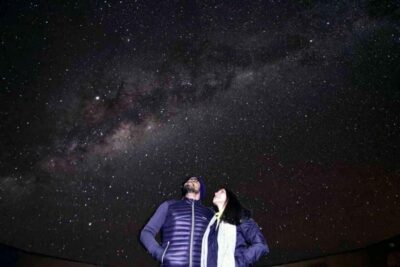
After the observatory time, you take a short transfer toward Valle de la Muerte, often referred to as Death Valley in the tour description. This is where you get the Milky Way photo shoot.
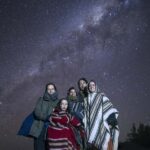
You are not left to struggle with camera settings alone. Personal and group photos are included, which is a big deal if you are traveling solo or if you do not want to spend the best night of your trip reading a manual. The location choice also makes sense. Valle de Marte and Valle de la Muerte sound like the kind of desert terrain that offers good sky angles and strong photographic contrast.
For your own photos, I suggest you be ready quickly. Desert night weather can change fast, and Milky Way visibility depends heavily on conditions. Even if you do not get perfect images, you’ll come away with the included photos, and those tend to be the ones that look the most polished because someone is timing the sky and framing for you.
A useful mindset: treat the Milky Way stop like a photo session, then let the rest of the night-sky moment be about looking. That keeps you from spending the best viewing windows focused on screens.
Practical tips for cold, clear-sky success
This tour asks you to wear warm clothes and comfortable shoes, and that is not just boilerplate. San Pedro desert nights can feel much colder than daytime, and you’ll want to stand still while you look up. Bring layers you can add or remove, and wear footwear you can stand in comfortably for a while.
Also plan around the weather requirement. The experience needs good weather. If conditions are poor, you’ll be offered a different date or a full refund. This is standard for astronomy tours, but it means you should keep other plans flexible on nights you schedule this.
Food and drink are included, but it’s still smart to avoid overdoing caffeine or alcohol if you are sensitive to cold or dry air. Wine and drinks are part of the vibe, but your ability to enjoy the sky depends on you staying steady, warm, and patient.
And one more practical point: the tour ends back at the meeting point after returning. So you do not need to plan a separate ride at the end, but you do need to make sure you have an easy way back to your lodging once you’re dropped off.
Should you book Atacama Deep Sky?
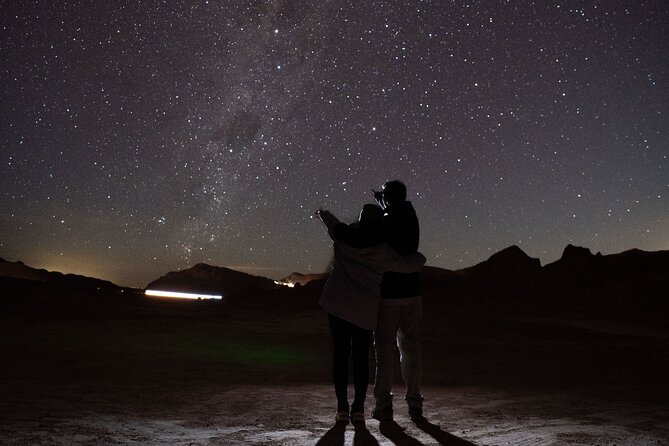
Book it if you want a structured, high-satisfaction way to experience San Pedro’s dark skies without turning your night into a DIY project. I especially like the combination of an audiovisual talk, naked-eye constellations and planets, warm snacks and drinks, and included Milky Way photos. For $35, that is a solid package.
Skip it or think twice if your main goal is hands-on telescope control. The telescopes are 14-inch and 16-inch, but the tour explicitly does not allow guests to use them. Also, if you are the type who needs perfect communication guarantees, have your confirmation details ready and double-check meeting instructions the day of.
If you go in with the right expectations, this is exactly the kind of night in Atacama that gives you more than a snapshot. It gives you a sense of where to look, and why the sky looks so different out here.
FAQ
What time does the tour start?
The start time is 9:30 pm.
How long is the experience?
It lasts about 2 hours 30 minutes.
Where do we meet?
You meet at Plazoleta La Apacheta in San Pedro de Atacama.
Is transportation included?
Yes. The tour includes transfer, and the group uses an air-conditioned vehicle.
What is included in the snacks and drinks?
Included items include salty and sweet snacks, drinks, juices, water, and vegetarian snacks. There are also vegan options, plus wines and hummus.
Are Milky Way photos included?
Yes. There is a photo shoot at Death Valley with both personal and group photos included.
Can I use the telescopes?
No. The tour states that the use of the telescopes is not permitted.
What areas do you visit during the tour?
You visit the desert observatory area and then stop at Valle de Marte / Valle de la Muerte for the Milky Way photo shoot.
What is the group size limit?
The maximum number of travelers is 30.
Is public transportation included?
No. Public transportation is not included and is listed as CLP5,000 per person.
Is the tour weather-dependent?
Yes. It requires good weather. If it is canceled due to poor weather, you are offered a different date or a full refund.
Everything Else We Have Reviewed In Chile
More Chilean Skies Worth Staying Up For
Out Of San Pedro Again
Not quite it? Here is the rest of what we have reviewed around Chile
More in San Pedro de Atacama Tours.
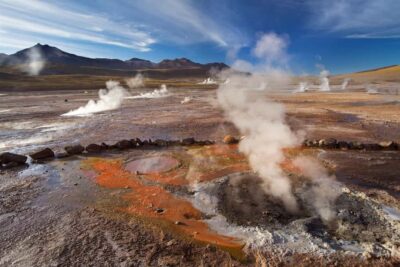 ★ 4.7El Tatio Geysers TourFrom $70943 reviews
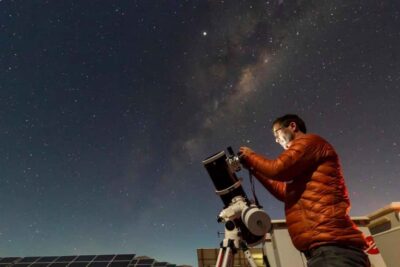 ★ 4.8Etno-Stargazing Tour with TransferFrom $41629 reviews
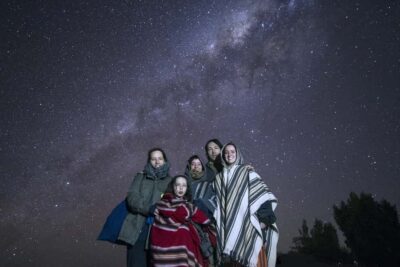 ★ 4.7Stargazing ExperienceFrom $35489 reviews
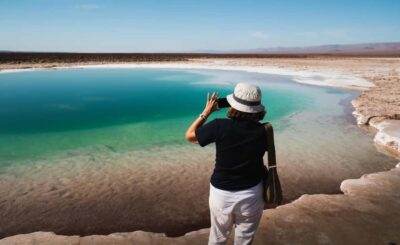 ★ 4.6Baltinache LagoonsFrom $70359 reviews
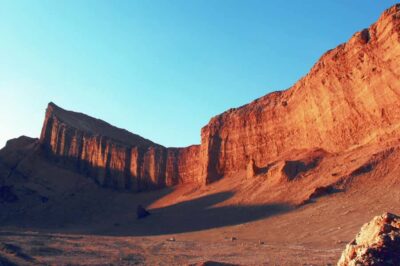 ★ 4.4Valle de la Luna Guided TourFrom $63312 reviews
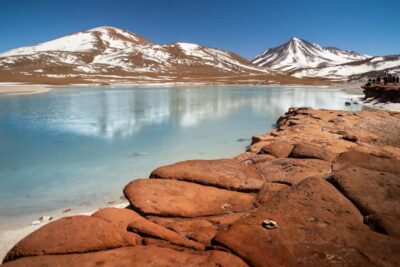 ★ 4.63-Day Activity Combo with 4 ToursFrom $233247 reviews
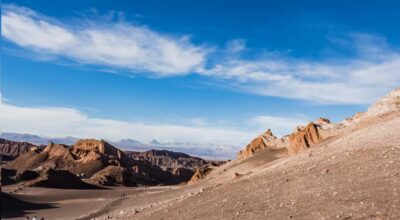 ★ 4.5Valle de la Luna (Moon Valley) from San Pedro de AtacamaFrom $47145 reviews
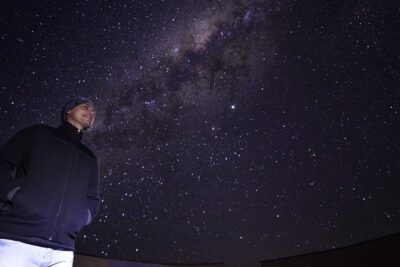 ★ 4.5Astronomical Tour with Guide and Pick Up San Pedro de AtacamaFrom $38145 reviews
Browse the lists this tour appears in