
Review · NIGHT SKIES
Milky Way Sanctuary Stargazing Tour at Pangue Observatory
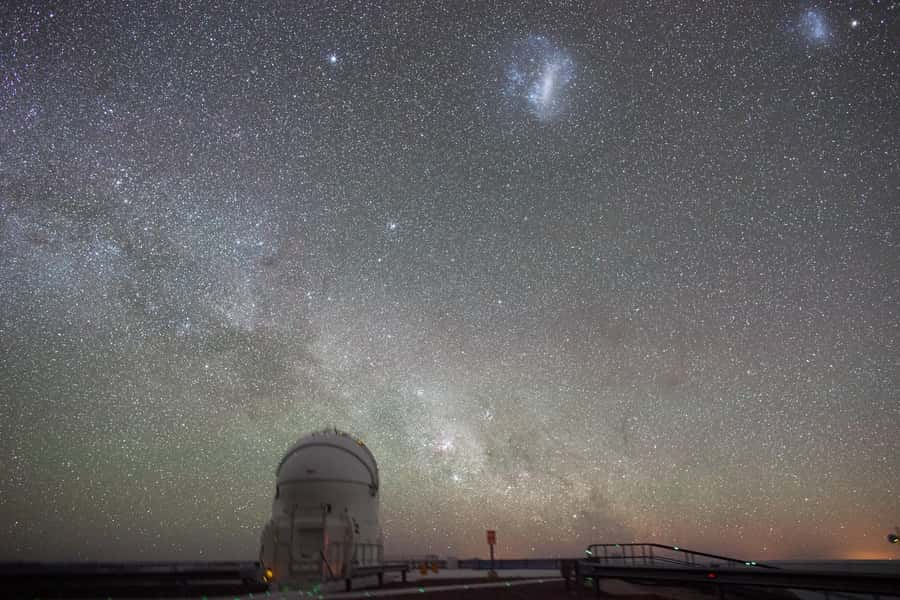
Pangue turns the night sky into a close-up show. In Chile’s Elqui Valley, I love the small-group setup, where you can actually ask questions without feeling rushed, and I love using 16 and 25-inch telescopes designed for crisp views of the Milky Way and planets. One heads-up: this tour avoids nights near a full moon, so you’ll want to plan your dates around darker sky conditions.
You start with pickup from La Serena and a scenic drive toward the observatory, then you settle in for sunset and guided stargazing at altitude. The vibe is focused, not chaotic, and there’s a small coffee area at Pangue with comfy seats plus free coffee, water, or tea, which helps a lot when you’re waiting for the next target.
In This Review
- Key highlights at a glance
- Pangue Observatory and the Elqui Valley, where the Milky Way gets real
- The telescopes and guided observing that make this feel exclusive
- How the 6-hour night runs, from La Serena pickup to Pangue sunset
- What you’ll see: planets, nebulae, clusters, and Milky Way targets
- The Vicuña stop, and why you should take it seriously
- Price and value, is $225 fair for a 6-hour dark-sky night?
- Practical tips: moonlight, clothing, and how to get more from each target
- Who should book this Pangue Milky Way Sanctuary stargazing tour
- Should you book the Milky Way Sanctuary Stargazing Tour at Pangue Observatory?
Key highlights at a glance
- Pangue Observatory’s dark-sky location in the Gabriela Mistral Dark Sky Sanctuary area at about 1,500 meters
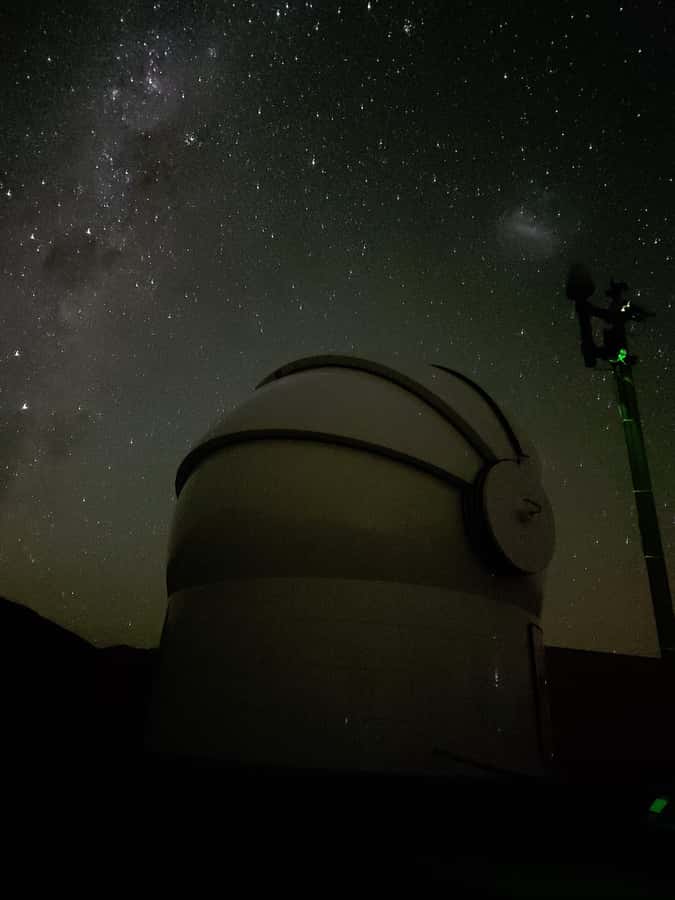
- 16″ and 25″ telescopes plus advanced eyepieces for detailed views of the southern sky
- 10+ stellar objects during an exclusive session limited to 8 participants
- Planet and deep-sky mix, from worlds like Mars, Saturn, and Jupiter to nebulae and clusters
- A sunset-led experience, with guided observing tied to what you can see that night
- English, French, and Spanish guiding, so you’re not stuck guessing what you’re looking at
Still weighing up the options? These are the other Chile tours we have written up.
- Milky Way Sanctuary Stargazing Tour at Pangue Observatory
★ 4.2 · 5 reviews - The Magnificient Elqui Valley Grand Tour
★ 5.0 · 4 reviews
Pangue Observatory and the Elqui Valley, where the Milky Way gets real
Pangue Observatory is set in one of the best stargazing regions in Chile, the Elqui Valley, and altitude is part of why it works. At around 1,500 meters in the preandean mountain range, the air tends to be drier and clearer, which matters because moisture and haze can blur what your telescope shows. Add the area’s Dark Sky Sanctuary protections under the Gabriela Mistral sky standards, and you get a much better shot at seeing faint objects.
There’s also something cool and practical about being in this cluster of astronomy sites. Pangue sits in front of Tololo, SOAR, Gemini, and Vera Rubin observatories. Even if you’re not an astronomy pro, that physical context helps you understand the point: this is a place where serious observing is normal, not a gimmick. And since you’re aiming at the southern sky, you’re set up for great views of the Milky Way and targets that are simply harder from more light-polluted areas.
Finally, you’re not just getting sky “as background.” This tour is built around the idea that the sky is the main event, with a guided plan for what to look for as conditions allow.
The telescopes and guided observing that make this feel exclusive
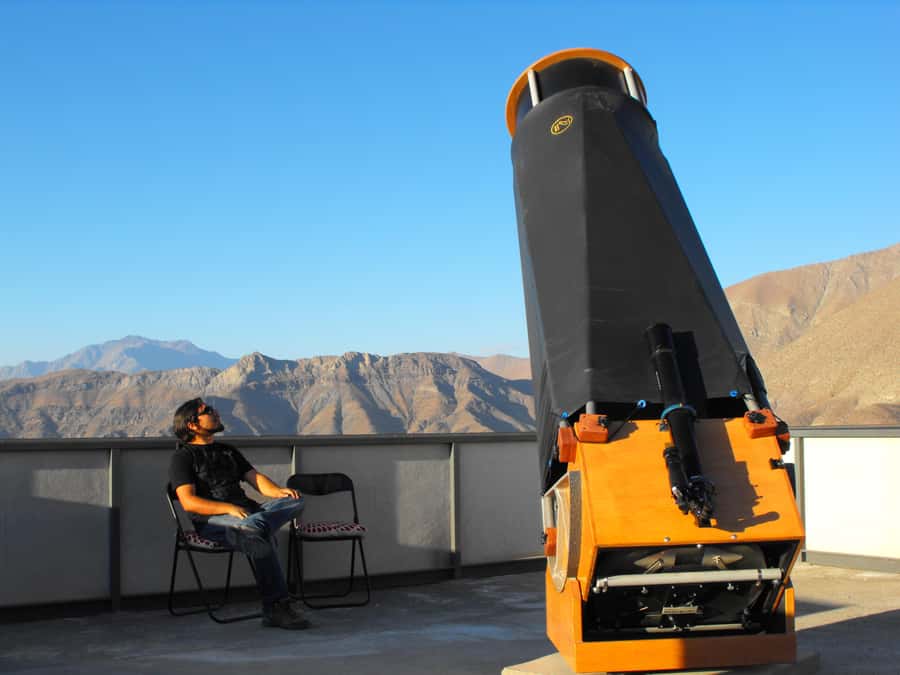
The heart of the night is the observing session at Pangue, designed for a small group of no more than 8 people. That limit matters more than you might think. With fewer people, the guide can pace the session, check that everyone can see through, and spend time answering the type of questions that pop up when you’re actually looking at something real and unfamiliar.
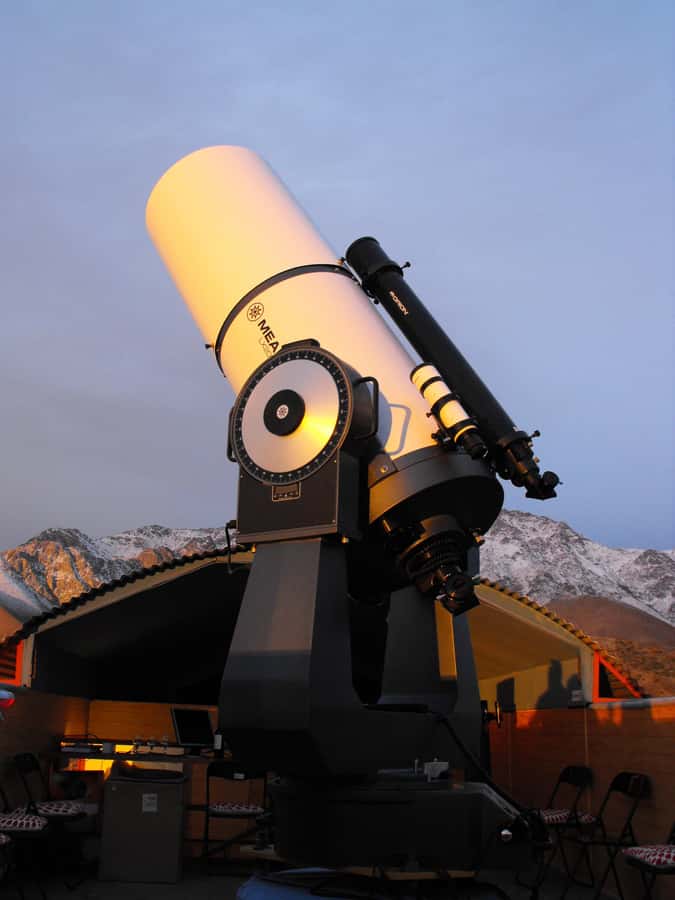
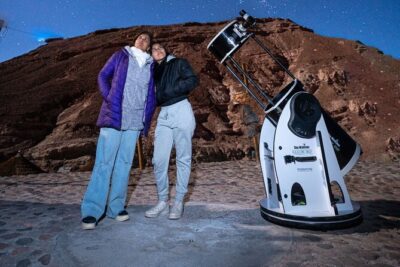
You use advanced telescopes and eyepieces, specifically 16-inch and 25-inch instruments. In plain terms, that means you’re not relying on basic stargazing gear. The bigger aperture options help with detail and with reaching dimmer targets, which is exactly what you want when you’re chasing nebulae, clusters, and galaxy features. The eyepieces also matter because they shape what magnification and contrast feel like at the moment you’re observing.
The tour also promises observing several stellar objects, with a total of 10 or more during the session. That’s a good sign for value because it keeps the night from feeling like one long look at a single bright planet. Instead, you’re switching targets, learning what you’re seeing, and using the telescope capability to make each stop count.
One detail from the experience that stands out is how much you can slow down for questions. In past bookings, people noted time to ask things and time at the telescope to compare objects, like planets you recognize versus deep-sky targets that feel surprising when they resolve.
How the 6-hour night runs, from La Serena pickup to Pangue sunset
This is a true half-day excursion, about 6 hours from pickup to return. The flow is simple, but it’s built around the reality of stargazing: you need time to get up to the observatory area, let your eyes adjust, and catch targets that are best at that time.
Pickup and the scenic drive from La Serena
You’re picked up at your accommodation in La Serena or nearby, and the team asks you to wait at your reception point. Then you head out for about an hour of scenic driving. This part is not just transit. It’s time to settle in, get your layer strategy right, and start thinking like an observer, not a tourist taking quick photos and moving on.
Vicuña for a break and a quick reset
You stop in Vicuña for about 15 minutes, with a break plus some time to visit or get your bearings. This is a smart buffer because stargazing nights can feel long. Even a short pause helps you stay comfortable, ready to concentrate, and less likely to feel rushed later when you’re standing still and observing.
Pangue Observatory: guided tour, sunset, and 2.5 hours of stargazing
At Pangue, the schedule shifts into full-on sky mode. You’ll have about 2.5 hours for a guided visit and sunset timing, plus the actual telescope observing session. Sunset is important even for people who say they just want the stars. The sky transitions help you understand orientation, and it keeps you from going from bright daylight straight to complete darkness without any adjustment.
The guided format is also practical: the guide points you toward what to look for and helps translate what you’re seeing through the eyepiece into something you can name. That’s how “a faint smudge” turns into a nebula or a cluster, instead of just feeling like you spent money staring at darkness.
Return back to La Serena
Later, you pass back through Vicuña and then continue to La Serena, arriving after another drive segment. The timeline is tight enough to feel like a real event, but it doesn’t drag so long that you’re exhausted before the best viewing time.
What you’ll see: planets, nebulae, clusters, and Milky Way targets
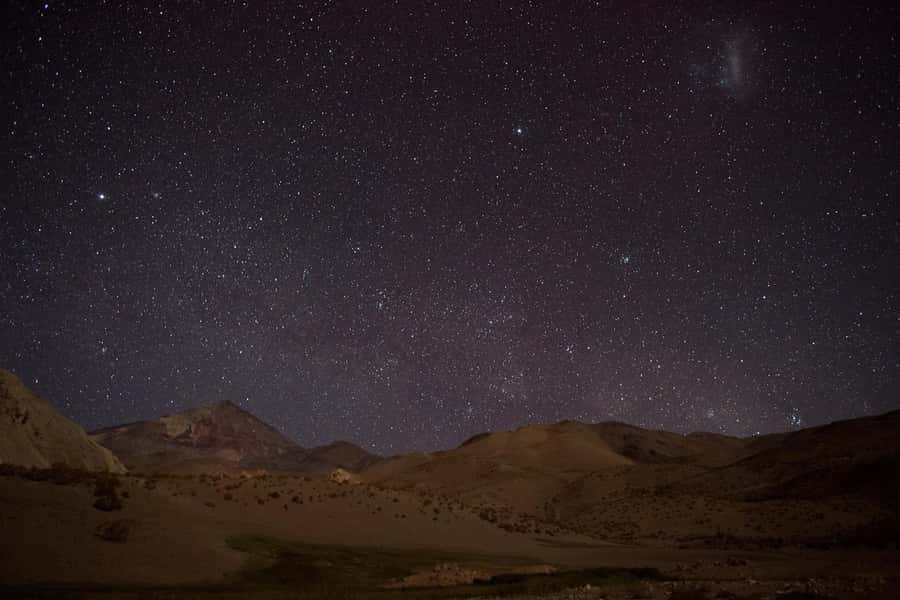
You’re not guaranteed the exact same lineup every night, but the tour is clearly built around a varied “menu” of targets. The experience focuses on planets and deep-sky objects, including nebulae and clusters, plus items like supernova remnants.
Here’s what this kind of observing session typically means for you, and why it’s worth paying for telescope access instead of doing it on your own:
- Planets are your anchor. If you’ve seen Jupiter, Saturn, or Mars only in apps and textbooks, the first time they show up in a telescope eyepiece feels like meeting the real thing. Past bookings included clear recognition of planets like Mars, Saturn, and Jupiter.
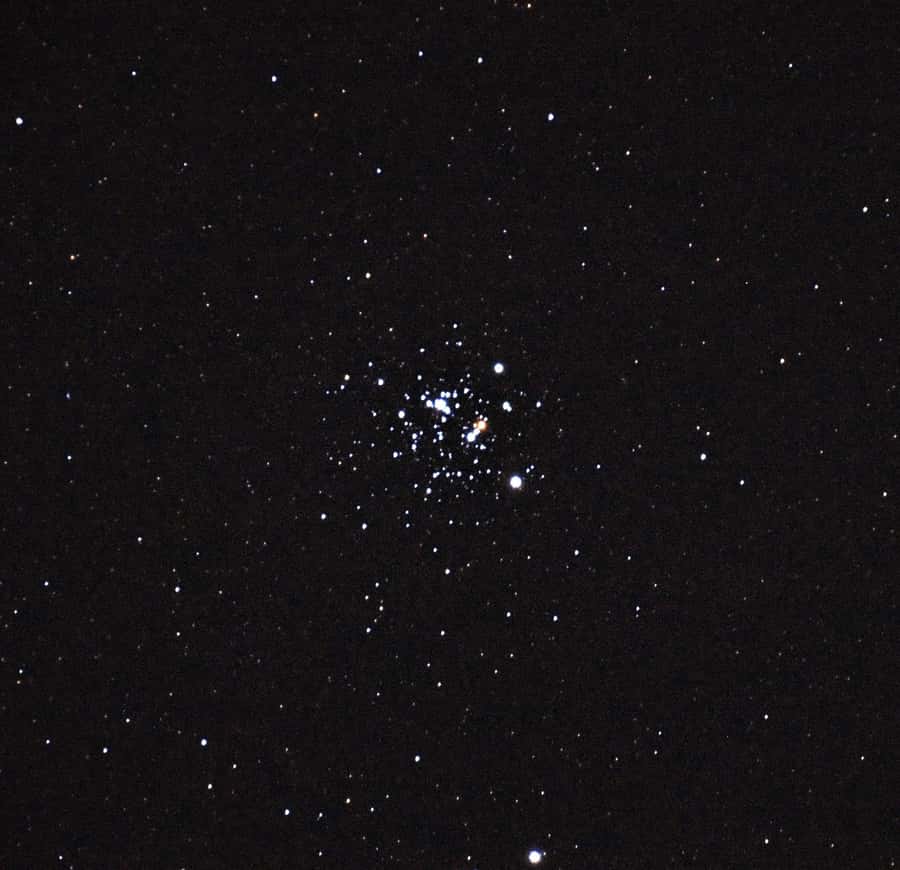
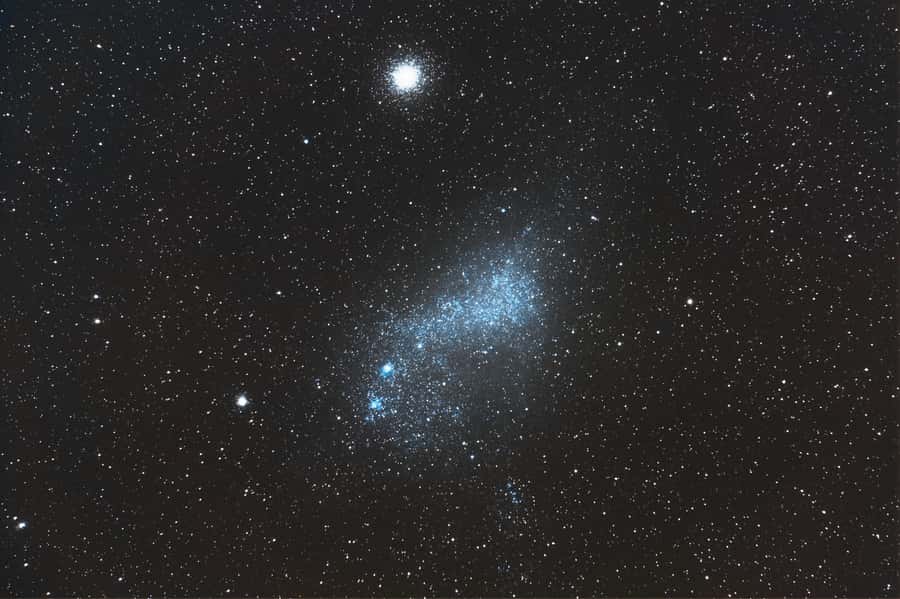
- Deep-sky objects add the wow factor. Nebulae and clusters can look like simple dots to the naked eye. Through the telescope and with guidance, they start to show structure or at least become identifiable. That “this is actually something” moment is a big part of why people call this bucket list-worthy.
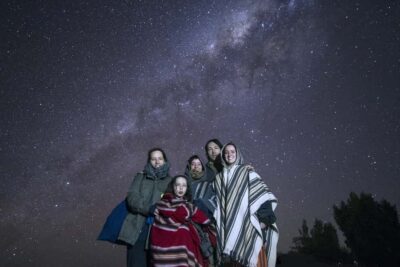
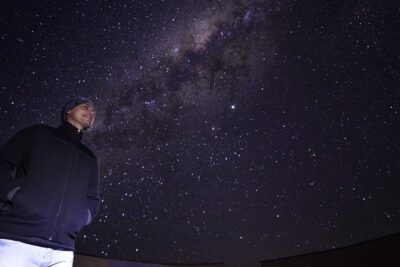
- The Milky Way is the emotional center. Because Pangue is in a dark-sky zone, the Milky Way can look like a visible band rather than a faint suggestion. The Milky Way Sanctuary framing isn’t marketing fluff, it’s what your eyes are meant to catch once it gets truly dark.
Some bookings also highlighted a supernova and a dying-star type view, which speaks to the tour’s goal of mixing accessible targets with the more advanced stuff you do not easily get from casual stargazing.
The practical takeaway: you’ll likely spend the night moving from easy-to-recognize objects to fainter, more technical targets. And that pacing is what keeps the experience fun instead of overwhelming.
The Vicuña stop, and why you should take it seriously
That small break in Vicuña is easy to overlook in the excitement of Pangue, but it’s part of why the whole night feels workable. It’s only about 15 minutes, so you’re not going to turn it into a full sightseeing day. Still, it gives you a chance to stretch your legs, use the restroom, and grab a quick moment out of the car before the altitude viewing.
If you want to make the most of the night, think of Vicuña as your reset button. Use it to check your layers, refill water if you need it, and make sure your phone battery is ready for whatever you’re planning to capture. (And remember, the best views are often the ones you experience without constantly staring at a screen.)
Also, Vicuña is often described as adorable and charming in people’s impressions, which you’ll feel during that brief glimpse, even if your real focus is the observatory.
Price and value, is $225 fair for a 6-hour dark-sky night?
Let’s talk about the number. At $225 per person for a 6-hour outing, this isn’t a cheap activity. But the value makes sense when you factor what you’re paying for:
- Exclusive access: group size is limited to 8, not a big busload.
- High-end equipment: telescopes at 16 and 25 inches, with advanced eyepieces.
- Guided observing: a live guide in English, French, or Spanish during the session.
- Multiple targets: the tour aims for 10+ stellar objects, not just a single look at the moon or one planet.
- Comfort basics included: pickup from La Serena, plus coffee, water, or tea at the observatory.
If you’ve ever tried DIY stargazing, you know the hard part isn’t just the telescope. It’s finding truly good conditions and then having the skill and time to identify what you’re looking at. Here, the “conditions plus identification” combo is the core value.
One more pricing note that matters for decision-making: because Pangue bookings need confirmation early, you don’t want to treat this like a casual add-on. If the dates you want don’t work, you may have fewer options on short notice.
Practical tips: moonlight, clothing, and how to get more from each target
Stargazing success is often about preparation, not luck. Here are the practical points you should follow for this tour:
Plan around moonlight
The tour is not done on nights close to full moon because the moon’s light washes out the fainter targets. That means your best odds are booking for dates when the moon isn’t too bright. If your travel dates line up with the full moon, adjust your expectations, because the tour won’t run that way.
Dress for comfort at altitude
You’ll want comfortable clothes and a long-sleeved shirt. Even with clear skies, nights near mountain observatories can feel cold once you stop moving. If you run hot in the city, you may still get chilly standing at an eyepiece for long minutes.
No alcohol in the vehicle
Alcohol isn’t allowed on the drive. This is also a practical tip: you’ll want to stay alert and comfortable during the observing session.
Ask questions, and listen for what changes
A telescope view isn’t static. Your guide will likely shift targets and explain what you’re seeing. When the guide moves from one object to the next, pay attention to how the sky orientation changes and how the object appears different. That’s when the night clicks into place.
Bring your expectations down to Earth, then sky up
This is a telescopic viewing experience, not a planetarium show. That sounds obvious, but it’s key. Some deep-sky objects look subtle until the guide points you to the right region of view. Once you know where to look and what you’re meant to expect, the same object becomes easier to appreciate.
Who should book this Pangue Milky Way Sanctuary stargazing tour
This tour is ideal if you want real observing time with serious equipment and guidance. You’ll likely enjoy it most if you:
- Want a guided, small-group stargazing night with 10+ targets
- Like learning what you’re seeing, not just watching through a telescope for a single moment
- Are comfortable with cold-weather clothing and standing outdoors during a planned sunset-to-night session
- Travel with people who also enjoy nature, space, and calm concentration
It’s also a good fit for couples or small groups who want a focused experience rather than a big group show. Past guests also praised the drive quality and the way the guide handled questions, which suggests the pacing feels smooth.
Not a fit if you use a wheelchair, since the tour is noted as not suitable for wheelchair users.
Should you book the Milky Way Sanctuary Stargazing Tour at Pangue Observatory?
If your travel dates work and you like guided stargazing, I’d book this. The combination of dark-sky conditions, a limited group size, and access to 16 and 25-inch telescopes makes the price feel more logical than many “look at the stars” tours. Plus, you get a structured night with sunset timing and time for multiple objects, not just one quick viewing.
Skip it or rethink dates if you’ll be traveling during a period near a full moon, because the tour avoids those nights for a reason. Also, if you’re counting on wheelchair accessibility, this one isn’t set up for it.
If you want one Chile stargazing experience that feels like it was designed by people who actually care about astronomy viewing, this Pangue night is one of the strongest ways to do it in the region.
Everything Else We Have Reviewed In Chile
The Elqui Valley And The Coast Below It
Not quite it? Here is the rest of what we have reviewed around Chile
More in Stargazing & Observatory Tours.
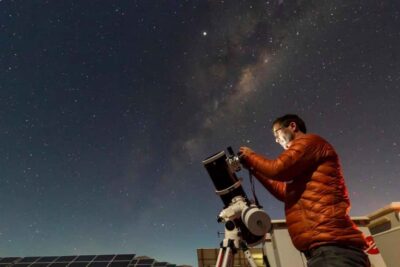 ★ 4.8Etno-Stargazing Tour with TransferFrom $41629 reviews
 ★ 4.7Stargazing ExperienceFrom $35489 reviews
 ★ 4.3Sky Costanera Observatory Admission TicketFrom $45208 reviews
 ★ 4.5Astronomical Tour with Guide and Pick Up San Pedro de AtacamaFrom $38145 reviews
 ★ 4.5“Astronomical Adventure in San Pedro de Atacama”From $3596 reviews
 ★ 3.9Guided Atacama Desert Stargazing TourFrom $4993 reviews
 ★ 4.5Rapa Nui StargazingFrom $14062 reviews
 ★ 5.0Stargazing Hiking Valle de ElquiFrom $10046 reviews
Browse the lists this tour appears in