
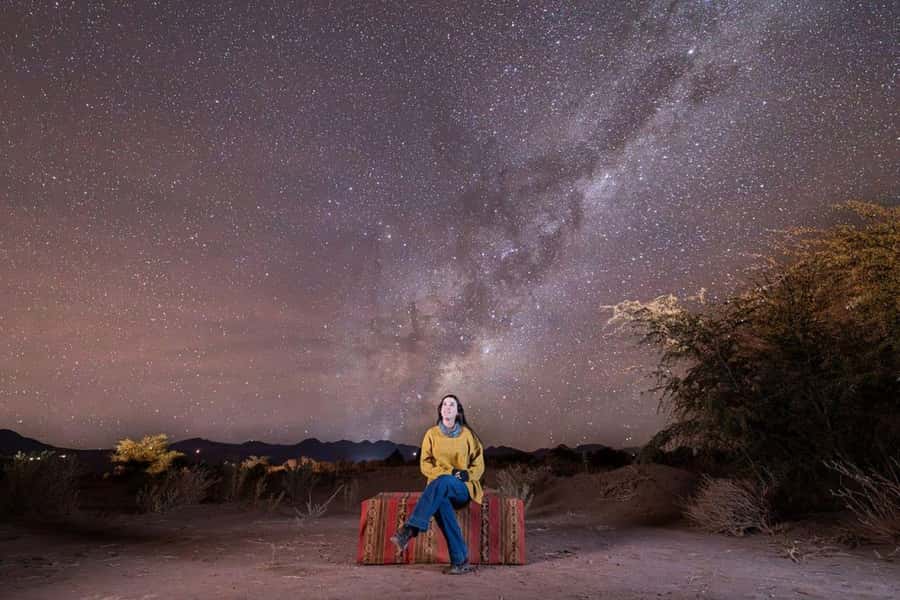
Review · ATACAMA
Chile: Astronomical Tour in the Atacama Desert
The Atacama night sky changes your perspective fast. In 150 minutes, this astronomy tour focuses on real sky time, with telescopes and bilingual guidance to help you connect constellations, planets, and galaxies into one clear story. Two things I like a lot are the chance to see targets through quality optics and the way the guides explain what you are looking at, from star myths to modern astronomy. The main consideration is logistics around pick-up timing and location, which can affect how smoothly the night starts.
This is a great value if you want a guided “see it, understand it, photograph it” experience without building your own plan. I also like that you get a little comfort built in with a cocktail and drinks bar, plus 2 included photographs so you are not relying only on your own camera. If you are expecting a perfectly timed, cookie-cutter operation every night, keep your expectations flexible.
In This Review
- Key things to know before you go
- Why the Atacama Desert Works So Well for Stargazing
- Price and Included Perks: Where the Value Comes From
- What 150 Minutes Feels Like Under the Stars
- From Hotel to First Views: Transfers, Timing, and Night-Sky Momentum
- Guides, Cocktail, and Bilingual Explanations That Actually Help
- Telescopes and the Objects You Can Expect to See
- Astrophotography Opportunities: Smartphones Included
- Cultural and Scientific Insights Above the Desert
- The Big Finish: Reflection Under a Starlit Sky
- Who This Tour Suits Best (and Who Might Be Happier Elsewhere)
- Should You Book This Atacama Astronomy Tour?
- FAQ
- What languages are the guides?
- How long is the astronomical tour?
- What is the pick-up schedule?
- Is hotel pick-up included in the price?
- What’s included besides the telescopes?
- Are photographs included?
- Can I use a smartphone for astrophotography during the tour?
- What is the cancellation policy?
Key things to know before you go
- Atacama sky conditions are the real star, with clear views driven by altitude and low light pollution
- 150 minutes is long enough for multiple viewing moments, not just a quick look
- Telescopes plus guidance help you go beyond the Milky Way and spot details like lunar craters and Saturn rings
- Photo help is included, and you can use a professional camera or a smartphone
- Return transfer is included, but pick-up is not, so double-check your start point
Other ways out of San Pedro into the desert
- San Pedro de Atacama: El Tatio Geysers Tour
★ 4.7 · 943 reviews - San Pedro de Atacama: Etno-Stargazing Tour with Transfer
★ 4.8 · 629 reviews - San Pedro de Atacama: Stargazing Experience
★ 4.7 · 489 reviews - San Pedro Atacama: Baltinache Lagoons
★ 4.6 · 359 reviews
Why the Atacama Desert Works So Well for Stargazing
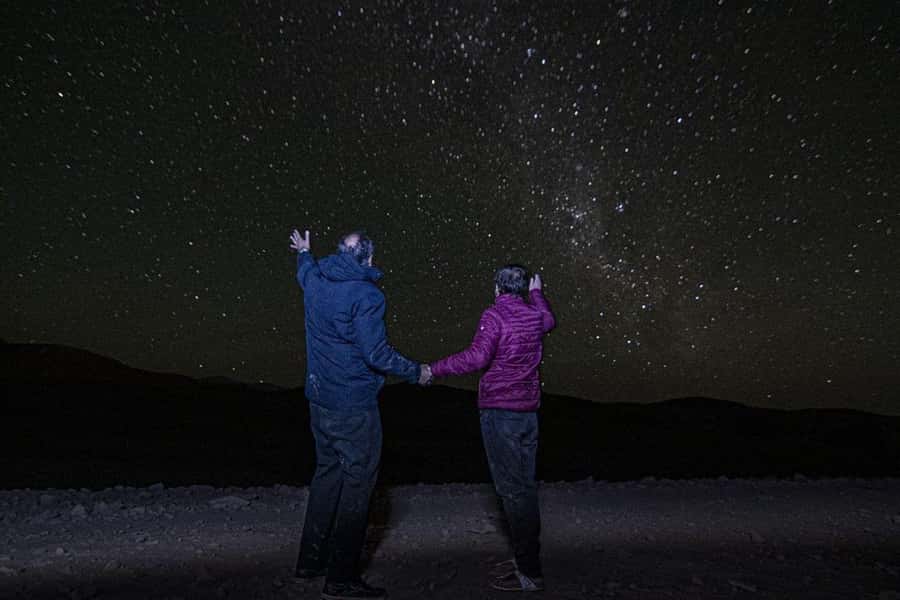
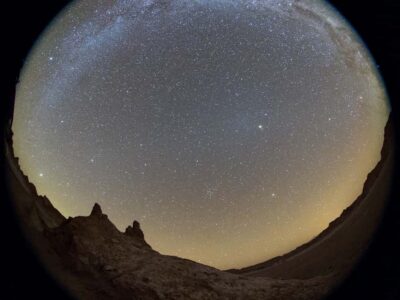
North Chile’s Atacama Desert is famous for a simple reason: the sky is usually sharp. You are working with high altitude, very dry air, and low light pollution, so the stars look brighter and steadier than most places.
That matters because stargazing is not only about seeing more stars. It is about seeing shape and separation. Under clear Atacama skies, the “small” stuff becomes visible, like the Moon’s surface texture and the way Saturn can look more structured than you expect. In one experience that matched this tour’s style, guests even got strong viewing through a growing moon phase, which is a good sign that the equipment and process are geared for real conditions, not just the perfect new moon night.
Price and Included Perks: Where the Value Comes From
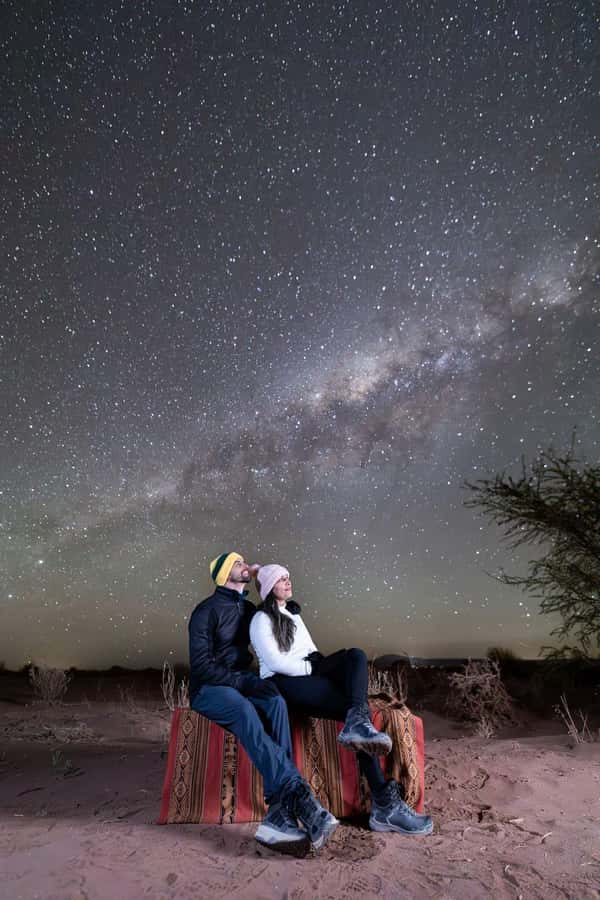
At $100 per person for 150 minutes, you are paying for more than access to a dark sky. You are paying for the ingredients that turn darkness into a guided lesson: a bilingual guide, a telescope, return transfer, and structured photo time.
Here’s what you get that helps justify the price:
- Return transfer to your hotel (so you are not guessing late-night logistics)
- Bilingual guide for Spanish and English
- Telescope included
- Cocktail with drinks bar
- 2 photographs included
- A guided approach to the celestial sphere, including explanations of what you see
What you do not get is also clear: pick-up is not included, and the operator uses a pick-up window you need to be ready for. If you already have your own ride to the meeting point, this still can be good value because the tour covers the “hard parts” of doing astronomy at night: timing, equipment, and knowing where to look.
What 150 Minutes Feels Like Under the Stars
One reason I like this format is that 150 minutes gives the night room to breathe. You are not rushed from one thing to the next. You have enough time to:
1) Get oriented and settle in with the guide
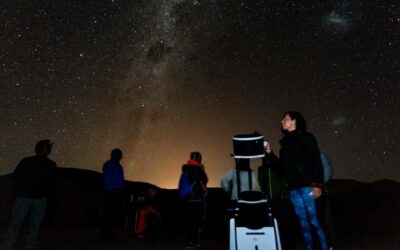
2) Look through telescopes at multiple targets
3) Listen, ask questions, and connect constellations and stories to what is visible
4) Spend time on photography practice
The included flow is essentially a guided night sky session with astronomy talk layered over real observing. The “explore the celestial sphere” promise translates into learning the sky’s structure instead of just naming random bright objects.
Also, because the tour includes astrophotography guidance, it is not just passive viewing. You can treat this like a starter workshop for how to aim and capture the night sky, whether you use a phone or a camera.
More nights under the clearest skies in Chile
From Hotel to First Views: Transfers, Timing, and Night-Sky Momentum
You should plan for a late evening. Pick-up runs between 9:00 p.m. and 9:30 p.m., and the operator confirms the exact time on the day of the tour. Return transfer is included, which helps you end the night without dealing with transport when the desert air is dark and you are tired.
One practical heads-up: some people have experienced confusion around pick-up details, with wrong information about location or time. That can turn a calm astronomy start into a stressful wait. The best move is to be ready to confirm your exact pick-up point as soon as you receive it, and have your hotel address entered correctly.
If you are the type who hates surprises, build in a little buffer. If you are fine waiting and using that time to mentally prep for the sky, the tour experience itself is often worth the extra patience.
Guides, Cocktail, and Bilingual Explanations That Actually Help
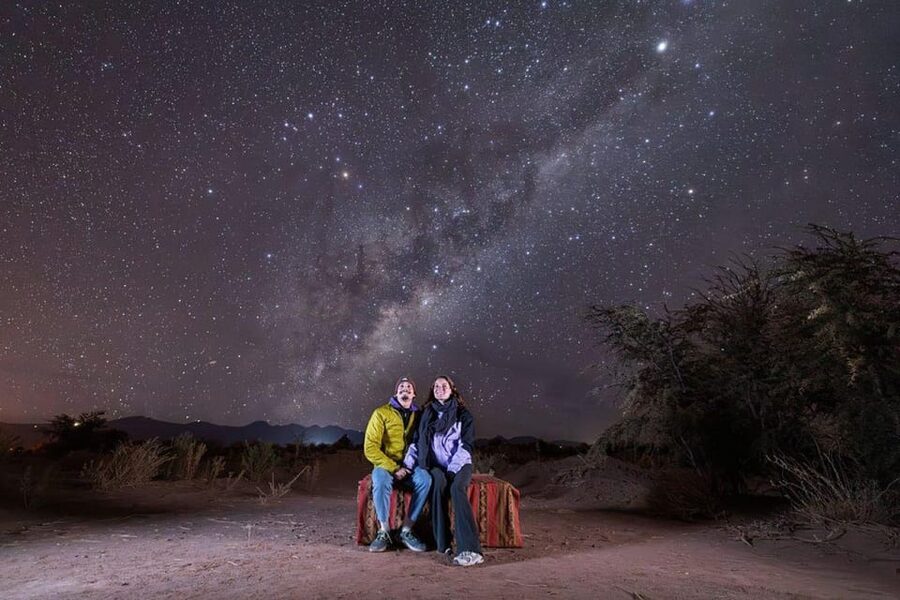
A huge part of why stargazing tours succeed is how well the guide connects the technical sky to your brain. This one uses a bilingual guide in Spanish and English, so the explanations can land even if you are new to astronomy.
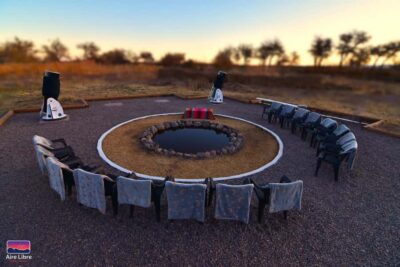
You also get a cocktail with a drinks bar, which sounds simple but changes the feel of the evening. It turns the first minutes into something social and relaxed instead of pure waiting. Then the guide can start with orientation, helping you understand:
- how the sky changes as it moves
- what different constellations represent
- why stars are more than just points of light
In at least one similar experience, the guides stood out for enthusiasm and personality, with guests describing lots of fun learning moments rather than a stiff lecture. If you want astronomy with storytelling and humor, this is the right vibe.
Telescopes and the Objects You Can Expect to See
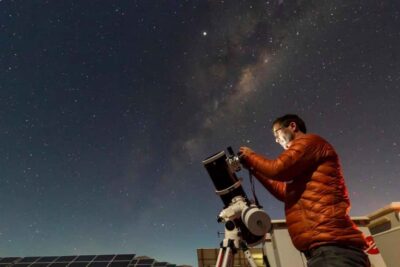
The promise here is real observation time, supported by high-quality telescopes. That matters because “seeing” in astronomy tours is not the same as looking at your eyes alone.
From the experience description, you can reasonably expect focus on highlights like:
- Moon craters and surface detail
- Saturn’s rings when conditions allow
- Detailed views of nebulae and star clusters
One of the most convincing bits is that telescope performance is presented as capable even when the Moon is not fully dark. That lines up with the idea that the guides know how to schedule targets and how to guide your expectations. If your main goal is to feel like you actually looked through something powerful and not just posed for pictures, this is the kind of night you want.
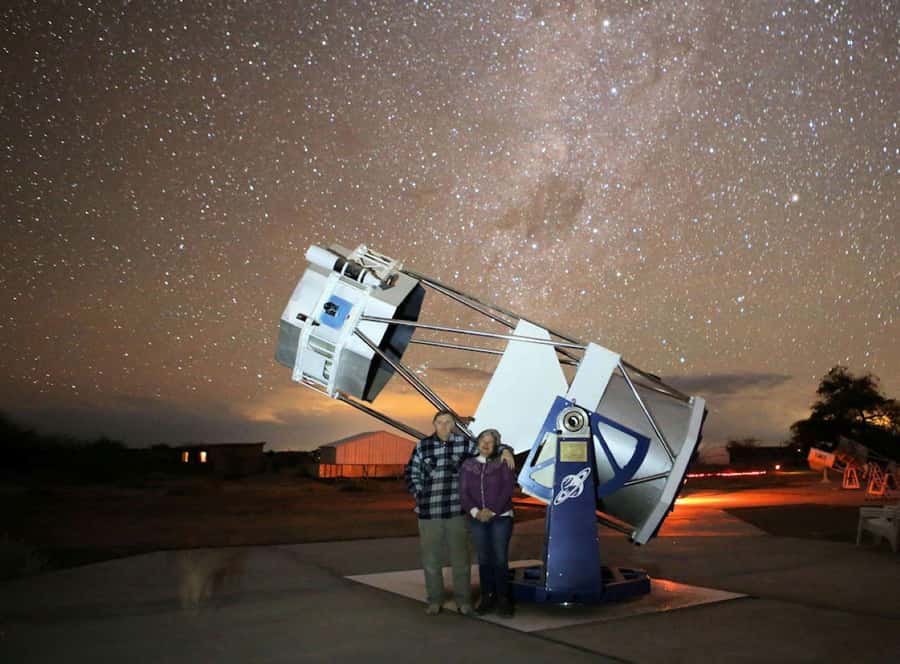
A related detail: the exact telescope setup can vary. Some people have said the biggest telescope shown in marketing images was not available during their visit, while newer equipment was still present. Translation for your planning brain: you can go in excited for telescope views, but avoid the mindset that a specific named scope is guaranteed to be the one you use.
Astrophotography Opportunities: Smartphones Included
If you want photos of the night sky, this tour does more than give you a pretty background. It offers astrophotography opportunities and includes guidance for capturing images, whether you use:
- a professional camera
- a smartphone
That is a big deal because night-sky photography has a learning curve. The guide can help you with the basics of what to aim for and how to approach capturing the sky through practical advice.
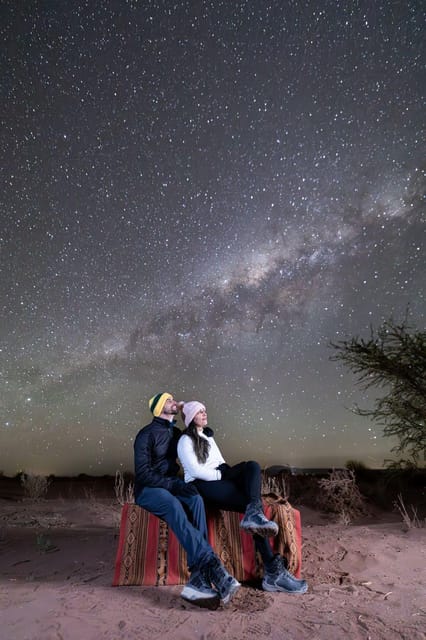
Also, you are not starting from zero because the tour includes 2 photographs. So even if your first attempt is shaky, you still leave with images from the experience. For many people, that reduces the fear of missing out if the camera settings do not click right away.
My advice if you care about photos: treat this as practice time, not performance time. If you go in expecting instant perfect shots, you might feel frustrated. If you go in ready to learn while the sky is visible, you will get more out of the night.
Cultural and Scientific Insights Above the Desert
This tour does not keep astronomy locked in science mode. You also get cultural and scientific insights that connect stars to how people lived.
You can expect the guide to cover how ancient civilizations used the sky for:
- navigation
- agriculture
- storytelling
Then the tour also frames astronomy in the modern world, talking about current discoveries and how they shape what we understand about the universe.
That mix is actually useful for newcomers. If you only get science facts, it can feel like memorizing. If you only get mythology, you might miss the real structure of the sky. Here, the explanations aim to connect both, so you leave with a more complete picture of why people keep looking upward.
The Big Finish: Reflection Under a Starlit Sky
The final portion is about slowing down and letting the sky land. The description calls out a “moment of reflection,” and that fits how a good stargazing evening should end. You have spent the night learning and observing, then you get a simple chance to look again, without instructions for a minute.
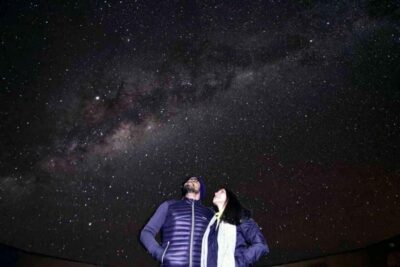
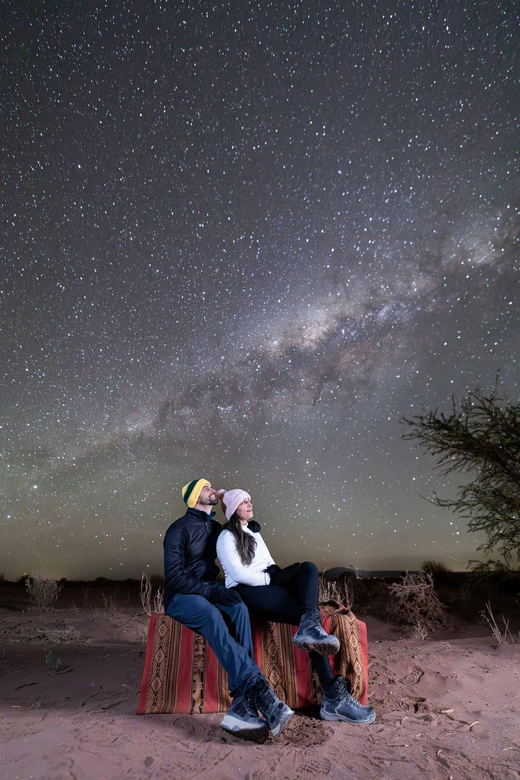
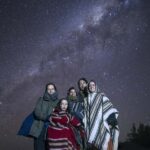
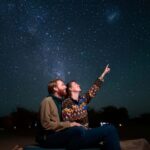
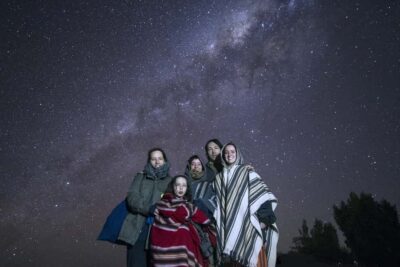
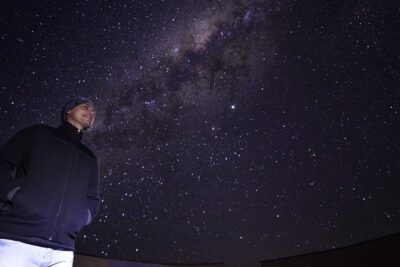
This is also where you might spot the Milky Way stretching across the sky or catch sight of a distant galaxy, depending on what is visible that night. Even if you never become a hardcore astronomer, the value is emotional as well as educational. You come for the clarity, but you leave with perspective.
Who This Tour Suits Best (and Who Might Be Happier Elsewhere)
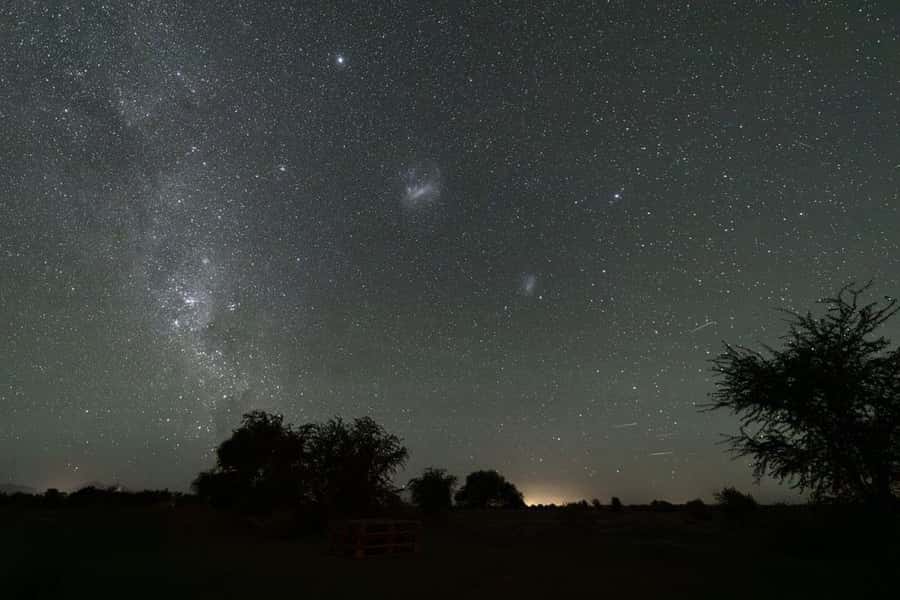
This tour is ideal if you:
- want guided telescope time instead of solo stargazing
- are curious about constellations, planets, and how the sky moves
- want help with astrophotography, including smartphone users
- like astronomy that blends science with stories
It may be less ideal if you:
- hate uncertainty around start location and timing, since pick-up coordination can be inconsistent
- expect a specific telescope model exactly as shown in photos
- are only looking for a quick view and do not care about the explanations or photography coaching
The night-sky experience itself is the main product. If you show up ready to learn and stay flexible about logistics, you will probably enjoy it a lot.
Should You Book This Atacama Astronomy Tour?
I think this is a strong booking if your goal is a guided, equipment-supported stargazing night with real educational value. The return transfer, bilingual guide, telescope, cocktail, and 2 included photographs make it easier to justify the $100 price, because you are buying guidance and structure, not just darkness.
Book it if:
- you want to see more than just the Milky Way
- you want explanations that connect mythology and science
- you want photo help, even as a beginner
Be cautious if:
- your trip is tight and you need perfect, stress-free pick-up coordination
- you are arriving late or unsure of your exact meeting point, since pick-up timing sits in a 9:00 p.m. to 9:30 p.m. window
- you have strong expectations about a particular telescope image matching what you will use
If you like guided nights, this is the kind of experience you will remember when you look at the sky back home.
FAQ
What languages are the guides?
The tour offers a live guide in Spanish and English.
How long is the astronomical tour?
The duration is 150 minutes.
What is the pick-up schedule?
Pick-up time is between 9:00 p.m. and 9:30 p.m., and the operator confirms the time on the day of the tour.
Is hotel pick-up included in the price?
No. The tour includes return transfer to your hotel, but pick-up is not included.
What’s included besides the telescopes?
Included items are return transfer to your hotel, a bilingual guide, a cocktail with drinks bar, 2 photographs, and a telescope.
Are photographs included?
Yes, you get 2 photographs included.
Can I use a smartphone for astrophotography during the tour?
Yes. The tour includes astrophotography opportunities with guidance for both professional cameras and smartphones.
What is the cancellation policy?
Free cancellation is available up to 24 hours in advance for a full refund.
Everything Else We Have Reviewed In Chile
More Chilean Skies Worth Staying Up For
Out Of San Pedro Again
Not quite it? Here is the rest of what we have reviewed around Chile


More in San Pedro de Atacama Tours.
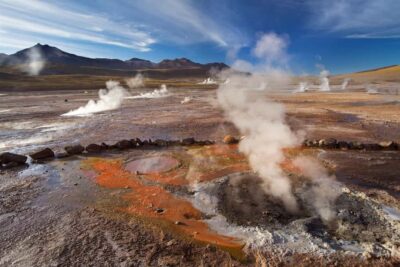 ★ 4.7El Tatio Geysers TourFrom $70943 reviews
 ★ 4.8Etno-Stargazing Tour with TransferFrom $41629 reviews
 ★ 4.7Stargazing ExperienceFrom $35489 reviews
 ★ 4.6Baltinache LagoonsFrom $70359 reviews
 ★ 4.4Valle de la Luna Guided TourFrom $63312 reviews
 ★ 4.63-Day Activity Combo with 4 ToursFrom $233247 reviews
 ★ 4.5Valle de la Luna (Moon Valley) from San Pedro de AtacamaFrom $47145 reviews
 ★ 4.5Astronomical Tour with Guide and Pick Up San Pedro de AtacamaFrom $38145 reviews
Browse the lists this tour appears in