
Review · ATACAMA
San Pedro de Atacama: Wildlife Safari and Photography Tour
Guanacos and flamingos, in one afternoon. This San Pedro de Atacama wildlife safari photography tour mixes close wildlife watching with practical photo help, from Quirquincho Pass to the Machuca wetlands. I love the spotting scopes with phone adaptors because they make distant birds feel reachable, and I love the way the route builds from animal spotting to wide-open views for your camera. The one thing to plan for is the cold and wind at higher, rocky viewpoints, so pack warm layers and don’t show up in thin clothes.
A big reason it works is the guide, Juan Pablo, who runs the hunt like a game plan. He asks what you care about photographing, then steers you to where you will actually see details, not just shapes at the edge of the frame. With a small group capped at 4, you are not fighting for position, and you get time to slow down and really look.
In This Review
- Key things you will notice on this safari
- San Pedro de Atacama wildlife safari, a photo-focused route that stays calm
- Pickup, ride up, and what to expect on the drive
- Quirquincho Pass: where guanacos and vizcachas are the main event
- Machuca wetlands and the short hike for flamingos and birdlife
- Crossing Machuca Village and moving toward bigger views
- Putana Vado lookout: the 360-degree view after wildlife time
- Photography kit that actually works: scopes, phone adaptors, and field guides
- Small-group advantages: why 4 people changes the safari
- What to bring so you stay comfortable and photograph better
- Who this tour is best for, and who should skip it
- Price and value: is $145 per person worth it?
- Should you book this San Pedro de Atacama wildlife safari and photography tour?
- FAQ
- How long is the San Pedro de Atacama wildlife safari and photography tour?
- Do I get hotel pickup and drop-off?
- What wildlife and birds can I expect to see?
- Is the tour suitable for beginners with a camera or phone?
- What is included for photography and identification?
- What languages are offered on the tour?
- What should I bring?
- Is it suitable for children?
- Is there free cancellation, and can I reserve without paying now?
Key things you will notice on this safari
- Small group (up to 4) means quieter spotting and more personal attention.
- Quirquincho Pass is your early stop for guanacos and vizcachas in rocky terrain.
- Machuca wetlands birdlife is where the flamingos and other wading birds tend to show up.
- Putana Vado lookout delivers a 360-degree view after the wildlife search.
- Spotting scopes plus phone adaptors help you frame shots without guessing.
- Binoculars and field guides make it easier to identify what you are seeing on the spot.
Other ways out of San Pedro into the desert
- San Pedro de Atacama: El Tatio Geysers Tour
★ 4.7 · 943 reviews - San Pedro de Atacama: Etno-Stargazing Tour with Transfer
★ 4.8 · 629 reviews - San Pedro de Atacama: Stargazing Experience
★ 4.7 · 489 reviews - San Pedro Atacama: Baltinache Lagoons
★ 4.6 · 359 reviews
San Pedro de Atacama wildlife safari, a photo-focused route that stays calm
This is not a drive-by photo tour. It is a structured wildlife safari built for observation, with photography support that makes sense at Atacama altitudes and long distances.
The timing and pacing matter. You start with a 45-minute drive up toward the mountains, then move through a sequence of habitats. Rocky pass. Wetlands. Village areas. High lookout. Each one changes what animals you might spot and how you will frame your images.
The vibe is also a plus. Because it is limited to just 4 participants, the stops feel more like you and your guide are on a mission, not like you are squeezed into a bus schedule. That calm is exactly what you want for wildlife and bird photography, where “waiting” is often the real work.
Pickup, ride up, and what to expect on the drive
Your tour begins with hotel pickup and a transfer that climbs into the mountains area. You are in the car for about 45 minutes before your first wildlife-focused stop, so bring a little patience and get ready to step out into open air quickly.
This tour runs like a photographer’s day, not a sightseeing checklist. The guide keeps the focus on fauna and on where you should aim your lens or scope next. You also get bilingual support in English, Spanish, and Portuguese, which is handy if your group speaks different languages.
What to do during the drive:
- If you have a camera that needs quick settings changes, get them ready before you stop.
- Put your phone adaptor and any spare batteries somewhere easy to grab.
- Keep warm layers on hand. Even when the sun is bright, the higher stops can feel chilly once you are standing still for wildlife.
Quirquincho Pass: where guanacos and vizcachas are the main event
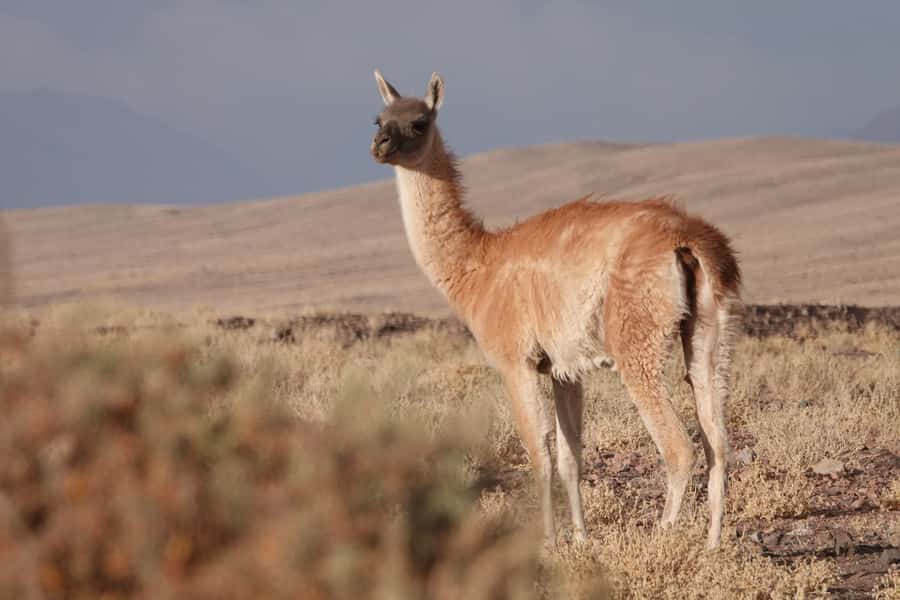
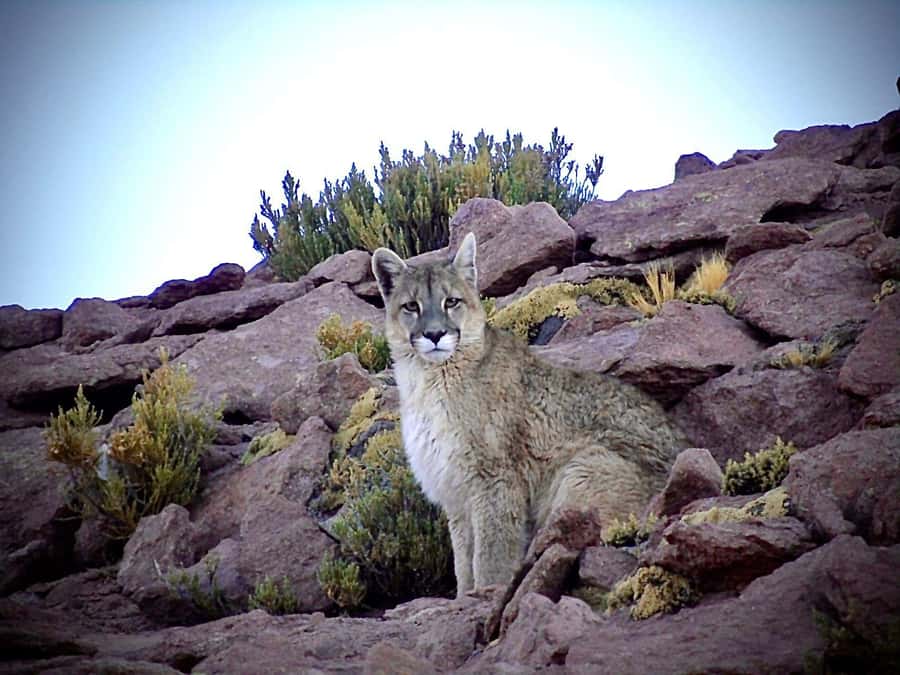
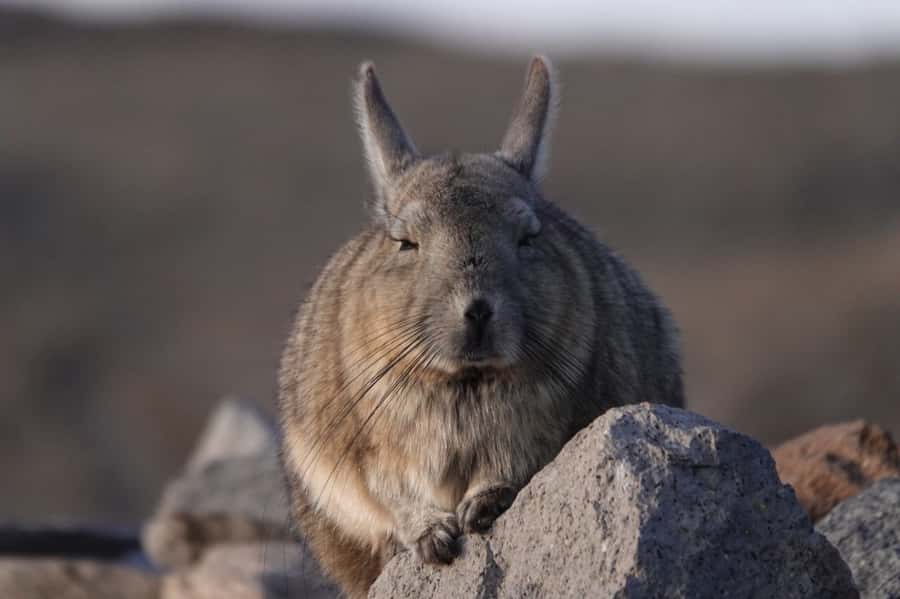
The first real wildlife stop is at Quirquincho Pass, a rocky area where you go looking for guanacos and vizcachas. This is the kind of terrain where animals can be both close and easy to miss. From a distance, you might spot movement but not register the details that make a photo look sharp and intentional.
That is where Juan Pablo’s approach shines. He helps you see what to look for and how to focus. One of the most useful parts of the experience is realizing that you can be looking right at an animal and still not notice the features that matter, until someone points them out.
If you want a practical tip, here it is: do not rush to take photos the moment you see something. First, check the animal’s position relative to the terrain, then use the binoculars to confirm what you are watching. After that, use the spotting scope for finer detail, especially for smaller subjects or birds that are not as close.
Because this is a short tour overall, the pass works best if you are comfortable with a bit of walking and standing. Comfortable shoes are not optional here, since the terrain is described as rocky and the day involves moving between viewpoints.
Machuca wetlands and the short hike for flamingos and birdlife
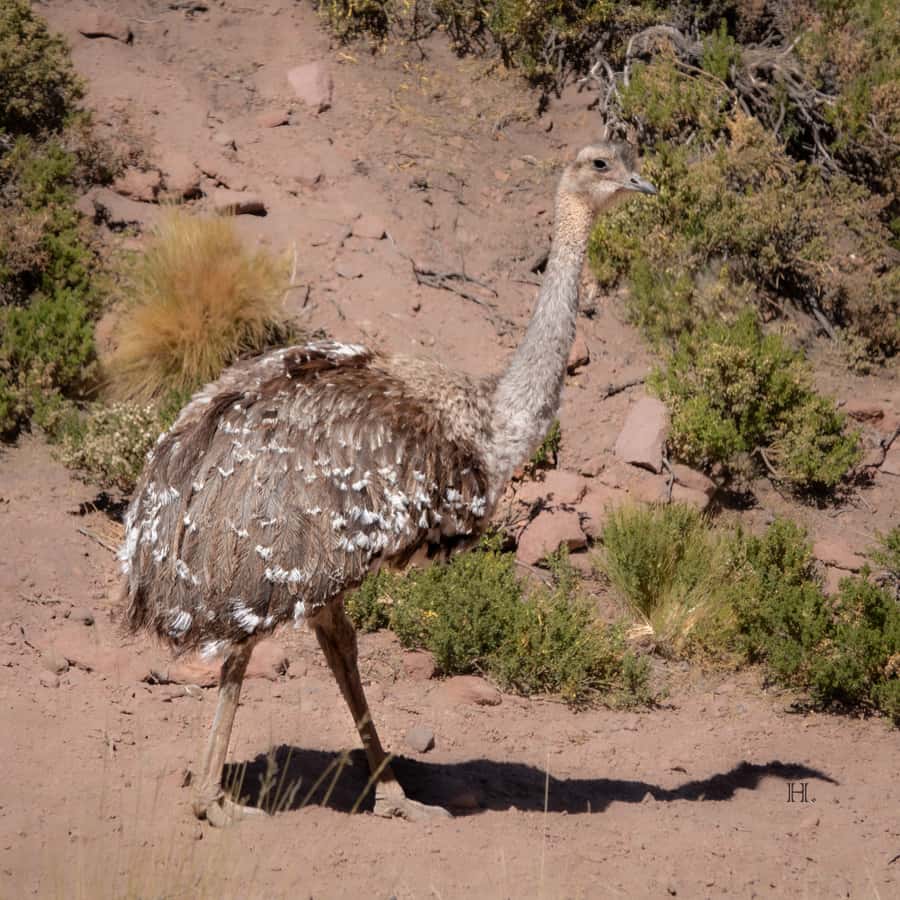
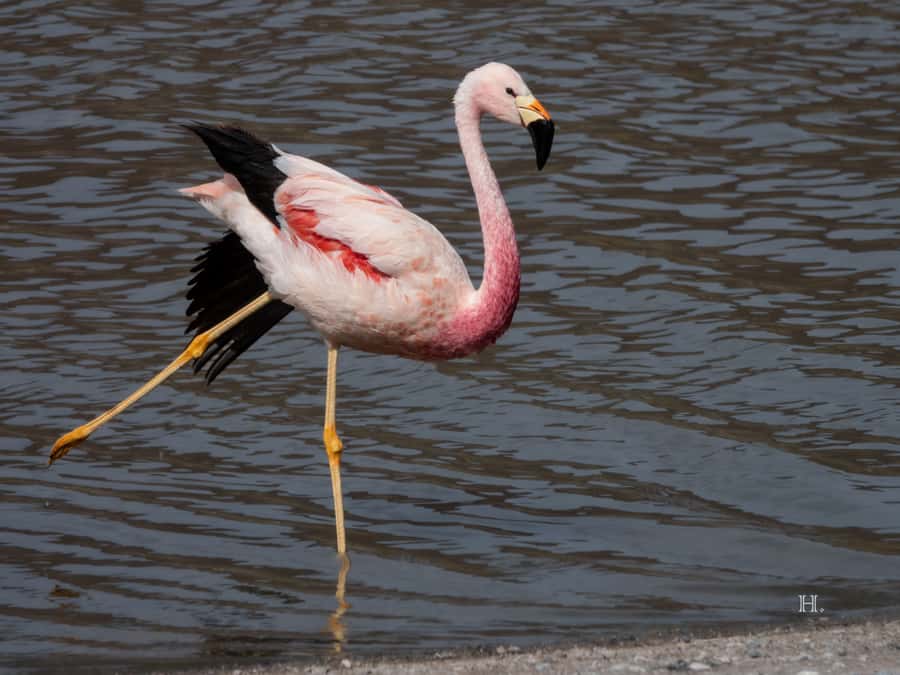
After Quirquincho Pass, you head to the wetlands of Machuca Village for a short hike and concentrated birdwatching time. This is one of the most photogenic and wildlife-heavy segments of the route.
The main attraction is flamingos, but the wetlands generally bring more birdlife than you might expect, especially in a region where open water and salt-flat edges create a lot of feeding opportunities. Even if flamingos are the big target, you will often get the extra benefit of variety, like other wading or water birds.
The guide’s job is to shorten your guessing time. You stop where birds are most likely to be active, then you scan patiently. With the scope and phone adaptor, you can zoom in without constantly zooming your feet. That matters when the birds are moving or when you want to avoid disturbing them.
What I like about the Machuca stop is that it balances two kinds of photography:
- Telephoto-style framing, where the scope helps you get details.
- Environmental shots, where the wetlands and mountains create context around the animals.
If you are shooting sunset or golden light, this is the kind of location where the light can help your images feel alive, not flat. You also get a short hike here, so you can change angles without turning it into a long hike day.
Crossing Machuca Village and moving toward bigger views
Between the wetlands segment and the high lookout, you cross the beautiful village of Machuca. This is more than a transfer. It is a chance to reset your eyes between wildlife moments.
In practical terms, village crossings also give you a brief rhythm change. One moment you are scanning wetlands for birds. The next moment you are looking at the wider scene, getting a sense of the basin and the way volcanoes sit above it.
For photography, this middle segment is useful if you like a mix of shots. You can collect:
- Bird and animal closeups at the wetlands
- More cultural and environmental context around the village area
- Wide shots once you hit the lookout
And because the guide keeps moving you through the best points, you are not wasting time looking for the best angle on your own.
Putana Vado lookout: the 360-degree view after wildlife time
Next up is the Highland of Putana Vado lookout, where you relax and take in a 360-degree view of the largest wetland of the region, surrounded by high volcanoes.
This stop matters because it gives your eyes a break. Wildlife photography can be intense, constantly focusing, refocusing, checking distances, and waiting for wingbeats or head turns. At Putana Vado, you can step back from that pressure and shoot wide frames or simple scenic images without worrying that the subject will vanish in the next second.
It is also a smart way to end the main animal-focused portion of the day. Once you have filled your memory cards with scopes-and-binoculars shots, this is where you can put everything into perspective, literally. Volcanoes in the background change your photographs from “wildlife snapshot” into “Atacama story.”
If you are planning your gear, this is a good time for:
- A wider lens or your phone’s wide mode for panoramas
- A tripod if you use one, since lookouts encourage steady framing
- Re-checking your settings for wind and brightness changes after you get out of the car
Photography kit that actually works: scopes, phone adaptors, and field guides
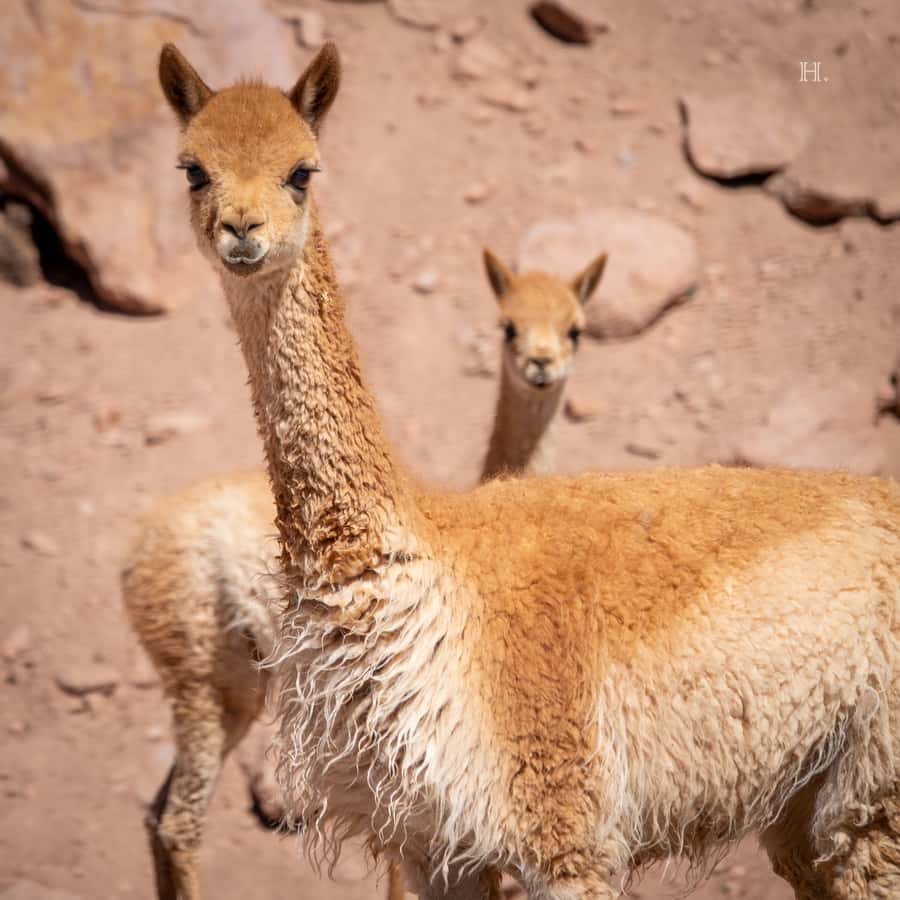
This tour includes the tools that make a photography-focused wildlife day easier, especially in a place where animals may be far from the road.
You get:
- Spotting scopes with phone adaptors
- Binoculars with field guides for fauna and birds
Here is why that matters for real-world photos. When you are using a scope, you do not just see the bird better, you can also understand how to position your phone for less blur. The adaptor support takes away one of the biggest headaches of wildlife phone photography, aligning optics and stabilizing your shot.
Then the binoculars and field guides close the loop. You are not only capturing images. You are also learning what you are seeing in a way you can remember later. That is how you start recognizing species and behaviors faster at future stops.
One more practical perk: because the guide uses a fauna-focused lens, you are more likely to spend time watching the animal’s behavior rather than just chasing a photo that looks good but lacks meaning.
Small-group advantages: why 4 people changes the safari
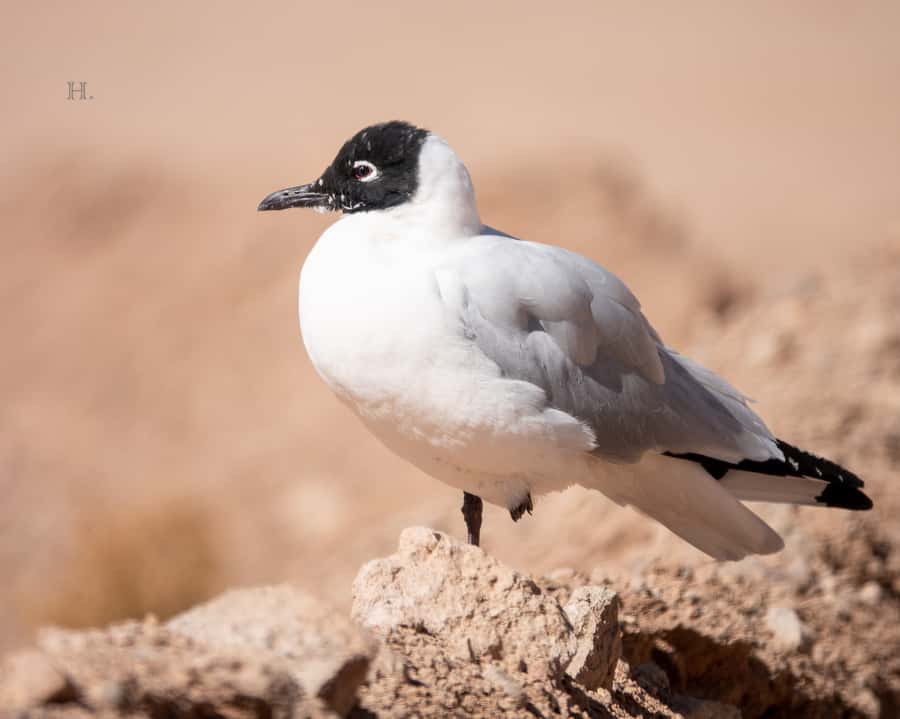
The group limit of 4 participants is not just a nice detail. It affects how much time you get at each stop and how well you can hear and see the guide’s cues.
In a larger group, wildlife viewing becomes a traffic jam. In a small group, you can:
- Move a little to get the right angle
- Stage your camera gear without blocking others
- Use the scope more efficiently without constant reshuffling
It also means Juan Pablo can adapt in real time. If you are focused on flamingos, birds in flight, or a specific animal like vizcachas, you are more likely to get targeted help.
In at least one instance, the tour still ran even with only one participant. That tells you something about how seriously they treat the experience. If you book solo, you should expect attention, not a watered-down version of the tour.
What to bring so you stay comfortable and photograph better
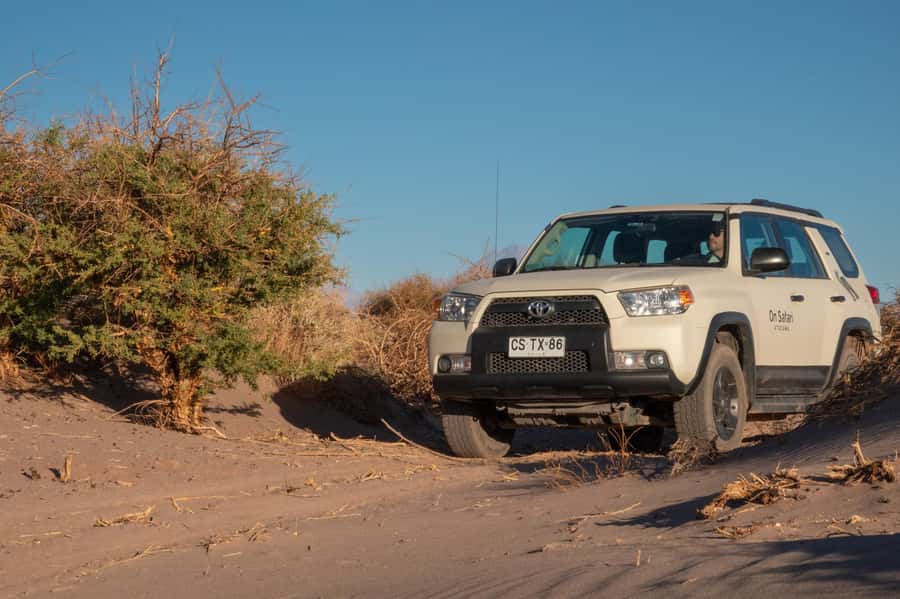
The tour’s own packing list is short, but it is the right one. For the best day, bring:
- Comfortable shoes
- Warm clothing
- Hat
- Sunscreen
My practical add-on is to plan for changing temperatures. You are climbing in elevation, standing still for wildlife, and then enjoying broad open views where wind can do its thing. Warm clothing helps, even if your start-of-day feels bright and dry.
Also, bring whatever you normally need for your camera setup, like extra batteries or a lens cloth. In open-air wildlife settings, dust and fingerprints happen.
Who this tour is best for, and who should skip it
This safari is built for all levels of photographers. That is a big deal if you are worried about feeling out of your depth. You do not need pro gear to benefit. You do need patience and a willingness to look closely.
It is also a strong match if you:
- Want wildlife close-up views without doing DIY scouting
- Like bird photography and want tools that improve results
- Enjoy learning the names and behaviors of the fauna you photograph
It is not suitable for children under 12 years. That likely comes down to the walking and the outdoor conditions, so plan accordingly for families.
If you hate cold stand-still moments, this might feel demanding. But if you can dress for it, the payoff is high, because the stops are timed and chosen for real animal sightings.
Price and value: is $145 per person worth it?
At $145 per person for about 4 hours, the price is reasonable because you are not paying only for a ride. You are paying for:
- Hotel pickup and drop-off
- A bilingual expert guide focused on fauna
- Included optics: scopes with phone adaptors, plus binoculars and field guides
- A small group setting that reduces waiting and congestion
You could spend a similar amount hiring a guide just to drive you around, then still lack the spotting scopes or the know-how on where to look. Here, the included equipment reduces your gear stress. You can show up with a camera or phone and still get help making it work.
Also, the day is built for wildlife sightings you cannot easily recreate on your own. The guide helps you identify, locate, and photograph animals in terrain where they do not exactly line up for photos at roadside distances.
If you like authentic, local-style experiences, this is a good fit. It feels like learning the Atacama through its wildlife, not just checking off a scenic viewpoint.
Should you book this San Pedro de Atacama wildlife safari and photography tour?
If your ideal day includes guanacos, vizcachas, and flamingos, plus real time for photography with scopes and binoculars, then yes, book it. This is one of those tours where the guide’s skill directly changes what you see and what you bring home on your camera.
Book it especially if:
- You want a small group experience
- You care about photographing birds and want practical optics help
- You enjoy open volcano and wetland views, not just one kind of photo
Skip it only if you are traveling with someone who cannot handle outdoor cold and uneven rocky terrain, or if you are looking for a purely classroom-style talk. This is hands-on, outdoors, and focused on observation.
With the right clothing and a relaxed mindset, you will leave with images that feel specific to the place, and not like generic desert photos. And you will probably learn how to see wildlife details that you would otherwise miss.
FAQ
How long is the San Pedro de Atacama wildlife safari and photography tour?
It runs for 4 hours, with different starting times based on availability.
Do I get hotel pickup and drop-off?
Yes. Pickup and drop-off are included, and the tour uses a car company for transport.
What wildlife and birds can I expect to see?
You can expect wildlife spotting around Quirquincho Pass, including guanacos and vizcachas, plus birdlife in the Machuca wetlands where flamingos are a highlight.
Is the tour suitable for beginners with a camera or phone?
Yes. It is designed to work for all levels of photographers, and it includes spotting scopes with phone adaptors.
What is included for photography and identification?
The tour includes spotting scopes with phone adaptors, binoculars, and field guides of fauna and birds.
What languages are offered on the tour?
The live guide speaks English, Spanish, and Portuguese.
What should I bring?
Bring comfortable shoes, warm clothing, a hat, and sunscreen.
Is it suitable for children?
No. It is not suitable for children under 12 years.
Is there free cancellation, and can I reserve without paying now?
You can cancel up to 24 hours in advance for a full refund. You can also reserve now and pay later to keep plans flexible.
The Rest Of Our Chile Tours
Everything Else We Have Reviewed In Chile
Out Of San Pedro Again
Not quite it? Here is the rest of what we have reviewed around Chile
More in San Pedro de Atacama Tours.
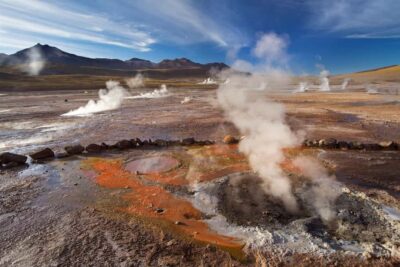 ★ 4.7El Tatio Geysers TourFrom $70943 reviews
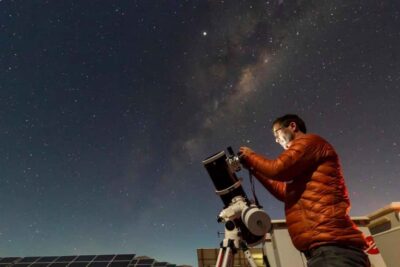 ★ 4.8Etno-Stargazing Tour with TransferFrom $41629 reviews
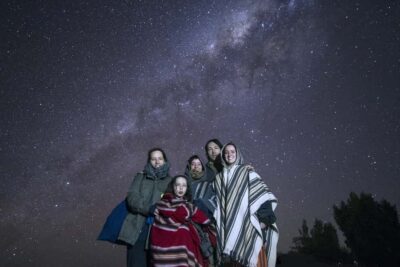 ★ 4.7Stargazing ExperienceFrom $35489 reviews
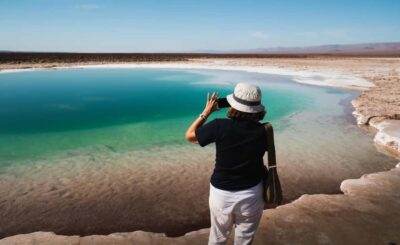 ★ 4.6Baltinache LagoonsFrom $70359 reviews
 ★ 4.4Valle de la Luna Guided TourFrom $63312 reviews
 ★ 4.63-Day Activity Combo with 4 ToursFrom $233247 reviews
 ★ 4.5Valle de la Luna (Moon Valley) from San Pedro de AtacamaFrom $47145 reviews
 ★ 4.5Astronomical Tour with Guide and Pick Up San Pedro de AtacamaFrom $38145 reviews
Browse the lists this tour appears in