
Review · ATACAMA
San Pedro de Atacama: Piedras Rojas and Lagunas Altiplanica
Red stones, turquoise water, and thin air. This day blends Laguna Chaxa flamingos with the red rock drama of Piedras Rojas, then keeps climbing up to the altiplanic lagoons. You also get a cultural stop in Socaire, plus a classic photo moment at the Trópico de Capricornio.
I especially like two things. First, this is a small group outing limited to 14 people, so your guide can actually help you with what to look for and where to stand for photos. Second, the route is built around clear contrasts, from salt flats to purple-red stones to lagoons near 4,200 meters, with plenty of talk about flora, fauna, and desert culture. The main drawback to plan for: you’ll pay key entrance fees in cash, and pick-up timing can shift, so build in some patience early in the morning.
In This Review
- Key things to notice before you go
- San Pedro to the Altiplano: what this 10-hour tour really delivers
- Morning pickup and the pacing on the road
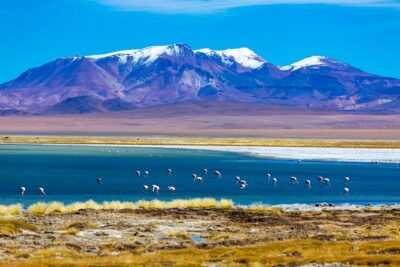
- Laguna Chaxa and the Salar de Atacama: flamingos in a salt flat setting
- Socaire village: terraces, church, and desert life you can actually see
- Salar de Talar and Piedras Rojas: the red stone photo moment that’s worth the drive
- Miscanti and Miñiques lagoons at about 4,200 meters
- Trópico de Capricornio: the panoramic break for photos
- Guide and group size: how the day stays friendly and on track
- Price and cash entrances: what you really pay for
- Who should book, and who should skip
- Should you book this Piedras Rojas and Lagunas Altiplanicas tour?
- FAQ
- What time do you get picked up in San Pedro de Atacama?
- How long is the tour?
- Is breakfast and lunch included?
- Are the entrance fees included?
- What languages are available for the live guide?
- How big is the group, and is it limited to certain ages or visitors?
Key things to notice before you go
- Laguna Chaxa, Flamingos National Reserve: you’ll look for three flamingo species in one high-salt setting.
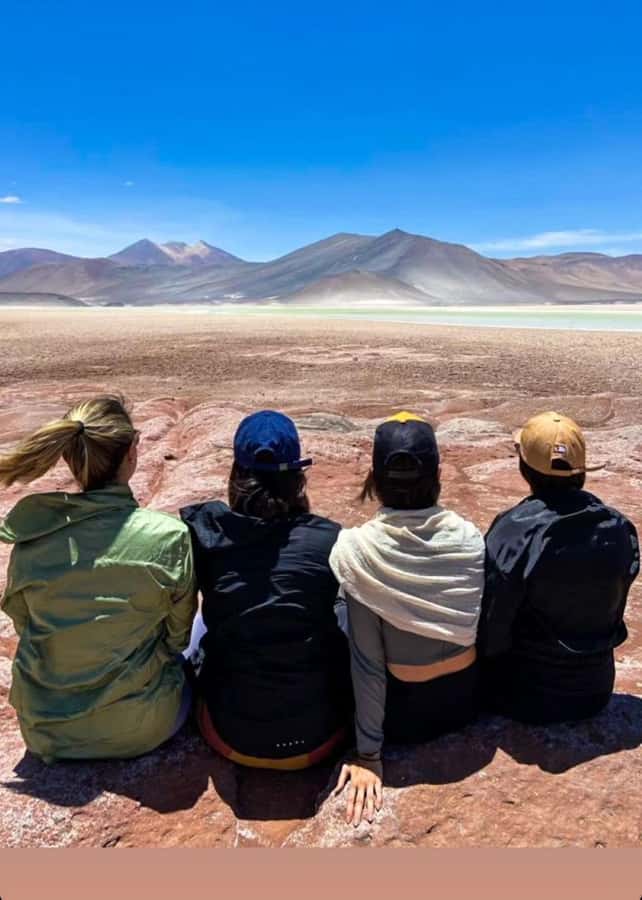
- Piedras Rojas (Salar de Talar): a short walk brings you close to the red stone formations for photos.
- Miscanti and Miñiques at about 4,200 m: expect a thinner-air feeling and dress for cold.
- Socaire village stop: terraces of cultivation and a historic local church add the human side of the desert.
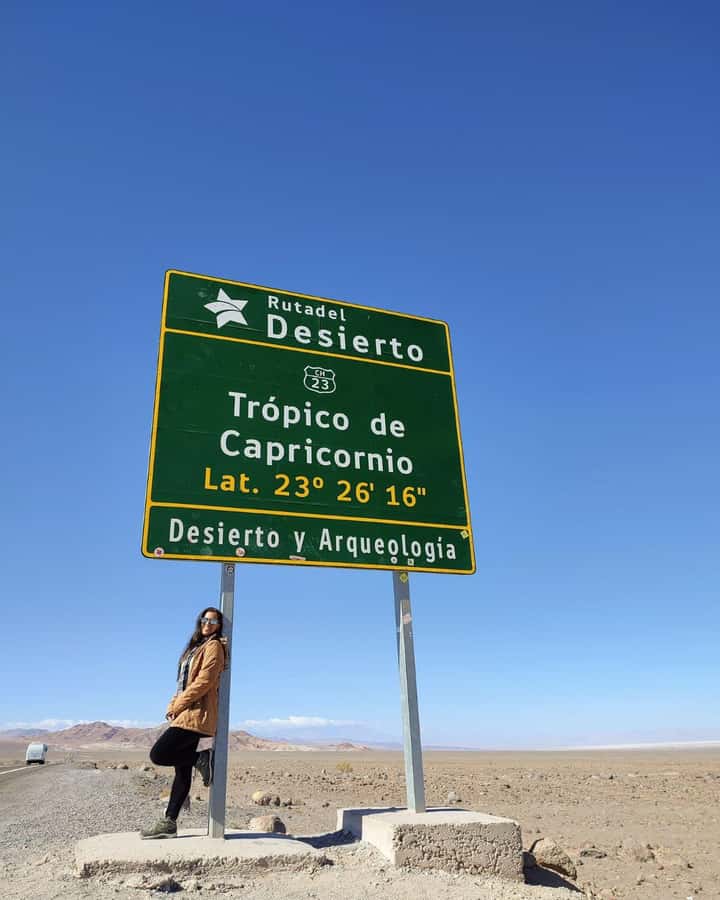
- Photo-stop at Trópico de Capricornio: you get a timed viewpoint break for panoramas.
- Small group feel (up to 14): helps you hear the guide and get photo help without crowd chaos.
Other ways out of San Pedro into the desert
- San Pedro de Atacama: El Tatio Geysers Tour
★ 4.7 · 943 reviews - San Pedro de Atacama: Etno-Stargazing Tour with Transfer
★ 4.8 · 629 reviews - San Pedro de Atacama: Stargazing Experience
★ 4.7 · 489 reviews - San Pedro Atacama: Baltinache Lagoons
★ 4.6 · 359 reviews
San Pedro to the Altiplano: what this 10-hour tour really delivers
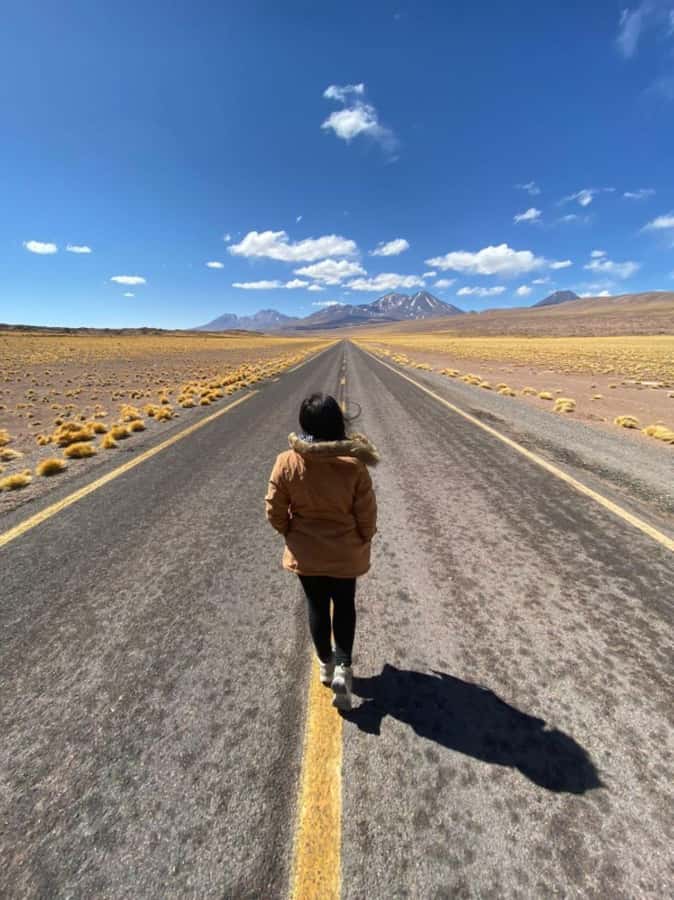
This is one of those Atacama days where the scenery keeps switching gears. You start in the San Pedro area, then you’re quickly trading paving streets for salt and stone, and later swapping that for cool, high-altitude lagoon views. The appeal is the mix, not any single stop.
I like that the day isn’t just about parking at a viewpoint and moving on. You get guided time at Laguna Chaxa, guided walks around Piedras Rojas, and guided visits to Miscanti and Miñiques. If you enjoy understanding what you’re looking at, this format usually lands well.
The pacing is full, though. You’ll be on the van a lot, and some stretches are long. If you’re the type who needs frequent breaks, you might find the schedule a bit tight.
Morning pickup and the pacing on the road
You’re picked up in San Pedro de Atacama around 6:30 am. After that, the day is built around early light and fewer crowds at the best photo windows. The good news is you’re not left to figure out logistics. The van handles transport between stops.
The tour includes breakfast and lunch, which is a real value in the north of Chile. Long desert days can drain you fast, and having food planned means you won’t waste time hunting for a café that’s open at the right moment. If you’re prone to feeling chilled or dehydrated, eat early and sip water through the day.
Wear layers. Even in the desert, mornings and high altitudes can be surprisingly cold. Also bring sunscreen and sunglasses, because salt, stone, and bright sky can be hard on your eyes.
One more practical note: the day may feel like it has “just one more stop,” so pack for getting on and off the van comfortably. Small group travel is usually easier, but you still need to move fast enough to stay on schedule.
Laguna Chaxa and the Salar de Atacama: flamingos in a salt flat setting
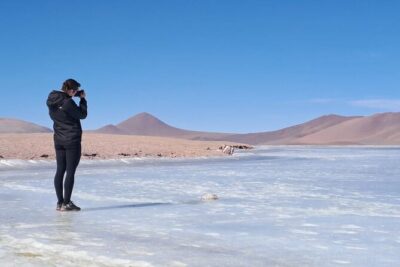
Laguna Chaxa is the kind of place that makes you stop talking. The water looks unreal, and the salt around it gives everything a stark, high-contrast feel. Here, you’re visiting inside the Flamingos National Reserve area, and your guide points out the flamingos and the setting they depend on.
The big reason this stop matters is the variety you can spot. Laguna Chaxa can host three flamingo species. Your guide’s job is to help you look beyond the obvious and understand what makes this place work for them.
You also get a guided tour time block here, so you’re not left guessing what to look for. That’s especially useful if you care about nature details instead of only taking photos.
The only watch-out is timing and light. If you arrive during a flat light window, the colors can look less dramatic. That said, Laguna Chaxa tends to deliver even when the day is overcast, because the salt and water shape the view either way.
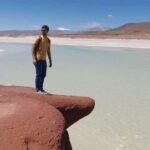
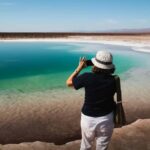
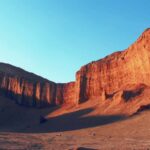
More high lagoons, red rock and salt flat, compared
Socaire village: terraces, church, and desert life you can actually see
Between the big natural sites, the Socaire village stop gives you context. Atacama isn’t only about rocks and lagoons. It’s also about people farming and living in a tough environment.
You’ll see terraces of cultivation and visit a historic local church. This matters because it shifts your brain from scenery mode to place mode. You start noticing how the desert is managed, not just observed.
If you’re wondering what desert culture means on the ground, Socaire is a good answer. It’s a calmer moment in the day, and that helps you reset before the higher, colder lagoons.
One detail I appreciate here: the tour includes time where your guide can connect culture and ecology. Desert life is all adaptation, from water use to how settlements sit and survive.
Salar de Talar and Piedras Rojas: the red stone photo moment that’s worth the drive
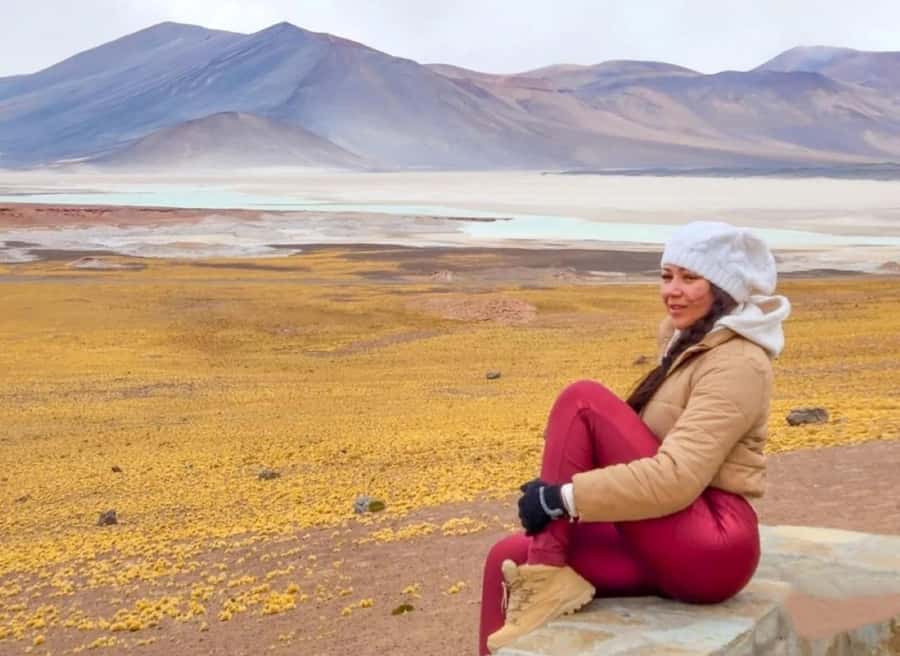
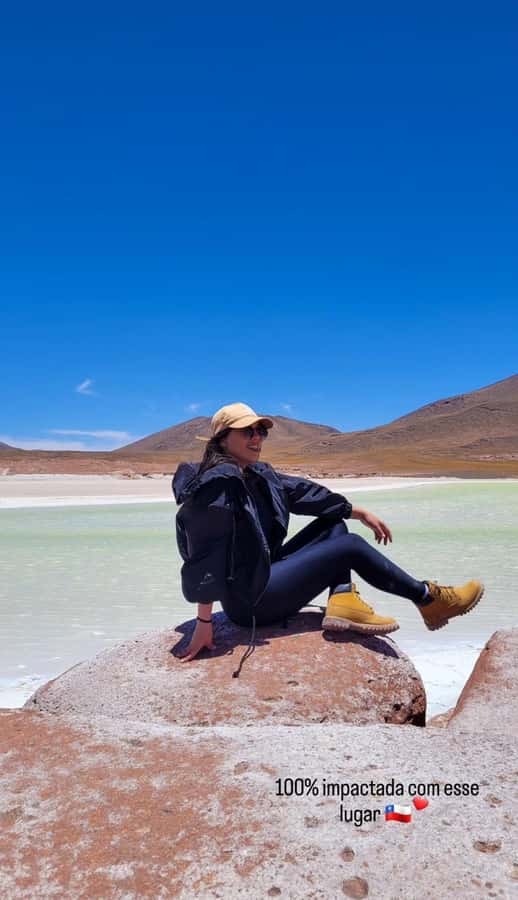
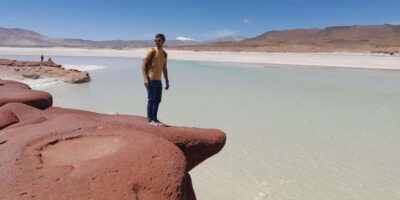
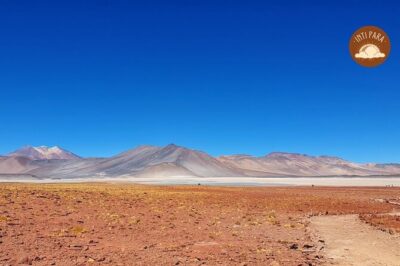
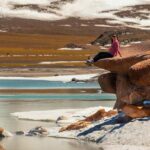
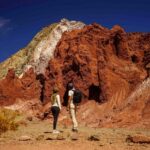
Then comes the dramatic turn: Piedras Rojas, also tied to Salar de Talar. This is where the day earns its “wow” factor. The name translates like red stones, and the visual is exactly that, streaks and patches of rock color that look almost unreal against the bright sky.
You’ll spend guided time here, with a short walk leading you to see the formations up close. That walking bit is small, but it matters. From the van you get the idea, on foot you get the texture and the patterns that make the place feel specific rather than generic.
Your guide also frames what you’re seeing as a geological phenomenon, which makes the photos more interesting. Instead of only capturing a pretty scene, you can understand why the color and shape are the way they are.
Photo tip: this is the kind of stop where the “best” photo depends on angle and how the sun hits the stones. If your group is moving as a unit, don’t wait for perfect. Take a few from different directions while you have access.
This stop is also one of the times when you’ll feel how sun and wind work together. If you’re sensitive to brightness, bring sunglasses and consider keeping your camera lens shaded when you can.
Miscanti and Miñiques lagoons at about 4,200 meters
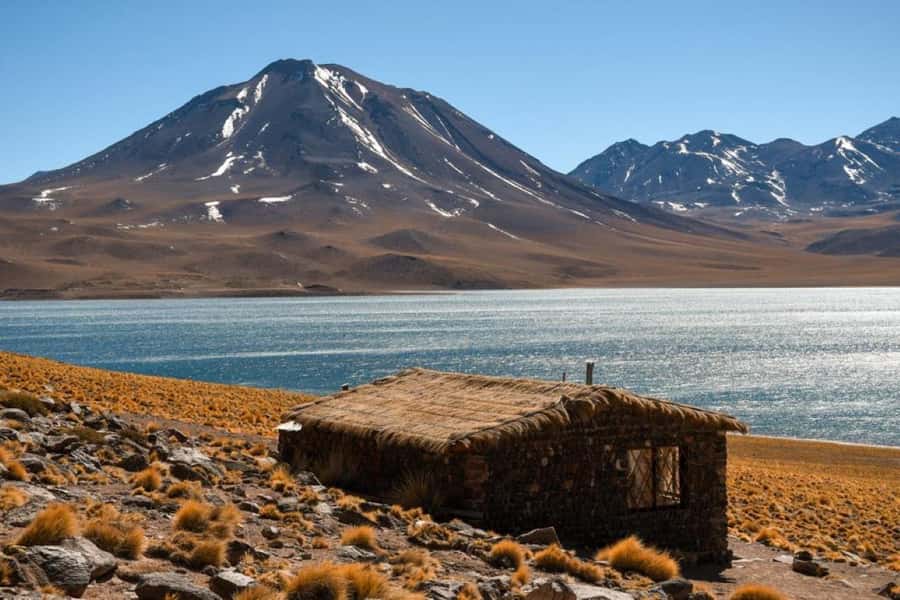
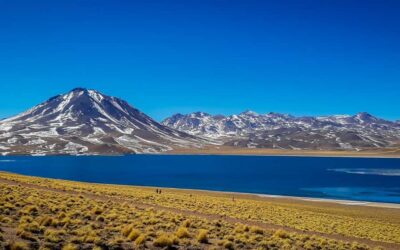
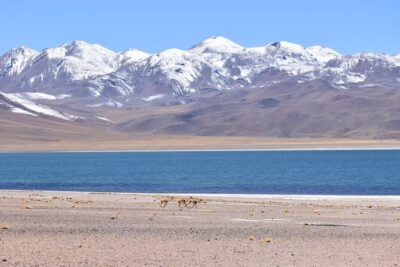
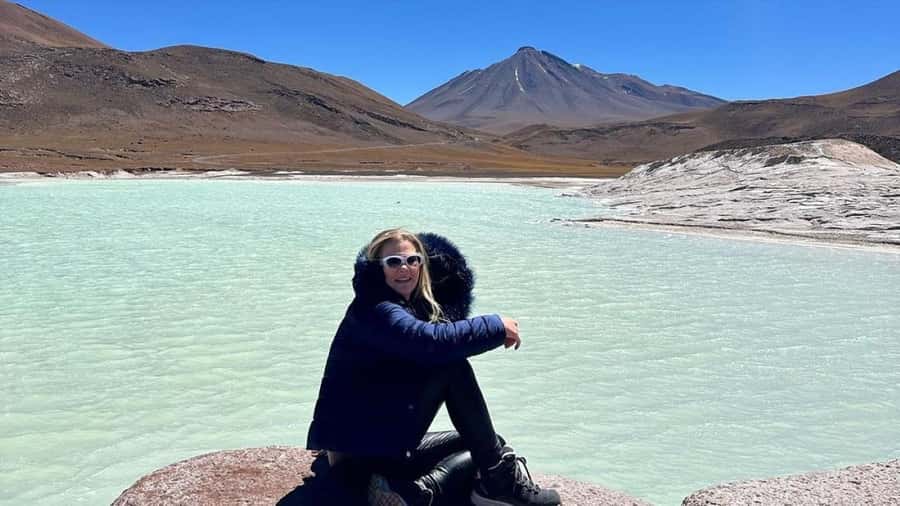
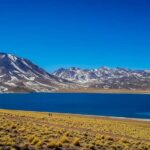
Now you climb to the altiplano. Miscanti and Miñiques are both high-altitude lagoons, around 4,200 meters. The altitude is the reason this part feels different from the earlier salt-flat views. Your breathing might feel a bit heavier. Take it slow and don’t race your group.
What I like here is the attention to the living details. Your guide shares information about flora and fauna, which helps you notice small things instead of only staring at water and mountains.
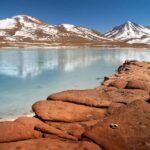
The lagoons themselves are the obvious draw. The turquoise tones against the stark surroundings are the reason people come to this region. But the guided explanation helps you understand how life survives in a place that looks empty at first glance.
Each lagoon visit is guided and time is limited, so you want to focus on what you want most: close views, a panorama, or specific photo angles. With a small group, you can usually get your preferred spot without a fight, but you still have to be ready when your guide says it’s time.
If you’re traveling with anyone who gets headaches or feels unusually tired, this is the moment to go gentle. The tour is not designed for slow pacing, so your best move is to manage your effort on arrival.
Trópico de Capricornio: the panoramic break for photos
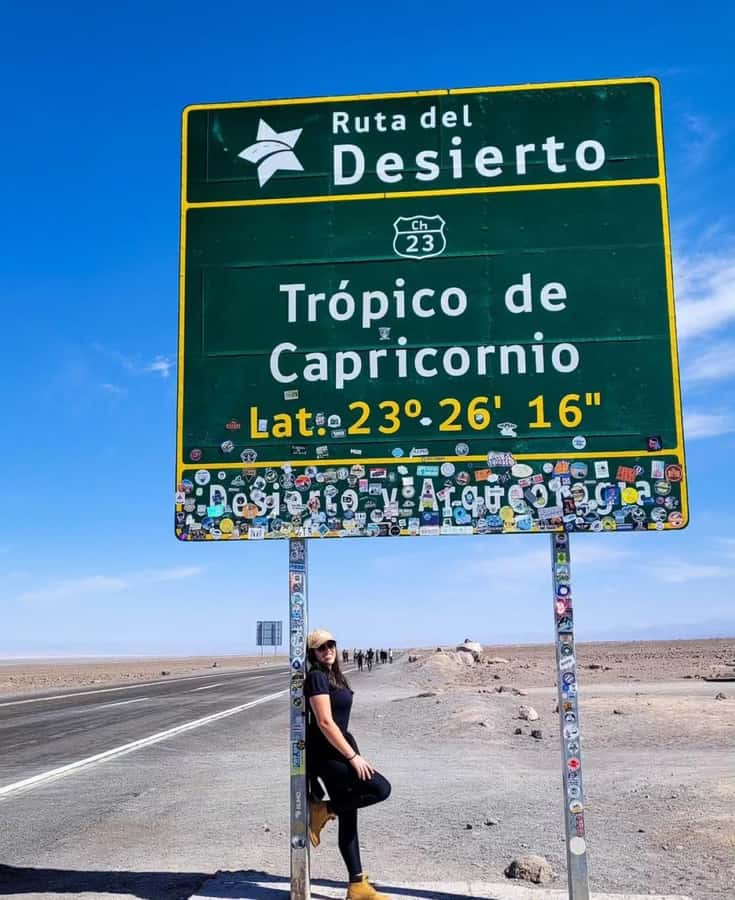
After the lagoons, you shift into the afternoon photo phase. The Trópico de Capricornio stop is timed as a viewpoint opportunity, not a long hike. You get about 30 minutes for photos and panoramas.
This part is useful if you want a clear “you made it this far” marker. The photo doesn’t only document a number on a map. It shows the scale of the region and how the desert stretches out beneath the sky.
If the wind is strong, keep your camera secured and plan for quick shots. This is one of those stops where the best photos happen fast.
Guide and group size: how the day stays friendly and on track
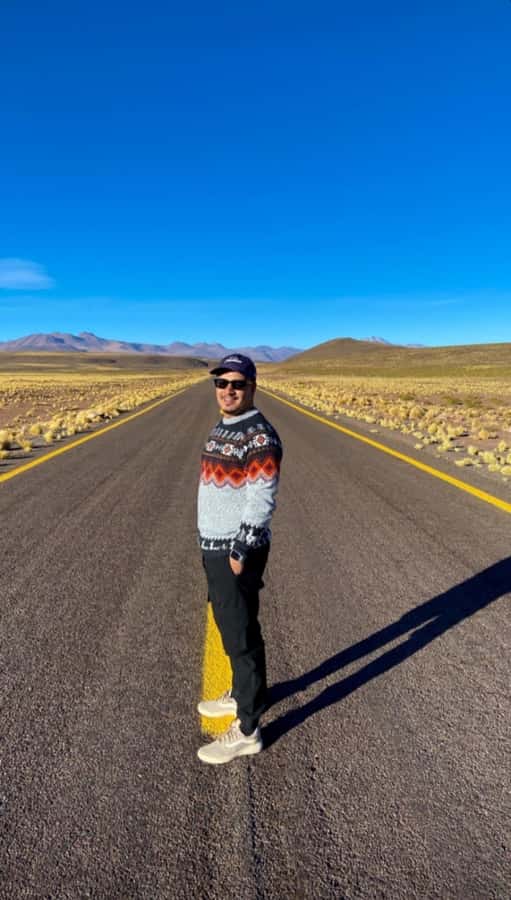
This is a small group tour, limited to 14 participants. That number matters in Atacama. There’s no guarantee the sites will feel crowded, but smaller groups usually mean less confusion on where to stand and more time for your guide to answer real questions.
The guide support is a big part of the value. Your tour includes a fluent guide in Portuguese, English, and Spanish. Plus, there’s transport and a local specialized guide, which can make a difference when you’re listening for plant names or trying to understand what you’re seeing across salt and stone.
In one verified experience, the guide was Nicolas and he worked with the group and the driver to help with photographs. That kind of practical support is exactly what you want on a day like this, because timing and lighting matter, and everyone has different camera skills.
One more plus: included meals help the group energy stay steady. I’ve taken enough desert tours to know that skipping lunch usually turns the afternoon into grumpy mode. Here, you’re fed.
Price and cash entrances: what you really pay for
The tour price is $107 per person for about 10 hours. For a full day that covers multiple major sites, includes breakfast and lunch, and includes transport plus a fluent guide, that price can be fair.
But the cost isn’t the whole budget. Two important entrance fees are not included, and you pay them in cash:
- Piedras Rojas and Lagunas Altiplanicas entrance: 15,000 PLP
- Laguna Chaxa entrance fee: 14,000 PLP
That cash-only detail is the thing to prepare for. When you’re dealing with remote areas, it’s not the time to hope for an ATM working.
Also, keep expectations flexible on fee amounts. One verified booking noted that the entrance price in practice differed from what the online text suggested. I’d treat that as a cue to bring extra cash just in case, and ask the guide early what you should plan for.
So, the value equation looks like this: you’re paying for a guided, structured day with meals and transport, while you handle entrance fees separately in cash. If you hate surprises, this is still manageable, as long as you prep your cash and double-check amounts on the morning of your tour.
Who should book, and who should skip
This outing has clear limits. It’s not suitable for:
- children under 7
- pregnant women
- people with heart problems
- wheelchair users
- people with high blood pressure
- people over 95 years
There’s also a simple reality here: you’re visiting high-altitude lagoons around 4,200 meters, plus you’ll spend time walking and standing in bright sun. If you fall outside the standard health limits, you’re also likely to feel more strain than you want.
If you’re generally healthy, enjoy nature interpretation, and want one day that hits the region’s top picture spots, you’ll probably like this format. It’s especially a good fit if you want more than “look at a view” and you care about flora, fauna, and how people live in desert conditions.
If you’re traveling with small kids or anyone with mobility or health constraints, you should look for a gentler option. The schedule is full and the altitudes are real.
Should you book this Piedras Rojas and Lagunas Altiplanicas tour?
If you want a guided day that ties together salt flats, flamingos, red stone formations, and high-altitude lagoons, this tour is a strong candidate. The small group size helps the experience feel human, and the included breakfast and lunch make it easier to enjoy the full day without constant stops.
I’d book it if:
- you’re excited to see Piedras Rojas, Miscanti, and Miñiques all in one go
- you like learning about desert flora and fauna
- you’re comfortable handling cash entrance fees (and arriving early)
I’d think twice or choose a different option if:
- you need a very flexible day plan, since the schedule is structured and starts early
- you prefer avoiding any health exposure to high altitude, especially if you’re sensitive to altitude effects
- you don’t want to manage cash payments for entrances
Bring a little patience for the early hours, bring cash for entrances, and focus on the guided moments. Do that, and you’ll end the day with photos that look like a different planet, plus a clearer sense of how this desert actually works.
FAQ
What time do you get picked up in San Pedro de Atacama?
Pickup starts around 6:30 am in San Pedro de Atacama.
How long is the tour?
The total duration is 10 hours.
Is breakfast and lunch included?
Yes. Breakfast and lunch are both included.
Are the entrance fees included?
No. Entrance fees are not included. You must pay in cash for Piedras Rojas and Lagunas Altiplanicas (15,000 PLP) and for Laguna Chaxa (14,000 PLP).
What languages are available for the live guide?
The live tour guide operates in Portuguese, English, and Spanish.
How big is the group, and is it limited to certain ages or visitors?
It’s a small group limited to 14 participants. It is not suitable for children under 7, pregnant women, people with heart problems, wheelchair users, people with high blood pressure, or people over 95 years.
Everything Else We Have Reviewed In Chile
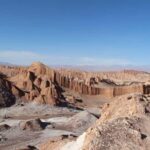
High Lagoons, Red Rock And Salt Flat
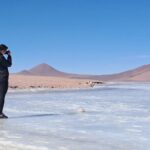
Out Of San Pedro Again
Not quite it? Here is the rest of what we have reviewed around Chile


More in San Pedro de Atacama Tours.
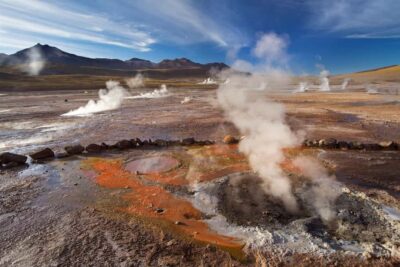 ★ 4.7El Tatio Geysers TourFrom $70943 reviews
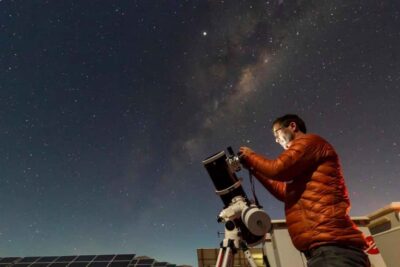 ★ 4.8Etno-Stargazing Tour with TransferFrom $41629 reviews
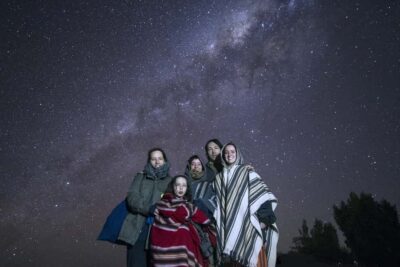 ★ 4.7Stargazing ExperienceFrom $35489 reviews
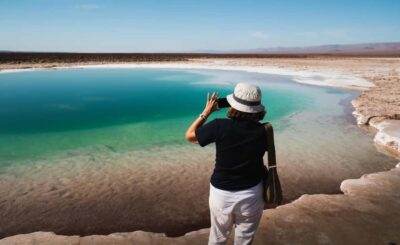 ★ 4.6Baltinache LagoonsFrom $70359 reviews
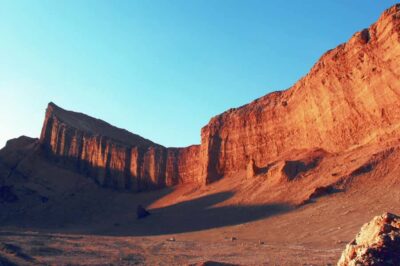 ★ 4.4Valle de la Luna Guided TourFrom $63312 reviews
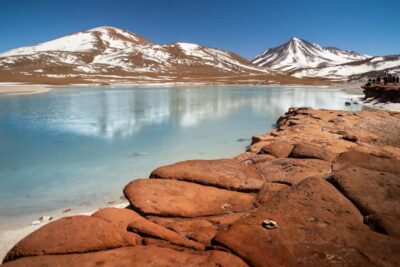 ★ 4.63-Day Activity Combo with 4 ToursFrom $233247 reviews
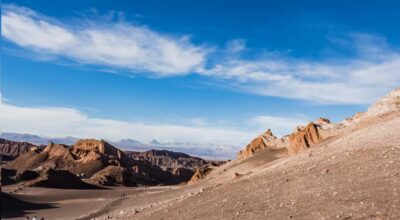 ★ 4.5Valle de la Luna (Moon Valley) from San Pedro de AtacamaFrom $47145 reviews
 ★ 4.5Astronomical Tour with Guide and Pick Up San Pedro de AtacamaFrom $38145 reviews
Browse the lists this tour appears in