
Review · ATACAMA
From San Pedro de Atacama: Tatio Geysers and Machuca Tour
The morning starts with a cold, otherworldly payoff. This El Tatio geysers and Machuca wetlands day trip takes you up to more than 14,000 feet, then walks you through a geothermal field of steam, fumaroles, and active geysers as the day’s light hits. I love the combination of big natural drama and small moments like trickling runoff and animal spotting. You’ll also get a real change of scenery in the Machuca and Putana wetlands. The one thing to think about is altitude: this trip is not a good fit if you get altitude sickness or have circulation or breathing issues.
Two highlights stick with me. First, I love seeing the Tatio field up close, where more than 80 active geysers and surrounding steam make everything feel unreal. Second, I like that the itinerary isn’t only geysers, you also visit wetlands where birds and even vicuña can show up. The main drawback is timing and physical effort, it’s early, it’s high, and you need sturdy shoes for uneven ground in cold air.
In This Review
- Key Points That Make This Tour Worth Your Time
- Heading Up the Andes: The Ride From San Pedro de Atacama
- El Tatio Geysers: What You’ll See in the 2.5-Hour Walk
- Photo Stops and Breakfast: Cold Morning Logistics That Help
- Machuca Wetlands (Bofedal): Birds, Water, and a Small Adobe Town
- Putana Wetland Views: The Altiplano From an Observation Point
- Price and Value: Is $55 a Good Deal for This 8-Hour Day?
- Who This Trip Fits Best (And Who Should Skip It)
- Should You Book the San Pedro de Atacama Tatio and Machuca Tour?
- FAQ
- How long is the El Tatio and Machuca tour?
- What time does the tour return to San Pedro de Atacama?
- Where does the pickup happen?
- What languages is the tour guide commentary offered in?
- How long do we spend at El Tatio geysers?
- Is breakfast included?
- Is the entrance fee included in the tour price?
- What is not allowed on the tour?
- Who is this tour not suitable for?
- Is free cancellation available?
Key Points That Make This Tour Worth Your Time
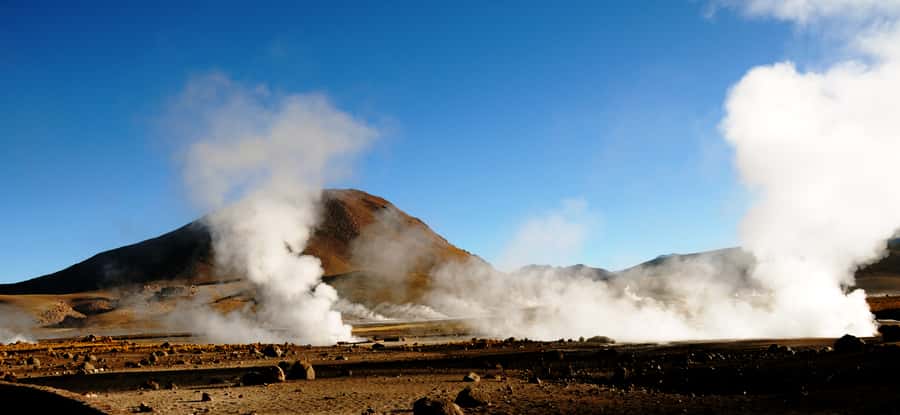
- El Tatio at sunrise: steam, fumaroles, and active geysers in a high-altitude geothermal field.
- A guided walk through more than 80 active geysers: you’ll see the field’s activity, not just a quick viewpoint.
- Machuca wetlands (bofedal) wildlife: you might spot birds like flamingos and the occasional vicuña.
- Putana wetland bird nesting area: a strong chance for bird watching plus wide altiplano views.
- Hotel-area transport and bilingual commentary: round-trip transfers and live guidance in English and Spanish.
- Breakfast included: a local meal right after the main geyser time, useful when the morning is cold.
Other ways out of San Pedro into the desert
- San Pedro de Atacama: El Tatio Geysers Tour
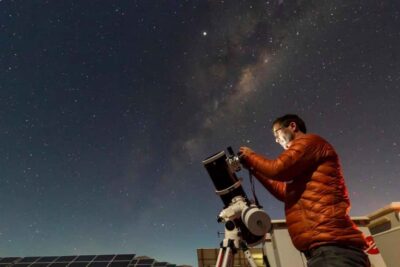
★ 4.7 · 943 reviews - San Pedro de Atacama: Etno-Stargazing Tour with Transfer
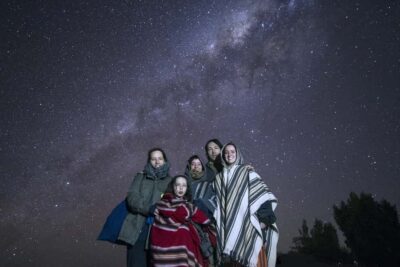
★ 4.8 · 629 reviews - San Pedro de Atacama: Stargazing Experience
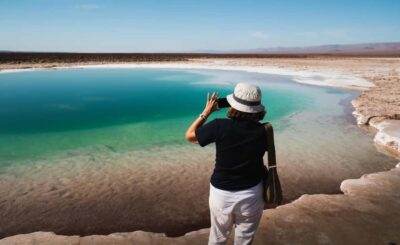
★ 4.7 · 489 reviews - San Pedro Atacama: Baltinache Lagoons
★ 4.6 · 359 reviews
Heading Up the Andes: The Ride From San Pedro de Atacama
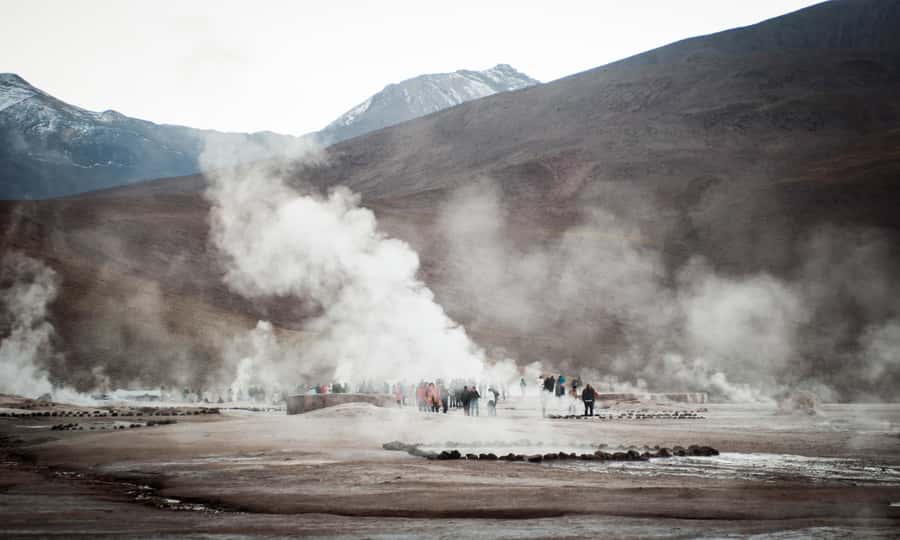
One of the best parts of this tour is simply getting there. You leave San Pedro de Atacama early and head into the Andes, where the roads wind through active and dormant volcanic peaks. It’s not just scenery for the sake of scenery, the elevation and the terrain set the stage for what you’ll see later. As you climb, the air feels sharper and colder, and the geothermal world ahead starts to make sense.
Your day is built around timing, with a sunrise focus at El Tatio. That means you’ll spend time on the bus too. The drive portion is about two hours each way, so plan your comfort for a long, seated morning. The tour includes round-trip transfers from hotels near town. If your hotel is outside the pickup zone, you’ll be told by email what arrangement to use, so it’s worth checking your messages after booking.
Why I think this matters for you: early departures usually mean fewer crowds at the field and better chances to catch the steam during the cold morning hours. The tour is also specific about where you end your day, it finishes at Plazoleta La Apacheta, so you can head back to town without hunting for transport.
El Tatio Geysers: What You’ll See in the 2.5-Hour Walk
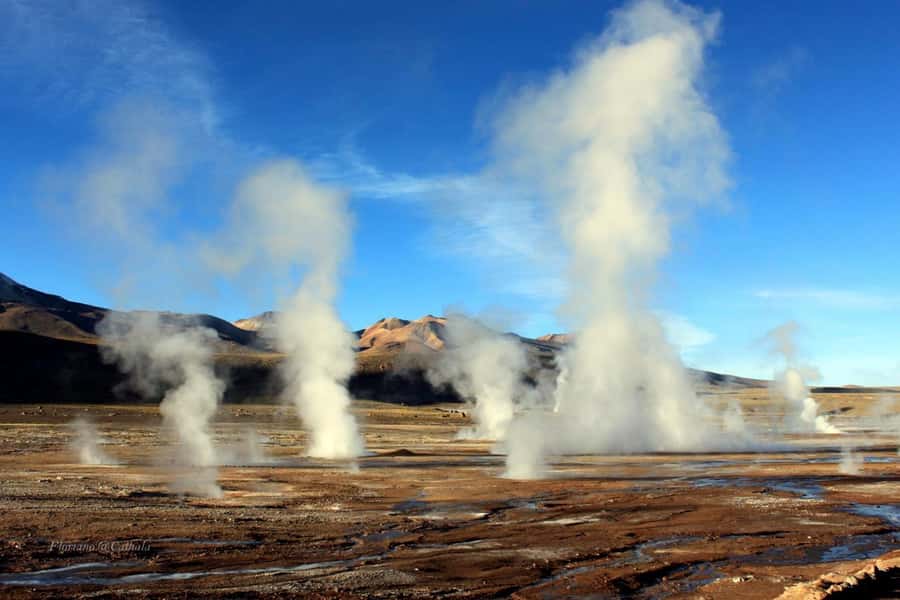
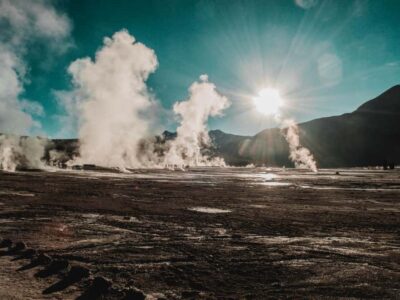
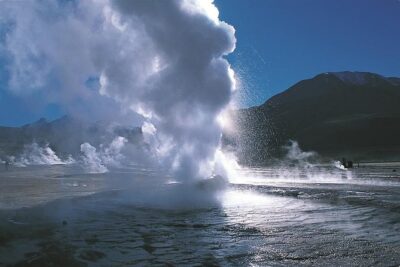
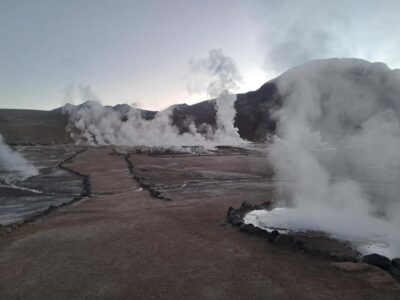
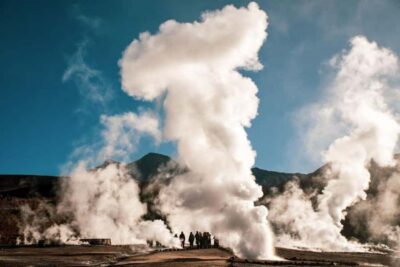
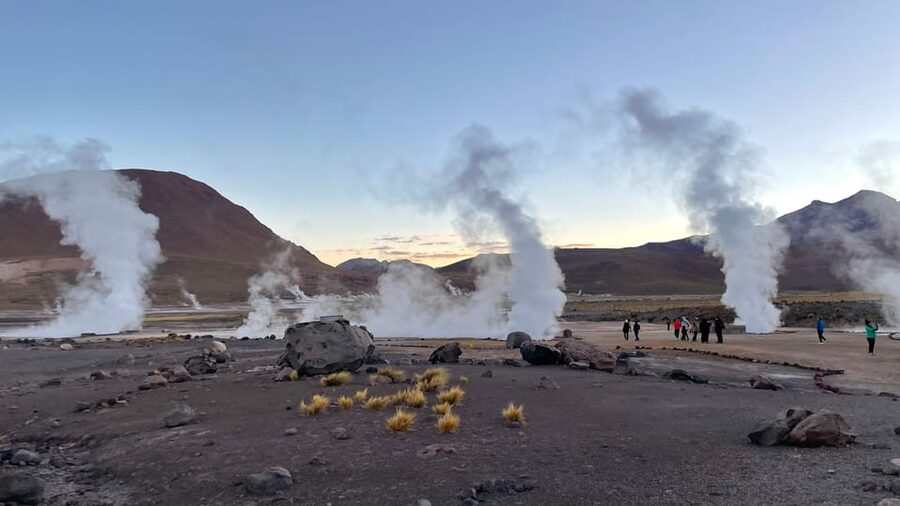
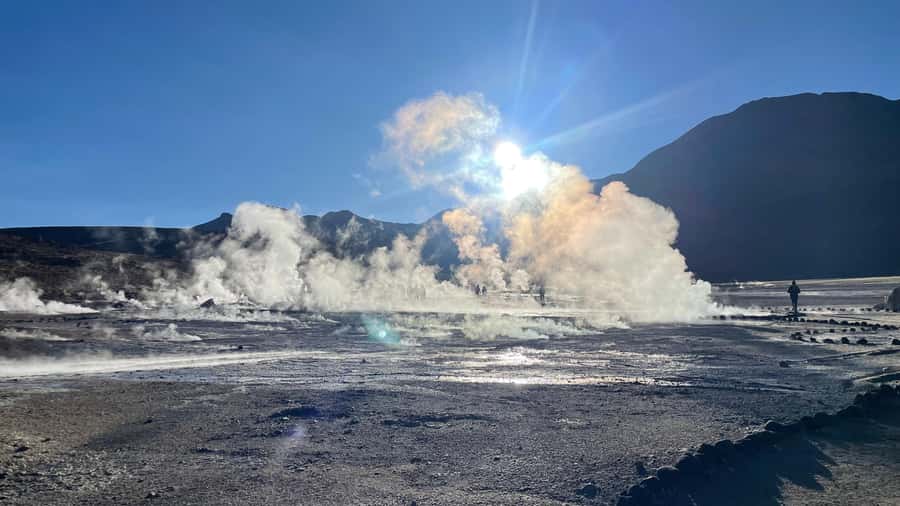
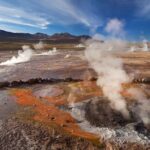
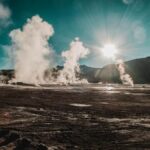
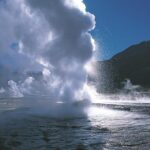
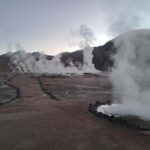
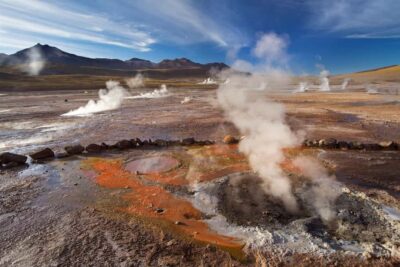
El Tatio is set just over 14,000 feet in the Andes, and that altitude is part of the show. Once you arrive, the geothermal field feels like a film set. Steam rises in multiple directions, and fumaroles vent gas with a steady, powerful presence. The tour centers on walking around the more than 80 active geysers, so you get a sense of how the field works rather than just snapping photos from one spot.
The science, in plain terms, is simple. Heat from magma underground warms water below the surface. Pressure builds, and when it releases, you get those explosive geyser bursts and the constant drama of steam. Standing in that environment, you’re surrounded by geothermal activity, including runoff that feeds smaller streams and ponds as water travels downslope.
If you’re the type who likes to look beyond the headline, this is your kind of place. You’re not only chasing the biggest eruption. You’re also noticing how the field’s warmth shapes the ground, how steam clouds move with the air, and how the runoff collects into brighter water where the geothermal influence shows up visually.
Practical note: at this altitude, even short walks can feel like more work. The tour is not marketed as extreme trekking, but it is outdoors and active. Wear sturdy shoes and expect cold wind, especially in the morning.
Photo Stops and Breakfast: Cold Morning Logistics That Help
The schedule carves out time for photos and for a guided visit, then includes breakfast at the site area before the return ride. That breakfast detail sounds basic, but it’s actually a big deal. At El Tatio you’re dealing with altitude, cold air, and a long day ahead. Having breakfast included right after the main geyser time helps you avoid the classic mistake of going light in the morning and paying for it later.
The tour keeps the on-site portion to about 2.5 hours, which is a thoughtful length. Long enough to walk and see the geothermal features at close range. Short enough that you’re not stuck outside indefinitely in cold conditions. You’ll have guided time mixed with photo stops, so you can focus your camera work when you’re being pointed toward the most active areas.
One consideration for you: the geyser field can be visually intense, with steam drifting everywhere. That’s gorgeous, but it also means visibility can change fast. If you’re photographing, go for a mix of wide shots and closer details, because sometimes the best view is the scene when the steam thins for a moment.
Early starts and hot water: the rest of them
Machuca Wetlands (Bofedal): Birds, Water, and a Small Adobe Town
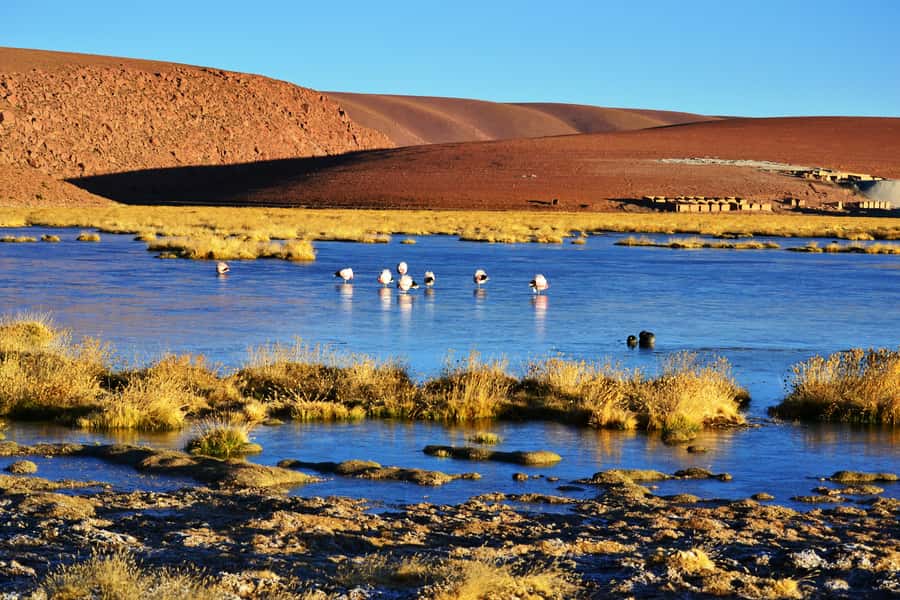
After the geysers, the tour shifts from geothermal power to water and wildlife. You pass through the Machuca wetlands, a slow-flowing area called a bofedal, where flora and fauna find a foothold. This is where the tour changes pace, and I like that it doesn’t treat wildlife as an afterthought.
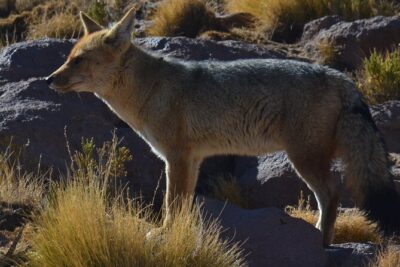
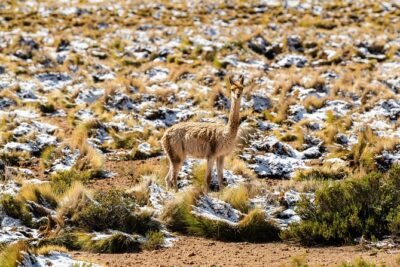
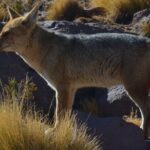
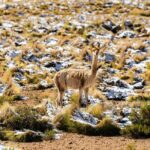
The wetlands are known for birdlife, and you might see species like flamingos, plus the occasional vicuña. Even if you don’t spot the exact animals you hope for, the wetland environment itself gives you something different to look for: shallow water edges, bird movement, and the way water shapes the land at high altitude.
On the way, you also get a look at the town of Machuca. It’s small, with barely twenty houses built from adobe, straw, and cactus wood. That detail helps you connect what you see in nature to how people live nearby, still close to the altiplano realities. It’s not a sightseeing bus ride through a big town, it’s a quick, honest peek at a tiny community in a harsh climate.
Why this section is valuable: most El Tatio trips are purely about the geysers. This one adds wetland ecology, so your day feels more complete, more like a full slice of the altiplano rather than one dramatic stop.
Putana Wetland Views: The Altiplano From an Observation Point
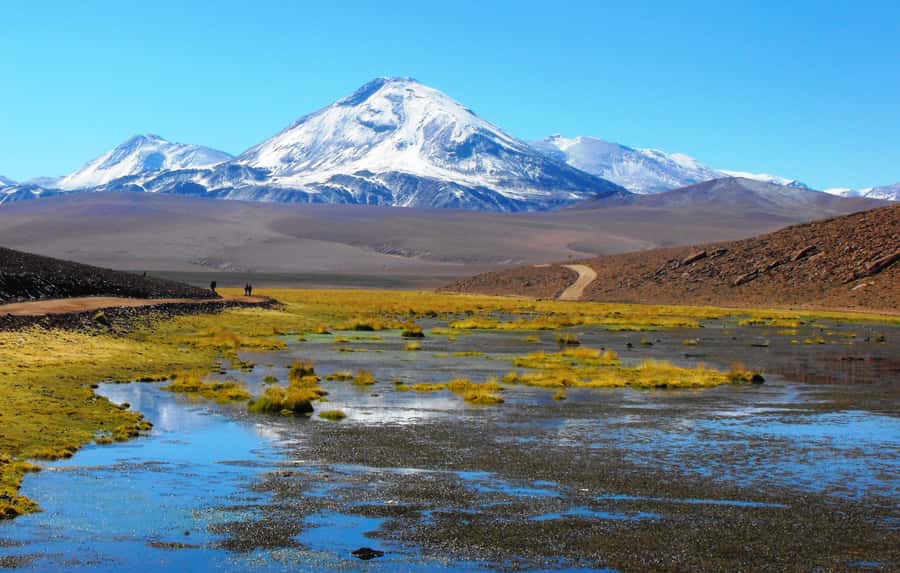
Next up is the Putana wetland, described as a nesting place for migratory birds. If you’re into bird watching, this is one of the most meaningful segments besides the geyser field itself. The wetlands context matters here, because the goal is less about quick animal spotting and more about understanding that these places serve as seasonal habitat.
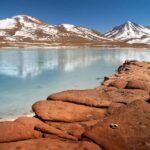
The tour also includes an observation point where you get views of the altiplano, mountain ranges, and volcanoes in the background. Even if clouds or weather shift, the viewpoint still gives you scale. You see how the wetlands sit within a much larger volcanic, high-altitude system.
One practical tip for this stop: bring a jacket even if you think it’ll be warm. Altiplano mornings and afternoons can feel like two different climates, and wind can turn a photo stop into a shiver fast. Layering helps you stay comfortable without losing the chance to look around.
Price and Value: Is $55 a Good Deal for This 8-Hour Day?
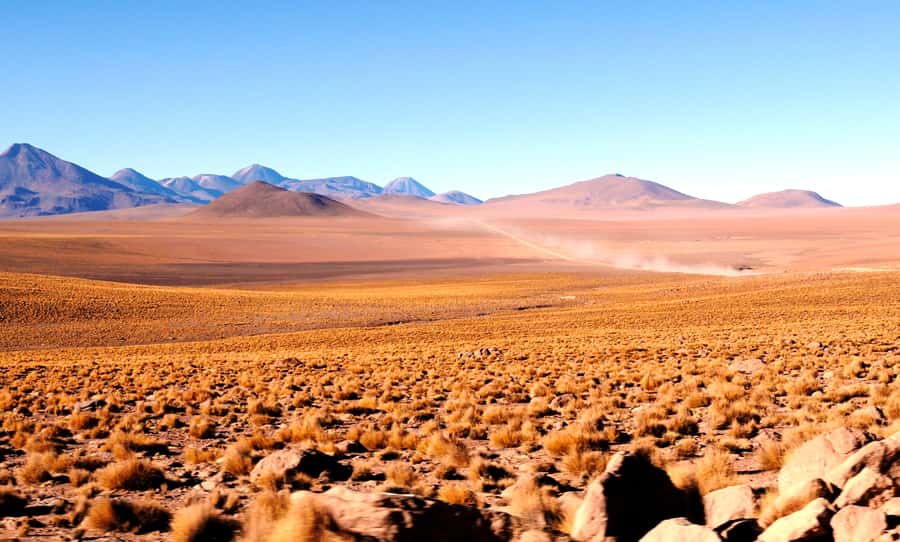
The price listed is $55 per person for an 8-hour experience. For a morning that combines high-altitude geothermal sightseeing, wetland nature time, and guided bilingual commentary, I think the value is solid.
Here’s what your money covers:
- Round-trip hotel-area transfers from near San Pedro de Atacama
- Local breakfast
- Guided tour commentary in English and Spanish
Two costs to keep in mind:
- Entrance fee is not included, about 15,000 CLP per person
- Tips are also not included
So, what’s the real-world value equation? If you’d otherwise pay separately for a driver, a guided walk, and a breakfast stop, the day starts to look like a smart bundle. The extra entrance fee is the main add-on, but the core experience still feels well matched to the time and logistics.
If you’re visiting for the first time and you only have one shot at El Tatio, this tour structure helps. The schedule is tight enough to make the sunrise focus work, without turning the day into a marathon. And because it adds wetlands afterward, you get more than just the main geyser moment.
Who This Trip Fits Best (And Who Should Skip It)
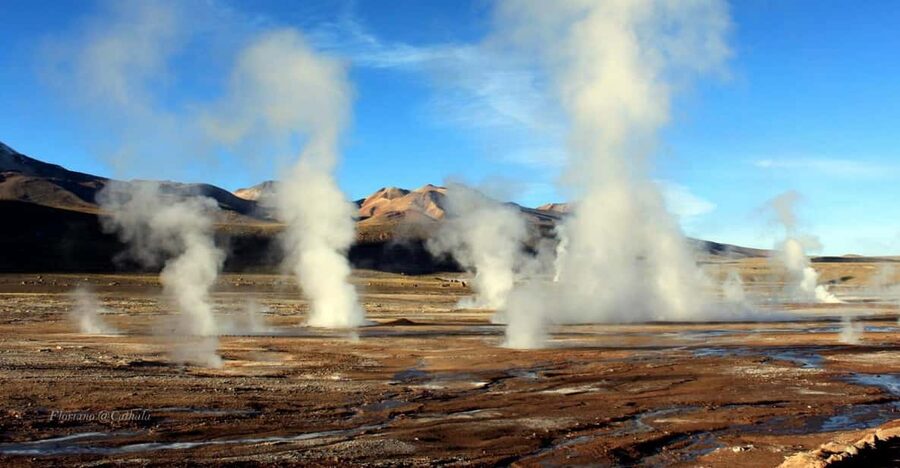
This tour is recommended for people in good general health, with no circulation or breathing issues. Altitude is a big factor, since the geyser field sits above 14,000 feet. If you’re prone to altitude sickness, take precautions, and honestly, be careful. The tour is not suitable for people who have altitude sickness, people with heart problems, pregnant women, wheelchair users, children under 12, and people over 70.
If you meet the health and age guidelines, you’ll likely enjoy it most if you like:
- Nature-heavy mornings
- Guided interpretation (English and Spanish commentary)
- Photography where steam and geothermal colors do most of the work
- Wildlife and wetlands as a second act, not just geysers
If you’re uncertain about altitude, don’t guess. Think through how you react at higher elevations before committing. This isn’t a casual stroll at low elevation, it’s an altiplano day.
Also, pack light. The tour notes that luggage or large bags are not allowed, and alcohol and drugs are not allowed. That restriction is common for tours that move with a coach and spend time walking, but it’s good to plan around it so you don’t feel stressed.
Should You Book the San Pedro de Atacama Tatio and Machuca Tour?
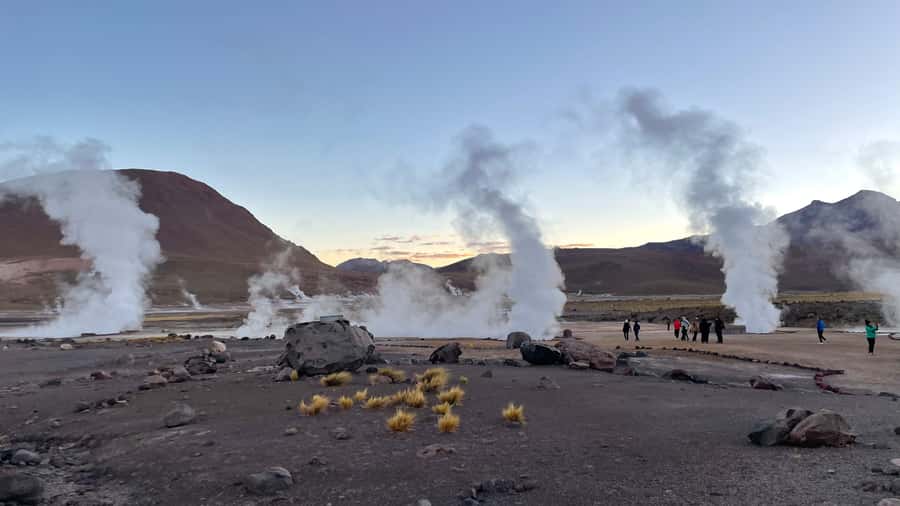
I’d book this tour if you want a one-day, guided way to see both El Tatio and the wetlands ecosystem around Machuca and Putana. It’s a strong fit for couples, solo travelers, and anyone who likes pairing a huge natural sight with smaller, more personal wildlife moments.
Skip it, or at least reconsider, if altitude is a known problem for you, or if you fall into the listed groups for safety and comfort reasons (heart issues, breathing issues, pregnancy, wheelchair users, altitude sickness risk, under 12, over 70). Also be realistic about the cold and early start, bring layers and plan for a longer bus ride.
If you’re traveling through northern Chile and want the day to feel like more than a single stop, this itinerary makes sense. You get geyser drama, wetland calm, and even a quick look at Machuca’s tiny adobe town, all wrapped into an 8-hour morning that gets you back on track for later in the day.
FAQ
How long is the El Tatio and Machuca tour?
The tour duration is 8 hours.
What time does the tour return to San Pedro de Atacama?
You return to San Pedro de Atacama at approximately 12:00 PM.
Where does the pickup happen?
Pickup is included from nearby hotels in San Pedro de Atacama, with three pickup options listed: Hotel Poblado Kimal, La Casa de Don Tomás, and another option at San Pedro de Atacama.
What languages is the tour guide commentary offered in?
The live tour commentary is provided in English and Spanish.
How long do we spend at El Tatio geysers?
The El Tatio portion includes photo stops, a guided visit, breakfast, and sunrise focus, totaling about 2.5 hours.
Is breakfast included?
Yes, local breakfast is included.
Is the entrance fee included in the tour price?
No. The entrance fee is approximately 15,000 CLP per person and is not included.
What is not allowed on the tour?
Luggage or large bags are not allowed, and alcohol and drugs are not allowed.
Who is this tour not suitable for?
It is not suitable for children under 12, pregnant women, people with heart problems, wheelchair users, people with altitude sickness, and people over 70.
Is free cancellation available?
Yes, you can cancel up to 24 hours in advance for a full refund.
Everything Else We Have Reviewed In Chile
Geysers And Thermal Water In The Atacama
Out Of San Pedro Again
Not quite it? Here is the rest of what we have reviewed around Chile

More in San Pedro de Atacama Tours.
 ★ 4.7El Tatio Geysers TourFrom $70943 reviews
 ★ 4.8Etno-Stargazing Tour with TransferFrom $41629 reviews
 ★ 4.7Stargazing ExperienceFrom $35489 reviews
 ★ 4.6Baltinache LagoonsFrom $70359 reviews
 ★ 4.4Valle de la Luna Guided TourFrom $63312 reviews
 ★ 4.63-Day Activity Combo with 4 ToursFrom $233247 reviews
 ★ 4.5Astronomical Tour with Guide and Pick Up San Pedro de AtacamaFrom $38145 reviews
 ★ 4.5Valle de la Luna (Moon Valley) from San Pedro de AtacamaFrom $47145 reviews
Browse the lists this tour appears in