
Review · ATACAMA
From San Pedro de Atacama: Lagoons and Piedras Reds
Salt flats and high lagoons, in one day. This tour strings together Toconao, Laguna Chaxa, and the Andes highlands for big Atacama views without feeling rushed.
I especially like the birdwatching around the lagoons, with plenty of chances to stop, walk a little, and take photos. I also love how the day includes real village life in Toconao and Socaire, not just scenery.
One thing to consider is the altitude and the long day. You will reach around 4,200 meters at the Miscanti and Meñiques lagoons, and the tour is not suitable for people with altitude sickness or serious health issues.
In This Review
- Key things you will notice right away
- Why this San Pedro day trip covers so much Atacama
- Small-group comfort, and what pickup feels like
- Toconao first: crafts, quiet charm, and real village texture
- Laguna Chaxa in Los Flamencos Reserve: the salt-flat edge works
- Socaire: the church stop that explains the farm life
- Up to the Altiplano: Miscanti and Meñiques at 4,200 meters
- The Talar Salt Flat and the Red Stones finish strong
- Wildlife, birds, and plants, what to actually look for
- Timing, food, and the 12-hour rhythm
- Price and value: is $99 a good deal for this route?
- Who should book (and who should skip)
- Should you book this Atacama Lagoons and Red Stones tour?
- FAQ
- How long is the tour from San Pedro de Atacama?
- What does the tour include?
- Are national park tickets included?
- Where does the tour go during the day?
- What should I bring?
- What wildlife and birds can I look for?
Key things you will notice right away
- Small-group vibe (up to 12 people), with more time to pause and look, not just get shuffled along.
- Laguna Chaxa in Los Flamencos National Reserve, where the salt-flat edge and wildlife sightings often steal the show.
- Socaire’s church and agriculture stop, a good reality check on how people live in the Altiplano.
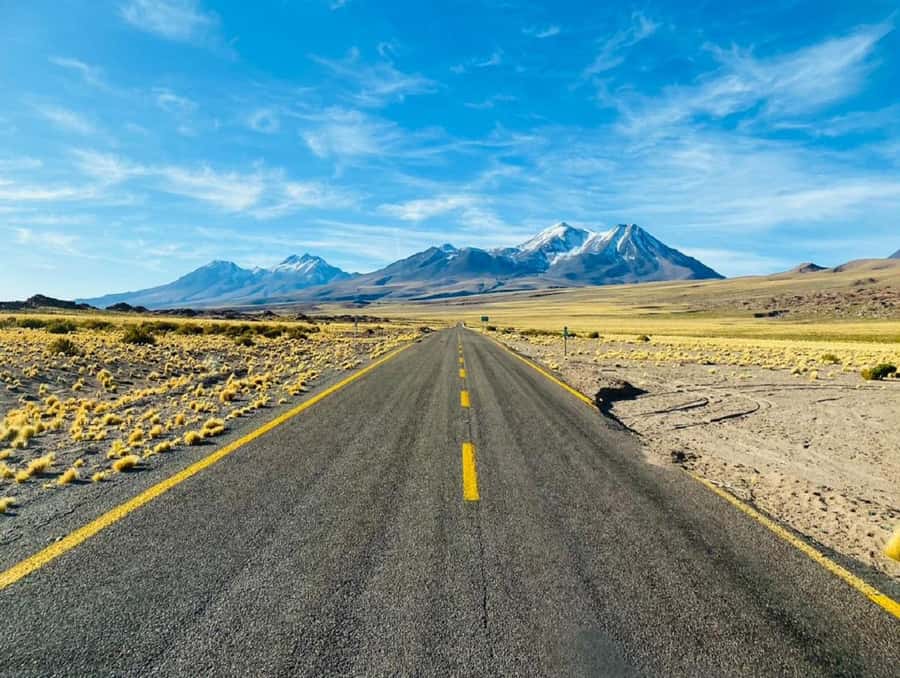
- Miscanti and Meñiques lagoons at 4,200 meters, surrounded by volcano shapes and high Andean relief.
- Red Stones at Talar Salt Flat, where oxidation and weathering literally paint the ground.
- A guide who actually helps you see, including binoculars for spotting birds (when provided).
Other ways out of San Pedro into the desert
- San Pedro de Atacama: El Tatio Geysers Tour
★ 4.7 · 943 reviews - San Pedro de Atacama: Etno-Stargazing Tour with Transfer
★ 4.8 · 629 reviews - San Pedro de Atacama: Stargazing Experience
★ 4.7 · 489 reviews - San Pedro Atacama: Baltinache Lagoons
★ 4.6 · 359 reviews
Why this San Pedro day trip covers so much Atacama
If you have one full day in San Pedro de Atacama and you want variety, this is a strong pick. You start in a desert town world, then you move through salt-flat zones, village stops, and finally high-altitude lagoons.
What makes the route work is the way each stop changes the experience. You are not just watching salt and rocks. You are also learning how the terrain shapes daily life, seeing different parts of the Los Flamencos National Reserve system, and ending with a distinctive color shift at the Talar Salt Flat.
The pacing is built around multiple photo stops and short walks. That matters, because at altitude you do not want long, exhausting hikes on a tight schedule. This tour keeps your feet moving enough to enjoy the place, without turning the day into a grind.
Small-group comfort, and what pickup feels like
This is a small group tour limited to 12 participants, and it runs with a professional guide plus transportation by Jeep or SUV. That vehicle choice helps for comfort on desert roads and keeps the group together.
Pickup is included from your hotel or accommodation in San Pedro de Atacama. The only practical thing to know is that timing can be communicated late. I would plan for a message close to departure, and keep your phone available the evening before or early morning. In San Pedro, many agencies operate that way, so do not assume you will get a nicely fixed schedule weeks in advance.
Language options are Spanish, English, and Portuguese, which is useful if you are traveling with friends who prefer a specific language. And because the guide leads the walking and safety briefings, you spend less time figuring out where to stand and more time looking at what matters.
Toconao first: crafts, quiet charm, and real village texture
Toconao is a town you might feel more than analyze. The atmosphere is calmer than the main San Pedro strip, with simple streets, local architecture, and crafts that you can actually browse without the pressure of a big tourist bazaar.
On this itinerary, Toconao is one of your earlier stops, after your morning drive from San Pedro and a break for breakfast in the desert. You get time for a guided visit, sightseeing, and walking, plus photo stops. That combination matters. You can look around, hear context from your guide, and still have enough freedom to wander a little.
What to pay attention to here:
- Crafts and local architecture, which help you understand why the town stands out visually in the Atacama region.
- The pace. Toconao gives you a reset before the reserve and the higher-altitude points.
- The vibe. Even if you are not buying anything, it feels like a real place, not an open-air set.
The potential downside is also simple. If you are the type who wants long guided explanations at every stop, Toconao might feel like it gives you enough to enjoy, then moves you on.
Laguna Chaxa in Los Flamencos Reserve: the salt-flat edge works
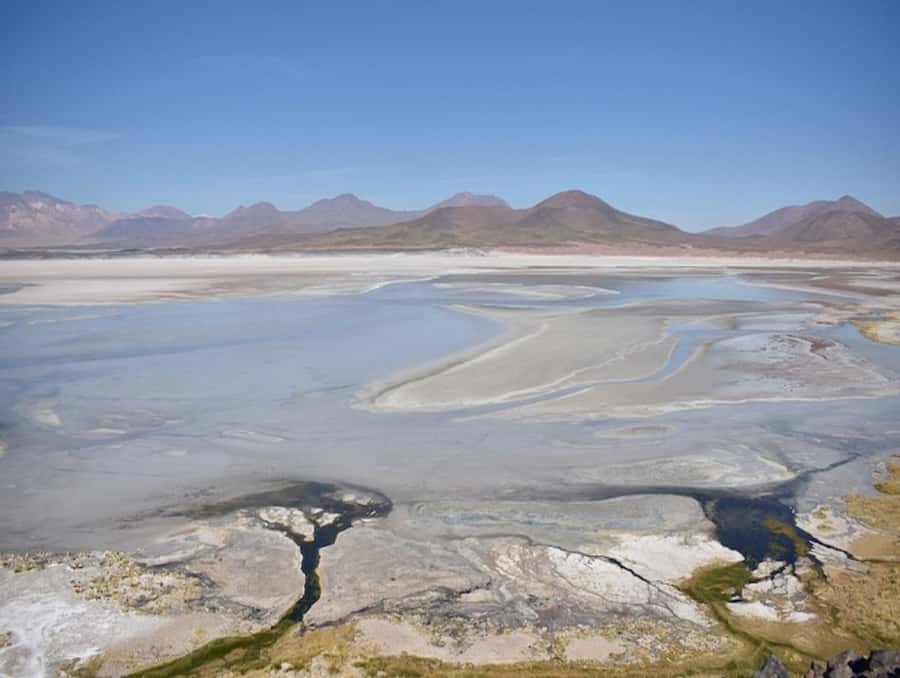
Los Flamencos National Reserve is the heart of this day, and Laguna Chaxa is where you first get that classic Atacama lagoon feeling. The tour brings you into the Soncor sector of the reserve, which is a key area for lagoon views at the salt-flat margins.
You will enjoy a visit with a guided component, walking time, scenic driving, and photo stops. Practically, that gives you options. If conditions are windy, you can still work your camera from safer spots. If you get a calm moment, you can slow down and scan the waterline and surrounding areas.
This is also one of the best parts of the day for wildlife spotting. Keep your eyes open for birds such as the horned coot and the Andean flamingo, plus other species listed for the route.
If your guide provides binoculars, use them. At this altitude and distance, binoculars can turn a vague “maybe that’s a bird” moment into a confident sighting.
The drawback to note is visibility. Salt-flat and high-desert light can be intense, and some days have stronger wind. Bring sunglasses, and expect that some views will be more dramatic in certain weather rather than all-day perfect.
Socaire: the church stop that explains the farm life
Socaire is not just a photo stop. It’s the point in the day where the tour shifts from natural scenery to how people manage life in this environment.
You get time in Socaire for:
- A visit and guided tour
- Walking time
- A church visit
- Time to learn about local agriculture
The church stop is meaningful because it anchors the village story. Then the agriculture piece helps you understand how water, land, and seasonality shape what grows here. Even without being an agriculture specialist, you can usually connect the dots fast once your guide explains what the community focuses on.
This stop also works as a comfort break. You get a break time here, and it breaks up the later high-altitude sections. In other words, Socaire keeps the day from becoming one long “look at nature” sequence.
One consideration: if your main goal is birds and lagoons, Socaire may feel slower than the reserve stops. I still think it’s worth it because it adds context, and it makes the rest of the day feel more grounded.
Up to the Altiplano: Miscanti and Meñiques at 4,200 meters
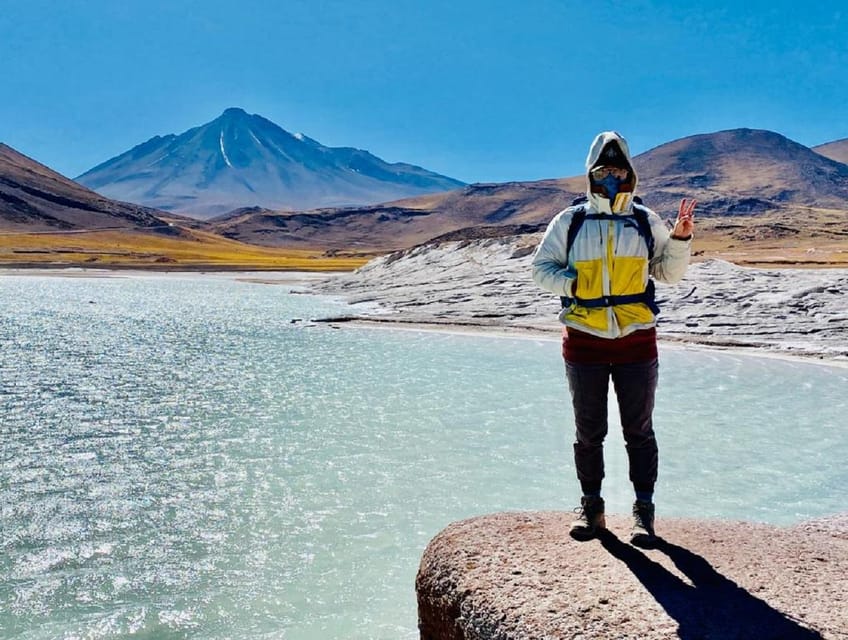
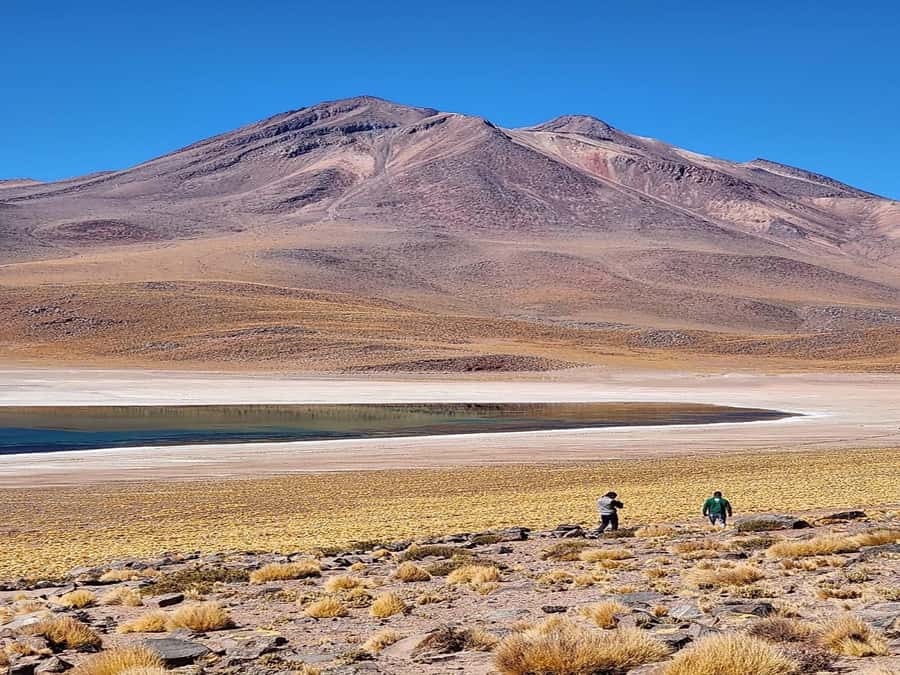
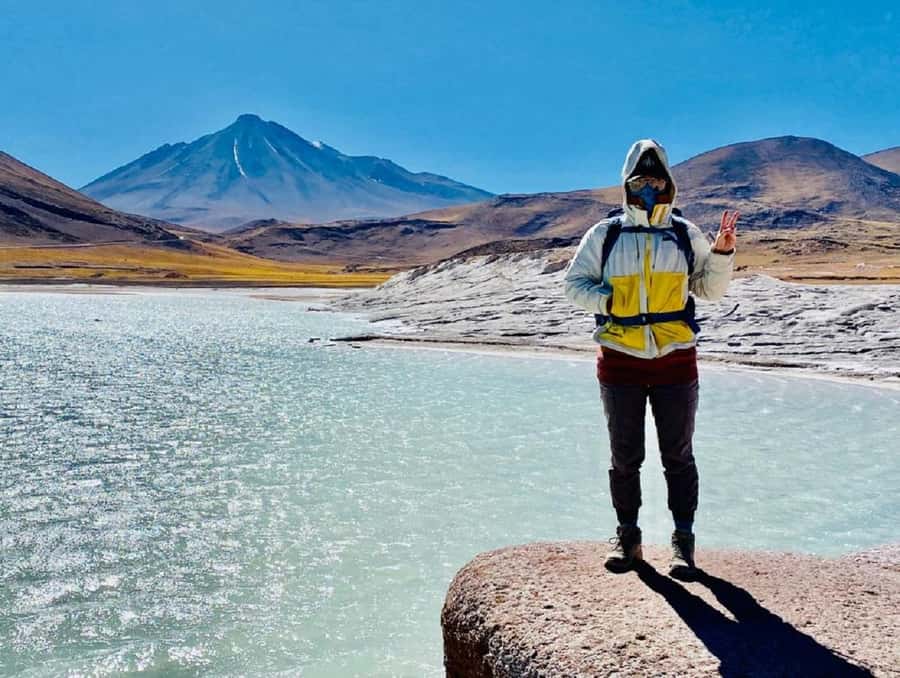
This is the big payoff section of the tour. Miscanti Lagoon and Meñiques Lagoon sit in the Los Flamencos National Reserve system at around 4,200 meters above sea level. That number matters because it changes how you feel and how you should pace yourself.
Expect photo stops, guided walking time, and scenic views on the way. You will also be surrounded by striking geological forms, including volcano shapes such as the Miscanti Hill and the Meñiques Volcano.
Wildlife viewing is a major reason people love this part of the trip. The route lists species to look for, including:
- Andean flamingo
- Baird’s sandpiper
- puna plover
- Andean duck
- Andean goose
- horned coot
A quick practical tip: at altitude, you will tire faster than you expect. Take short pauses. Focus on the next sighting rather than trying to do everything at once. If your guide gives binoculars, it’s also the perfect moment to use them, since some birds might be far out on the water.
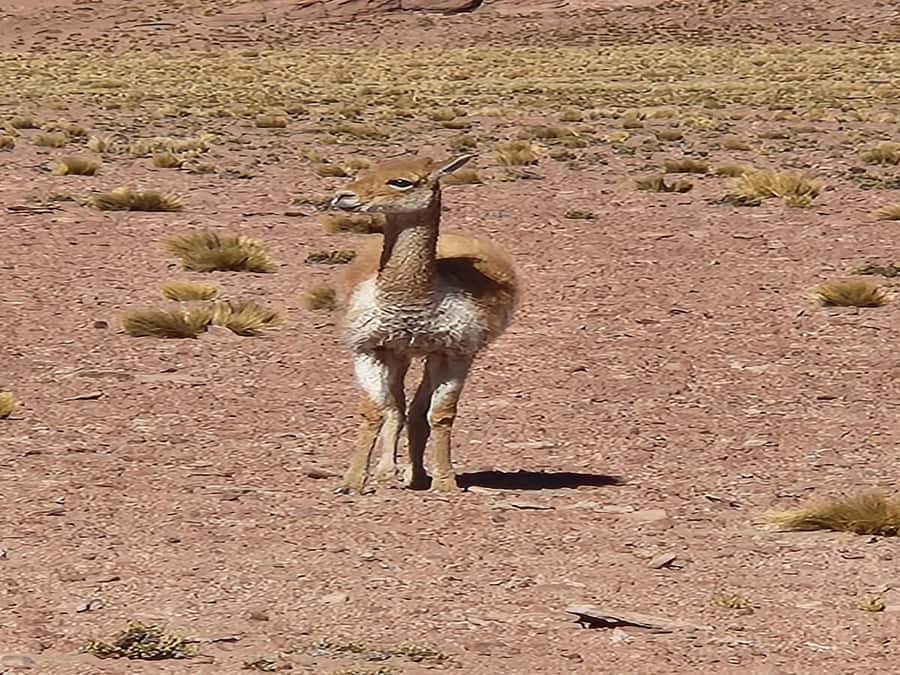
Also pay attention to the ground cover. The tour notes cushion plants and grasses as key local flora. Even if you are photographing the big views, it helps to look down for the details that survive here.
If you are worried about altitude, do not treat this section casually. This tour is not suitable for people with altitude sickness, and it is not aimed at anyone who struggles with breath or heart-related conditions.
The Talar Salt Flat and the Red Stones finish strong
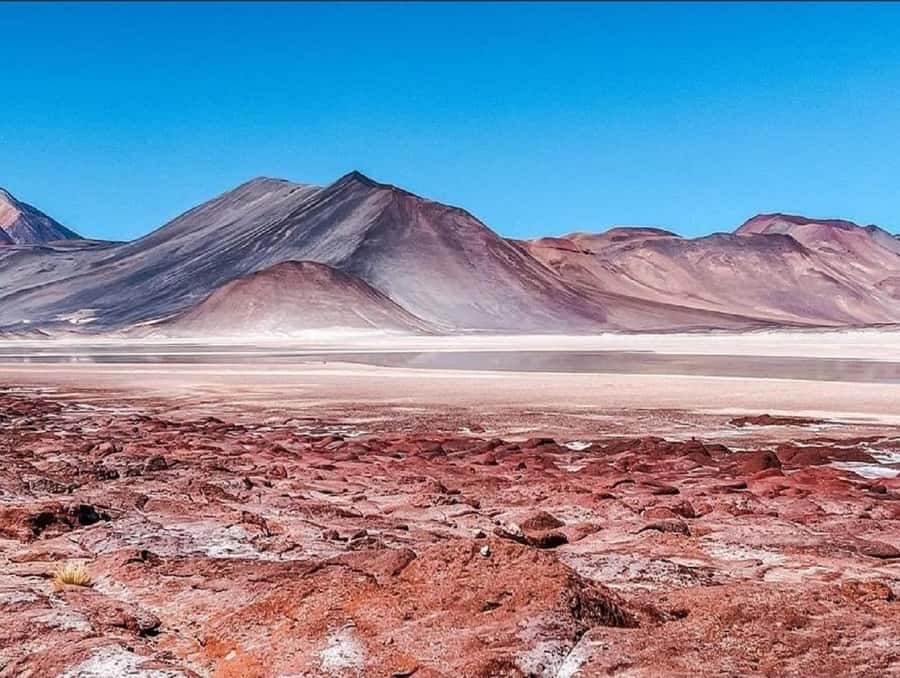
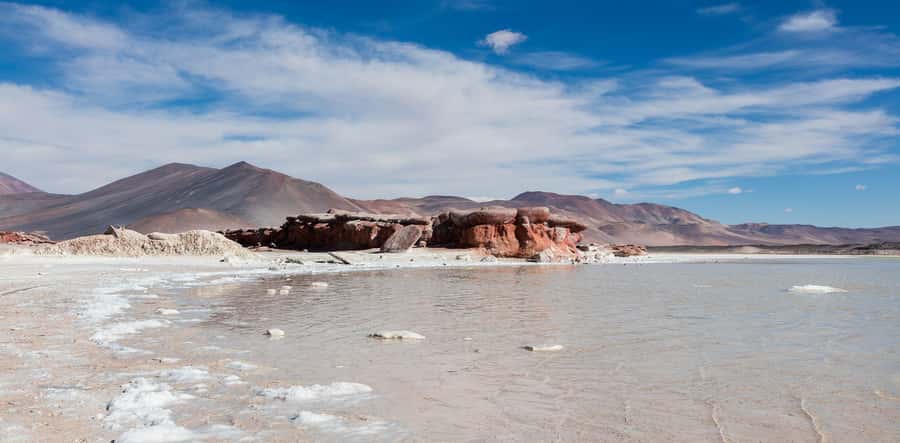
After the lagoons, the route shifts to the Talar Salt Flat, known as the Red Stones. This stop is memorable because it changes the color story of the day. The rocks show natural oxidation and weathering, which creates a dramatic, textured ground surface.
You will likely take photos here and enjoy the view at a relaxed pace. This is a good closing scene because it’s different from the water and different from the village streets. It gives you something graphic to remember.
The best part is that the Red Stones feel like a place you can understand immediately through visuals. There is no need for technical knowledge to get it. The color and the weathering do the talking.
One thing to keep in mind: desert sun can intensify later in the day, so protect your eyes and skin. Warm layers are still important, because high desert nights can cool fast.
Wildlife, birds, and plants, what to actually look for
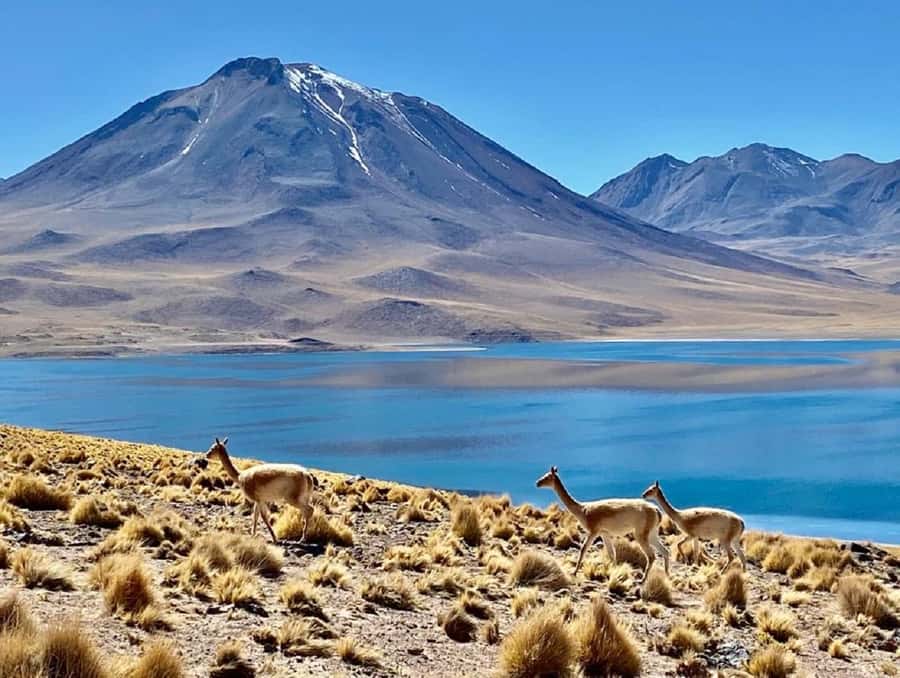
This tour is built for wildlife spotting, and it gives you the right mix of lagoon edges, salt-flat margins, and walking viewpoints to make birds possible.
When you are scanning:
- Look for movement first, then confirm with binoculars if available.
- Check water edges and shallow zones around the lagoons.
- Keep an eye on the skies too, since some species are more mobile than you expect.
The tour explicitly lists wildlife you might see, including the Andean flamingo and several waders and water birds. It also mentions local flora dominated by cushion plants and grasses, which is a helpful reminder that the landscape supports life in a very specific way.
A practical note: bring patience. Bird sightings in the Andes can be quick. If you find yourself impatient, you will miss the moments when a bird lifts, feeds, or calls out. This is a day where steady watching pays off.
Timing, food, and the 12-hour rhythm
The tour runs for about 12 hours, starting with pickup in San Pedro de Atacama. The route includes:
- Desert travel with a break for breakfast
- Additional travel time before reaching the reserve
- Time at Los Flamencos and in the Altiplano
- A lunch stop during the middle of the day
- Breaks plus photo stops at Toconao and Socaire
Food is included as packed breakfast and lunch, which is a real value in this region. Atacama travel days can mean long gaps between meals, and included food reduces your stress. It also lets you focus on the day rather than searching for a restaurant between remote stops.
The pace is generally walking-friendly, but not “light stroll only.” You will do short walks at multiple places, including the reserve and village stops. Wear comfortable shoes because salt flats and rocky paths can be uneven.
Weather is another timing factor. Even if the sun is strong, temperatures can swing at altitude. Bring warm clothing, not just a light layer. Sunscreen and water are essential, and the tour explicitly recommends both.
Price and value: is $99 a good deal for this route?
At $99 per person, this tour can feel like a bargain if you compare it to the cost and hassle of trying to stitch together lagoon visits, village time, and reserve entry separately.
Here’s what you get for the price:
- Hotel pickup in San Pedro
- Transportation by Jeep/SUV
- Professional guide
- Socaire stop
- Packed breakfast and lunch
What is not included:
- National parks ticket
- Personal expenses
So the value depends on how much you pay for the reserve ticket at the time of booking or at entry. Even then, the guide and transport save you from planning multiple legs, and the small group size tends to mean less waiting.
My view: if you are trying to make the most of a short stay in San Pedro, this route earns its cost. You’re buying convenience plus a day plan that connects several iconic areas without you doing the driving or logistics.
Who should book (and who should skip)
This is best for:
- Adults who want a full-day overview of Laguna Chaxa, Socaire, and the Miscanti and Meñiques lagoons
- Bird lovers who like looking with guidance and staying at accessible viewpoints
- People comfortable with altitude up to around 4,200 meters
It is not suitable for:
- Children under 10 (and also not for under 11 or under 12, based on the listing’s age guidance)
- Pregnant women
- People with back problems
- People with heart problems
- People with respiratory issues
- People with altitude sickness
- Very young babies and very elderly participants (the tour lists specific upper age limits)
If you fall into any of the health or age categories above, I’d take that seriously. This route is beautiful, but it is also physical and high-altitude.
Should you book this Atacama Lagoons and Red Stones tour?
Book it if you want one day that covers real Atacama village culture plus two lagoon highlights plus the Red Stones finish, with a small group, included food, and a guide who helps you actually see wildlife.
Skip it if you need a low-altitude, low-walking day, or if your health situation makes 4,200 meters a risk. Also, if you hate being on a fixed schedule for 12 hours, you may find the repeated travel segments feel long, even though breaks are built in.
If you are deciding, ask yourself this: do you want the kind of day where your camera fills up with lagoon water, birds, and red rock textures, and you also get a bit of local life in Toconao and Socaire? If yes, this is a very practical way to do it from San Pedro.
FAQ
How long is the tour from San Pedro de Atacama?
The duration is listed as 12 hours.
What does the tour include?
It includes hotel pickup, a professional guide, transportation by Jeep/SUV, Socaire, and packed breakfast and lunch.
Are national park tickets included?
No. National parks tickets are not included.
Where does the tour go during the day?
You visit Toconao, Laguna Chaxa in Los Flamencos National Reserve, Socaire (including a church and agriculture learning stop), Miscanti and Meñiques lagoons (around 4,200 meters), and the Talar Salt Flat, the Red Stones.
What should I bring?
Bring comfortable shoes, warm clothing, a camera, sunscreen, and water.
What wildlife and birds can I look for?
The tour notes that you may see species such as the horned coot, Andean flamingo, Baird’s sandpiper, puna plover, Andean duck, and Andean goose.
Everything Else We Have Reviewed In Chile

Out Of San Pedro Again
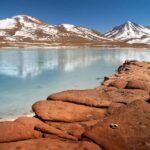
Not quite it? Here is the rest of what we have reviewed around Chile


More in San Pedro de Atacama Tours.
 ★ 4.7El Tatio Geysers TourFrom $70943 reviews
 ★ 4.8Etno-Stargazing Tour with TransferFrom $41629 reviews
 ★ 4.7Stargazing ExperienceFrom $35489 reviews
 ★ 4.6Baltinache LagoonsFrom $70359 reviews
 ★ 4.4Valle de la Luna Guided TourFrom $63312 reviews
 ★ 4.63-Day Activity Combo with 4 ToursFrom $233247 reviews
 ★ 4.5Astronomical Tour with Guide and Pick Up San Pedro de AtacamaFrom $38145 reviews
 ★ 4.5Valle de la Luna (Moon Valley) from San Pedro de AtacamaFrom $47145 reviews
Browse the lists this tour appears in