
Review · VALPARAÍSO
Valparaiso: Street Art, Funiculars and Port City Tour
Valparaiso climbs faster than you expect. In just 2 hours, you ride classic funiculars, walk hilltop lanes to understand street art, and finish with bay views. It is a tight route that helps you see why this UNESCO hillside city looks the way it does.
I love how the guides compare old Valparaiso photos with what you see now, which makes the murals and neighborhoods feel personal instead of random wall paint. I also love the people-first approach from guides like Alex, Benjamin, and Maria, including thoughtful stops where you can ask questions and soak up local context at a comfortable pace.
One drawback to plan for: the route involves hills, stairs, and narrow streets, so it is not suitable for pregnant women, people with mobility impairments, or anyone dealing with altitude sickness.
In This Review
- Key highlights I think you will care about
- How the 2-hour route gives you the key Valparaiso hills
- Starting at Muelle Prat, then straight to Plaza Sotomayor and the port
- El Peral funicular: the fast way up for panoramic Cerro views
- Street art in the narrow streets, with real artist context
- Pasajes and heritage stops: Italian Bavestrello to Calle 13 stairs
- Piano Staircase, plus the passages that make Valparaiso feel walkable
- Atkinson and the British-German belt: schools, churches, and terrace viewpoints
- Church stops in the hills: Lutheran Holy Cross and the Anglican Saint Paul Cathedral
- Ending at Ascensor Reina Victoria, with a smart plan for lunch
- Price and value: what $41 buys you in Valparaiso
- Who should book this tour, and who should skip it
- Should you book this Valparaiso Street Art and Funicular Tour?
- FAQ
- Where does the tour start?
- How long is the tour?
- What is included in the price?
- Is food or drinks included?
- Which languages are available for the live guide?
- What funiculars are part of the experience?
- Is the tour suitable for everyone?
- What are the cancellation and payment options?
Key highlights I think you will care about

- Meet at Muelle Prat by the two cannons, then get orientation fast
- El Peral funicular brings panoramic views of Cerro Concepción and Cerro Alegre
- Pasaje Gálvez and Calle 13 stair art help you read street art like a story
- Local alfajores included, a tasty break that supports small businesses
- Guides are well connected, often with real community and artist context
More of the port, the hills and the coast road north
- From Santiago: Valparaiso and Viña del Mar Day Tour
★ 4.3 · 643 reviews - Valparaiso: Street Art, Funiculars and Port City Tour
★ 4.8 · 214 reviews - 2 Hour Walking Tour in Valparaiso
★ 5.0 · 109 reviews - Valpo in 1 day: Authentic + Famous! Semi-private walking tour & public transport
★ 5.0 · 84 reviews
How the 2-hour route gives you the key Valparaiso hills
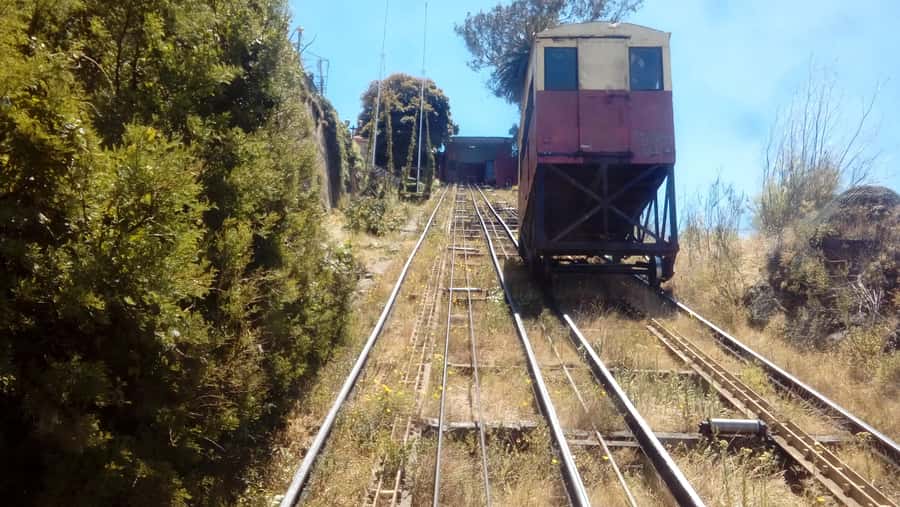
This is the kind of tour that works when you have limited time but still want the real Valparaiso feeling. You do not just point at murals. You walk, ride, and connect the dots between the port city life and the hillside neighborhoods.
You also get a practical rhythm: a short flat start at the port area, then funiculars to save your legs, then more walking through the famous stair-and-passage maze. Guides keep it calm and steady, including for families in the group that need a slower, safer vibe.
At $41 per person for a 2-hour experience, the value is not only the sightseeing. It includes funicular entry tickets plus alfajores, so you are paying for guidance and getting some transport costs folded in. That matters in Valparaiso, where getting around the hills can chew up time.
Starting at Muelle Prat, then straight to Plaza Sotomayor and the port
You begin at Muelle Prat, around the two cannons near the Tourist Information Office. That location is helpful because it keeps you anchored in the port side of the city, where Valparaiso’s story starts.
From there, you get an easy orientation walk to compare old photos of Valparaiso with the modern view. I like this trick because it sets your eyes for what comes next. When you later see painted walls and restored facades, you understand what changed and what stayed.
The tour also visits the port area with a guided stop, then moves to Plaza Sotomayor. Here, you get landmark context including the monument area, the fire department building, and the Chilean Navy Headquarters. This is a useful pairing, because it places the bohemian street art world back into the larger system of a working port city.
El Peral funicular: the fast way up for panoramic Cerro views
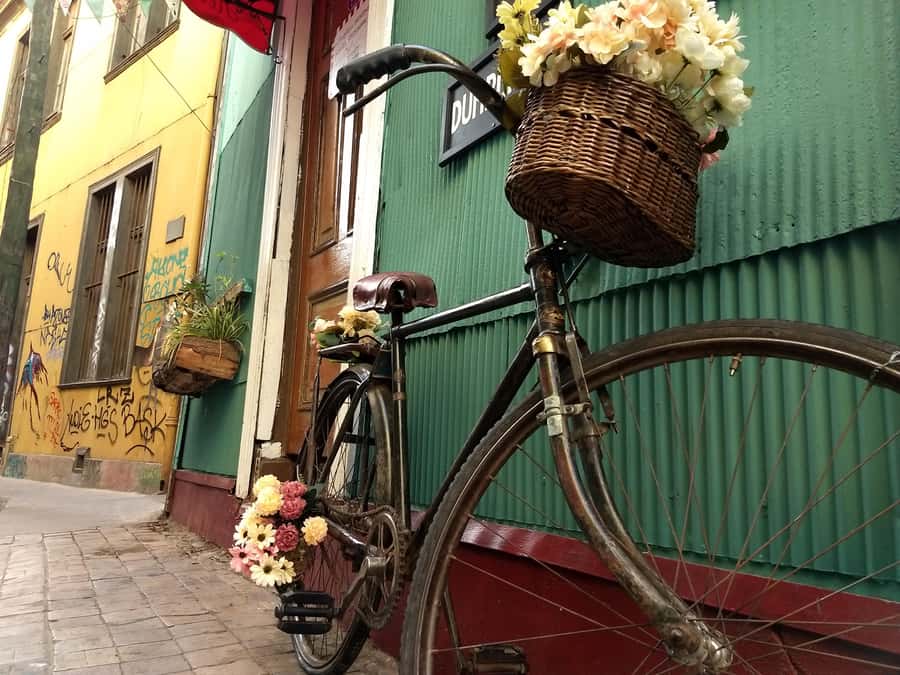
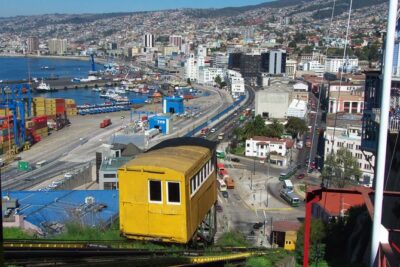
The first big vertical moment is the El Peral funicular. You ride it up to the hills and you get panoramic views as you go, using a system built in the early twentieth century.
El Peral is not just transport, it is part of the viewpoint experience. The angle of the city shifts quickly, and you can see how Cerro Concepción and Cerro Alegre sit above the port. That helps you understand why Valparaiso grew this way and why the neighborhoods feel so layered.
Once you are up, the tour focuses on stories about Cerro Concepción and Cerro Alegre while you move through narrow streets and older spaces. The pacing is designed so you are not sprinting between stops, which makes it easier to actually notice the details in doors, stairways, and walls.
More Chilean cities, half a day at a time

Street art in the narrow streets, with real artist context
Where this tour shines is how it turns street art into meaning. You walk through public cultural interventions, see colonial houses and mural-heavy passages, and you learn how the artwork connects to local identity and social commentary.
A strong theme across the guides you will likely meet, including Alex and Grex, is connection. They tend to know people, and they often guide you toward understanding the why behind a mural, not just the what. That is what makes a street art tour feel more like learning and less like doing a checklist.
Stops like Pasaje Gálvez Arte Callejero Valparaíso give you the wall-to-wall experience in a managed way. You also get additional famous mural moments along the route, including a colorful staircase area tied to Calle 13 and the mural called We are not hippies, we are happies.
If you like photography, you will have plenty of chances. The murals are not flat. They sit on steep facades, near balconies, and along stair landings, so your pictures naturally include the hillside setting.
Pasajes and heritage stops: Italian Bavestrello to Calle 13 stairs

Between the major viewpoints, the itinerary threads in smaller passages that explain how different immigrant and local communities shaped Valparaiso. One of these stops is Paseo Yugoslavo, followed by Pasaje Bavestrello, a passage that highlights Italian heritage and how people shared community life in the past.
These moments are short, but they matter. When you see murals and modern street art later, you can connect the styles and themes to neighborhood history instead of treating everything as decoration.
The route also includes time to slow down in places where you can browse. You pass by restaurants, cafeteria spots, art galleries, and souvenir shops where you can pick up crafts, jewelry, magnets, and other small keepsakes. Even if you do not buy much, it is a good way to feel how locals spend afternoons in Valparaiso.
And yes, you will hit the famous colorful stairs connected to Calle 13, which makes for a fun photo stop. It is one of those Valparaiso moments that helps even first-time visitors feel the city’s creative energy right away.
Piano Staircase, plus the passages that make Valparaiso feel walkable
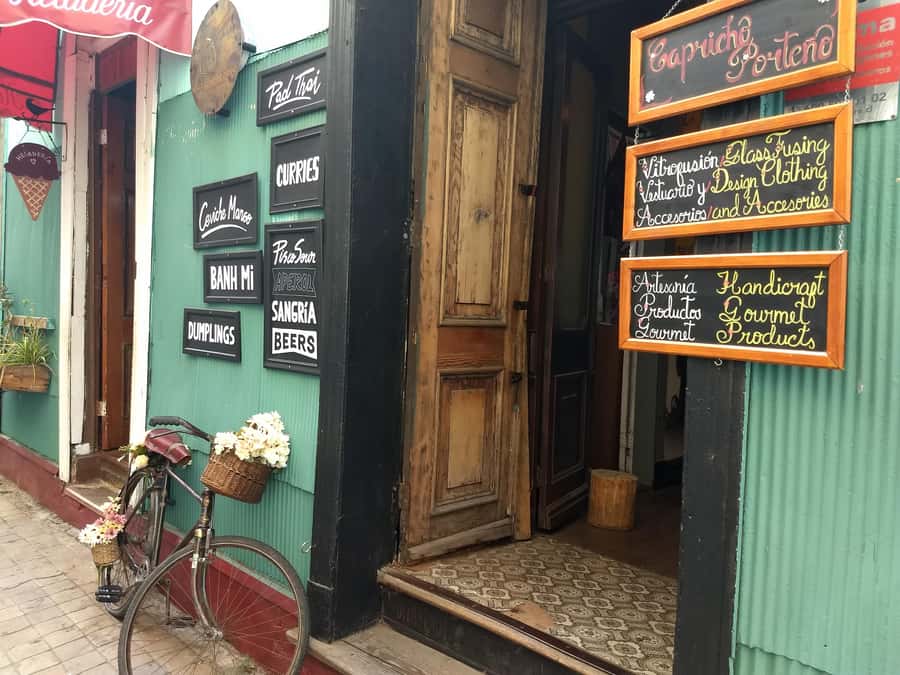
Valparaiso is famous for its hills, but it is the passages and stairs that create the texture. The tour includes Paseo Gervasoni and then Ascensor Concepcion, which keeps the walking manageable while still letting you experience the hillside street system.
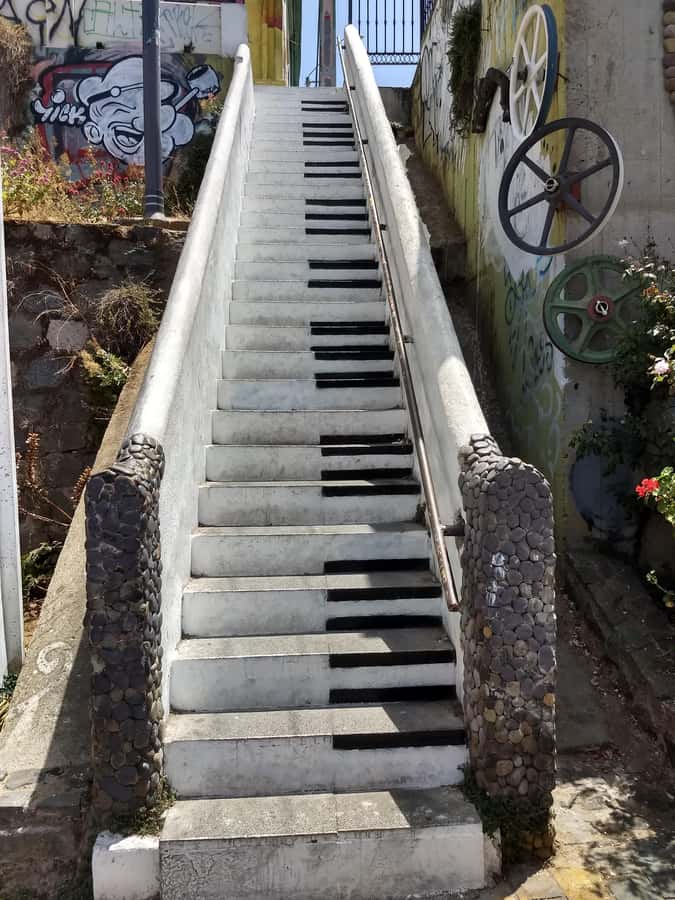
One of the star stops is the Piano Staircase. It is not just a quirky photo op. It reflects how Valparaiso turns public space into art and playful culture. When you pair it with the mural stops, you start seeing a pattern: art is not only on walls. It is built into daily routes.
You also visit Paseo Dimalow in Cerro Alegre, which helps you understand the neighborhood’s layout and gives views over the hills. Importantly, the tour ends with your guide pointing out how to return and where to eat next, so you can keep exploring without wandering blindly.
Atkinson and the British-German belt: schools, churches, and terrace viewpoints
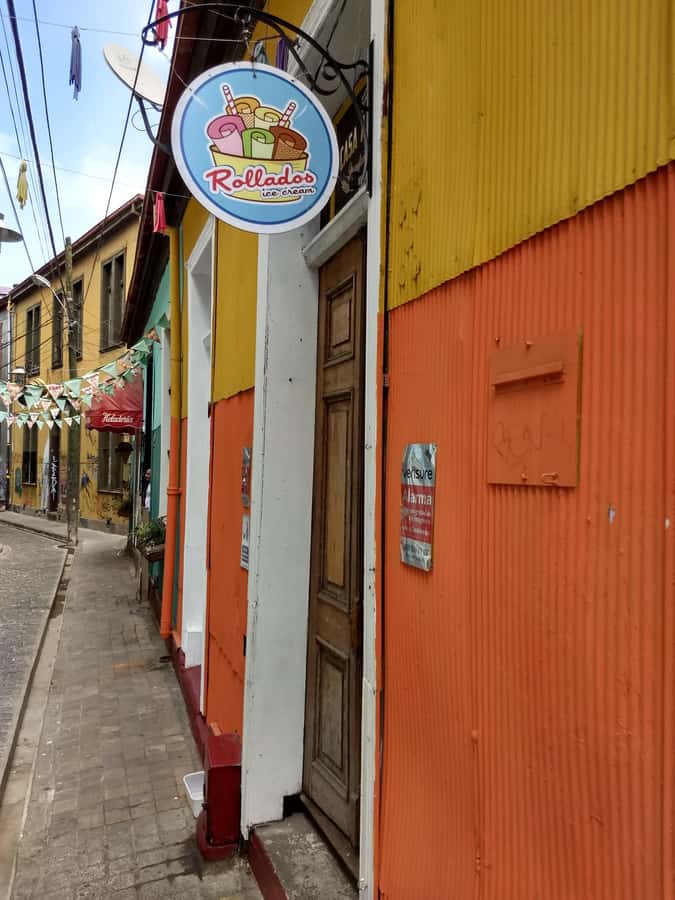
As you move through Cerro Alegre and toward more heritage-heavy streets, Paseo Atkinson brings a different feel. This is where you see British influence in houses and gardens, plus viewpoints that let you look out over the city.
Along the way you pass the Deutsche Schule of Valparaíso, which signals the German heritage of the city. This type of stop is helpful because it gives context for why different neighborhoods have distinct architecture and community traditions.
You also get a major food-and-view style moment with Brighton Restaurant, which offers a panoramic view from its terrace. The tour does not promise you a full meal here, since additional food and drinks are not included, but it gives you a clear idea of where to return later for lunch or a relaxed afternoon.
Another highlight for architecture and memory is Hotel Manoir Atkinson. You will learn about the building techniques used on big walls to resist environmental conditions across seasons. It is a small education that makes the facades feel less random and more intentional.
Church stops in the hills: Lutheran Holy Cross and the Anglican Saint Paul Cathedral
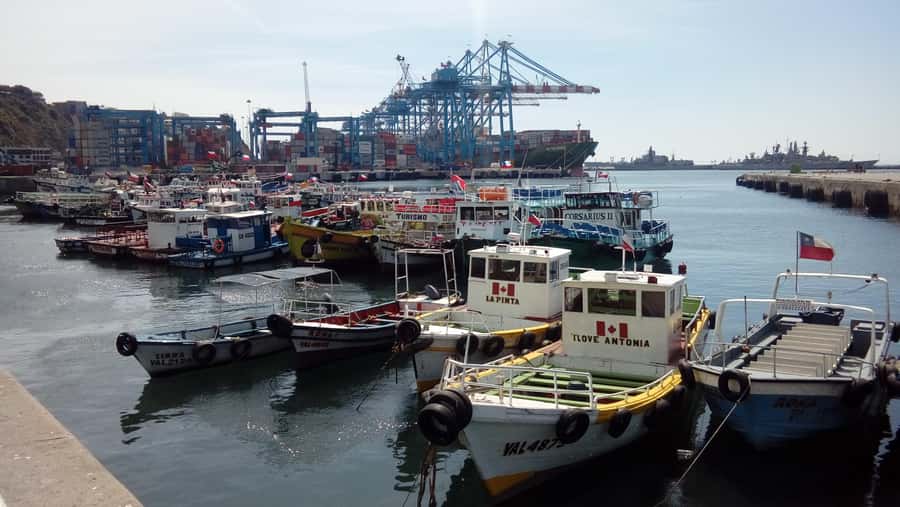
If you want Valparaiso beyond murals, church stops add important structure. The tour includes the Lutheran Church of the Holy Cross, built in 1897, and the Anglican Saint Paul Cathedral, one of the earlier hill churches built to support community life.
You also pass the Pastor Theodor Schmidt passage, which commemorates a German pastor tied to the Lutheran Church. These stops are short, but they help you read the city like a whole society, not just an art scene.
I like including these because it balances the tour. After a cluster of murals and lively passages, the quiet of a church stop gives your brain a moment to reset. Then you can return to the streets with sharper attention.
Ending at Ascensor Reina Victoria, with a smart plan for lunch
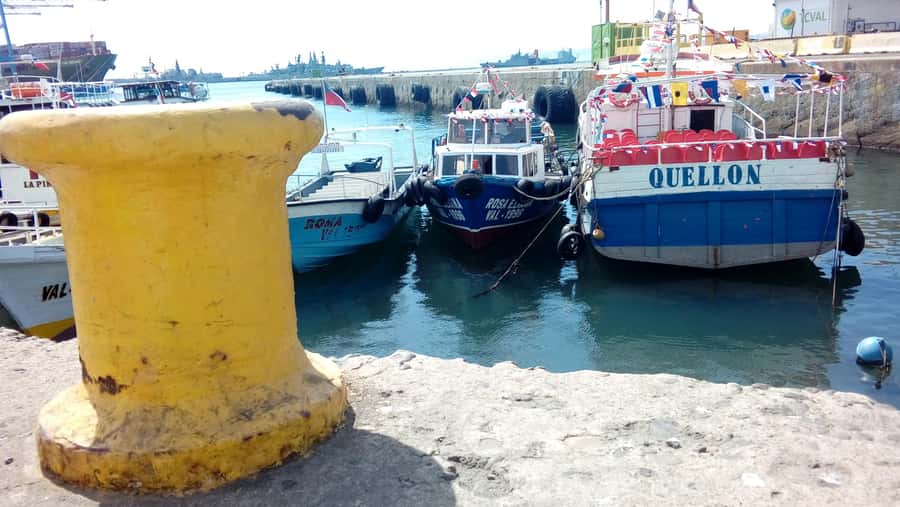
The tour winds down at Ascensor Reina Victoria. Finishing here is practical because funiculars in Valparaiso are not just rides, they are shortcuts through steep neighborhoods.
Your guide also helps you understand how to get back to the starting area and offers suggestions for lunch or dinner. In my experience, that part is underrated. Valparaiso has a lot of options, and knowing which nearby streets are easiest to reach makes the rest of your day smoother.
You will likely be tempted to keep walking after the tour, especially with the views and the colorful lanes still fresh in your mind. Use your guide’s advice and then choose one area to explore deeper, rather than trying to cover the whole city before dinner.
Price and value: what $41 buys you in Valparaiso
For $41 per person, you are paying for more than a guided walk. You get funicular entry tickets plus alfajores, so you are already covering two of the most “Valparaiso-specific” costs.
The best value comes from the storytelling and orientation. The tour teaches you how to connect port-city life to hillside culture, and it shows street art with context so you do not miss what makes each piece meaningful. If you are short on time, this also prevents you from spending hours searching for the right passages and viewpoints.
Food costs are separate. Additional food and drinks are not included, so if you want lunch, plan to pay for it at one of the cafés, galleries, or terrace-view spots your guide recommends.
Who should book this tour, and who should skip it
This fits best if you want a guided introduction to Valparaiso’s hillside culture, especially if street art is your main interest. It also works well for people who appreciate a slower, organized pace and a guide who can talk to locals and artists.
You might love it if you are traveling with family, because at least one group that included autism found the tour pace supportive and manageable. You also might enjoy it if you like history but prefer it tied directly to what you see on the street.
Skip it if you need step-free access. The tour is not suitable for pregnant women and people with mobility impairments, and it is not appropriate for altitude sickness. Even though some guests find the walking manageable, you should still expect hills, stairs, and narrow streets.
Should you book this Valparaiso Street Art and Funicular Tour?
I think you should book it if you want an efficient, guided way to understand Valparaiso’s street art culture plus the hillside geography that makes it all possible. The combination of port orientation, funicular viewpoints, and mural storytelling is a smart use of only two hours.
Book it especially if you like tours where the guide knows people. Names like Alex, Benjamin, Maria, and Cristóbal stand out from the guide style you are likely to experience, with old photos, community connections, and helpful pacing.
If you are the type who wants total freedom and no structured route, you might find it too guided. But for most first-time visitors, this is a strong first ticket into Valparaiso, with the views and the context handled for you.
FAQ
Where does the tour start?
It starts at Muelle Prat, near the two cannons and the Tourist Information Office.
How long is the tour?
The duration is 2 hours.
What is included in the price?
The price includes entry tickets to the funiculars and alfajores.
Is food or drinks included?
No. Additional food and drinks are not included.
Which languages are available for the live guide?
The live tour guide is available in English, Chinese, French, and Portuguese.
What funiculars are part of the experience?
You ride the El Peral funicular, and the tour also includes other funicular stops such as Ascensor Concepcion, with the route finishing at Ascensor Reina Victoria.
Is the tour suitable for everyone?
No. It is not suitable for pregnant women, people with mobility impairments, or people with altitude sickness.
What are the cancellation and payment options?
You can cancel up to 24 hours in advance for a full refund. You can also reserve now and pay later.
The Rest Of Our Chile Tours



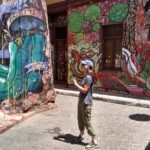


Everything Else We Have Reviewed In Chile
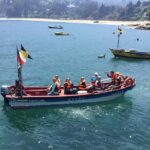
Along The Coast From Valparaiso
Not quite it? Here is the rest of what we have reviewed around Chile




More in Valparaíso & the Pacific Coast.
 ★ 4.2Vina Del Mar, Valparaiso, Casablanca & Reñaca TourFrom $392,838 reviews
 ★ 4.8Valparaiso, Viña del Mar, & Casablanca Valley TourFrom $721,491 reviews
 ★ 4.3Valparaiso and Viña del Mar Day TourFrom $45643 reviews
★ 4.4Viña Del Mar, Valparaiso, Casablanca & Reñaca TourFrom $37471 reviews
★ 4.3Valparaiso and Viña del Mar Day TourFrom $45643 reviews
★ 4.4Viña Del Mar, Valparaiso, Casablanca & Reñaca TourFrom $37471 reviews
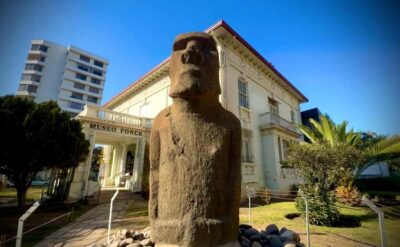 ★ 4.7Viña del Mar, Valparaiso, with Wine TastingFrom $60351 reviews
 ★ 4.3Highlights of Valparaiso and Viña del MarFrom $59316 reviews
 ★ 4.5Full day Vina del Mar and Valparaiso experienceFrom $37255 reviews
 ★ 4.0Full day tour to Valparaiso and Viña del Mar cityFrom $44188 reviews
Browse the lists this tour appears in