
Review · VALPARAÍSO
Private Tour: Viña del Mar and Valparaíso Tour with Wine Tasting in Casablanca Valley
A full day of color starts on the Chilean coast. This private tour mixes Valparaíso hilltop views with Viña del Mar landmarks, plus a Casablanca Valley stop for food and wine tasting. I especially like the mix of timed highlights and flexible moments with guides who can tailor the day, and I also like that you get a real onboard explanation as you travel. One drawback to factor in is that the wine stop can vary in format, so you will want to manage expectations if you expect a long sit-down tasting.
You’ll start in Santiago with hotel or district pickup and head toward the Pacific, then spend the afternoon bouncing between viewpoints, plazas, and famous funiculars. I like that the day includes both Neruda-linked stops like La Sebastiana and a broader cultural sweep through historic streets and port areas. The main consideration is time: with so many stops in a steep city, you’ll be walking and climbing, even if you do not do every inside museum option.
In This Review
- Key Highlights You’ll Actually Feel
- Private Coastal Culture Day, 8 Hours From Santiago
- Price and Value: What $170.50 Covers, and What Might Cost Extra
- Casablanca Valley Tasting: What’s Included, and What to Expect From the Winery Stop
- Entering Valparaíso: Plaza Sotomayor to Hilltop Views
- Palacio Baburizza, Street-Old Streets, and the City’s Art Logic
- Ascensores, the Piano Staircase, and Why the Elevators Matter
- Neruda Stops: La Sebastiana and the 360 Degree City Lesson
- Moai and the Flower Clock: Two Iconic Stops With Different Meanings
- Viña del Mar: Casinos, Promenades, and Playa Renaca Mood
- Timing and Walking Reality: How to Not Feel Rushed
- Who Should Book This, and Who Might Want a Different Format
- Should You Book This Private Valparaíso and Viña del Mar Wine Day?
- FAQ
- What is the duration of the tour?
- What time does pickup start?
- Where do you get picked up in Santiago?
- What is included in the wine and food tasting?
- Is lunch included?
- Are admissions included for museums and funicular rides?
Key Highlights You’ll Actually Feel
- Private, guide-led pacing across two cities, not a mass-bus shuffle
- Casablanca Valley tasting with Azapa olives and olive-oil cookies included
- Valparaíso UNESCO-area views from multiple hills and viewpoints
- Neruda hits including La Sebastiana, plus Mirador Pablo Neruda
- Iconic photo stops like the Flower Clock and the Easter Island Moai
- Funicular experience with several ascensores and quick rides where noted
More of the port, the hills and the coast road north
- Santiago: Viña del Mar, Valparaiso & Casablanca Valley Tour
★ 5.0 · 687 reviews - Full day Vina del Mar and Valparaiso experience
★ 4.5 · 255 reviews - Santiago: Full day tour to Valparaiso and Viña del Mar city
★ 4.0 · 188 reviews - Private Tour: Viña del Mar and Valparaíso Tour with Wine Tasting in Casablanca Valley
★ 4.5 · 188 reviews
Private Coastal Culture Day, 8 Hours From Santiago
This is the kind of day trip that feels bigger than 8 hours because Valparaíso and Viña del Mar each have their own rhythm. You leave Santiago in an air-conditioned vehicle, then work your way toward the coast. The private format matters here. You are not fighting for space on a cramped bus, and your guide can adjust the order of stops when roads slow down or when someone needs a shorter walk.
Pickup is from select Santiago areas like Providencia, Vitacura, Las Condes, and Santiago Centro, with a 9:00 am start. That early departure helps you see more before the day gets crowded, especially in Valparaíso’s tighter hillside neighborhoods.
What I liked most is how the itinerary treats Valparaíso like a living place, not just a photo backdrop. You’re shown port-side landmarks, then taken up into the hills for elevators, viewpoints, and streets where architecture and street art work together. In Viña del Mar you switch gears to the resort city vibe, with the kind of seaside promenade energy that makes it feel like a different world.
Price and Value: What $170.50 Covers, and What Might Cost Extra
At $170.50 per person, you’re paying for a private, full-day route that includes your guide, hotel or district pickup and drop-off, and the key tasting elements. The included parts are clear: wine and food tasting (Azapa olives and cookies with olive oil), live commentary during the drive, and a professional guide in a private vehicle.
Where costs can shift is inside-the-building admissions and lunch. The tour description clearly says lunch is on your own. Several stops list admission as not included, such as Palacio Baburizza (Fine Arts Museum) and some of the ascensores. That means you can still see a lot from the outside and from free viewpoints, but if you want to go in, you may pay on the ground.
Also, Funicular and elevator stops are sometimes listed as not included, even when the ride is a big part of the experience. Practically, that is worth keeping in mind if you are traveling with anyone who hates stairs, because the city is steep and the elevators are often the easiest way to connect hills.
So is it good value? For me, it is when you treat it like a curated route across two cities, not like a guarantee of a long restaurant lunch plus a top-tier formal winery event. If wine tasting is your main goal and you want a full, table-style experience, I’d read the tasting part carefully before you book. Reviews show that this portion can feel like a quick shop tasting in some cases, while other guides make it more winery-like.
Casablanca Valley Tasting: What’s Included, and What to Expect From the Winery Stop
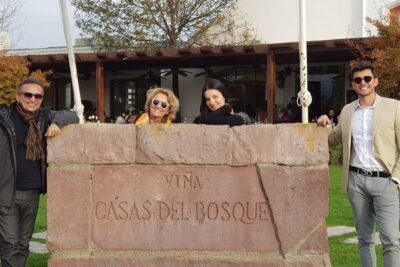
This day trip takes you through the Curacaví Valley toward Casablanca, where you stop at an organic-style winery experience for tasting. The included tasting includes Azapa olives and cookies with olive oil. That part is consistently useful because it’s not just wine. It’s a snack that fits the long travel day.
For wine itself, you might get a classic tasting setup, or you might get something more like a brief, guided sample experience. That difference matters. In a handful of experiences, people described the tasting as a wine shop stop or as very short pours with limited food. In other experiences, the winery visit and English-language guidance were praised, especially when the tasting felt sustainable and more structured.
Here’s the takeaway you can act on: if you want a proper wine session with multiple pours and a calm table setup, ask your guide before the day starts what the tasting format will be that day, and whether there will be finger-food pairings or mostly samples. If the goal is just to taste and learn, the included olives and cookies plus a few wine samples can still make the stop feel worth it.
Also, the wine stop is early in the morning, so it can be a little intense if you are not used to tasting travel schedules. If you prefer later, some groups have asked to shift timing, and guides have been flexible when possible. Just know the schedule is tight once you start moving between Valparaíso hills.
Still in Casablanca? More of the valley, compared

Entering Valparaíso: Plaza Sotomayor to Hilltop Views
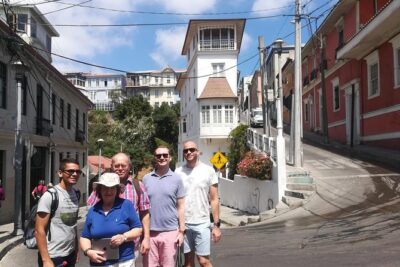
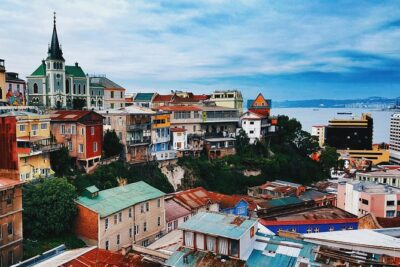
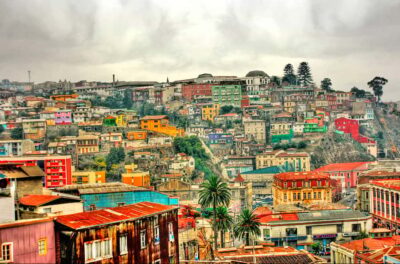
Valparaíso is a port city with a UNESCO-protected historic quarter, and that shows up immediately once you reach the waterfront. Your day begins with a sequence of iconic anchor points that help you understand the city’s layout. Plaza Sotomayor is one of those key entries. It sits by the port and naval headquarters, and it’s also a good start point for building the mental map of where everything climbs.
From there, you connect to historic government and military architecture stops, including viewpoints around the Navy Building and the impressive Monumento a Los Heroes area. The Monumento a Los Heroes is more than a photo spot. It ties into Chile’s War of the Pacific story, and the monument also acts as a focal point you can see from surrounding hills. In other words, it helps you understand why these places became symbols, not just backdrops.
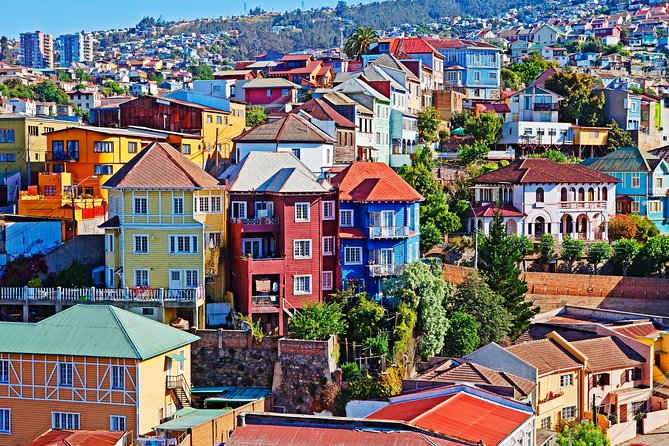
Then the route starts climbing. You’ll hit places like Cerro Concepción for east-facing views. These hills are where Valparaíso’s identity clicks into place. Houses stacked on slopes, sea light bouncing off buildings, and the sense that the city grew upward because the coast is where the action was.
Palacio Baburizza, Street-Old Streets, and the City’s Art Logic
Valparaíso is famous for murals, but the best moments often happen when you connect the art to the street itself. You may walk parts of Paseo Gervasoni, where vintage Chilean buildings line a hilly street and where guides can explain why the architecture and the artwork feel linked.
You might also stop at Palacio Baburizza, a turn-of-the-century palace that currently houses the Fine Arts Museum. Admission is not included, so you can decide on the spot. If you like art in a calm museum setting, it’s a worthwhile add. If you’d rather spend that time on more viewpoints and ascensores, you can treat the palace as a great exterior stop.
Paseo Yugoeslavo (also shown as Paseo Americano) is another area that tends to deliver. It’s European-feeling in style, with shops and places to pause for photos. Even if you do not shop, it works as a “reset” zone between climbs. You get to slow down, look back at the bay, then continue onward.
Ascensores, the Piano Staircase, and Why the Elevators Matter
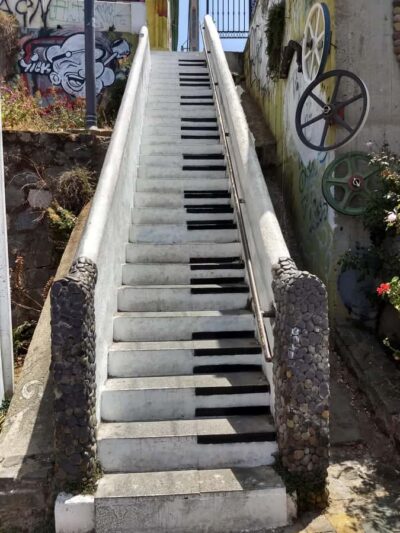
If you do just one thing to understand Valparaíso, it’s to use the city’s ascensores and steep stair routes. This tour includes multiple elevator experiences as part of the sightseeing flow, including options like Ascensor Concepción, Ascensor Artilleria, Ascensor El Peral, Ascensor Reina Victoria, and a few other stair and promenade photo stops such as the Piano Staircase and Paseo Atkinson.
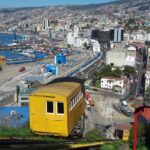
Here’s the practical beauty of it: the elevators are not only fun, they are efficient. Valparaíso is vertical, so these short rides turn what could be an hour of climbing into a manageable leg. And for the views, you usually get a payoff even if you only stay on top for a few minutes.
Ascensor Concepción is often described as the oldest funicular in Valparaíso, and people like it because it feels real and slightly old-school. If the floorboards let in daylight as you ride, that can feel charming and a bit cheeky rather than intimidating.
Tip that saves energy: wear shoes you can trust on uneven pavement. You’ll be on hills, and the surfaces can be slick or irregular, especially if it’s misty near the coast.
Neruda Stops: La Sebastiana and the 360 Degree City Lesson
La Sebastiana is one of the most meaningful stops on the route. It’s a four-story house tied to Pablo Neruda, and it offers sweeping city views. The highlight people talk about is the round post-modern fireplace often described as the jar of smoke, designed by Neruda. Even if you skip any optional museum moments inside, the view is the point.
Mirador Pablo Neruda follows with another angle on the writer and the city. You’ll reach a spot that looks over Valparaíso from a hilltop position, and it connects the dots between Neruda’s imagination and the geography he built his life around. If you like literature tied to place, this is where the tour feels more than sightseeing.
Some guides you might meet, like Giovanni or Ricardo, have been praised for blending location context with storytelling, and Neruda stops are perfect for that kind of commentary.
Moai and the Flower Clock: Two Iconic Stops With Different Meanings
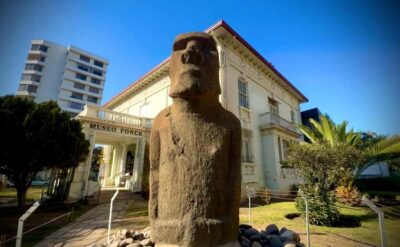
The tour includes a real Easter Island Moai, brought in from Rapa Nui and placed as a playful but memorable installation. It’s a fun stop for photos because it looks like a question the city asks you. People often leave wondering where it came from and why it sits here, which is exactly how it nudges you toward thinking about Chile’s wider island geography.
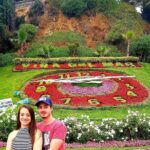
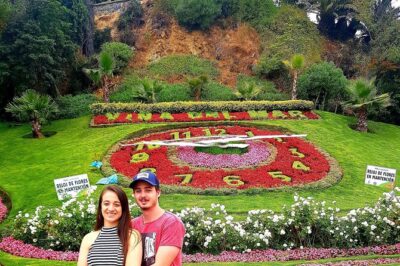
Later, you hit the Flower Clock, Reloj de Flores. This is a classic “Chile by the coast” landmark. Even on a cloudy day, it still works because it’s a recognizable shape, and it signals you are officially in Viña del Mar mode.
What I like about both stops is their contrast. One is a global curiosity imported from far away. The other is local, iconic, and made to be seen by everyone.
Viña del Mar: Casinos, Promenades, and Playa Renaca Mood
Once you leave Valparaíso, your pace shifts. Viña del Mar is more spread out and more resort-like. You get stops that feel like a daytime stroll, including Viña del Mar Casino and access toward the seafront areas.
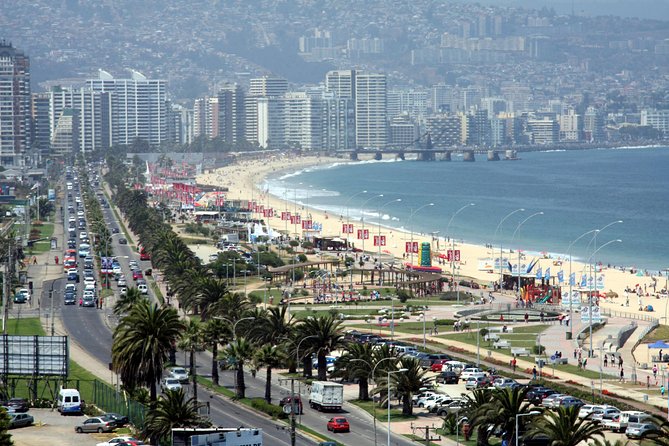
Playa Renaca is the kind of beach stop that helps you breathe after the steep Valparaíso walking. It’s described as sandy and clean with a nice promenade, with lots of shops, bars, and restaurants nearby. If you’re tired, this is where you can pause without committing to a steep climb.
You may also pass Los Canones Beach, plus areas like Paseo 21 de Mayo, which is famous for wide bay views that include Viña, Reñaca, and the hills. This is also a good place to do those quick panorama photos before you head back toward Santiago.
And if you like architecture and historical details, you may also stop near Arco Británico, a monument tied to the British community and Chile’s independence centenary. It’s one of those “wait, that’s right here” moments that gives the day more texture than just ocean and street art.
Timing and Walking Reality: How to Not Feel Rushed
This is a full 8-hour day, and Valparaíso is steep. Even when stops are only 15 to 30 minutes, the walking between them adds up. Funicular rides help, but you will still be shifting between hills, stairways, and viewpoints.
My practical advice is to set your expectations like this:
- Prioritize viewpoints and elevator moments if you want the big impressions.
- If you love museum interiors, be selective because not every stop is built for a long stay.
- Plan your energy for the afternoon when you are switching between hill zones and then moving to Viña del Mar.
One common theme in more positive experiences is that guides like Erick, Juan, and Patricio managed pacing well, especially for people with specific needs. In other experiences, the wine tasting and lunch timing created frustration because the schedule felt less flexible than expected.
So if you care a lot about Valparaíso time, say it clearly at the start of the day. Guides can only tailor what they are allowed to tailor, and your priorities help them choose which hills to emphasize.
Who Should Book This, and Who Might Want a Different Format
This tour is ideal if you want:
- A private day route from Santiago with a guide managing the flow
- A mix of Valparaíso hill viewpoints plus Viña del Mar iconic landmarks
- At least a basic Casablanca tasting experience with food like olives and olive-oil cookies
It may be less ideal if your top goal is a high-end, long-form winery tasting at a specific bodega. The tasting experiences described here range from more formal to more like a shop-style sample, so you should ask questions before you lock in your expectations.
Families can do it, but the day includes walking and climbs. People who need step-light mobility may still enjoy it if the guide adapts the route and you avoid unnecessary extra climbs. Private tours tend to help here because you can respond in real time.
Should You Book This Private Valparaíso and Viña del Mar Wine Day?
I think you should book if you like the idea of a guided route that hits the essentials of Valparaíso and Viña del Mar in one day, with a tasting stop in Casablanca that includes olives and olive-oil cookies. The private format makes the day smoother, and the Neruda-linked stops plus the Flower Clock and Moai moments add variety.
I would hesitate if you are very wine-focused and want a specific kind of tasting setup. In that case, I’d message ahead to confirm what kind of winery tasting you will receive that day, especially whether it will be a table-style tasting or a quick sample in a shop-like setting.
One final tip: bring a good walking mindset, not just a sightseeing one. If you show up ready for hills, the city rewards you with views, street art, elevators, and that port-city energy you came for. If you hate stairs and short stops, you might still enjoy it, but you’ll want to communicate your limits early and let the guide steer the pace.
FAQ
What is the duration of the tour?
The tour runs about 8 hours.
What time does pickup start?
The start time is 9:00 am.
Where do you get picked up in Santiago?
Pickup is available in select Santiago districts including Providencia, Vitacura, Las Condes, and Santiago Centro.
What is included in the wine and food tasting?
The tasting includes Azapa olives and cookies with olive oil, plus wine as part of the tasting.
Is lunch included?
No, lunch is not included and you’ll eat at a restaurant on your own expense.
Are admissions included for museums and funicular rides?
Some admissions are not included, including certain museums and some ascensor or funicular rides listed as admission not included.
More Chilean Vineyards To Compare


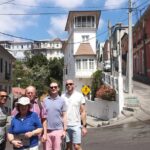
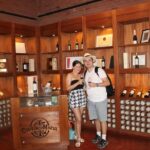

Casablanca Valley, Cellar By Cellar
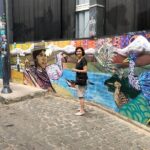
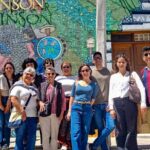
Along The Coast From Valparaiso

Not quite it? Here is the rest of what we have reviewed around Chile



More in Valparaíso & the Pacific Coast.
 ★ 4.2Vina Del Mar, Valparaiso, Casablanca & Reñaca TourFrom $392,838 reviews
 ★ 4.8Valparaiso, Viña del Mar, & Casablanca Valley TourFrom $721,491 reviews
 ★ 4.3Valparaiso and Viña del Mar Day TourFrom $45643 reviews
★ 4.4Viña Del Mar, Valparaiso, Casablanca & Reñaca TourFrom $37471 reviews
★ 4.3Valparaiso and Viña del Mar Day TourFrom $45643 reviews
★ 4.4Viña Del Mar, Valparaiso, Casablanca & Reñaca TourFrom $37471 reviews
 ★ 4.7Viña del Mar, Valparaiso, with Wine TastingFrom $60351 reviews
 ★ 4.3Highlights of Valparaiso and Viña del MarFrom $59316 reviews
 ★ 4.5Full day Vina del Mar and Valparaiso experienceFrom $37255 reviews
 ★ 4.8Street Art, Funiculars and Port City TourFrom $41214 reviews
Browse the lists this tour appears in