
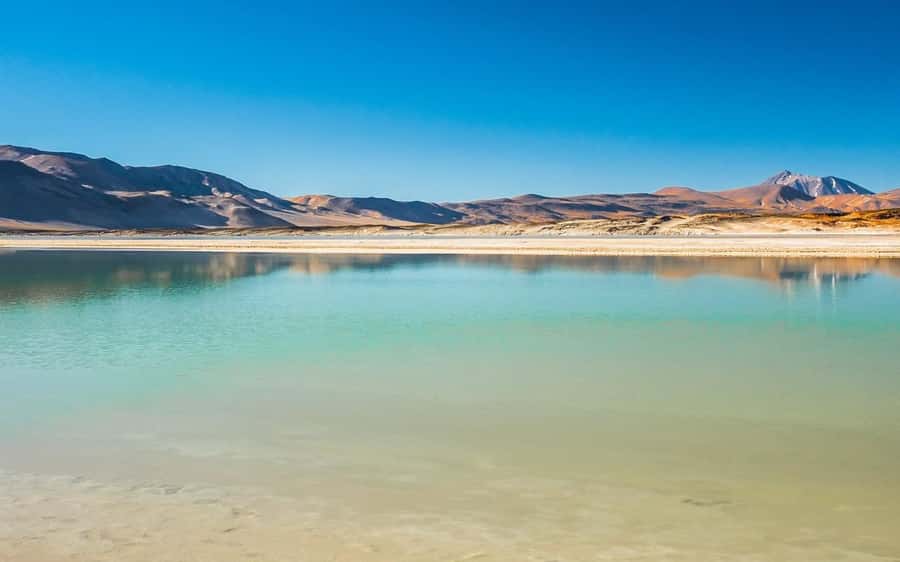
Review · ATACAMA
Tour Piedras Rojas + Altiplanic Lagoons + Chaxa Lagoon
High-altitude color, in one long day.
What makes this trip stand out is the way it links real village life in Toconao with big Andean scenery inside Los Flamencos National Reserve. I like that the stops are spaced so you get moments to look, not just pose, and you also learn what you are actually seeing, from birds to geology.
I also really like the pacing of the day’s highlights, especially the guided spotting around the lagoons and the fact there is a 1-hour trek portion. Even if you are not a hard-core hiker, the walk gives you a reason to stretch your legs and earn those wide views.
One consideration before you book: this is an altitude-heavy day, and you will be headed up to around 4,200 m for the lagunas. If you get winded easily, go slowly, dress warm, and be ready for a slow-breath rhythm for hours.
In This Review
- Key points worth knowing
- The route: Toconao, Chaxa, Socaire, Miscanti, Meñiques, Piedras Rojas
- Price and value: what the $82 covers, and what costs extra
- Toconao stop: architecture, craftsmanship, and a place with an Indigenous name
- Laguna Chaxa in Los Flamencos: where the birds do the talking
- Socaire and its church: the agriculture lesson behind the views
- Miscanti and Meñiques lagoons: a 4,200 m trek with real trail walking
- Tropic of Capricorn and Piedras Rojas: why the red rocks look like they do
- Food, timing, and the reality of long stretches in the altiplano
- Logistics and comfort: what to bring, what not to do, and who should skip it
- Who this tour is perfect for, and who it is not
- Should you book this Piedras Rojas, Chaxa, and altiplanic lagoons day?
- FAQ
- How long is the tour?
- What is included in the $82 per person price?
- Are park entrance tickets included?
- Is there trekking on this tour?
- What languages does the guide speak?
- Is this tour suitable for kids or seniors?
Key points worth knowing
- Toconao’s slow, simple feel: a calm stop with local crafts and an Indigenous name, Kunza, meaning lost corner.
- Laguna Chaxa bird time: Los Flamencos is all about watching wildlife, with multiple species in the area.
- Miscanti and Meñiques at altitude: groundwater fed by melting ice helps power these lagoons, and you get trails to walk.
- A real trek, about 1 hour: enough walking to feel like you did something, without committing to a full hike day.
- Piedras Rojas geology: red tones come from oxidation and weathering in the Salar de Talar area.
- Guide quality can make or break it: one prior guide named Denny was praised for keeping things organized and not rushed.
More high lagoons, red rock and salt flat, compared
- San Pedro Atacama: Baltinache Lagoons
★ 4.6 · 359 reviews - Triple tour: Red stones, highland lagoons and Chaxa Lagoon
★ 4.7 · 219 reviews - Red Stones and Altiplanic Lagoons
★ 5.0 · 151 reviews - San Pedro de Atacama: Red Rocks & Altiplano Lagoons Day Trip
★ 4.9 · 108 reviews
The route: Toconao, Chaxa, Socaire, Miscanti, Meñiques, Piedras Rojas
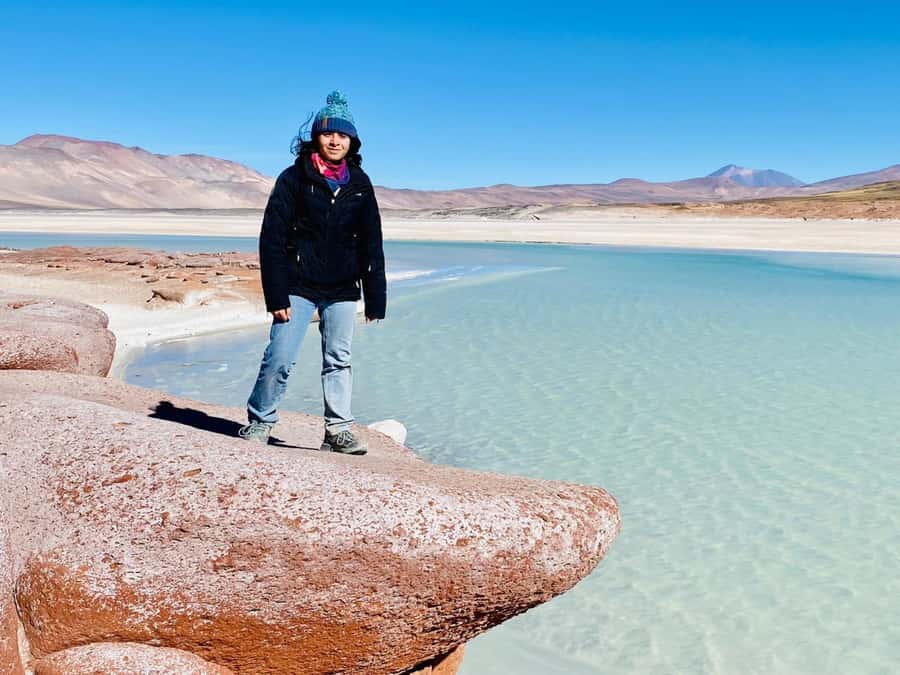
This tour is built like a sampler platter of northern Chile’s high desert. You start in Toconao, a village where the pace feels quieter than the world outside the reservation gates. Then you move into Los Flamencos National Reserve for Laguna Chaxa. After that, you head southeast to Socaire, another small altiplano town, and you get context for how people live and farm in this dry altitude.
The core of the day is the push up toward Miscanti and Meñiques lagoons. That is where you are surrounded by volcanic and rugged terrain, plus a lot of wildlife. Finally, you head along the foothills toward the Salar de Talar, known touristically as Piedras Rojas. The trip includes a few stops en route, plus a visit tied to the Tropic of Capricorn.
If you like trips that teach you how the place works, this one fits. It is not just scenery, it is scenery with a purpose.
Price and value: what the $82 covers, and what costs extra
The advertised price is $82 per person, and the big value is that you do not have to organize the whole day yourself. Included are hotel pickup, shared transportation by minibus, a driver/guide in Spanish and English, breakfast en route and lunch en route, and drop-off in the center where the driver can park.
What is not included is the entrance ticket to parks and places visited. The national ticket is listed at $20,200 and the foreigner ticket at $28,7500. The important part: you are told to pay that in advance at the agency, by coordinating payment on WhatsApp +56966501961. So budget for those entrance fees in addition to the $82.
Is it worth it? For me, the value comes from two things: you are getting guided interpretation plus long-distance transport in one shot. This is not a “rent a car and figure it out” day unless you really know the region and have time to slow down. With shared transport, you also avoid the stress of driving high desert roads on your own.
Toconao stop: architecture, craftsmanship, and a place with an Indigenous name
Toconao is often the first reality check that this is not a theme-park version of the desert. The tour frames Toconao as Kunza, meaning lost corner, which matters because it hints at the deeper roots of the area. You will notice the calm of the people and the way the town’s simple layout feels made for daily living, not tourism.
You also get a climate shift here. High desert light can fool your phone camera and trick your eyes, but Toconao gives you a chance to orient before you go higher and drier. This is also one of your first moments to buy or check what you need before heading into long stretches with limited services.
Practical tip: dress for warmth even in the morning. Toconao is not the coldest moment of the day, but it is part of the same altitude rhythm.

Laguna Chaxa in Los Flamencos: where the birds do the talking
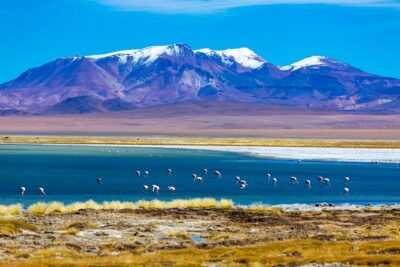
Laguna Chaxa sits in the Soncor sector of Los Flamencos National Reserve. This is one of the best parts of the trip for wildlife lovers because the area is known for consistent sightings. The tour description also emphasizes the reserve’s character: volcanoes and mountainous reliefs that sit alongside salt flat edge environments.
What you should focus on here is timing and patience. Bird areas can be a lot of waiting with small bursts of action. If you have sharp eyes, you will love scanning. If you do not, the guide helps you identify what is worth looking for.
In the wider reserve context, the trip highlights species that can show up around these lagoons and wetlands, including Horned Tagua, Parinas Chicas, Caití, Baird’s Sandpiper, Puna Plover, Juarjual Duck, and Guallata. You may not see every species in one day, but the point is that this is a serious bird area, not just a photo stop.
You will also learn about the water source conceptually. Even though the detailed “how the lagoons form” explanation is most clear when you reach Miscanti and Meñiques, Chaxa sets up the idea that groundwater and melt influence the wetlands you are walking near.
Socaire and its church: the agriculture lesson behind the views
After Chaxa, you head toward the Andes and stop in Socaire, described as an altiplano town. Socaire is where the tour shifts from wildlife and scenery into human scale. You will visit the church and learn about its agriculture.
Why this matters: in places like this, the landscape is not empty. It is used. Farming strategies here have to match altitude, dryness, and soil limits. Even if you are not a farming nerd, hearing how people make agriculture work changes how you look at the whole region. Suddenly, shrubs and ground textures feel like clues instead of just decoration.
This part of the day also helps you recover a bit. It is still cold and high, but a town stop gives you a chance to reset your energy before the big lagoon hike portion.
Miscanti and Meñiques lagoons: a 4,200 m trek with real trail walking
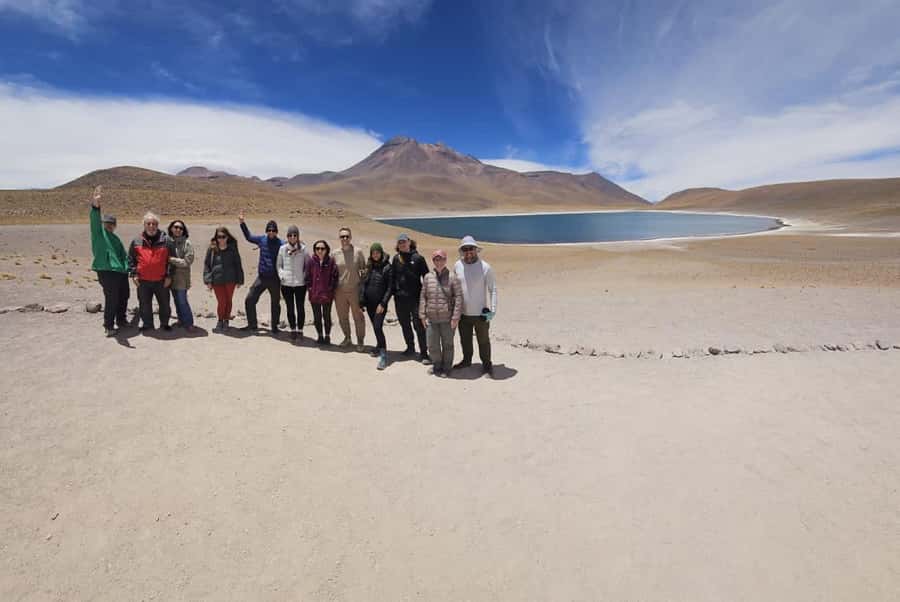
Next comes the big altitude moment. The tour heads to roughly 4,200 m to reach Lagunas Miscanti and Meñiques, both within Los Flamencos National Reserve. The setting is volcanic and mountainous, with Cerro Miscanti and Volcano Meñiques part of the story.
You should expect two things here:
First, trails. The tour mentions walking along their trails, not just a quick look from a single spot. That means you can pace yourself and choose your comfort level.
Second, the biology lecture that makes the scenery feel scientific. The lagoons exist because both are born thanks to groundwater fed by melting ice. That is the kind of detail that helps you understand why the water is where it is, even in a dry region.
The guide may point out the kind of plants you are seeing. The flora called out includes Llareta and Paja Brava. If you want a simple way to remember it, think toughness: these are plants built for harsh conditions.
Wildlife also stays in the conversation. You are in a reserve where species like Horned Tagua, Parinas Chicas, Caití, and others can be present. You may not see every bird called out in the tour description, but you are definitely in a zone where bird life is a main event.
About the walk: the tour includes a trekking time of about 1 hour. The “how hard is it” answer is less about distance and more about altitude. Even if you are fit, your breathing will set the pace. Wear closed-toe shoes, and consider taking short breaks rather than pushing through.
One more note from the real world: the day can be strenuous if you are not acclimated. A prior booking described being high in altitude all day after a route change. That is a good reminder to protect yourself, dress warm, move slow, and do not treat this like a casual stroll.
Tropic of Capricorn and Piedras Rojas: why the red rocks look like they do
On the way to Piedras Rojas, the itinerary includes a stop tied to the Tropic of Capricorn. This is one of those “tiny fact, big wow” moments. You are in a place where the sun angle and seasonal patterns have shaped life here, and the tour uses that idea to frame where you are on the planet.
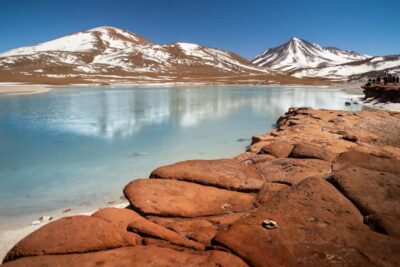
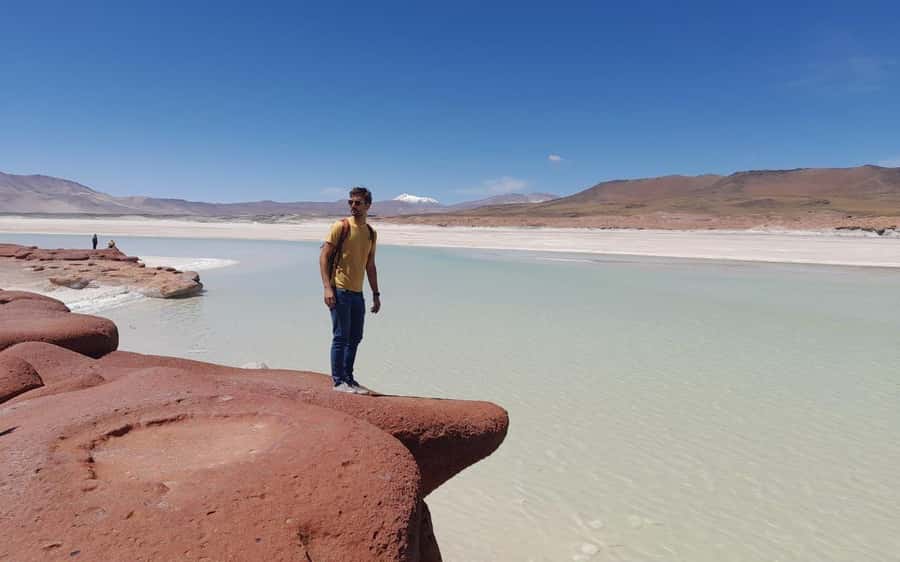
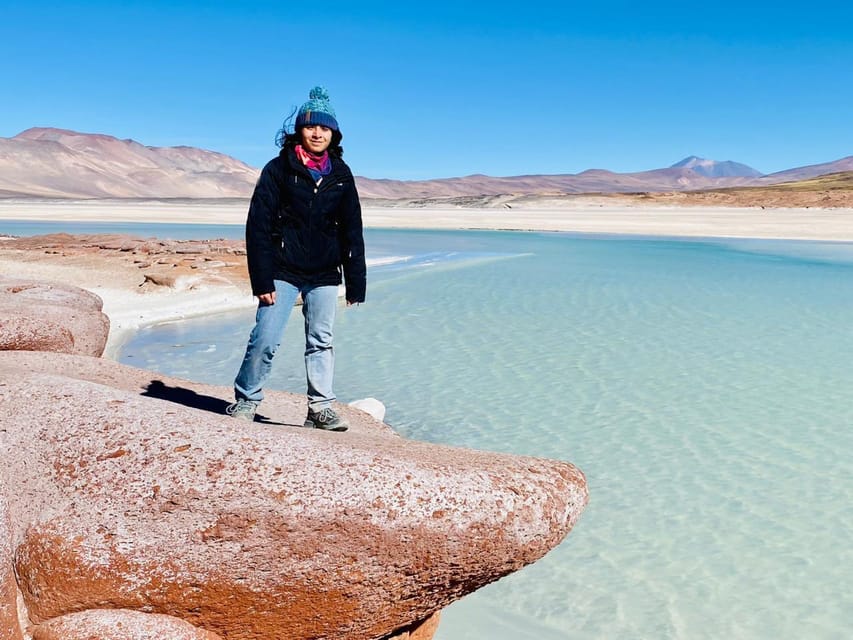
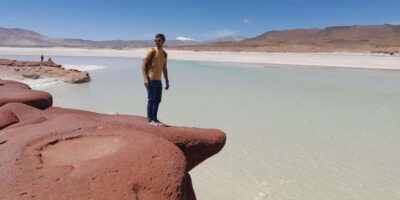
Then you reach the Salar de Talar area, known touristically as Piedras Rojas. The tour explains the colors: the rocks have been subjected to natural oxidation and weathering. That process is why the reds exist in the first place.
What you will notice, if you pay attention, is how the reds look different depending on light and angle. High desert light is intense, and clouds or sun position can dramatically change your perception. The guide can help you time viewpoints, so you are not stuck with the worst possible glare.
Practical photo advice: if your camera phone auto-exposes the reds into brown, tap to lock exposure and try again. The terrain is doing the work, you just need your settings to keep up.
Food, timing, and the reality of long stretches in the altiplano
Food is included in the form of breakfast en route and lunch en route. But the day is still long, and the altitude can turn small delays into big discomfort.
A balanced way to handle this is simple:
- Drink water consistently.
- Eat when it is offered, even if you are not starving yet.
- Consider bringing something small for yourself, like a snack or two, so you are not depending solely on included meals.
Also plan for cold. Warm clothing and a jacket are on the recommended list for a reason. Wind + altitude can make you feel colder than you expect, even if the sun looks friendly.
Timing matters too. Pickup is included, but the pickup window lasts around 30 minutes. You need to wait in your lobby or reception. If you are staying outside town, you will need to arrange and arrive at a central pickup point, so ask your hotel where that point is ahead of time.
One more logistics reality check: a prior booking described being without phone network for about 90 minutes and also mentioned fuel and border delays. That kind of disruption is not ideal, but the takeaway for you is practical, plan for limited connectivity and keep your expectations flexible.
Logistics and comfort: what to bring, what not to do, and who should skip it
This is not a tour where you show up in summer sneakers and hope for the best.
Bring:
- Warm clothing
- Sunscreen
- Water
- A jacket
- Long pants
- Closed-toe shoes
Not allowed:
- Drones
- Alcohol and drugs
The tour is clearly not for everyone. It is not suitable for children under 12, pregnant women, people with mobility impairments, people with heart problems, people prone to seasickness, and people over 80. Even if you are generally healthy, altitude and cold can still hit harder than you expect.
My advice for comfort:
- Go slow on the trek, and trust the guide when they tell you where to stand.
- Keep your clothing layers simple. If you can’t zip or vent easily, you might overheat during walking and then freeze when you stop.
- Sunscreen is not optional here. High altitude sun is unforgiving.
Who this tour is perfect for, and who it is not
You will likely love this tour if:
- You want a guided day that covers multiple high-altitude highlights.
- You enjoy bird life and learning why wetlands form.
- You like a mix of town stops and nature, not just one long stretch of driving.
You might want to skip it if:
- You cannot handle high altitude, or you are not confident you can breathe calmly during the trekking portion.
- You need wheelchair access or have mobility limitations that make stairs and uneven trails hard.
- You are traveling with a child under 12, or you are in a higher-risk category based on the tour’s suitability list.
If you are the type who enjoys calm organization, you will also appreciate how some guides, like the Denny mentioned in one strong review, can keep the day smooth and not rushed.
Should you book this Piedras Rojas, Chaxa, and altiplanic lagoons day?
My “yes” is for you if you are prepared. This tour is a strong value at $82 because transport, bilingual guiding, and two meals are included. The highlights are real: Toconao’s town feel, bird-focused Laguna Chaxa, and the high-altitude trail walking at Miscanti and Meñiques, then the red rock physics at Piedras Rojas.
My “think twice” is for you if altitude scares you, you hate long cold days, or you are counting on perfect logistics. Weather can force route changes, and remote high-altitude areas can mean less phone coverage and the occasional delay that no one plans for.
If you do book, do it with a calm mindset: dress warm, bring water, accept slow breathing, and build a little slack into your day. You are going to come away understanding why these lagoons exist and why the reds of Piedras Rojas look the way they do.
FAQ
How long is the tour?
It lasts 11 hours.
What is included in the $82 per person price?
Hotel pickup, shared transportation, a Spanish and English driver/guide, breakfast en route, lunch en route, and drop-off in the center.
Are park entrance tickets included?
No. Entrance tickets are not included. The listed costs are $20,200 for national and $28,7500 for foreigners, and you are asked to pay in advance through the agency via WhatsApp +56966501961.
Is there trekking on this tour?
Yes. There is a trekking portion of approximately 1 hour, plus time walking along trails around the lagoons.
What languages does the guide speak?
The driver/guide speaks English and Spanish.
Is this tour suitable for kids or seniors?
It is not suitable for children under 12 and people over 80. It also is not suitable for pregnant women, people with mobility impairments, and people with heart problems.
The Rest Of Our Chile Tours

Everything Else We Have Reviewed In Chile
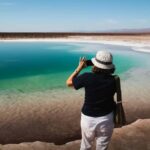
High Lagoons, Red Rock And Salt Flat
Not quite it? Here is the rest of what we have reviewed around Chile


More in Altiplanic Lagoons & Piedras Rojas.
 ★ 4.7Piedras Rojas, Altiplanics Lagoons & Salar Full-Day TourFrom $85592 reviews
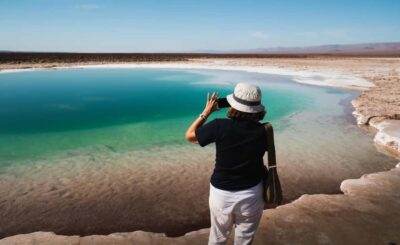 ★ 4.6Baltinache LagoonsFrom $70359 reviews
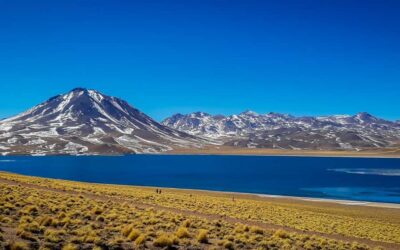 ★ 4.7Triple tour: Red stones, highland lagoons and Chaxa LagoonFrom $85219 reviews
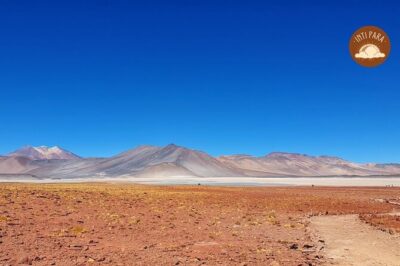 ★ 5.0Red Stones and Altiplanic LagoonsFrom $75151 reviews
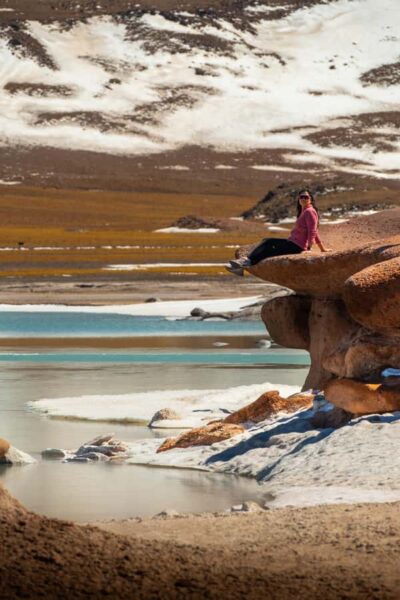 ★ 4.9Red Rocks & Altiplano Lagoons Day TripFrom $129108 reviews
 ★ 5.0Full Day Tour to Ruta de los SalaresFrom $70105 reviews
 ★ 4.5Altiplanic Lagoons & Piedras Rojas Tour from San Pedro de AtacamaFrom $11387 reviews
 ★ 5.0Full Day Tour Piedras Rojas Altiplanic Lagoons Chaxa LagoonFrom $14075 reviews
Browse the lists this tour appears in