
Review · ATACAMA
Roundtrip to the Uyuni Salt Flat and the Colored Lagoons
Salt flats and flamingos in one trip. You get Laguna Colorada and a serious Altiplano route around towering volcanoes, plus the kind of salt-flat scenery that feels unreal. I also like the way the trip mixes the big famous moments with practical, human-sized touring, including small groups and guides who actually talk through what you’re seeing. One heads-up though: this is high altitude country, with trekking near very high elevations, so you need to take the altitude warning seriously.
The best part for me is how the 4×4 safari brings you close to wildlife and mineral worlds, from flamingos to vicuñas, without turning the whole trip into a rush. Add in a salt-hotel night at Hostal de Sal, and you get a Bolivia experience that feels characterful, not just scenic. The main drawback is logistics and comfort: expect early starts, cold conditions, and extra out-of-pocket costs for entrances, hot showers, and even bathroom stops along the way.
In This Review
- Key highlights worth planning for
- Price and value: what $458 really buys you
- How the Chile to Bolivia transfers shape the whole trip
- Uyuni Salt Flat: what you’ll actually experience (and how to enjoy it)
- Laguna Colorada and the Colored Lagoons: the wildlife-and-color payoff
- Hot springs at altitude: Laguna Polques and Laguna Blanca
- Volcano trekking near Licancabur, Ollague, and Tunupa
- Sol de la Mañana geysers and the Siloli and Salvador Dali deserts
- Salt hotels and family hostels: where you sleep, what it feels like
- Meals on the road: included food, plus what to budget for
- Small-group guiding, Spanish basics, and why Zima’s style matters
- Price recap: what you should budget beyond the $458
- What to pack for 3600 to 5000 meters and cold mornings
- Should you book this Uyuni Salt Flat and Colored Lagoons trip?
- FAQ
- How long is the Uyuni Salt Flat and Colored Lagoons experience?
- Where is the tour located?
- What is included in the price?
- What costs are not included?
- How big is the group?
- What languages are used by the guide?
- Do I need to cross borders?
- What’s the altitude like?
- What should I bring?
Key highlights worth planning for
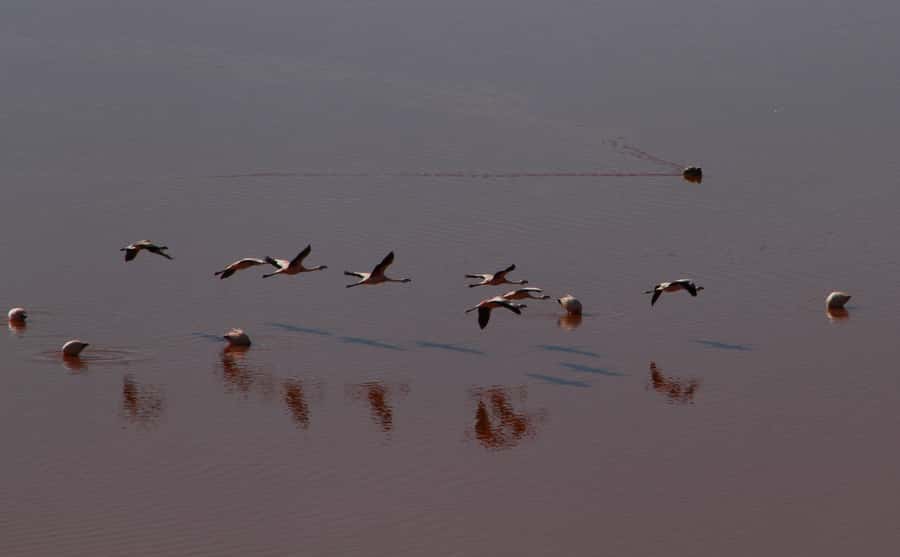
- Laguna Colorada, flamingos, and the Colored Lagoons area for strong color and big wildlife-energy in a harsh setting
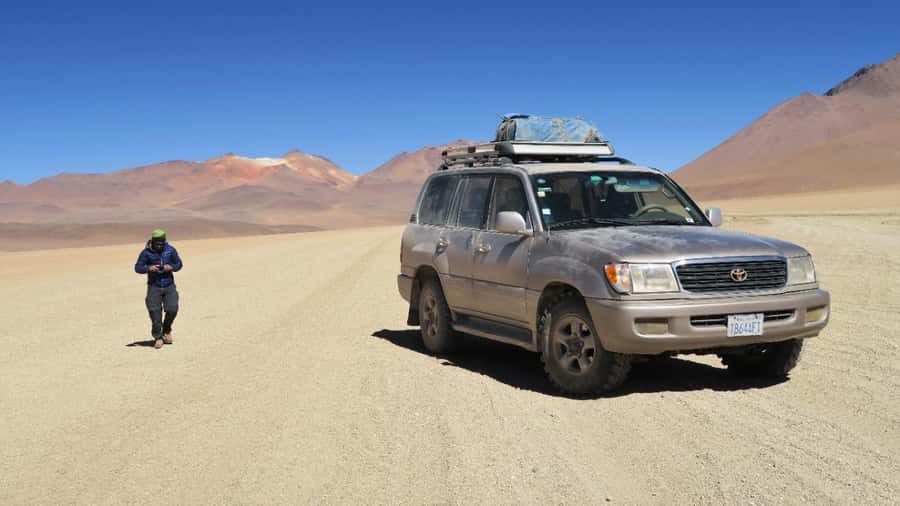
- Trek near volcanoes (Licancabur, Ollague, Tunupa) while you work up through the 3600 to 5000 meter range
- Salt-flat stays including Hostal de Sal (salt rooms) plus family-run hostel nights
- Sol de la Mañana geysers plus Siloli and Salvador Dali desert scenes for surreal variety
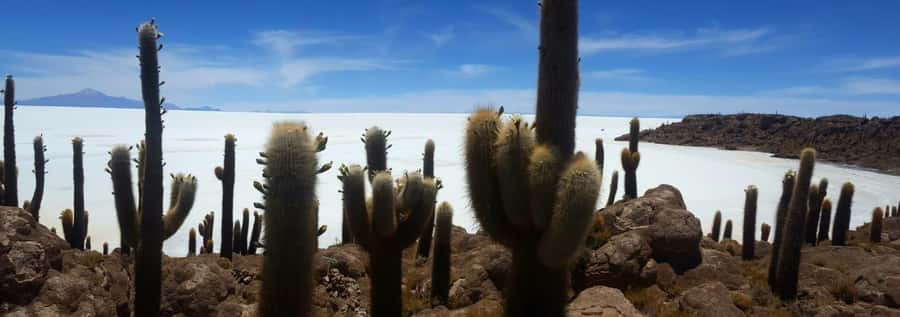
- Incahuasi Island inside the Uyuni Salt Flat for a classic “how is this real?” stop
- A small-group setup (up to 6 per car) that keeps the driving, viewpoints, and guiding more manageable
More high lagoons, red rock and salt flat, compared
- San Pedro Atacama: Baltinache Lagoons
★ 4.6 · 359 reviews - Triple tour: Red stones, highland lagoons and Chaxa Lagoon
★ 4.7 · 219 reviews - Red Stones and Altiplanic Lagoons
★ 5.0 · 151 reviews - San Pedro de Atacama: Red Rocks & Altiplano Lagoons Day Trip
★ 4.9 · 108 reviews
Price and value: what $458 really buys you
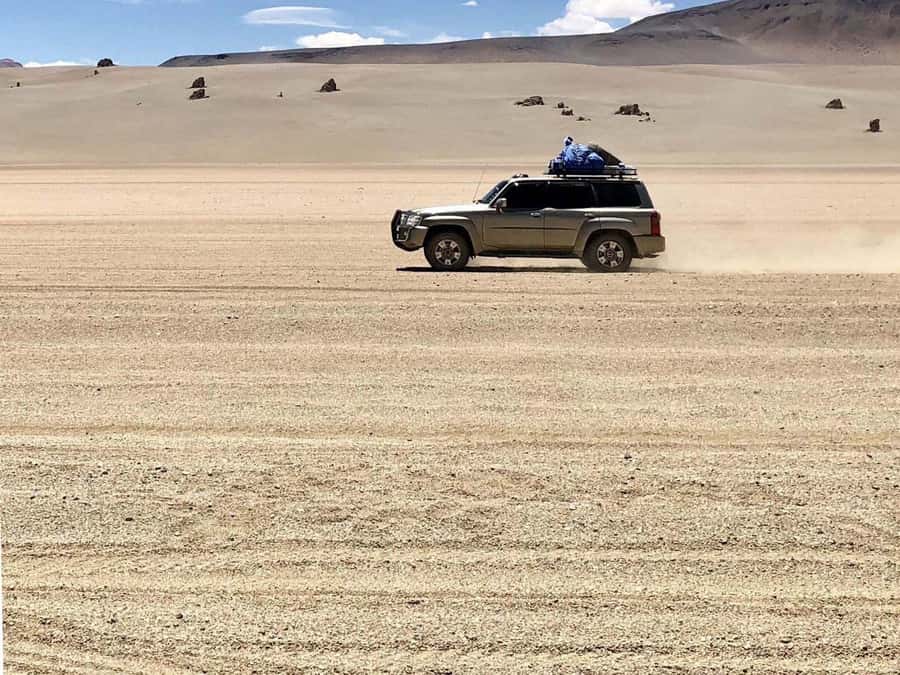
At $458 per person for 4 days, this is not a budget throwaway, but it also isn’t overpriced for what you’re getting. You’re paying for a lot of moving parts that cost money in Bolivia: transfers from San Pedro de Atacama to the Hito Cajon border area and back, a 4×4 through remote Altiplano terrain, lodging in three different places, and multiple meals.
What’s especially good value here is that meals are mostly handled for you: 4 breakfasts, 3 lunches, and 3 dinners. You’re also not doing the hardest part alone. The included driver guide handles the route and interpretation, and the group size stays small, capped at 6 participants per car.
That said, don’t ignore the “not included” list, because it can nudge your total upward. You’ll likely pay separately for things like:
- entrance to the Eduardo Avaroa Protected Area
- Polques Hot Springs
- Incahuasi Island
- border tax
- plus snacks, bottled water, and occasional bathroom access
So my practical advice is simple: budget for extra cash on top of the headline price. It keeps the trip smooth instead of stressful.
How the Chile to Bolivia transfers shape the whole trip
Even before Bolivia feels like Bolivia, you start with a structured crossing. You’re picked up from your San Pedro de Atacama hotel area and taken by minibus to Hito Cajon, the Chile-Bolivia border point. Then you do the return transfer on the final day.
This matters because timing affects your energy for the high-altitude part. You’ll be dealing with cold mornings, long drives, and gradual shifts in elevation. The operator also tells you to plan around pickup timing, with a 30-minute early window in the lobby and drivers waiting no more than 5 minutes past the scheduled pickup time.
I also suggest you treat the border day like a warm-up. Make sure your passport is ready and keep your important travel items in an easy-to-reach spot. Both Chilean and Bolivian border procedures are part of the deal, so you’re better off moving quickly and staying organized than trying to find documents at the last second.
Uyuni Salt Flat: what you’ll actually experience (and how to enjoy it)
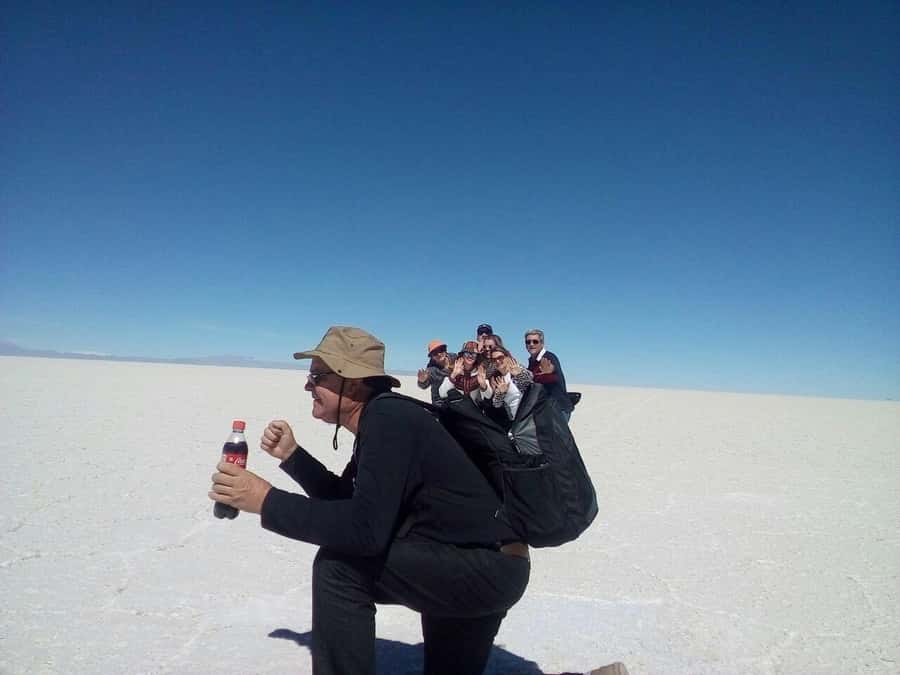
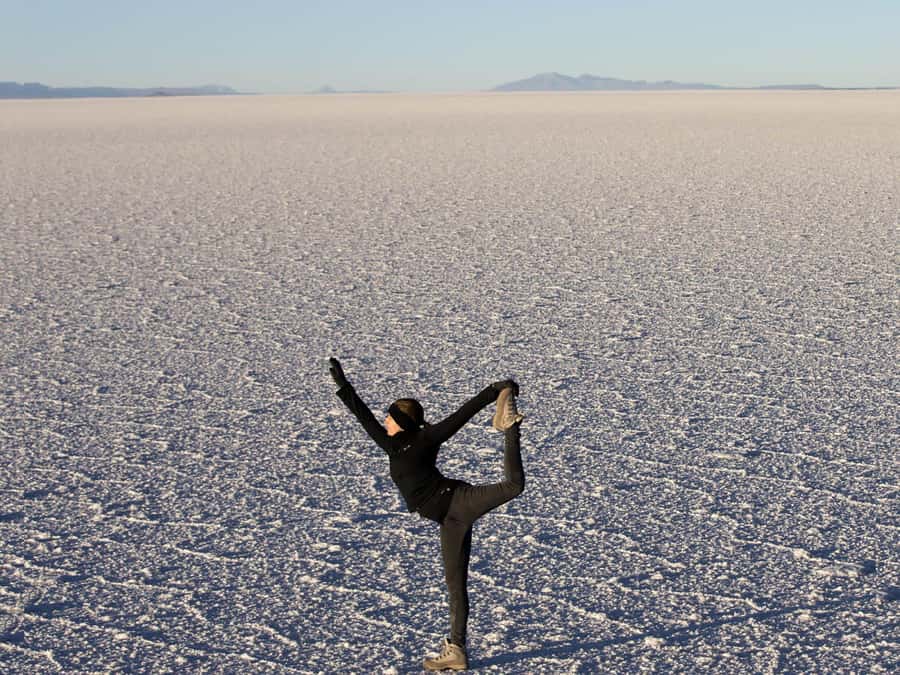
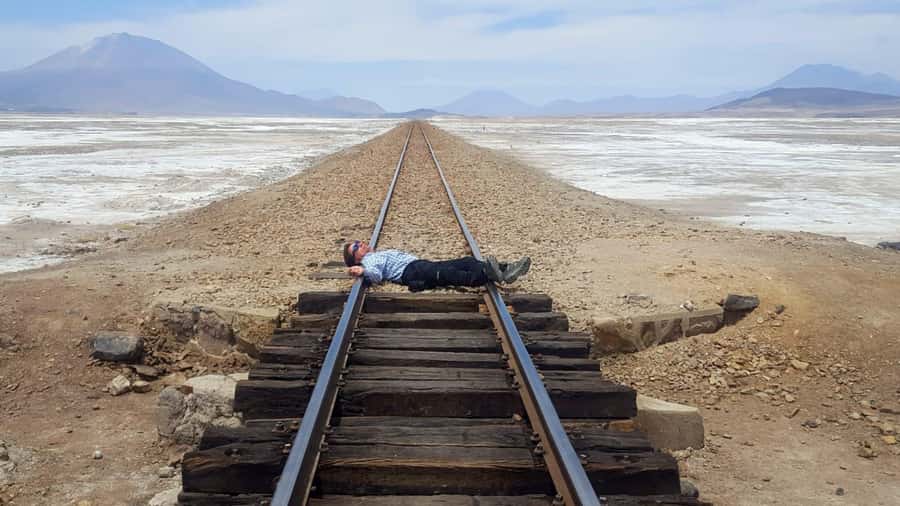
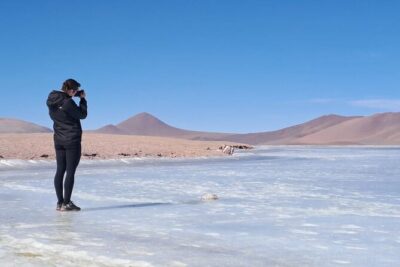
The Uyuni Salt Flat is the big headline for a reason: it’s the world’s largest, and it has that flat, blinding openness that makes distances feel wrong. On this kind of trip, the salt flats are not just “look from the car” tourism. You’re on a route that includes salt-flat moments plus an on-flat stop that usually steals the show, Incahuasi Island.
Here’s what to expect in a way that helps you plan your body and your photos:
- You’ll likely move between viewpoints and salt areas with short bursts of walking and lots of standing around for sightlines.
- The salt environment can be bright and cold at the same time, so warm layers plus sun protection is not optional.
- If you want photos, you’ll get more out of patience than rushing. The scenery changes with how the light hits the surface.
One smart move: wear comfortable shoes you can walk in confidently. The trip asks a lot of you overall, and salt-flat footing plus cold hands and thin air is not the best combo for fragile footwear.
Laguna Colorada and the Colored Lagoons: the wildlife-and-color payoff
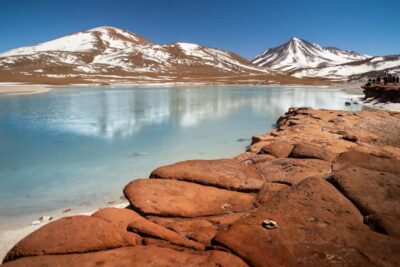
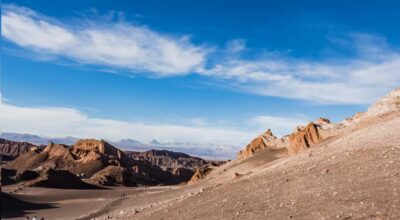
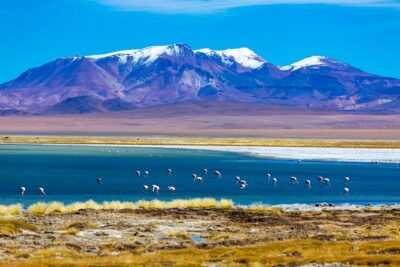
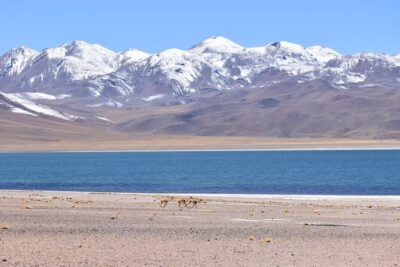
If I had to pick the emotional core of this trip, it’s the Colored Lagoons area, especially Laguna Colorada. This is where the Altiplano stops being “just pretty” and becomes biologically alive. The trip is set up for you to spot wildlife, including flamingos and vicuñas, during the highland and lagoon stretches.
Laguna Colorada isn’t just about color on a postcard. It’s also about scale and atmosphere. You’re in open, dramatic terrain at high elevation, with wide views and the sense that everything here has adapted to a tough climate. That’s why the viewing is worth doing slowly. You’re not just driving through a place, you’re learning how the land works.
Also keep the practical side in mind: you may be dealing with altitude while you’re looking for the best angles and waiting for light. That’s a good reason to pace yourself and not treat every stop like a sprint.
Hot springs at altitude: Laguna Polques and Laguna Blanca
One of the smartest balances in this itinerary is that you get downtime at natural hot springs. You’ll have access to Laguna Polques and Laguna Blanca as part of the route, which is especially helpful after higher passes and cold drives.
A few practical points so you don’t get caught off guard:
- The hot springs are not included in the base price, with Polques listed at 6 Bs, and fees subject to change.
- You may still pay small cash amounts for day-to-day comfort services along the way, like bathrooms (listed as about 20 Bs approx.).
Hot springs at altitude are a relief because they soften the “everything feels harder” feeling. Just don’t go in expecting a spa experience. Think of it as a functional reset, warm water and a chance to breathe, not an all-day luxury.
Volcano trekking near Licancabur, Ollague, and Tunupa
This trip is for people who don’t mind altitude and actually want to earn their views. You’re trekking near very high volcanoes, including Licancabur, Ollague, and Tunupa, reaching elevations in the 3600 to 5000 meter range, while the route is described as trekking near 6000-meter volcanoes.
That’s not a minor detail, and it’s why this experience has a clear suitability warning. It’s listed as not suitable for pregnant women, people with altitude sickness, and people with pre-existing medical conditions. If you fall into any of those categories, take that seriously, not casually.
My advice for everyone else is to treat the trek pace like a marathon, not a hill climb. Thin air turns normal effort into heavy effort. Bring warm clothing and comfortable shoes, and plan for stops where you just wait and recover.
Also, if you’ve never dealt with altitude before, build in a little caution. Even with guiding, your body decides what’s possible. Listen to it.
Sol de la Mañana geysers and the Siloli and Salvador Dali deserts
After the lagoons and trekking, the route shifts into pure “how is this real?” territory.
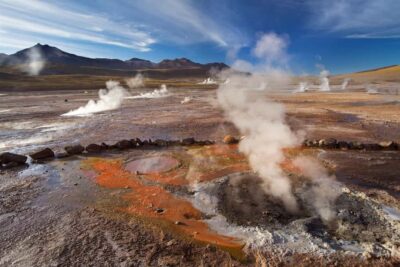
- Sol de la Mañana Geysers give you a dramatic geothermal field stop, a different kind of energy than lagoons or salt.
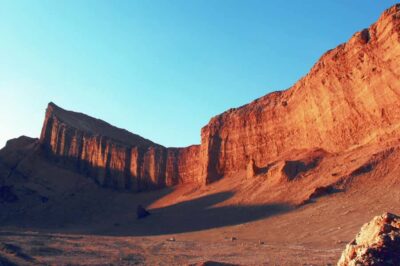
- The Siloli and Salvador Dali deserts add surreal rock-and-sky scenes that feel like sci-fi geography.
I like this mix because it keeps the trip from feeling repetitive. You’re moving through different ecosystems and different visual textures, all while staying in the Altiplano rhythm. When you’re finally ready to admit you’ve seen too much beauty for one day, you’ll still have one more stop that surprises you.
Just remember: even when the terrain looks barren, it’s still remote. Dress for cold, keep water and snacks in mind (since snacks are not included), and don’t assume you’ll have unlimited comfort facilities whenever you want them.
Salt hotels and family hostels: where you sleep, what it feels like
Lodging here is part of the attraction, and it also affects comfort.
You’ll have:
- First night: Villamar family hostel, shared room with shared bathroom
- Second night: Hostal de Sal, with double rooms (salt-themed stay)
- Third night: Villamar family hostel again, shared room with shared bathroom
On top of that, hot showers are not included. Hot showers are listed as about 20 Bs approx. on the second and third nights.
So what should you expect? More character than luxury. The point is to experience a salt stay and local, family-style hosting, not to arrive in a hotel that looks like home.
A small but important comfort suggestion based on a communication complaint I saw in the feedback: bring the little items that make shared stays easier. Even if you think you’re packing light, a small roll of toilet paper and a towel can save you from last-minute scrambling. Also, make sure you have small Bolivian pesos ready, because you’ll see lots of “small fee” moments for entrances and basic services.
Meals on the road: included food, plus what to budget for
This trip includes a lot of meals, which is a big deal on remote routes:
- 4 breakfasts
- 3 lunches
- 3 dinners
That coverage helps because finding reliable food while traveling through remote areas can be slow and expensive. One note from feedback is that the included meals have worked well for people eating vegetarian, so if that’s you, you’re likely to be okay.
But snacks and bottled water are not included, so you’ll want a plan. High altitude days can make you hungry at odd times, and cold weather makes hydration feel less urgent, which is a trap. Add a small buffer of snacks to your pack, and keep water accessible during long stretches.
Small-group guiding, Spanish basics, and why Zima’s style matters
Small group is not just a marketing line here. With up to 6 people per car, you’re less likely to feel lost in a crowd and you get better chance to ask questions. You’re also more likely to get a route that actually fits the group pace.
The guide support is built in:
- Local driver guide
- Spanish with basic English described as available
- Guides are also described as explaining things in both Spanish and English
In one highlighted case, Zima from Kantuta Tours stood out for taking time to explain what you were seeing and making people feel comfortable, which is exactly what you want in a trip with altitude and long drives. It’s easy to “just follow the schedule,” but the good guides help you notice things like flamingo behavior, highland ecology, and why a geothermal field looks the way it does.
Price recap: what you should budget beyond the $458
Here’s the practical list of likely extra costs based on what’s explicitly not included:
- Eduardo Avaroa Protected Area entrance (150 Bs, subject to change)
- Polques Hot Springs (6 Bs)
- Incahuasi Island (30 Bs)
- Border tax (17 Bs, subject to change)
- snacks and bottled water
- bathrooms on the way (about 20 Bs approx.)
- hot showers on the second and third nights (about 20 Bs approx.)
- airport transfers
- personal expenses
- travel insurance
On the plus side, most of your heavy lifting is handled: transport from San Pedro, 4×4 touring, lodging, and meals.
So I’d call it good value if you come prepared with cash for small fees and don’t expect everything to be bundled into the starting price.
What to pack for 3600 to 5000 meters and cold mornings
This is a cold, high-altitude trip. Use the packing list mindset even if you’re from a warm place:
- Passport
- Warm clothing (layers beat one huge coat)
- Comfortable shoes
- Visa if required
And add your own practical upgrades:
- wind-resistant layers, because open highland weather can change fast
- gloves or something for cold fingers
- a small supply of snacks and water for long gaps
- extra Bolivian pesos for bathrooms and entrances
Should you book this Uyuni Salt Flat and Colored Lagoons trip?
You should book if you want a tightly packed 4-day route that hits the big Bolivia icons while still feeling guided and small-group. The combination of Uyuni salt-time, Laguna Colorada, volcano trekking, and Sol de la Mañana geysers gives you variety, not just one long straight line of sightseeing.
You should think twice if altitude is a concern. The trip explicitly lists it as not suitable for people with altitude sickness, pregnant travelers, and those with pre-existing medical conditions. Even if you’re usually fine at altitude, the trekking near very high volcano areas and the 3600 to 5000 meter range mean you need to be realistic about your limits.
Finally, I’d book with confidence if you care about communication and comfort. The small group setup and guides who explain in Spanish and basic English, with examples like Zima’s teaching style, can make the difference between a box-ticking tour and a trip you actually understand.
FAQ
How long is the Uyuni Salt Flat and Colored Lagoons experience?
It lasts 4 days.
Where is the tour located?
It’s in Bolivia, in the Potosi Department.
What is included in the price?
The price includes lodging for three nights (Villamar hostel twice, Hostal de Sal once), minibus transfers between San Pedro de Atacama and Hito Cajon (Chile-Bolivia border), 4×4 transport, a local driver guide, and meals (4 breakfasts, 3 lunches, and 3 dinners).
What costs are not included?
Not included are entrance fees for the Eduardo Avaroa Protected Area, Polques Hot Springs, Incahuasi Island, border tax, plus snacks and bottled water, bathroom fees on the way, and hot showers on the second and third nights. Airport transfers, personal expenses, and travel insurance are also not included.
How big is the group?
It’s a small group, limited to 6 participants per 4×4 car.
What languages are used by the guide?
The guide is listed as speaking Spanish and basic English.
Do I need to cross borders?
Yes. All visitors must pass through the Chilean and Bolivian border.
What’s the altitude like?
The route reaches 3600 to 5000 meters and includes trekking near 6000-meter volcanoes. It’s not suitable for people with altitude sickness or pre-existing medical conditions.
What should I bring?
Bring your passport, comfortable shoes, warm clothing, and a visa if required.
Everything Else We Have Reviewed In Chile
High Lagoons, Red Rock And Salt Flat
Not quite it? Here is the rest of what we have reviewed around Chile
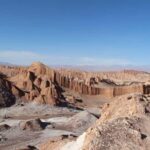

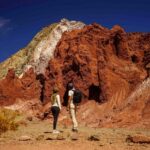
More in Altiplanic Lagoons & Piedras Rojas.
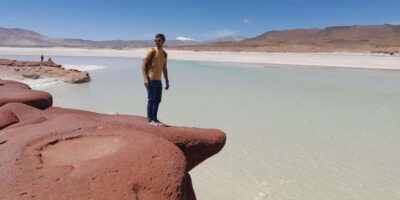 ★ 4.7Piedras Rojas, Altiplanics Lagoons & Salar Full-Day TourFrom $85592 reviews
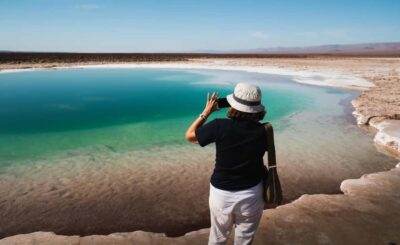 ★ 4.6Baltinache LagoonsFrom $70359 reviews
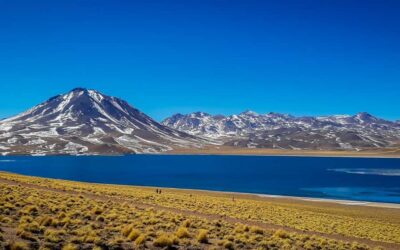 ★ 4.7Triple tour: Red stones, highland lagoons and Chaxa LagoonFrom $85219 reviews
 ★ 5.0Red Stones and Altiplanic LagoonsFrom $75151 reviews
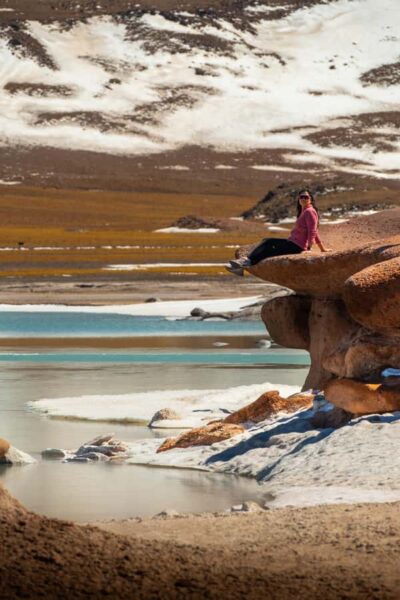 ★ 4.9Red Rocks & Altiplano Lagoons Day TripFrom $129108 reviews
 ★ 5.0Full Day Tour to Ruta de los SalaresFrom $70105 reviews
 ★ 4.5Altiplanic Lagoons & Piedras Rojas Tour from San Pedro de AtacamaFrom $11387 reviews
 ★ 5.0Full Day Tour Piedras Rojas Altiplanic Lagoons Chaxa LagoonFrom $14075 reviews
Browse the lists this tour appears in