Review · CHILE
Experience: Organic Coffee, Avocados, Honey & More!
Taste coffee with avocado and honey, on a farm. This is a working eco-farm visit outside Antigua, where organic agriculture becomes food you can taste and tasks you can try, not just a photo stop. I especially like the hands-on flow, coffee to cup, with a guide who explains as you go.
The second thing I really like is the whole system idea: bees and honey connected to soil building through compost. You’ll walk plantations, snack on fresh produce, and see multiple compost setups you can copy. One possible drawback: it is an outdoor walking tour, and it runs on good weather, so bring closed shoes and expect some farm-ground reality.
In This Review
- Key things that make this tour worth your morning
- Organic farm food in Antigua: why coffee, honey, and compost are linked
- Price and timing: a 2 to 3 hour family-farm escape from Antigua
- Getting there via San Pedro Las Huertas: the short ride that changes the vibe
- Coffee plantation to your cup: grinding, brewing, and tasting the real thing
- Avocado plantation walk, then guacamole and tortillas in season
- Bees and honey: understanding why pollinators are part of the farm plan
- Four organic compost setups: practical fertilizer lessons you can use
- The people behind the farm experience: owner-led and hands-on
- Who should book this Antigua eco-farm tour, and who might skip it
- What to do before you go: simple prep that makes the tour easier
- Should you book Organic Coffee, Avocados, Honey & More?
- FAQ
- How long is the Organic Coffee, Avocados, Honey & More tour?
- What time does the tour start and where do I meet in Antigua?
- How much does the tour cost?
- What’s included in the experience?
- How many people are in the group?
- What happens if the weather is bad?
- Can I cancel if I change my plans?
Key things that make this tour worth your morning
- Hands-on coffee from bean to brew so you taste what you helped make
- Avocado plantation walk plus guacamole and corn tortillas when in season
- Bee-centered honey tasting with a look at new honey-collecting tech
- Four different organic compost methods you can learn and reproduce
- Small group, round-trip transport with the owner running the show
More Chilean coffee stops
- Coffee and Gastronomic Bike Tour in Antigua
★ 5.0 · 284 reviews - Coffee & Macadamia Fincas Tour
★ 4.5 · 53 reviews
Organic farm food in Antigua: why coffee, honey, and compost are linked
If you’ve ever wondered why some coffee tastes better, or why some farms smell like life while others look exhausted, this tour answers it in plain terms. The farm treats soil like a living thing. That means compost first, then healthier plants, which in turn supports pollinators like bees.
This isn’t a museum of agriculture. It’s a working place where the day-to-day choices matter. That’s the big value here: you’re not only sampling coffee and honey, you’re seeing the chain of cause and effect that produces them.
You also get an easy way to understand Guatemalan sustainable agriculture without needing a whole course. You walk, you taste, you ask questions, and you leave with practical ideas you can actually use.
Price and timing: a 2 to 3 hour family-farm escape from Antigua
At $59 per person, this is priced like a proper guided experience, not a quick bus ride. The payoff is that your time covers a lot: round-trip transport, a small group setup (max 10 travelers), and multiple hands-on food and farming activities.
The tour typically runs 2 to 3 hours and starts at 9:30am. You meet at Casa del Jade, in the Edificio El Jaulón, 4a Calle Ote. 10, Antigua Guatemala. The activity ends back at the same meeting point, so you don’t have to sort out transport at the end.
Expect a walking tour on farm paths. It’s not strenuous hiking, but it is real walking. If you want a very low-movement experience, plan ahead.
Getting there via San Pedro Las Huertas: the short ride that changes the vibe
You leave Antigua and drive by San Pedro Las Huertas to reach the farm area. That short transition matters. Antigua can be busy and loud, and this tour gives you a calmer, greener rhythm fast.
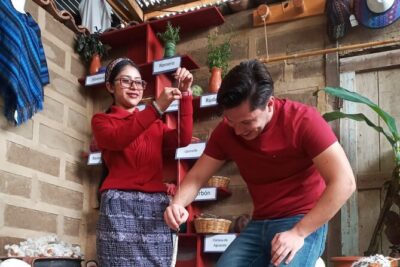
When you arrive, the tour starts right on the farm with a walking format. There’s time to slow down. You’re not racing through stations. The day is built around walking between coffee, avocados, and the honey and compost areas, with food tastings woven throughout.



Coffee plantation to your cup: grinding, brewing, and tasting the real thing
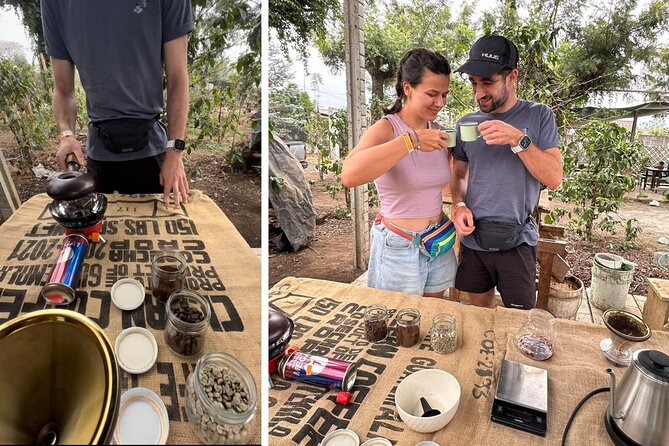
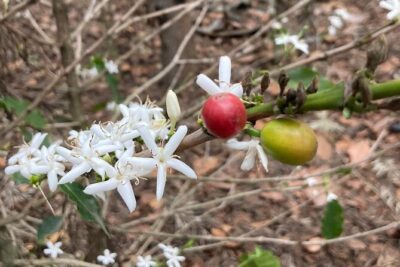
Coffee is the first big theme, and it’s handled in a practical order. You go through the coffee plantation and taste coffee there, so you connect the plant to the flavor early.
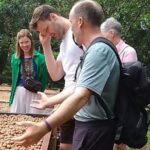
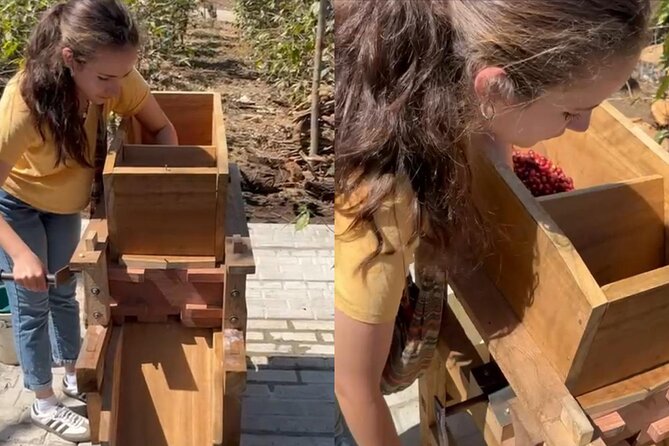
Then you move into the hands-on part where you grind and brew coffee (and you’ll hear the step-by-step logic behind what you’re doing). This is one of the most praised parts of the whole experience, because you don’t just taste, you make the connection through your hands.
What I like about this segment is the pacing. You get the idea that good coffee is work before it becomes a drink. You also get a chance to ask questions while the process is fresh, instead of trying to remember details later.
If you’re a coffee person, you’ll likely leave with sharper ideas about grind, brewing, and why farms emphasize careful growing and processing. If you’re not a coffee person, you can still enjoy it as a food and farming story.
Avocado plantation walk, then guacamole and tortillas in season
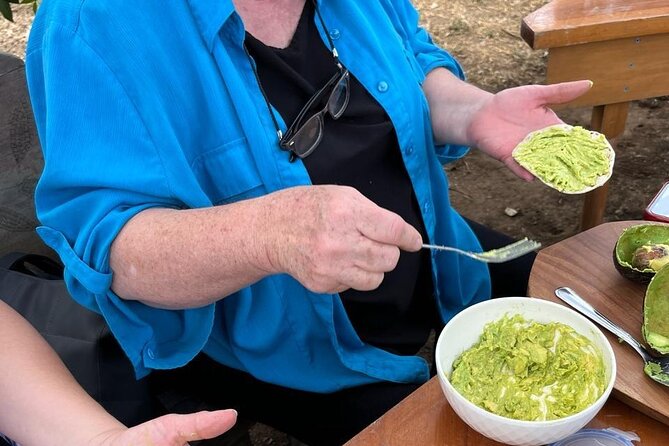
After coffee, you walk by the avocado plantation. It’s a simple moment, but it helps you reset your brain from drink mode to food-growing mode. Seeing the trees makes the snack feel less like something pulled from a shop shelf and more like something grown on-site.
Then you shift into making food. You’ll make guacamole (in season) and corn tortillas. When guacamole is available, it’s tied directly to the farm avocados, and you get to taste what you made right after.
A nice part here is that the tour makes tortillas part of the experience, not an optional add-on. Corn tortillas are one of those foods where technique matters, and learning the basic process gives you a better appreciation for why they taste the way they do.
If you’re traveling with kids, or anyone who learns best by doing, this food-making stop is usually where the mood turns playful.
Bees and honey: understanding why pollinators are part of the farm plan
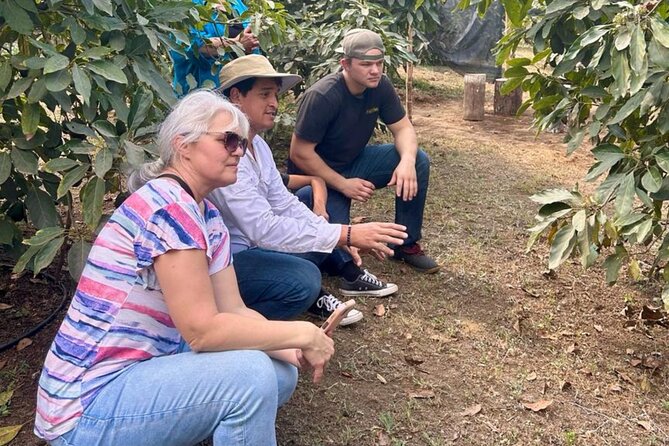
Next comes the honey section, and it’s not treated as a random sweet bite. You learn the importance of bees and why they matter for healthy plants.
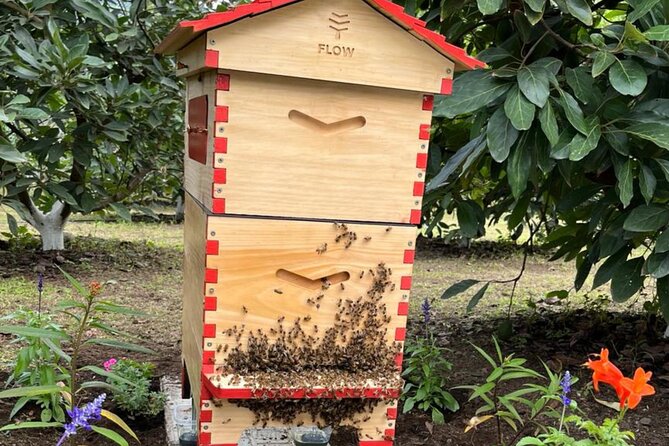
You’ll also see new technology to obtain honey, then taste the honey. That combination is smart. Many farm tours talk about bees in vague terms. Here, you get both the why and a look at the practical how.
I like that the tour frames bees as part of the farm ecosystem, not as a side attraction. You’re meant to understand that pollinators affect more than just flowers. They influence the health and productivity of a farm over time.
If you like sustainability, this stop is the one that makes it feel real. You start thinking about farms as systems: soil, plants, insects, and people all connected.
Four organic compost setups: practical fertilizer lessons you can use
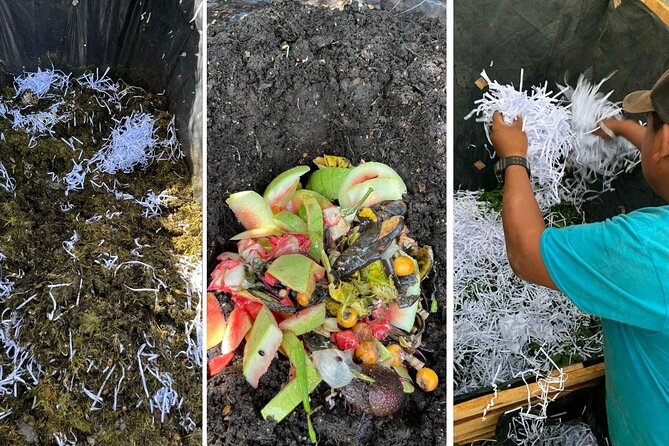
Compost is where the tour gets extra valuable, especially if you’re the type who likes to try ideas at home.
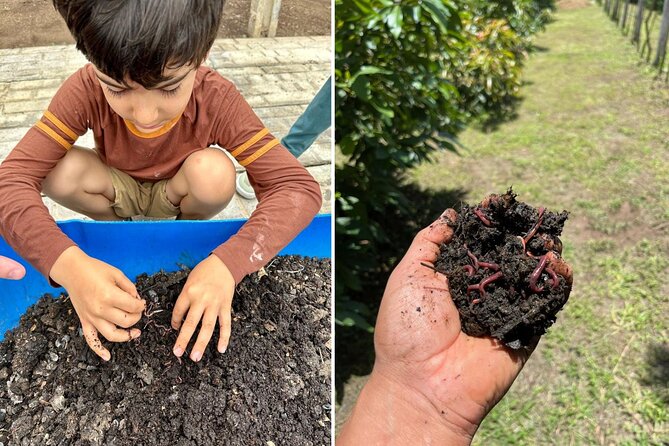
You’ll see four different organic compost making setups and learn about how they work. You’ll also learn how the farm is making it to be organic, which in this context means understanding the decisions behind fertilizer, soil health, and long-term farm care.
Compost is the quiet engine of organic agriculture. Instead of pushing fast results with chemical inputs, compost feeds the soil, which helps plants grow with fewer stress signals. In turn, that supports a more stable ecosystem.
This stop also tends to feel highly useful because it turns into real-world knowledge. You come away knowing that organic farming is not just a label. It’s a set of processes you can plan, repeat, and improve.
The people behind the farm experience: owner-led and hands-on
This tour is run by the owner of the farm, Michael (spelled a few ways in the information you’ll see, including Maykol and Maykel). He guides the experience personally, and you can feel the farm is family-owned and daily-work serious, not show-only.
You’ll also hear family stories tied to the farm. That adds context, because you’re not being handed a script. You’re getting a working family explanation of why they farm the way they do.
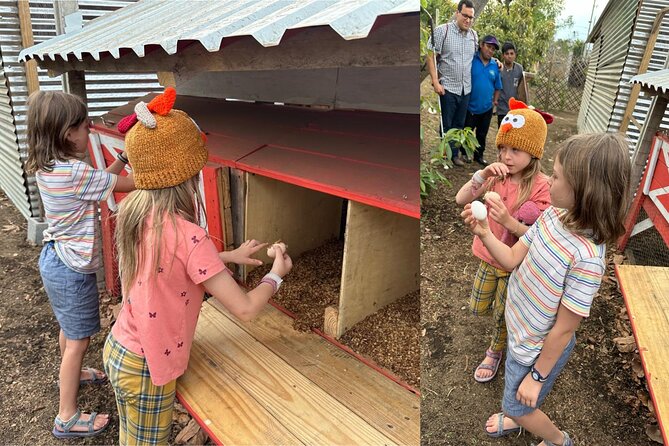
On many visits, you might also meet family helpers and animals. Some groups mention a daughter named Elisa, plus dogs including Gunner and Bingo, and a few cats. You can’t treat that as guaranteed, but it does match the vibe: it’s a lived-in working place.
Who should book this Antigua eco-farm tour, and who might skip it
This is a great match if you want:
- Hands-on food like coffee making, tortillas, and guacamole when in season
- A small group feel (max 10 travelers), with time to ask questions
- Sustainable agriculture as a story you can see, not just a slogan
- A morning activity that’s different from downtown Antigua sights
It’s also well suited for families. Kids can participate in the activities, and the tour environment is interactive rather than stiff. If you like gardening, coffee, or natural systems, you’ll likely enjoy how practical the compost and bee sections feel.
I’d skip it if:
- You don’t want outdoor walking
- You want a high-energy city tour packed with many viewpoints
- You need a perfectly predictable snack menu regardless of what’s in season
What to do before you go: simple prep that makes the tour easier
Here are practical things that will help you enjoy the walk and the food steps:
- Wear closed-toe shoes. Farm paths can be uneven.
- Bring a light layer. The morning can feel different than the heat later.
- Think of this as a working farm, not a staged show. Ask questions as you walk between coffee, avocado, honey, and compost.
- Go in flexible mode about seasonal items. Guacamole is tied to season.
If you’re someone who loves to document trips, bring your phone. But also put a little attention on the process itself. The point is learning how things are made, not just collecting shots.
Should you book Organic Coffee, Avocados, Honey & More?
I think you should book this if you want a real feel for sustainable agriculture in Guatemala, with food you help make and taste. The combination is what makes it work: coffee connects to plantation work, avocados connect to a snack you can build, honey connects to bees and ecosystem thinking, and compost connects the whole system to soil health.
For the money, the value is strong because you get multiple activities in one half-day, plus transport back to your Antigua meeting spot, and the group stays small. You’re not just buying access, you’re buying time with a working farm and a guide who teaches while you participate.
If weather is poor, the experience may be rescheduled or refunded, so don’t plan to leave Guatemala immediately after your tour date. Otherwise, this is exactly the kind of Antigua day trip that feels like you learned something useful and also ate well.
FAQ
How long is the Organic Coffee, Avocados, Honey & More tour?
It runs about 2 to 3 hours.
What time does the tour start and where do I meet in Antigua?
It starts at 9:30am. You meet at Casa del Jade, Edificio El Jaulón, 4a Calle Ote. 10, Antigua Guatemala 03001, Guatemala, and the tour ends back at the meeting point.
How much does the tour cost?
The price is $59.00 per person.
What’s included in the experience?
You get a farm walking tour plus transportation back and forth, and you’ll do hands-on activities like grinding and brewing coffee, making corn tortillas, and making guacamole in season, plus honey tasting and compost education.
How many people are in the group?
The tour has a maximum of 10 travelers.
What happens if the weather is bad?
This experience requires good weather. If it’s canceled due to poor weather, you’ll be offered a different date or a full refund.
Can I cancel if I change my plans?
Yes. You can cancel for a full refund if you cancel at least 24 hours before the experience’s start time.