
Review · TOURS
Coffee & Macadamia Fincas Tour
Coffee and macadamias, all in one trip. If you like your travel days with a purpose, this Antigua tour mixes coffee from production to cup with a look at sustainable macadamia growing. The combination of farm stops, short walking time, and real-world farming stories makes it more than a quick countryside detour.
I like that it’s easy logistics: air-conditioned minivan pickup and drop-off, plus a professional guide handling the flow. I also like the tone of the experience, especially the way guides can explain both the process and the impact, with standout guides you might encounter such as Roberto, Erwin, Galileo, or Hugo.
One possible drawback: the experience depends a lot on your guide and vehicle. A few past experiences flagged issues like an older, dirty van or the tour feeling light on what you hoped to see, so it helps to go in knowing you’re paying for guided interpretation and transportation, and not for a massive, sprawling plantation walk.
In This Review
- Key Things to Know Before You Go
- Antigua Pickup to the Coffee Finca: How the 4-Hour Rhythm Works
- Finca La Azotea: Coffee From Production Area to Your Cup
- Valhalla Experimental Station: Macadamia, Sustainability, and Community Impact
- The Guides Make or Break the Day (In a Good Way)
- Price and Value at $60: What You’re Paying For
- What You Actually Do During the Day (And What to Bring)
- Who This Tour Fits Best, and Who Might Skip It
- Should You Book the Coffee & Macadamia Fincas Tour?
- FAQ
- How long is the Coffee & Macadamia Fincas Tour?
- What does the tour cost?
- Do I get hotel pickup and drop-off?
- Is this tour private?
- Are admission tickets included for the farms?
- How big is the group?
- What is the dress code?
- Can children participate?
- What if the weather is bad?
Key Things to Know Before You Go
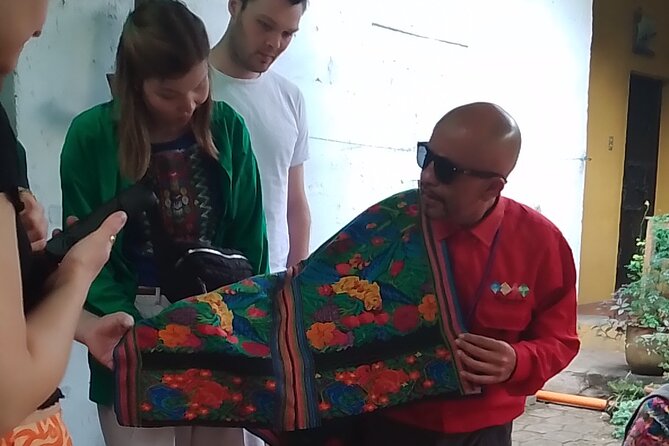
- Two farm stops, three to four hours of real touring time, with about 2 hours at the coffee finca and about 1 hour at the macadamia station
- Small groups up to 8 people, which usually makes it easier to ask questions and get personal attention
- Sustainable agriculture with a community angle, especially at Valhalla’s macadamia program tied to indigenous education and long-term stewardship
- Tickets for the sites are not included, so plan to pay entry fees on arrival
- You may get tastings and a place to eat, since the stops can include a restaurant and small shop time
More Chilean coffee stops
- Coffee and Gastronomic Bike Tour in Antigua
★ 5.0 · 284 reviews - Coffee & Macadamia Fincas Tour
★ 4.5 · 53 reviews
Antigua Pickup to the Coffee Finca: How the 4-Hour Rhythm Works
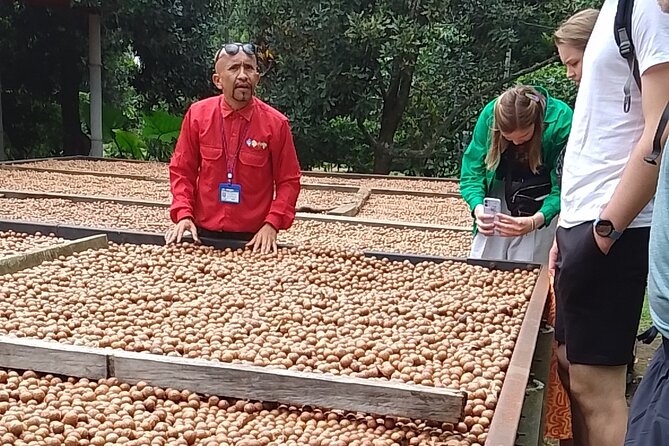
This tour is designed to fit cleanly into a day in Antigua. You get hotel pickup and drop-off by air-conditioned minivan, so you are not coordinating rides or hunting for directions once you leave town.
The timing is fairly tight, and that matters. You will spend about 2 hours at Finca La Azotea, then about 1 hour at Valhalla Experimental Station, so the day favors guided learning over long, slow wandering.
Because the group is capped at 8, you usually get space to ask questions without feeling like you are in a loud bus line. Also, the minimum booking requirement means they tend to run this when there are enough people, not as a permanent private-only service every day.
If you are sensitive to heat, plan water in advance. One review story included a heat-sickness moment where the guide helped quickly, which is a good reminder that comfort matters on farm days.
Finca La Azotea: Coffee From Production Area to Your Cup
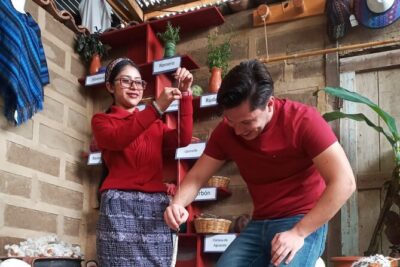
Finca La Azotea is the coffee half of the day, and it is set up as a hands-on education route rather than a scenic viewpoint stroll. You leave Antigua’s historical core and head out to the surrounding countryside, then you spend real time on coffee production.
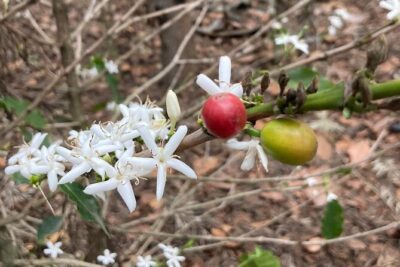
You should expect learning that runs from the coffee plant basics to how production becomes the cup you order later. The goal here is to understand why Guatemala’s coffee earns international attention, not just to taste something and move on.
A couple of reviews are pretty clear on what makes this stop satisfying: seeing coffee production from seed to coffee cup, and having a guide who can explain how the whole chain connects. If you pick a guide like Erwin or Hugo, you may get extra cultural context too, including how coffee ties into rural life and the country’s daily rhythms.
Now for a realistic expectation. This stop is not described as a massive, sprawling plantation tour where you hike for miles. Some people were happy with the smaller-scale walk and explanations, while others wanted more of a hands-on, bigger-vision feel. If your idea of coffee travel is lots of field trekking, you might want to pair this with something else in Antigua.
Also note the admin detail: admission to Centro Cultural La Azotea is not included. That means you should budget for entry fees on the day, and keep small bills ready for smoother payment.
Valhalla Experimental Station: Macadamia, Sustainability, and Community Impact
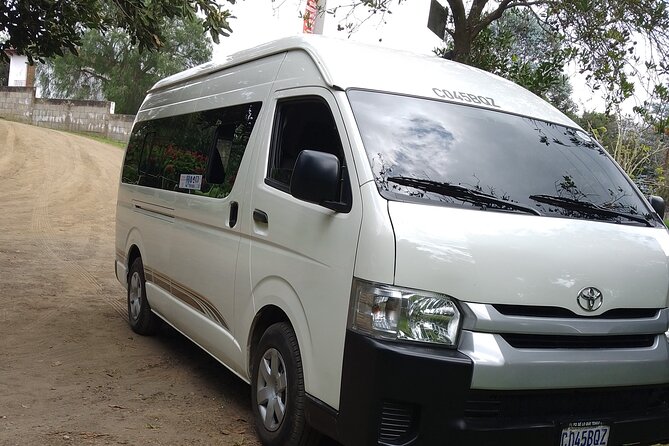
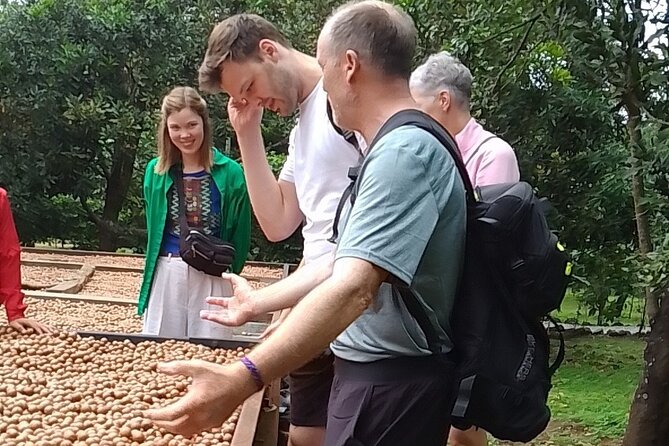
Valhalla Experimental Station is your macadamia stop, and it is not presented as a simple “see the nuts” detour. You learn the nutrition side and also the ecological rationale behind macadamia as a crop, including the argument that sustainable agriculture can support climate resilience.
The most meaningful part for me is how this visit connects farming to people. Valhalla is described as dedicated to preservation and healing through sustainable practices and education for indigenous communities, and it has been planting and maintaining macadamia trees for over twenty years.
If you care about agriculture that supports more than one outcome, this is where the tour delivers. One highly rated experience highlighted that Valhalla’s outreach program donates trees to families, aimed at supplementing food supply and potentially creating income through macadamia products. That is a difference-maker compared to tours that treat the farm as a backdrop.
Expect this stop to feel more like a mission with a lesson, not a showroom. You may also get tastings, and at least one review specifically mentioned tastings toward the end, which is a nice capstone when you have spent time learning why the nut matters.
Like the coffee stop, admission to Valhalla Experimental Station is not included. Again, plan for entry fees and factor that into your total spend, since $60 covers transport and guiding, not site access.



The Guides Make or Break the Day (In a Good Way)
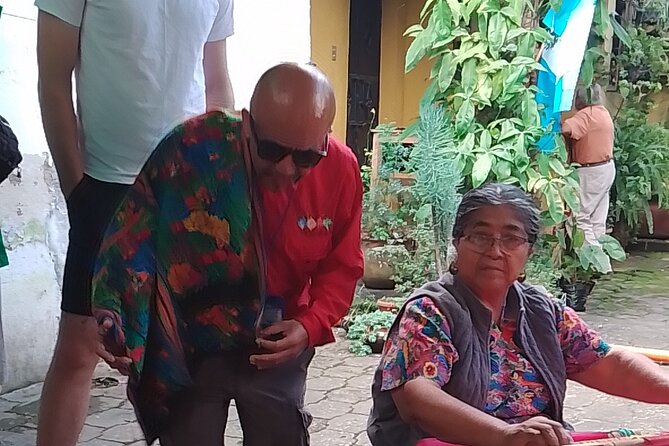
This is a guide-driven tour. The format is set, but what you take away depends heavily on how your guide turns farm facts into a story you can remember.
From the experiences you have on record, guides like Roberto, Galileo, Erwin, and Hugo show up with different styles. Roberto is described as energetic and enthusiastic, Erwin as offering an in-depth coffee plantation experience and strong educational delivery, Galileo as personable, and Hugo as passionate with the ability to customize.
That customization shows up in real ways. One tour experience described a guide who added extra stops when time allowed, such as a side excursion to Aliotenango. If you want a more personal itinerary rather than a rigid checklist, this is the kind of tour format where your guide can work with you.
There are also a couple of friction points you should be aware of. One negative mention complained about the guide turning the day into real estate selling, which is not what most people come for. If you want strictly farm learning and minimal sales talk, tell your guide early that your focus is coffee, macadamia, and sustainability.
Another negative note was blunt about vehicle quality, with one person describing a very old, dirty car. Since your tour includes air-conditioned transport, your comfort should be non-negotiable. If you book and you are fussy about cleanliness or safety, it is reasonable to ask what kind of vehicle to expect at pickup.
Price and Value at $60: What You’re Paying For
At $60 per person for about 4 hours, you are paying for four things: air-conditioned transport, a professional guide, private transportation, and a structured route that links two specific agricultural experiences. It is not priced like a full-day private driver with lots of stops, and it is not priced like a self-guided entrance-only ticket bundle.
The big “value check” is that site admissions are not included. You will also want to plan for tips, since tips are recommended at 10% based on satisfaction. In other words, the all-in cost can be a bit higher once you add entry fees and gratuity.
If you compare this to doing it solo with a taxi or ride service, this tour is worth considering when you want the education component delivered by someone on the ground. A negative experience said coffee could have been done via a cheaper ride, but the counterweight is that the guide adds context that changes what the visit means.
For families, the value logic also works. One family-focused review praised that there was something for all ages, including tastings, a restaurant, and a small gift shop at the stop. That can reduce the “what do we do now?” pressure that can hit during farm visits.
If you are expecting huge plantations and lots of time walking fields, it may feel pricey. If you are expecting guided explanation, short farm walks, and a sustainability-focused story, it often feels right in the middle of “worth it” and “easy day.”
What You Actually Do During the Day (And What to Bring)
The experience is structured, but you still control small parts of it. You start in Antigua, get driven out to the coffee finca, spend about 2 hours there, then head to Valhalla for about an hour.
You do not need fancy outfits. There is no dress code required, which is great if you want to keep your day simple.
What you should bring is practical farm-day stuff. Wear comfortable shoes for uneven ground, pack water, and bring sunscreen if it is a bright day. Since the tour depends on good weather, having a basic plan for heat and sun helps you enjoy the time outdoors.
Also, think cash for admissions and tips. Tickets are not included for both stops, and tips are recommended. One reason some tours feel expensive is the surprise cost at the gate, so treat the entrance fees as part of your planning, not a late add-on.
If you want to buy something, know that there can be a small gift shop and a restaurant at the coffee stop. That makes it easier to turn the tour into a relaxed end instead of a rushed scramble.
Who This Tour Fits Best, and Who Might Skip It
This tour fits best if you want guided education without a long travel day. If you care about sustainable agriculture, community outreach, or learning the path from coffee plant to coffee cup, you will probably enjoy the way both stops connect.
It also works well for couples and families who want a day outside Antigua but still structured. With a group size up to 8 and private transportation, it tends to feel more personal than big-group tours.
If you are the type who wants long hikes, huge acreage, and hours of wandering, you may feel the day is short on “size.” Some people also felt the macadamia stop was too brief, so if macadamia is your main obsession, go in expecting a concentrated hour of education rather than a full deep farm immersion.
If you dislike any sales pressure, communicate your preferences early. One account mentioned a guide who tried to steer the conversation toward real estate, and that is not everyone’s idea of a great farm day.
Should You Book the Coffee & Macadamia Fincas Tour?
I think you should book if you want an easy Antigua day with guided learning, small-group pacing, and a sustainability story that includes real community impact. The best parts are when your guide turns coffee and macadamia into a clear narrative, and when the visit goes beyond just products into the “why” behind farming.
I would hesitate if you are mainly hunting for huge plantation scenery or you expect everything to be totally self-contained, with no extra entry fees. Also, if vehicle cleanliness is a deal-breaker for you, be mindful and confirm pickup details early.
In short: it is a smart choice for travelers who want a structured, educational half day outside town, with the option to pick up tastings and shop time. If that matches your travel style, $60 is a fair starting point, and the experience can feel like a meaningful use of your time in Antigua.
FAQ
How long is the Coffee & Macadamia Fincas Tour?
It runs for about 4 hours (approx.).
What does the tour cost?
The price is $60.00 per person.
Do I get hotel pickup and drop-off?
Yes. Pickup and drop-off are provided by air-conditioned minivan, with transport included.
Is this tour private?
The tour offers private transportation, and it is described as giving you more flexibility with a private tour.
Are admission tickets included for the farms?
No. Entry/admission for Centro Cultural La Azotea and Valhalla Experimental Station are not included.
How big is the group?
The maximum group size is 8 travelers. There is also a minimum of 4 people per booking.
What is the dress code?
There is no dress code required.
Can children participate?
Most travelers can participate. A child rate applies only when sharing with 2 paying adults, and children must be accompanied by an adult.
What if the weather is bad?
This experience requires good weather. If it is canceled due to poor weather, you will be offered a different date or a full refund.
Chilean Coffee Stops
The Rest Of Our Chile Tours

Everything Else We Have Reviewed In Chile

Not quite it? Here is the rest of what we have reviewed around Chile



More in Tours.
 ★ 4.3Cajon del Maipo/Embalse del Yeso Tour with PicnicFrom $373,789 reviews
 ★ 4.2Vina Del Mar, Valparaiso, Casablanca & Reñaca TourFrom $392,838 reviews
 ★ 4.8Valparaiso, Viña del Mar, & Casablanca Valley TourFrom $721,491 reviews
 ★ 4.7El Tatio Geysers TourFrom $70943 reviews
 ★ 5.0Farellones Park TourFrom $54848 reviews
 ★ 4.4Valle Nevado and Farellones Small Group TourFrom $35724 reviews
 ★ 4.3Valparaiso and Viña del Mar Day TourFrom $45643 reviews
 ★ 4.8Etno-Stargazing Tour with TransferFrom $41629 reviews