
Review · HIKING & TREKKING
Hike to Pacaya Volcano from Antigua
Pacaya is Guatemala’s active volcano, up close. From Antigua you’ll ride out, then hike a steep trail to a lava plateau where you can feel the volcanic heat and roast marshmallows at steaming vents. I love the small-group guide who keeps you moving and gives real context, and I love the lava-vent stop that turns a hike into something you actually remember. The only real drawback is that this route can feel tougher than you expect, so if you’re not confident on steep climbs, the optional horse may be worth budgeting for.
The tour is built for convenience: hotel pickup from selected places, a shared ride to the park, and a guided hike with plenty of natural pause points to catch your breath. Guides you might meet include Ervin, Irving, and Mono, and based on their style you can expect stops for questions, plants and terrain, and a clear sense of how the volcanic area works.
One more consideration: English can be only basic. The tour describes Spanish-English guidance with basic English, and some departures may feel more Spanish-forward than you’d like. If you want smoother communication, bring simple Spanish phrases or a translation app and keep expectations realistic.
In This Review
- Key things I’d plan around on Pacaya
- Why Pacaya from Antigua is such a good half-day volcano day
- Price and value: what $35 really buys you, plus what you must add
- Antigua pickup and the drive to Pacaya National Park
- The hike itself: what the route feels like and what the guide does for you
- On foot vs horseback
- Group movement
- The lava plateau and marshmallows: the moment Pacaya turns memorable
- Horses, walking sticks, and the local add-on vibe at the park
- Food stops
- Guide experience: how the best ones keep you safe and happy
- Timing, weather, altitude feel, and what to pack
- Clothing by season
- Shoes and gear you should not skip
- Who this tour suits best, and who should rethink it
- Great fit if you
- Consider a different plan if you
- Should you book the Pacaya Volcano hike from Antigua?
- FAQ
- What does the tour price include?
- How much is the Pacaya National Park entrance fee?
- Can I ride a horse instead of hiking the whole way?
- Are there any other optional add-ons?
- How long does the hike take?
- What should I wear and bring?
- Does the tour run in bad weather?
- Will the guide speak English?
- Is this tour suitable for children?
- What is the maximum group size?
Key things I’d plan around on Pacaya
- Steep, short, and physical: Plan your effort for a strong uphill early on, even if the hike isn’t very long.
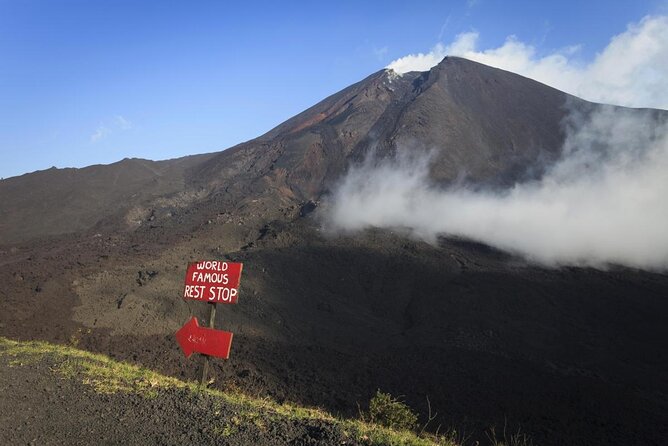
- Volcanic heat is the main event: You won’t go to the crater, but you will roast marshmallows over vents.
- Cash is required for the park entrance: The Q100 entrance fee is mandatory and paid in quetzales at the gate.
- You can switch to a horse: Riding is optional and handled by local providers at the park.
- Later departures can mean darker footing: Bring a flashlight if you choose a sunset-timed hike.
- Group size stays manageable: Maximum 24 travelers, but you should still stay aware of regroup points.
Other Chilean trails we have walked
- Hike to Pacaya Volcano from Antigua
★ 4.5 · 502 reviews - TRIPLE ACTIVITY TOUR, Bike Kayak Hike, ANTIGUA
★ 5.0 · 211 reviews - Overnight Adventure Hike Acatenango Volcano
★ 4.5 · 151 reviews
Why Pacaya from Antigua is such a good half-day volcano day
If you’ve ever looked at Guatemala photos and thought, I want that to feel real, Pacaya does it. You’re not just watching a volcano from a distance. You hike through volcanic terrain, stand on a plateau with dried lava fields, and feel the warmth coming up from the ground. It’s a rare mix of light adventure and direct geology.
The pacing is also smart. You get transport from Antigua, a professional local guide, and a planned loop that returns you back for the day. That matters because Pacaya is active and the park has rules. The tour takes care of the practical side, while your guide focuses on keeping the experience smooth and safe.
And let’s talk about the human part. What many hikers remember here is the guide’s energy and the way the group keeps moving. Even on steep sections, you’re not left to figure things out alone. Rest stops happen. Questions get answered. And if you’re traveling with limited experience, the horse option gives you a clean backup.
Price and value: what $35 really buys you, plus what you must add
The tour price is $35 per person, and that covers the main structure of the day: shared round-trip transportation from Antigua and a trail guide (Spanish-English with basic English). It also includes the on-the-ground guidance that helps you navigate a volcanic environment without wandering into restricted areas.
What is not included is important for your budget. You must pay the Pacaya National Park entrance fee: Q100 per person in cash at the gate (about USD $14). That’s not optional.
Then there are common add-ons:
- Optional horse rental: about Q300 per horse (around USD $40), payable directly at the park.
- Optional walking stick: Q10 (about $1.50).
- Optional food add-ons like coffee and pizza. On select departures, conditions may allow cooking pizza over hot volcanic rocks.
So how do you judge value? I’d look at the whole day cost, not just the headline price. With the entrance fee, you’re already adding roughly $14. If you take the horse for comfort, you add another chunk. Still, compared with many “activity plus transport” tours, this one keeps costs concentrated around what you actually use: guidance, park access, and a real volcano experience.
Antigua pickup and the drive to Pacaya National Park
Most days start with hotel pickup from selected hotels. The ride is about an hour from Antigua to the national park meeting area. You’ll stop briefly at the park entrance for restrooms and stretching before the hike begins.
This early timing is not just for scheduling. The park trails involve steep climbs and changing ground conditions. Having that short warm-up helps your feet and knees. It also helps your group settle in before the uphill starts.
One practical note that matters if you’re going at 2:00pm: traffic in Antigua can be heavy around the afternoon. On that departure window, you may be asked to meet at a more central pickup point to avoid delays that can ripple through the whole group. The tour will notify you in advance if that applies.
For me, that’s a sign the operator is thinking about real logistics. In a city like Antigua, “on time” is never guaranteed, but smart pickup changes are often the difference between a calm start and a stressed one.

The hike itself: what the route feels like and what the guide does for you
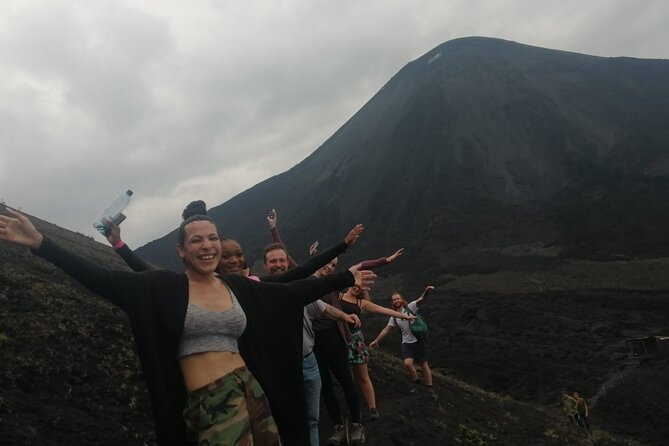
The hike is described as moderate, and your real-world experience depends on your conditioning and confidence on steep slopes. Even if you’re a regular walker, the first push can surprise you. The steepest sections come early and mid-route, and volcanic terrain can be dusty and gritty.
Your guide leads you along scenic trails through volcanic terrain and forests. You’ll make pauses for views and for the kinds of stops that turn a workout into a story: plant and terrain observations, basic explanations of volcanic activity, and time to regroup with the whole group.
On foot vs horseback
You can hike entirely on foot, or you can switch to horseback for the uphill, the downhill, or a portion of the route. The horse is optional and handled by local providers at the park, not by the tour itself.
This option is a big deal because it changes who the hike can work for. If you want the volcano experience but steep climbs intimidate you, horses can take the edge off without removing the key moment: standing on the lava plateau and feeling the heat.
Group movement
Your group may include anywhere up to 24 travelers, and you’ll share the trail with other groups and horses. That means you should expect some mixing and passing. It also means you benefit from staying close to your guide during check-ins and turning points.
A caution from real-world experience here: on busy paths, it’s easy to lose the group at a fork. So keep your eyes up, listen for regroup instructions, and confirm the timing of the next stop.
The lava plateau and marshmallows: the moment Pacaya turns memorable
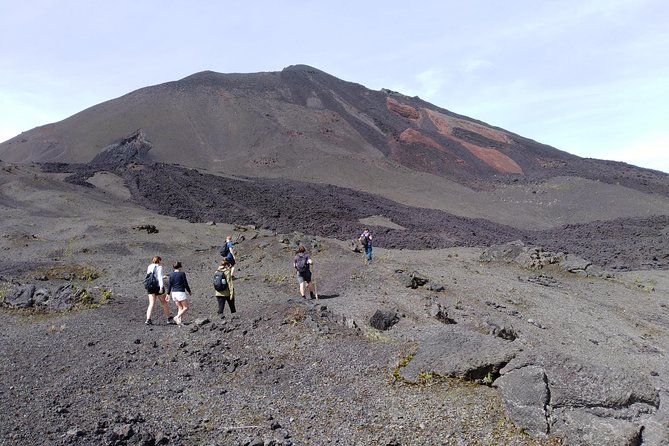
The best part of Pacaya is not the idea of a crater. It’s the heat and the vent activity you encounter on the plateau.
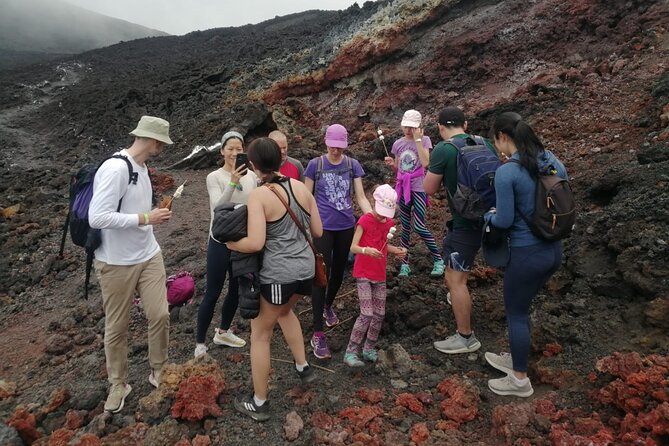
For safety reasons, visitors can’t approach the crater. But the route leads you to high-altitude ground overlooking the volcanic area, with dried lava fields and steaming vents. Even without crater access, the heat feels underfoot, which is why roasting marshmallows becomes such a strong highlight.
Here’s what to expect in practice:
- You’ll explore the plateau and lava field area.
- The volcanic vents create a warm spot for cooking marshmallows.
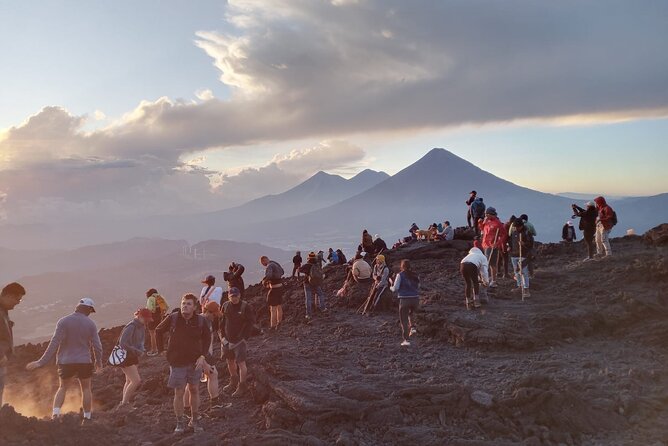
- You’ll get time to look out over surrounding volcanoes and the broader Guatemalan terrain.
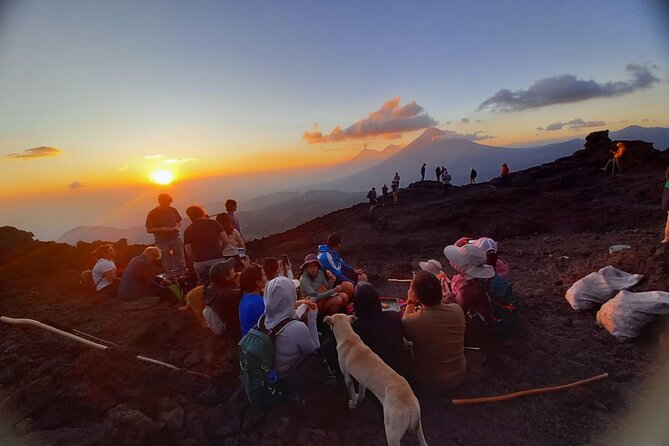
This is also where weather changes matter most. If the morning is foggy, you may see less from the viewpoint. If the afternoon clears, you might see more. The tour runs rain or shine, so cloud cover and wind can be part of the deal. The upside is that the vents and lava ground still do their job even when views are muted.
And if you hear about pizza: on select departures, and when conditions allow, cooking pizza over hot volcanic rocks may be possible. Separately, there’s an independent Pizza Pacaya stop that you can arrange with your guide if you want that extra flavor moment, but it is not included.
Horses, walking sticks, and the local add-on vibe at the park
You’ll likely see a lot of attention around horses. Local providers offer rides at the park, and that can come with persistent selling. If you know you don’t want a horse, you’ll still want to prepare for the approach and politely hold your boundary.
If you might want one, do it with intention:
- Decide early enough that you’re not switching mid-strain without a plan.
- Bring enough cash so you can act quickly.
- Know that pricing is paid directly to the local providers, so keep your money ready.
Walking sticks are another common add-on. You can buy one at Q10 directly locally. If your knees don’t love steep downhills, a stick can help you control footing and reduce strain.
Food stops
The tour experience can include small food moments, and there can be opportunities to purchase drinks and snacks during the hike. Pizza at the end can be available through arrangements with Pizza Pacaya, but again it’s not included.
My advice: go light on food expectations at the start. Treat purchases as extras. Carry your water, and if you plan snacks, bring simple items you can eat without fuss.
Guide experience: how the best ones keep you safe and happy
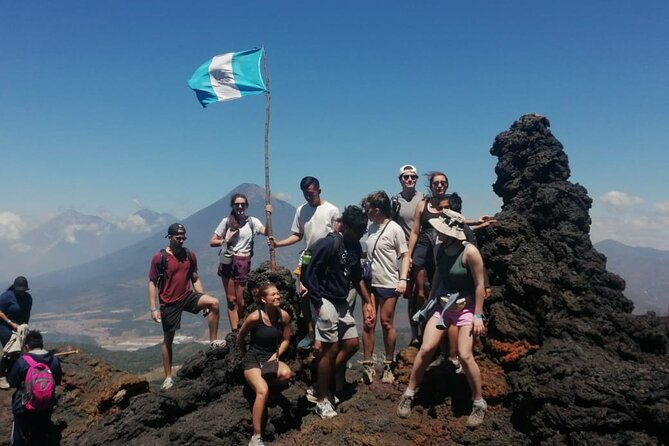
Guide quality is a huge part of why Pacaya feels worth it. Many hikers highlight guides who are friendly, patient, and good at keeping everyone comfortable, including people with different endurance levels.
You may meet guides like Ervin, Irving, or Mono, and their style (as reflected in how they lead) tends to include:
- Clear pacing and rest stops.
- Stops to explain local customs, history of eruptions, and what you’re seeing.
- A focus on making sure no one is left behind.
Language is the variable here. The tour says the guide is Spanish-English, basic English. In reality, you might get more Spanish than English on some days. You can protect your experience by using a simple strategy:
- Ask the guide one or two key questions early, like what you should focus on at the plateau.
- Use a translation app for quick back-and-forth.
- Don’t expect long, detailed narration in English.
That keeps the experience fun even if you’re not getting a full English lecture.
Timing, weather, altitude feel, and what to pack
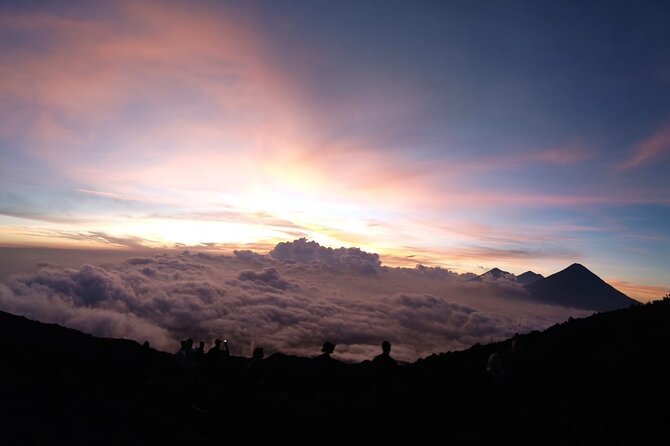
Pacaya from Antigua can feel cool and windy, especially at higher points. Even during warm months, expect that temperature shift. The guide won’t be able to control weather, but you can control your comfort with layers.
Clothing by season
Dry season (Nov to Apr): warm, sunny days with cooler conditions at the top. Wear breathable clothing and bring a light jacket. Sun protection matters.
Rainy season (May to Oct): afternoon rain is common. Waterproof boots, a raincoat or poncho, and moisture-wicking clothing help a lot. A waterproof backpack cover is a smart move.
Shoes and gear you should not skip
Your feet are the whole ballgame here. Plan for:
- Hiking boots with good traction and toe protection.
- Layers so you can handle wind at altitude.
- Sun protection, including a hat and sunscreen.
- Water. The climb uses energy fast.
For late departures: if you’re hiking around sunset or finishing in the dark, bring a flashlight. That can make the final section easier and safer.
Also consider a trekking stick if you get knee fatigue or if the trail is loose and dusty.
Who this tour suits best, and who should rethink it
This is best for travelers who want a guided half-day volcano experience without heavy climbing commitments, but still feel comfortable hiking steep sections.
Great fit if you
- Like active travel and want a real geology moment.
- Enjoy guides who talk about what you see, not just where to step next.
- Want a manageable time window from Antigua, about six hours total including transport.
Consider a different plan if you
- Have major mobility limits. The tour is described as moderate and can vary based on your condition.
- Know you struggle with steep descents. A horse or walking stick can help, but you still need the ability to move safely.
- Expect a fully fluent English guide every time. Basic English is the promise, and not every day delivers the same level.
For families: the minimum age is 4, with children accompanied by adults. The steepness is the key factor. If your child can handle hiking uneven ground for portions of the route, this could work with the horse option as a safety valve.
Should you book the Pacaya Volcano hike from Antigua?
I’d book it if you want the most direct connection to an active volcano that fits neatly into an Antigua itinerary. The value is strong for the structure you get: transport, a guide, a lava plateau experience with vents, and the signature marshmallow moment. Even if you skip extras like horses, the core experience is the heat and the views from high ground.
I’d also book it if you’re the kind of traveler who enjoys practical details: what to wear, how to manage cash, and how to plan for weather changes. Pacaya rewards preparedness.
I’d pause before booking if your hiking experience is very limited or you get stressed on group logistics, especially at forks. In that case, plan on staying close to your guide, bring a flashlight if your departure is later, and consider the horse option early so you’re not making a rushed decision on the steepest part of the trail.
FAQ
What does the tour price include?
The $35 per person price includes hotel pickup (selected hotels), shared transportation round trip from Antigua, and a trail guide in Spanish-English (basic English). Admission to Pacaya National Park is not included.
How much is the Pacaya National Park entrance fee?
The entrance fee is Q100 per person (approx. USD $14). It is mandatory and must be paid in cash in quetzales at the park entrance.
Can I ride a horse instead of hiking the whole way?
Yes. Horse rental is optional and available at the park through local providers. It is not included in the tour price and is an extra cost (approx. Q300 per horse, payable directly).
Are there any other optional add-ons?
Yes. There can be optional purchases like a wooden walking stick (Q10) and food add-ons such as coffee or pizza. On select departures, pizza over hot volcanic rocks may be possible. Pizza Pacaya is an independent service and not included, but you can ask your guide to help arrange it if available.
How long does the hike take?
Plan on about 6 hours total (approx.). The hike time is listed as around 3 hours, with time for transport and the stop at the plateau.
What should I wear and bring?
Bring hiking boots with good traction and toe protection. Wear comfortable pants, and bring layers. Plan for sun protection and, in rainy season, waterproof boots and a raincoat or poncho. A hat, sunscreen, and a waterproof backpack cover can help. For later departures, a flashlight can be important for the darker sections.
Does the tour run in bad weather?
The tour runs rain or shine. It will only be canceled in the event of a dangerous storm or if local authorities restrict access.
Will the guide speak English?
The guide is listed as Spanish-English with basic English. That means English support may be limited, so having a translation app or knowing a few basic phrases can help.
Is this tour suitable for children?
The minimum age is 4 years, and children must be accompanied by an adult. The hike is described as moderate, and difficulty can vary.
What is the maximum group size?
The tour has a maximum of 24 travelers.
More Chilean Trails

Everything Else We Have Reviewed In Chile

Not quite it? Here is the rest of what we have reviewed around Chile



More in Hiking & Trekking.
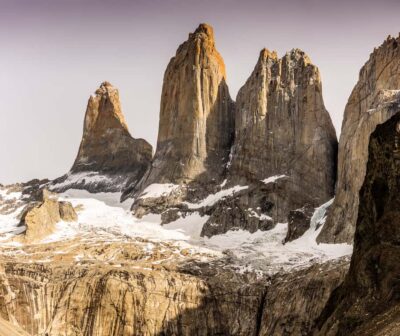 ★ 4.8Base of the Towers Day HikeFrom $90727 reviews
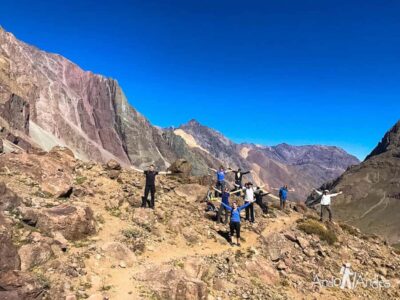 ★ 4.9Cajón del Maipo and Volcán San José Hike 8KFrom $150418 reviews
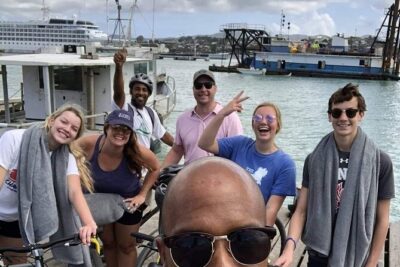 ★ 5.0TRIPLE ACTIVITY TOUR, Bike Kayak Hike, ANTIGUAFrom $130211 reviews
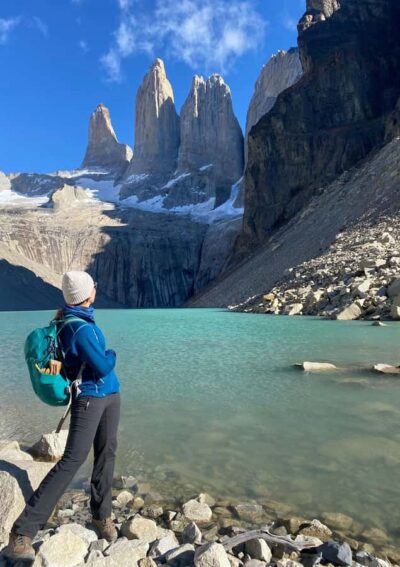 ★ 4.8Base of the Towers Trekking ExperienceFrom $95191 reviews
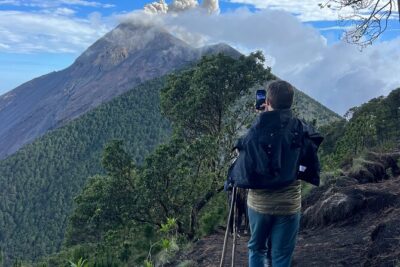 ★ 4.5Overnight Adventure Hike Acatenango VolcanoFrom $84151 reviews
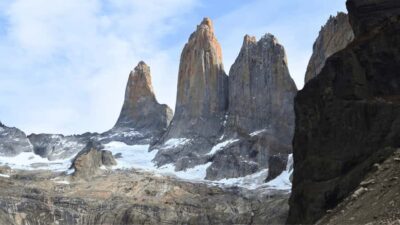 ★ 4.9Base Torres Small Group TrekkingFrom $88106 reviews
 ★ 4.5Trekking Base Torres – Torres del Paine trek from Puerto NatalesFrom $9980 reviews
 ★ 5.0Glacier Hike at El Morado Glacier, from SantiagoFrom $15051 reviews
Browse the lists this tour appears in