
Review · SANTIAGO
Discover Santiago, where modernity merges with history
Santiago in four hours, and it makes sense. This tour threads Independence-era parks, presidential power, and old churches into one tight route, often with a local guide such as Carlos who shapes the story to your interests. I especially like the small-group pace and the convenience of hotel pickup with an air-conditioned van.
You’ll get a fast, practical feel for where things are, from the city’s views to its most important civic buildings. The guide also makes it easy to talk to locals and understand what you are seeing, not just what you are looking at.
One possible drawback: the Santa Lucía Hill climb is on foot for about 30 minutes, and on some days the hill can be closed for maintenance.
In This Review
- Key takeaways before you go
- Why a 4-hour Santiago overview actually helps
- Price and logistics: what $60 buys you in real terms
- Pickup, van ride, and the rhythm of a small-group day
- Bicentenario Park: views and the story behind Chile’s independence
- Costanera Center and Sanhattan: the modern Santiago skyline
- Bellavista: culture, museums, and a nightlife neighborhood
- Forestal Park: French-style greenery and art that anchors the walkable city
- San Francisco Church and the endurance of old stone
- The National Library: Chile’s literary center
- Santa Lucía Hill: the 30-minute climb for big views
- Lastarria: museum district energy for an easy dinner plan
- Ex National Congress: a brief look at a building with a past
- The Metropolitan Cathedral and Plaza de Armas: colonial Santiago in context
- Santiago Stock Exchange and Paseo Ahumada: the city’s daily engine
- La Moneda and Plaza de la Constitución: the political center in walking distance
- What makes the guides the real star
- Who this Santiago tour suits best
- Should you book this Santiago tour?
- FAQ
- How long is the Santiago city tour?
- How much does the tour cost?
- What is included in the price?
- Is lunch included?
- What languages is the live guide available in?
- Is the tour wheelchair accessible?
Key takeaways before you go
- Small group, more personal answers so you can ask questions as you move.
- Door-to-door pickup and drop-off in an air-conditioned minivan.
- Top views early with Bicentenario Park, then more panoramas from Santa Lucía.
- Old Santiago plus modern “Sanhattan” in the same half-day.
- Stops that explain big moments like La Moneda and Plaza de la Constitución.
- A smart orientation if you want to explore on your own afterward.
Other ways to walk the capital, reviewed
- Santiago: Guided Walking Tour of the Historical Old Town
★ 4.8 · 459 reviews - Santiago: 1-Day Hop-On Hop-Off Bus and Cable Car Ticket
★ 4.3 · 332 reviews - Santiago: Sky Costanera Observatory Admission Ticket
★ 4.3 · 208 reviews - Santiago: 2-Day Hop-On Hop-Off Bus Ticket and Cable Car
★ 4.3 · 162 reviews
Why a 4-hour Santiago overview actually helps
Santiago can feel like two cities stacked on top of each other. You get glass towers and business districts close to colonial-era streets, and then the mountains rise like a backdrop you notice even more once you understand the layout. This 4-hour tour is built for that first-day confusion, giving you landmarks, neighborhoods, and city logic in a short window.
The format is also comfortable. You spend time at key moments, but you’re not stuck in long museum queues or hours of walking without stops. Pass-by segments keep the pace moving, then short stops let you absorb the places that matter most for orientation and story.
And because the group is small, you tend to get better explanations than you would on a big bus. If you have a specific angle, like football in my husband’s case, the better guides try to weave it in. That flexibility shows up in how guides like Carlos and Rodrigo are praised for adapting to what people care about.
Price and logistics: what $60 buys you in real terms
At $60 per person, the biggest value is not the number alone. It is what’s included around that number: a local guide, hotel pickup and drop-off, and transport by air-conditioned minivan. In a city like Santiago, those pieces matter because traffic and distances can turn a simple half-day plan into a slow half-day.
Lunch is not included, so you will need to plan for food after the tour. The upside is that you can choose what fits your style, whether that’s a quick empanada stop near the center or a later meal in a neighborhood you are already familiar with.
You also get English, Spanish, and Portuguese live guide options, and the tour is wheelchair accessible. Just keep in mind that Santa Lucía Hill involves a walk segment, so anyone with mobility limits should pay extra attention to how they handle that climb.
Pickup, van ride, and the rhythm of a small-group day
The tour starts with pickup from most centrally located Santiago hotels or Airbnb locations. If your address is outside the coverage area, you’ll meet at the nearest provided point, so it stays practical even if you’re staying a bit off-center.
Once you’re in the van, you’ll get a clear rhythm:
- you pass through areas to set context
- you stop briefly at major places
- you take one real walk segment at Santa Lucía Hill
This structure works for first-time visitors because you leave with a mental map. You start to see how neighborhoods connect and which streets are worth revisiting on foot later.
More Chilean history, told on the ground
Bicentenario Park: views and the story behind Chile’s independence
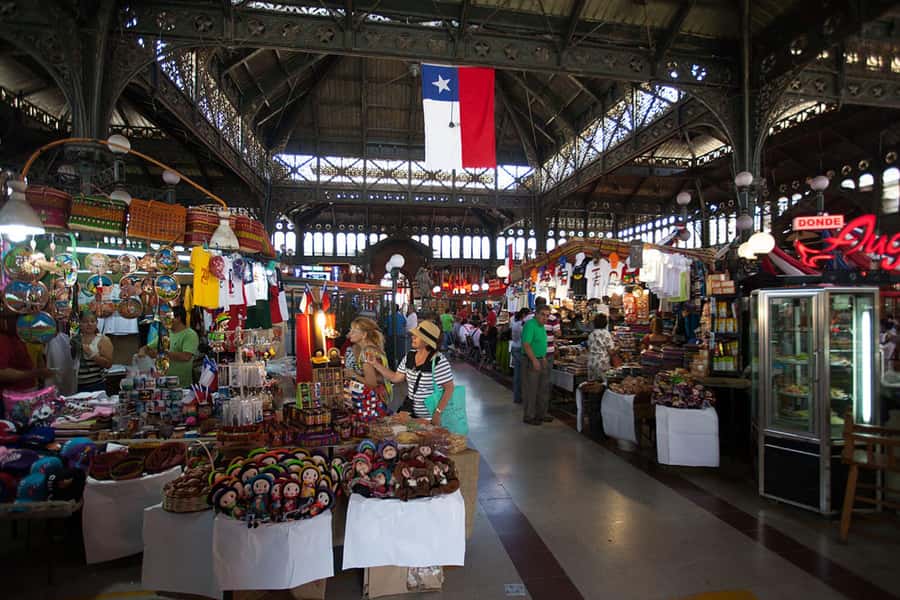
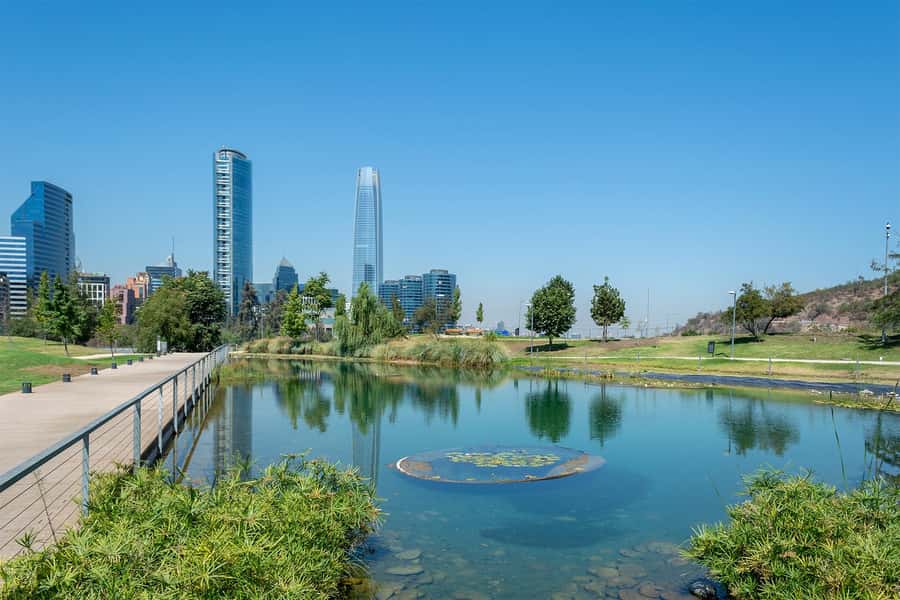
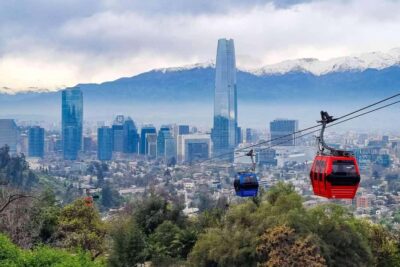
The tour begins at Bicentenario Park, where you get about 20 minutes. It’s a celebratory space for Chile’s 200 years of independence, and the real payoff is the city view. From here you can start to understand Santiago’s scale and how quickly the urban core rises toward the hills.
The garden setting helps too. You’re not jumping straight into traffic and buildings. You ease into the day, and the guide can set the timeline so the rest of your stops make sense later.
If you like photography, this is one of your easiest wins for an establishing shot. Even if you do not plan to take many photos, the skyline perspective helps you orient yourself immediately.
Costanera Center and Sanhattan: the modern Santiago skyline
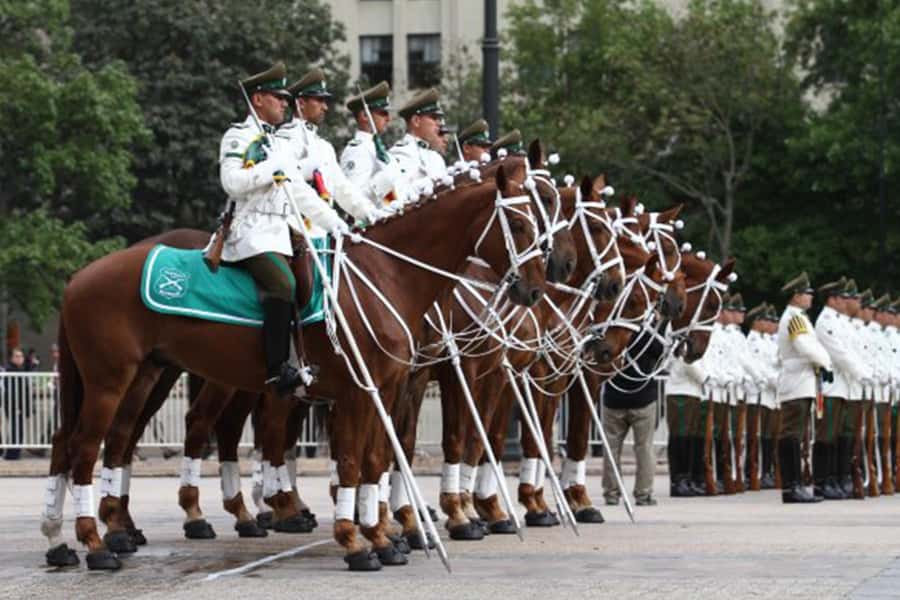
Next you pass Costanera Center, known for being the tallest building in South America. The city calls this area part of Sanhattan, and the nickname is a quick clue to what you’re looking at: finance and modern architecture moving fast in Santiago’s central zone.
This pass-by stop is short, but it gives you a useful contrast. You learn that Santiago is not just colonial streets and church facades. It is also high-rise business power, and that mix is part of what you came to see.
Bellavista: culture, museums, and a nightlife neighborhood
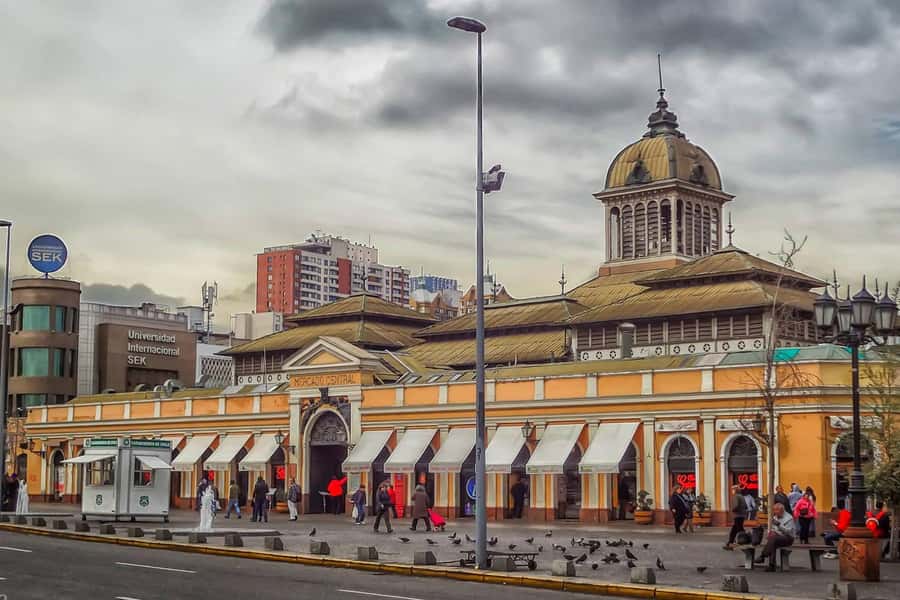
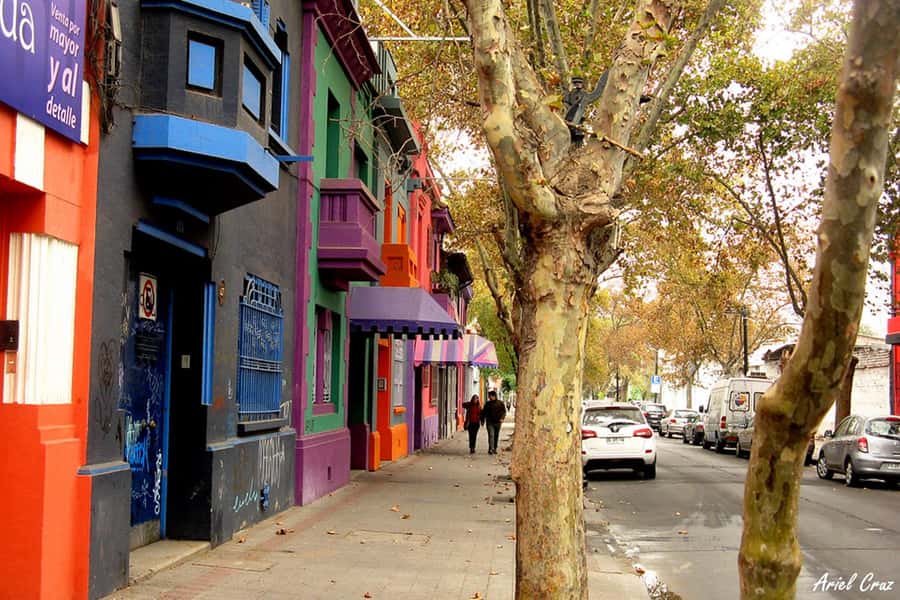
You’ll drive through Bellavista, a neighborhood that mixes culture and an active evening scene. The highlight here is that the area is home to La Chascona, one of Pablo Neruda’s houses. Even if you do not go inside on this tour, having Neruda’s presence explained gives Bellavista more meaning than just another “nice district.”
Bellavista is also a reminder that Santiago is lived in, not just visited. You see why locals come here after hours, and you understand what kind of evening fits the neighborhood vibe.
Forestal Park: French-style greenery and art that anchors the walkable city
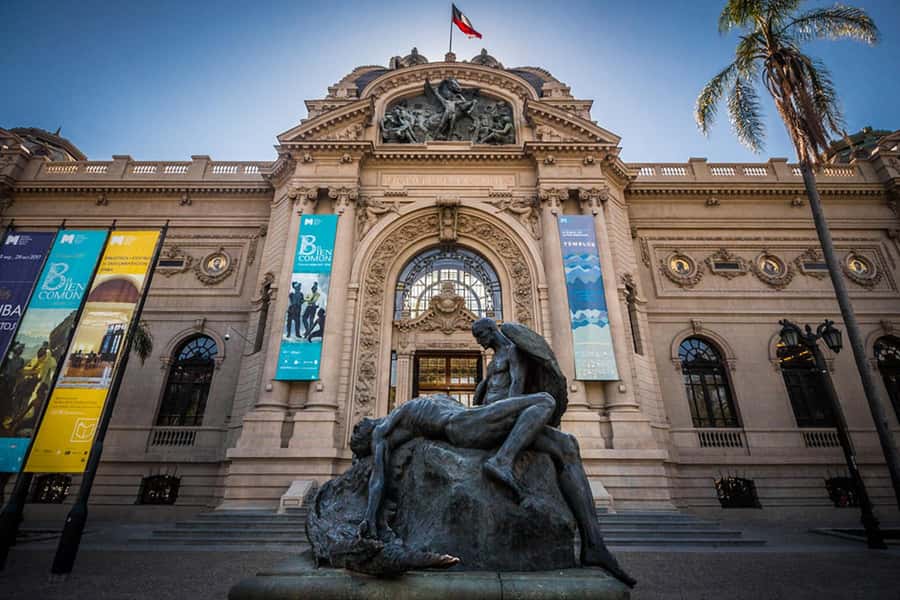
You’ll pass Forestal Park, a French-style park. One reason it gets name-checked is that it is home to Latin America’s first fine art museum. Even though this tour does not linger long here, the park setting matters because it connects to Santiago’s idea of a walkable cultural axis.
If you like cities that offer both green space and museums, this pass-by is a strong hint. After the tour, you’ll know where to head if you want a longer cultural stroll.
San Francisco Church and the endurance of old stone
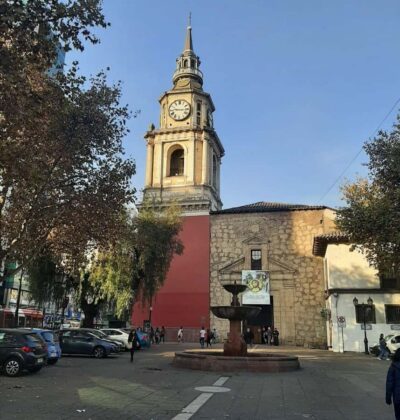
The San Francisco Church is an easy stop to take seriously because it is described as the oldest building in Santiago. The key detail is that it has survived many earthquakes over the centuries. That endurance is not just trivia. It helps you understand how Chile’s history is tied to what the built environment can withstand.
This is another pass-by moment, but it works well because your guide can connect it to why older sections of Santiago look the way they do today.
The National Library: Chile’s literary center
You also pass the National Library, described as Chile’s main bibliographic center. This is one of those stops that may not be on every short tour list, but it’s a smart one for anyone who wants the city’s identity beyond politics and architecture.
When a guide frames institutions like this, it turns the building into a clue. You start to see Santiago as a place where national culture is organized and preserved, not only celebrated in festivals.
Santa Lucía Hill: the 30-minute climb for big views
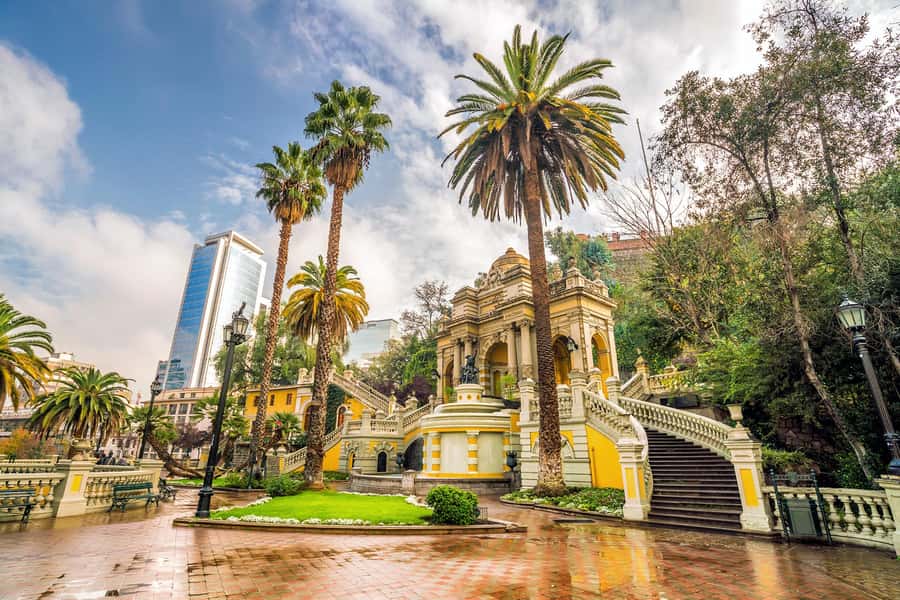
Then comes the real walking moment: Santa Lucía Hill, about 30 minutes on foot. You get panoramic views and a history lesson tied to the hill itself.
Here is the practical consideration: this part is active. The tour is still manageable for most people, but you should plan for a steady climb. Also, on some days Santa Lucía Hill can be closed for maintenance, which can change what you experience.
If you’re the kind of traveler who likes payoff views, it’s worth it. If you’d rather keep things flat, you might prefer to ask your guide whether there are alternative viewpoints within the route on that day.
Lastarria: museum district energy for an easy dinner plan
You’ll drive through Lastarria, known as the museum district. It’s one of those neighborhoods where the daytime can feel like a gallery walk, and the evening can turn into dining and entertainment.
This pass-by matters because it gives you a place to go after the tour. Even if you do not plan a specific museum visit, you can use the guide’s orientation to choose a dinner spot with less guesswork.
If you want to keep your evening social without going far, Lastarria is a strong candidate once you’ve already been introduced to the area.
Ex National Congress: a brief look at a building with a past
You’ll stop briefly at the Ex National Congress, about 5 minutes. The former congress building is highlighted because it was moved to Valparaíso.
That detail changes how you see the structure. It becomes less about present-day function and more about history and relocation, which helps explain why Santiago’s civic architecture can feel layered.
The Metropolitan Cathedral and Plaza de Armas: colonial Santiago in context
The tour then hits two of the most important center-city anchors.
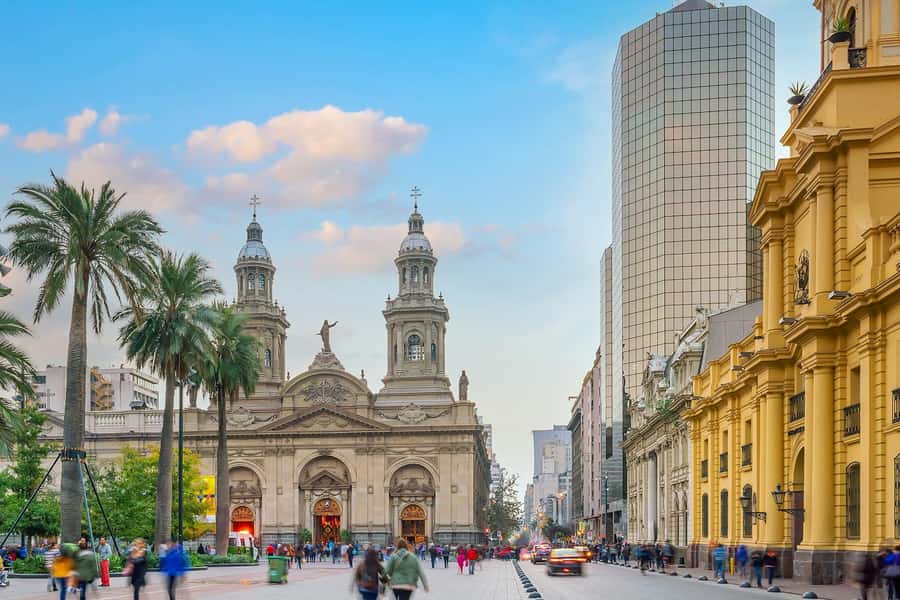
First, the Metropolitan Cathedral for about 15 minutes. It is Chile’s main Catholic cathedral, and the guide frames it as a major architectural and cultural point. This stop helps you understand the role that church and public square played in shaping daily life and power during colonial and post-colonial periods.
Then you’ll explore Plaza de Armas for about 20 minutes. This is Santiago’s historic center, and the cathedral’s presence nearby reinforces why the plaza is treated as a hub. If you like “start here” squares in big cities, this one is your starting point.
Practical tip: if you want to do any quick sketching or street photography, Plaza de Armas is where you can do it without feeling like you’re wandering for hours.
Santiago Stock Exchange and Paseo Ahumada: the city’s daily engine
You get short stops that explain modern Santiago’s functioning.
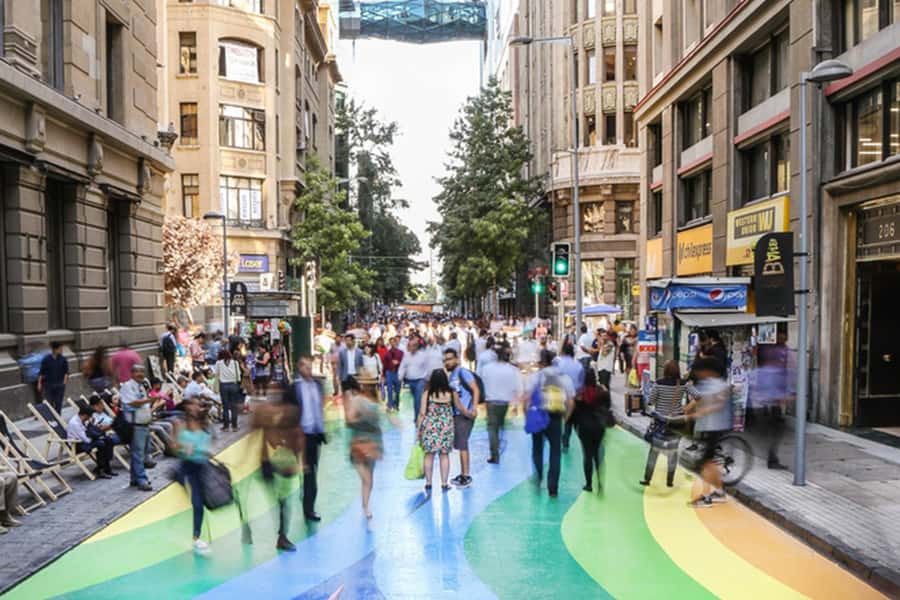
A quick stop near the Santiago Stock Exchange (about 5 minutes) gives you the business core of the city. Then Paseo Ahumada for about 15 minutes is the main pedestrian street, busy with everyday commerce.
This is not a “museum district” moment. It’s the practical city heartbeat. Seeing the mix helps you connect why the neighborhoods you passed earlier matter for where people work, shop, and move through the center.
La Moneda and Plaza de la Constitución: the political center in walking distance
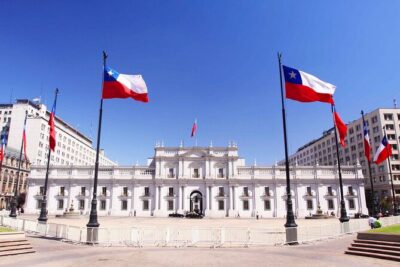
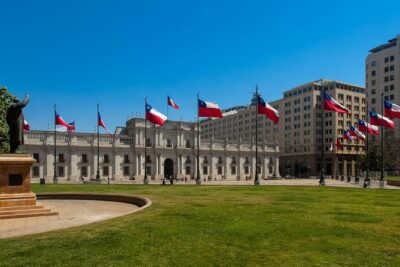
Next is La Moneda, about 15 minutes. The tour frames it as Chile’s presidential palace and highlights the 1973 coup as the beginning of the military dictatorship. Even if you already know some Chilean history, the building puts the story into a physical setting.
Then you visit Plaza de la Constitución for about 15 minutes to witness the ceremonial changing of the guard at La Moneda. This part is useful even if ceremonies are not your main interest. It creates a rhythm in the square and gives you a live sense of how tradition continues in front of serious political symbolism.
If you’re visiting Santiago for the first time, these are the stops that make your other sightseeing clicks into place. Everything else starts feeling like it is related to the seat of power and the public spaces built around it.
What makes the guides the real star
Across the experience, the main differentiator is the local guide and how they handle your questions. People praised guides for being professional, informed, and friendly, with specific examples standing out.
- Carlos stood out for knowledge and for taking into account personal interests, including a football-related focus.
- Rodrigo was noted for arriving on time and helping make ideas happen, like arranging time for Teleférico.
- Cristian and Julio received praise for how informed and authentic their approach felt.
- Juan and Maurício were highlighted for friendliness and attentiveness, with Juan making a small family group feel like a private tour.
- Daniel also got noted for enthusiasm around photography, which is useful if you like documenting the city as you go.
You can expect the best version of this tour when you show up with at least a couple of priorities. If you care about history, ask about the buildings. If you care about views, ask when the best angles are from each spot. The structure gives you the chance to ask, because you are not stuck in a long ride with no stops.
Who this Santiago tour suits best
This half-day tour is ideal if:
- you have limited time and want a strong first map of Santiago
- you want history plus modern city contrast without planning separately
- you prefer a small group with real conversation over big-bus sightseeing
- you want pickup and a smooth route in a short window
It may not be ideal if you:
- hate walking on a hill, since Santa Lucía involves an on-foot climb
- want long museum time, since most stops are brief or pass-by
- need lunch included, because lunch is not part of the package
If you’re the type who likes to return on your own later, this tour is particularly useful. You’ll leave with names and locations that make independent exploring easier.
Should you book this Santiago tour?
Yes, if you want an efficient introduction that balances modern Santiago with the city’s civic and religious core. The $60 price makes sense when you factor in hotel pickup, air-conditioned transport, and a guide who can explain what you’re seeing at each stop.
I’d especially recommend booking this early in your trip. With La Moneda, Plaza de Armas, Paseo Ahumada, and Santa Lucía on your mental map, the rest of Santiago becomes easier to navigate, and your follow-up visits feel more intentional.
FAQ
How long is the Santiago city tour?
It lasts 4 hours.
How much does the tour cost?
The price is $60 per person.
What is included in the price?
You get a local guide, hotel pickup and drop-off, transport by air-conditioned minivan, and visits to the main cultural and historical points of Santiago.
Is lunch included?
No, lunch is not included.
What languages is the live guide available in?
The live guide is available in English, Spanish, and Portuguese.
Is the tour wheelchair accessible?
Yes, the tour is wheelchair accessible.
Chilean History On The Ground



Everything Else We Have Reviewed In Chile





Santiago, A Few More Ways




Not quite it? Here is the rest of what we have reviewed around Chile




More in Santiago City Tours.
 ★ 4.5Tourist bus around Santiago for a dayFrom $501,857 reviews
 ★ 4.8Guided Walking Tour of the Historical Old TownFrom $25459 reviews
 ★ 4.0Private Santiago City Half Day TourFrom $76414 reviews
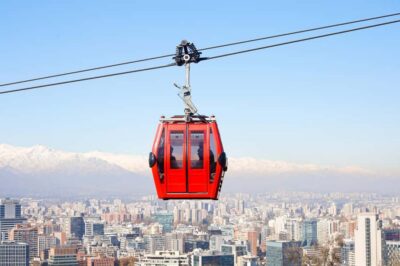 ★ 4.31-Day Hop-On Hop-Off Bus and Cable Car TicketFrom $60332 reviews
 ★ 4.3Sky Costanera Observatory Admission TicketFrom $45208 reviews
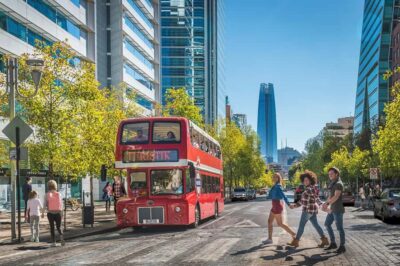 ★ 4.32-Day Hop-On Hop-Off Bus Ticket and Cable CarFrom $69162 reviews
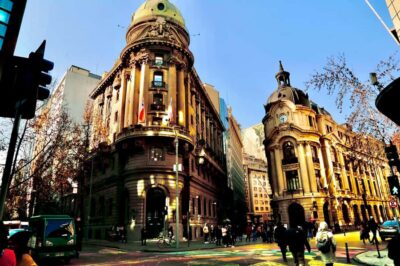 ★ 4.7Santiago Half-Day Walking Tour with Hotel Pick up & BrunchFrom $48148 reviews
 ★ 4.3Hop-on Hop-off Bus Day Ticket with Audio GuideFrom $50137 reviews
Browse the lists this tour appears in