
Review · PATAGONIA
Punta Arenas: Full-Day Torres del Paine Tour
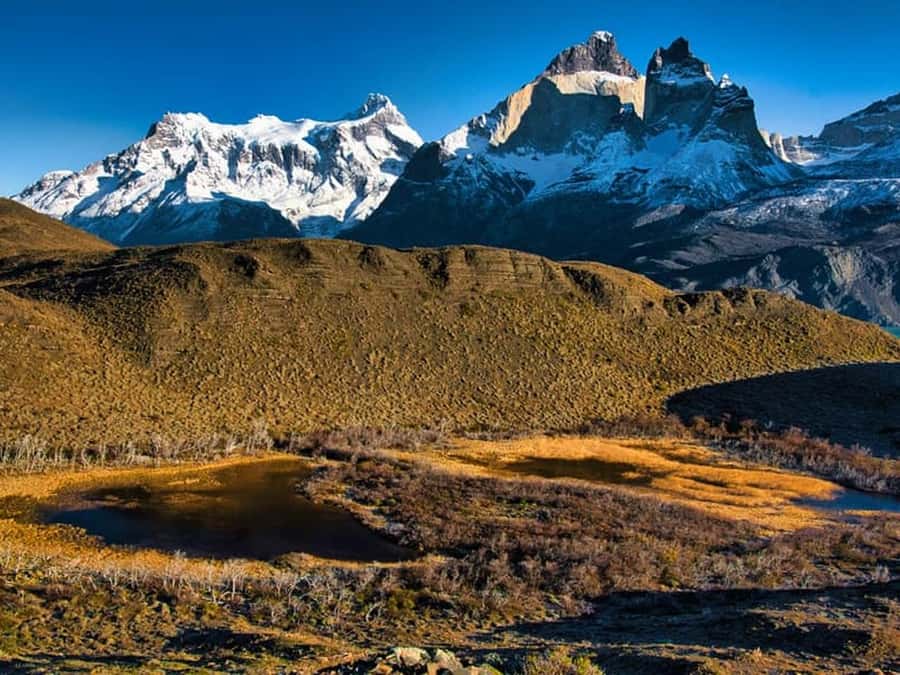
Patagonia’s icons in one very long day. This full-day small-group tour from Punta Arenas strings together the park’s headline sights, starting at Milodon Cave and ending with Torres del Paine views at Laguna Amarga, guided by bilingual pros such as Pablo, Chris, and Christian. I also like how the team keeps an eye out for wildlife, and you may even be lucky enough to spot animals like a puma.
The pacing is built around short walks and frequent viewpoints, so you get “see it all” without needing multi-day trekking. You’ll be with a live guide in English or Spanish, and the day includes photo stops like Puerto Natales plus a guided stretch in Ultima Esperanza. One thing to plan for: it’s a 16-hour day, and meals plus entrance tickets to Torres del Paine and Milodon Cave are not included.
In This Review
- Quick highlights from this Torres del Paine day trip
- Getting from Punta Arenas to Torres del Paine without wasting your day
- Milodon Cave: myth, fossils, and a quick reality check
- Grey Beach icebergs: the shore where the scenery does the work
- Pehoé viewpoint panoramas and why the short walk matters
- Salto Grande waterfall: a satisfying walk you can actually finish
- Nordenskjöld Lake and Laguna Amarga: stacking the best Torres del Paine views
- How the van route shapes your experience (and how to enjoy it)
- Guide quality, bilingual storytelling, and wildlife spotting that feels real
- Price and value: what you pay for, and what you need to budget
- What to bring for a cold, long day in Torres del Paine
- Who this tour is best for (and who should pick a different style)
- Should you book the Punta Arenas full-day Torres del Paine tour?
- FAQ
- How long is the Punta Arenas full-day Torres del Paine tour?
- What is included in the tour price?
- Are meals included?
- Do I need to buy park and cave entrance tickets?
- What languages are the guides?
- Is there a limit on group size?
Quick highlights from this Torres del Paine day trip
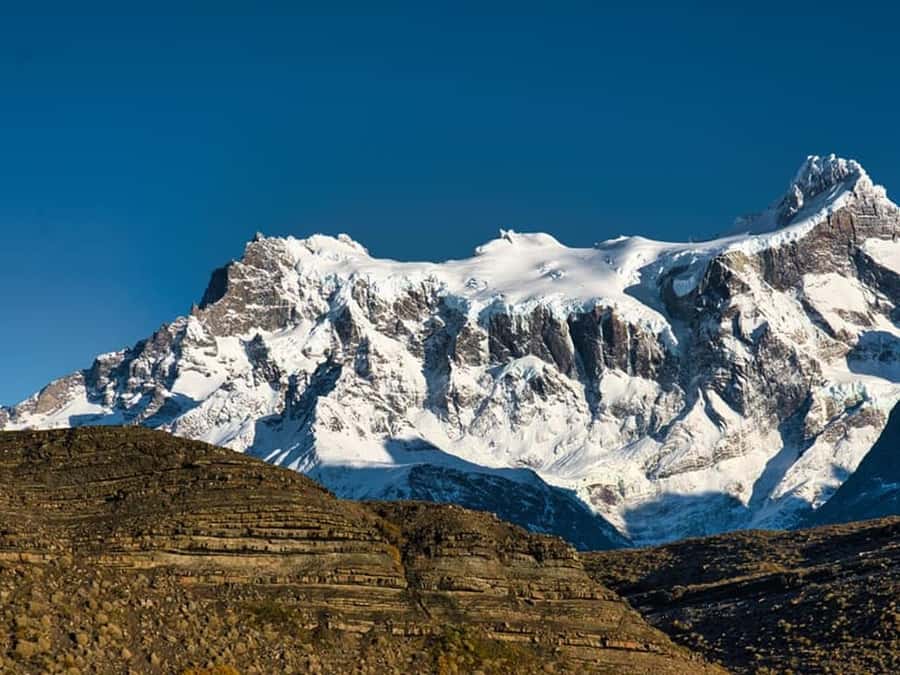
- Milodon Cave first, with a chance to connect Patagonia myth and fossils in one stop
- Grey Beach icebergs, scattered along the shore for dramatic photos
- Pehoé viewpoint panoramas, built for wide angles and skyline shots
- Salto Grande waterfall walk, a satisfying nature payoff without a long hike
- Nordenskjöld Lake and Laguna Amarga, for big mountain views and a Torres photo moment
Other ways into the Paine massif, reviewed
- Punta Arenas: Full-Day Torres del Paine Tour
★ 4.8 · 131 reviews - Private Torres del Paine & Milodon, departing from Punta Arenas
★ 5.0 · 76 reviews - From Punta Arenas: Full Day Torres del Paine
★ 3.8 · 23 reviews - Punta Arenas: Torres del Paine & Grey Glacier Full-Day Boat
★ 4.8 · 6 reviews
Getting from Punta Arenas to Torres del Paine without wasting your day
A day trip to Torres del Paine from Punta Arenas is long. You’re looking at about 16 hours total, and a big chunk of that is road time in a van. That sounds heavy until you consider what you’re buying: one guided push through several of the park’s most famous sectors, with viewpoints timed to what’s possible on a given day.
You start with pickup at your accommodation in Punta Arenas. Then the van ride takes you into the wider Torres del Paine region, with a quick photo stop in Puerto Natales (about 20 minutes). After that, you get a guided portion in Ultima Esperanza (about 45 minutes), which helps set context before you spend your main time inside Torres del Paine.
This kind of itinerary works best if you want variety more than depth. You’re not doing one long, single hike. Instead, you get multiple “stop and look” moments, plus short walks that keep the day moving. If you’re the kind of traveler who gets restless without an agenda, this format tends to feel like good value.
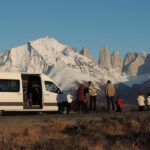
The best part is that you’re not stuck figuring things out yourself. You have a live guide during the program, and the group is small, limited to 14 people. That matters when weather shifts, when everyone needs to find the right angle for photos, or when you want the guide to explain what you’re seeing in plain language.
Milodon Cave: myth, fossils, and a quick reality check
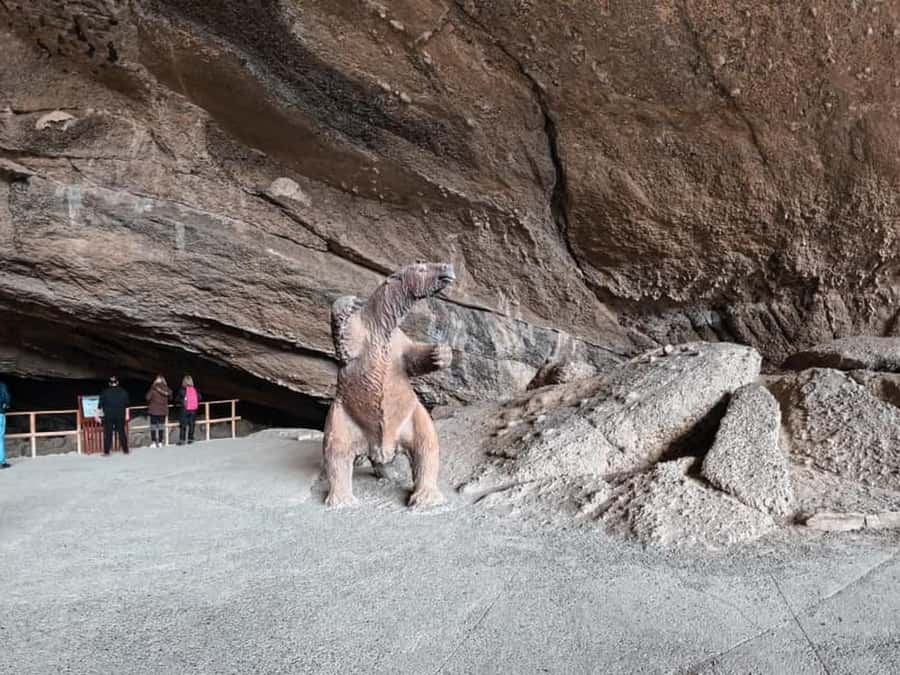
Milodon Cave is the kind of stop that makes the region feel more than just scenic. The tour includes a guided visit to Milodon Cave, known for the remains associated with the mythical Milodon. You’re getting a short, focused excursion that fits well into a full day because it doesn’t eat up hours of hiking time.
Why it’s worth your attention: Torres del Paine is famous for glaciers, lakes, and dramatic mountain walls, but the Milodon connection adds a human scale to the story of Patagonia. Even if you’re not a geology person, this is a memorable way to start the day. It also breaks up the long van ride, so you transition from road trip to park experience sooner.
One practical note: entrance to Milodon Cave is not included. So you’ll want to plan for ticketing in advance, especially if you’re arriving in Punta Arenas with a tight schedule. Bring your camera if you like detail shots, and don’t forget warm layers. Caves and cold winds can be a real mood shift in this region.
Grey Beach icebergs: the shore where the scenery does the work
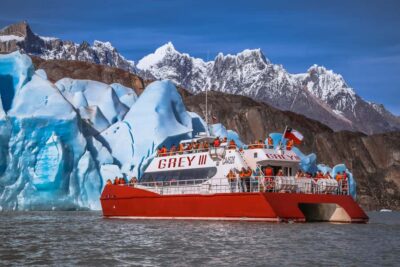
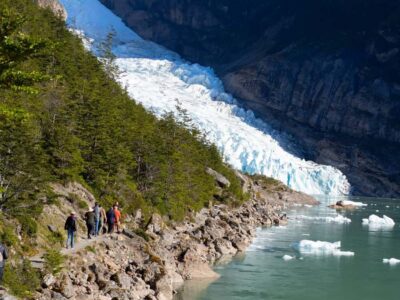
Grey Beach is built for wow photos. The tour takes you to the shoreline where you can marvel at icebergs scattered along the shore. You’re not stepping onto a glacier or doing technical trekking here. Instead, you’re watching a natural display that looks different depending on light and weather, with ice pieces acting like floating punctuation along the waterline.
What I like about this stop on a day tour: it’s visually dramatic without demanding a long hike. That’s ideal when you’ve already been traveling for hours and you still have the rest of the park on your route.
There’s also a real “timing” element. If conditions are cloudy, you still usually get striking contrast between dark shore and pale ice. If skies clear, the ice can look almost unreal. Either way, it’s one of the best “return on time” stops on the itinerary.
Pack for wind. Patagonia weather can change fast, and Grey Beach can feel exposed. Comfortable shoes matter too, because you’ll likely spend time on uneven ground while you find the best photo vantage.
The rest of what runs from Punta Arenas


Pehoé viewpoint panoramas and why the short walk matters
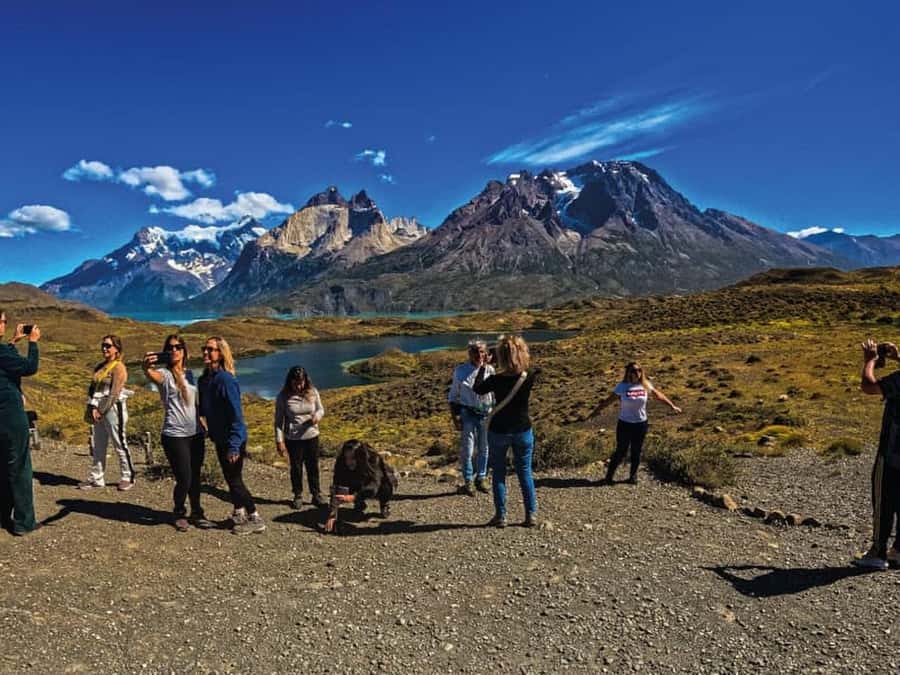
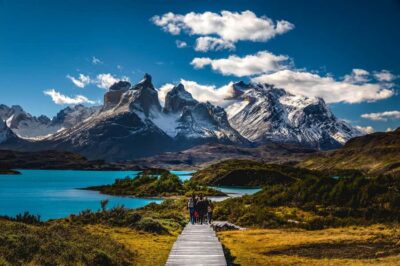
Next up is the Pehoé viewpoint area, where you get panoramic views. This is a classic Torres del Paine move: instead of forcing you into a long trek, the tour aims you toward wide perspectives that show you how the park fits together.
From Pehoé, the scenery tends to make more sense than it does from a distance. You see water, mountain mass, and the scale of the valleys. For me, viewpoint stops are what turn a “pretty landscape” into something you can actually understand.
The itinerary also includes short walks tied to major highlights. That’s important. A short walk makes you feel like you left the van and earned the view. It’s also manageable for many people who want nature without the strain of a full-day hike.
If you get only one lesson from a day like this, it’s this: in Torres del Paine, timing and viewing angles are everything. A guide who knows where the best lookouts are can save you time and help you avoid the dead ends that look good on paper.
Salto Grande waterfall: a satisfying walk you can actually finish
Salto Grande is one of those stops that feels like a gift at the midpoint of a long day. The tour includes a walk in the Salto Grande sector so you can witness the stunning waterfall.
Why this works well on a full-day itinerary: waterfalls are loud, visual, and easy to feel even when the weather is doing its thing. You don’t need to be a hardcore hiker to enjoy it. You do need sturdy shoes, since you’ll be on paths where footing matters.
In some Patagonia days, the best plan is simply to keep your expectations flexible. If clouds roll in, the waterfall often still delivers. If visibility is great, it becomes a more photogenic scene with better background detail.
This stop is also where a good guide helps. A guide can tell you where to stand for photos, how to read the terrain, and what to look for in the surrounding landscape. The tour includes a live guide throughout, and that guidance can turn a quick walk into a meaningful experience instead of just a stop.
Nordenskjöld Lake and Laguna Amarga: stacking the best Torres del Paine views
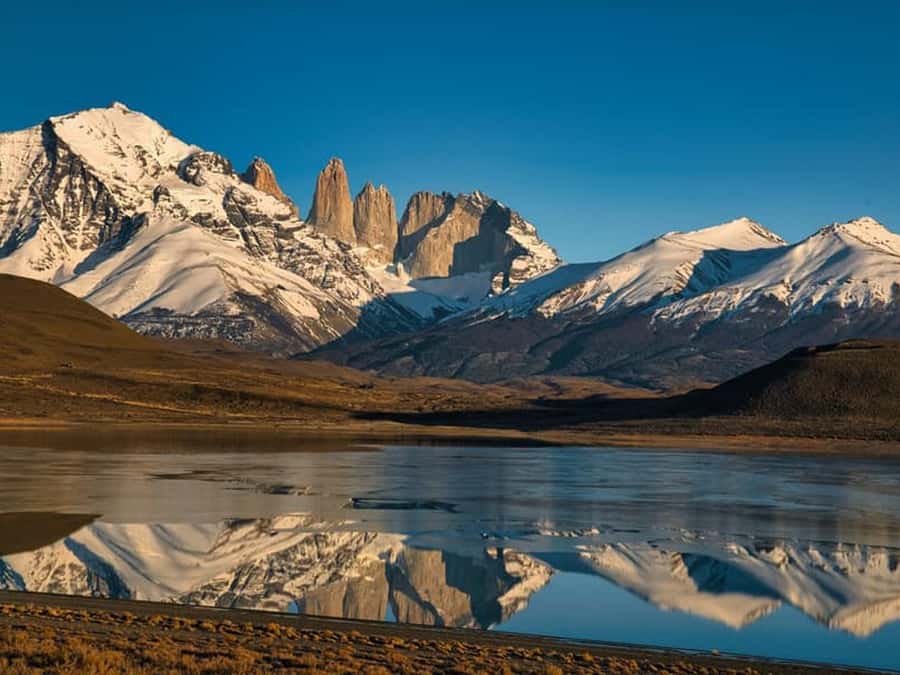
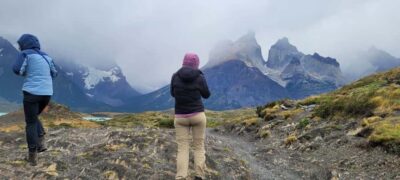
Nordenskjöld Lake is included for its views of the Paine mountain range. This is your chance to catch the park’s mountain character in a broader, calmer setting. Lakes here often act like mirrors when the wind cooperates, and even when they don’t, they still frame the mountains in a way that feels instantly “Torres del Paine.”
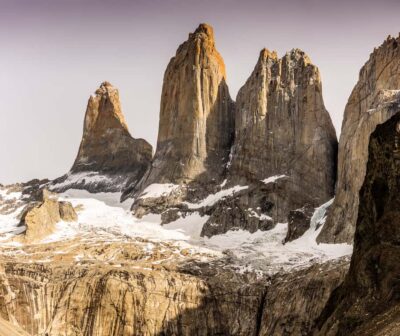
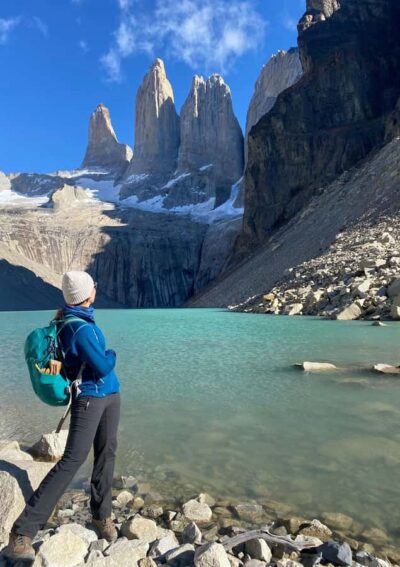
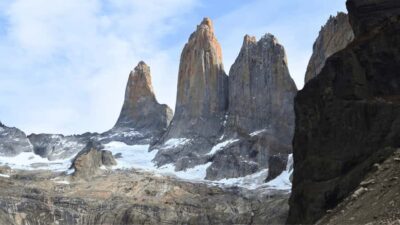
Then you finish at Laguna Amarga, where you get a unique view of the Torres. Ending with Torres imagery is smart. It’s the kind of visual payoff that makes the long day feel worth it, especially after you’ve already seen icebergs, water features, and panoramic viewpoints earlier.
Laguna Amarga can be particularly memorable for photography because it’s designed around the Torres view moment. Bring your charged smartphone and camera, and give yourself time to adjust settings. In cold weather, phone batteries drain faster. Keep your device protected until you’re ready to shoot.
The best strategy is to treat the final stop like the most important one, because the day’s light and energy levels can shift quickly. If the weather allows, you might be able to snag those “I can’t believe this is real” Torres photos.
How the van route shapes your experience (and how to enjoy it)
When you choose a 16-hour day tour, you’re choosing motion. The route includes driving from Punta Arenas and then multiple park stops. That means comfort matters.
Here’s what I’d do to feel better on a day like this:
- Wear layers, not one bulky jacket. Your body will be hot during van time and cold during outdoor moments.
- Use warm accessories if you have them, gloves help more than you’d think.
- Bring a simple snack plan since meals and beverages are not included.
You’ll likely get food breaks during the day based on how the group schedule works, but the tour does not include meals. So don’t assume lunch is handled. If you keep your energy steady, the whole day feels smoother.
Also remember the group is limited to 14 people. That size tends to be friendly for photos, but it still means you’ll be sharing viewpoints. You’ll get the most out of the day if you’re ready to move at a guide’s pace, especially at busy photo stops.
Guide quality, bilingual storytelling, and wildlife spotting that feels real
One reason this tour earns such strong ratings is the human factor. You can meet guides such as Pablo, Chris, Christian, Camila, Manuel, Javier, and others. Across these names, a consistent theme shows up: the guides and drivers work as a team to keep things safe and organized while you focus on what matters outdoors.
The guide speaks English and Spanish, and that bilingual setup is a real plus in a small group. When you understand the explanation, the landscapes feel less like random views and more like a connected place. You get context while you’re still standing there, staring at the mountains.
Another standout is how the team handles weather. Patagonia weather can change quickly, and when it does, you’ll want a guide who can shift the plan without turning the day into chaos. People mention days with surprising conditions, from snow to fast-moving clouds, and the tour’s structure supports those changes.
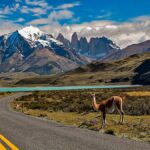
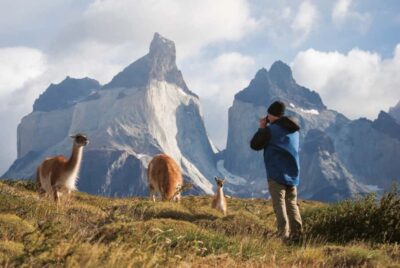
Wildlife spotting also shows up as a real possibility. For example, some groups have reported seeing a puma. That doesn’t mean you should count on it every time. Still, it tells you the guides are paying attention to the landscape, not just walking from stop to stop.
Price and value: what you pay for, and what you need to budget
This tour costs $106 per person, and it’s a fair price if you look at what’s included. Transportation is included from your accommodation in Punta Arenas, the guide is included during the program, and you also get transportation back to your accommodation. You’re also getting access to multiple key Torres del Paine sectors in a single day.
But two important costs are not included:
- Entrance to Torres del Paine National Park
- Entrance to Milodon Cave
Meals and beverages aren’t included either.
So the real value depends on how you handle those add-ons. If you buy your park and cave tickets in advance and come with snacks or a meal plan, you’ll feel like you got a lot for the money. If you show up without planning for ticket costs or food, you can end up spending more than you expected.
For timing, also note this tour operates every day of the year. Availability depends on starting times, but the schedule flexibility is useful if your Patagonia dates are fixed.
What to bring for a cold, long day in Torres del Paine
For a day trip that starts in Punta Arenas and ends back in Punta Arenas, you want to travel light but smart. The essentials are listed for you, and they’re right on target:
- Comfortable shoes
- Warm clothing
- Camera
- Charged smartphone
Add one more practical move: bring items that help you deal with wind. Even when the sky looks friendly, Patagonia can feel sharp. If you have gloves, consider packing them.
Also know what not to bring: drones are not allowed.
Who this tour is best for (and who should pick a different style)
This is a good match if you want to see Torres del Paine highlights without signing up for a multi-day trek. It’s especially useful if you’re short on time, because it covers several iconic sectors: Milodon Cave, Grey Beach icebergs, Pehoé viewpoint, Salto Grande waterfall, Nordenskjöld Lake, and finally Laguna Amarga.
It also tends to suit photographers who like variety. You’re moving through different scenes, so you get ice, lakes, waterfalls, and mountain views in one structured route.
Where it might not fit: if you want long hikes or glacier-focused time. A full-day highlight tour is built around short walks and viewpoints, not hours on trail. If your goal is a longer trek toward a glacier or a more intensive hiking day, you might prefer a different format.
Should you book the Punta Arenas full-day Torres del Paine tour?
Book it if you want the big Torres del Paine hits in one day, with a bilingual guide, small-group size, and multiple viewpoints that make the park feel cohesive. The value improves a lot when you plan ahead for the extra entrances and meals, because the included parts cover the hard work: transportation, guided time, and efficient access to the right places.
Skip or reconsider if you dread long van time, dislike being outside in cold wind, or need meals included for comfort. Also, if you’re craving a long hiking day, you might feel slightly limited by the short walk style.
If you’re trying to make the most of a limited itinerary in North Chile, this tour is a strong way to see Torres del Paine without overcommitting.
FAQ
How long is the Punta Arenas full-day Torres del Paine tour?
The total duration is 16 hours.
What is included in the tour price?
Transportation from your accommodation, a guide during the program, and transportation back to your accommodation are included.
Are meals included?
No. Meals and beverages are not included.
Do I need to buy park and cave entrance tickets?
Yes. Entrance to Torres del Paine National Park and entrance to Milodon Cave are not included, and you should buy your entrance tickets in advance.
What languages are the guides?
The live tour guide is available in English and Spanish.
Is there a limit on group size?
Yes. The group is limited to 14 participants.
Everything Else We Have Reviewed In Chile


What Else Runs From Punta Arenas
Still In Torres del Paine? Keep Going

Not quite it? Here is the rest of what we have reviewed around Chile


More in Torres del Paine & Puerto Natales.
 ★ 4.8Base of the Towers Day HikeFrom $90727 reviews
 ★ 4.6Torres del Paine Full Day TourFrom $229434 reviews
 ★ 4.53-Hour Scenic Boat Tour to Grey GlacierFrom $120283 reviews
 ★ 4.8Full Day Torres del Paine + Milodon CaveFrom $83250 reviews
 ★ 4.6Torres del Paine Full Day TourFrom $90196 reviews
 ★ 4.8Base of the Towers Trekking ExperienceFrom $95191 reviews
 ★ 4.6Puero Natales: Glacier Tour with Lunch & Whiskey AperitifFrom $279110 reviews
 ★ 4.9Base Torres Small Group TrekkingFrom $88106 reviews
Browse the lists this tour appears in