
Review · PATAGONIA
Private Torres del Paine & Milodon, departing from Punta Arenas
This is a long ride, in a good way. You pack in Milodon Cave and the core scenery of Torres del Paine in one day, with a private guide to help you spot the important stuff fast.
What makes it work is the time balance. You leave early, then you hit signature views, lakes, and wildlife corridors without getting stuck in a big group shuffle.
One thing to consider: it is an all-weather, long-haul day. If you hate long drives, or you want a slow, deep hike day, you might feel rushed.
In This Review
- Key points worth your attention
- The early departure that makes this day trip possible
- Punta Arenas to Puerto Natales: using the road wisely
- Milodon Cave: a short stop with big context
- Entering Torres del Paine: sights you can read without a map degree
- Lake Pehoé and Salto Grande access: turquoise color with a payoff
- Nordenskjold Lake: short time, strong color
- Laguna Amarga: a calm contrast under the Paine Massif
- Cerro Castillo break: coffee, bathrooms, and local rhythm
- Punta Arenas return: you will feel the day, but it lands well
- Price and value: what $554.17 buys you in real terms
- The biggest strengths, based on real guide skills
- Weather reality: Patagonia will do Patagonia things
- Who should book this private day from Punta Arenas
- Should you book this Torres del Paine and Milodon private day?
Key points worth your attention
- Early 6:00 am pickup so you can see more than just the parking lot.
- Milodon Cave Natural Monument adds a geology and prehistory stop before the park.
- Private, air-conditioned transport with Wi-Fi makes the road time easier.
- A guide-led focus on photo spots, animal viewing, and what you are actually looking at.
- Multiple Torres del Paine icons in one push, including Pehoé and Nordenskjold lakes.
- All-weather operation with an itinerary that still keeps moving when Patagonia gets moody.
Other ways into the Paine massif, reviewed
- Punta Arenas: Full-Day Torres del Paine Tour
★ 4.8 · 131 reviews - Private Torres del Paine & Milodon, departing from Punta Arenas
★ 5.0 · 76 reviews - From Punta Arenas: Full Day Torres del Paine
★ 3.8 · 23 reviews - Punta Arenas: Torres del Paine & Grey Glacier Full-Day Boat
★ 4.8 · 6 reviews
The early departure that makes this day trip possible
Starting at 6:00 am from Punta Arenas changes the whole math. Torres del Paine is far enough away that most day tours either feel like a drive-and-hope plan, or they cut corners. This one goes for the “see the highlights” strategy, and the early start is what gives you a real shot.
You are not just riding to a destination, you are also using that drive time well. The guide time is built in from the beginning, so you can understand what is coming next while you still have energy. In the reviews, guides like Gerardo and Juan come up a lot for conversational, story-based explanations rather than a stiff lecture. That matters, because Patagonia is all about patterns, and it is easier to read the scenery when someone points out what you are seeing.
Also, the transport is private and air-conditioned, with Wi-Fi. That sounds like a comfort detail, but on a long travel day it helps you stay sharp. You will still feel the length of the day, yet you are not cooked in a hot bus or stuck offline for navigation and photos.
Punta Arenas to Puerto Natales: using the road wisely
After pickup, the first major chunk is the drive north toward Puerto Natales. The schedule allows about 3 hours for this leg. In practical terms, this is the “get settled, charge devices, and start listening” portion of the day.
You will roll through a mostly transfer-focused stretch, so do not plan on being blown away by roadside attractions at every mile. Instead, treat this time like your pre-game. Ask your guide what to watch for as you approach the park. The best moments inside Torres del Paine are the ones you know how to look at, like where the best lake colors show up or which viewpoints typically frame the Torres and Cuernos del Paine silhouettes.
One more practical upside of doing this as a private tour: the schedule is not built around everyone else’s pace. If you want to slow down for photos, or you need to move carefully on uneven ground, you are not negotiating with a crowd.
Milodon Cave: a short stop with big context
Before Torres del Paine, you hit the Mylodon Cave Natural Monument. The drive north from Punta Arenas is about 170 miles to get there, so this cave stop acts like a palate reset before the main event.
In about 45 minutes, you see the story of prehistoric life tied to Patagonia’s landscape changes. The big hook is that remains of a prehistoric animal were found here in 1895, and today there is a replica plus detailed information explaining how the cave formed due to glacial processes.
This is not a long museum marathon. It is a focused introduction to the idea that Patagonia’s rock and ice history built the stage for the scenery you came for. If you like geology, evolution, or just understanding why things look the way they do, this stop adds real value.
One drawback to note: since it is a short visit, you cannot linger for deeper reading. If you want every word, you may have to read fast or pick a few sections that interest you most.
The rest of what runs from Punta Arenas


Entering Torres del Paine: sights you can read without a map degree
Once you approach the park entrance, the tour transitions from preface to set pieces. The plan then sets you up with the kind of sights that show up on postcards for a reason, but it also keeps your eyes busy enough that the time inside does not vanish.
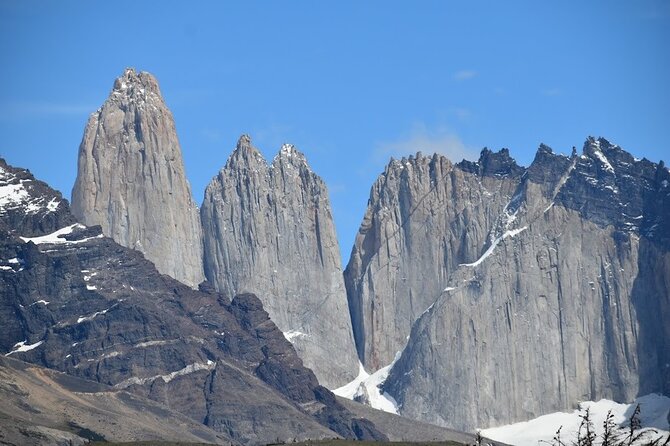
You will get a chance at multiple signature views as you move through the park approach. The key targets include viewpoints such as Sarmiento Lake, plus iconic frames of Torres del Paine, Cuernos del Paine, and Cerro Almirante Nieto.
Why this matters for you: Torres del Paine is not one view. It is layers. From different angles you get different mountain silhouettes, and the light changes everything. Having a guide to help you pick the best spots at the right time gives you more “keepers” in photos and fewer “we missed it by five minutes” regrets.
The tour also keeps a practical rhythm. You are not just looking at scenery, you are getting the walking and viewing pieces done efficiently. That includes short hikes and close-up efforts where possible.
Lake Pehoé and Salto Grande access: turquoise color with a payoff
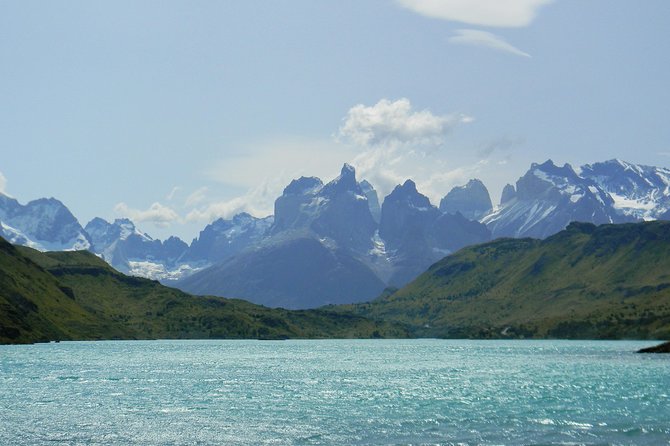
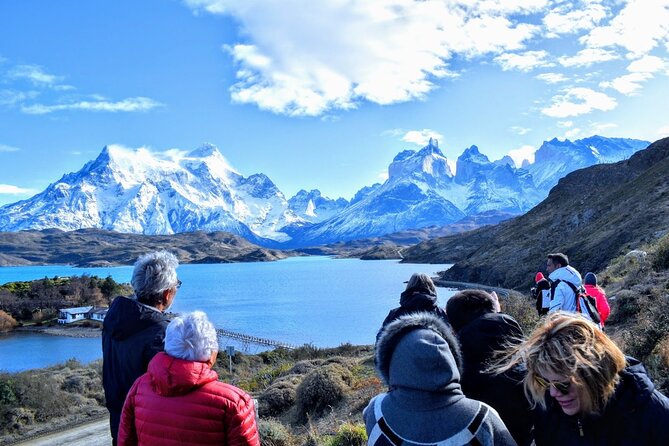
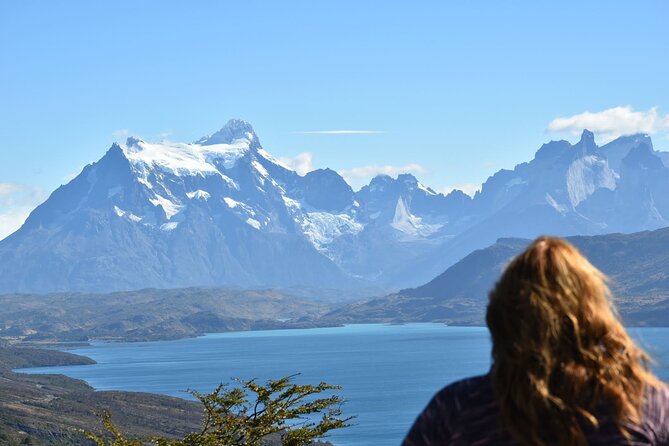
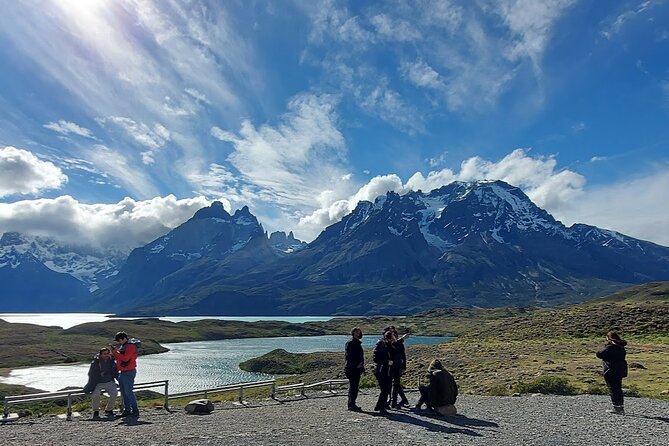
Inside the park, Lake Pehoé is one of your big visuals. You are looking for the classic turquoise tones that Patagonia lakes do well when conditions are right, plus the surrounding ice-covered mountains that make the color feel dramatic instead of just pretty.
There is also time for a short walking push toward Salto Grande. The tour indicates you will need about a 15-minute walk to get close. That is a sweet spot for a day trip. It is enough to feel like you earned the view, but it is not so long that you burn your energy before the best lakes.
The practical tip here is simple: wear footwear that works on damp, uneven ground. A short walk in Patagonia can feel longer than it looks, especially with wind. If you feel your footing getting sketchy, slow down. This is one of those days where a careful step saves you from an ugly stumble.
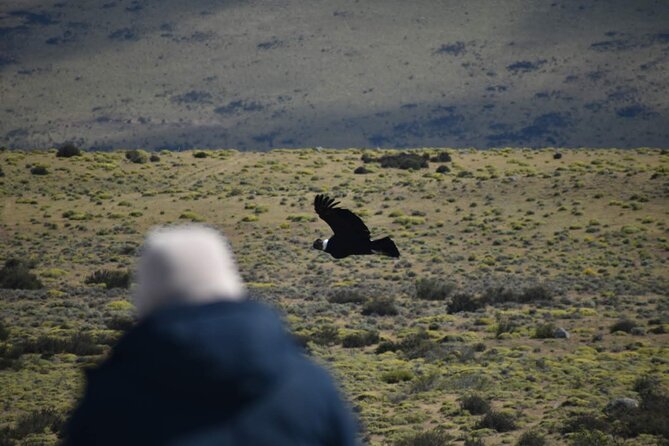
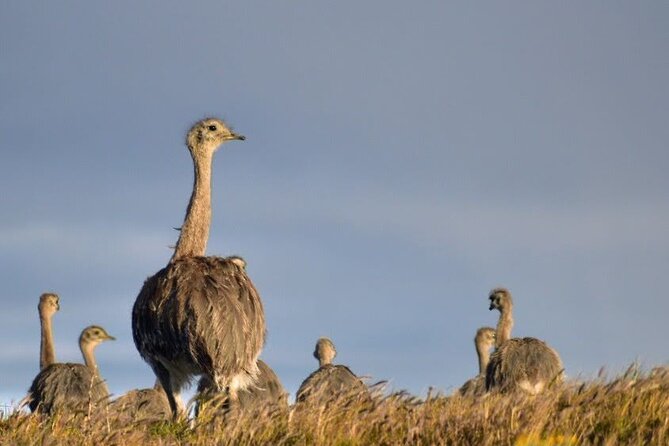
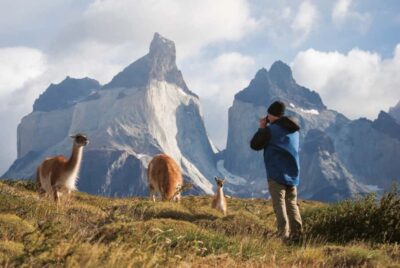
Wildlife viewing is also part of the experience. Based on what you might see in the park area, focus on likely sightings like guanacos, ñandú, and condors. Your guide can also help you scan for smaller chances like foxes and hares. Even if you do not see everything, you will know where to look.
Nordenskjold Lake: short time, strong color
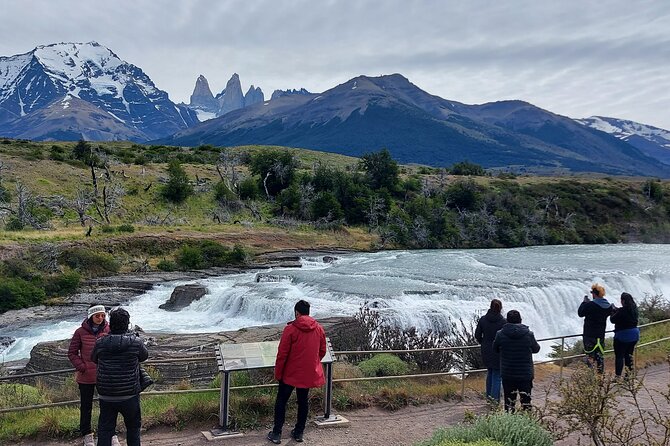
Next up is Nordenskjold Lake. The tour sets aside only about 10 minutes, so this is not a lounge-and-stare stop. It is a fast hit at a view with a reason for being famous: the deep blue reflections that come from the lake and the Paine Massif setting.
You get the basic framing idea from the guide context: this is a glacial lake fed by the Paine River, fed by melting ice coming down from the Paine Massif. In plain terms, you are looking at the landscape’s water cycle in action.
How to make the most of a quick stop: be ready when you arrive. Have your camera settings settled. Take a first set of wide shots immediately, then do a second pass for detail (water texture, rock edges, mountain lines). With only minutes, that two-step approach helps you avoid leaving with “just one photo.”
Laguna Amarga: a calm contrast under the Paine Massif
Then comes Laguna Amarga, described as a serene, dramatic lagoon with a backdrop of the Paine Massif. It does not dominate the day like a lake with a huge hike attached, but it is a smart breathing space.
The name hints at bitterness, yet the point of this stop is the visual contrast. You are looking at a quieter water surface framed by heavy peaks. It can also be good for thinking time, since your eyes get a break from constant trekking effort.
The drawback is mainly time pressure. If the wind is strong or visibility drops, the color you want can be less dramatic. Still, calm stops like this are valuable because they add variety. Torres del Paine days can feel repetitive if everything is only “big and loud.” Laguna Amarga helps balance the day.
Cerro Castillo break: coffee, bathrooms, and local rhythm
On the drive, there is a stop at Cerro Castillo with time for a rustic general store. This is one of those stops that makes the schedule feel more human.
You can grab a coffee, use clean restrooms, and take a snack if you want one. This is also where the “snacks not included” detail becomes relevant. Since snacks are not included in the tour, you can choose what fits your taste and budget, instead of being stuck with packaged options.
If you are the type who runs low on energy easily, make this your planned fuel stop, not an impulse stop. A day like this, one missed snack moment can turn into fatigue later.
Punta Arenas return: you will feel the day, but it lands well
After Torres del Paine, you head back to Punta Arenas. The schedule indicates a substantial drive, about 5 hours on the return chunk. That is not a short nap moment for everyone, because you might stay alert for scenery and photo chances on the way out.
What I like about this structure is that you end with a finish you can predict. You are not adding extra unpredictable transfers or switching to walking tours at the end of a 14-hour day. You just go back and unwind.
In the reviews, the common praise is that the guide and driver keep things comfortable even when the day stretches. People call out how smooth driving can be on rough road conditions, and how patient guides are when they have to adjust pace for the group.
Price and value: what $554.17 buys you in real terms
The price is $554.17 per person, and on the longer end you are getting an all-day private experience of about 12 to 14 hours. That might sound steep until you convert it into what you actually receive:
- Private, air-conditioned transport plus a dedicated driver
- An English-speaking private guide
- Entrance fees included
- Lunch and bottled water included
- A route designed to hit top Torres del Paine highlights despite limited time
If you tried to DIY this, you would likely lose what matters most: time efficiency and interpretation. In places like Torres del Paine, navigation is not the only challenge. The real challenge is knowing what is worth stopping for, which viewpoints line up well, and how to manage time when weather shifts.
This is also why the private format feels worth it. Crowds can flatten the experience, especially when you are trying to get clean photos or scan for wildlife. A private setup lets your guide adjust timing to your group, within the overall schedule.
One consideration: you are paying for a lot of logistics and guide time. If you do not care about learning, or you just want a scenic background for your own photos, you might find cheaper group options more appealing. But if you want the day to feel guided and well paced, the value is easier to see.
The biggest strengths, based on real guide skills
This tour wins on repeat points from the experience stories, especially around guides. Names like Gerardo, Christian, Juan, and Gerardo Jaque show up with strong emphasis on energy, communication, and flexibility.
A few strengths you should expect:
- Human flexibility: When people needed a slower pace, guides adjusted instead of dragging. That is huge if you travel with mobility limits or you just want time for pictures.
- Good English and real conversation: Multiple reviews highlight guides using clear English and blending history, geology, and park explanations in a way that feels like chatting, not reciting.
- Photo strategy: Guides point out picture-perfect locations, and they time stops with a photographer’s brain.
- Wildlife scanning: You are not just driving past animals. Guides help you focus on likely sightings and what behaviors to notice.
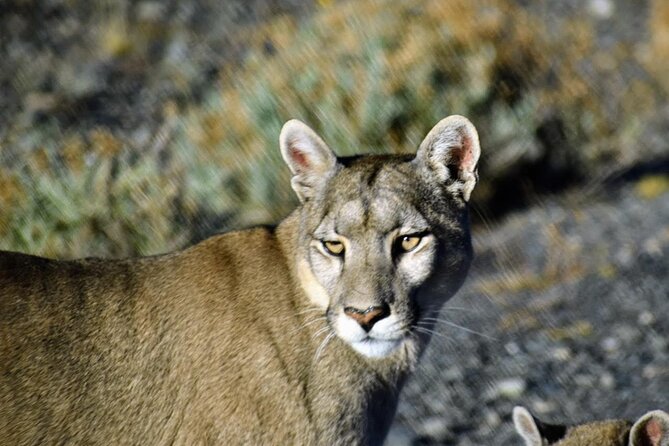
One honest caution: wildlife sightings are never guaranteed. You might see guanacos and condors more reliably than pumas, for example. On other days, you might get different surprises. The goal of the day is to maximize chances and make every stop meaningful, not to promise a specific animal.
Weather reality: Patagonia will do Patagonia things
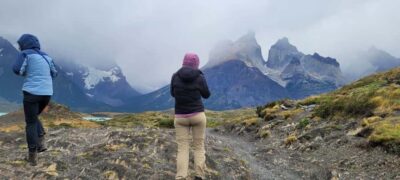
This operates in all weather conditions, so you should plan around that. Dress appropriately and bring layers. Reviews mention harsh wind and even icy road conditions in winter. That is not a “maybe” for Patagonia, it is the default.
The good news is that the structure still works in rough weather. A private guide can adjust stops when conditions change. And since the itinerary includes multiple viewpoints and lake stops, you have alternatives if one area gets blown out by wind or fog.
If the day feels windy, protect your hands and your balance. Wind can make short walks feel harder, especially near lake edges. Take your time, breathe, and focus on steady footing. It is the difference between enjoying the moment and rushing through it.
Who should book this private day from Punta Arenas
This is a strong fit for you if:
- You have limited time in Punta Arenas and you want Torres del Paine in one day
- You prefer a private guide who can customize within the schedule
- You want included entrance fees and lunch, so you can travel lighter
- You value language support. An English-speaking guide helps a lot in a place where history and geology really matter
It may not be the best fit if:
- You dislike long driving days. This is a major time investment.
- You want a multi-day hiking plan with overnight camp or a slow trekking pace.
- You are traveling on a cruise. The tour notes it is not suitable for cruise ship travelers due to the extended travel time.
Should you book this Torres del Paine and Milodon private day?
I think you should book if your goal is simple: see the big Torres del Paine highlights plus a meaningful pre-park stop, with a guide who helps you understand the place while you’re there.
Choose it especially if you want to avoid crowds, get personal attention, and keep the day efficient. At this price, you are buying time, logistics, and interpretation, not just transportation.
If you have the luxury to stay longer in Patagonia, you might eventually do a slower trip. But for a one-day shot from Punta Arenas, this kind of private plan is one of the most practical ways to make your day count.
Everything Else We Have Reviewed In Chile


What Else Runs From Punta Arenas
Still In Torres del Paine? Keep Going
Not quite it? Here is the rest of what we have reviewed around Chile

More in Torres del Paine & Puerto Natales.
 ★ 4.8Base of the Towers Day HikeFrom $90727 reviews
 ★ 4.6Torres del Paine Full Day TourFrom $229434 reviews
 ★ 4.53-Hour Scenic Boat Tour to Grey GlacierFrom $120283 reviews
 ★ 4.8Full Day Torres del Paine + Milodon CaveFrom $83250 reviews
 ★ 4.6Torres del Paine Full Day TourFrom $90196 reviews
 ★ 4.8Base of the Towers Trekking ExperienceFrom $95191 reviews
 ★ 4.8Full-Day Torres del Paine TourFrom $106131 reviews
 ★ 4.6Puero Natales: Glacier Tour with Lunch & Whiskey AperitifFrom $279110 reviews
Browse the lists this tour appears in