
Review · PATAGONIA
Puerto Natales: Full day tour Torres del Paine
One day can cover a lot of Patagonia. This full-day Torres del Paine tour from Puerto Natales strings together the big-name stops, with wildlife spotting built into the drive, and the day paced by a guide who keeps you moving without rushing. I especially like the included hotel pickup and drop-off, because the morning feels low-stress, and I also like that you get multiple chances to see animals in their natural setting. One possible drawback: the schedule is packed, so walking time is limited at several stops, and one key waterfall viewpoint can be farther away than you might expect.
You’ll start at 7:30 am and come back between 7:30 pm and 8:00 pm, which is a long day, but it’s also a smart way to get oriented if you’re new to the park. The tour runs in all weather conditions, so plan for cold and wind, not just sunshine. With a max group size of 40, it stays friendly, and the guide typically explains in English and Spanish.
This is a great introduction if you want the highlights of Torres del Paine without committing to multi-day hiking. Food and drinks are on you, and the park and Milodón Cave entries are not included, so budget a bit extra. If you want long, deep hiking time, you’ll likely want a different type of Torres del Paine plan.
In This Review
- Key things that make this tour worth your time
- The best way to start Torres del Paine if you are short on time
- Pickup in Puerto Natales, then straight into the park zone
- Cerro Castillo stop: a quick break with a café option
- Milodón Cave: giant-sloth history, and why it is not for everyone
- Laguna Amarga: short panoramic views with fox and condor odds
- Mirador Salto Grande: waterfall views, but bring the right expectations
- Lakes Nordenskjöld and Pehoé: animals on the road, plus glacier-zone vibes
- Gray Glacier and lenga forest: the main reason most people book
- Wildlife spotting tips that work on this route
- Price and value: is $96 a fair trade for one day?
- Who should book this full-day Torres del Paine tour
- Weather, pacing, and comfort notes that actually matter
- Should you book this Puerto Natales full-day tour to Torres del Paine?
- FAQ
- What time does the Puerto Natales full-day tour start?
- How long is the tour?
- Is hotel pickup and drop-off included?
- What languages are guides available in?
- Are meals included?
- Do I need to pay for entry to Torres del Paine National Park and Milodón Cave?
- Does the tour run in bad weather?
- How big is the group?
Key things that make this tour worth your time
- Hotel pickup and drop-off so you don’t waste your precious morning finding parking or bus routes
- Classic Torres del Paine route in one day, with Laguna Amarga, Salto Grande views, and the glacier sector
- Wildlife chances (red foxes, condors, guanacos, ñandúes) during photo stops, not just at one site
- Gray Glacier payoff, with a lenga forest walk and views of icebergs
- Bilingual guiding in English and Spanish, which helps a lot when the wind is loud
- Short walks, mostly viewpoint time, so it’s approachable for many visitors
Other ways into the Paine massif, reviewed
- Puerto Natales: Full Day Torres del Paine + Milodon Cave
★ 4.8 · 250 reviews - Puerto Natales: Torres del Paine Full Day Tour
★ 4.6 · 196 reviews - Puerto Natales: Base of the Towers Trekking Experience
★ 4.8 · 191 reviews - Puero Natales: Glacier Tour with Lunch & Whiskey Aperitif
★ 4.6 · 110 reviews
The best way to start Torres del Paine if you are short on time
Torres del Paine can feel huge when you first arrive in Patagonia. This tour works because it gives you a road-tested path through the park’s most famous zones, with stops where you can actually see something even if you do not want to hike all day.
If you’re a first-timer, I like that the day is organized around “know what you are looking at” moments. Your guide doesn’t just point at views, they explain what you’re seeing, and that context makes the photos more meaningful later.
The group size also matters. With a maximum of 40 people, you’ll usually have room to step out for photos, and the pace is steady rather than frantic.
Pickup in Puerto Natales, then straight into the park zone
You meet at 7:30 am, and the tour includes transportation by car, minibus, or bus plus hotel pickup and drop-off. That matters in Puerto Natales because travel time to the park is real, and you do not want to burn energy figuring logistics.
In practice, the driving is part of the experience. On the way, your guide and driver often point out wildlife and details, so even the “in-between” moments are not dead time. One review even highlighted how, even after returning from Antarctica, the guides’ wildlife spotting and the park views still landed hard.
Be ready for a long day and cold weather changes. The tour operates in all weather conditions, so dress like the forecast is wrong, because Patagonia has a sense of humor.
Cerro Castillo stop: a quick break with a café option
Your first real stop is at Villa Cerro Castillo, where you’ll get about 15 minutes on the ground. There’s time to stretch your legs and access cafeteria services, which is handy because the day is long and meals are not included.
This stop is not where you come for the main sights. It’s more like a reset button, and it can be valuable if you’re prone to feeling cramped after an early morning drive.
Tip: if you’re the kind of person who likes to photograph wildlife later, use this moment to top up your gloves, water, and layers. Short stops reward people who come prepared.
More Chilean days out, start to finish
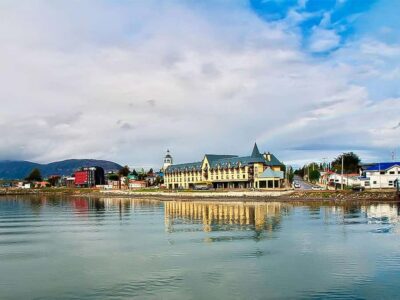
Milodón Cave: giant-sloth history, and why it is not for everyone
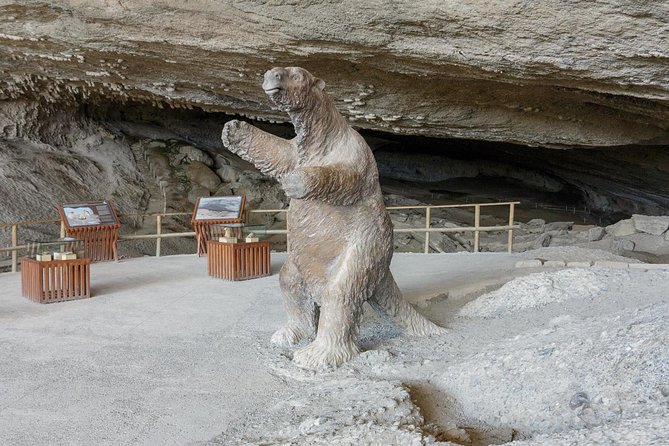
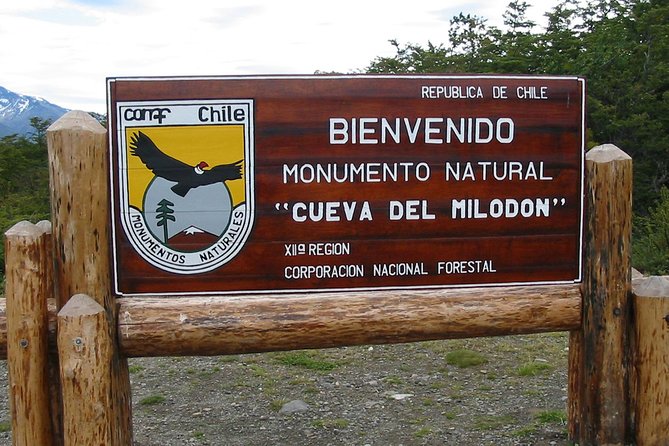
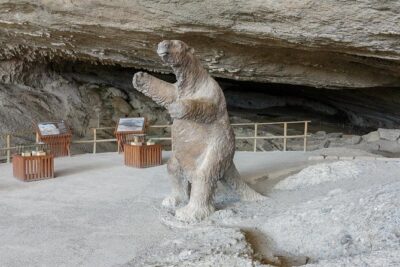
Next comes the Milodón Cave Natural Monument, with roughly 40 minutes there. It’s a stop built around the extinct giant ground sloth called Milodón, plus the story of the area’s deep past.
Here’s the honest take: this is a meaningful cultural and natural history stop, but it’s also one of the parts of the day that can feel a little “museum-like” compared with open-air Patagonia views. One strong piece of feedback suggested skipping the cave if you prefer outdoor scenes only.
So how do you decide? If you love paleontology and natural history, you’ll likely enjoy the cave stop. If your goal is pure scenery and animals, you might treat the time as a tradeoff and enjoy the cave just enough, then move on.
Laguna Amarga: short panoramic views with fox and condor odds
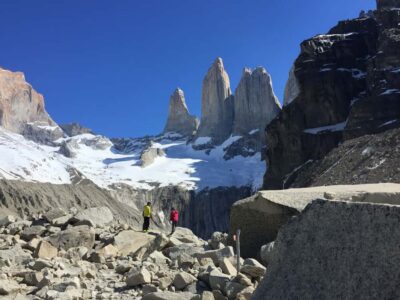
At Laguna Amarga, you get a brief stop, around 5 minutes. The goal here is panoramic views and the chance to spot wildlife that often shows up in that sector, including red foxes and condors.
Because the stop is short, it’s best used for quick photos and quick orientation. You do not need to rush, but you should be ready to step out fast, because the driver and guide are managing time for the rest of the day.
If the wind is bad, keep your camera strap secure and your lens hood handy. In Patagonia, gusts are not rare, and lens drops are not fun.
Mirador Salto Grande: waterfall views, but bring the right expectations
This part of the day can be the most emotional, because the views are dramatic. You’ll head to the Mirador Salto Grande area with a short walk, about 10 minutes, and time on the viewpoint.
One caution from real-world experience: a few people were disappointed because the viewpoint they reached felt farther from the falls than the tour’s visuals suggest. In that case, you might need binoculars to really appreciate the waterfall detail.
So what’s the takeaway? Expect to see Salto Grande from a lookout point, not to be standing right above the falls. If you travel with binoculars, this is exactly the kind of stop where they pay off.
Also, if you care about photography composition, arrive ready. The stop time can be tight, so plan your shots quickly and use burst mode to catch sudden changes in light.
Lakes Nordenskjöld and Pehoé: animals on the road, plus glacier-zone vibes
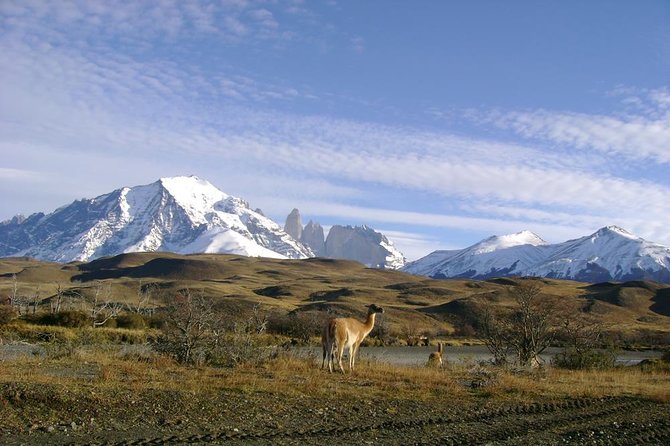
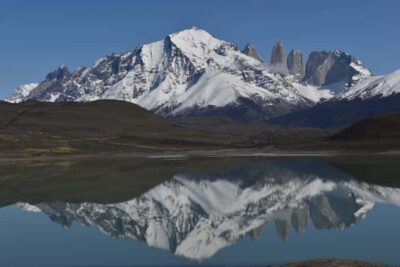
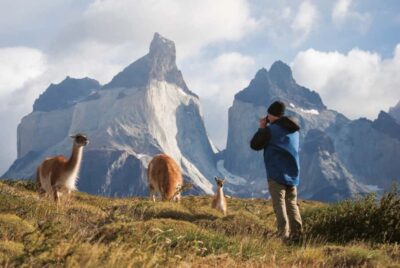
After Salto Grande, the drive continues with big-picture views of the park, including Lakes Nordenskjöld and Pehoé. You’ll have about 20 minutes here, enough for pictures and a slow look around, with the possibility of seeing guanacos and ñandúes.
This stop is less about one single hero shot and more about soaking in how the park changes across water and plains. You’ll often see animals at a distance, and that’s okay. It means you’re watching them in their actual habitat, not in a controlled setting.
If you want to maximize your wildlife chance, stand quietly for a moment rather than sprinting for every frame. In Patagonia, animals often ignore motion and respond to stillness.
Gray Glacier and lenga forest: the main reason most people book
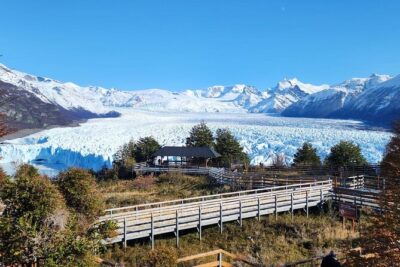
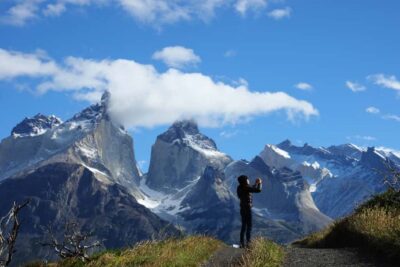
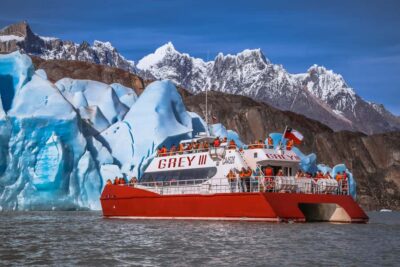
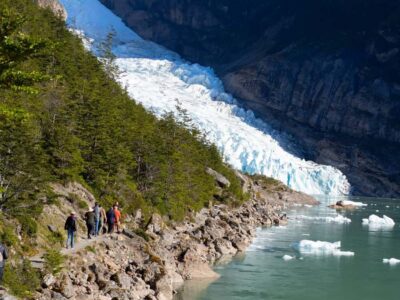
The afternoon is when the tour really earns its keep. You reach the glacier sector with a stop of about 1.5 hours, including a short walk through lenga forests and views of Gray Glacier icebergs.
This is where the day starts to feel like “Torres del Paine.” The icebergs are the kind of thing you want to look at from different angles, even if the weather changes every 10 minutes. Cloud cover can be frustrating, but it also changes the mood, and you still come away with a sense of scale.
Practical advice: wear layers you can peel quickly. Your body will warm up during the walk, then chill fast when you stop for photos.
Lunch is not included, but you may have time to eat depending on the day’s flow. Some people choose lunch during the glacier-sector portion, including meals at the Hotel Grey area, if timing works out. Plan on spending your own money for food and drinks.
Wildlife spotting tips that work on this route
This tour is built around multiple photo stops, which means your wildlife odds improve when you manage your time well. The route includes moments where red foxes and condors are possible, plus guanacos and ñandúes around the lake area.
Here’s what helps:
- Keep your eyes up during the drive, not just during walking moments. Wildlife can pop up right when you think you are only passing scenery.
- Expect animals at a distance. That’s normal, and it keeps things more natural.
- Use binoculars at the viewpoint that can be farther from the action, like the Salto Grande lookout.
- Dress for the weather first. If you are cold and miserable, you’ll miss the small movements that signal an animal is nearby.
On the communication side, most guides handle English and Spanish well. One downside to watch for is that a mic is not guaranteed, so in windy conditions you might want to sit closer to the guide when possible.
Price and value: is $96 a fair trade for one day?
At $96 per person for a roughly 10-hour day, the value comes from the combination: hotel pickup and drop-off, guided narration in English or Spanish, and transportation that covers a lot of ground in one shot.
You do pay a hidden layer in your budget because key entries are not included. Tickets for Torres del Paine National Park and the Milodón Cave are extra, as are food and drinks. Also, admission for the Cerro Castillo stop is noted as not included.
So does it still feel fair? Usually yes, if you want a guided introduction to the park’s main zones and you don’t want to spend your day figuring buses and driving yourself. If you are traveling with someone who enjoys learning, the guide commentary can turn quick stops into “aha” moments.
If you are only chasing one or two sights, the all-in-one approach might feel like “too many stops.” But if your goal is orientation, this is a practical way to see a lot without committing to a long hike.
Who should book this full-day Torres del Paine tour
This tour is a good match for:
- First-time visitors who want the park highlights fast
- People who do not want a full trekking day
- Travelers who value guided context and wildlife-spotting stops
- Families and mixed ages, since walking is limited and the day is mostly viewpoint time
It might not be the best fit if:
- You want long walking time and close-up trail access all day
- You expect to stand right next to the waterfall at Salto Grande
- You strongly dislike cave or indoor natural history stops
Weather, pacing, and comfort notes that actually matter
The tour runs in all weather conditions, so you should plan as if wind and cold are likely. That also means you should expect your photos to look different from day to day, especially around glacier views.
Pacing is designed for coverage. You’ll have several short stops plus one longer glacier sector walk. This is great for balance if you’re new to Patagonia, but it explains why some people feel the day is rushed, particularly if they wanted more time at one location.
Comfort-wise, the vehicles can vary between car, minibus, and bus. Some reviews mention the bus can get hot and windows can be tricky to open. If you run warm, bring a layer you can shed, and keep water handy.
Should you book this Puerto Natales full-day tour to Torres del Paine?
Book it if you want a first taste of Torres del Paine, you like guided explanations, and you want to return to your hotel the same day without logistics stress. I think it’s especially smart for travelers with limited time in Puerto Natales, or anyone who wants a curated highlights route with wildlife and glacier views.
Skip or consider alternatives if you are the kind of traveler who demands lots of walking time, or if you can’t handle short, viewpoint-based stops. Also, if caves are a hard no for you, you might treat the Milodón Cave as a flexible preference rather than a must-see.
If you do book, show up ready for a long day, bring layers, and consider binoculars. Those two small moves can make the difference between “nice” and “wow” on key stops.
FAQ
What time does the Puerto Natales full-day tour start?
The tour start time is 7:30 am.
How long is the tour?
It lasts about 10 hours, and you return to Puerto Natales between 7:30 pm and 8:00 pm.
Is hotel pickup and drop-off included?
Yes. Hotel pickup and drop-off are included.
What languages are guides available in?
The guide provides tours in Spanish or English during the visit.
Are meals included?
No. Food and drinks are not included.
Do I need to pay for entry to Torres del Paine National Park and Milodón Cave?
Yes. Entry to Torres del Paine National Park and entry to Cueva del Milodón are not included.
Does the tour run in bad weather?
It operates in all weather conditions, and you should dress appropriately. If it is canceled due to poor weather, you’ll be offered a different date or a full refund.
How big is the group?
The tour has a maximum of 40 travelers.
The Rest Of Our Chile Tours

Everything Else We Have Reviewed In Chile
Still In Torres del Paine? Keep Going
Not quite it? Here is the rest of what we have reviewed around Chile
More in Torres del Paine & Puerto Natales.
 ★ 4.8Base of the Towers Day HikeFrom $90727 reviews
 ★ 4.6Torres del Paine Full Day TourFrom $229434 reviews
 ★ 4.53-Hour Scenic Boat Tour to Grey GlacierFrom $120283 reviews
 ★ 4.8Full Day Torres del Paine + Milodon CaveFrom $83250 reviews
 ★ 4.6Torres del Paine Full Day TourFrom $90196 reviews
 ★ 4.8Base of the Towers Trekking ExperienceFrom $95191 reviews
 ★ 4.8Full-Day Torres del Paine TourFrom $106131 reviews
 ★ 4.6Puero Natales: Glacier Tour with Lunch & Whiskey AperitifFrom $279110 reviews
Browse the lists this tour appears in