
Review · LAKE DISTRICT
Pucón: Villarrica Volcano Climb
Villarrica puts ice on your itinerary. This guided climb from Pucon is all about tackling an active South Chilean volcano, then standing over the crater with 360-degree views.
I like the gear-heavy setup and the fact that the cost includes more than a guide. You get park entry, transport from the office in town, and mountain equipment like boots, crampons, and an ice axe.
One thing to plan around: weather and volcano monitoring can change the route. If wind or conditions are rough, you may not reach the crater, and the downhill fun can be limited.
In This Review
- Why Villarrica Feels Like a Real Andes Climb (Not a Tour Bus Pitch)
- Key Points I’d Prioritize Before You Book
- From Pedro de Valdivia 205 to Villarrica National Park in One Morning Run
- The 1,200-Meter Start: Acclimatize Without Fighting the Mountain
- Crampons, Ice Axe, and the Glacier Approach
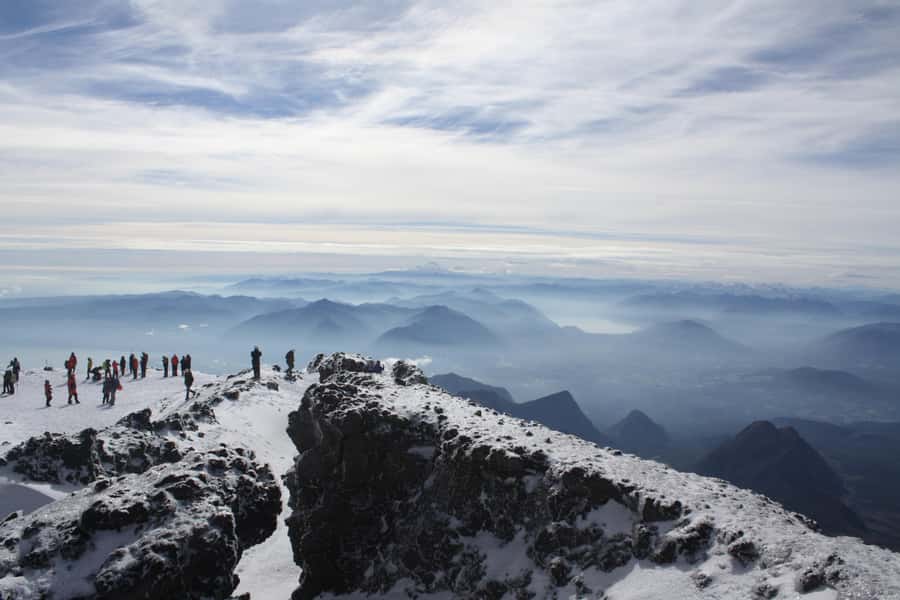
- Reaching 2,847 Meters: Crater Views, Fumaroles, and 360 Degrees
- The Descent Plan: Half the Climb Time Plus Controlled Snow Sliding
- Guides, Group Control, and Why the Safety System Matters
- Price and Value: What You Really Get for $190
- What to Pack, Plus the Stuff That Makes a Cold Volcano Day Bearable
- Optional Chairlift Logic: Save Energy, But Plan for the Ticket
- Who Should Book This Villarrica Volcano Climb
- Should You Book This Villarrica Volcano Climb?
- FAQ
- How long is the Villarrica Volcano climb from Pucon?
- Where do I meet for the tour?
- Do I get equipment checks before the climb?
- What equipment is included?
- Is food and drinks included?
- Do I need previous climbing experience?
- Can I take the chairlift to save energy?
- Is the summit guaranteed?
- Who is this tour not suitable for?
Why Villarrica Feels Like a Real Andes Climb (Not a Tour Bus Pitch)
Villarrica is part of Chile’s Pacific Ring of Fire, so you are not just hiking a pretty mountain. You are climbing an emblematic active volcano, moving from regular hiking to a glacier-style approach with crampons and an ice axe.
I especially liked the switch from switchbacks on the volcano slopes to the more “alpine” feel as the snow and ice take over. At the top, the crater view, fumaroles, and that sense of geological drama make the whole day feel bigger than the distance on paper.
The best part for many people is also the most practical one: your guides make the day doable. You do not need previous experience, just a minimum fitness level and the willingness to follow instructions.
More of Pucon, the volcano and the hot springs behind it
- Pucón: Villarrica Volcano Climb
★ 4.8 · 191 reviews - Villarrica Volcano Ascent – Zenit
★ 5.0 · 111 reviews - Guided Kayak Trip on Liucura River
★ 5.0 · 87 reviews - Full Day Mountaineering to Villarrica Volcano from Pucón
★ 5.0 · 62 reviews
Key Points I’d Prioritize Before You Book
Early meeting and day-before boot fitting helps you start the ascent ready.
Crampons and ice axe start later, once you reach the glacier approach.
Summit timing is built in (around 5 to 6 hours up, about half an hour at the top).
Descent includes controlled snow sliding, not just walking back down.
Small guide-to-hiker support (1 certified guide for every 3 participants) keeps things safer and smoother.
English-guided safety focus with plenty of hands-on explanations, including from guides like Nacho and Osiel.
From Pedro de Valdivia 205 to Villarrica National Park in One Morning Run
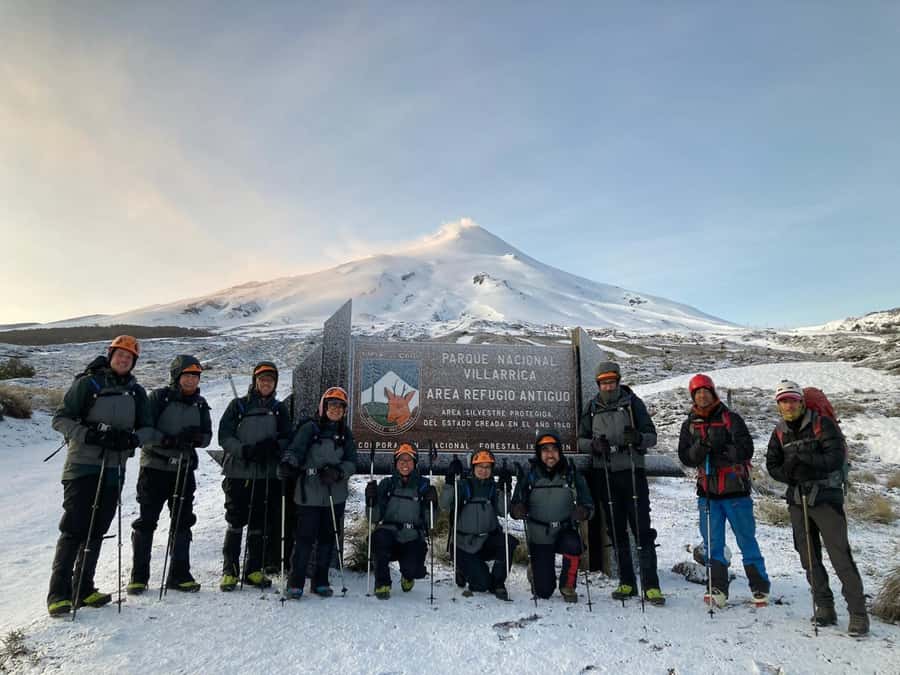
Your day starts early. Arrive by 06:15 at the office at Pedro de Valdivia 205, looking for Zenit Travel under the arch. The plan is to check in, then the van ride takes about 30 minutes out toward the volcano base.
If you are able, take the day-before equipment meeting seriously. You meet the local partner the day before your ascent for an equipment check-up and a brief hike explanation. That pre-work matters because cold weather hiking is not the time to discover that your boots are wrong.
You’ll also want to remember that pacing is not just about fitness. Reviews mention slower group movement with larger numbers and occasional traffic, so build a little patience into your expectations and keep your focus on the climb, not the clock.
The 1,200-Meter Start: Acclimatize Without Fighting the Mountain
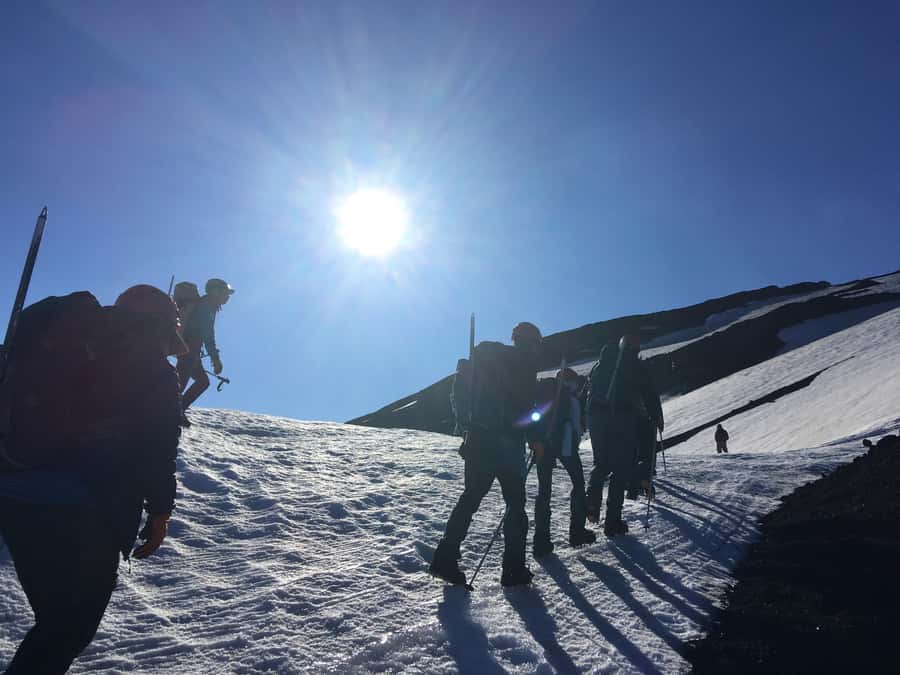
The ascent begins at about 1,200 meters above sea level. This first stage is traditional hiking, and the goal is acclimatization at an easy pace.
This is where the experience starts to feel like a guided climb instead of a casual walk. Your guides keep you moving steadily, and they set expectations for what comes later, when the snow and ice force a different style of footwork.
One practical tip: the climb has no “sit down and recover” attitude. Reviews describe it as challenging endurance-wise, with little flat ground, so even this “easy pace” section will still feel like effort.
Crampons, Ice Axe, and the Glacier Approach
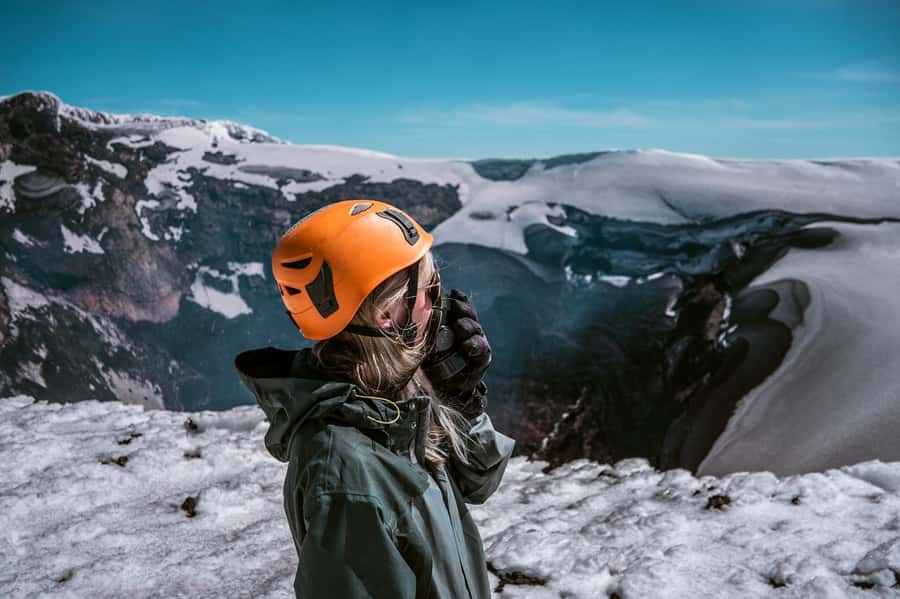
After 5 to 6 hours total of climbing time, you reach the summit area and pass the point where the glacier approach kicks in. That’s when you start using crampons and an ice axe, with guidance from your team.
You do not need to learn everything from scratch on the mountain. The guides explain how to move, how to plant the ice tools, and how to manage traction. If you’ve never hiked with crampons before, expect a learning curve early in this section.
What I like here is the timing. Crampons and ice axe are not used the whole day in every condition, and one review even noted their group was not wearing helmets the whole way like other tours do. Still, follow the instructions you’re given in the moment, especially when conditions change.
Reaching 2,847 Meters: Crater Views, Fumaroles, and 360 Degrees
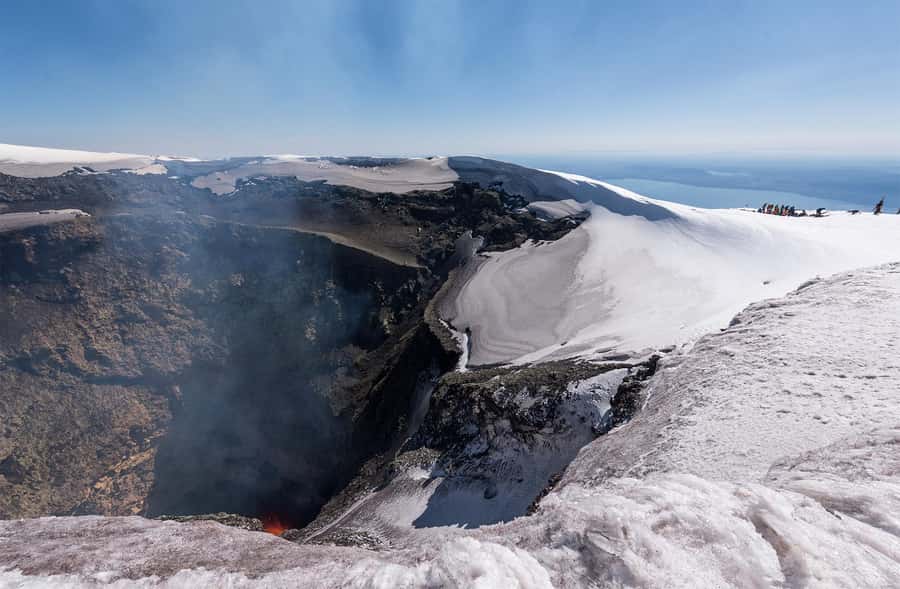
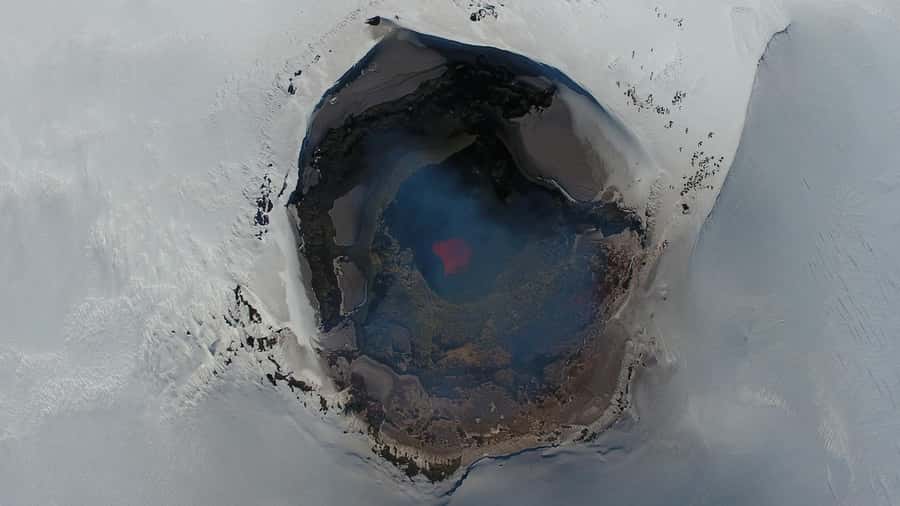
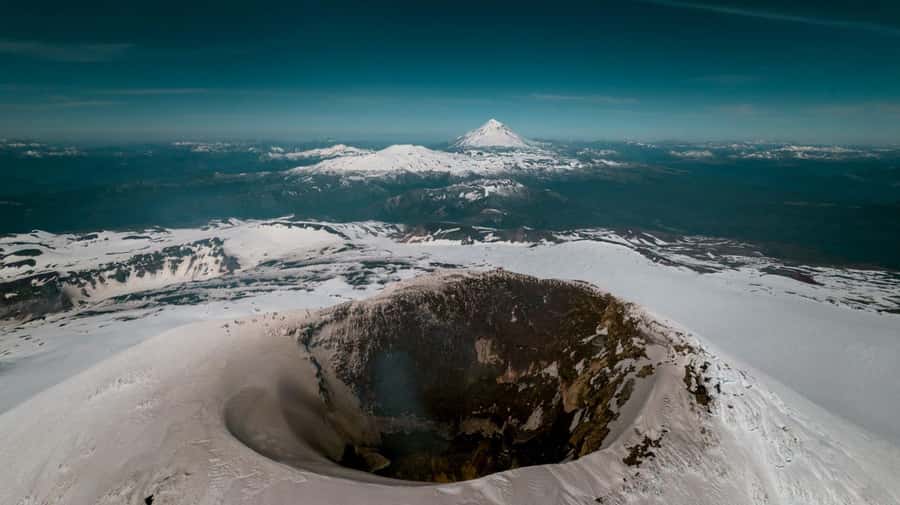
The summit is listed at 2,847 meters. You spend about half an hour up top, enough time to take in the crater and catch your breath for a moment.
From the crater area, you can see the middle of the crater’s geological formation. The guides also watch for features like fumaroles, and you might even spot signs of lava depending on conditions and activity.
Then comes the reward that makes early starts worth it. Expect 360-degree views over surrounding volcanoes, lagoons, and forests. On a clear day, this is the part that turns a hard trek into a memory you talk about later.
Also keep in mind that some days do not allow a full summit experience. Multiple reviews mention weather or volcano activity leading to turning back earlier. That is not a failure, it is the reality of climbing an active volcano.
The Descent Plan: Half the Climb Time Plus Controlled Snow Sliding
After the summit time, you descend in about half the time it took to climb up. The descent combines normal walking with controlled snow sliding.
This is the section many people remember first. Reviews call it fun, fast, and even hilarious, with the classic bum sled style of controlled sliding on snowy slopes. Yes, you can get wet and cold, so dress for the return trip, not the summit photo.
If you have knee issues, this downhill style can be a benefit compared to constant impact steps. One review specifically noted that sliding down helped when considering knee comfort, though you should still treat it as a demanding day physically.
Guides, Group Control, and Why the Safety System Matters
You’ll hike with an active volcano, so you should expect safety rules and adaptability. The program includes 1 certified guide every 3 participants, which is a strong support level for something technical like crampons and ice axe use.
I’ve found that small guide teams work best when the guides communicate clearly and watch the group as a unit. Reviews mention guides like Nacho, Osiel, and Chacha for attentive instruction and calm control, including breaking into smaller groups based on fitness.
One review also described guide-to-guide coordination using radio communication. That kind of internal organization matters when the plan shifts due to wind, visibility, or volcano monitoring.
It’s also worth knowing that the ascent has no need for previous climbing experience. Reviews back this up, but they also warn it is still hard endurance-wise. Minimum physical condition means you can follow the pace and handle the time on your feet.
Price and Value: What You Really Get for $190
At $190 per person, this is not cheap in the casual-trip sense. But it is strong value for what’s bundled, because it covers the heavy lifting parts that add up fast:
- Transport from the downtown office and back
- Villarrica National Park entrance fee
- Mountain equipment like boots, crampons, ice axe, helmet, and more
- Guide support at roughly a 1-to-3 ratio
You also avoid the common “equipment scramble” problem. Reviews mention boot fitting day-before and that the provided gear is meant for the conditions, not borrowed gear that might not fit well.
Where I’d be honest with you: if you show up without a clear layer plan, you can feel the cold more than you need to. Even with gear provided, your personal comfort depends on your clothing and how you manage sweat.
If you’re comparing this to DIY volcano travel, the value becomes obvious. The guides handle the technical parts and the safety decisions, which is the hardest part to replicate on your own.
What to Pack, Plus the Stuff That Makes a Cold Volcano Day Bearable
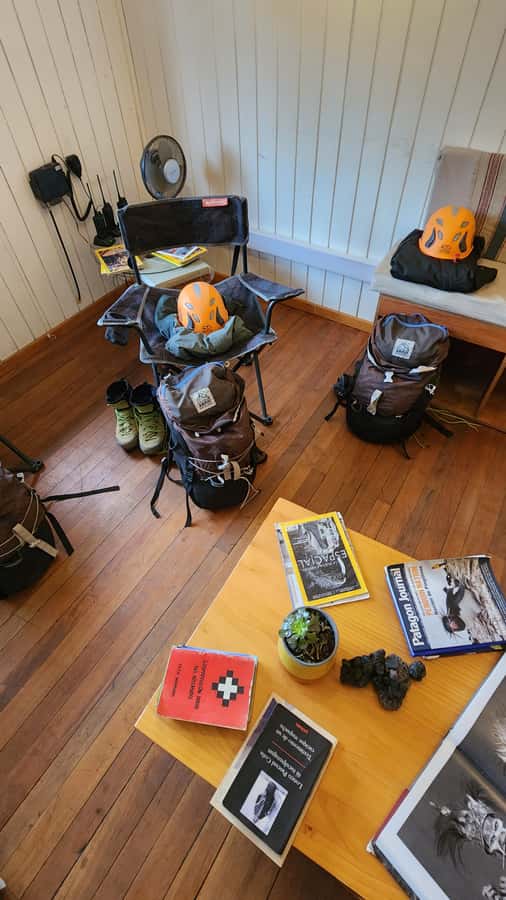
The tour gives you major gear, but you still bring key items. Bring:
- Food and drinks
- Sunscreen
- Trekking gear
- Layers, because weather can shift with elevation and exertion
Reviews repeatedly stress layering. Once you start climbing, you generate heat, then you cool quickly during breaks or at the summit. A buff can help with wind and throat comfort, and one review specifically recommended bringing a buff.
Also, prep smart the night before. The guidance says eat pasta or other carbs, ideally the night before, and stay well hydrated. Avoid alcohol the night before if you can. That sounds basic, but on a cold, strenuous day it helps more than you expect.
Finally, plan for the possibility of wind. One review described extreme wind forcing a shortened hike. If the volcano is monitored daily and conditions change, you will still want to be comfortable enough to handle the surprise.
Optional Chairlift Logic: Save Energy, But Plan for the Ticket
You might have an option to take a chairlift for part of the approach. The ticket for the ski resort towing is not included.
One review mentioned that the lift option was not discussed clearly during fitting and that cash might be needed to pay for it. My practical advice: ask the guides during your pre-check the day before, and bring some cash just in case.
Even if you use the lift, remember this climb still includes long stretches on your feet and a technical transition to snow travel.
Who Should Book This Villarrica Volcano Climb
This is best for adults with a solid baseline of fitness who want a true alpine volcano day, not a gentle viewpoint stroll. It is described as not requiring previous experience, but it is still physically demanding and rarely flat.
You’ll enjoy it most if you like:
- Learning hands-on skills like crampon movement and ice axe use
- Big payoff views, especially from an active crater
- A guided, safety-first approach to a changing environment
It is not suitable for children under 18. If you have major limitations with endurance, you should consider whether you can handle several hours of steep climbing plus the return trip.
Should You Book This Villarrica Volcano Climb?
If your dream trip is to climb an active volcano, stand near the crater, and come down with controlled snow sliding, then yes, this is a strong bet. The biggest reason to book is not just the summit idea. It’s the combination of gear provided, structured guidance, and a guide ratio that helps with pacing and safety.
I’d say book it if you can meet early, you can handle cold and effort, and you’re okay with route changes if weather or volcano conditions make it necessary. If you want a relaxed day with zero uncertainty, you might prefer a gentler activity in the Pucon area.
FAQ
How long is the Villarrica Volcano climb from Pucon?
The total duration is 9 hours.
Where do I meet for the tour?
Meet at Pedro de Valdivia 205 and arrive by 06:15. Look for Zenit Travel under the arch.
Do I get equipment checks before the climb?
Yes. You meet the local partner the day before for equipment check-ups and a brief explanation of the hike.
What equipment is included?
You get mountain boots, poles, crampons, ice axe, helmet, backpack, trousers, jacket, gloves, and gaiters.
Is food and drinks included?
No. You need to bring food and drinks.
Do I need previous climbing experience?
No previous experience is required. The activity only asks for minimum physical condition.
Can I take the chairlift to save energy?
There may be a lift option for the approach, but the ski resort towing ticket is not included.
Is the summit guaranteed?
No. The program is subject to weather conditions of the day, and the volcano has daily monitoring for seismicity.
Who is this tour not suitable for?
It is not suitable for children under 18 years.
Everything Else We Have Reviewed In Chile
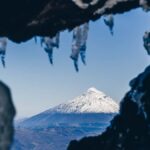
Around Pucon And The Villarrica Cone
Not quite it? Here is the rest of what we have reviewed around Chile
More in Pucón & Villarrica Volcano.
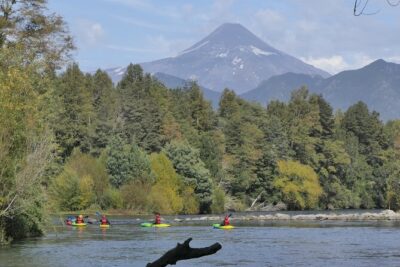 ★ 5.0Guided Kayak Trip on Liucura RiverFrom $7587 reviews
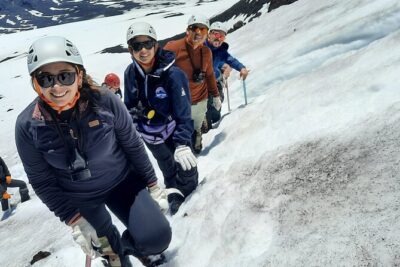 ★ 5.0Full Day Mountaineering to Villarrica Volcano from PucónFrom $19462 reviews
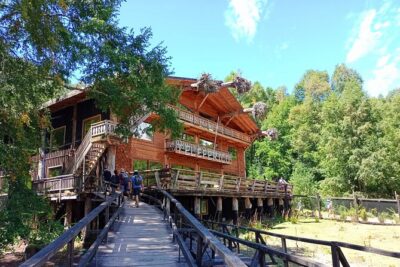 ★ 5.0Tour to Huilo Huilo from Pucón, VillarricaFrom $10051 reviews
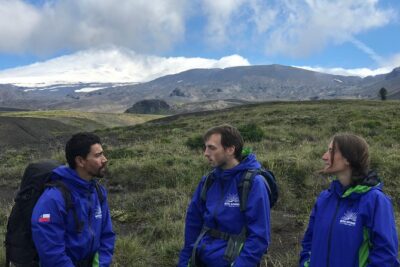 ★ 5.0Trekking Mirador el volcano + Geometric hot springsFrom $19538 reviews
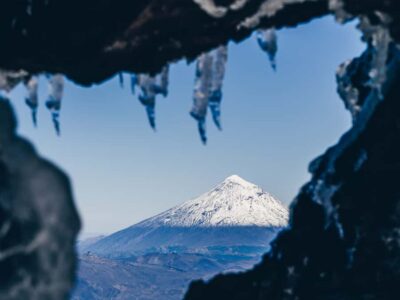 ★ 4.8Ascent to Villarrica volcano 2,847masl, from PucónFrom $18536 reviews
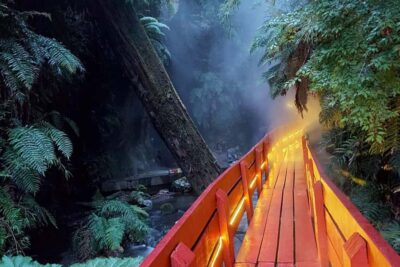 ★ 4.3Geometric Hot SpringsFrom $13320 reviews
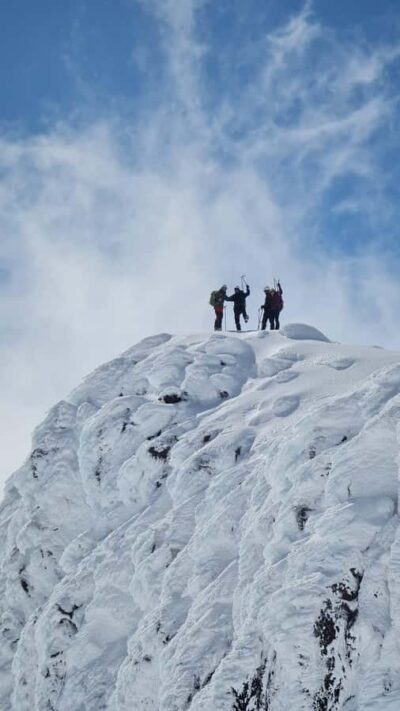 ★ 4.9Ascent to Villarrica VolcanoFrom $18516 reviews
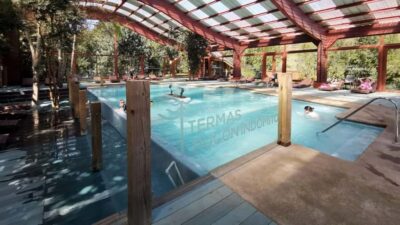 ★ 4.0TOUR AROUND THE AREA WITH THERMAL BATHSFrom $958 reviews
Browse the lists this tour appears in