
Review · PATAGONIA
Trekking Base Torres – Torres del Paine trek from Puerto Natales
One big morning hike to Patagonia’s signature towers. This is a long day out of Puerto Natales aimed at Base Torres views, with a guided pace that keeps you moving and safe. I like that the company uses bilingual guides and tight supervision, and that you often get guides such as Pablo, Alex, Sebastian, and Emilia who focus on terrain, timing, and group rhythm.
Here’s the trade-off: this is a long, steep hike, about 20 km, with a demanding finish and big weather swings. Also, the park entrance fee is not included, so budget for that if you want the full Torres del Paine day.
In This Review
- Quick hits from this Base Torres trek
- Puerto Natales pick-up, poles, and the start that sets your whole day up
- The shuttle to Porteria Amarga and your first real taste of Torres del Paine
- Ascensio Valley to Lenga Forest: where the hike finds its rhythm
- The glacier moraine climb to Mirador Las Torres Base
- Lunch by the views, then a lake touch before the descent
- Trekking gear, safety support, and what you must bring
- Price and value: what you’re really paying for at $99
- Who should book this Base Torres trek, and who should not
- Should you book this Base Torres trek from Puerto Natales?
- FAQ
- What time does pick-up start for the Base Torres trek?
- How long is the trek from Puerto Natales to Base Torres?
- Is the Torres del Paine park entrance fee included?
- What trekking equipment does the tour provide?
- Do I need a headlamp?
- How many people are in the group?
- Is free cancellation available?
Quick hits from this Base Torres trek

- Early pick-up (around 6:30 to 7:00 AM) keeps your day efficient and gives you more daylight for the hike
- Trekking poles + first aid kit take the edge off on the uneven uphill and especially the downhill
- Small-group guiding with a clear guide-to-paces ratio (tighter in winter) helps mixed fitness levels stay together
- Porteria Amarga entry gives you immediate Torres del Paine drama, not just a “wait and see” start
- Mirador Las Torres Base is the payoff, but the last stretch is truly physical, so go in ready to work
Other ways into the Paine massif, reviewed
- Puerto Natales: Full Day Torres del Paine + Milodon Cave
★ 4.8 · 250 reviews - Puerto Natales: Torres del Paine Full Day Tour
★ 4.6 · 196 reviews - Puerto Natales: Base of the Towers Trekking Experience
★ 4.8 · 191 reviews - Puero Natales: Glacier Tour with Lunch & Whiskey Aperitif
★ 4.6 · 110 reviews
Puerto Natales pick-up, poles, and the start that sets your whole day up
Your day kicks off with pick-up from your lodging in Puerto Natales. Plan to be collected between 6:30 and 7:00 AM, so set an alarm, charge your phone, and resist the urge to sleep like a bear.
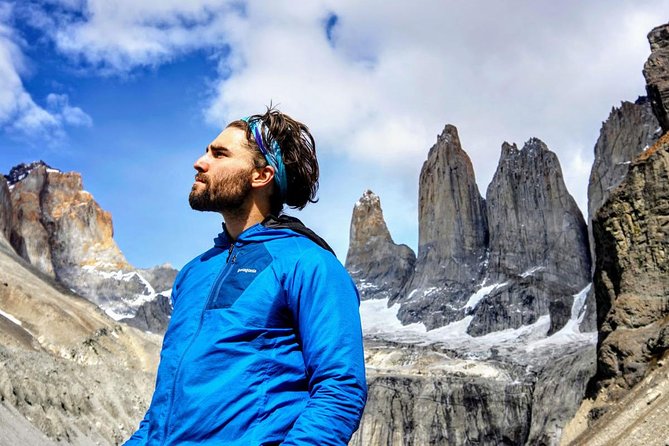
Before you even reach the park, the guide typically hands out trekking poles and covers the hike to Base Torres. This briefing matters more than it sounds. When you’re heading into Torres del Paine, the big challenge is not just distance, it’s the steady grind on rocks, slopes, and changing conditions. Getting your poles and route guidance early helps you stop wasting energy later.
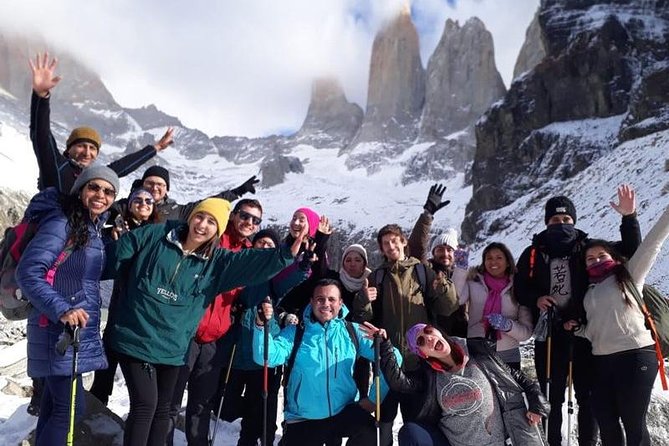
One more thing I really like here is the guide support for mixed groups. In winter, groups run smaller with one guide per four travelers. In warmer months, the guide ratio tightens too, so faster hikers do not vanish ahead and slower hikers are not left scrambling at the back.
If you’re a fit person who hates standing around, you’ll probably like how structured the morning feels. If you’re worried you’ll feel rushed, bring the right expectations: this is a timed day with a summit-style destination.
The shuttle to Porteria Amarga and your first real taste of Torres del Paine
After about a two-hour shuttle ride, you enter via Porteria Amarga. This is one of those moments where the park stops being an idea and becomes a view.
From the moment you cross the entrance, you’re looking at the signature scenery that gives Torres del Paine its fame. For first-timers, it’s also a good gut-check. You see what you’re walking toward, and you realize today is about earning that panorama.
Accessing the park through a sector entry like Porteria Amarga is practical. It keeps the day moving and helps you avoid wasting time on logistics once you’re already dressed for the trail. It also means the first walking stages feel connected, not random.
Practical note: the park entrance fee is not included, so if you’re budgeting, treat that as a separate line item.
Ascensio Valley to Lenga Forest: where the hike finds its rhythm
Once you start trekking toward the Hostería Las Torres sector, the trail design does a good job of settling you into the day. You’ll cross the Ascensio Valley and then walk through the Lenga Forest, which changes the soundscape and light compared to the open viewpoints.
This part of the hike is often where you decide if you’ll spend today powering through or pacing wisely. With Base Torres, there’s no prize for going out too fast early. You want controlled effort. Even if you feel great at the start, the end climb is what really tests your legs.
One of my favorite details here is how the route gives you repeated visual references. You’ll be seeing Almirante Nieto Hill from different angles as you work your way forward. It’s not just scenery for scenery’s sake. These changing views help you stay mentally engaged during the long middle stretch.
From here, expect roughly four hours of travel to reach the Base Torres viewpoint area, depending on weather, group pace, and how often you stop for photos or breath breaks. A review you’ll often hear is that the hike is challenging but very doable with patience. If you tend to overestimate yourself, plan to take the pace advice seriously.
Other Chilean trails we have walked

The glacier moraine climb to Mirador Las Torres Base
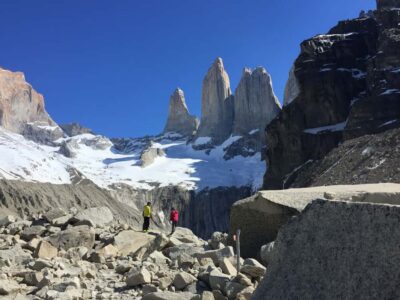
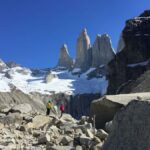
This is the section you feel in your calves. After the earlier walk through valley and forest, you reach a glacier moraine climb, described as a rocky path with a steep slope. That’s the ticket to the big payoff.
Why this part matters: moraines can be awkward underfoot. Rocks shift, footing is uneven, and the “steep” is continuous rather than a short burst. Trekking poles help here, especially on the uphill where you need more stability than you think.
In terms of altitude, you start around 90 m (295 ft) above sea level and reach roughly 870 m (2,855 ft) at the top. The altitude is not extreme like some high mountains, but you still feel the effect when you’re working hard for hours.
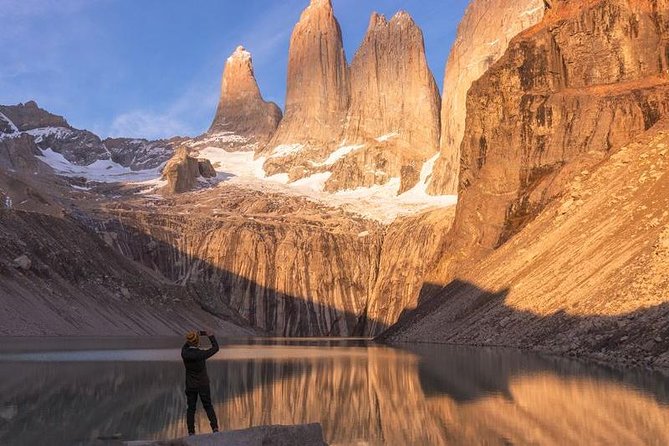
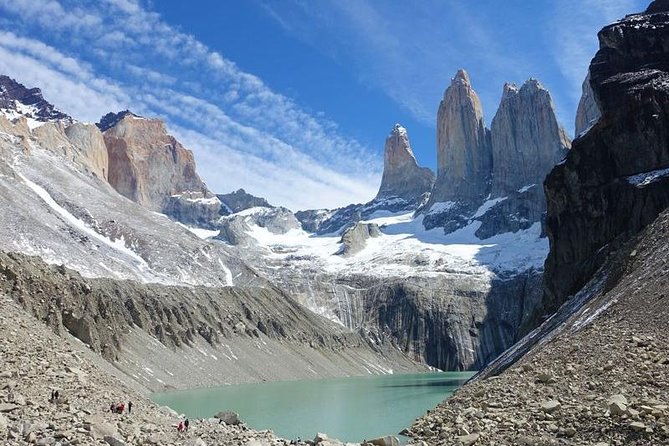
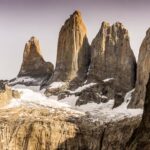
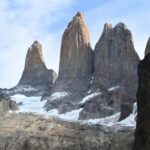
Now, about the final destination: you’re aiming for the Base Torres view area (Mirador Las Torres Base). This is the iconic scene, the one you came for, the one that makes the whole day feel like more than a workout.
Balanced expectation check: if weather turns ugly, the experience can compress. One common complaint is that people felt the “top time” was short when conditions changed. That’s not the operator being random, it’s a reality of Patagonia weather. Wind and visibility can change fast, and guides have to manage safety and timing.
If you’re concerned about a rough final scramble, you can also ask the guide about options for an alternate viewpoint near the end. Some hikers are offered a different look rather than pushing through the most punishing last steps.
Lunch by the views, then a lake touch before the descent
Once you reach the Base Torres viewpoint area, you get a classic set of moments. There’s time for pictures and time to eat lunch while you take in the towers and the surrounding drama.
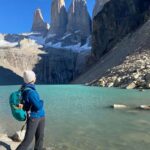
After lunch, you’ll also have a cool “only-in-Patagonia” break. The group heads to a small beach formed by the lake, with the chance to touch the water and soak in the view from down low. It’s a quick reset after hours of uphill focus.
Then it’s time to descend. The descent portion is about three hours, and this is where trekking poles pay back their cost many times over. Downhill is where slips happen, and where sore knees show up if you do not pace yourself.
You should plan on a full day. The shuttle return to Puerto Natales arrives sometime between 8:00 and 9:00 PM.
If you’re the type who loves long scenic wandering, notice that this day has a schedule. You’ll get big moments, but you’re also hiking in time blocks. Guides are often praised for keeping the group moving without leaving people behind, but that still means you’re not doing a slow, aimless hike.
Trekking gear, safety support, and what you must bring
The good news: you’re not hiking blind or gear-less. The tour includes trekking poles and a first aid kit. Crampons are provided if necessary, which matters in winter or when conditions are icy.
You still must bring key items:
- Mountain shoes with good soles
- Food and drinks
- Headlamp and gaiters only during winter season (roughly June to September)
This matters because the tour runs a long day with an early start and a late return. In winter, darkness and slippery trail surfaces are not theoretical problems. They are real.
Also, follow the shoe advice closely. Base Torres is not the place to test new footwear. Lugged soles and reliable traction help you stay confident on loose rock and wet sections.
From the reviews, one of the most praised themes is safety and guide attention. Guides are described as supportive, patient, and focused on making sure nobody gets stranded. That’s what you want with a demanding route.
Price and value: what you’re really paying for at $99
At $99 per person, the value is mostly about logistics and guided safety for a full-day trek. What you’re paying for includes:
- Shuttle transportation from the Puerto Natales metropolitan area
- A bilingual guide and assistant guide with set guide ratios (one per six in the general case described)
- Trekking poles
- First aid kit
- Crampons if necessary
What you’re not paying for:
- Torres del Paine National Park entrance fee
- Lunch (even though there is a lunch stop in the plan)
- Winter gear like headlamp and gaiters (only required in that season)
So should you feel like you’re getting a bargain or a budget cut? This is not a bare-bones outing. You’re getting equipment support and a professional guide. For a 10 to 12 hour day, that’s the core value.
One more practical way to think about it: your biggest “hidden cost” is energy. A guide who keeps the group together, manages pace, and gives you a realistic sense of effort can prevent you from blowing out early and missing the destination. That’s why many people gush about guides who match mixed fitness levels.
Who should book this Base Torres trek, and who should not
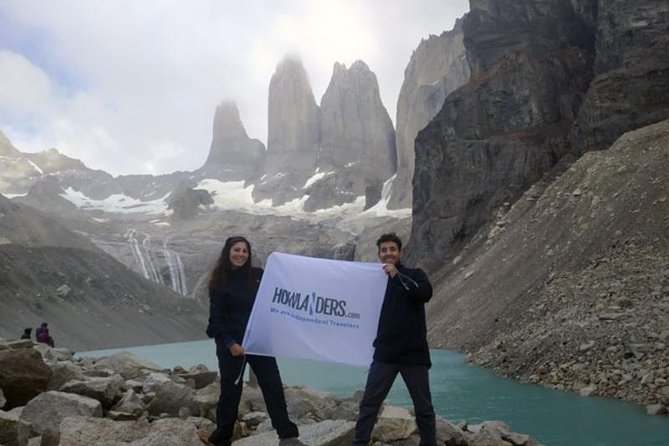
This trek fits best if you’re comfortable with a medium-to-demanding hike and have the stamina for a full day. You’re covering about 20 km (12.43 miles), and while the time varies by conditions and pace, you should expect several hours of steady effort just to reach the viewpoint.
You’ll probably enjoy it most if:
- You want the classic Base Torres views and don’t mind earning them
- You prefer a guided structure, especially when weather changes
- You’re okay with a long day that runs from early morning to evening
Consider a different plan if:
- You want a short, easy scenic walk
- You’re sensitive to steep rocky sections, even with poles
- You don’t like feeling time-managed at the viewpoint (some people report short viewing windows when conditions are rough)
A helpful way to decide: if your idea of a great day in nature is “work hard, then get paid in views,” this fits. If it’s “slow stroll, lots of lingering,” you may feel the schedule squeeze your style.
Should you book this Base Torres trek from Puerto Natales?
If you’re aiming for the signature Torres del Paine scene and you want a guided, well-supported day, I think this is a strong booking. The big reasons are the included trekking poles, the safety-first guiding style, and the way the route leads you from valley and forest up to the iconic viewpoint.
Book it if:
- You can handle a long uphill and a rocky final climb
- You’ll bring solid shoes and the right seasonal gear
- You accept that Patagonia weather can change your top experience
Skip it or ask questions first if:
- You’re expecting a lightweight walk
- You’re not prepared for a full day of hiking, roughly 10 to 12 hours total
In Patagonia, the weather can be dramatic, but that’s also part of what makes the towers feel so real. If you go prepared and pace smart, this is the kind of day you’ll remember every time someone mentions Torres del Paine.
FAQ
What time does pick-up start for the Base Torres trek?
Pick-up starts around 6:30 AM, and it can run a bit later depending on where your lodging is located, with arrivals typically between 6:30 and 7:00 AM.
How long is the trek from Puerto Natales to Base Torres?
The full experience is listed as about 10 to 12 hours.
Is the Torres del Paine park entrance fee included?
No. The park entrance fee is not included.
What trekking equipment does the tour provide?
The tour provides trekking poles (Black Diamond or similar). Crampons are also provided if they are necessary.
Do I need a headlamp?
A headlamp is mandatory only during the winter season (roughly June to September). Outside winter, it is not listed as required.
How many people are in the group?
The activity is limited to a maximum of 15 travelers, and the guide-to-traveler ratio tightens in winter.
Is free cancellation available?
Yes. You can cancel up to 24 hours in advance for a full refund. If you cancel less than 24 hours before the start time, the amount paid is not refunded.
More Chilean Trails

Everything Else We Have Reviewed In Chile
Still In Torres del Paine? Keep Going
Not quite it? Here is the rest of what we have reviewed around Chile
More in Torres del Paine & Puerto Natales.
 ★ 4.8Base of the Towers Day HikeFrom $90727 reviews
 ★ 4.6Torres del Paine Full Day TourFrom $229434 reviews
 ★ 4.53-Hour Scenic Boat Tour to Grey GlacierFrom $120283 reviews
 ★ 4.8Full Day Torres del Paine + Milodon CaveFrom $83250 reviews
 ★ 4.6Torres del Paine Full Day TourFrom $90196 reviews
 ★ 4.8Base of the Towers Trekking ExperienceFrom $95191 reviews
 ★ 4.8Full-Day Torres del Paine TourFrom $106131 reviews
 ★ 4.6Puero Natales: Glacier Tour with Lunch & Whiskey AperitifFrom $279110 reviews
Browse the lists this tour appears in