
Review · SAFARI
From Santiago: Safari Park, a wild experience
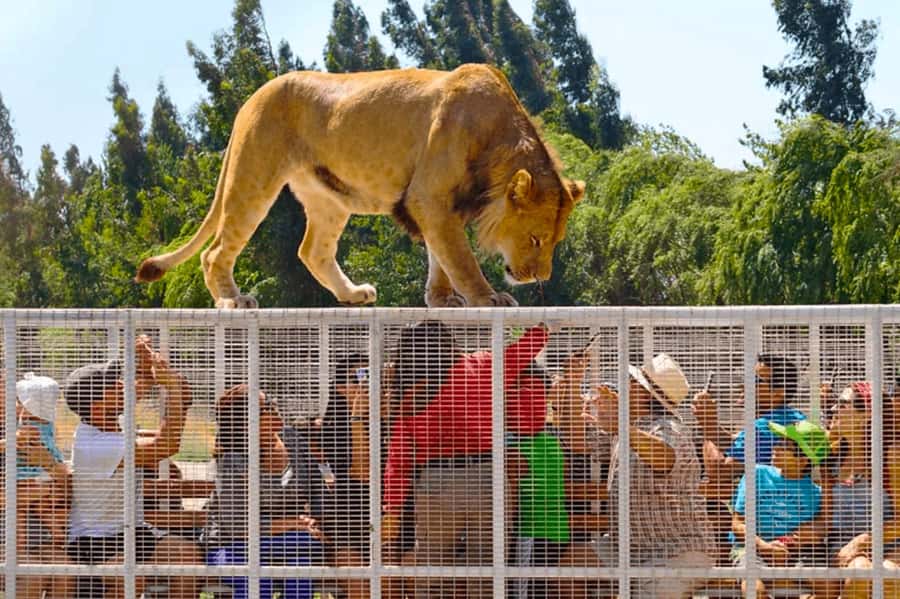
Lions, tigers, giraffes, and dinosaurs, safely close. This north Chile wildlife park mixes safari-style animal viewing with a Chilean countryside breakfast before you head out.
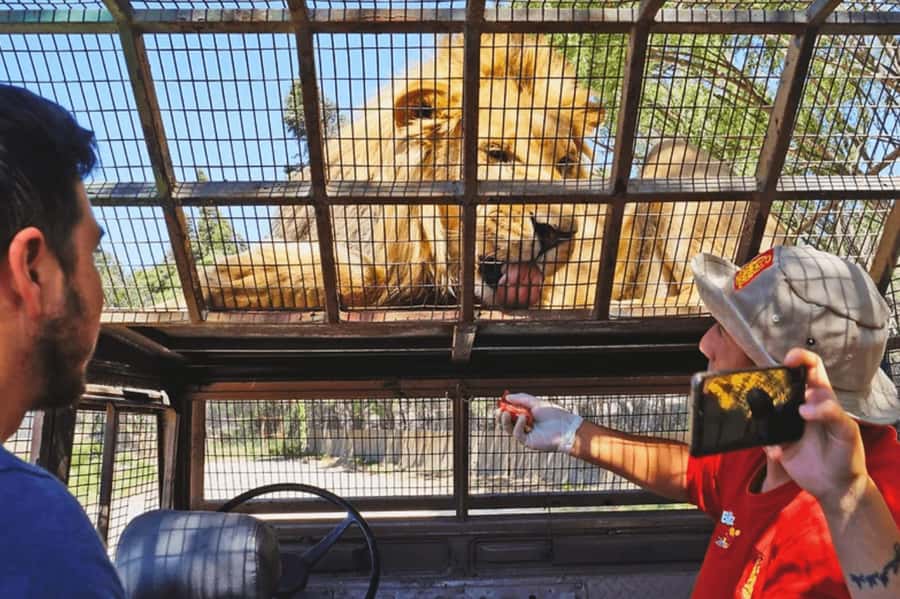
I like the practical setup, you ride in vehicles made for animal encounters, not just shuffle past cages. Then you get three different safari themes, Big Cats, Herbivores, and Jurassic, so the day does not feel like one long repeat.
One thing to keep in mind is the schedule can start slow and the free time can feel short, so you’ll want to go in knowing you’re on a guided plan more than roaming at your own pace.
In This Review
- Key Things to Know Before You Go
- Safari Park from Santiago: what makes it feel different
- The 9-hour flow: pickup, coach ride, and the park rhythm
- Breakfast on the way to big cats: how that first stop sets the tone
- The heart of the day: Big Cats, Herbivores, and Jurassic Safari
- Big Cats Safari: up close without going off-script
- Herbivores Safari: variety and easier viewing pace
- Jurassic Safari: dinosaurs, but still a real wildlife day
- A quick note on free time versus guided time
- Rehabilitation center stops: why birds, turtles, and sea lions matter
- The playground break: one ticket, pick your best match
- Price and logistics: does $111 feel like value?
- Comfort and timing tips that actually help
- Who this tour is best for, and who should skip it
- Should you book Safari Park from Santiago?
- FAQ
- How long is the Safari Park tour from Santiago?
- How much does the tour cost?
- What safaris are included in the park admission?
- What meals are included?
- What can I do in the playground?
- What languages will the guide speak?
- What should I bring for the tour?
- Is the tour suitable for people with mobility impairments?
Key Things to Know Before You Go
- Three safari themes: Big Cats, Herbivores, and Jurassic Safari, each with its own animal focus.
- A real ranch-style start: breakfast time is built in before the safaris.
- Rehab center component: birds of prey, turtles, and sea lions add context beyond a typical animal day.
- Small group format: up to 10 participants, with round-trip transfer on an air-conditioned coach.
- Playground included, pick one: zip line, kayak, trampoline, or simulator (one option ticket).
More Chilean wildlife runs by vehicle
- From Santiago: Safari Park, a wild experience
★ 4.5 · 20 reviews
Safari Park from Santiago: what makes it feel different
Safari Park is not trying to be a classic zoo day. The big idea is getting up close to wildlife through safari-style viewing, then mixing in family activities so the day stays fun even if you are not the type who wants to study animal facts for hours.
What helps is that the park is presented as a center for native and exotic wildlife, with a rehabilitation component for birds of prey, turtles, and sea lions. That adds a sense of purpose, not just entertainment, and it gives you something to think about while you’re watching.
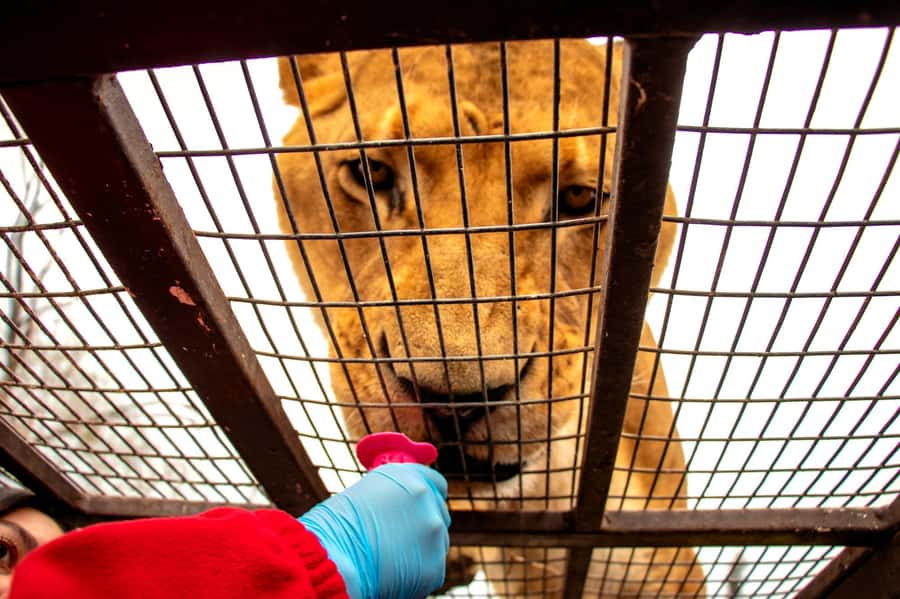
The best part for most people is the “safe proximity” feeling. You are not walking among animals, but you are positioned to see them clearly and from a designed setup. It makes the whole thing more memorable than a quick drive-by from behind glass.
The 9-hour flow: pickup, coach ride, and the park rhythm
This is a full-day outing, scheduled for 9 hours total. You start with pickup from several Santiago-area locations, then you ride by coach for about 1 hour to the park. The transfer is round-trip and exclusive for your group, which keeps it simple.
Your group size is capped at 10 participants. That matters more than it sounds. When the group is smaller, the bilingual guide can actually manage questions and movement, instead of just shepherding you through a big crowd.
Inside the park, the timing is structured. You get:
- Breakfast (about 45 minutes)
- A guided wildlife viewing segment (about 3.5 hours)
- Lunch time scheduled (about 1.5 hours), but lunch is not included in the price
- Then you head back by coach for about 1 hour and get dropped off at one of the return locations
The practical takeaway: you’ll get a guided, paced day, not a loose day where you wander and “discover” everything at your own speed. If that’s your style, you might feel a little boxed in.
Breakfast on the way to big cats: how that first stop sets the tone
The tour starts with a typical Chilean countryside breakfast before the safaris. That timing is smart. You’re heading into animal viewing and activities, and a filled stomach makes the day smoother, especially if you have kids or you get hungry fast.
Since breakfast is included, you do not have to figure out food on the fly before the first safari. And because it’s described as countryside-style, it also gives you a more local feeling than a generic continental plate.
Tip for your planning: if you’re the type who likes to snack during tours, consider bringing a small extra treat for later in the park. Not because the food is bad, but because your free time can be tight, and you will appreciate the backup when you’re waiting between segments.





The heart of the day: Big Cats, Herbivores, and Jurassic Safari
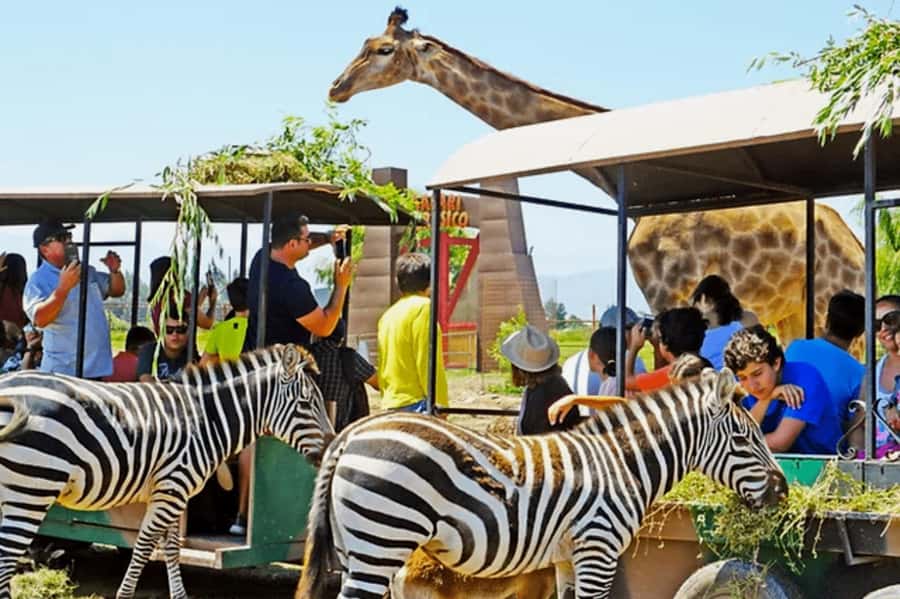
This is the big selling point, the three safari themes. In total, you spend about 3.5 hours on the guided wildlife viewing part, and the experience is broken up so the focus changes between enclosures.
Big Cats Safari: up close without going off-script
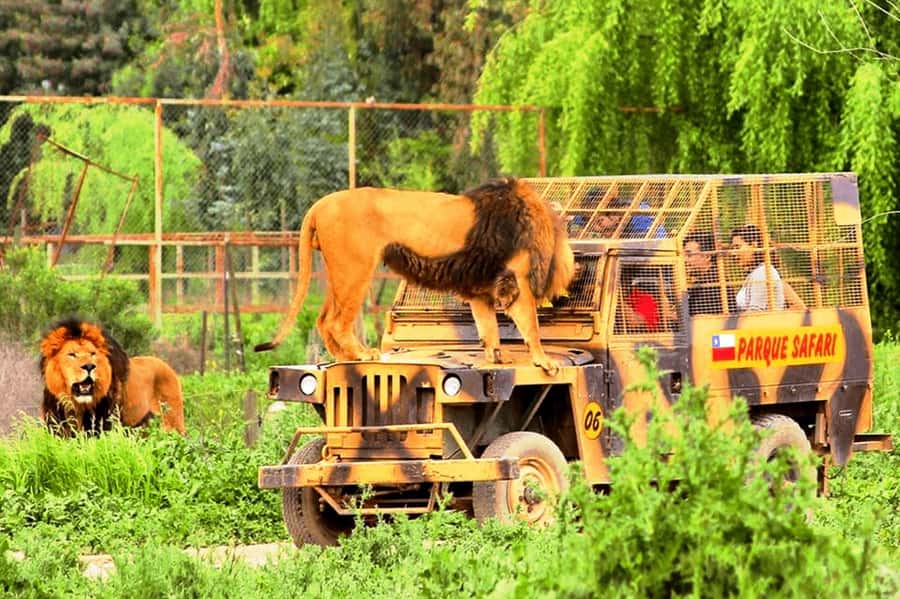
If your list includes lions and tigers, this is where the excitement concentrates. The “up close” part comes from the safari-style viewing setup, and your guide helps translate what you’re seeing.
One important reality check: the experience is designed around animals being present near the vehicle areas. That can be great for viewing quality. It can also mean the interactions feel more controlled than wild in the romantic sense. Either way, you should go in expecting animal comfort and safety to be the priority, not a “surprise you never could plan” encounter.
Herbivores Safari: variety and easier viewing pace
Herbivores are a nice counterbalance to big cats. The pace often feels more relaxed because you’re looking at herds and different animal behaviors rather than the adrenaline of predators.
You still get the same “from the vehicle” viewing benefit, which is key. It lets you observe without constantly changing your position or fighting crowds. If your group includes kids, herbivores also help keep energy steady between the more dramatic safari moments.
Jurassic Safari: dinosaurs, but still a real wildlife day
Jurassic Safari is the fun theme built into the lineup. The key word is Jurassic, meaning dinosaurs are part of the storyline. Even if you treat it as the playful part of the day, it still sits inside the broader wildlife-center setting.
If you’re traveling with families, this is often the easiest segment to get kids to stay engaged. If you’re traveling as an adult who prefers the most realistic animal encounters, the Jurassic theme may still be enjoyable, but your payoff will likely be highest during Big Cats and the rehabilitation-center stops.
A quick note on free time versus guided time
You get a guided wildlife viewing block, but the extra park time is limited. That’s why it’s so important to show up ready to follow the plan. If you want to roam and browse on your own for long stretches, this day will feel more structured than you might expect.
Rehabilitation center stops: why birds, turtles, and sea lions matter
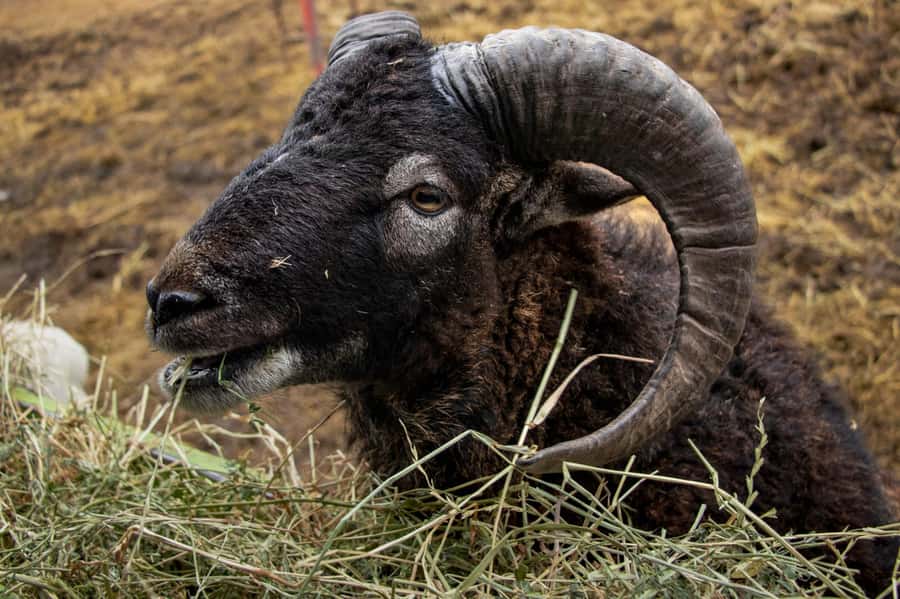
A classic safari or zoo day can be all entertainment. Safari Park includes a rehabilitation center element for birds of prey, turtles, and sea lions. That changes your perspective while you’re there.
Even if you’re not a conservation nerd, you’ll likely notice the difference. Rehabilitation centers often make you slow down and look at animals with a different question in your mind, not just Where are they? but How are they cared for?
It’s also a nice educational layer that works across ages. Kids can still be excited about seeing animals up close, while adults get a more grounded reason for why the park exists.
If you want to get the most from these stops, look at what your guide emphasizes. A good guide will connect the rehabilitation angle to what you’re seeing in real time, instead of treating it like a quick photo stop.
The playground break: one ticket, pick your best match
After the safaris and lunch window, there’s time for the playground. You get a ticket valid for one of the following options:
- Zip line
- Kayak
- Trampoline
- Simulator
This “pick one” setup is smart for families because it avoids decision paralysis and keeps the day moving. It also lets you match the activity to your group.
Here’s how I’d choose based on your vibe:
- Pick zip line if you want thrills and you know your group can handle heights.
- Pick kayak if your group enjoys water play and you’re comfortable with a seated activity outdoors.
- Pick trampoline if you want an easy win for kids, and you want that loud, high-energy release before you head home.
- Pick the simulator if you want something controlled and weather-proof.
Since you only get one option, I’d also think about energy levels. If you’ve already had big-cat intensity, a calmer choice like the simulator or trampoline might be the easiest way to keep everyone happy.
Price and logistics: does $111 feel like value?
At $111 per person, you’re paying for a full-day package: round-trip transfer on an air-conditioned vehicle, a bilingual guide, included admission to the Big Cats, Herbivore, and Jurassic safaris, plus breakfast. Lunch is not included, but there is a lunch break scheduled.
So what are you really buying?
- Transport and time efficiency from Santiago
- Guide help during the most important viewing blocks
- Admission to three safari experiences instead of just one
- One included playground activity
That can make the price feel reasonable, especially for families. You’re not trying to coordinate multiple tickets and timing on your own, and the small group format can help you get better animal viewing without the hassle.
Where value can depend on your expectations:
- If you want maximum free time to explore at your own pace, the day may feel tight.
- If you care most about animal realism and less about trained viewing behavior, you might wish the experience were more wild-feeling.
Balancing it out, the package is doing a lot for the money, especially the combination of guided safari viewing plus included breakfast and one playground option.
Comfort and timing tips that actually help
Because this is a scheduled tour, timing matters. You start with a coach ride and a breakfast stop, and then the guided wildlife viewing block begins. There can be a long wait at the start depending on your pickup timing, so do not plan a major next-day activity that assumes you’ll arrive back early and refreshed.
Inside the park, you’ll want to move with the group. The limited free time means you can’t treat the day like a buffet where you sample everything whenever you feel like it.
A couple more practical points:
- Bring a passport or ID card, since it’s required.
- Keep an eye on your belongings. The park notes they are not responsible for objects left inside vehicles.
- Services linked to third parties (like parts of playground activities) involve conditions set by those providers, so if you’re unsure, ask before you use anything.
On the guide side, language support is clearly built in: English, Portuguese, and Spanish. In practice, clarity can make the experience more fun, because you understand why you’re seeing what you’re seeing, not just where to point your camera.
Who this tour is best for, and who should skip it
Safari Park is a strong fit if you:
- Want close animal encounters without the stress of building your own itinerary
- Prefer guided viewing with a small group
- Travel with kids who will enjoy the playground choices
- Like animals and also appreciate a rehabilitation-center element
It’s probably not the best fit if you:
- Need a lot of free-roaming time. The day is guided and structured.
- Are looking for a fully independent zoo stroll where you control every minute.
- Have mobility impairments. The tour is not suitable for people with mobility impairments.
If you fall somewhere in the middle, treat it like a family safari day with set segments. That mindset keeps expectations aligned and makes the day more enjoyable.
Should you book Safari Park from Santiago?
I’d book this tour if you want a single, organized day that combines close-up safari viewing, a Chilean countryside breakfast, and a built-in playground option. The small group size and bilingual guide are especially helpful if you’re traveling with kids or you simply do not want the hassle of coordinating transport and tickets.
I would hesitate if your top priority is long stretches of free time or a strictly hands-off, no-training-feel animal experience. The schedule is structured, and some viewing interactions are designed to bring animals into the right viewing zones.
If you’re flexible, Safari Park is a fun way to get a big dose of wildlife in one day, with enough variety across safaris and the rehabilitation stops to keep the experience from turning into just another zoo trip.
FAQ
How long is the Safari Park tour from Santiago?
The tour lasts 9 hours total.
How much does the tour cost?
The price is $111 per person.
What safaris are included in the park admission?
Your admission covers the Big Cats Safari Park, the Herbivore Safari, and the Jurassic Safari.
What meals are included?
You get a typical Chilean countryside breakfast included. Lunch is not included, even though lunch time is scheduled in the itinerary.
What can I do in the playground?
Your ticket lets you choose one option: kayak, trampoline, zip line, or simulator.
What languages will the guide speak?
The live tour guide offers English, Portuguese, and Spanish.
What should I bring for the tour?
Bring a passport or an ID card.
Is the tour suitable for people with mobility impairments?
No, it is not suitable for people with mobility impairments.
Chilean Wildlife By Vehicle

Everything Else We Have Reviewed In Chile





Not quite it? Here is the rest of what we have reviewed around Chile





More in Safari.
 ★ 5.0SoCoHo Jeep Safari – Historical Sites – Lunch – BeachFrom $12034 reviews
 ★ 4.0Island Safari DiscoveryFrom $17126 reviews
 ★ 5.0Wildlife Safari and Photography TourFrom $14517 reviews
 ★ 5.0Island Safari 4×4 Discovery Tour from St John’sFrom $1855 reviews
 ★ 4.5SAFARI PARK-TOUR RANCAGUA : CHILEFrom $1504 reviews
Browse the lists this tour appears in