
Review · WINE COUNTRY
Palmilla: Wine and Flavors Tour
Three wines, one well-run vineyard visit. In Palmilla, this 90-minute MontGras tour pairs vineyard walking with a clear, guided look at how Chilean wine comes to life.
You get explanations you can actually use while you taste, plus scenery that makes the short time feel like more.
What I really like is the Varietal Garden stop, because it helps you connect what you see in the vines to what you later smell and sip. I also like that the tasting is built around three specific wines with paired bites and snacks, so you taste with a point, not just a sip count.
One possible drawback: the standard tour is tightly timed, so if you’re hoping for a big, long tasting session with lots of pours, you’ll likely want to consider the Premium Tasting upgrade.
In This Review
- Key things to know before you go
- Palmilla Wine and Flavors at MontGras: the quick, smart way to taste Chile
- Arrival at the Visiting Center and how the tour starts
- The vineyard walk and the Varietal Garden stop
- MontGras Winery tour: seeing how the process fits the wine
- The tasting itself: three wines, paired bites, and snack balance
- Premium Tasting upgrade: when it’s worth paying more
- What you’ll walk away with (and why it matters)
- Group size, timing, and how the pacing feels in real life
- Language, guide quality, and how to get the most out of it
- Who this tour fits best in your trip
- Should you book Palmilla Wine and Flavors at MontGras?
- FAQ
- How long is the Palmilla: Wine and Flavors Tour?
- What wines are included in the standard tasting?
- Is there an option to upgrade to a Premium Tasting?
- What is the minimum drinking age?
- What languages is the tour guide available in?
- Is the tour wheelchair accessible?
- Is cancellation allowed, and how far in advance?
Key things to know before you go
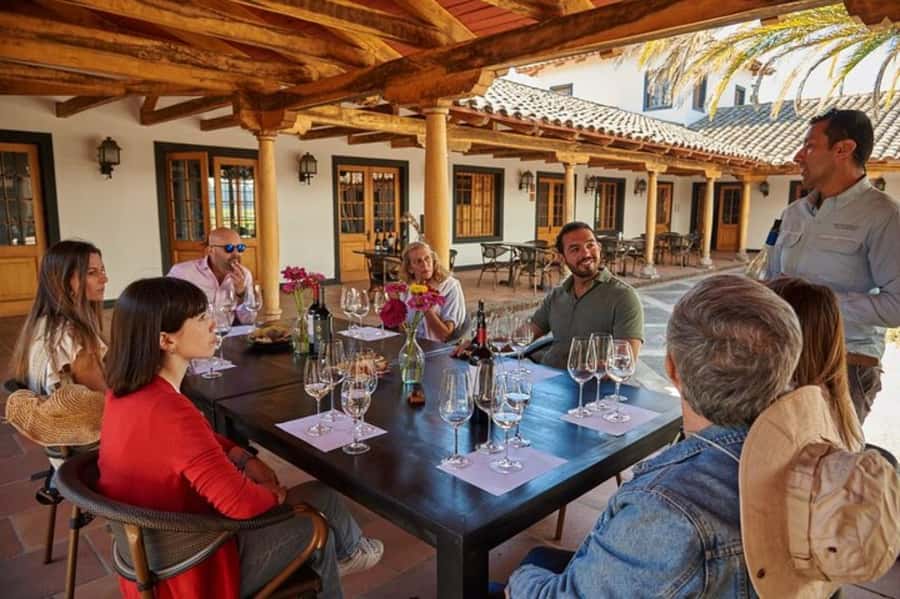
- Small group feel with a cap of up to 10 participants, plus an overall limit noted as maximum 15 travelers.
- Varietal Garden walk that sets you up to understand the grapes before the winery portion.
- Vinification process explained by a live guide in Portuguese, English, or Spanish.
- Two Super Premium plus one Reserve tasting, paired with bites and snack pairings.
- Premium Tasting upgrade available if three wines isn’t enough for your style.
Palmilla Wine and Flavors at MontGras: the quick, smart way to taste Chile
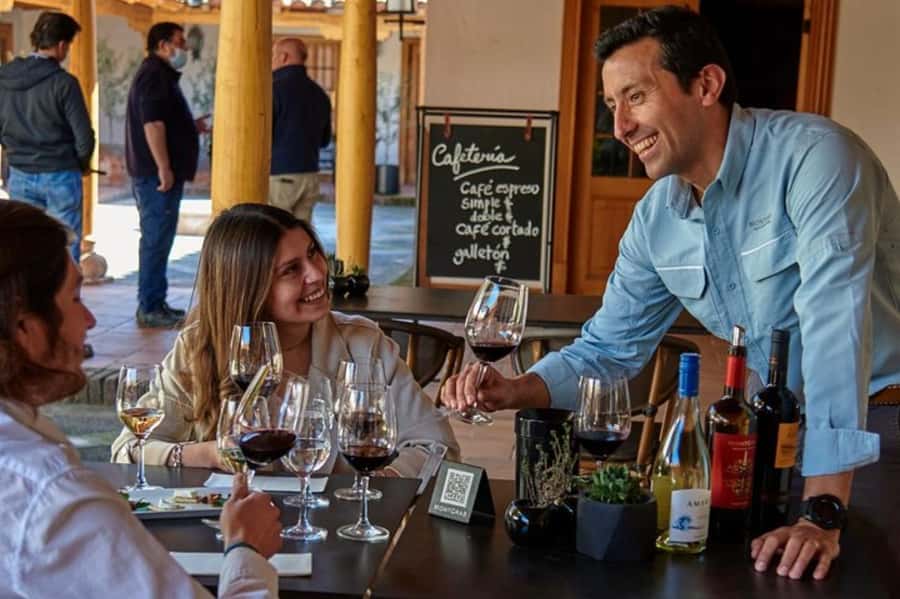
If you want a wine experience that does not feel like a lecture, this Palmilla: Wine and Flavors Tour is built for you. It runs 90 minutes, which means you get guided education and tasting without eating up your whole day. At the same time, it is not just a quick stop either. The walking portion and the winery explanation give you context, so the tasting lands better.
This is also a nice option if you are visiting North Chile on a schedule and still want something memorable. The tour stays focused on what matters: how wine is made and how it tastes when matched with food.
And yes, the tour price matters here. At about $22 per person for a guided vineyard visit plus winery entry and a structured tasting, it is good value if you enjoy learning while you taste. You are paying for a guide and a pairing session, not just a cup and a view.
Arrival at the Visiting Center and how the tour starts
The experience begins at the Visiting Center at your reserved time. That timing matters because you get guided pacing. Instead of wandering around and guessing what to do next, you start with the guide’s overview of what wine-making involves.
Right away, you will hear about the vinification process and the key characteristics that shape the final wine. Even if you do not know much about wine terms, this sort of starting point helps you understand why one wine tastes lighter or bolder than another. It also makes the tasting more fun, because you taste with questions in mind instead of guessing.
You are also told what to expect from the rest of the visit. That clarity is one of the reasons this tour works well for first-timers.
One more detail I appreciate: the tour operates in all weather conditions. That means you should plan for that practical reality. Wear shoes you are comfortable walking in, and dress for vineyard conditions, which can feel cooler or breezier than you expect.
The vineyard walk and the Varietal Garden stop
After the opening talk, the tour shifts to the vineyards. This is where the visit becomes more than a tasting room experience. You get a guided walk and a chance to see the vines up close.
A standout part is the Varietal Garden. The idea is simple and useful: before you taste, you look at different grape varieties in a way that makes the later wines easier to connect to what you saw outside. Even without getting technical, it gives you a visual anchor. That can make tasting notes feel less abstract.
This is also a good moment to ask questions. With a small group, you are not lost in a crowd, and you can usually get answers in the moment. A guide named Fernanda shows up in feedback as especially good at explaining the process and teaching during the tasting portion. That kind of guiding style tends to make vineyard walks more interactive, not just scenic.
Practical tip: keep your water bottle or a small snack on hand if you tend to get hungry. You will have bites during the tasting, but the rest of the walk happens before that final snack pairing rhythm.
MontGras Winery tour: seeing how the process fits the wine
Next comes an overview of the MontGras Winery and the winemaking process. This part is where the earlier vinification explanation becomes concrete.
The tour structure is designed to be logical:
1) you learn the process basics,
2) you walk the vineyard and see varieties,
3) you get inside the winery experience,
4) then you taste wines matched to food.
That flow is what makes it feel “complete” for a short 90-minute visit. You are not just sampling. You are connecting the dots.
Even if you are not a wine nerd, I think you will enjoy this section because it is practical. You learn what tends to drive flavor, not just where grapes are grown. And because it is guided, you avoid the common problem of tasting first and learning later, when your senses have already moved on.
The tasting itself: three wines, paired bites, and snack balance
The heart of the tour is the tasting of three wines. The lineup is clear: two Super Premium wines and one Reserve. That gives you a range, so you can taste differences in complexity and style without being overwhelmed by too many options.
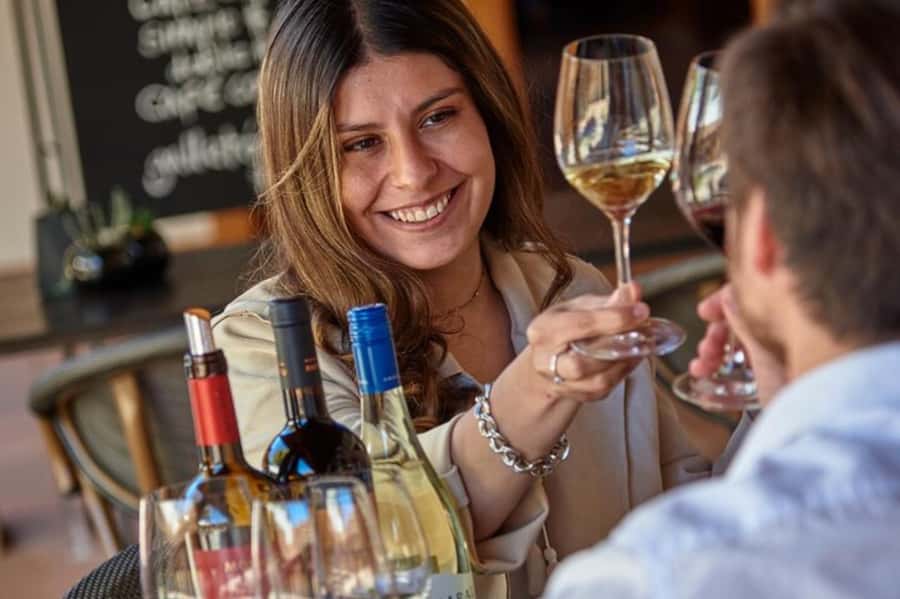
You will taste the three wines paired with bites, then the visit concludes with a more snack-focused tasting where you match the wines with various snack pairings. The goal is balance: you experience how food can lift fruit notes, soften tannins, or shift how acidity feels.
Here’s what you should pay attention to during the tasting:
- How the first wine sets your baseline
- How the second Super Premium wine changes the pace or intensity
- How the Reserve wine feels compared to the earlier two, since Reserve styles are typically meant to be more serious and structured
Also, do not treat the bites as an afterthought. The pairings are part of the design. If you eat blindly, you miss the lesson.
This tour is especially good if you are still building your palate. You get guided structure, and that makes it easier to decide what you like. You might find you prefer lighter, fruit-forward styles, or you might discover you enjoy fuller, more structured wines once food helps them make sense.
Premium Tasting upgrade: when it’s worth paying more
If you want more than three wines, there is a Premium Tasting upgrade. The tour info notes that the fee is based on:
- the number of participants,
- the selected wines,
- and the requirements.
So instead of forcing everyone into a heavier tasting, you have a choice. If you know you love wine and you want to linger with more pours, it can be a smart value add. If you only want a quick orientation to start your Chile trip, the standard three-wine tasting is already a strong setup.
What you’ll walk away with (and why it matters)
A good wine tour leaves you with two things: a better sense of what you like, and enough understanding to shop or taste later with confidence.
This one is built to do that. The guide’s explanation before the tasting helps you hear the logic behind what you taste. The vineyard and Varietal Garden stop makes it easier to connect wine to the grape world you saw outside.
Then the tasting sequence reinforces it. You do not just taste randomly. You taste in a way that helps you notice differences between Super Premium and Reserve styles, and you learn how food pairings change the experience.
That matters because it changes your future choices. Instead of thinking of wine as a guessing game, you start recognizing patterns in taste and structure. And that is when wine tourism becomes genuinely fun.
Group size, timing, and how the pacing feels in real life
This is not a huge production. It is designed as a small group tour, listed as limited to 10 participants. There is also an overall maximum stated as 15 travelers, so either way you should expect a more personal feel than a large bus tour.
Timing is also a big part of why this experience feels efficient. At 90 minutes, you get vineyard and winery time, plus a tasting that ends with snack pairings. You can fit it into a travel day without turning the rest of your day into a blur.
If you hate waiting around, this pacing usually works well. You arrive at a reserved time, start with a guide overview, move through the key stops, then finish with the tasting. It is focused.
If you love slow tourism where you can sit longer and ask more questions, you might find the standard tour a touch brief. But that is exactly where the Premium Tasting upgrade can help.
Language, guide quality, and how to get the most out of it
The tour runs with a live guide in Portuguese, English, and Spanish. That matters because you can ask follow-up questions and you get explanations in the language you’re actually comfortable using.
One name that comes up in feedback is Fernanda, praised for explaining the wine process and teaching a lot during the tasting. When a guide is that strong, the tasting becomes more than drinking. You end up understanding why the wine tastes the way it does, and that can make you more confident buying or ordering later.
How to get the most out of the guide:
- Ask what to pay attention to for each wine before you taste
- Mention what you usually like (dry, fruity, light, full-bodied) and ask which wine in the set matches that
- Use the paired bites as a tasting prompt: try the wine first, then try food, then notice what changes
Who this tour fits best in your trip
This tour is a great match if you:
- want a structured wine education without a half-day time commitment,
- enjoy vineyard walking but also want the winery context,
- are traveling with friends or family and prefer a small group,
- want to learn how food pairings affect wine.
It may be less ideal if you:
- want a long, sit-down tasting where you control the pace,
- need a very deep technical workshop (this is built for guided overview and tasting, not specialized lab-style instruction),
- are not comfortable with active walking, even though it is short and guided.
And for planning, remember the rules. The minimum drinking age is 18 years. Children must be accompanied by an adult.
Should you book Palmilla Wine and Flavors at MontGras?
Book it if you want a fast, high-value way to see the vineyards, learn the vinification story, and taste three wines with food pairings in a small-group setting. At $22 for a 90-minute tour that includes winery entry plus wine and food tasting, it is a practical buy if wine is on your must-do list.
Skip or consider another option if your idea of a wine tour is a longer tasting marathon with lots of pours and time to linger. In that case, the standard format may feel short, and you should look closely at the Premium Tasting upgrade option for extra wines.
FAQ
How long is the Palmilla: Wine and Flavors Tour?
The tour lasts 90 minutes.
What wines are included in the standard tasting?
You taste three wines: two Super Premium wines and one Reserve wine, paired with bites and snacks.
Is there an option to upgrade to a Premium Tasting?
Yes. You can upgrade the number and quality of wines for tasting. The fee depends on the number of participants and the selected wines.
What is the minimum drinking age?
The minimum drinking age is 18 years.
What languages is the tour guide available in?
The live tour guide is available in Portuguese, English, and Spanish.
Is the tour wheelchair accessible?
Yes, the tour is wheelchair accessible.
Is cancellation allowed, and how far in advance?
You can cancel up to 24 hours in advance for a full refund.
More in Chilean Vineyards & Wine Tasting.
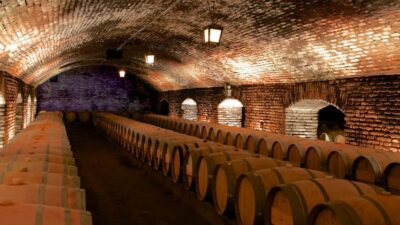 ★ 4.2Concha y Toro Vineyard Tour w/ Transfer & TastingFrom $82455 reviews
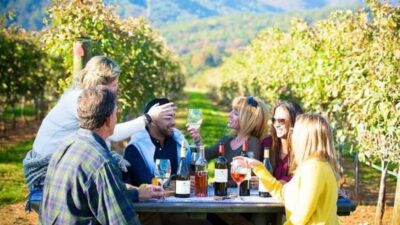 ★ 4.8Maipo Valley Wine Tasting Tour with 4 VineyardsFrom $134450 reviews
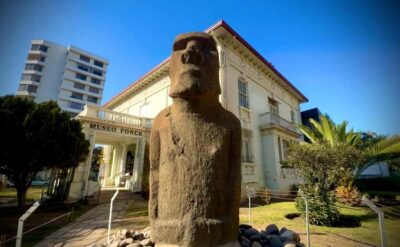 ★ 4.7Viña del Mar, Valparaiso, with Wine TastingFrom $60351 reviews
 ★ 4.5Inca Lagoon and Vineyard Visit with Wine TastingFrom $80233 reviews
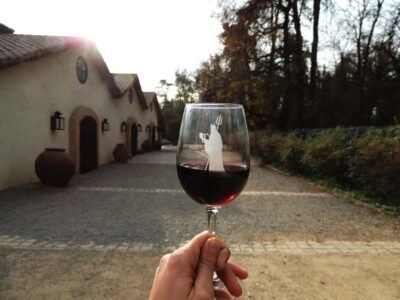 ★ 4.1Concha y Toro and Undurraga Vineyards TourFrom $76194 reviews
 ★ 4.5Private Tour: Viña del Mar and Valparaíso Tour with Wine Tasting in Casablanca ValleyFrom $170188 reviews
 ★ 5.0Casablanca world class wines, 4 vineyards & Tanino lunch stopFrom $149109 reviews
 ★ 4.5Santa Rita Winery Selection TourFrom $44103 reviews
Browse the lists this tour appears in