Review · CHILE
DiveCarib – An Eco-Friendly Certified Diver Trip in Antigua
Tropical water and strict rules, what more do you need? This Antigua trip pairs an eco-friendly certified operation with a highly rated crew and a simple plan: get geared up, do a controlled underwater session, and come back smiling. I like that the team brings 40-plus years of combined experience, and you get clear guidance before you ever step off the boat.
Two things really land for me. First, the equipment quality gets called out, so you are not fighting gear issues while you are trying to enjoy the sea. Second, the guides focus on seeing marine life without stressing it, with a no-touch, no-take, no-feeding policy that keeps the experience both fun and responsible.
One consideration: this is for people with recent ocean scuba experience. If you have not been in the water for two years or more, you will need a refresher before joining the certified sessions, and they also require ocean experience within that window.
In This Review
- Key highlights worth caring about
- Getting to DiveCarib and Starting on Antigua Time
- The pre-session briefing: where safety meets calm
- Boat ride views, plus a real sense of place
- Equipment and tank details you should understand
- Wildlife rules: the difference between seeing and damaging
- What happens underwater, step by step
- If conditions change, you still get a plan
- Price and value: is $199 a fair deal?
- Who this Antigua scuba trip suits best
- Should you book this Antigua experience?
- FAQ
- What time does the trip start, and how long does it last?
- Where do I meet for DiveCarib in Antigua?
- What is the maximum group size?
- How much does it cost?
- Do I need recent scuba experience to join?
- Is there drinking water available?
- What equipment is provided?
- What if weather is poor on the day?
- Is the wildlife policy strict?
Key highlights worth caring about
- Small group size (max 8) means less waiting and more personal attention during the plan and safety checks.
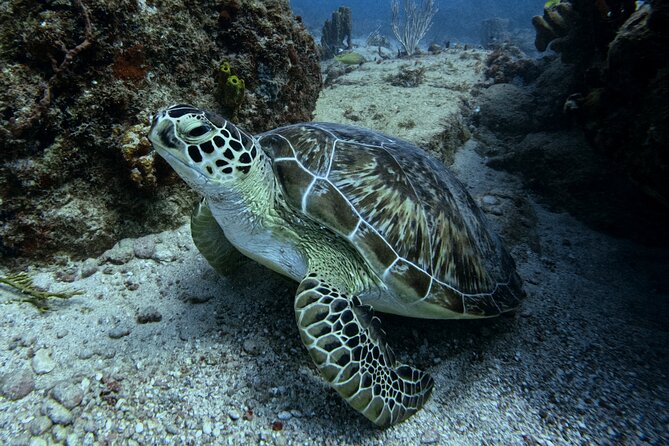
- Strict wildlife rules (no touching, no taking, no feeding) help you enjoy marine life without damaging it.
- Clear tank limits and timing use a one-hour session goal and a minimum end pressure reserve for safer pacing.
- Scenic boat ride gives you another viewpoint of Antigua before and after your underwater time.
- Top-rated local guides lead the whole experience and call out what you should watch for in the water.
- Weather-dependent schedule means you are more likely to get moved to another date than pushed through rough conditions.
Still weighing up the options? These are the other Chile tours we have written up.
- Adventure Antigua – The Xtreme Circumnavigation
★ 5.0 · 959 reviews - Hike to Pacaya Volcano from Antigua
★ 4.5 · 502 reviews - Scenic Full Day Tour of Antigua
★ 5.0 · 472 reviews - Snorkel – Lobster Lunch Cruise to Bird Island and Paradise Reef
★ 5.0 · 438 reviews
Getting to DiveCarib and Starting on Antigua Time
Your day starts at the DiveCarib National Sailing Academy on Dockyard Drive in Antigua and Barbuda, with a start time of 8:30 am. That early slot matters more than it sounds. You get calmer water in many cases, and you are back on land while the rest of the island is still warming up.
The activity ends back at the same meeting point. So you do not have to plan a complicated return on your own. It is also close to public transportation, which is helpful if you are not planning to hire a car for the half-day.
The trip runs about 4 hours total. That is long enough to feel like an actual outing, including briefings, gear setup, and the boat ride. It is not so long that you lose the rest of the day to logistics and fatigue.
The pre-session briefing: where safety meets calm
Before anything happens on the water, you’ll get an introduction to the facility and team. Then comes the dive briefing, which is basically the “set your expectations and reduce stress” part of the trip. You cover the essentials, including what to expect during the session and how equipment will be handled.
Here is what I think is practical about this setup: when your plan is clear, your brain stays quieter once you are underwater. You can pay attention to what is around you instead of running mental checklists.
They also explain specific points for divers using their rental equipment. That matters if you have never used the same style of gear before. Even small differences, like how straps feel or how certain pieces fit, can distract you underwater. The briefing gives you a fast runway so you can focus on the water, not the fit.
Boat ride views, plus a real sense of place
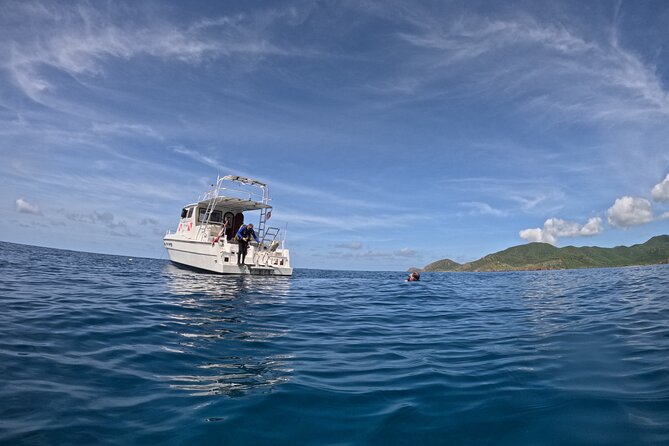
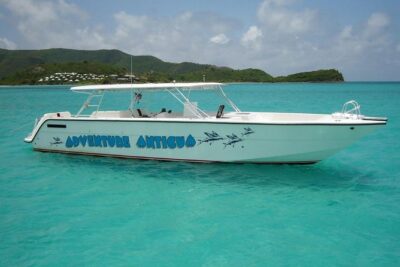
After the briefing, you board the boat and head to the underwater site. The boat ride is part of the experience, and it makes sense. Antigua looks different from the water. From the deck, you get a wider perspective on the coastline and the scale of the island.
They also have drinking water available on board. That is a small detail, but it helps you stay comfortable before your equipment and breathing rhythm take over. If you are visiting from a cruise day, this sort of comfort item can make the whole trip feel smoother.
The crew has the local rhythm down too. In one real coordination situation, Leigh worked with a guest schedule and was willing to hold the dive boat 30 minutes so the group could arrive in time. If you are doing this around a port stop, that responsiveness is the kind of thing you hope for.



Equipment and tank details you should understand
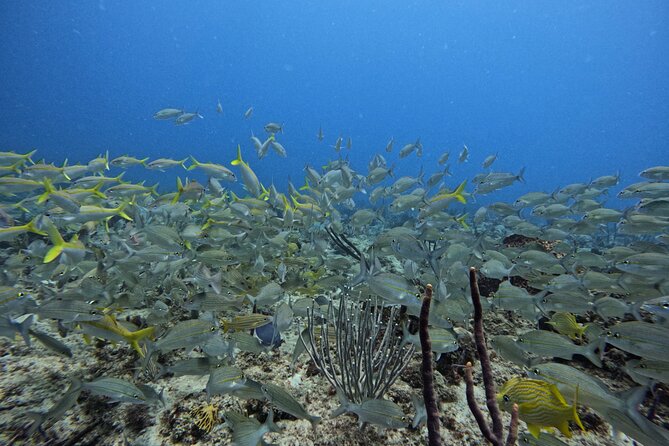
You will kit up at the first underwater site and do a pre-session safety check before entering the water. That is the moment where things get real, so it is good they build in the check rather than rushing.
On the equipment side, the experience is built around rental gear, and they tailor the guidance to people using that equipment. Reviews specifically call out the provided equipment as top notch. So if you have been nervous about rentals, that reassurance helps.
The cylinder type is aluminum S80, with 11.2 litre capacity. Starting pressure is 3000 Psi, or 207 bar. Sessions are set at one hour, with a minimum end or surface pressure of 500 Psi, or 35 bar.
Why you should care: the minimum end pressure is your reserve. It is not just a number on paper. It helps control how long you stay and keeps the guide plan consistent across different comfort levels. If you tend to use air quickly when you are excited, the reserve helps prevent your whole experience from becoming a countdown panic.
Also, if the session is set to one hour but you are too tense, you might not feel like you “spent time” the way you wanted. That is not a problem with the operation. It is just how pressure and breathing work. The best way to enjoy the time is to control your pace, breathe evenly, and treat the guide instructions as part of the process.
Wildlife rules: the difference between seeing and damaging
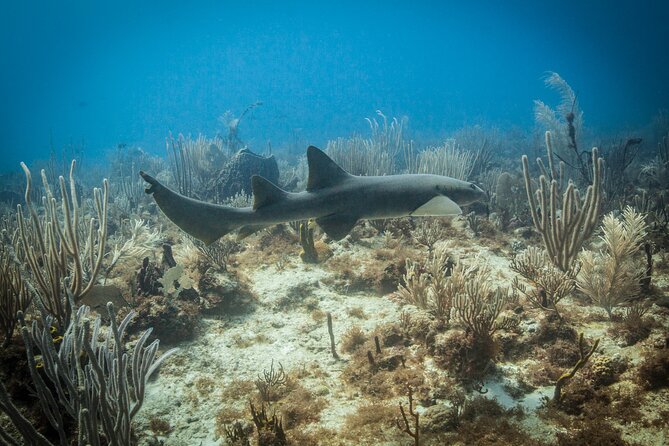
This is one of the clearest value points in the whole experience. The trip runs with a strict no-touch, no-take, no-feeding wildlife policy. That does two things for you.
First, it protects what you came to see. Reefs and marine life do not need extra stress from curious hands or snacks. Second, it gives you a simple code of conduct. You are not guessing what is allowed. You just follow the rules, look closely, and let nature be.
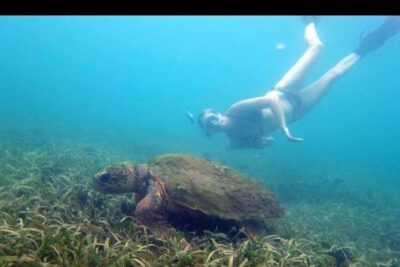
The guide, with extensive knowledge of the local underwater realm, shows you the beautiful marine life Antigua offers. In practice, that means you will have a better chance of spotting things than if you just follow your own curiosity blindly.
If you like respectful travel, this is the kind of operation that makes it easy to do the right thing. You get the fun of the encounter without turning the ocean into a souvenir shop.
What happens underwater, step by step
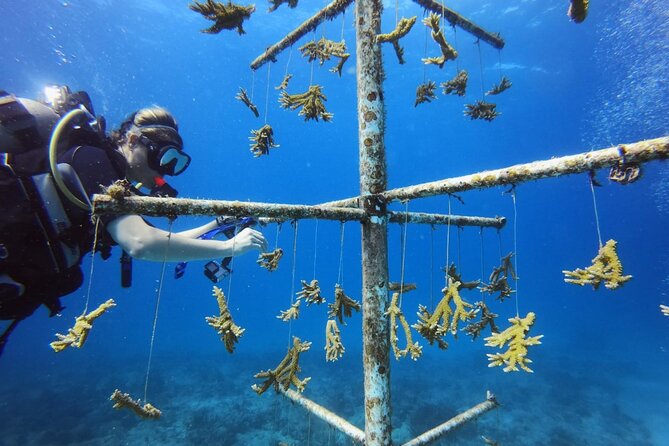
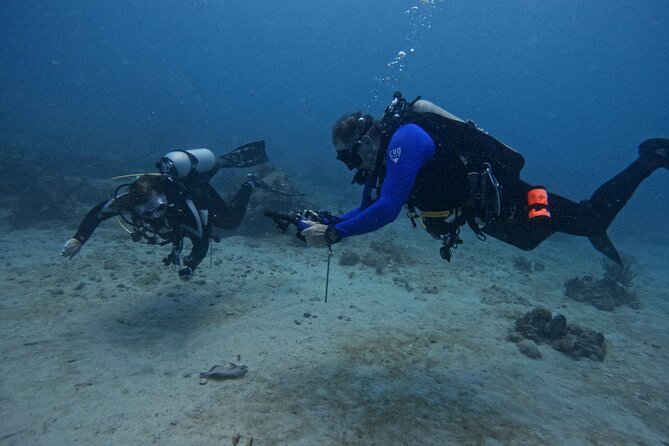
Once you reach the first site, you kit up, do your pre-session safety check, and enter the water. The guide leads all the sessions and helps you navigate what you should look for.
From a pacing standpoint, the plan is structured: one hour sessions with a minimum end pressure reserve. That structure is a kindness. It means you are not relying on guesswork. You are working within a safety framework.
It also helps that the group size is capped at eight travelers. Smaller groups are easier to manage underwater, and they usually mean you spend less time waiting while someone catches up.
A final practical note: they require participants to have ocean scuba experience within the last two years. That requirement is there for a reason. Comfort with equipment, buoyancy habits, and basic water confidence tends to fade when people skip long gaps. If you meet that requirement, the session will feel smoother. If you do not, plan for extra time and a refresher requirement.
If conditions change, you still get a plan
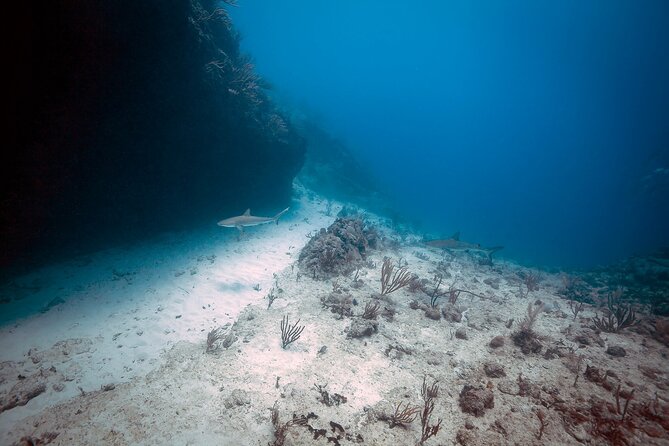
Scuba conditions are real. Currents, surge, and visibility can shift quickly, and a good operator has a flexible response.
There is a helpful example from a coordination story: the second site changed to Black Point due to surge. That tells you they are willing to adapt to water conditions rather than force a predetermined spot.
So what should you expect? You might not do exactly the same route as another group on another day. But you should still get a quality experience. The key is that the crew is monitoring conditions and making calls based on safety and conditions, not ego.
This also fits the “good weather needed” note. If the trip is canceled due to poor weather, you will be offered a different date or a full refund. That is exactly the kind of safety-first approach you want for this kind of outing.
Price and value: is $199 a fair deal?
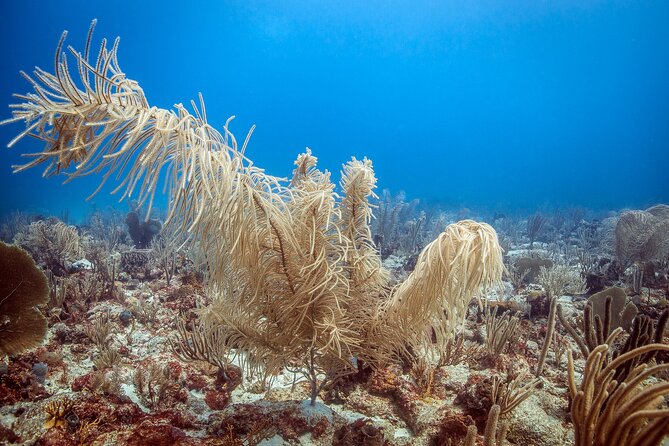
At $199 per person for an approximately 4-hour, small-group, eco-certified experience, the value comes from several places.
You are paying for more than tank time. You are paying for:
- a guided plan with local knowledge,
- pre-session briefings and safety checks,
- rental equipment support,
- a boat ride experience, including drinking water on board,
- and an operation with strong reputation signals, including a 4.9 rating across 70 reviews and a 97% recommendation rate.
If you are a cruise traveler, that coordination matters too. A half-day service that can work around real arrival timing and still keep your schedule moving has real value, even if it is not flashy.
Could you find cheaper? Maybe. But with scuba, “cheap” often turns into hidden costs or stress. Here, the reviews highlight top-tier equipment and guides who make the experience feel organized and safe. In my book, that is the kind of value that matters.
Who this Antigua scuba trip suits best
This trip fits you if:
- you are a certified scuba participant who has had ocean scuba experience within the last two years,
- you can swim unassisted, walk unassisted, and climb the dive ladder unassisted (yes, they specifically list those requirements),
- and you have a moderate physical fitness level.
It also helps if you like clear rules. The wildlife policy is strict for a reason, and people who enjoy guided learning tend to appreciate that structure.
I would treat it as a great match for:
- couples or small groups who want personal guidance,
- visitors who want a responsible way to see marine life,
- and anyone who likes a well-run half-day plan with minimal hassle.
If you have been out of the ocean for two years or more, plan for a refresher dive requirement before joining the certified sessions. The trip can still work for you, but your timing and expectations should include that extra step.
Should you book this Antigua experience?
I would book it if you want a well-run, small-group scuba trip with a local guide, good gear, and a strong wildlife code. The combination of a strict no-touch, no-take, no-feeding policy and the emphasis on safety checks is exactly how responsible nature trips should feel.
It is also a good call if you value clear instruction and pacing. The tank specs and the one-hour plan with a minimum end pressure reserve point to a safety-focused operation, not a wing-it style outing.
Pass on it only if you cannot meet the recent ocean experience requirement, or if you know you will not be able to handle normal physical steps like climbing a ladder into the water. Also, if you hate changing plans, remember the site can shift with surge, as shown by the Black Point backup example.
If you fit the criteria, this looks like an experience where you can relax early, listen in the briefing, and then spend your energy on spotting marine life instead of managing logistics.
FAQ
What time does the trip start, and how long does it last?
It starts at 8:30 am and lasts about 4 hours.
Where do I meet for DiveCarib in Antigua?
You meet at DiveCarib National Sailing Academy, Dockyard Drive, Antigua and Barbuda. The activity ends back at the same meeting point.
What is the maximum group size?
The trip has a maximum of 8 travelers.
How much does it cost?
The price is $199.00 per person.
Do I need recent scuba experience to join?
Yes. You must have dived within the last 2 years, and it must have been in the ocean. If you have not, you need to enquire about their afternoon refresher sessions or complete a refresher dive requirement before joining certified trips.
Is there drinking water available?
Yes, drinking water is available on board.
What equipment is provided?
The experience includes rental equipment, and there is equipment guidance during the briefing for divers using the rental gear.
What if weather is poor on the day?
The experience requires good weather. If canceled due to poor weather, you will be offered a different date or a full refund.
Is the wildlife policy strict?
Yes. There is a no touching, no taking, and no feeding wildlife policy.